
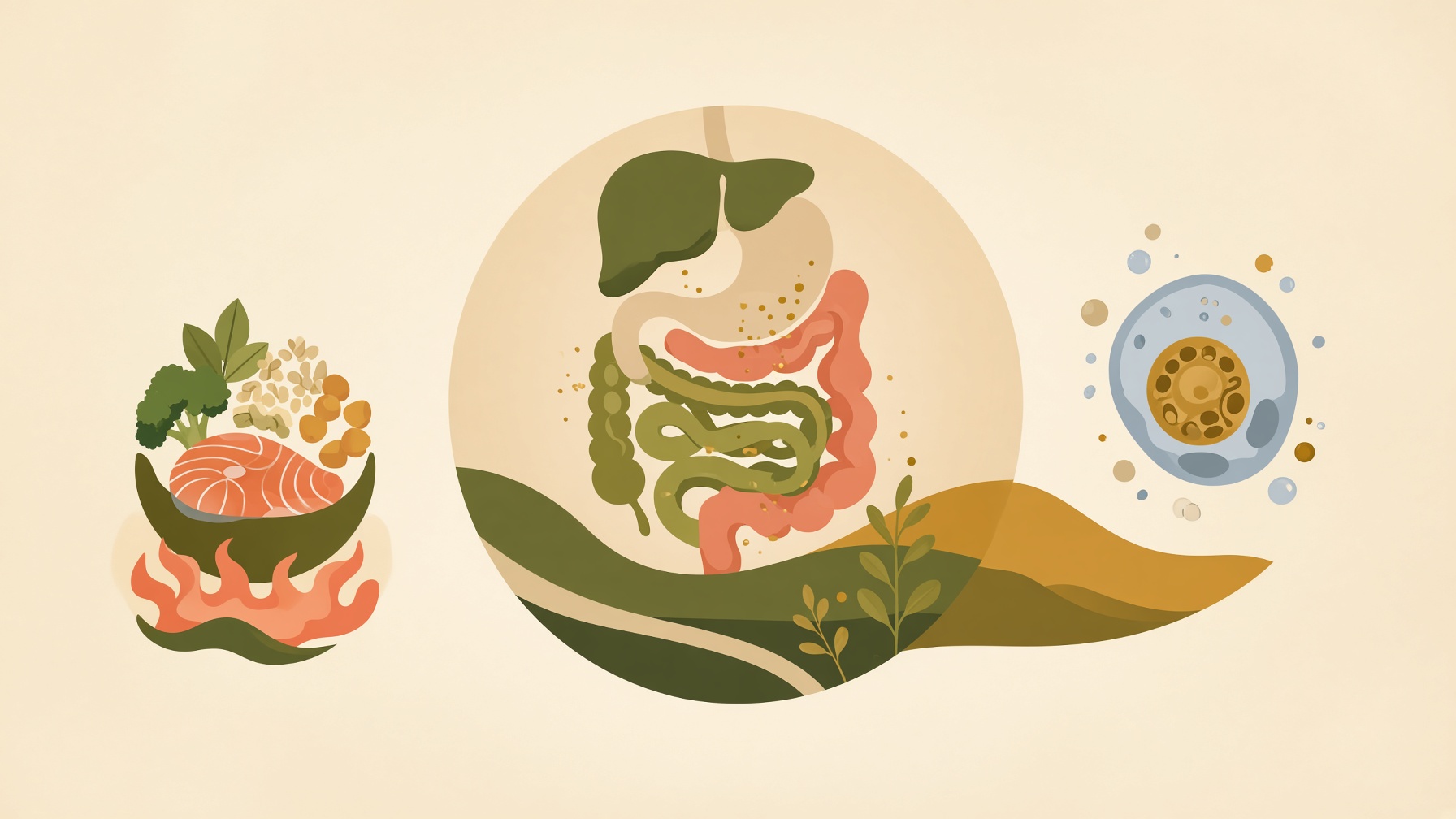
“Increase this food, remove that one, add turmeric, eat berries, switch oils.” Inflammation has become one of those health words that can turn an ordinary grocery list into something that sounds almost medicinal. The appealing idea is that a handful of foods might somehow switch inflammation off. The science asks a more complicated question.
Inflammation itself is not automatically something to eliminate. Acute inflammation is part of the body’s normal response to infection or injury. Nutrition research usually focuses instead on persistent, low-grade inflammation, often tracked with biomarkers such as C-reactive protein and interleukin-6. An “anti-inflammatory” diet is therefore better understood as a pattern associated with more favorable long-term inflammatory markers, not as a way to suppress every inflammatory response the body produces.1,2
At the level of whole diets, some patterns show more consistent evidence than individual foods do. A 2026 umbrella review covering 225 primary studies found that Mediterranean-style dietary patterns showed the most consistent favorable relationship with several inflammatory markers among adults with chronic conditions. The certainty of the evidence varied, so even a well-studied pattern should not be described as an inflammation “cure.”2
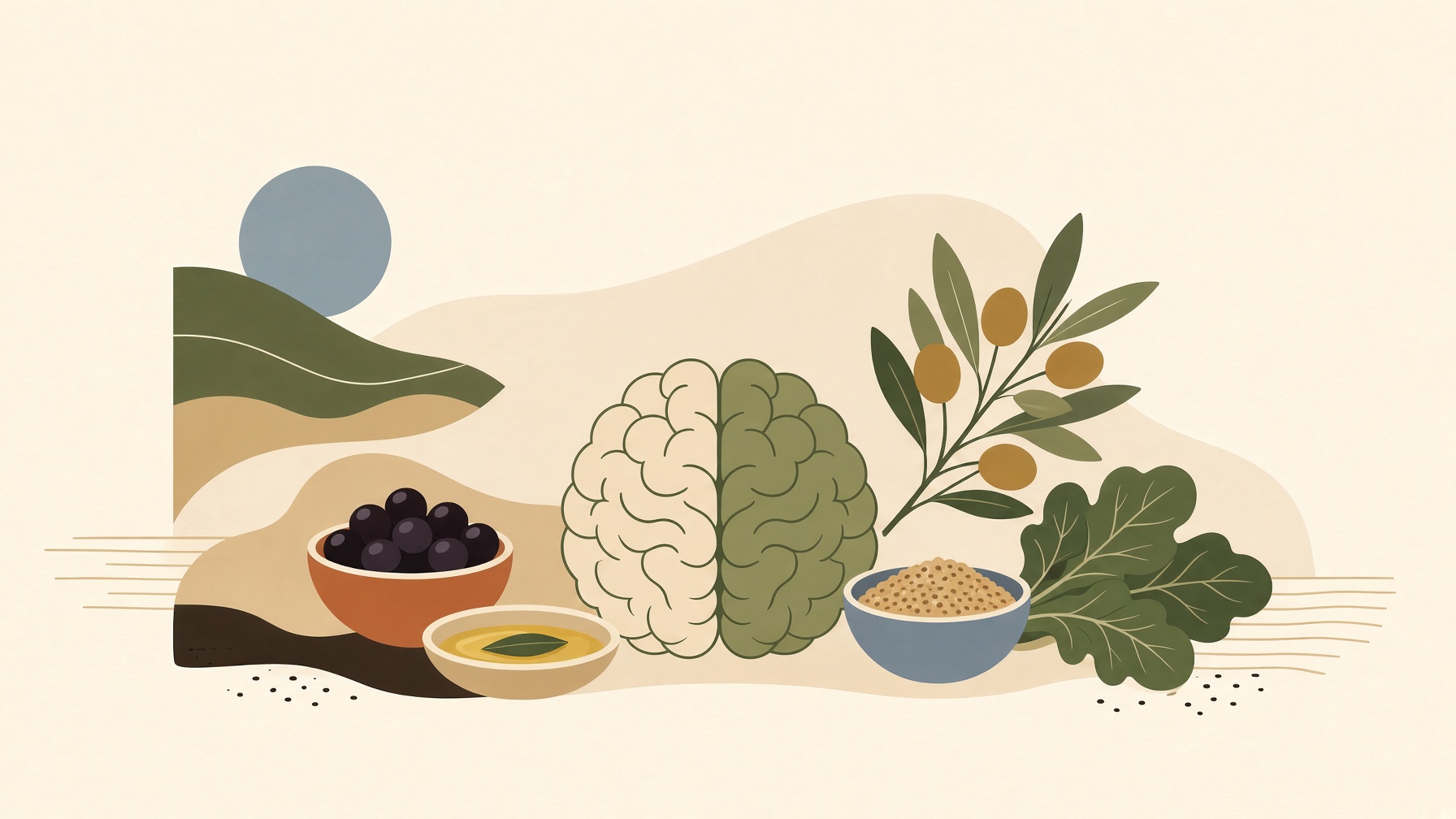
That pattern is familiar: vegetables and fruits, legumes, whole grains, nuts, olive oil, and fish appear regularly, while red meat and highly processed foods receive less emphasis. The important point is that research evaluates these foods as combinations eaten repeatedly over time. It cannot tell us that one serving of berries, one spice, or one spoonful of olive oil reproduces the effect of the larger pattern on its own.2
Once researchers isolate individual foods, the picture becomes less tidy. A 2025 review of chronic dietary intervention trials found occasional favorable changes across fruits and vegetables, fish, cereals, oils, dairy products, and beverages, but results varied substantially across foods, populations, and biomarkers. Even olive-oil studies often test the oil as part of a broader Mediterranean diet, making it difficult to assign the observed change to one ingredient alone.3,4
That changes how “anti-inflammatory eating” translates into ordinary life. The evidence is less supportive of searching for the ingredient with the strongest health halo and more consistent with looking at the broader dietary pattern that keeps returning. The pattern matters because that is largely what the research has studied.2,3
Inflammation does not need another miracle-food list. Once the word is separated from the marketing around it, the grocery basket starts to look surprisingly familiar. The more useful question is not which ingredient can “fight inflammation” on its own, but what kind of eating pattern keeps showing up over time.

Join the discussion
No account or email is required. Your display name and comment will be public.