
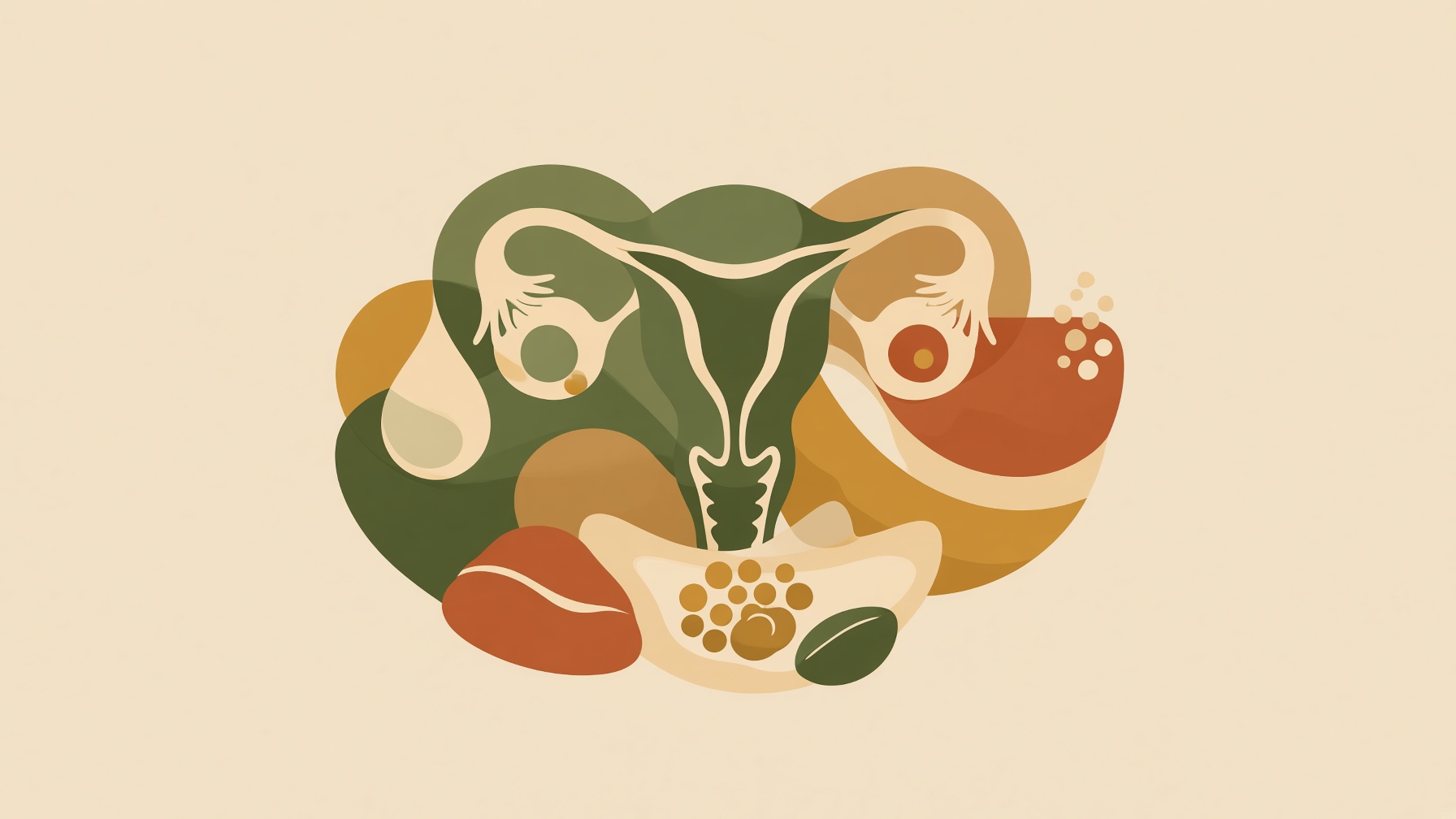
Do Women Need Different Recovery Nutrition?
Recovery nutrition research in female athletes remains too limited to justify rigid menstrual-cycle diets, despite real hormonal differences.
Wikis
Nutrition is the process by which the body obtains and uses nutrients from food and beverages to support growth, development, maintenance, and normal physiological function. The term also refers to the scientific study of these processes and of how food and nutrients relate to human physiology, health, and disease .1,2
Nutrition involves more than consuming food. Food components may undergo digestion before nutrients are absorbed through the gastrointestinal tract and transported within the body. Once absorbed, nutrients can be metabolized, used to provide energy or build and maintain tissues, or stored for later use. These processes help determine how substances consumed in food become available to and are used by the body .2,3
Nutrients have different physiological roles. Carbohydrates, fats, and proteins are commonly classified as macronutrients, while vitamins and minerals are classified as micronutrients. Macronutrients are generally required in relatively large amounts and can provide energy or material for biological processes, whereas micronutrients are required in smaller amounts and support numerous physiological functions without themselves serving as energy sources .1
Nutrition should be distinguished from diet. Diet describes the foods and beverages a person consumes, whereas nutrition encompasses the body's processing and use of nutrients as well as the scientific study of these processes. Diet is therefore an important part of nutrition, but the two terms are not synonymous .1,2
From this collection
Recovery nutrition research in female athletes remains too limited to justify rigid menstrual-cycle diets, despite real hormonal differences.
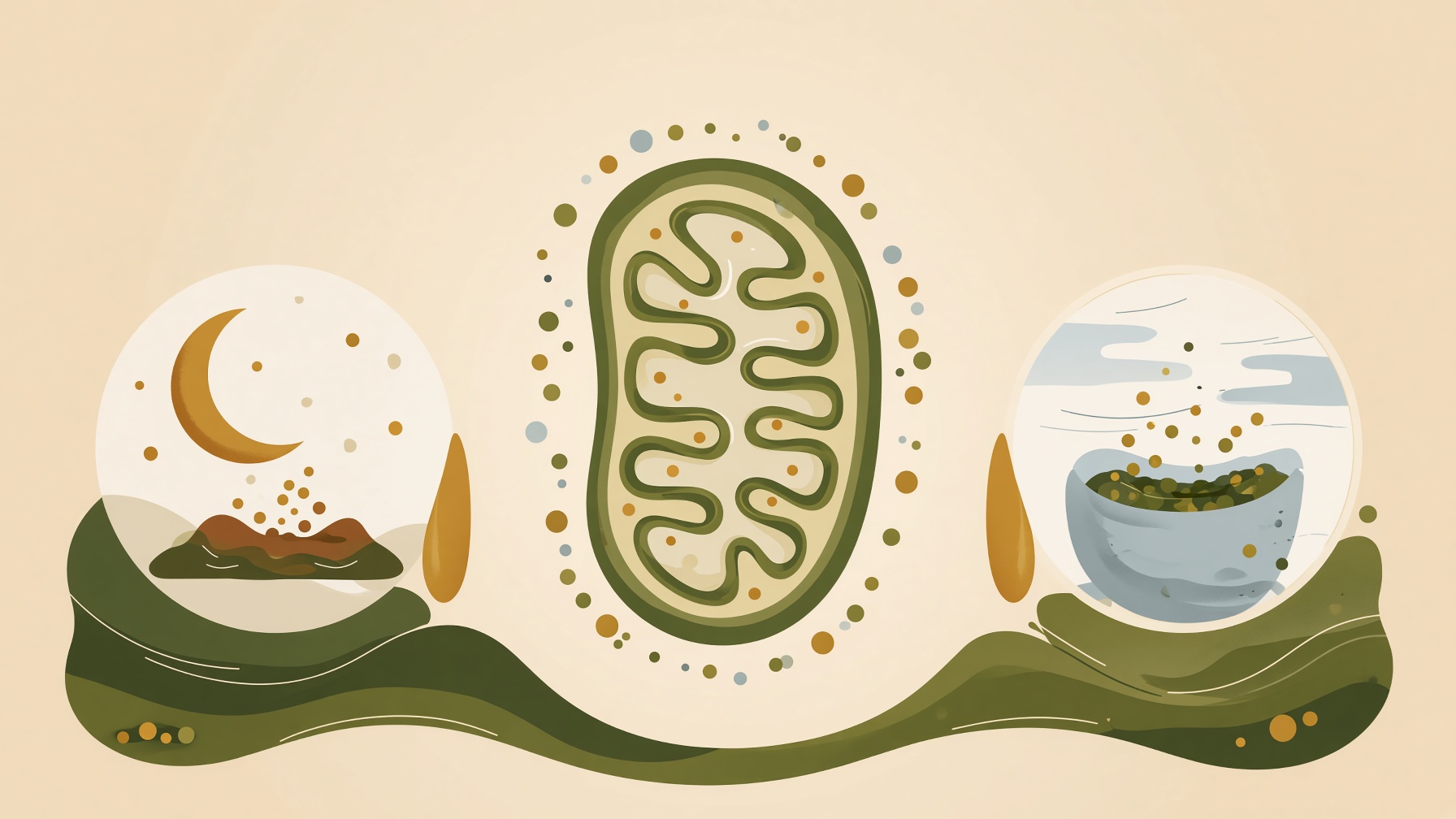
Train-low strategies reduce carbohydrate availability for selected endurance sessions, but research has not established one consistently best approach.
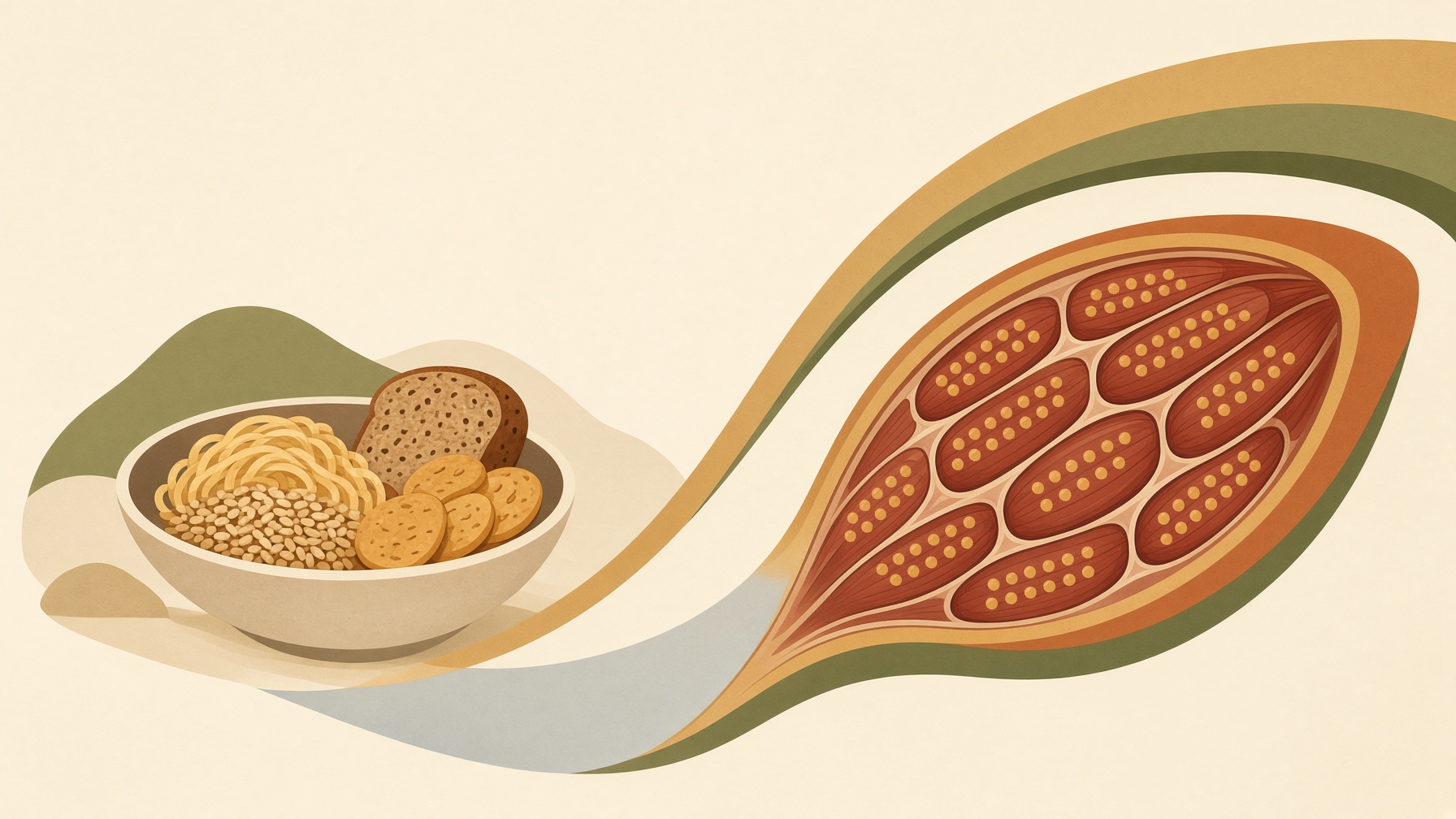
Carbohydrate loading raises muscle glycogen before prolonged endurance events, helping sustain performance when carbohydrate supplies become limiting.
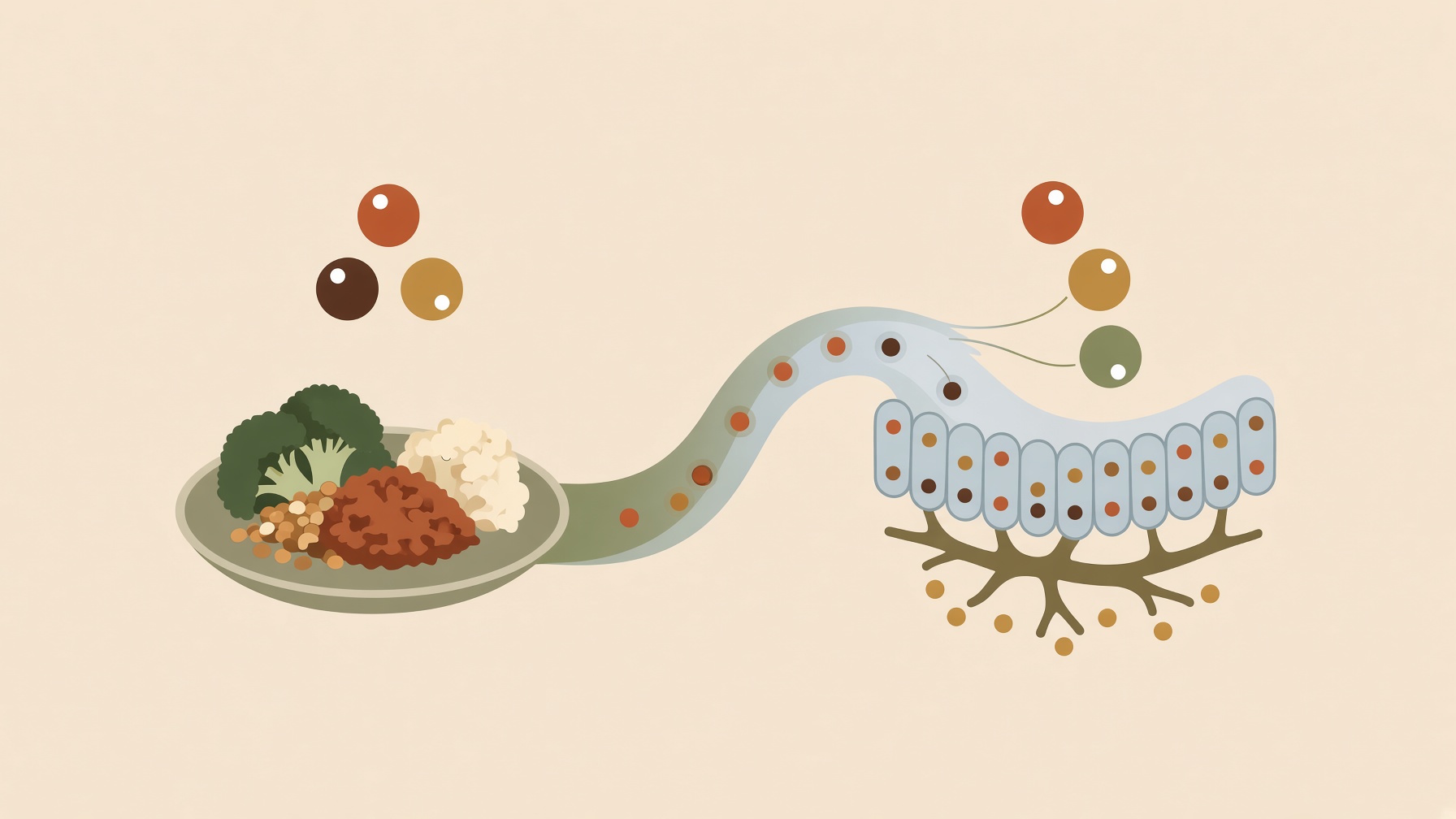
Iron absorption depends on chemical form and meal composition as well as the body’s iron stores, so intake alone does not show how much is absorbed.
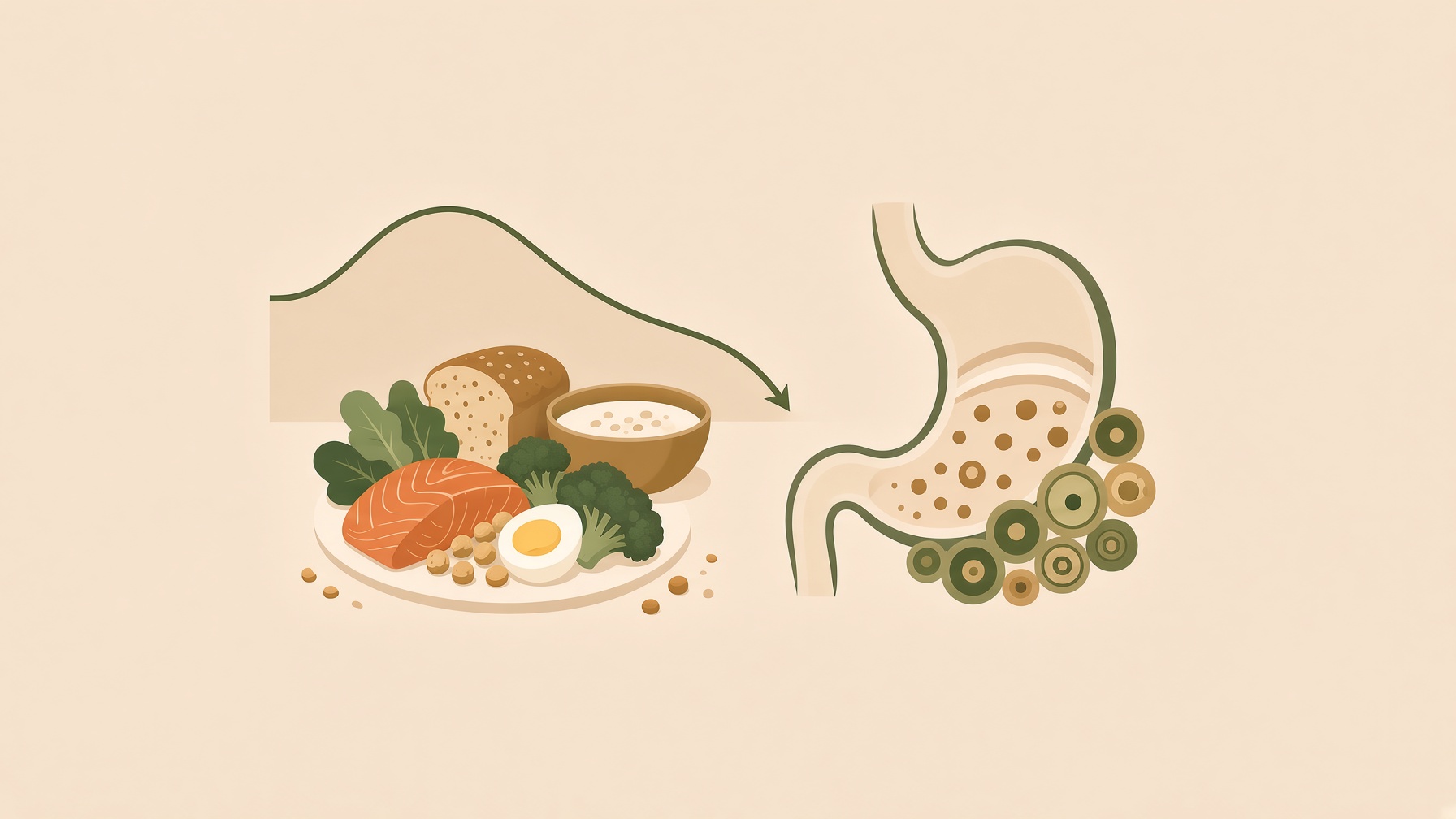
Appetite loss in older adults can push food intake below energy needs, increasing the risk of unintended weight loss even as calorie needs decline.
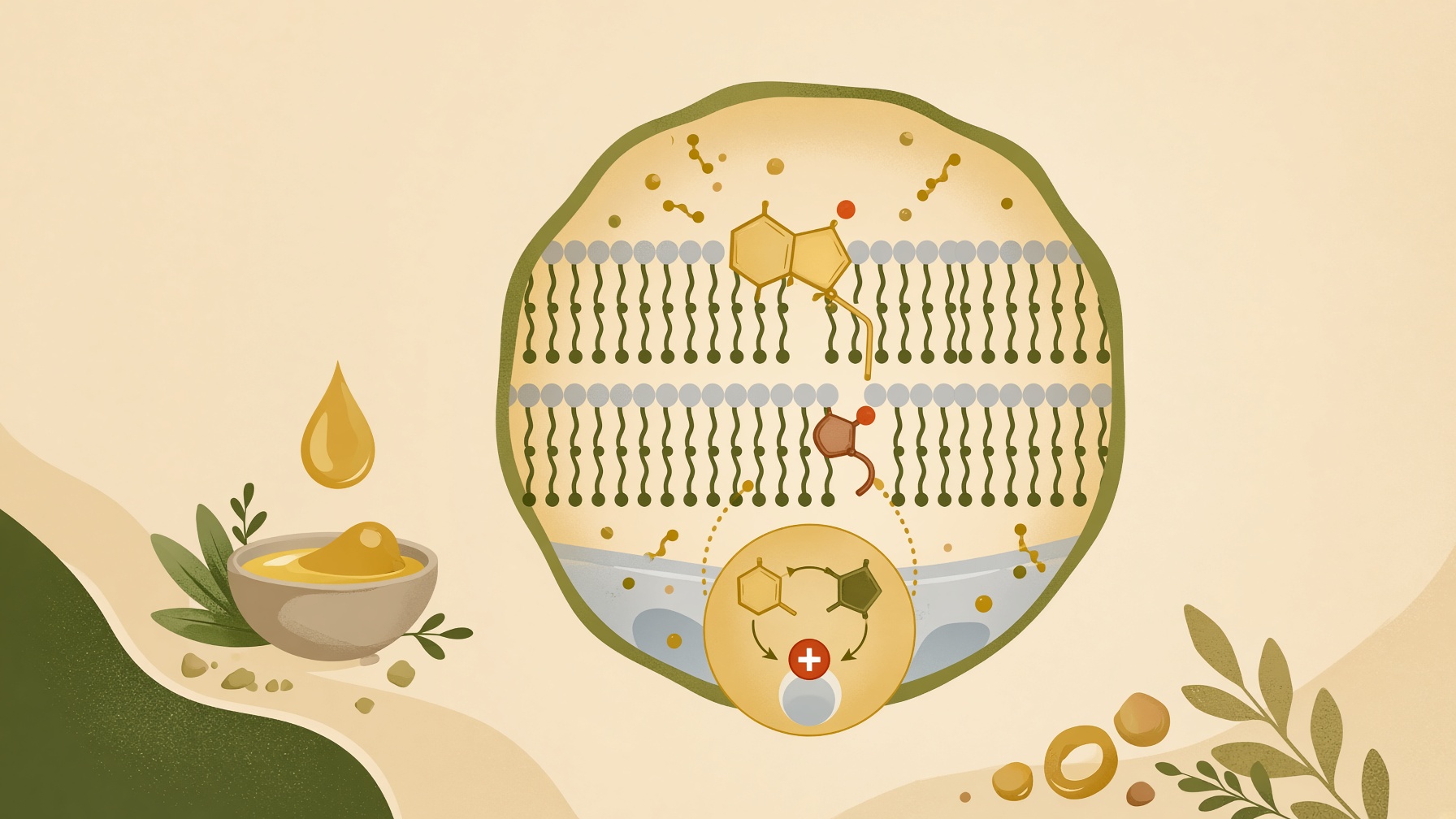
Vitamin E protects membrane lipids, but high-dose supplements have not shown clear benefits for preventing heart disease or cancer in healthy adults.

Nutrition Facts labels describe a stated serving, while Percent Daily Value shows how much a nutrient contributes toward a standard reference.

Dietary Reference Intakes answer different questions about nutrient adequacy and excess, rather than giving an exact personal prescription.
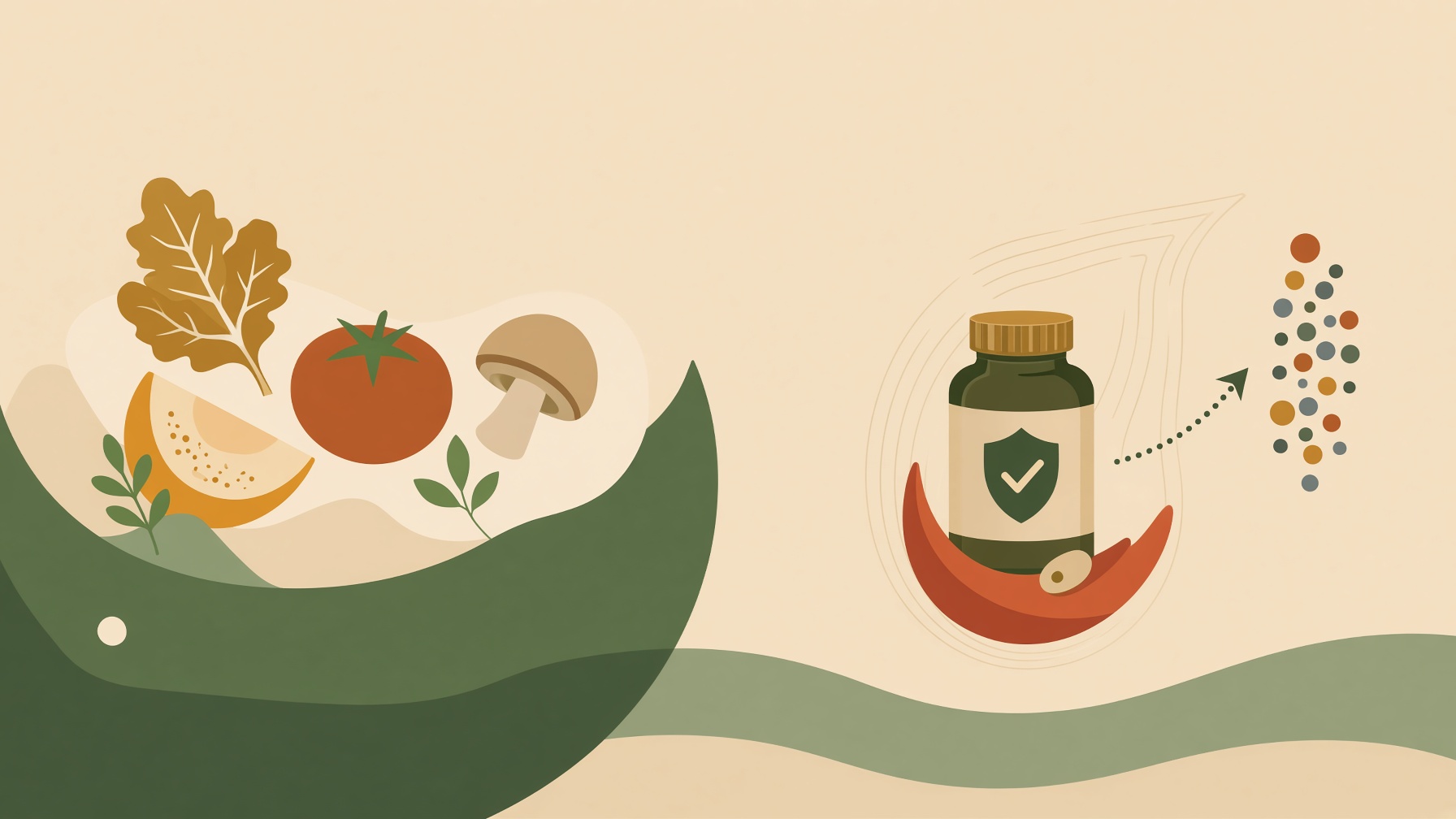
Supplements can help meet specific nutrient needs when food alone falls short, while a varied diet remains the foundation for most people.
Nutrition headlines gain meaning when readers weigh a study’s methods and limits alongside the wider evidence behind the claim.
Recovery nutrition between closely spaced workouts should match the fuel and fluid losses from the last session to the demands of the next.