

The same outdoor workout can present a very different challenge from one day or location to the next. A route that feels straightforward under one set of conditions may require more attention when the environment changes. Outdoor exercise therefore involves more than choosing an activity; it also means noticing what the surroundings add to the situation and adjusting accordingly.
Outdoor environmental conditions can increase the risk of exercise-related injury or illness. In traffic-exposed settings, routes with substantial motor-vehicle exposure can carry greater collision risk when walkers, runners, or cyclists are not adequately separated from vehicles. Situational awareness matters too: using headphones in a way that substantially limits hearing or awareness can increase risk around traffic. Away from roads, the hazards can look different. Exposed roots and rocks on trails can create trip or balance hazards, while wet, muddy, or icy surfaces can increase the risk of slipping and falling. A roadside run and a technical trail may involve very different hazards even when the exercise itself is similar .1,2,3
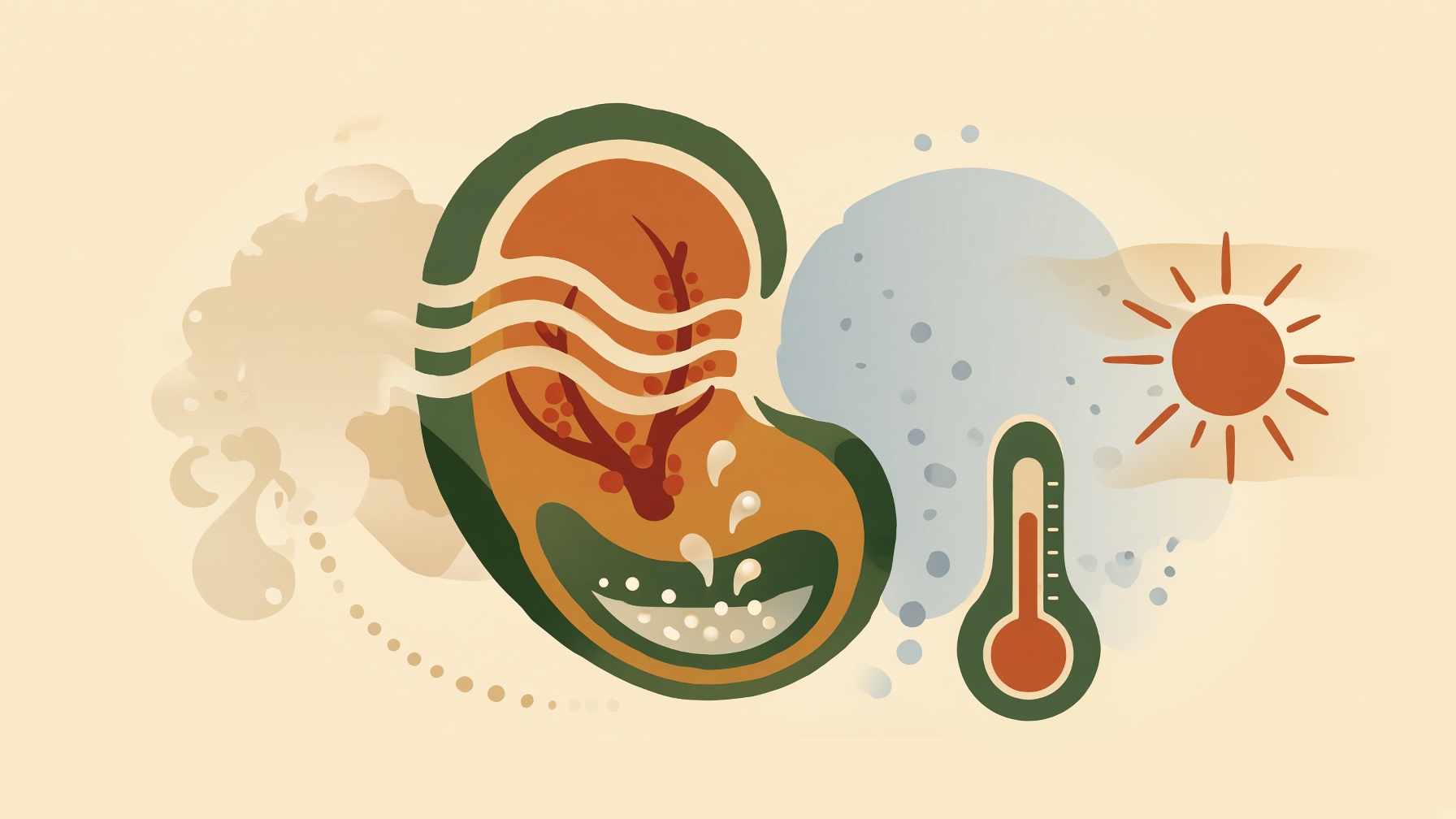
Hot conditions increase the thermoregulatory strain of exercise, making factors such as hydration, exercise intensity, heat acclimatization, and opportunities for cooling more important. Beginning exercise adequately hydrated and limiting excessive fluid loss can help, but hydration alone does not remove the risk created by heat exposure. When sweat losses are high, a fluid deficit can still develop even when drinking water is available .4
Hydration can be monitored, but the available field cues are imperfect. Urine color can provide a rough indication of hydration status, although diet, supplements, medications, and recent fluid intake can affect it. Changes in body mass measured under comparable conditions before and after exercise can provide another estimate of exercise-related fluid loss. Neither measure should be treated as a precise stand-alone assessment. There is also no single exact amount of fluid that is right for everyone each day. Needs vary with factors including body size, activity, environment, diet, and health .5,6
Cold conditions shift the priority toward limiting excessive body-heat loss. Doing so helps reduce the risk of cold-related problems, including serious conditions such as hypothermia and frostbite. Frostnip can occur as a milder early cold injury and should still be taken seriously. Fluid needs do not disappear in cold weather, but protection from excessive heat loss becomes the more distinctive environmental concern. Insulation, protection from wind and moisture, and limiting prolonged exposure all become important parts of cold-weather preparation .7
Clothing and moisture management become especially important in that setting. Keeping clothing and footwear as dry as possible helps limit heat loss in cold conditions. Layering also makes it easier to manage both insulation and sweat, with a moisture-managing inner layer and outer protection suited to wind or precipitation. Covering the hands, feet, ears, and head with appropriate cold-weather clothing can further reduce cold exposure and cold-injury risk .7
Good outdoor preparation is less about memorizing a long list of precautions and more about paying attention to what has changed before the activity begins. Weather, route conditions, and exposure can shift from one session to the next even when the workout stays the same. Building the habit of checking those factors makes it easier to make sensible decisions before a minor environmental challenge develops into a larger problem.
Join the discussion
No account or email is required. Your display name and comment will be public.