
Your Body-Fat Percentage Changed. How Can You Tell If It’s a Real Change?
A body-fat percentage change can reflect measurement noise as well as biology, so consistent testing and method-specific precision matter.
Categories
Kinetic Vitality is about human movement and how the body responds and adapts to it. That includes everyday activity as well as planned exercise: movement you do on purpose, regularly, to get fitter. We treat movement as more than a workout. It’s part of how the body works and how it changes over time.
Regular movement supports health, fitness, and how easily you get through ordinary life. It can improve heart and lung fitness, muscular strength, mobility, and overall physical capacity. When you stay reasonably fit, everyday activities such as climbing stairs, carrying loads, or taking part in recreational activities can become easier to perform.
Kinetic Vitality covers physical activity, exercise, cardiovascular fitness, strength, flexibility, mobility, and the ways the body adapts to movement. It also looks at how different kinds of training change the body over time, and how those changes show up in daily movement, stamina, and physical capacity.
You’ll see how the body responds to movement, why different types of exercise produce different results, and how strength, endurance, mobility, balance, recovery, and intensity fit together. The goal is a clearer understanding of movement and fitness, with less reliance on workout myths, flashy claims, and one-size-fits-all advice.
This category is research-informed and written for real life. The priority is physical function you can keep over time, not shortcuts or training built mainly around appearance. We explain how movement and exercise affect the body, how different forms of training support fitness and physical function over time, and how to make more informed, realistic decisions about movement and exercise.
From this collection
A body-fat percentage change can reflect measurement noise as well as biology, so consistent testing and method-specific precision matter.
Exercise effort and pain describe different experiences, so a painful workout does not by itself show that training was more demanding or productive.
Cycling can support some aerobic adaptations relevant to running, but limited research does not establish a universal formula for replacing runs.
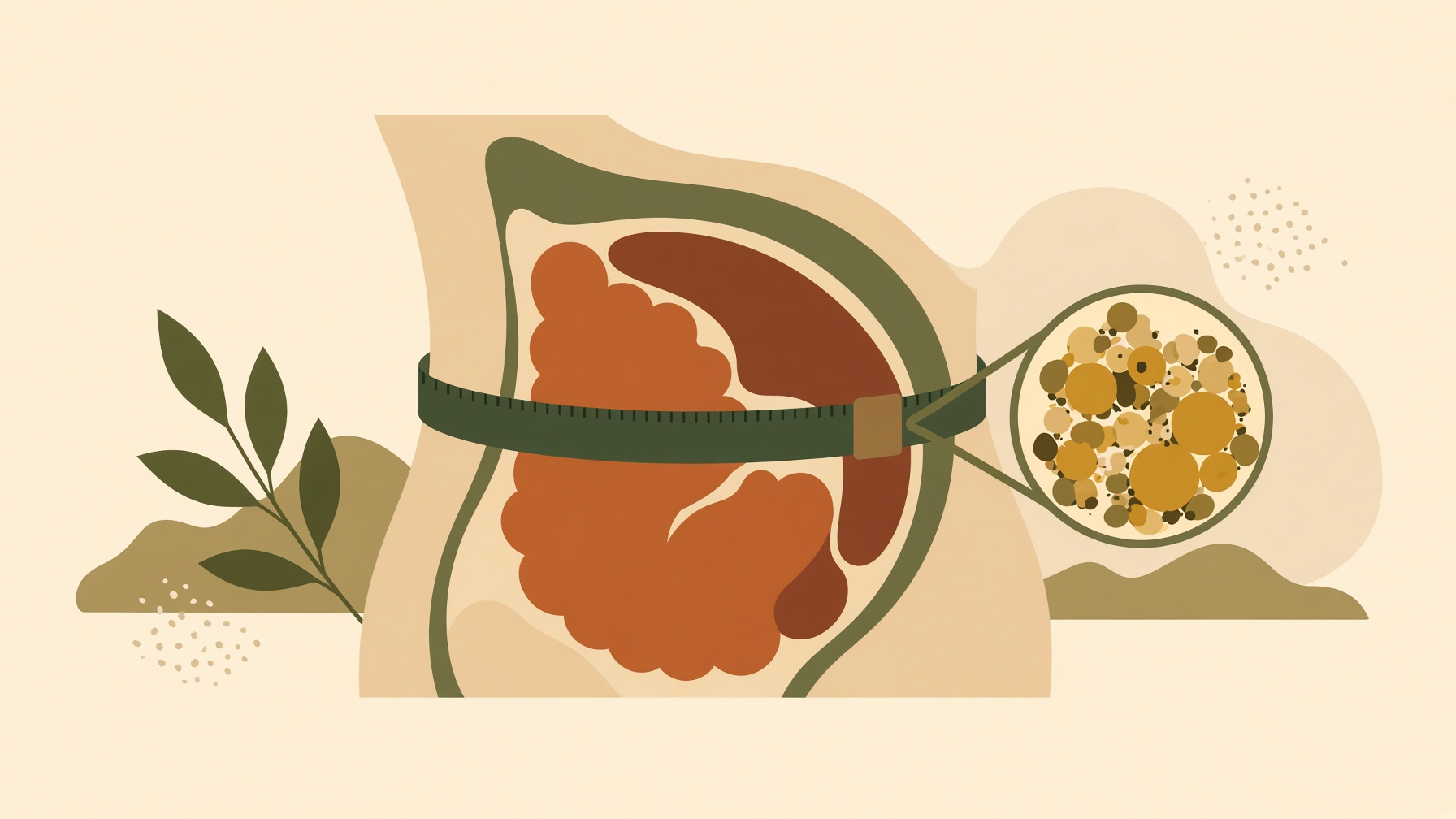
Waist circumference provides useful information about abdominal size and health risk, but a tape measure cannot distinguish visceral from subcutaneous fat.

The 10% running rule cannot guarantee injury prevention, and evidence about single-run distance increases does not establish a safe weekly mileage rule.
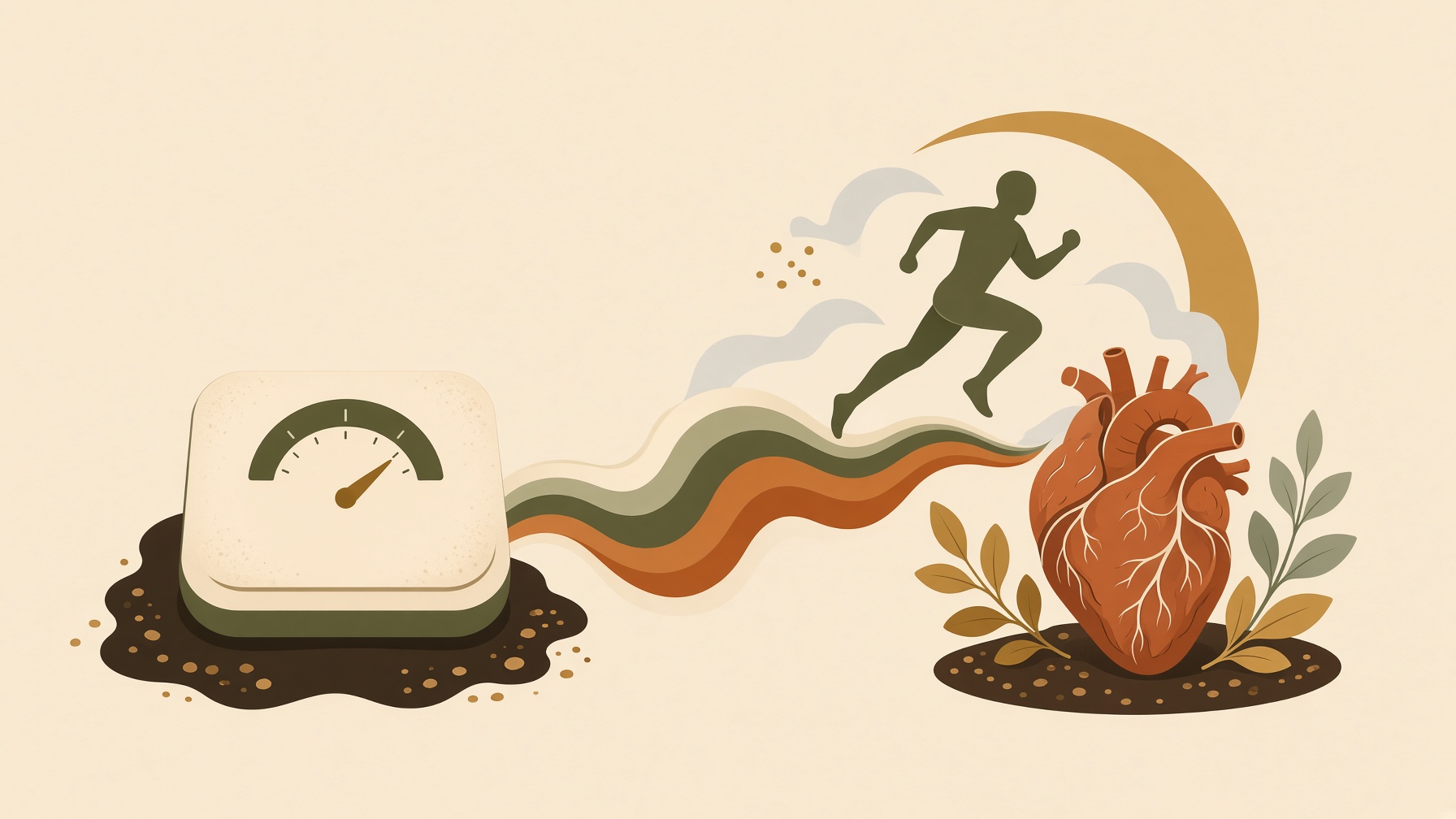
Exercise can improve health and fitness measures that a scale cannot capture, so body weight alone cannot show the full response to training.

Heavy weights have a clearer advantage for maximal strength, while muscle growth can occur across a broad range of resistance-training loads.

Reduced training can preserve some fitness measures for a time, but maintaining endurance or strength depends on which parts of the training dose remain.

Recovery nutrition research in female athletes remains too limited to justify rigid menstrual-cycle diets, despite real hormonal differences.
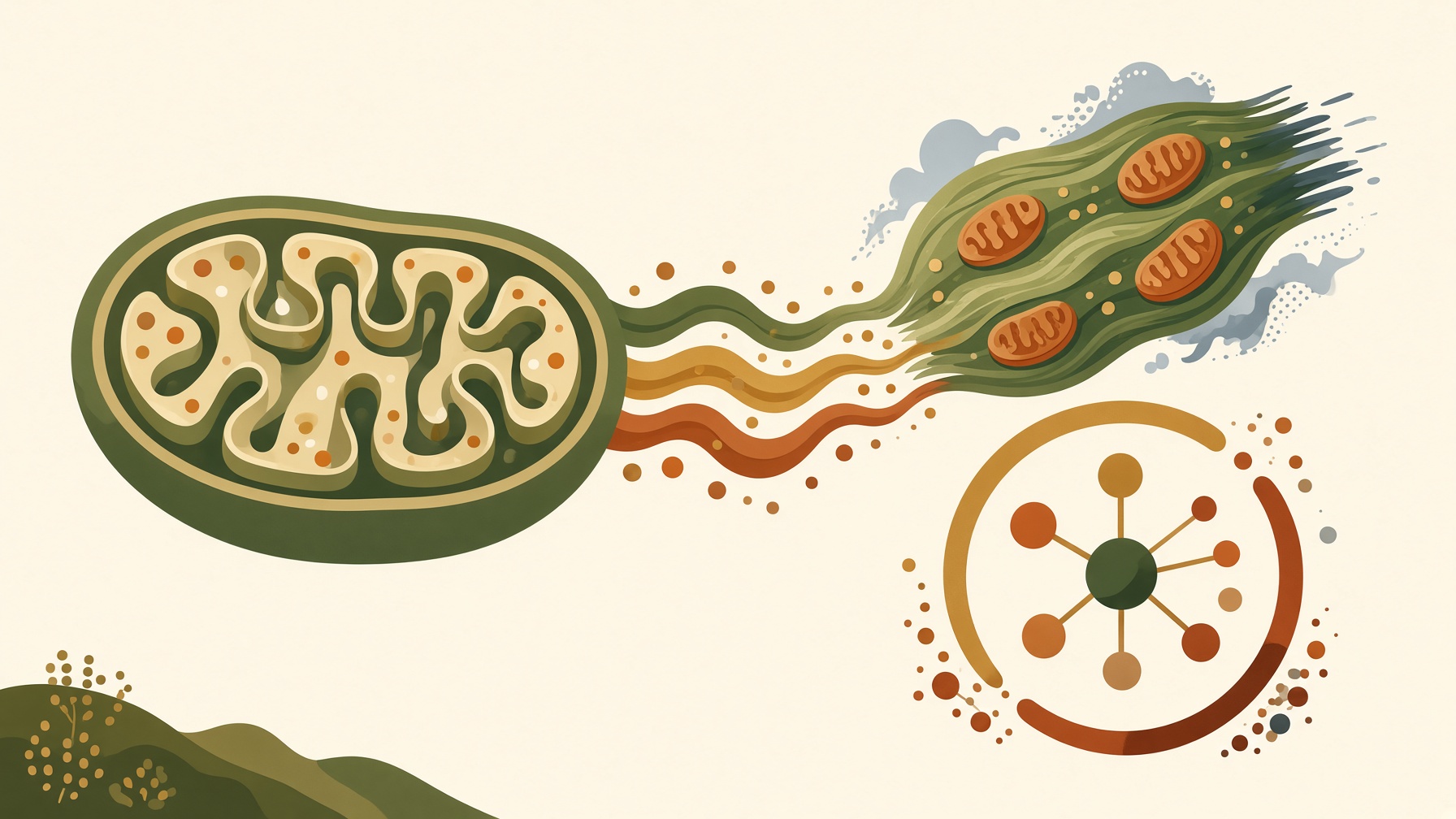
ATP regeneration draws on overlapping energy pathways whose contributions shift with exercise demands, keeping muscle work supplied with usable energy.
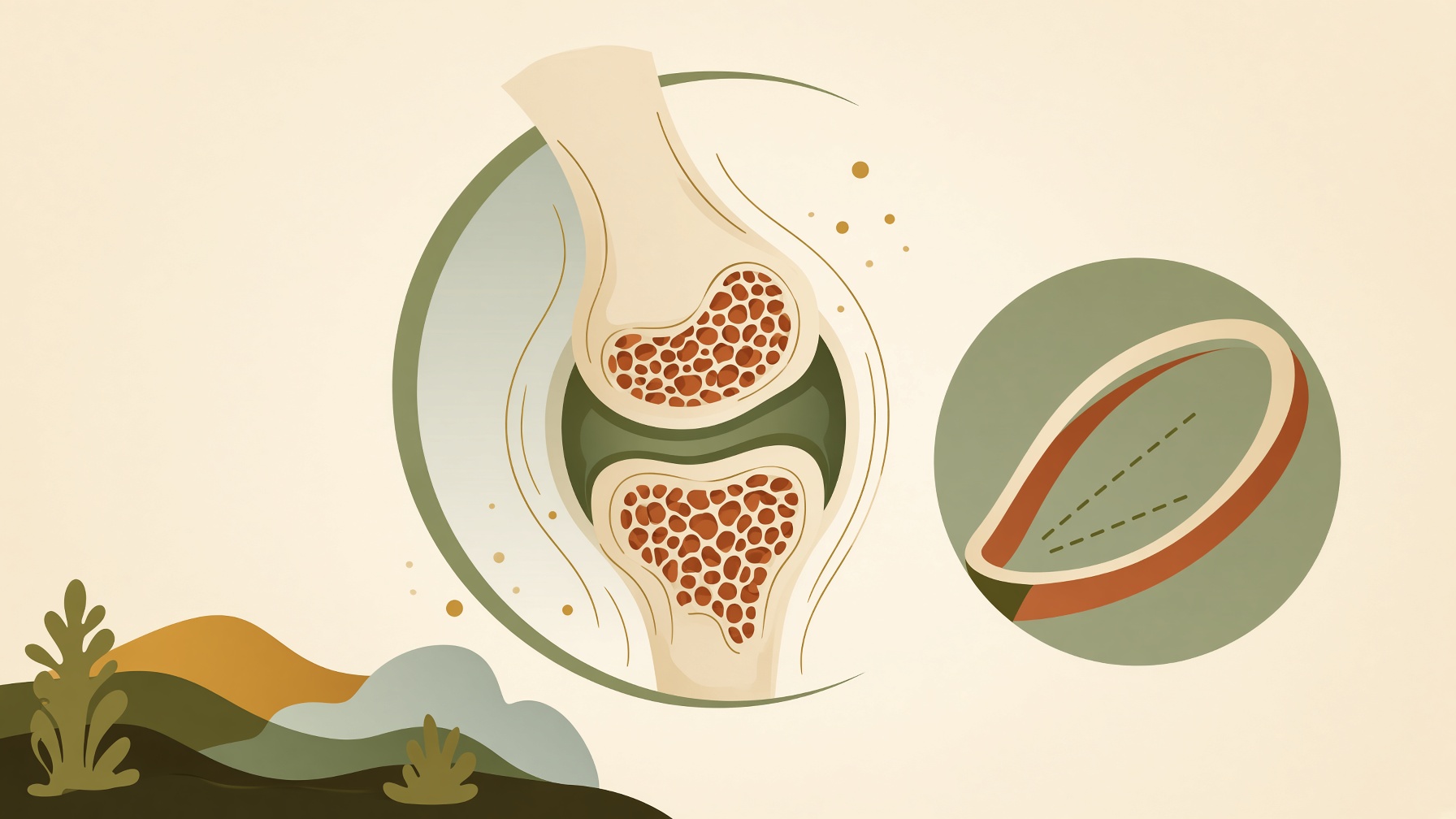
Flexibility can decline unevenly with age, making enough joint movement for everyday tasks more useful than seeking the greatest possible range.

Agility adds perception and decision-making to movement, explaining why straight-line sprint speed does not fully predict performance in changing play.