

Supersets vs. Circuits vs. Drop Sets: What’s the Difference?
Supersets and circuits link separate exercises, whereas drop sets extend the same exercise by lowering resistance after fatigue builds.
Categories
Kinetic Vitality is about human movement and how the body responds and adapts to it. That includes everyday activity as well as planned exercise: movement you do on purpose, regularly, to get fitter. We treat movement as more than a workout. It’s part of how the body works and how it changes over time.
Regular movement supports health, fitness, and how easily you get through ordinary life. It can improve heart and lung fitness, muscular strength, mobility, and overall physical capacity. When you stay reasonably fit, everyday activities such as climbing stairs, carrying loads, or taking part in recreational activities can become easier to perform.
Kinetic Vitality covers physical activity, exercise, cardiovascular fitness, strength, flexibility, mobility, and the ways the body adapts to movement. It also looks at how different kinds of training change the body over time, and how those changes show up in daily movement, stamina, and physical capacity.
You’ll see how the body responds to movement, why different types of exercise produce different results, and how strength, endurance, mobility, balance, recovery, and intensity fit together. The goal is a clearer understanding of movement and fitness, with less reliance on workout myths, flashy claims, and one-size-fits-all advice.
This category is research-informed and written for real life. The priority is physical function you can keep over time, not shortcuts or training built mainly around appearance. We explain how movement and exercise affect the body, how different forms of training support fitness and physical function over time, and how to make more informed, realistic decisions about movement and exercise.
From this collection
Supersets and circuits link separate exercises, whereas drop sets extend the same exercise by lowering resistance after fatigue builds.

Aging changes muscle composition and reduces contractile tissue, with losses in fast fibers limiting the ability to generate force quickly.

Physical activity guidelines count everyday movement toward aerobic targets when the effort is sufficient, with strengthening as an additional goal.
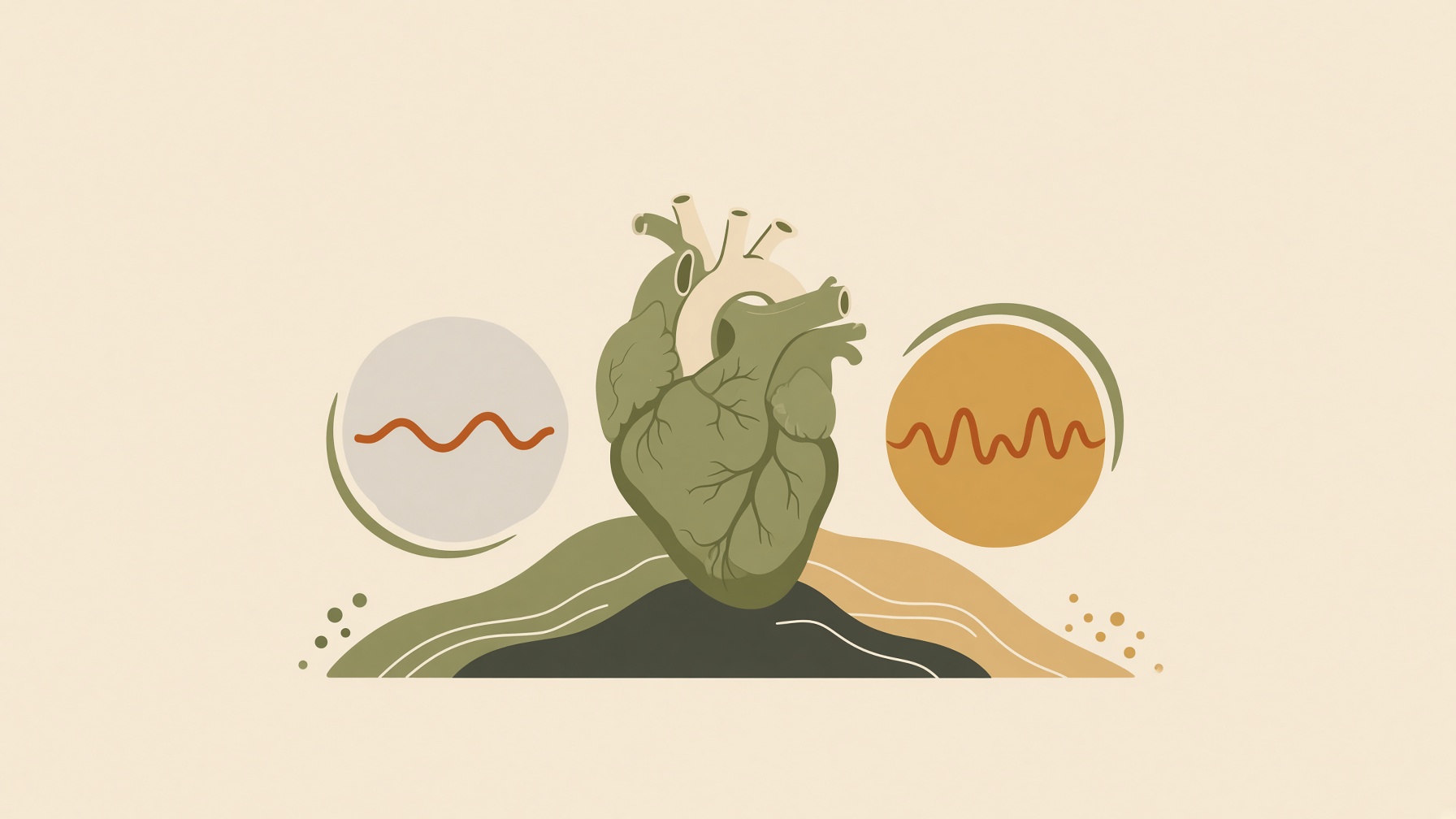
Perceived exertion and the Talk Test help estimate exercise intensity from bodily cues, without turning those sensations into exact lab measurements.

Detraining can reverse exercise adaptations when training stops or falls, but different fitness qualities decline at different rates.
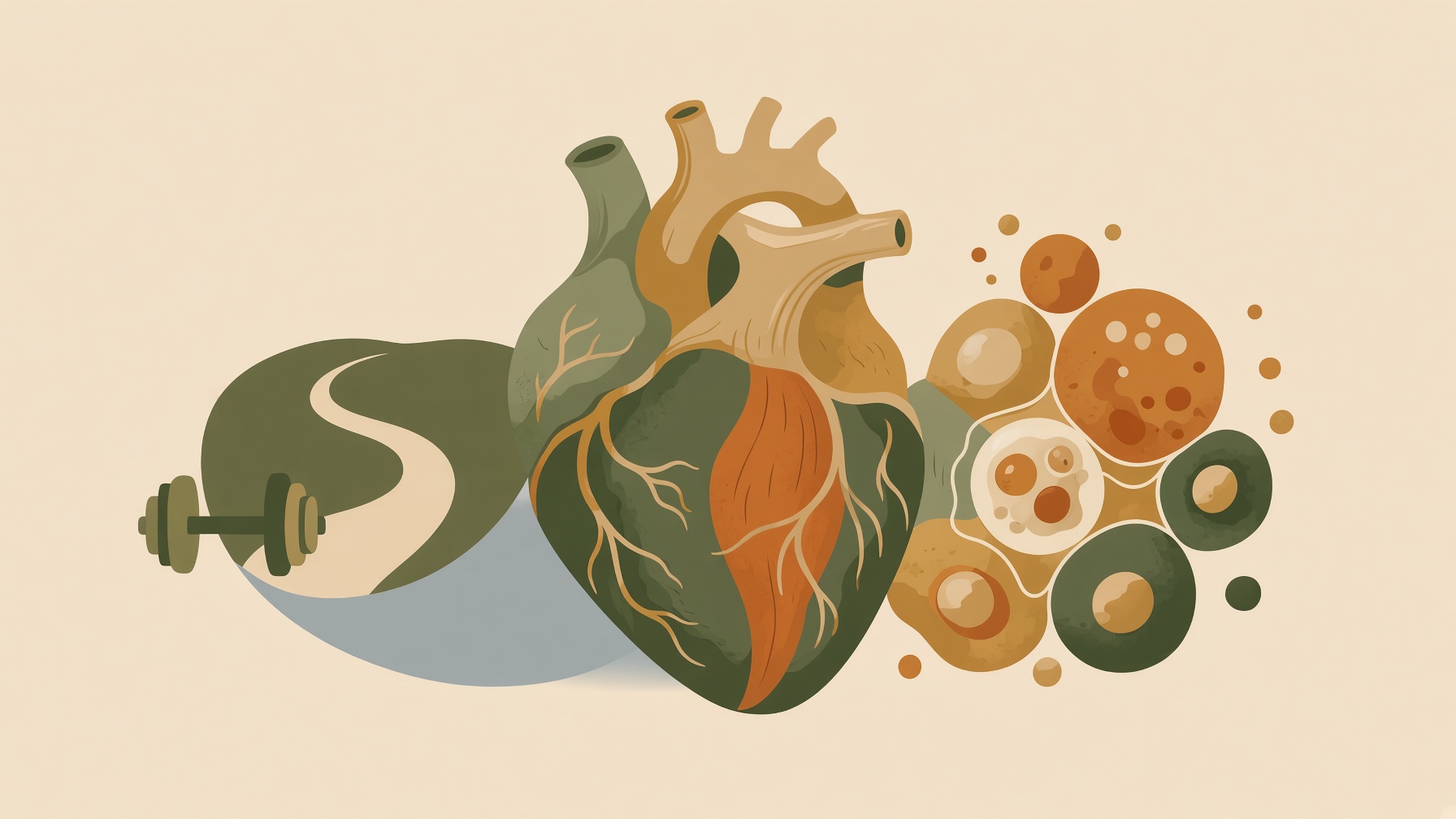
Heart enlargement can reflect healthy training adaptations or disease, so a larger heart does not automatically mean an athlete’s heart.

Fuel use shifts gradually between meals as nutrient supply and hormone signals change, moving metabolism from storage toward use of body reserves.

Train-low strategies reduce carbohydrate availability for selected endurance sessions, but research has not established one consistently best approach.

Pyramid training changes load and repetition targets across multiple sets, while single-set and multi-set labels describe how many sets occur.

Outdoor exercise requires preparation for changing environmental demands, because the same workout can pose different risks across settings.
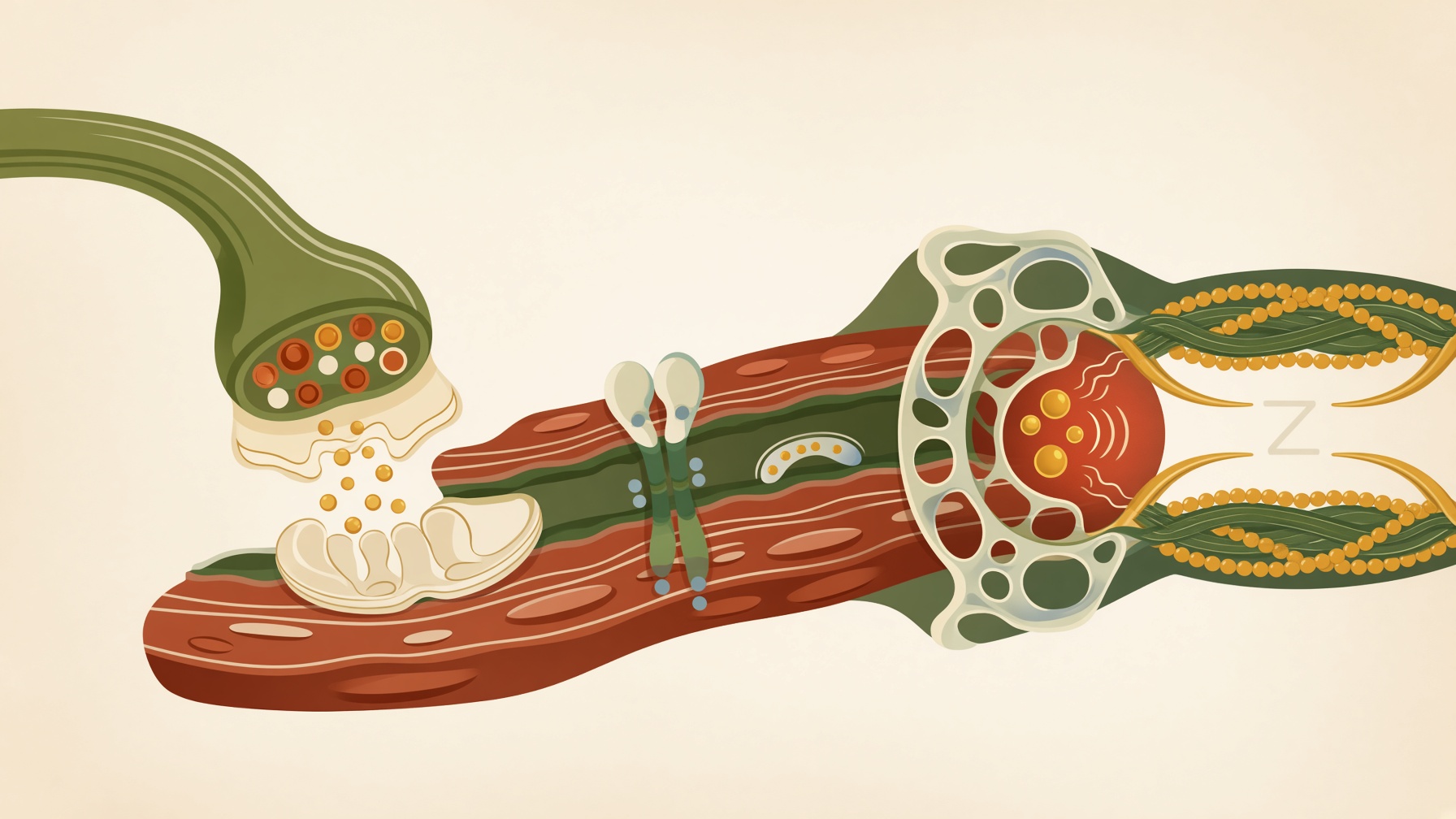
A motor nerve signal triggers electrical changes and calcium release in a muscle fiber, allowing the contractile proteins to generate movement.

Recovery nutrition between closely spaced workouts should match the fuel and fluid losses from the last session to the demands of the next.