

Why Training Plans Change over Time
Periodization organizes training demands across time, allowing a program’s emphasis to change as preparation and recovery needs evolve.
42 articles in this view
Current selection
42 results
Periodization organizes training demands across time, allowing a program’s emphasis to change as preparation and recovery needs evolve.

Sports drinks can support fueling during prolonged exercise, but their value over water depends on the workout’s demands and fluid losses.

Resistance-training technique depends on the movement and the person, so a useful form cue in one exercise may be unsuitable in another.
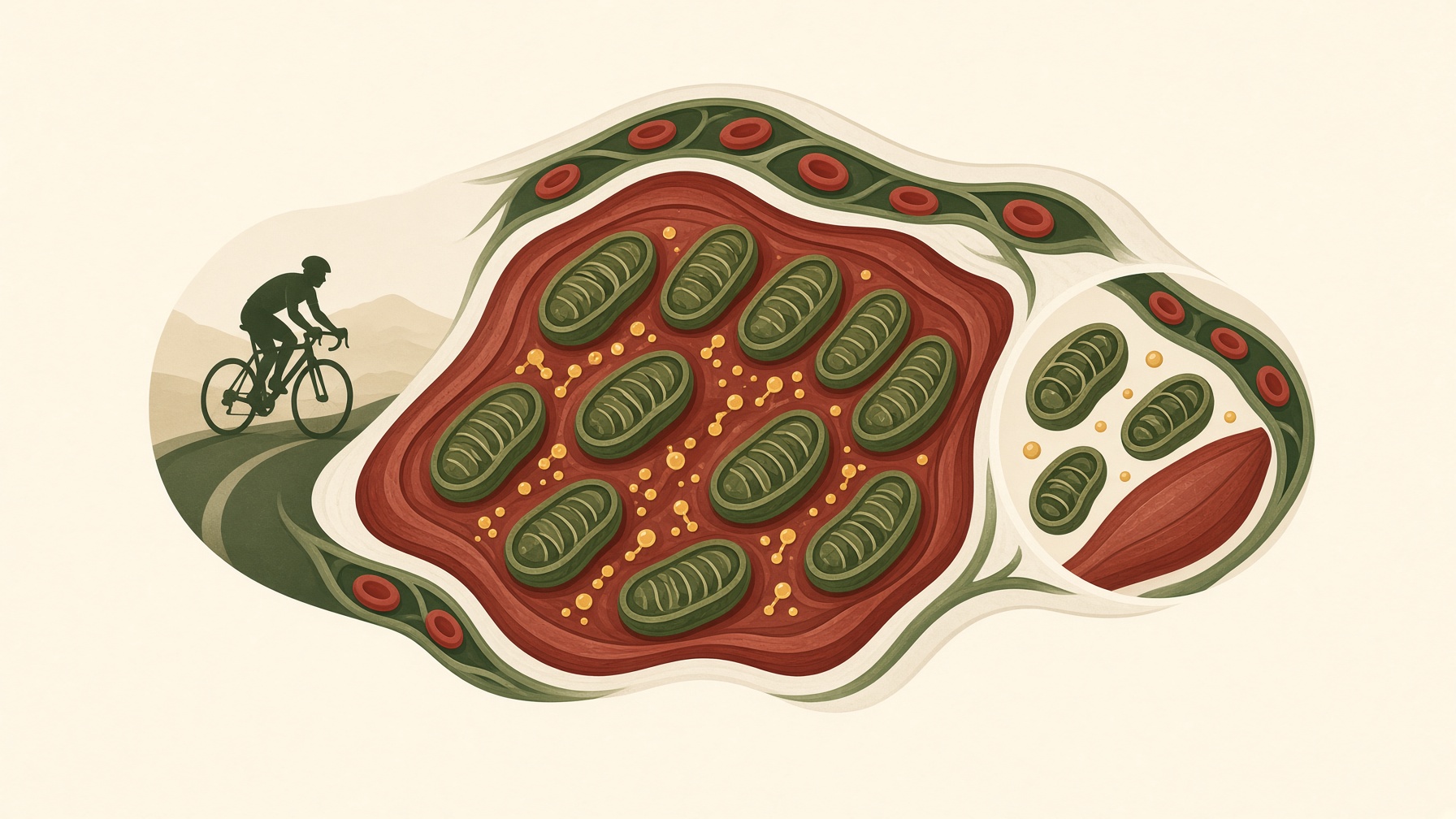
Endurance training can increase muscle mitochondria and capillary supply, helping active fibers sustain energy production during prolonged effort.
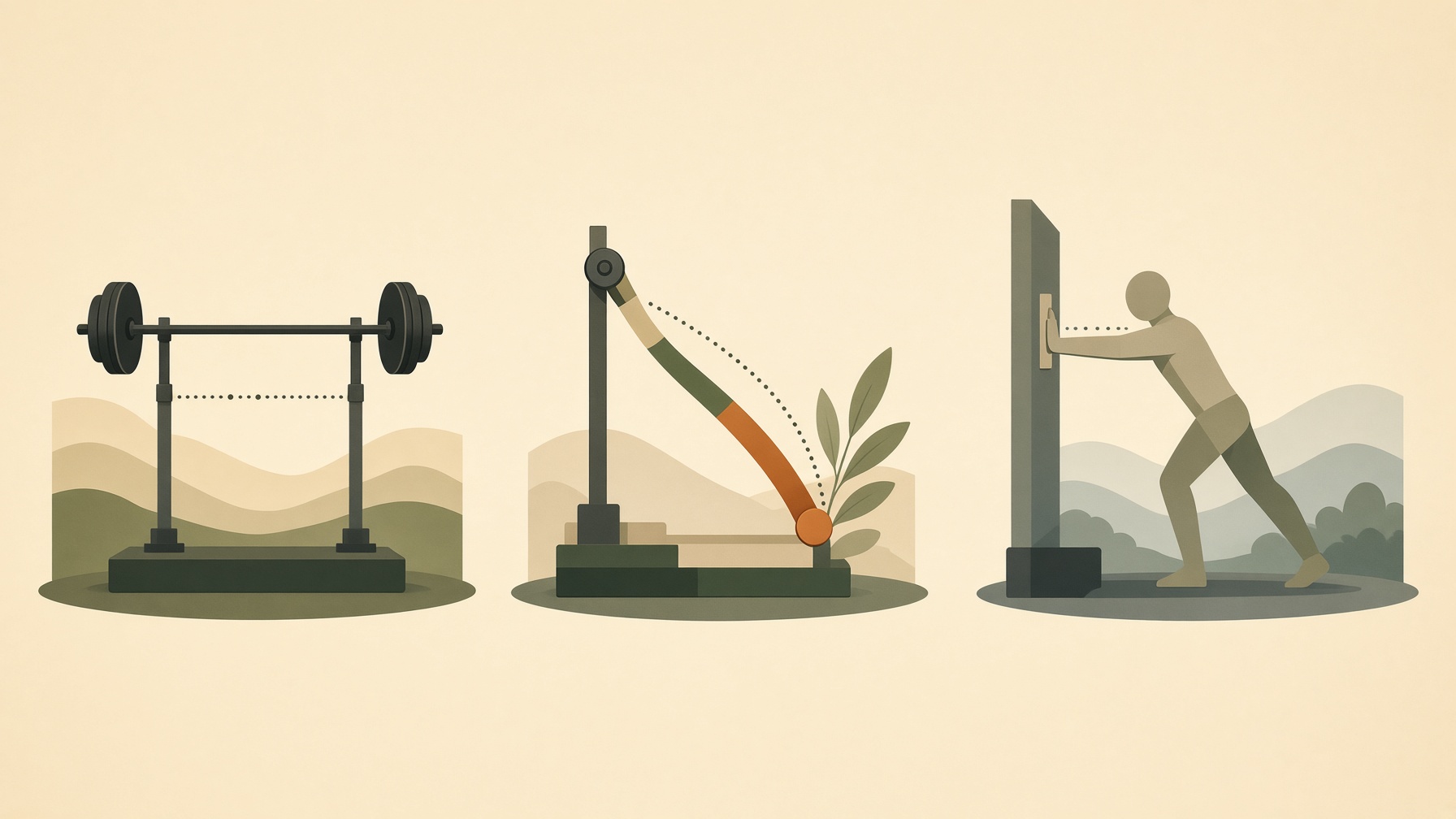
Resistance-training formats create different mechanical demands, and a constant external weight does not mean constant effort across a repetition.

Exercise order changes how much fatigue a lifter brings to each movement, so placing priority exercises earlier can support their performance.

Glycolysis helps muscle replenish ATP quickly during intense exercise while other energy pathways continue contributing at the same time.
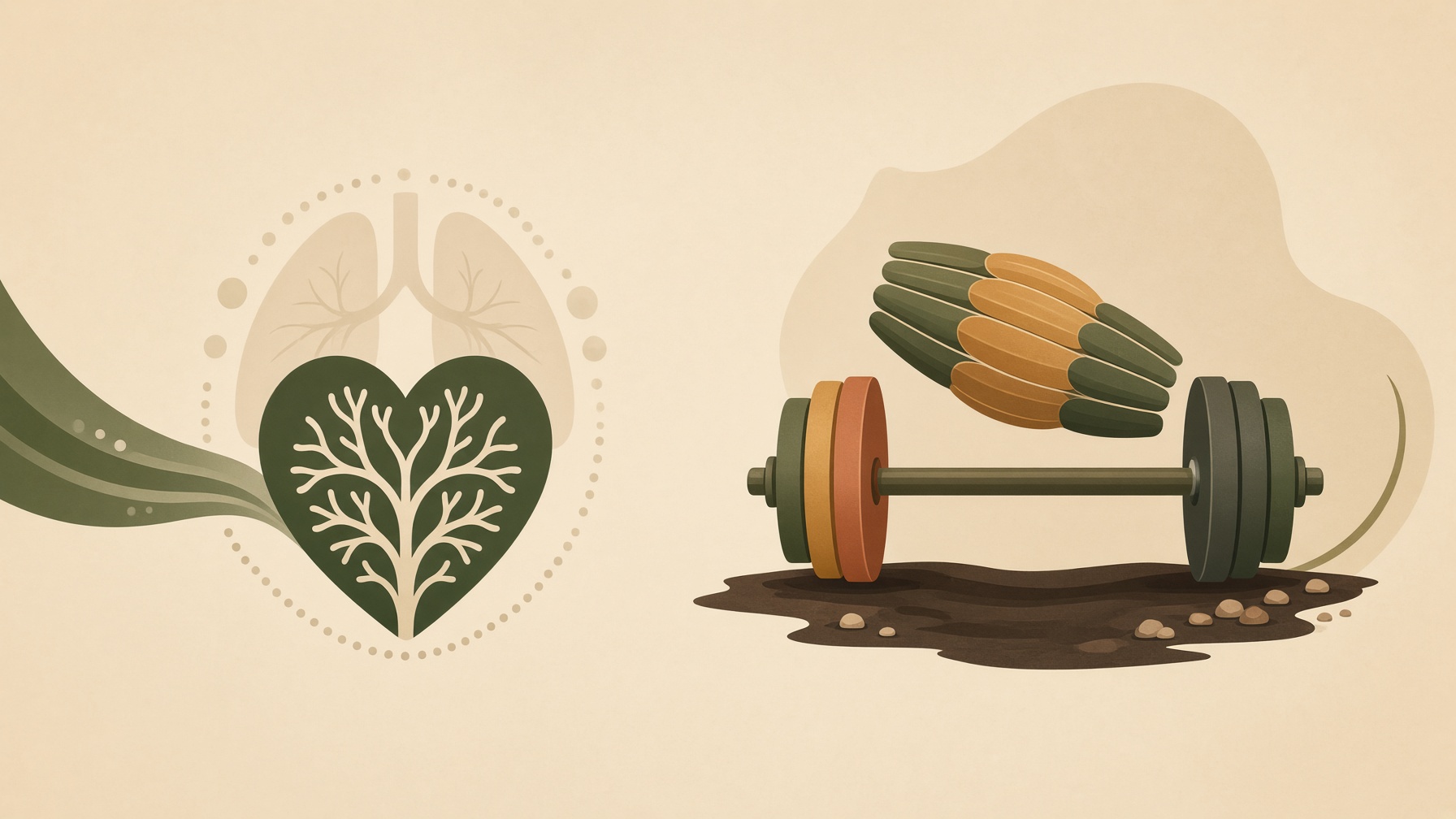
Training volume measures how much exercise occurs over time, but the calculation must fit the activity and does not capture every aspect of load.

Skeletal muscles release heat as they use energy to contract, explaining why both deliberate exercise and involuntary shivering warm the body.

Plyometric progression should match the demands of each jump to the person’s control and capacity, rather than follow a universal ladder of difficulty.
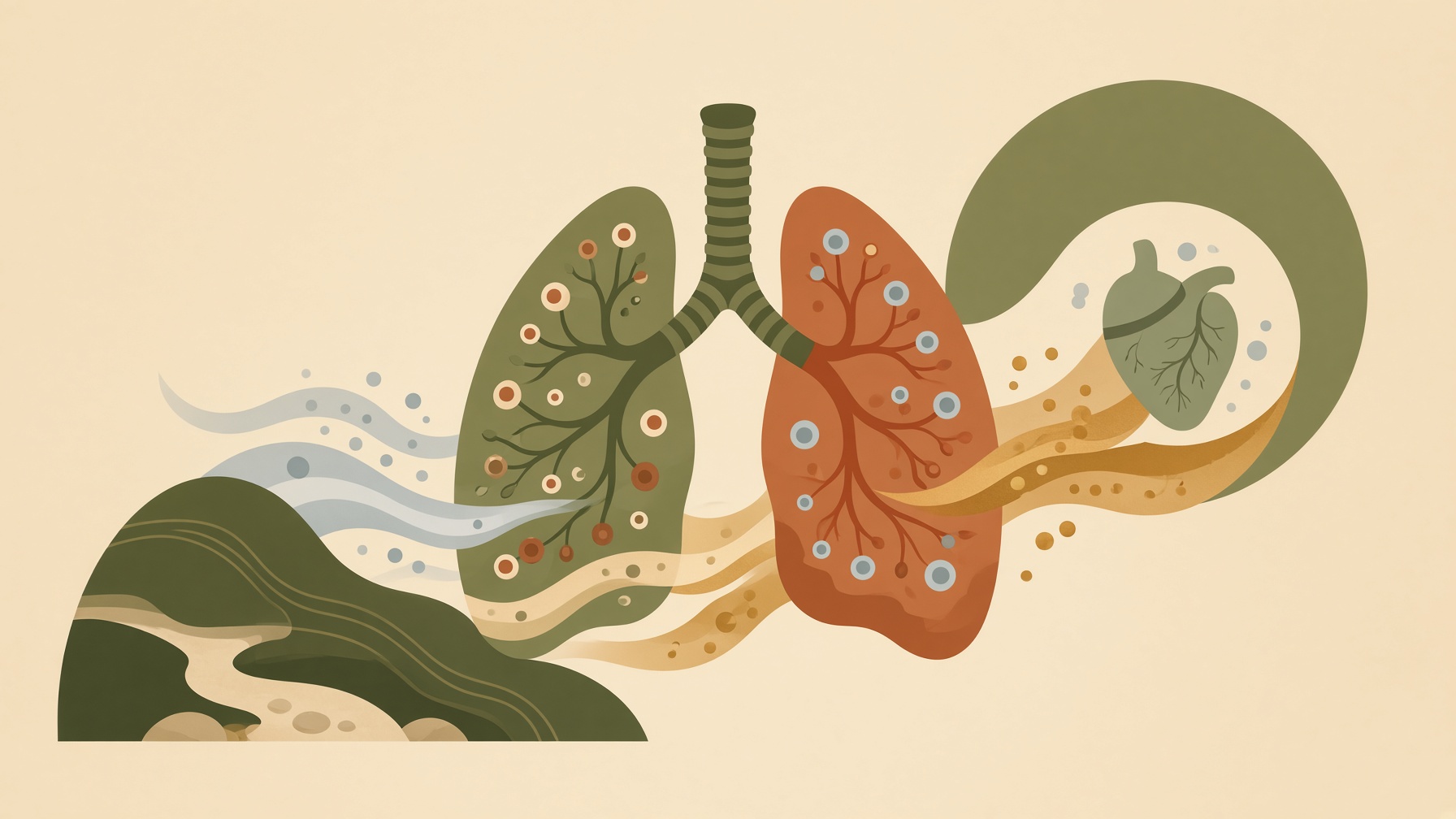
Aerobic training improves oxygen transport and use through changes across the cardiovascular system and muscles, rather than one adaptation alone.

The FITT framework organizes exercise planning around four adjustable variables, helping match the training stimulus to individual goals.