
Pick Only One Exercise, and Some Muscles Won't Get the Work. Which Ones?
Whole-body movement does not load every muscle equally, so complementary exercises can cover demands that repeating one movement leaves untrained.
218 articles in this view
Current selection
218 results
Whole-body movement does not load every muscle equally, so complementary exercises can cover demands that repeating one movement leaves untrained.
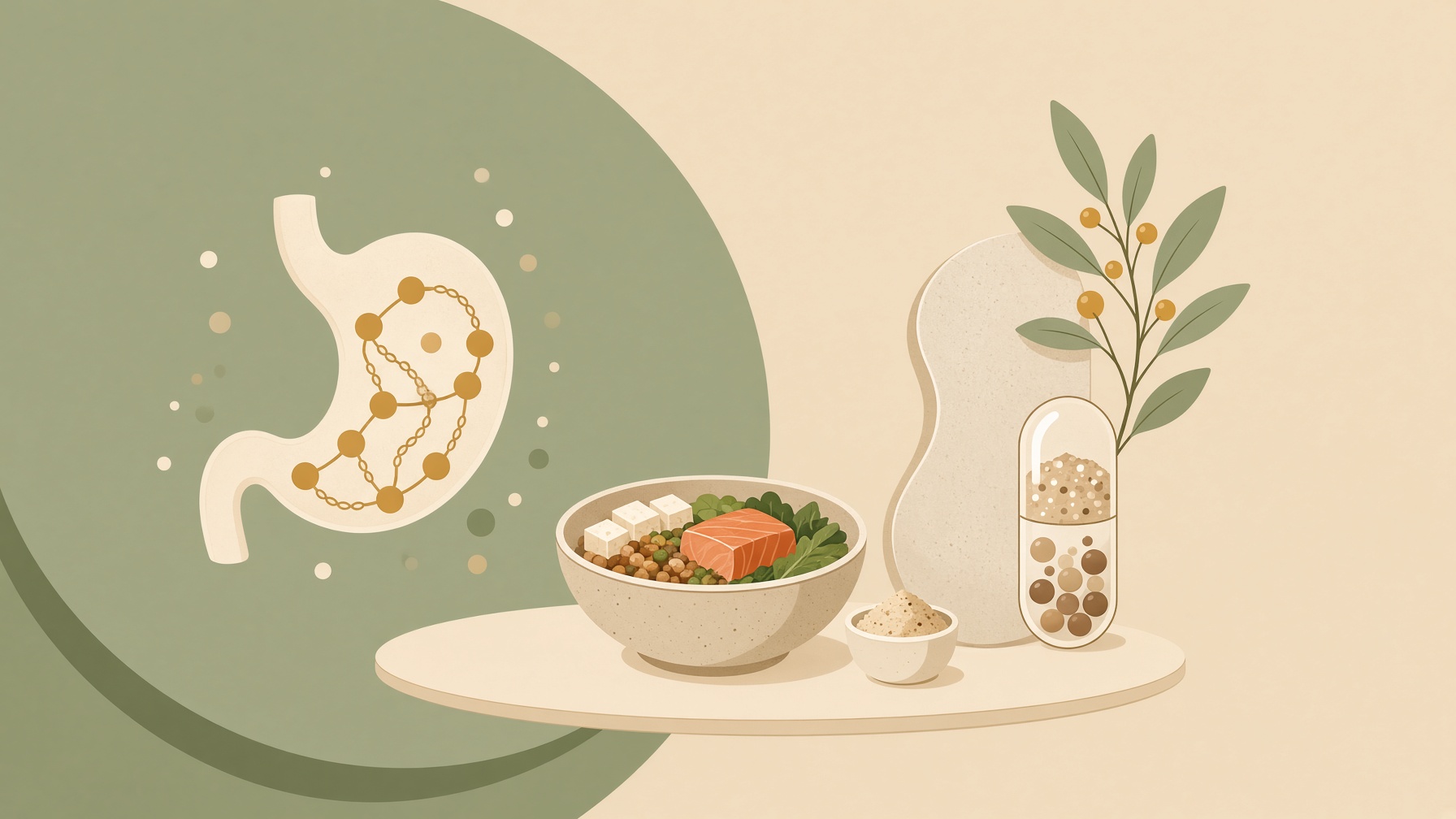
Older adults with a smaller appetite can use protein-dense familiar foods to support intake, with extra nutrition support when food alone falls short.
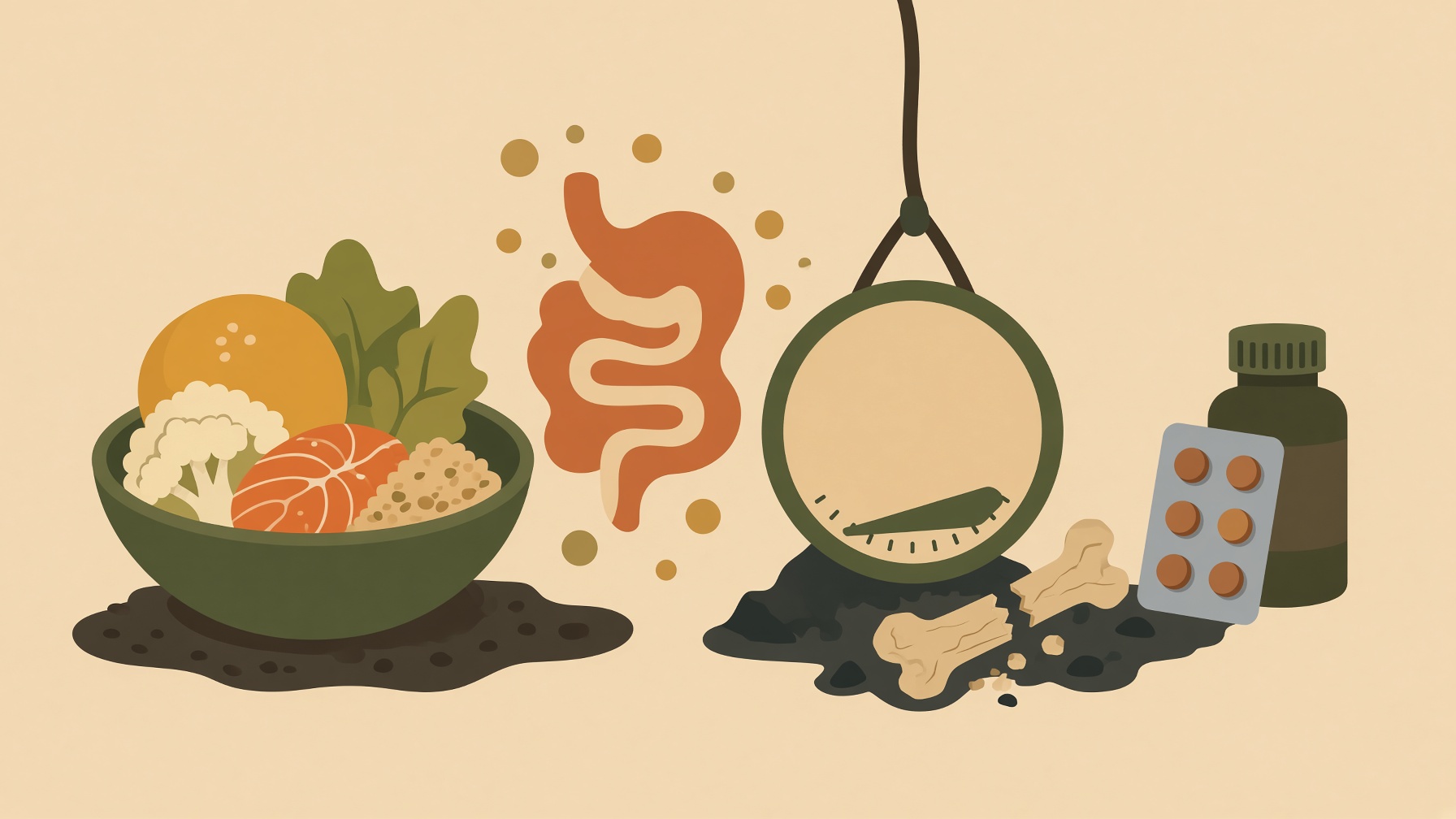
A 500-calorie diet needs defined nutrition and clinical supervision, since a low calorie total alone does not describe a safe weight-loss intervention.
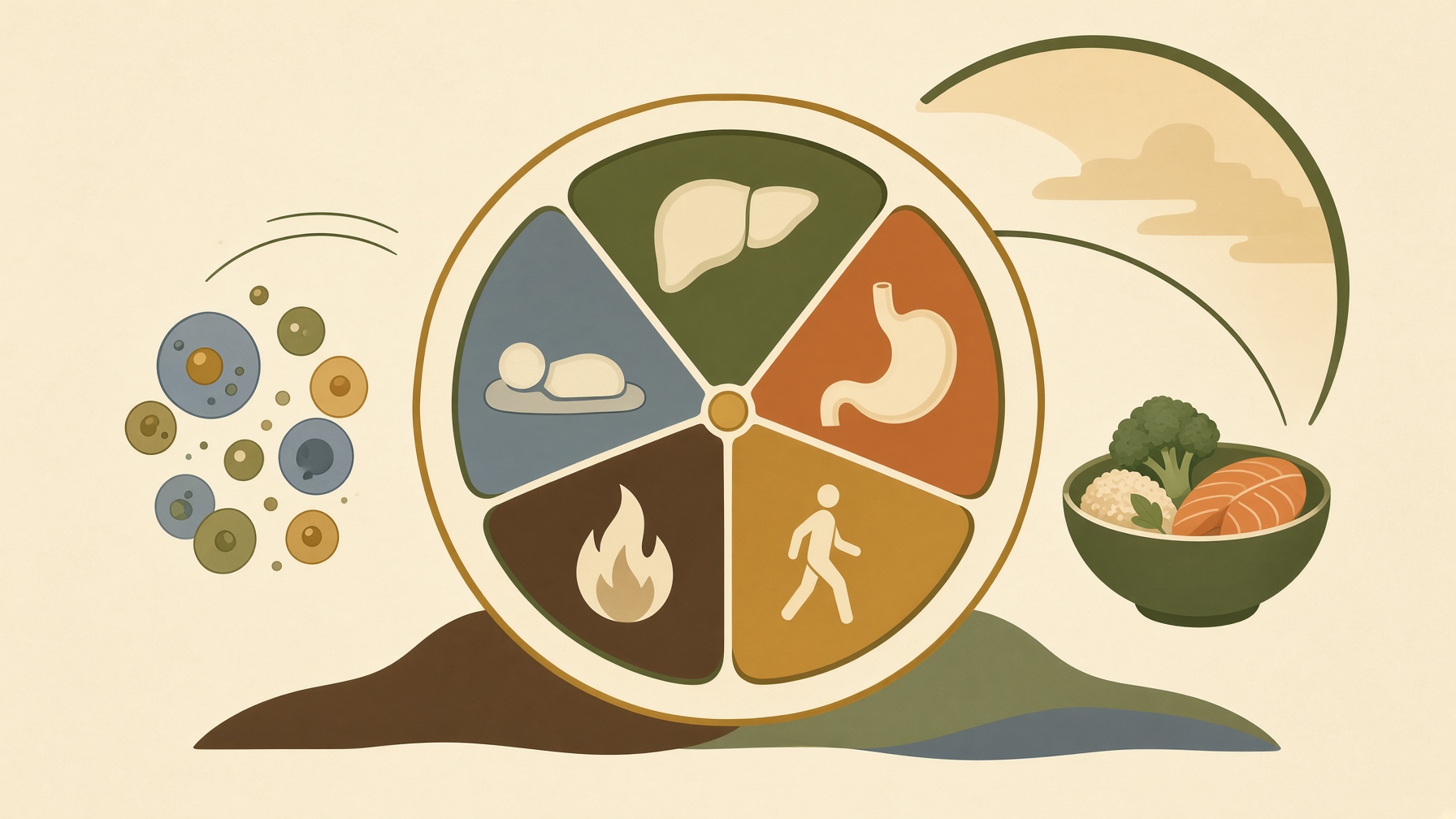
Daily energy expenditure includes more than exercise, and compensation can offset part of the increase expected when workouts are added over time.
Exercise can improve bone density and muscle fat infiltration in studied groups, but these imaging measures describe different aspects of tissue health.

The pelvic floor forms part of the core, and strong abdominal muscles or athletic performance do not rule out symptoms that need targeted assessment.
Brain-healthy dietary patterns show promising observational links, but trials do not establish one superior diet or a single food that protects cognition.
Meal order can reduce the immediate glucose response when carbohydrate comes later, but evidence for lasting improvements in diabetes control is weaker.
Training to muscular failure does not consistently improve muscle growth, although stopping close to failure can influence the training stimulus.
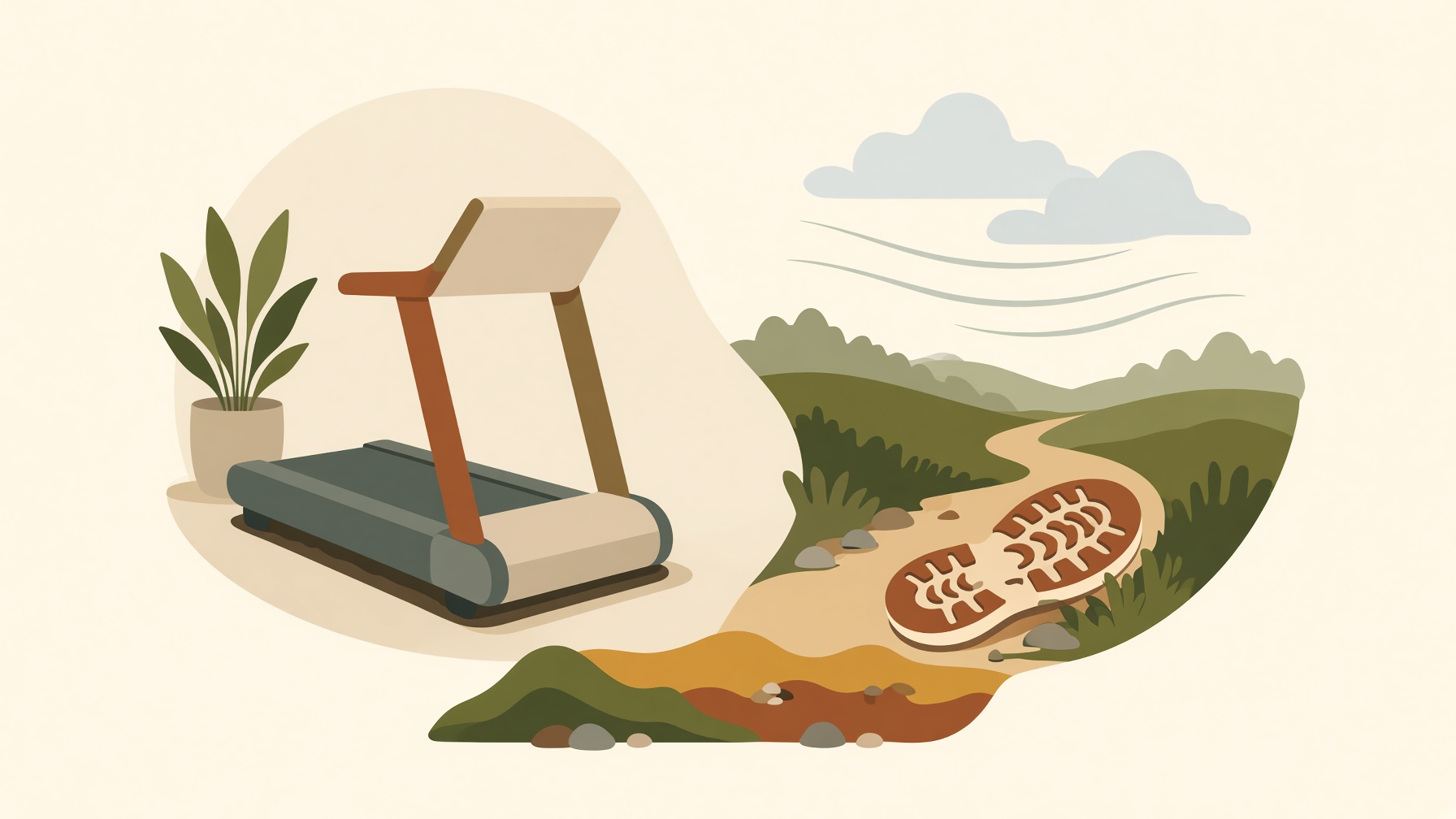
Treadmill running shares many movement patterns with outdoor running, but physiological demands can differ with speed, equipment and the runner.

Breakfast studies do not identify one best meal for weight loss, and greater fullness or a larger scale change does not necessarily mean greater fat loss.
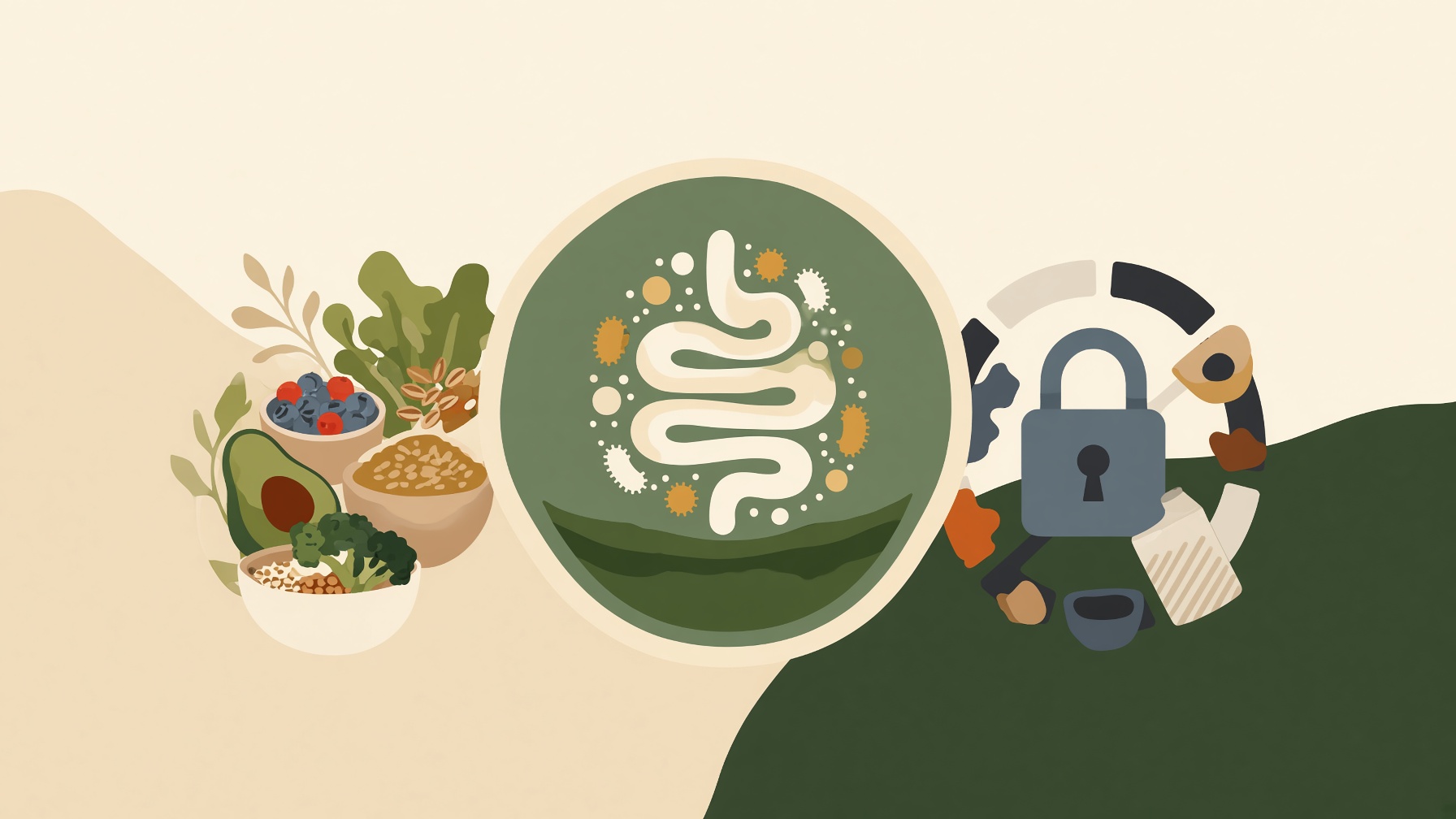
Clean eating has no standard scientific definition, so the label cannot show whether a diet provides adequate nutrition or creates restrictive rules.