

Why Training Plans Change over Time
Periodization organizes training demands across time, allowing a program’s emphasis to change as preparation and recovery needs evolve.
117 articles in this view
Current selection
117 results
Periodization organizes training demands across time, allowing a program’s emphasis to change as preparation and recovery needs evolve.

Muscle loss can contribute to a lower resting metabolic rate with age, but changes in muscle mass alone do not explain the full decline.

Resistance-training technique depends on the movement and the person, so a useful form cue in one exercise may be unsuitable in another.

Endurance training can increase muscle mitochondria and capillary supply, helping active fibers sustain energy production during prolonged effort.
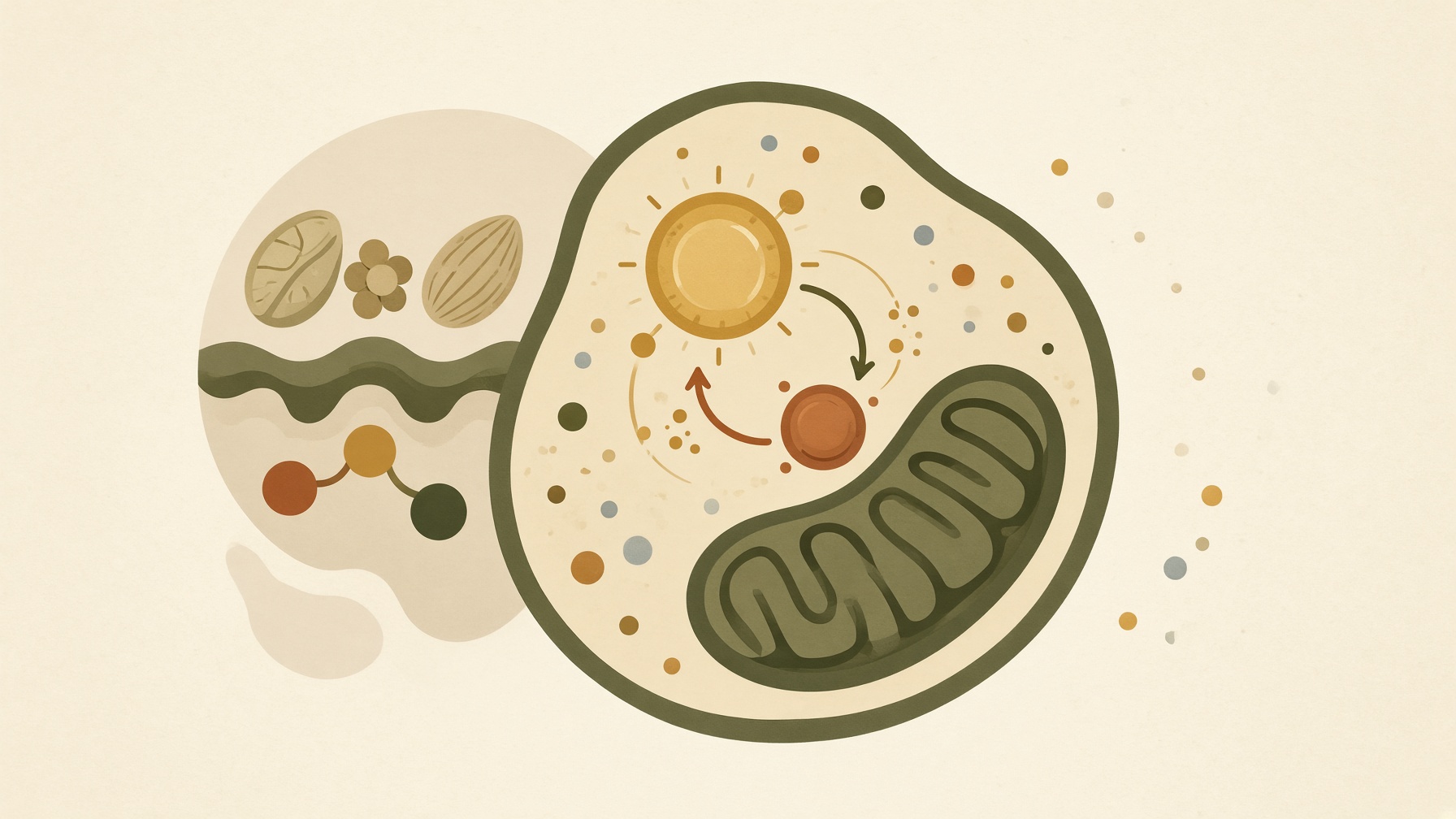
Cells repeatedly regenerate ATP as cellular work consumes the small available supply, making continuous turnover more important than stockpiling.
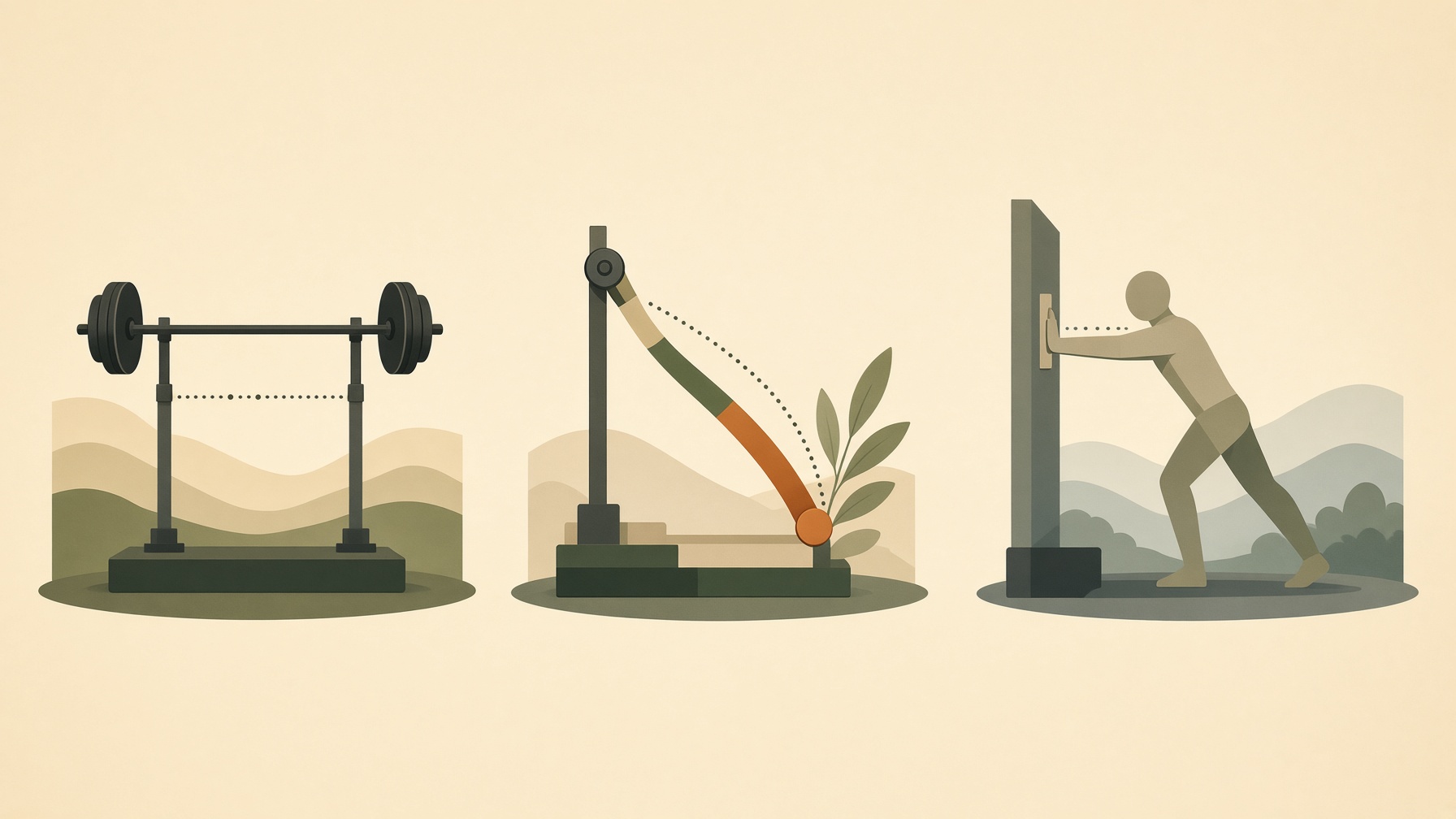
Resistance-training formats create different mechanical demands, and a constant external weight does not mean constant effort across a repetition.

Brainstem networks adjust breathing using chemical feedback, increasing ventilation as rising carbon dioxide and acidity raise respiratory drive.

Exercise order changes how much fatigue a lifter brings to each movement, so placing priority exercises earlier can support their performance.

Glycolysis helps muscle replenish ATP quickly during intense exercise while other energy pathways continue contributing at the same time.
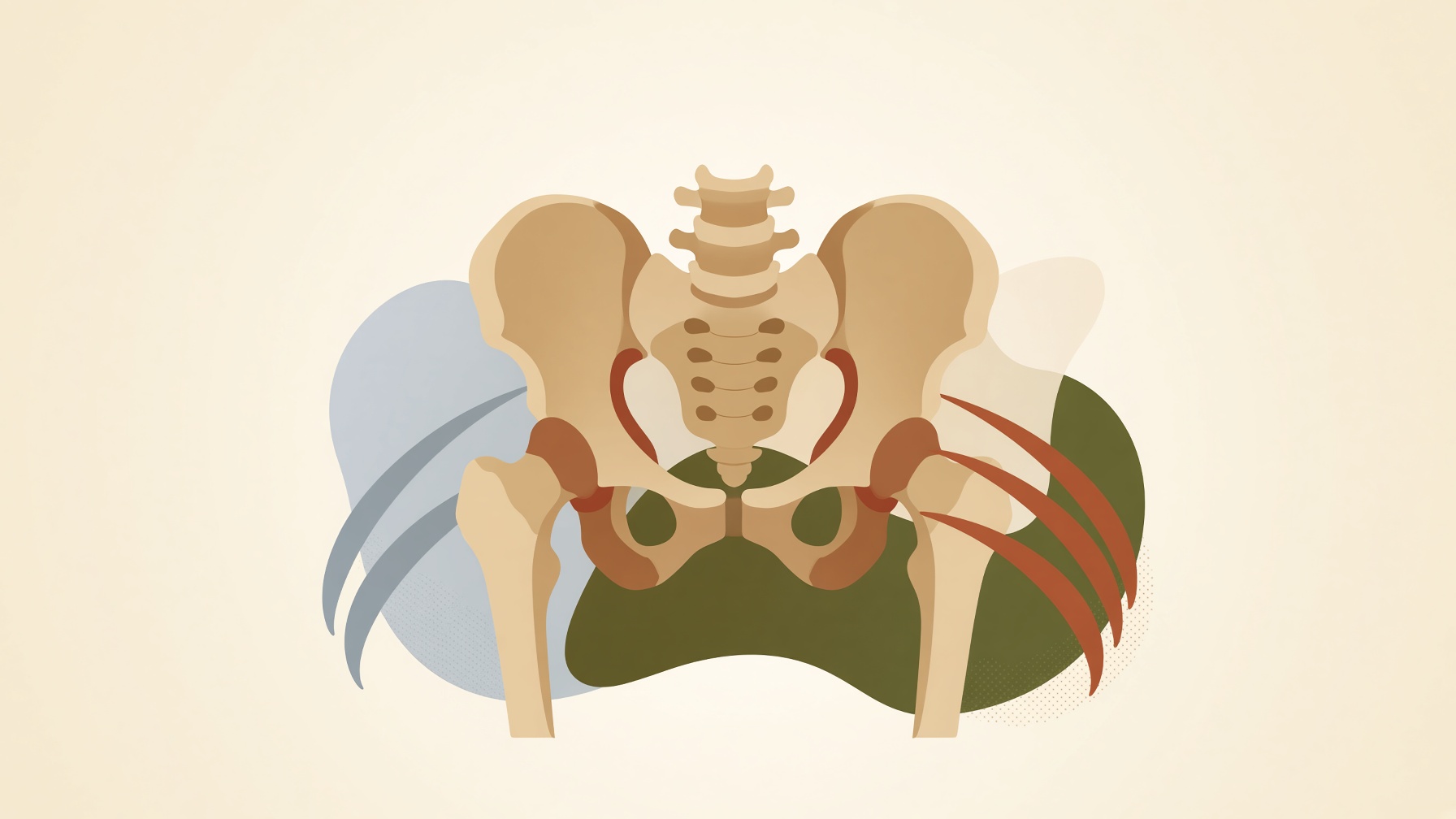
The pelvis combines fused hip-bone regions into a stable socket and muscle attachment base that supports the thigh’s movement at the hip.
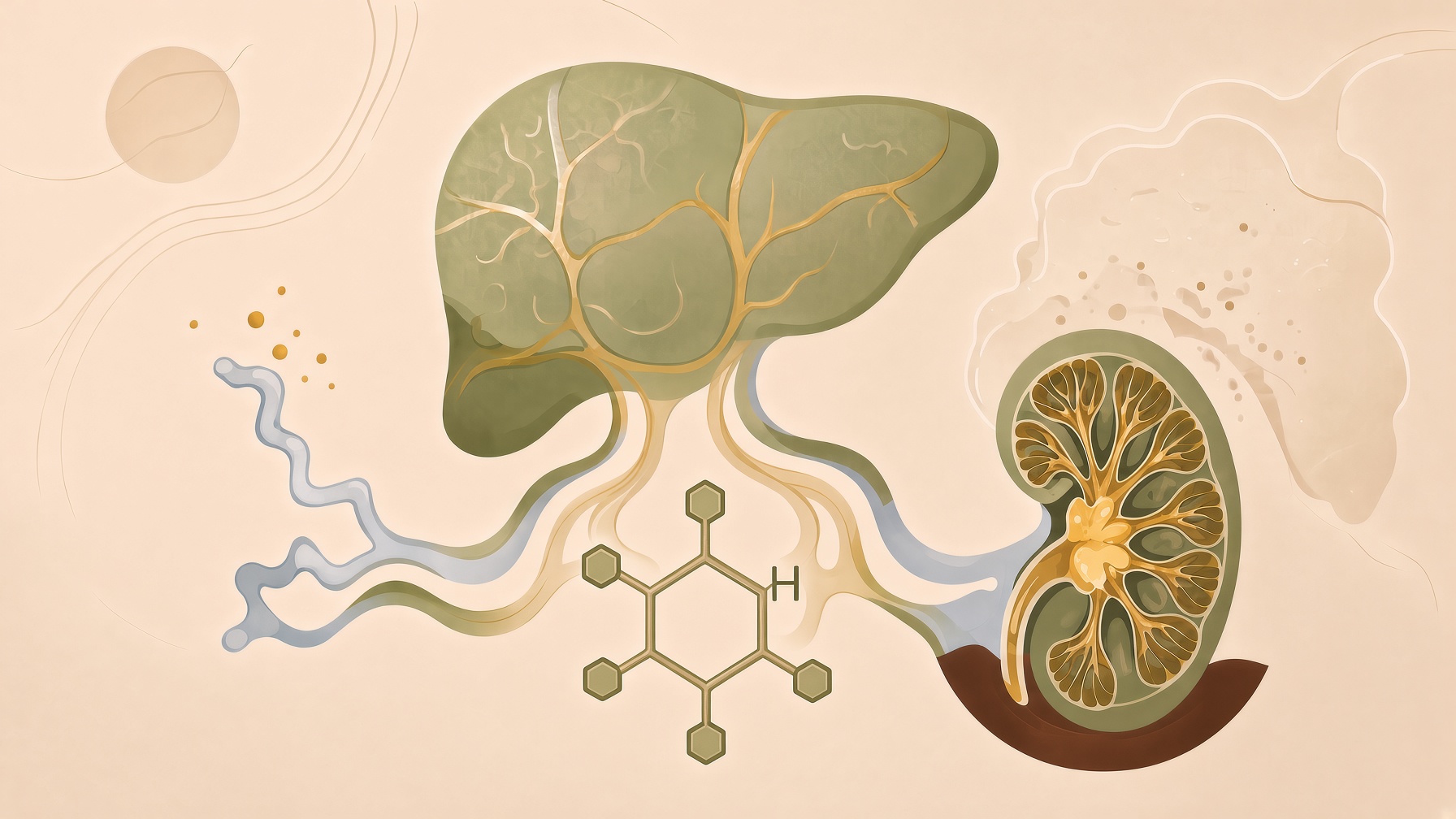
Gluconeogenesis makes glucose from noncarbohydrate materials, helping the liver and kidneys maintain blood glucose when dietary fuel is unavailable.

Training volume measures how much exercise occurs over time, but the calculation must fit the activity and does not capture every aspect of load.