
Between meals or during fasting, the body still needs to keep a supply of glucose available for tissues that depend on it. Stored glycogen can meet part of that need, but those reserves are limited. Gluconeogenesis provides another source by allowing new glucose to be produced from other metabolic materials. Understanding this pathway helps explain how glucose supply can be maintained even when dietary carbohydrate is not immediately available.
Gluconeogenesis is the synthesis of glucose from noncarbohydrate precursors. The key point is the nature of those starting materials: the pathway produces glucose from precursors that are not themselves carbohydrates .1
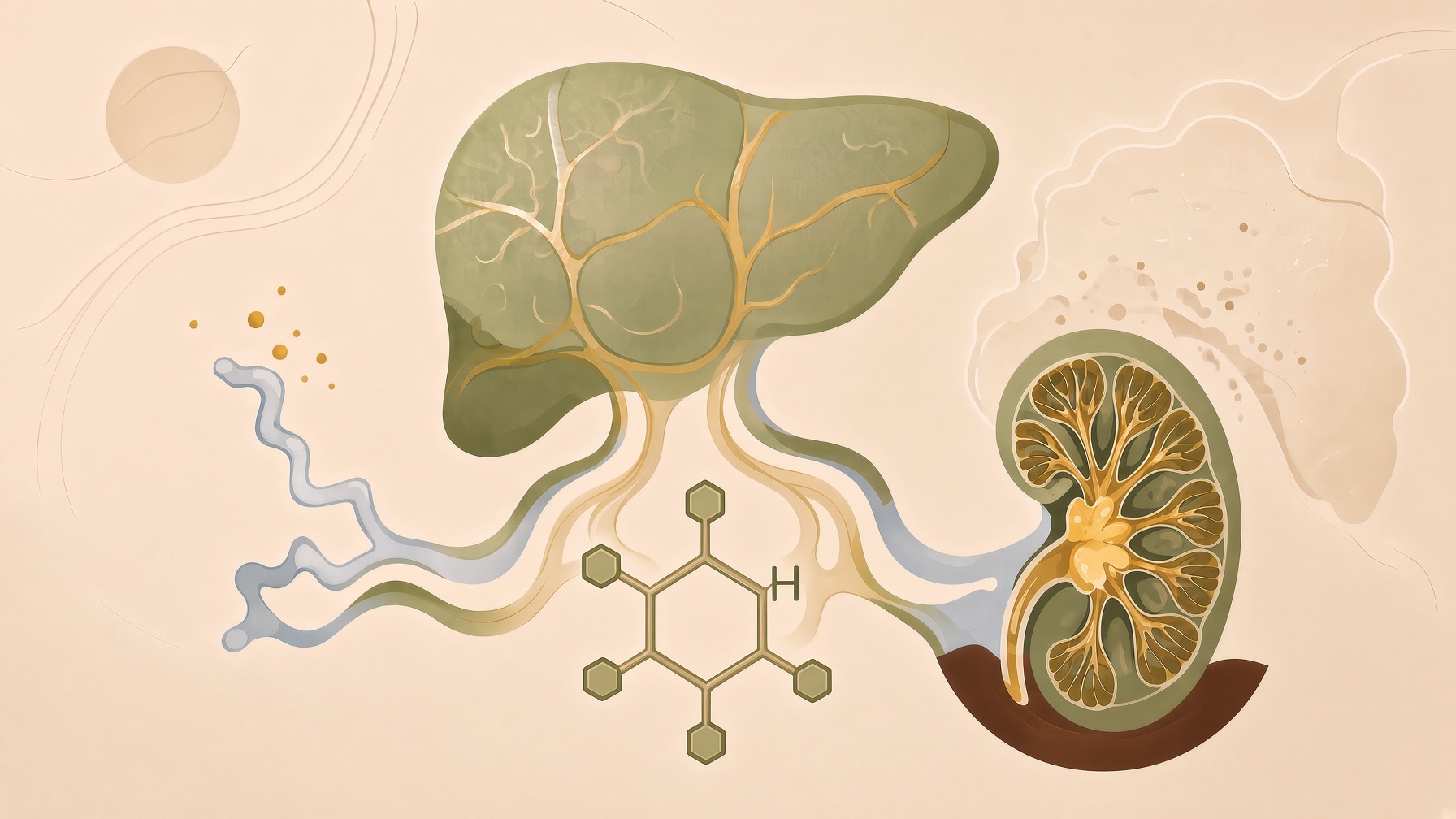
The process occurs primarily in the liver, with an important contribution from the renal cortex. The kidney’s contribution can become substantial during prolonged fasting. Low blood glucose is an important physiological stimulus for gluconeogenesis .1
When blood glucose availability falls, hepatic gluconeogenesis contributes to restoring and maintaining circulating glucose. That contribution is not the whole glucose-maintenance response. The kidney also contributes through gluconeogenesis, and during early fasting hepatic glycogenolysis remains important .1
The importance of gluconeogenesis becomes clearer as the time without food increases. Rather than relying indefinitely on a limited glycogen reserve, the body can continue producing glucose from materials generated elsewhere in metabolism. This flexibility helps preserve glucose supply as the balance between stored fuel and newly synthesized glucose shifts during fasting.

Join the discussion
No account or email is required. Your display name and comment will be public.