

Do Women Need Different Recovery Nutrition?
Recovery nutrition research in female athletes remains too limited to justify rigid menstrual-cycle diets, despite real hormonal differences.
42 articles in this view
Current selection
42 results
Recovery nutrition research in female athletes remains too limited to justify rigid menstrual-cycle diets, despite real hormonal differences.
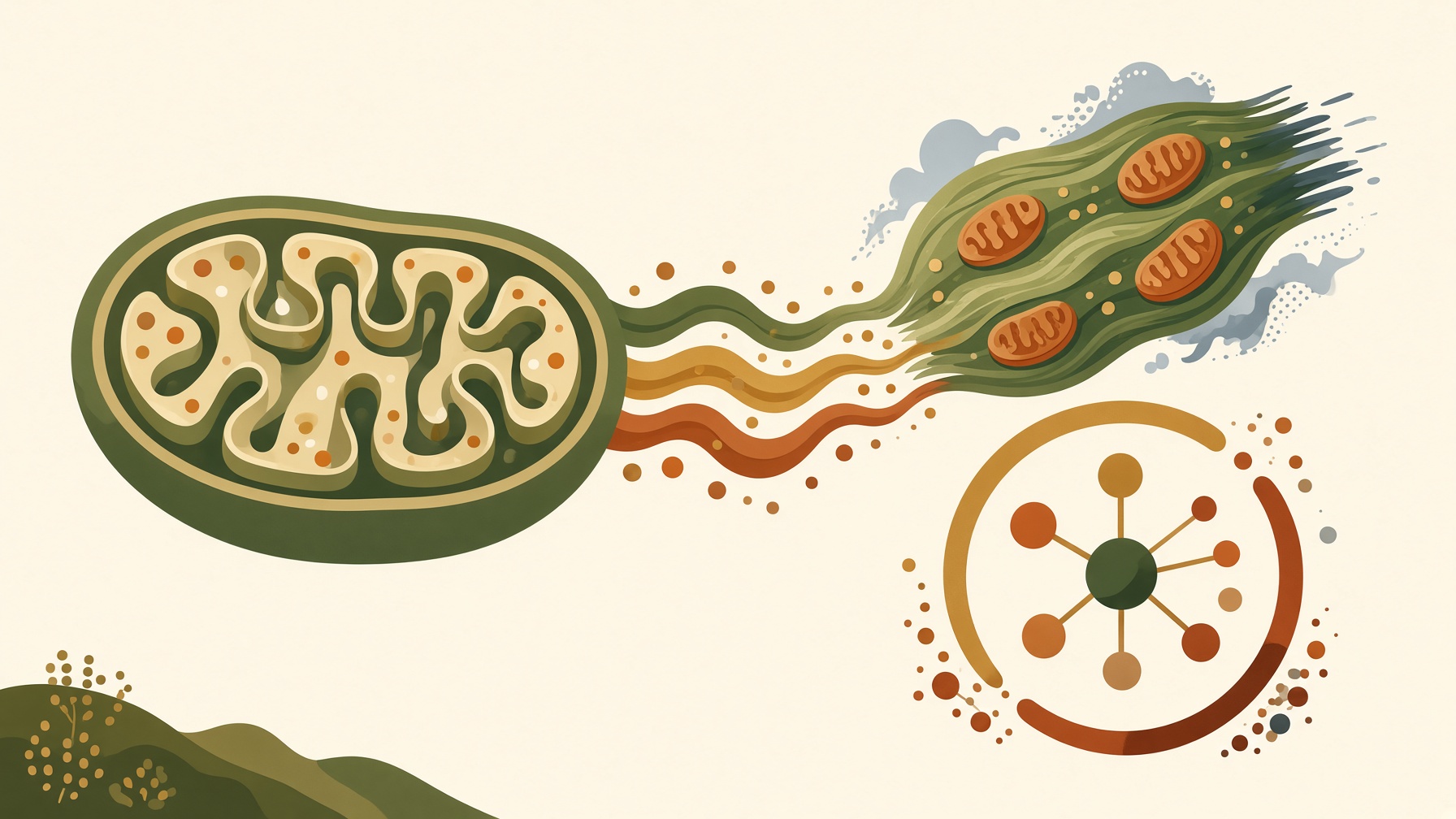
ATP regeneration draws on overlapping energy pathways whose contributions shift with exercise demands, keeping muscle work supplied with usable energy.
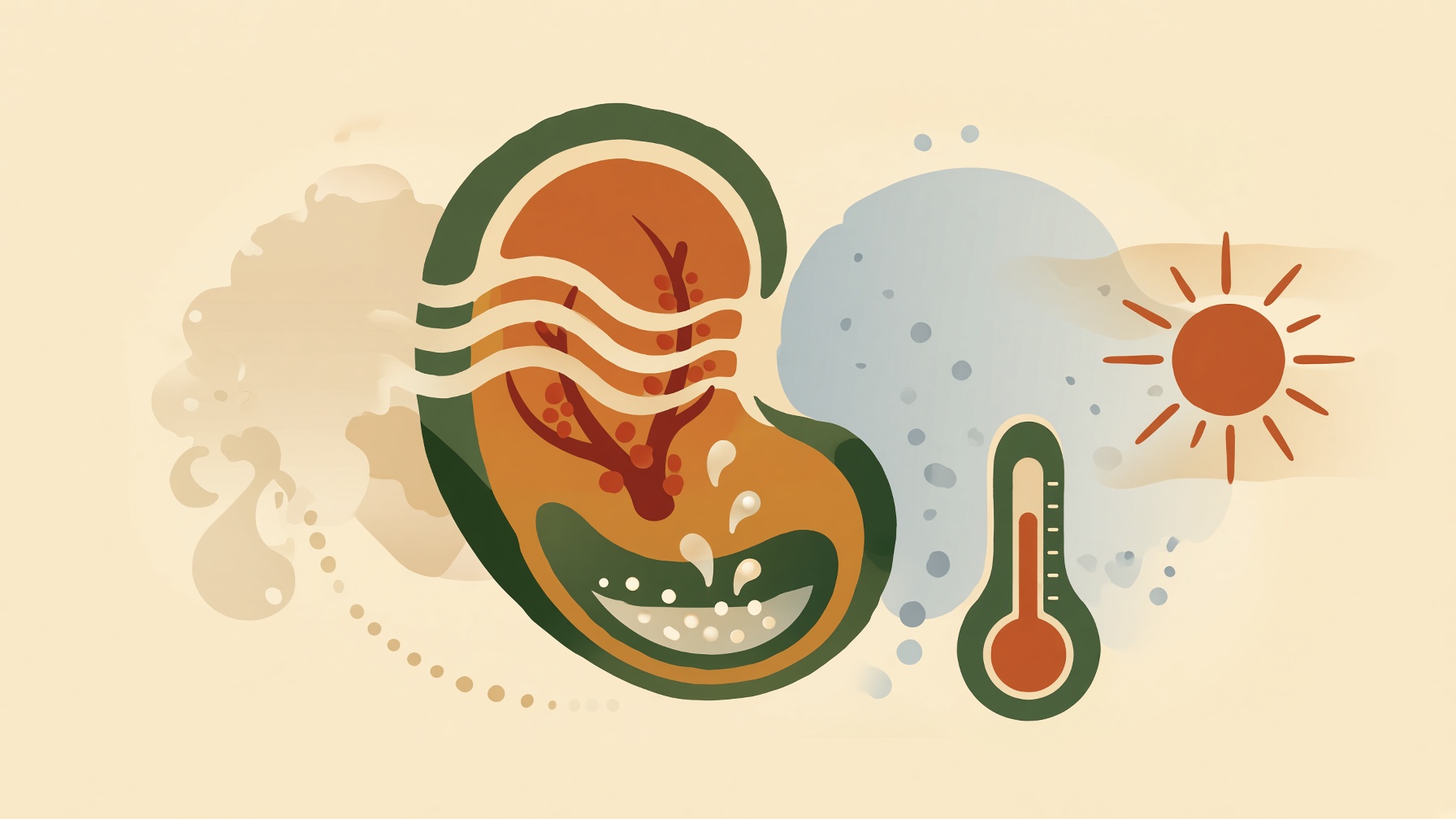
Dehydration can strain circulation and reduce cooling during exercise, adding to the challenge of releasing heat in demanding conditions.

Supersets and circuits link separate exercises, whereas drop sets extend the same exercise by lowering resistance after fatigue builds.
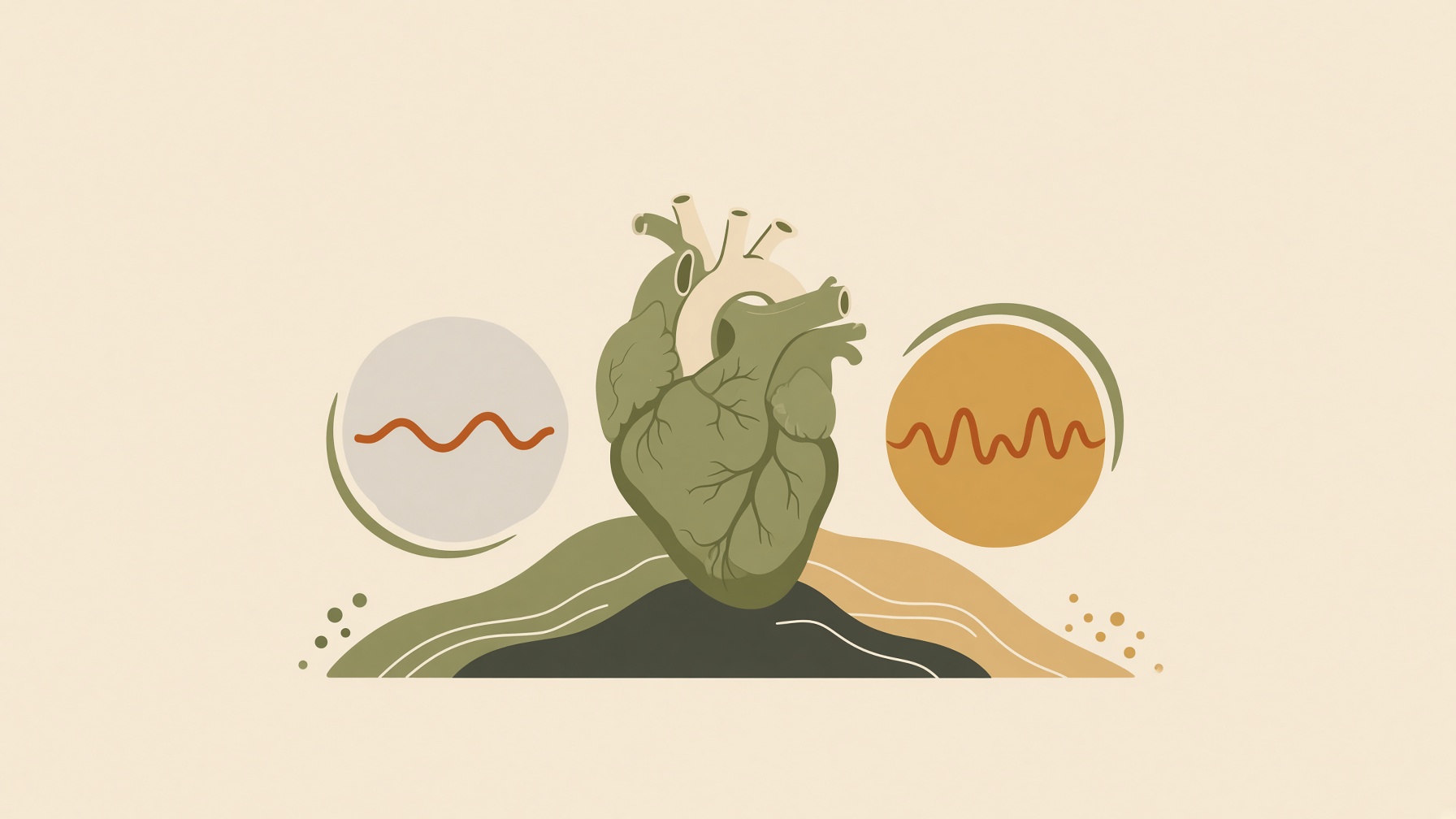
Perceived exertion and the Talk Test help estimate exercise intensity from bodily cues, without turning those sensations into exact lab measurements.
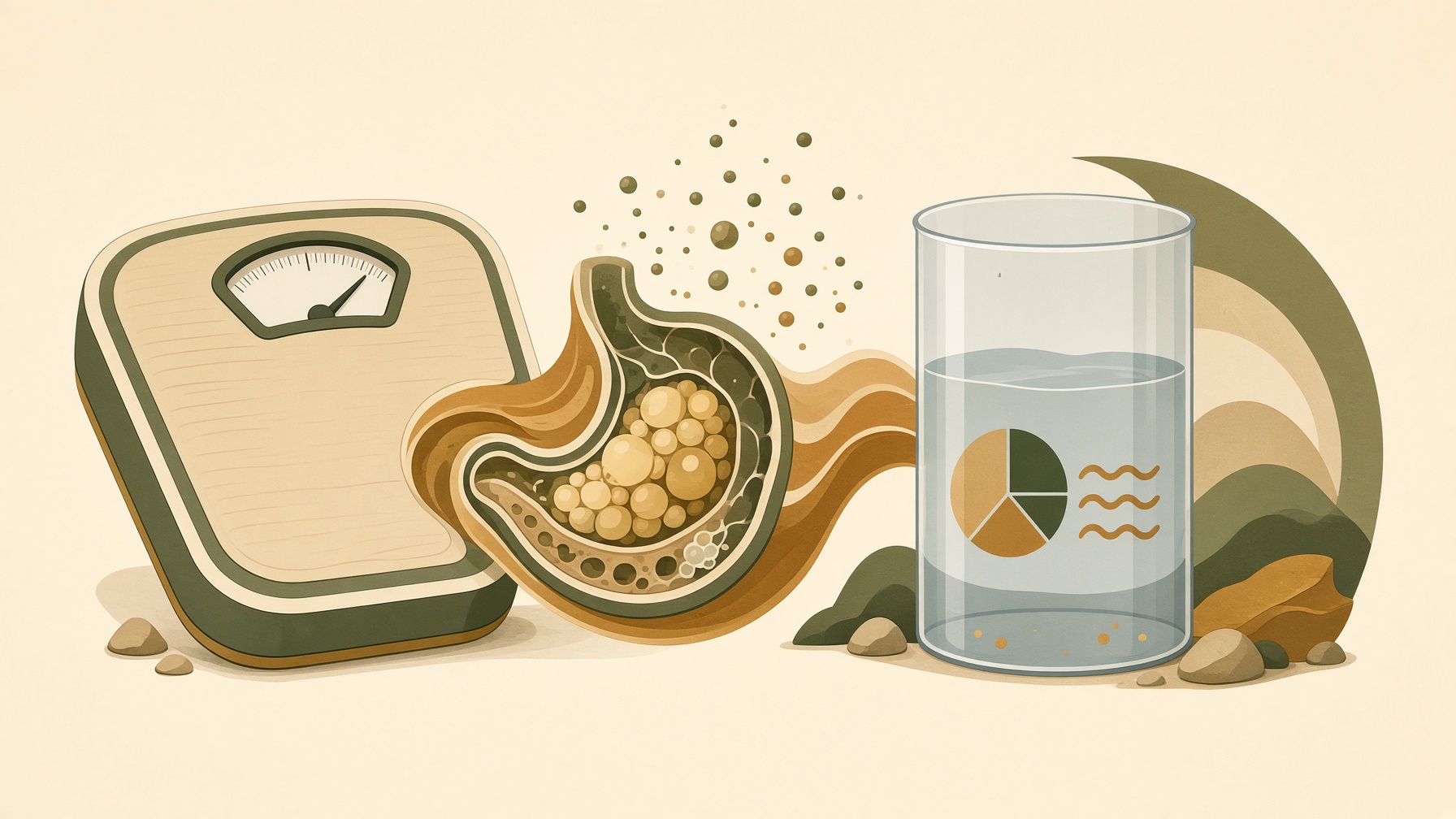
Body-fat tests estimate body composition from different physical measurements, so results depend on the method and testing conditions.

Detraining can reverse exercise adaptations when training stops or falls, but different fitness qualities decline at different rates.
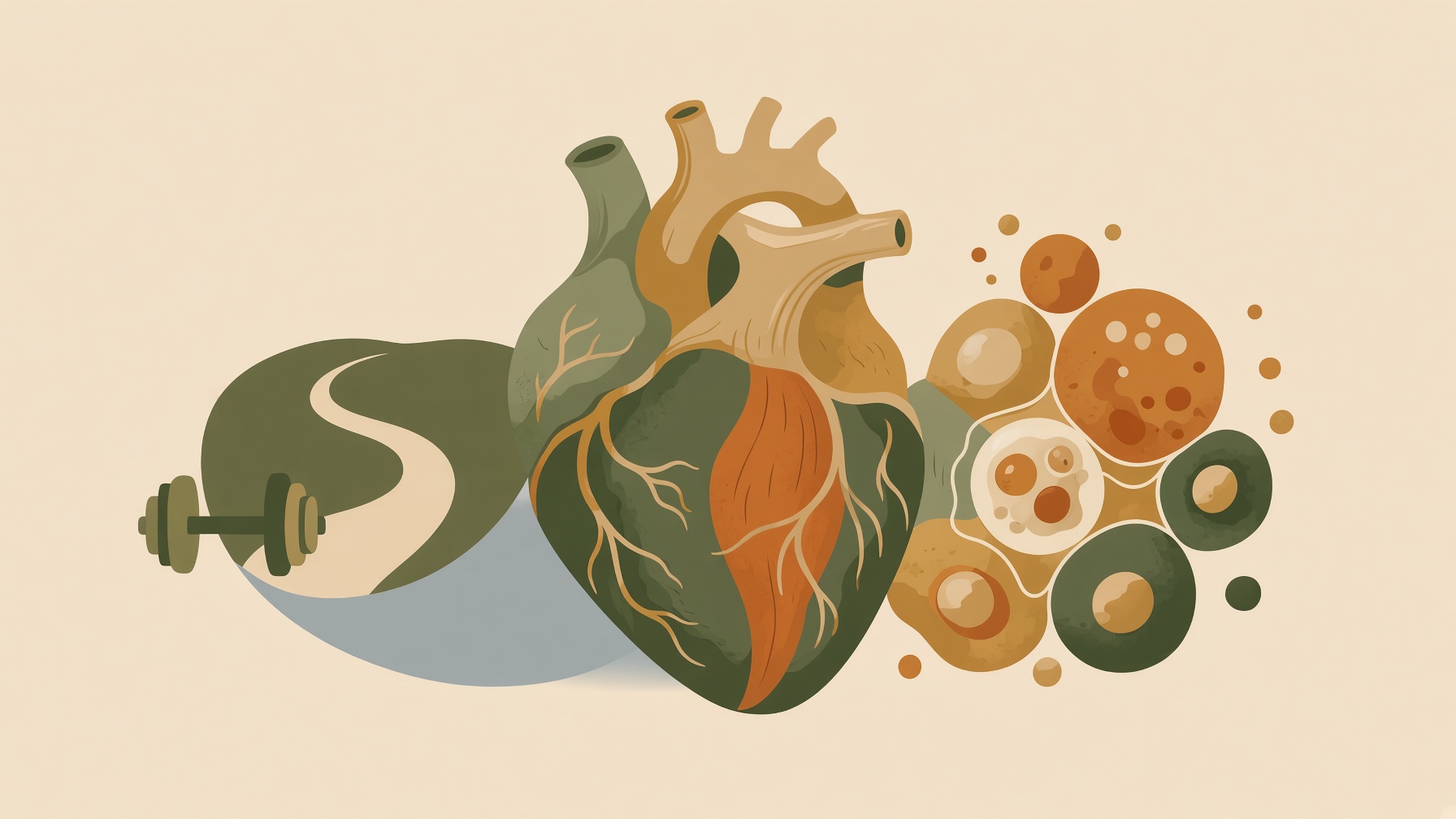
Heart enlargement can reflect healthy training adaptations or disease, so a larger heart does not automatically mean an athlete’s heart.

Train-low strategies reduce carbohydrate availability for selected endurance sessions, but research has not established one consistently best approach.

Pyramid training changes load and repetition targets across multiple sets, while single-set and multi-set labels describe how many sets occur.

Outdoor exercise requires preparation for changing environmental demands, because the same workout can pose different risks across settings.

Recovery nutrition between closely spaced workouts should match the fuel and fluid losses from the last session to the demands of the next.