
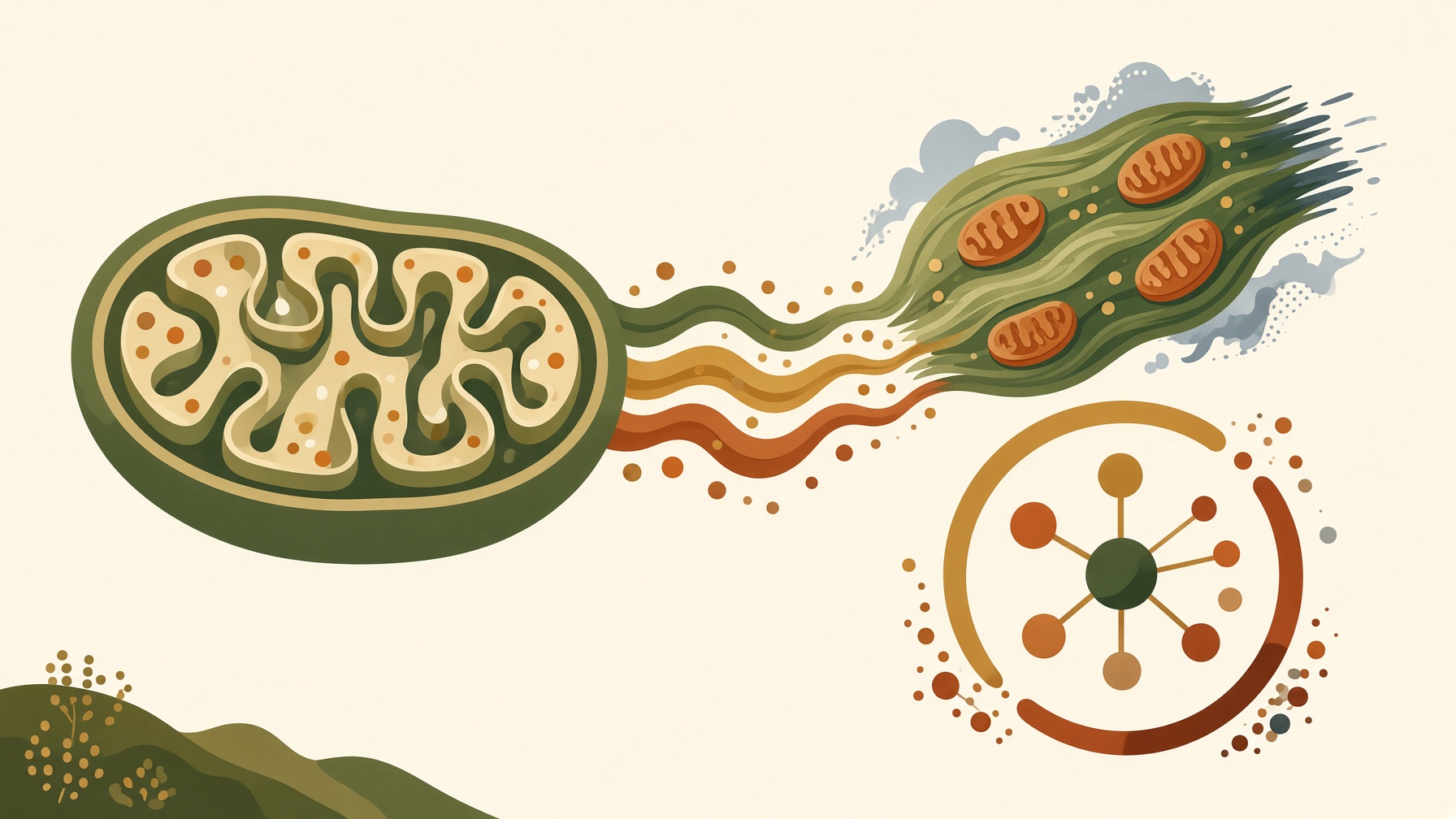
How Your Body Produces Energy During Exercise?
ATP regeneration draws on overlapping energy pathways whose contributions shift with exercise demands, keeping muscle work supplied with usable energy.
Wikis
Carbohydrates are a broad class of organic compounds that includes monosaccharides, oligosaccharides, polysaccharides, and compounds derived from them. Monosaccharides are basic carbohydrate units and include molecules such as glucose. They can be joined through glycosidic bonds to form larger carbohydrate structures, ranging from short oligosaccharides to large polysaccharides .1,2
The name “carbohydrate” originated from the observation that many simple carbohydrates have compositions resembling combinations of carbon and water, often approximated by the formula Cn(H2O)n. This is a historical description rather than a strict modern definition. The carbohydrate family also includes derivatives in which chemical groups have been oxidized, reduced, or replaced, so not every carbohydrate fits this simple formula .1
Carbohydrates have diverse biological roles. Some, such as glucose, participate in energy metabolism, while polysaccharides can store energy or provide structural material. Glycogen, for example, is a glucose storage polymer in animals, whereas cellulose is a structural glucose polymer in plants. Carbohydrate chains can also be attached to proteins and lipids, where they contribute to processes such as cell recognition and molecular interactions .2
Carbohydrate is a broader term than sugar. In chemical usage, “sugar” generally refers to monosaccharides, disaccharides, and some other small carbohydrates, whereas carbohydrates also include large polysaccharides and numerous carbohydrate derivatives. Thus, substances such as glucose and sucrose are carbohydrates, but the category also encompasses much larger and structurally more complex molecules .1,2
From this collection
ATP regeneration draws on overlapping energy pathways whose contributions shift with exercise demands, keeping muscle work supplied with usable energy.
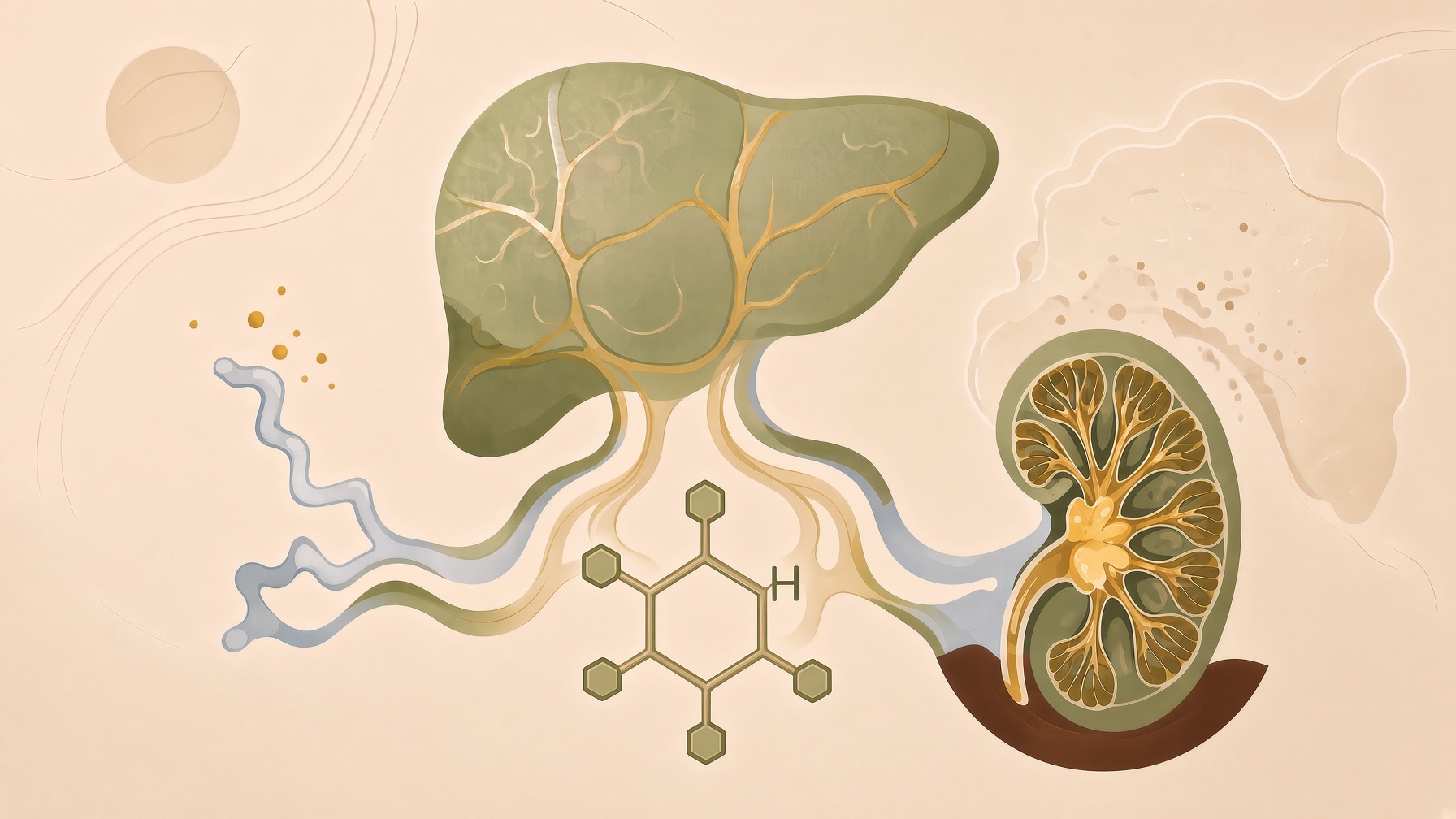
Gluconeogenesis makes glucose from noncarbohydrate materials, helping the liver and kidneys maintain blood glucose when dietary fuel is unavailable.
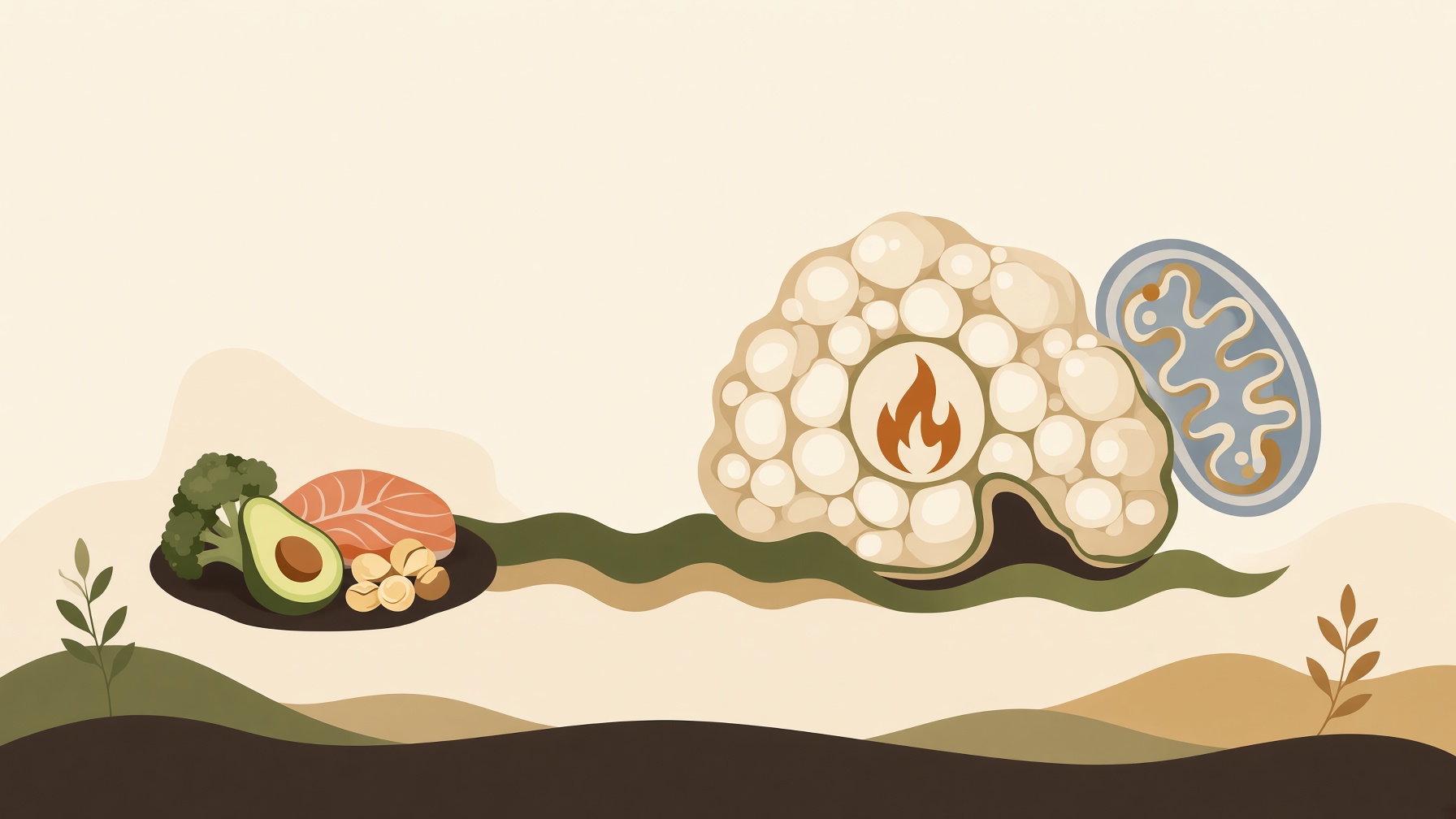
Low-carbohydrate diets can increase fat burning, but losing stored body fat still requires an energy deficit sustained over time.
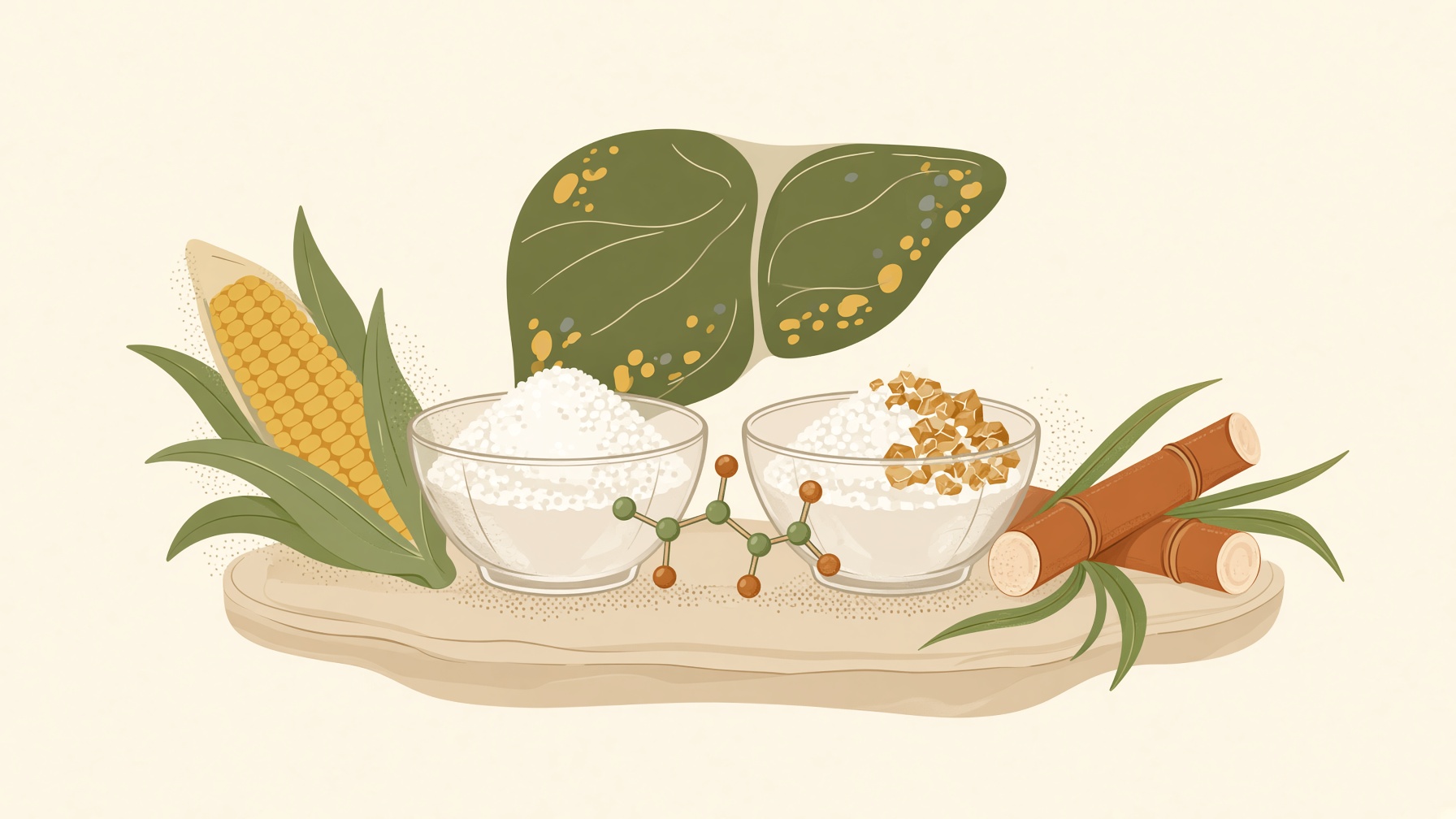
High-fructose corn syrup has not consistently caused greater weight gain than sucrose when calorie intake is comparable in controlled studies.
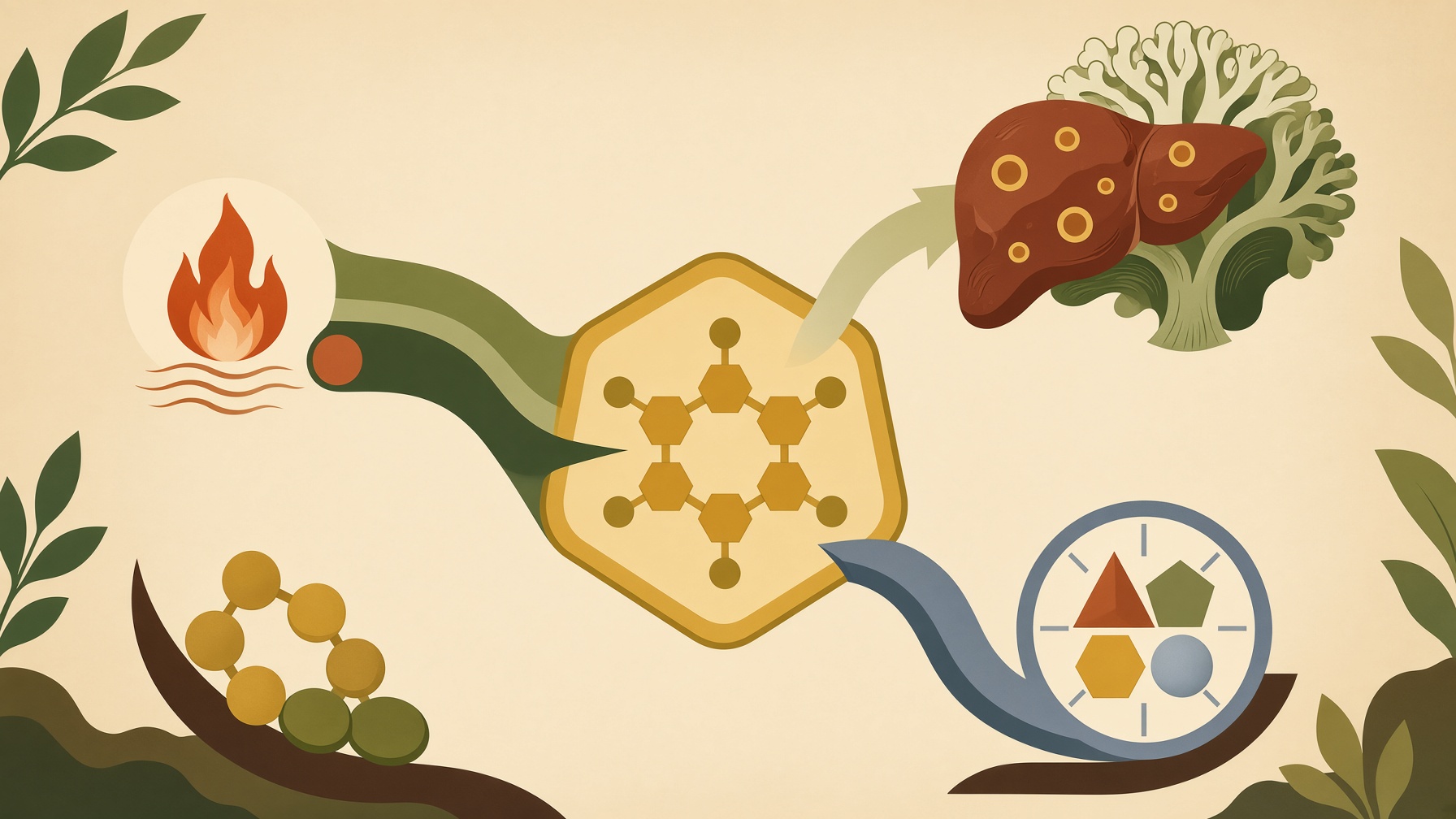
Carbohydrate metabolism supplies more than immediate energy, providing glucose-derived material that cells can store or use to build molecules.
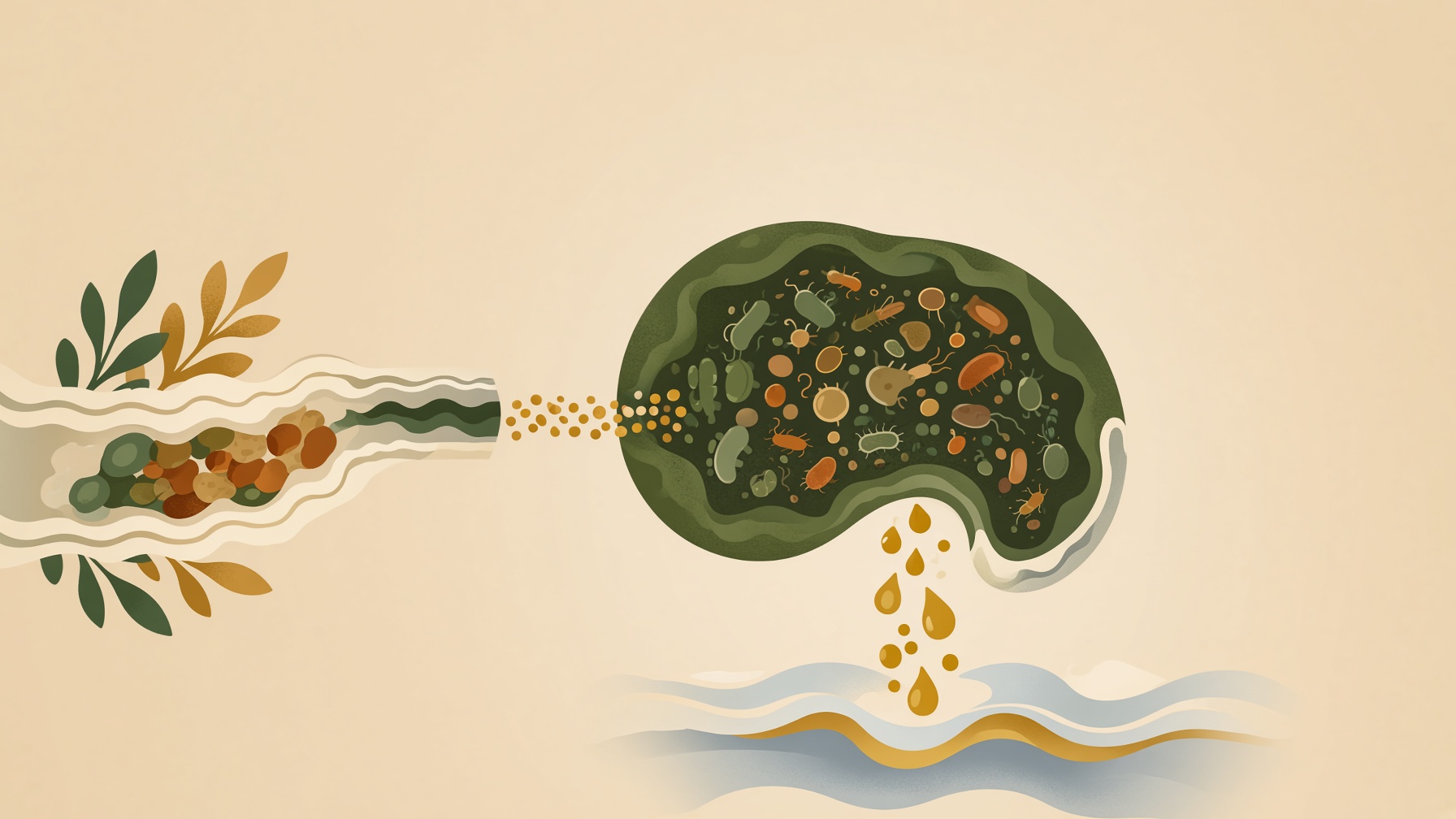
Colon microbes ferment some dietary fiber into short-chain fatty acids that the body can absorb, recovering energy human enzymes cannot release.
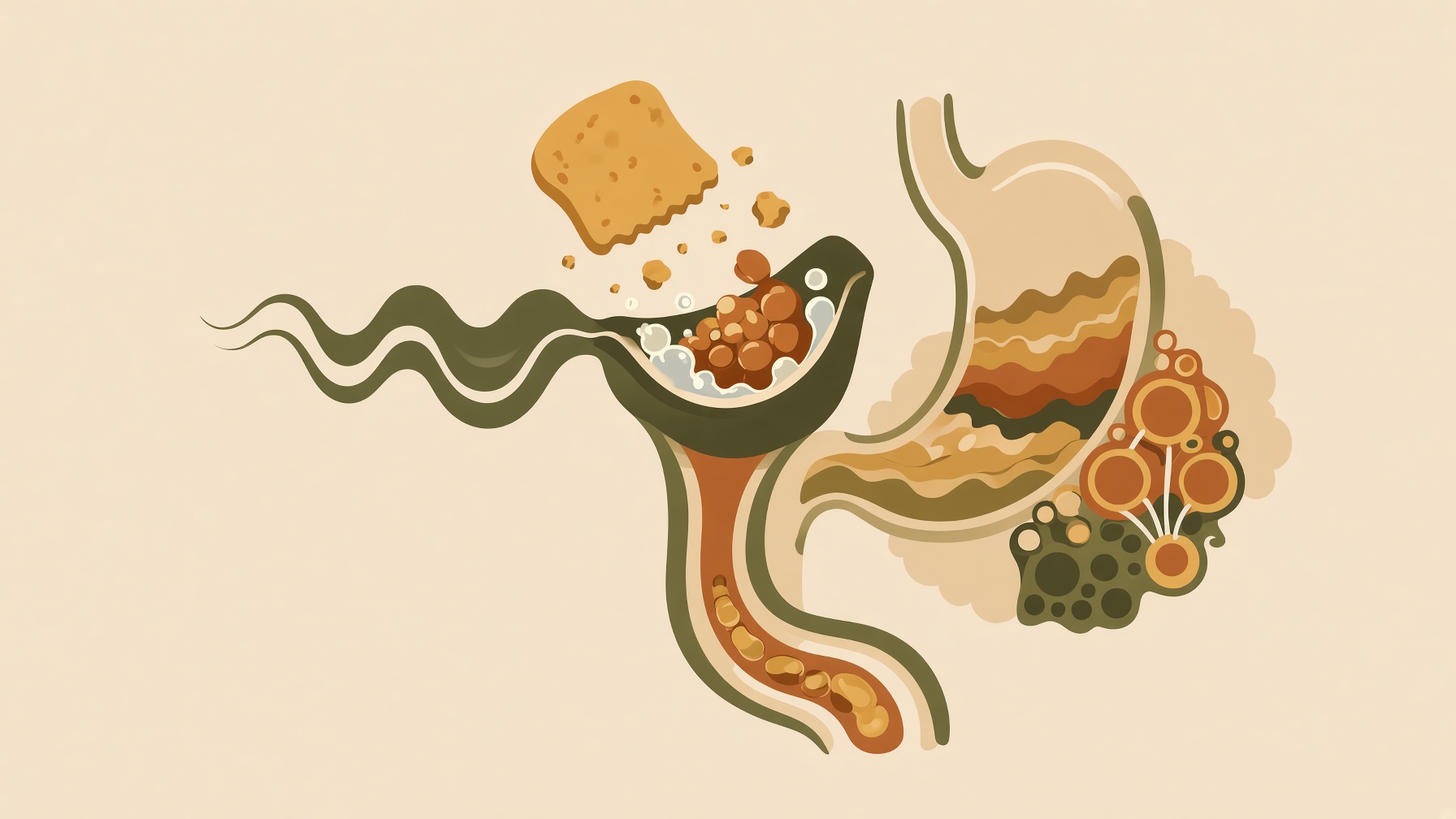
The small intestine mixes and moves chyme as enzymes break down food, bringing nutrients close to the surface where absorption occurs.