
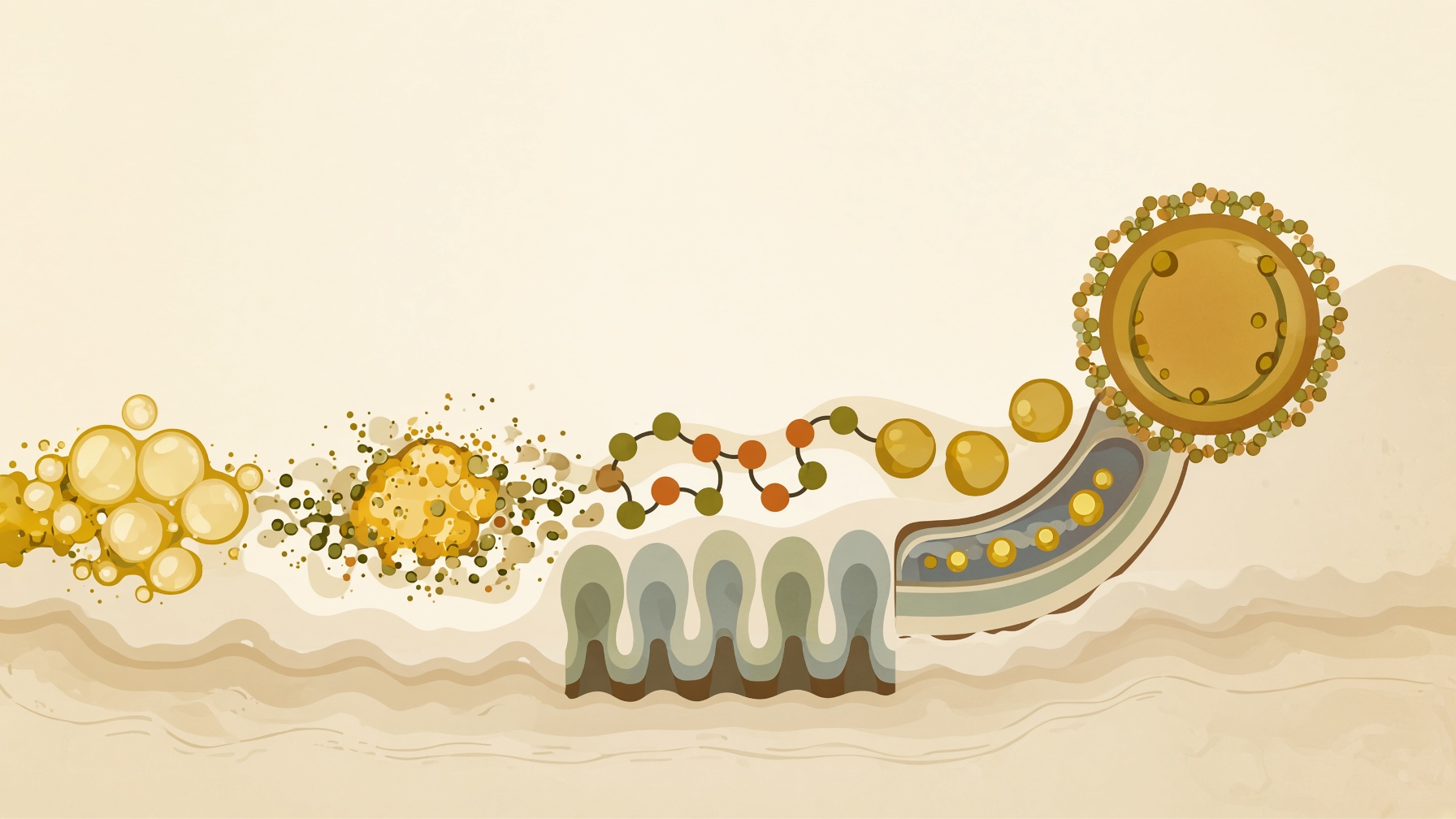
How Your Body Digests and Absorbs Dietary Fat
Dietary fat digestion combines physical dispersal by bile salts with enzyme breakdown, producing lipid components that intestinal cells can absorb.
Wikis
Fatty acids are a class of organic molecules consisting of a hydrocarbon chain with a carboxyl group at one end. Naturally occurring fatty acids commonly have unbranched chains containing an even number of carbon atoms. Because much of the molecule consists of nonpolar carbon-hydrogen bonds, the hydrocarbon chain is hydrophobic and interacts poorly with water .1,2
Fatty acids vary mainly in the length of their carbon chain and in the number and arrangement of carbon-carbon double bonds. Saturated fatty acids contain no carbon-carbon double bonds, whereas unsaturated fatty acids contain one or more. An unsaturated fatty acid with one double bond is monounsaturated, and one with more than one is polyunsaturated. These structural differences affect the physical properties of fatty acids and of the lipids that contain them .1,2
Fatty acids can occur in an unesterified form or as components of larger lipid molecules. In triacylglycerols, three fatty acids are linked to glycerol, forming a major form of stored metabolic energy. Fatty acid chains are also important components of phospholipids and other membrane lipids, where their hydrophobic character contributes to the water-repelling interior of biological membranes .2
A fatty acid is therefore not the same thing as a fat. Fatty acids are individual molecular components, whereas fats are composed largely of triacylglycerols assembled from glycerol and fatty acids. Fatty acids can also be released from larger lipid molecules and used in energy-yielding metabolic pathways .2
From this collection
Dietary fat digestion combines physical dispersal by bile salts with enzyme breakdown, producing lipid components that intestinal cells can absorb.
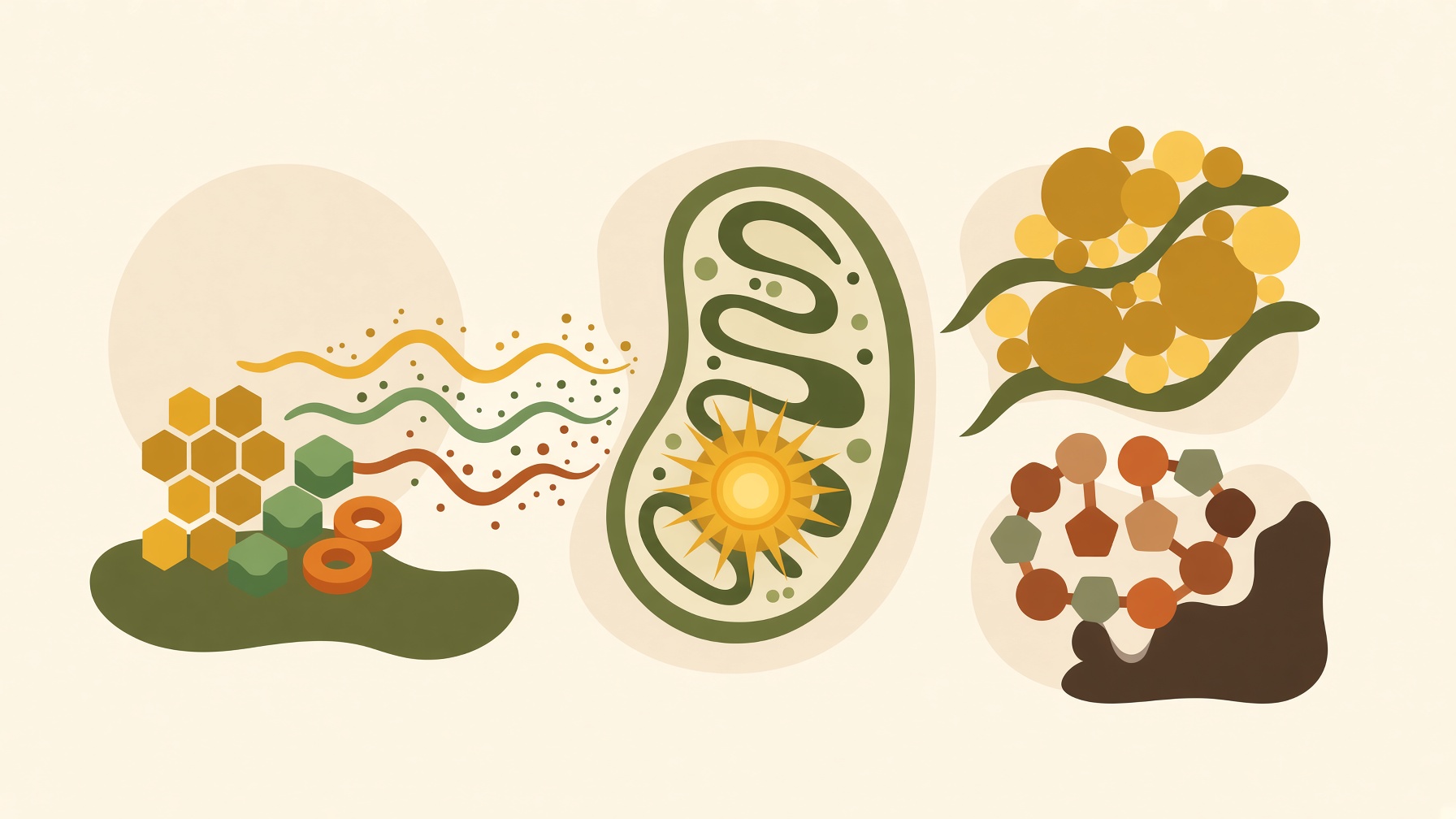
Macronutrients provide different metabolic options after digestion, so carbohydrate, protein, and fat do not serve interchangeable roles in the body.
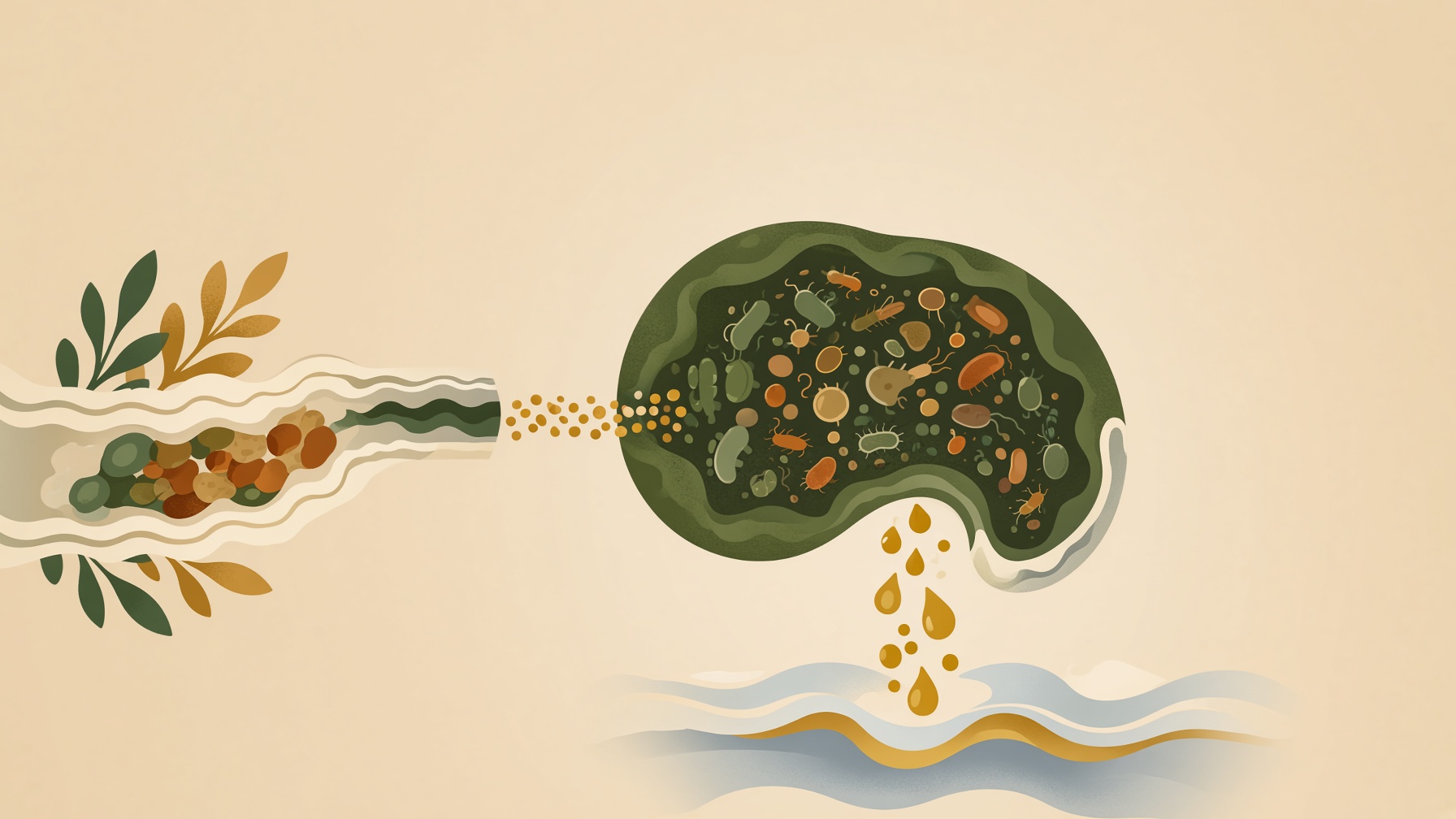
Colon microbes ferment some dietary fiber into short-chain fatty acids that the body can absorb, recovering energy human enzymes cannot release.