
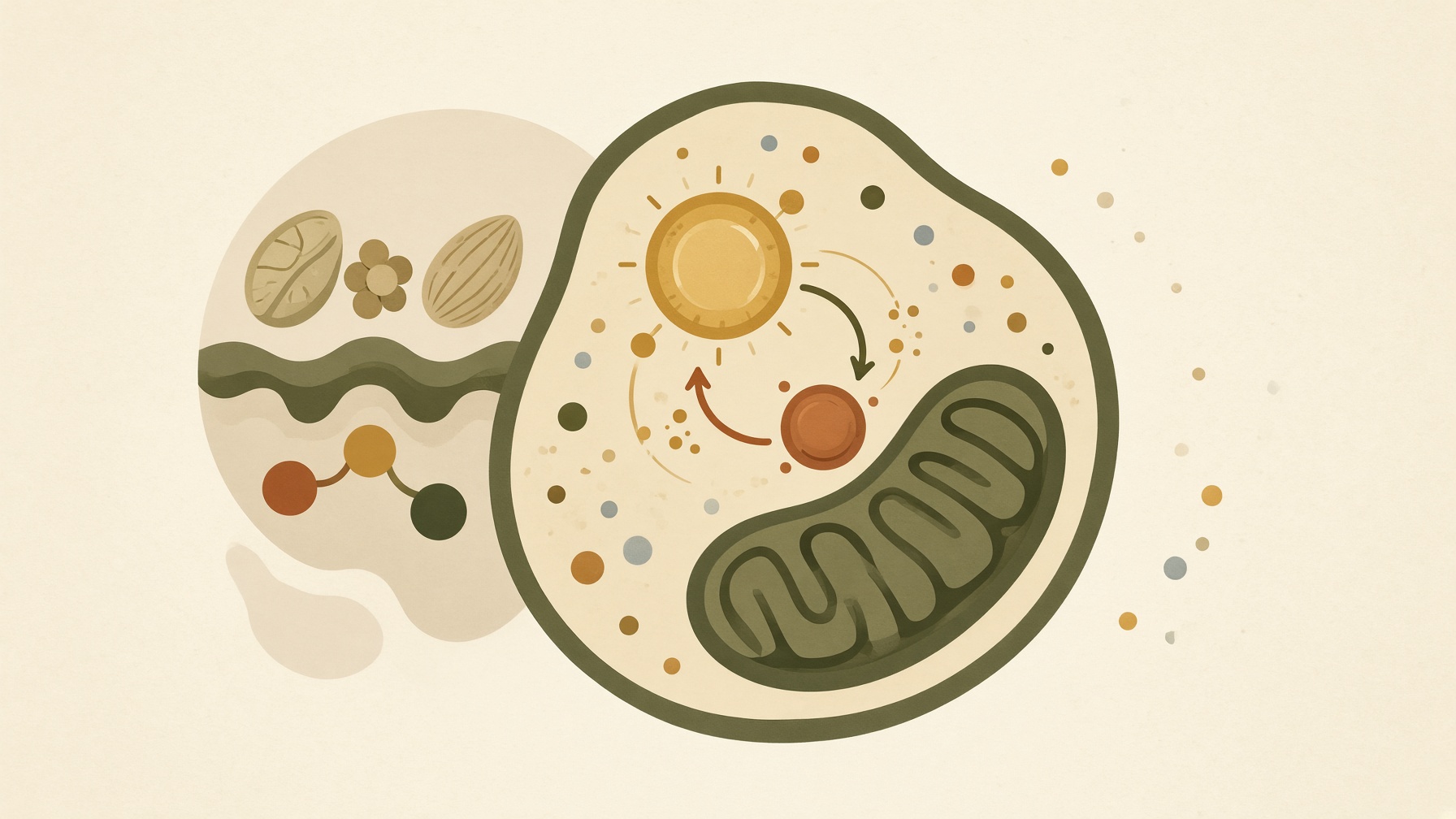
How Cells Keep Their Energy Supply Going
Cells repeatedly regenerate ATP as cellular work consumes the small available supply, making continuous turnover more important than stockpiling.
Wikis
Glucose is a six-carbon monosaccharide, or simple sugar, with the molecular formula C6H12O6. It is an aldohexose, and the naturally predominant form is D-glucose. Glucose circulates in the bloodstream and can be obtained from the digestion of dietary carbohydrates or produced within the body .1,2
After entering cells, glucose is commonly phosphorylated to glucose-6-phosphate by hexokinase or, in certain tissues, glucokinase. Glucose-6-phosphate occupies a central position in metabolism and can enter several pathways. It can undergo glycolysis to produce pyruvate and capture energy as ATP and NADH, enter the pentose phosphate pathway, or be directed toward glycogen synthesis for storage .2,3
Glycogen is a highly branched polymer of glucose and serves as a storage form of carbohydrate, particularly in the liver and skeletal muscle. When needed, glycogen can be broken down and its glucose-derived units returned to metabolic pathways. The body can also synthesize glucose from noncarbohydrate precursors through gluconeogenesis .2,3
Glucose is chemically distinct from fructose even though both have the molecular formula C6H12O6. Their atoms are arranged differently, with glucose classified as an aldose and fructose as a ketose, and they differ in aspects of their transport and metabolism. Glucose is also distinct from sucrose, which is a disaccharide containing one glucose unit linked to one fructose unit .1,2
From this collection
Cells repeatedly regenerate ATP as cellular work consumes the small available supply, making continuous turnover more important than stockpiling.
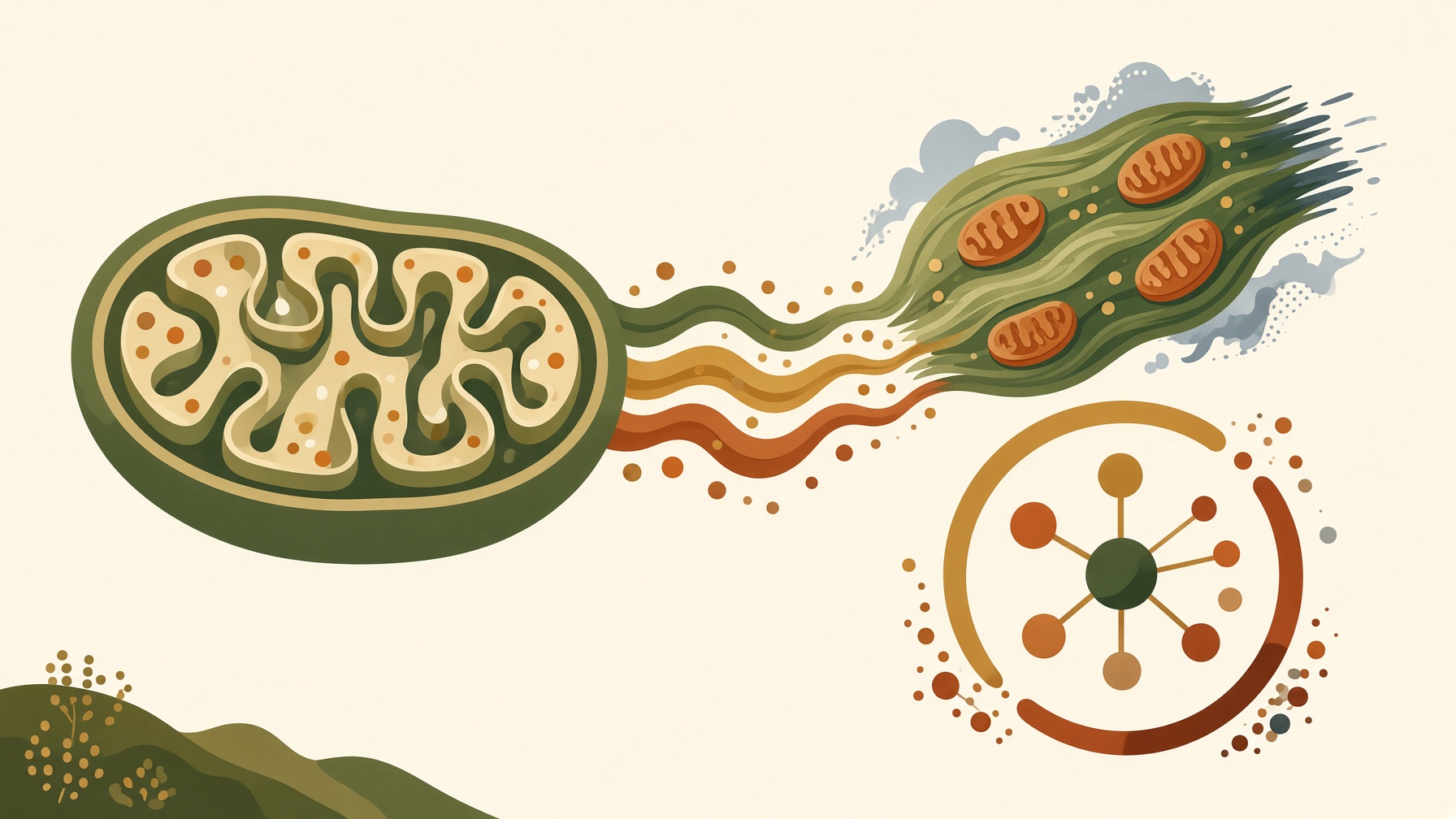
ATP regeneration draws on overlapping energy pathways whose contributions shift with exercise demands, keeping muscle work supplied with usable energy.
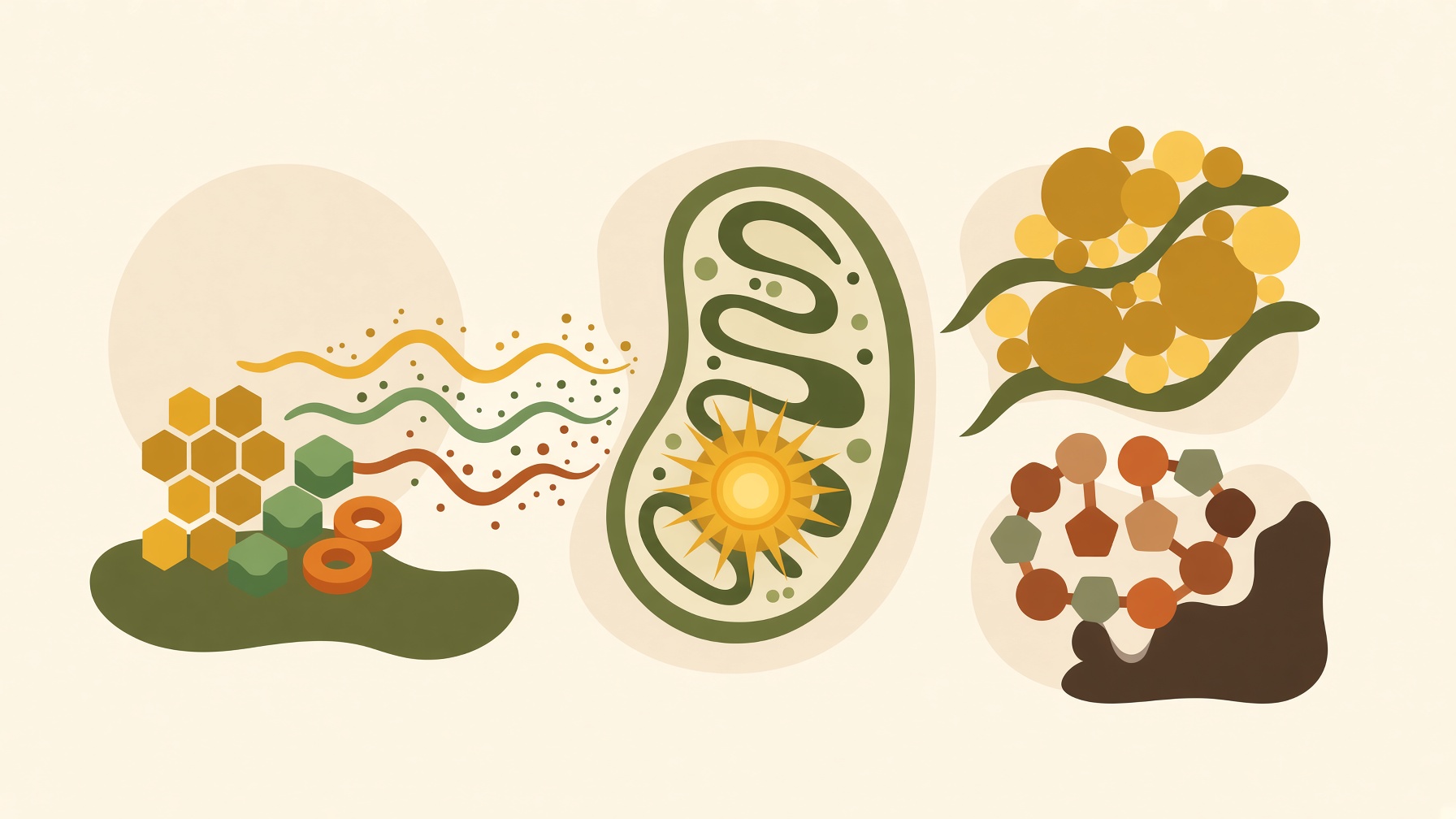
Macronutrients provide different metabolic options after digestion, so carbohydrate, protein, and fat do not serve interchangeable roles in the body.

Fuel use shifts gradually between meals as nutrient supply and hormone signals change, moving metabolism from storage toward use of body reserves.
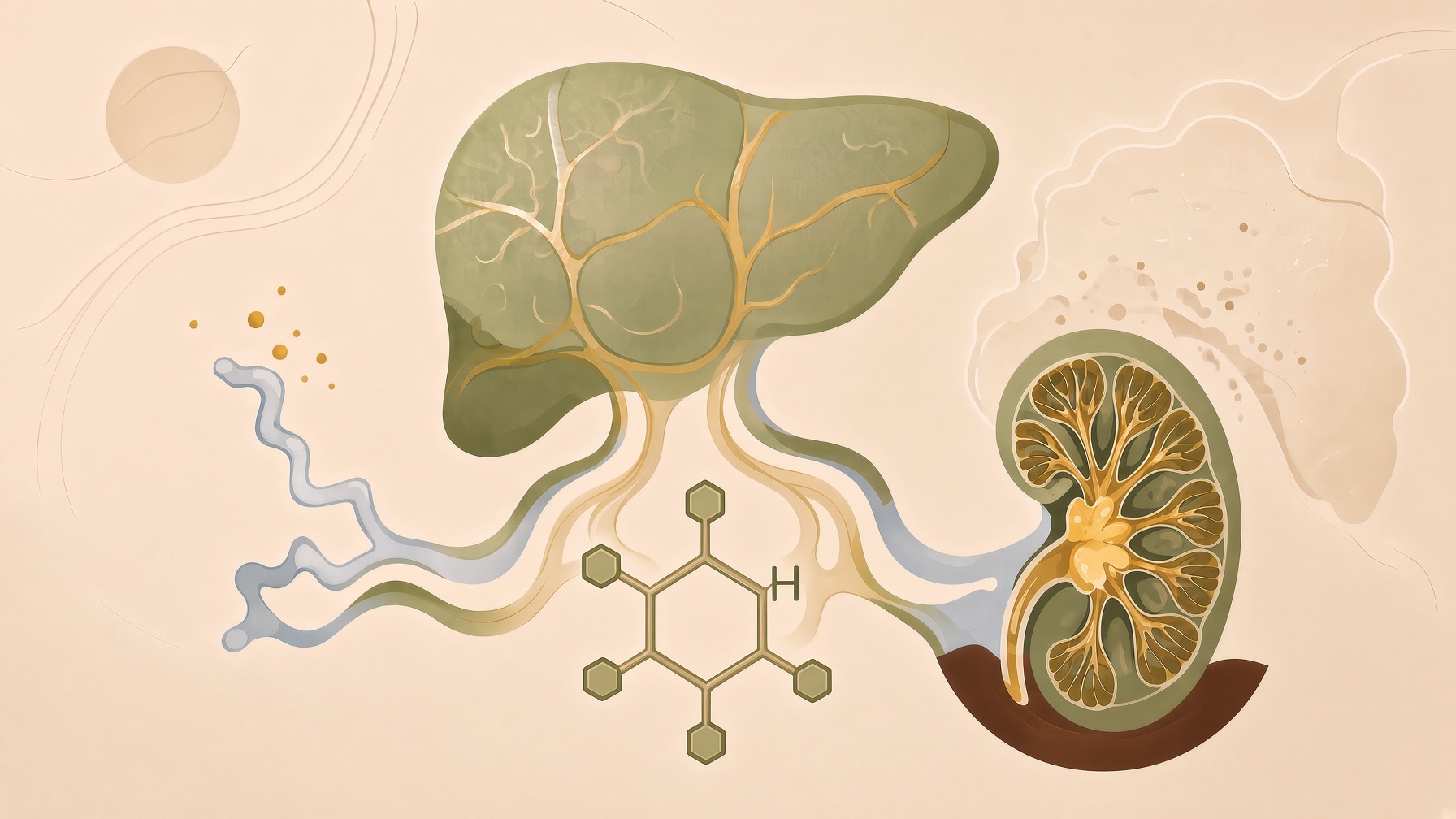
Gluconeogenesis makes glucose from noncarbohydrate materials, helping the liver and kidneys maintain blood glucose when dietary fuel is unavailable.
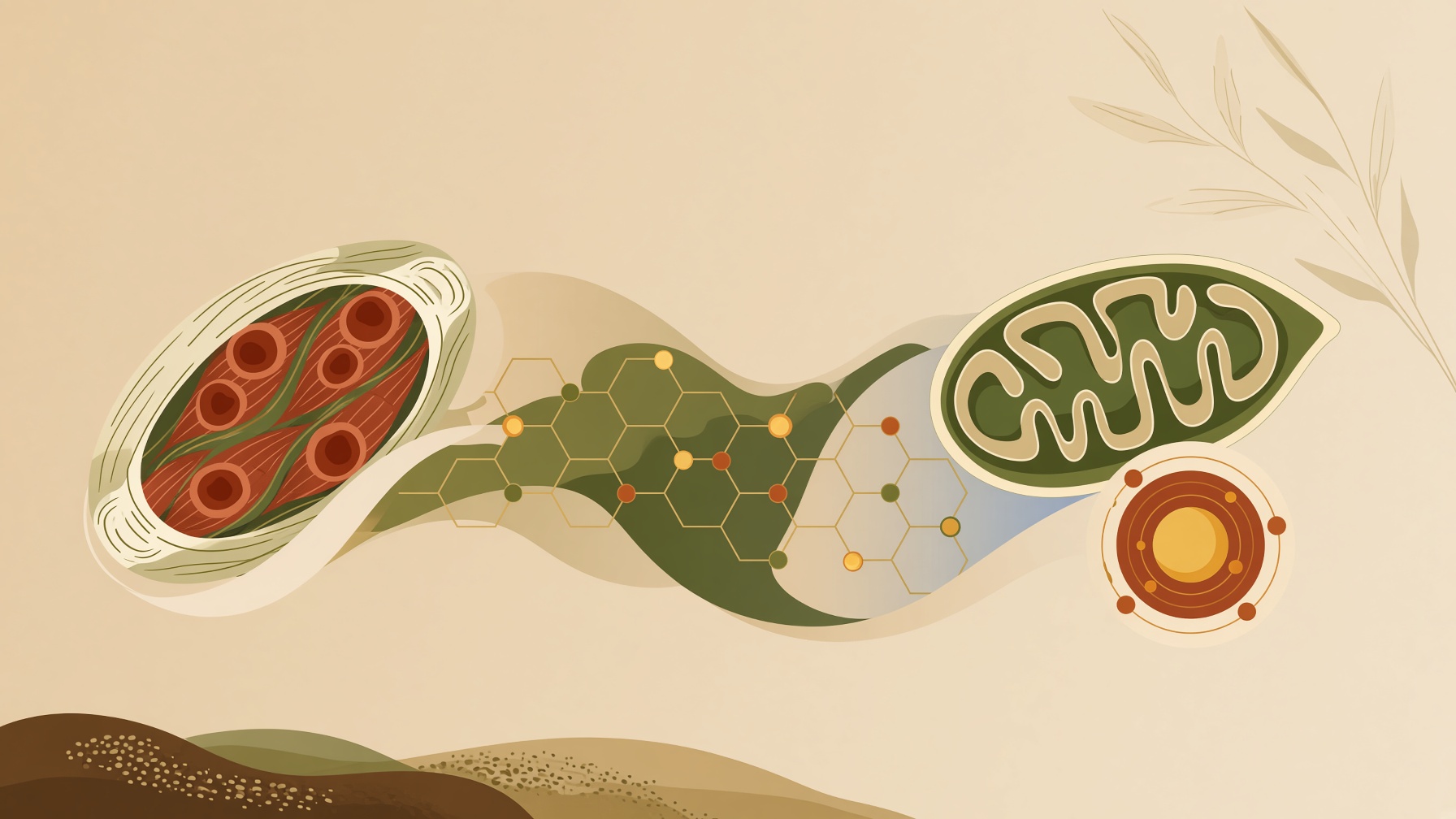
Glycolysis helps muscle replenish ATP quickly during intense exercise while other energy pathways continue contributing at the same time.
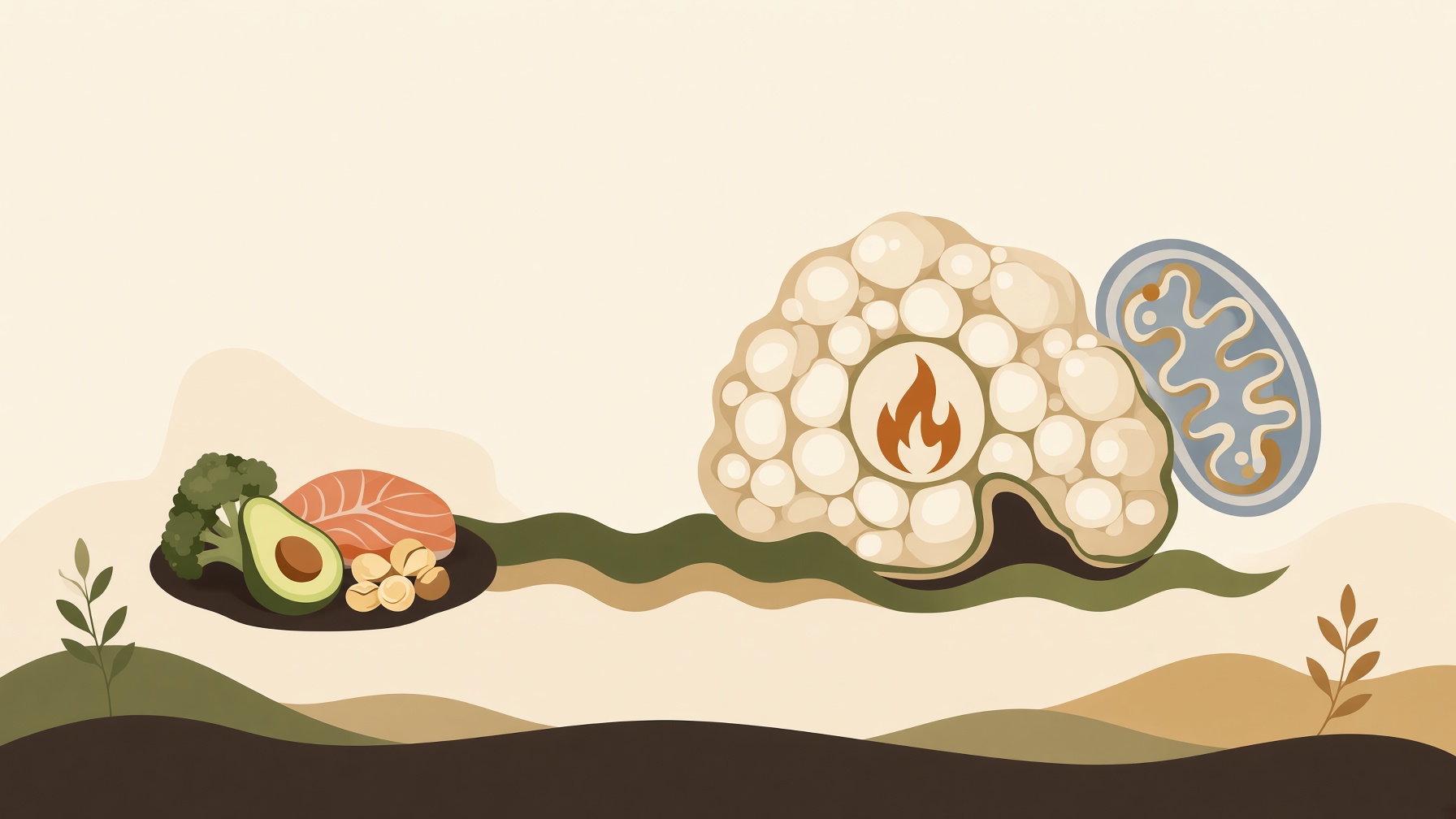
Low-carbohydrate diets can increase fat burning, but losing stored body fat still requires an energy deficit sustained over time.
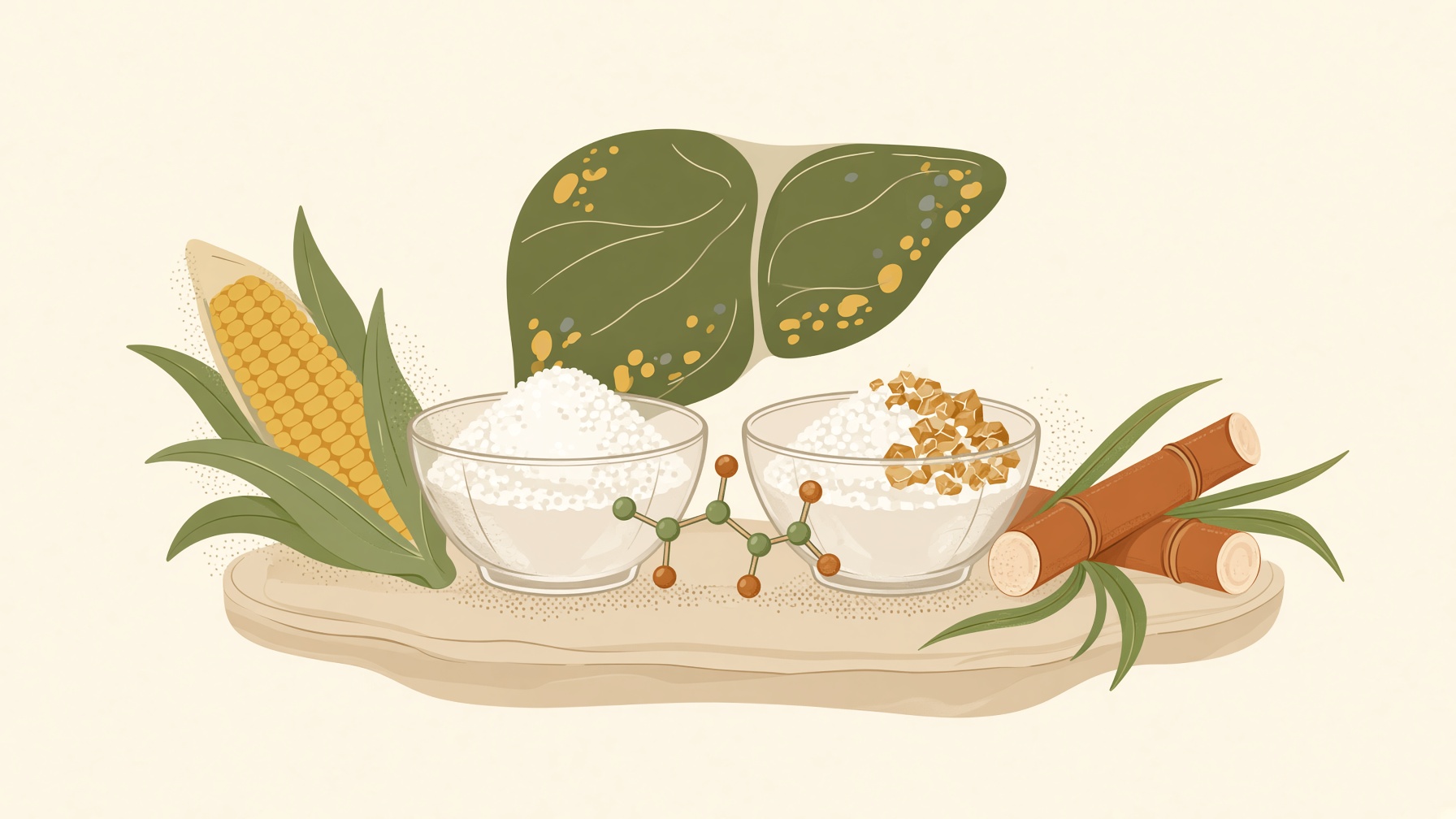
High-fructose corn syrup has not consistently caused greater weight gain than sucrose when calorie intake is comparable in controlled studies.
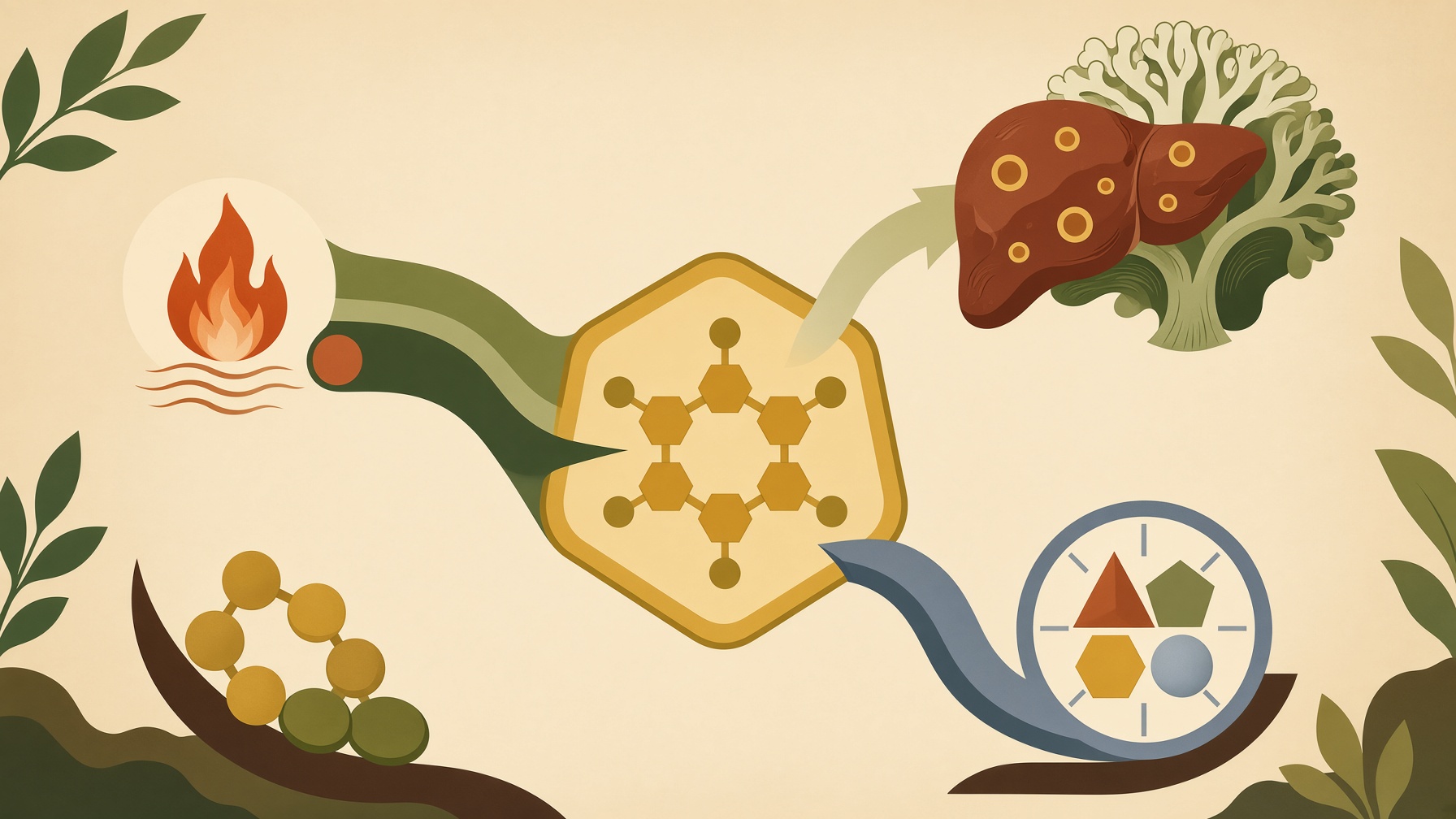
Carbohydrate metabolism supplies more than immediate energy, providing glucose-derived material that cells can store or use to build molecules.

Sports drinks can support fueling during prolonged exercise, but their value over water depends on the workout’s demands and fluid losses.
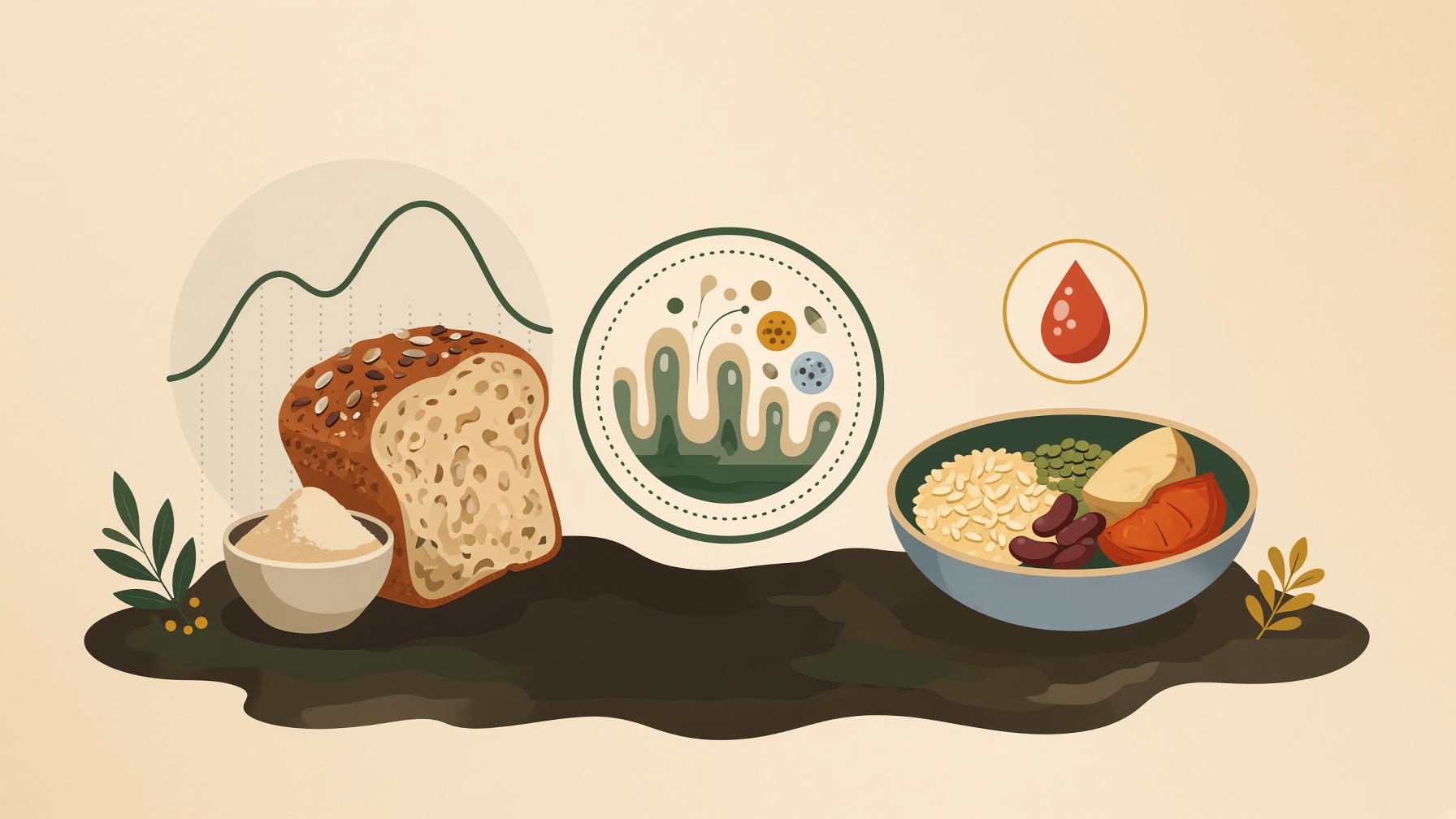
Glycemic index compares blood-sugar responses to equal amounts of carbohydrate, but cannot fully predict the effects of a usual meal.
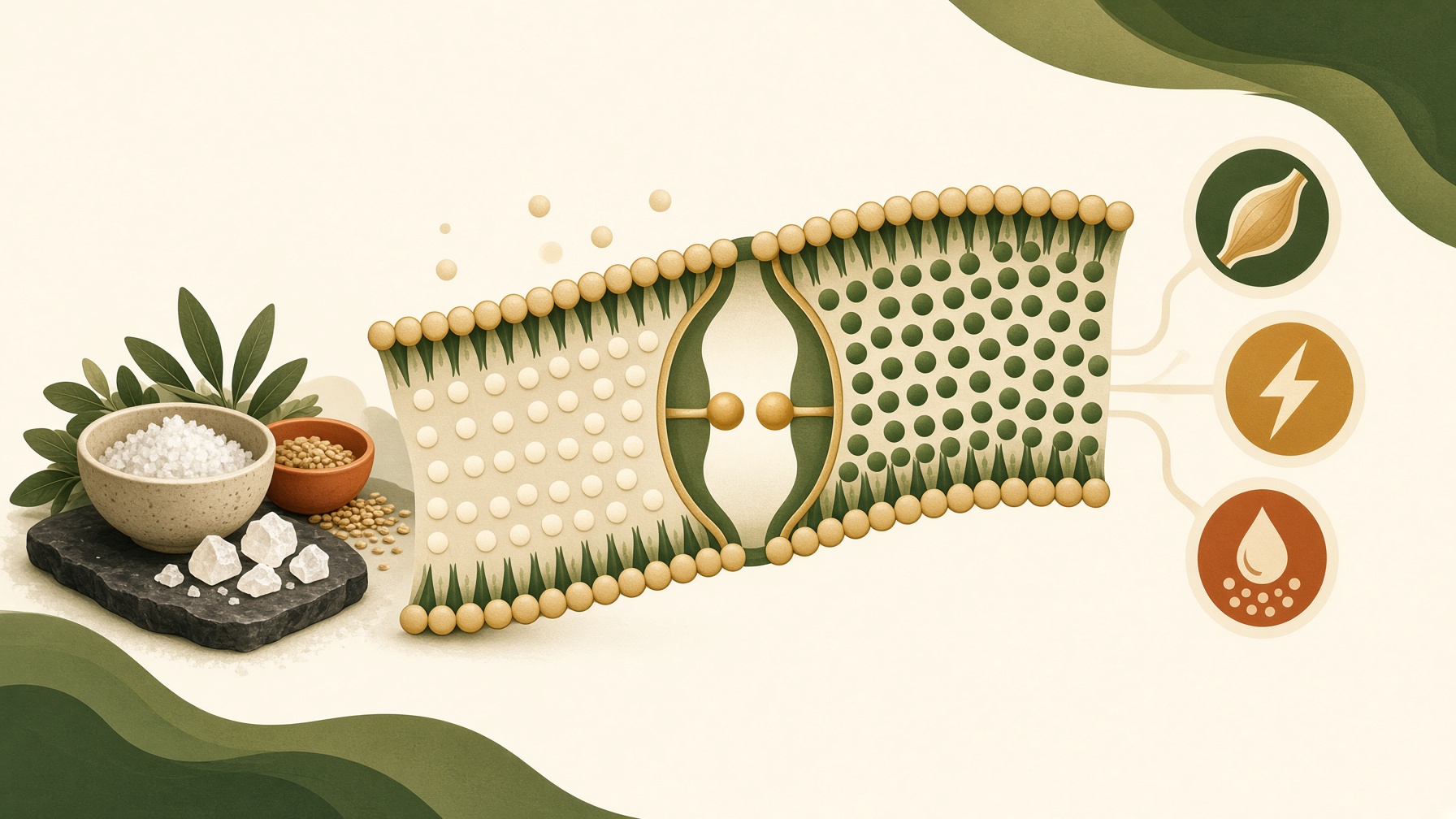
Sodium gradients across cell membranes provide stored energy that cells use for electrical signals and the absorption of certain nutrients.