

Do Women Need Different Recovery Nutrition?
Recovery nutrition research in female athletes remains too limited to justify rigid menstrual-cycle diets, despite real hormonal differences.
Wikis
Glycogen is a highly branched polysaccharide composed of glucose and is the principal storage form of glucose in animals. Its glucose units are joined mainly by α(1→4) glycosidic bonds, with α(1→6) bonds creating branch points. This extensive branching produces many nonreducing ends from which glucose units can be rapidly added or removed as metabolic needs change .1,2
In humans, major glycogen stores are found in the liver and skeletal muscle, but their functions differ. Liver glycogen helps maintain blood glucose between meals and during fasting. The liver can convert glycogen-derived glucose-6-phosphate into free glucose and release it into the bloodstream. Skeletal muscle lacks glucose-6-phosphatase and therefore uses its glycogen primarily within muscle cells to support their own energy requirements, particularly during contraction .1,2
Glycogen formation is called glycogenesis. Glucose is converted through several intermediates into UDP-glucose, which supplies glucose units for glycogen synthesis. Glycogen synthase extends the α(1→4)-linked chains, while a branching enzyme creates α(1→6) branch points. Glycogen breakdown, called glycogenolysis, is carried out mainly by glycogen phosphorylase together with a debranching enzyme .1,2
Glycogen is related to, but distinct from, glucose and starch. Glucose is the individual monosaccharide from which glycogen is built, whereas glycogen is a large storage polymer containing many glucose units. Starch performs a broadly similar carbohydrate-storage role in plants but has a different structural organization .1
From this collection
Recovery nutrition research in female athletes remains too limited to justify rigid menstrual-cycle diets, despite real hormonal differences.
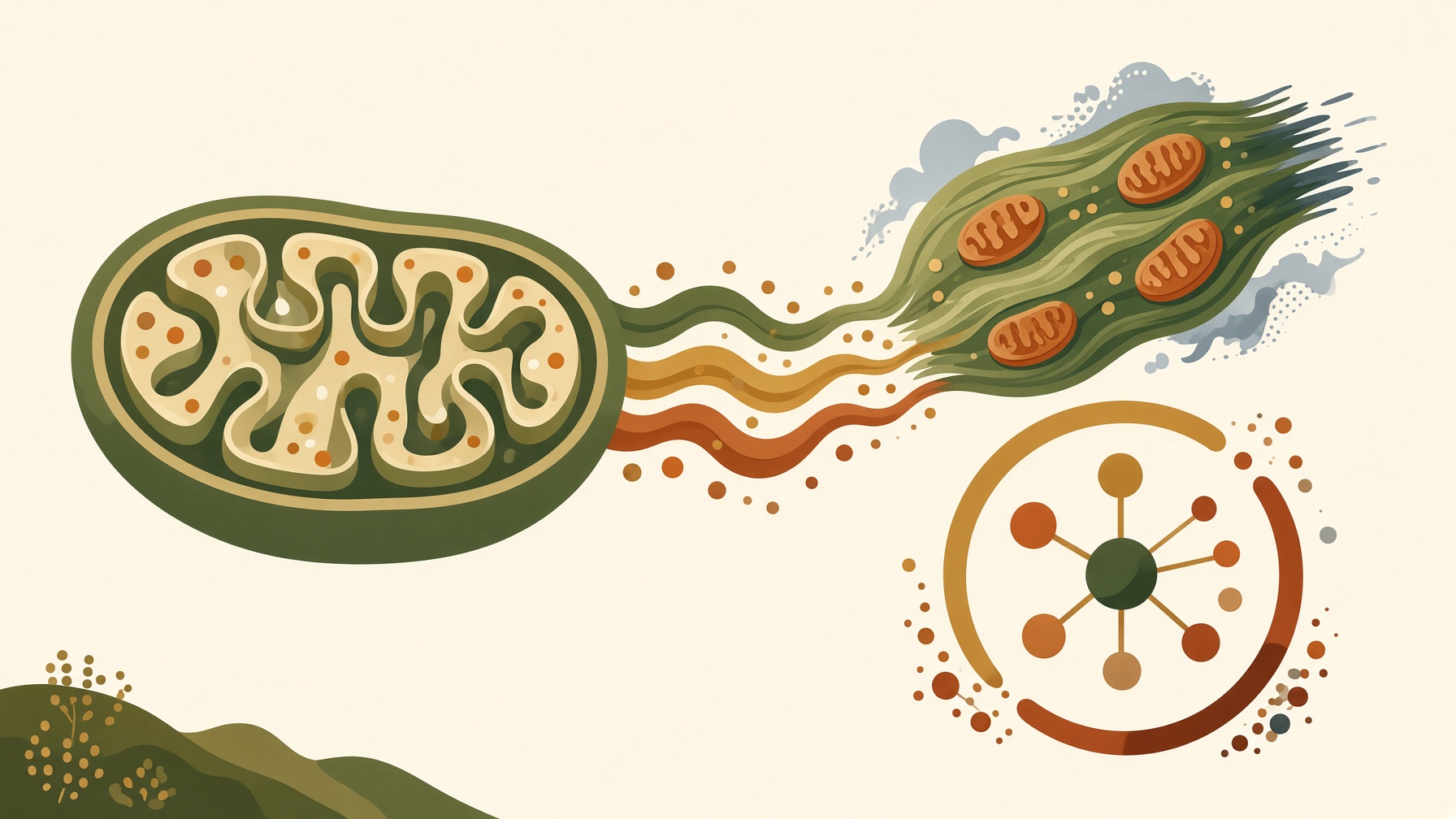
ATP regeneration draws on overlapping energy pathways whose contributions shift with exercise demands, keeping muscle work supplied with usable energy.

Fuel use shifts gradually between meals as nutrient supply and hormone signals change, moving metabolism from storage toward use of body reserves.
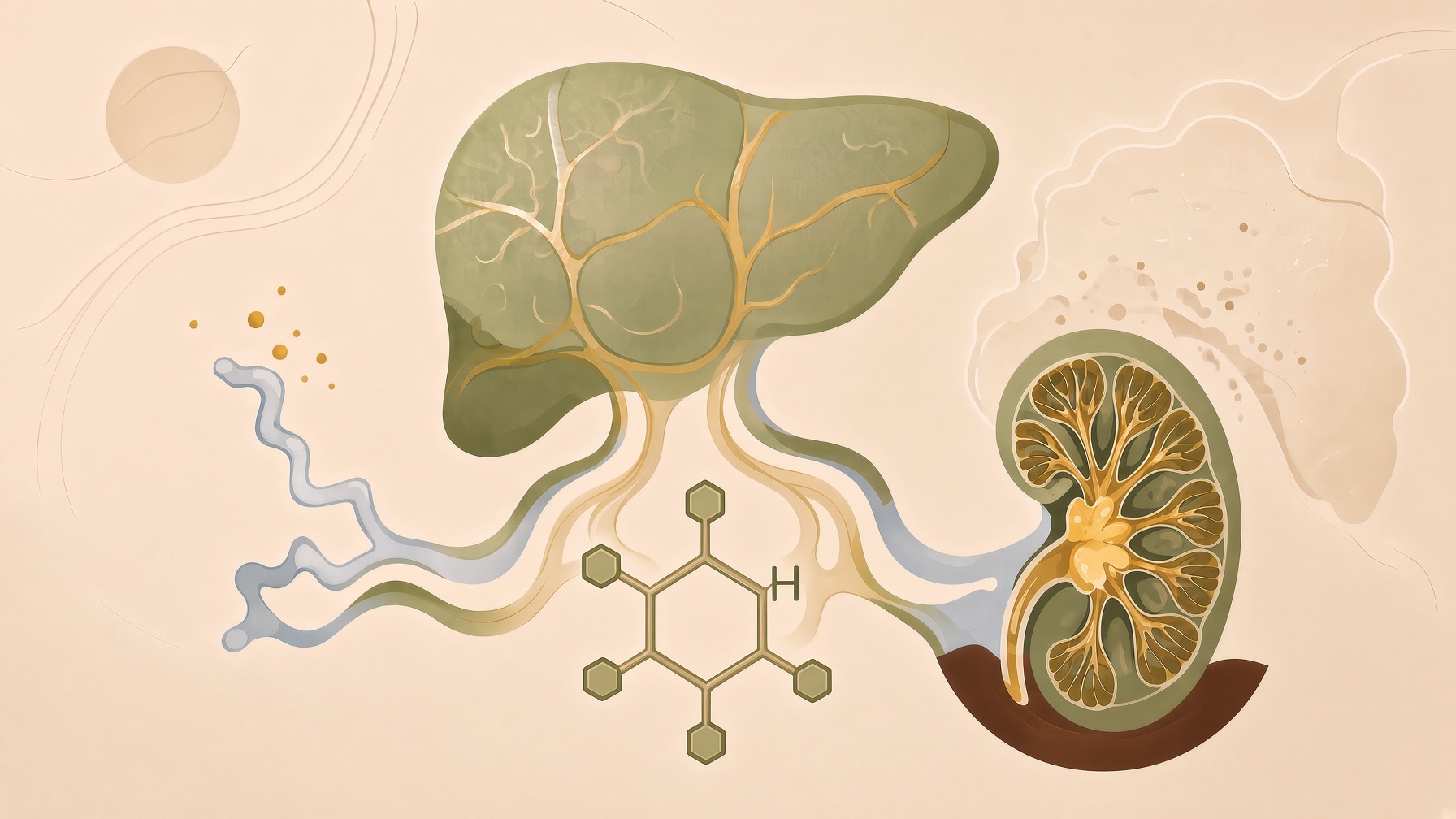
Gluconeogenesis makes glucose from noncarbohydrate materials, helping the liver and kidneys maintain blood glucose when dietary fuel is unavailable.

Train-low strategies reduce carbohydrate availability for selected endurance sessions, but research has not established one consistently best approach.

Carbohydrate loading raises muscle glycogen before prolonged endurance events, helping sustain performance when carbohydrate supplies become limiting.
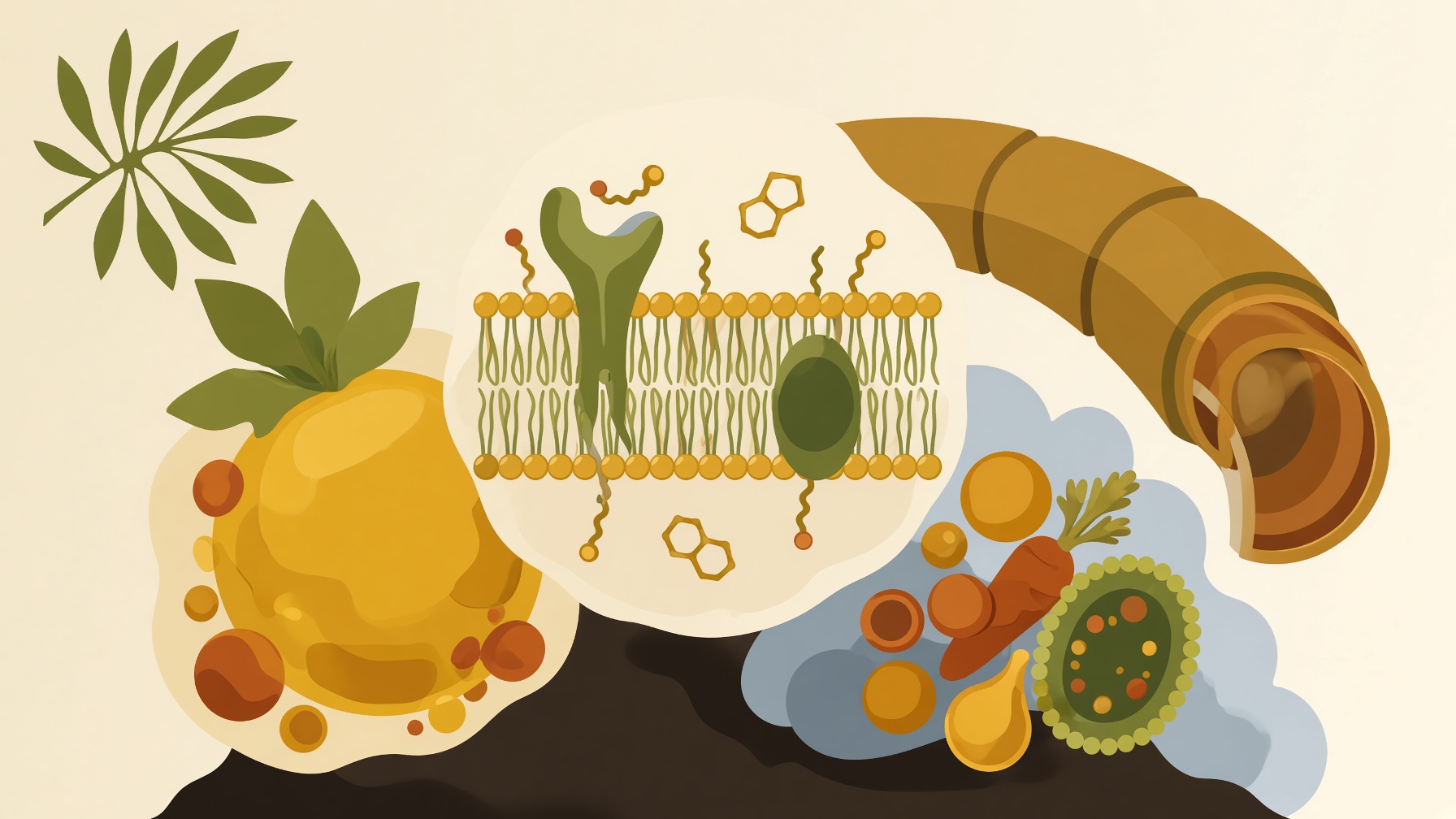
Lipids do more than store energy, with different forms serving essential roles in the structures and signals that keep the body working.
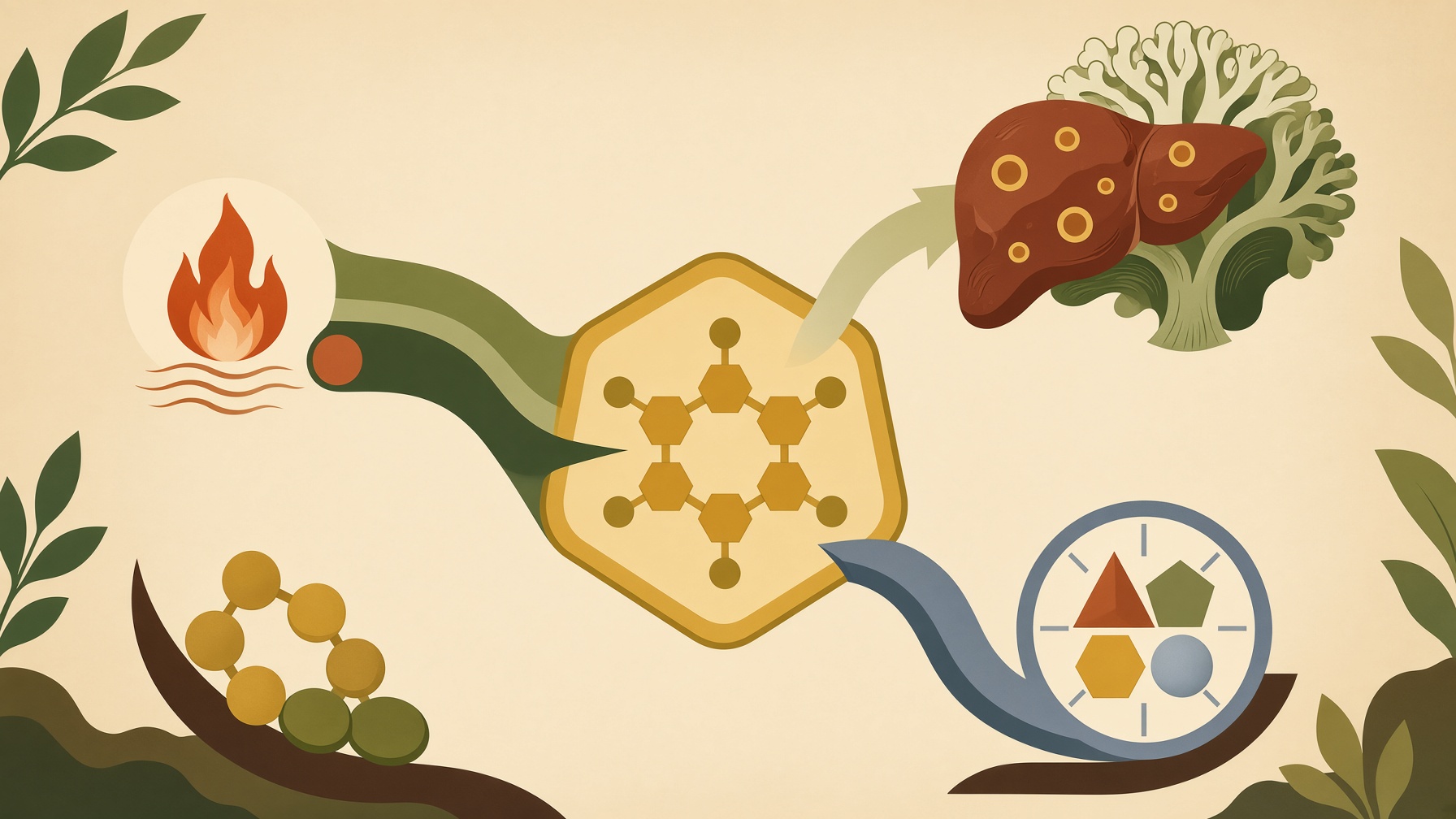
Carbohydrate metabolism supplies more than immediate energy, providing glucose-derived material that cells can store or use to build molecules.

Recovery nutrition between closely spaced workouts should match the fuel and fluid losses from the last session to the demands of the next.