
Do Women Need Different Recovery Nutrition?
Recovery nutrition research in female athletes remains too limited to justify rigid menstrual-cycle diets, despite real hormonal differences.
Wikis
A protein is a biological macromolecule built from one or more chains of amino acids joined together by peptide bonds. These amino acid chains are called polypeptides. Proteins are among the major functional molecules of cells and can serve as enzymes, structural components, receptors, transporters, molecular motors, and signaling molecules. Their wide range of functions reflects differences in their amino acid sequences, structures, and molecular interactions .1
The order of amino acids in a polypeptide chain is its primary structure. Interactions within the chain and with its surroundings often cause the polypeptide to adopt a particular three-dimensional structure, or conformation. This structure influences how the protein interacts with other molecules and therefore contributes to its function. Some proteins consist of a single polypeptide chain, while others function as complexes containing multiple chains .1
Protein is related to, but not identical with, the terms peptide and polypeptide. All involve amino acids linked by peptide bonds, but peptides generally refer to shorter chains, while polypeptide refers to an amino acid chain without necessarily implying that it functions as a complete protein. There is no single universally accepted size boundary separating a peptide from a protein .1,2
From this collection
Recovery nutrition research in female athletes remains too limited to justify rigid menstrual-cycle diets, despite real hormonal differences.
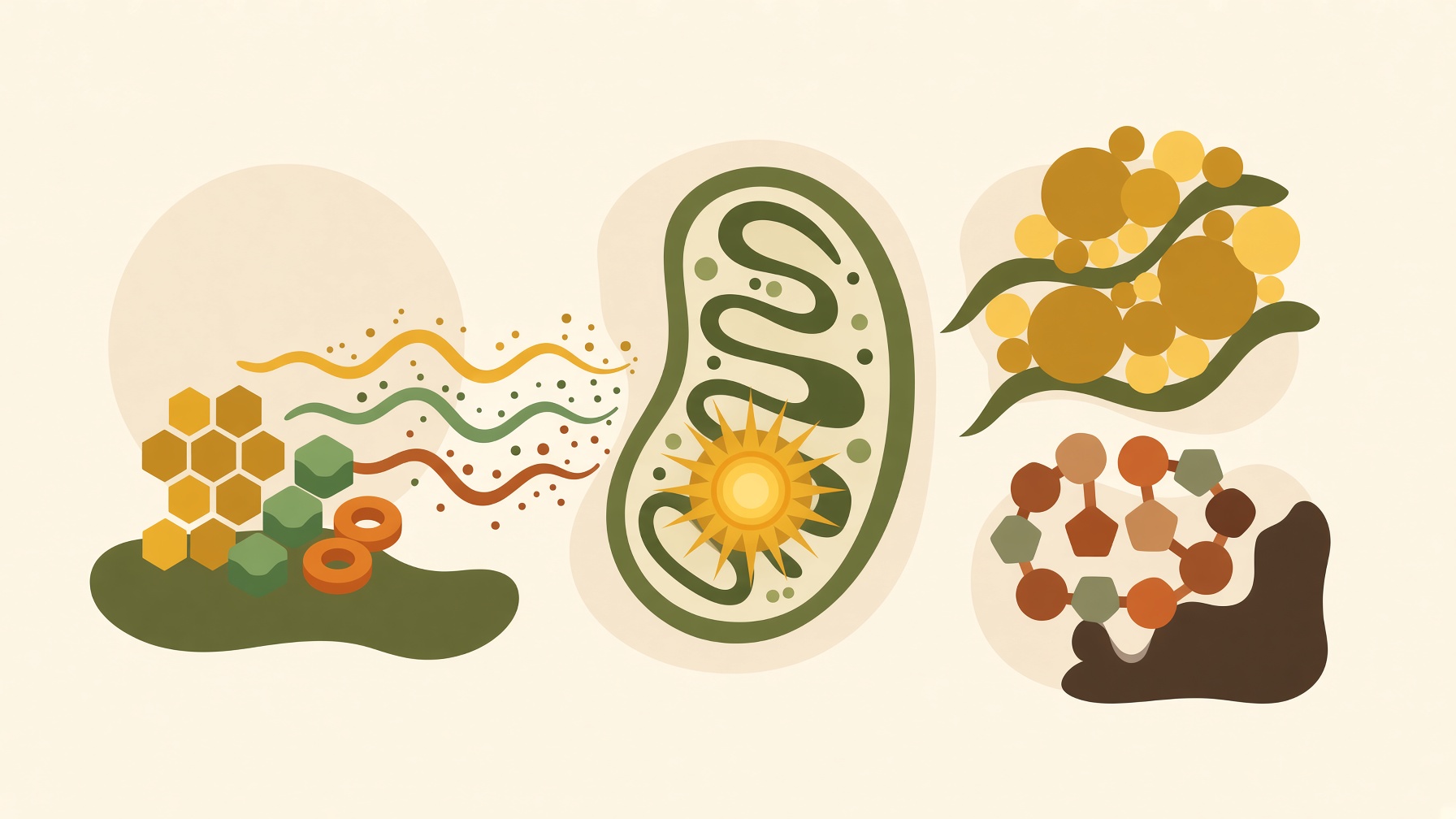
Macronutrients provide different metabolic options after digestion, so carbohydrate, protein, and fat do not serve interchangeable roles in the body.
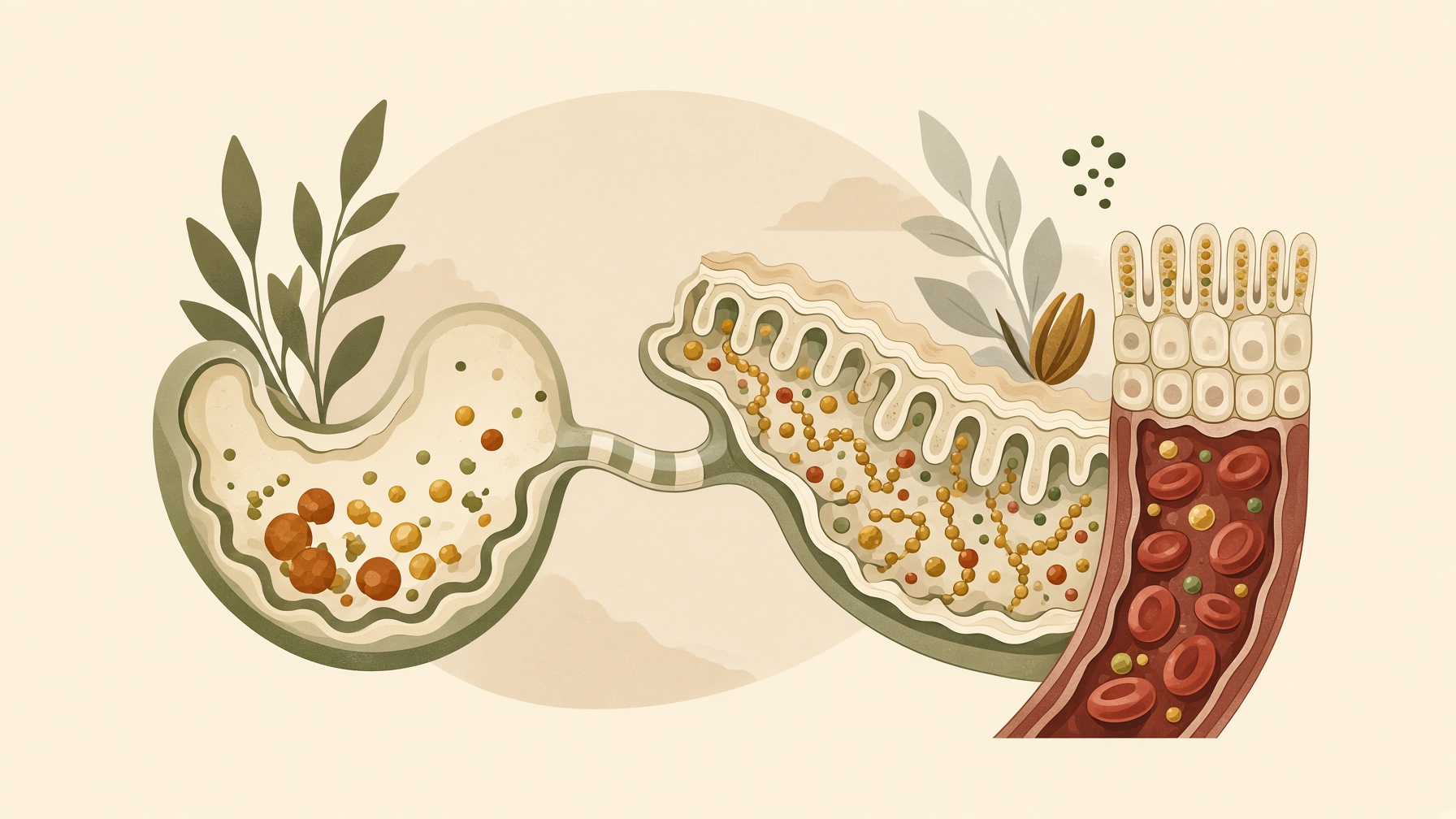
Protein digestion breaks food proteins into amino acids and small peptides that intestinal cells can absorb for the body’s ongoing protein turnover.
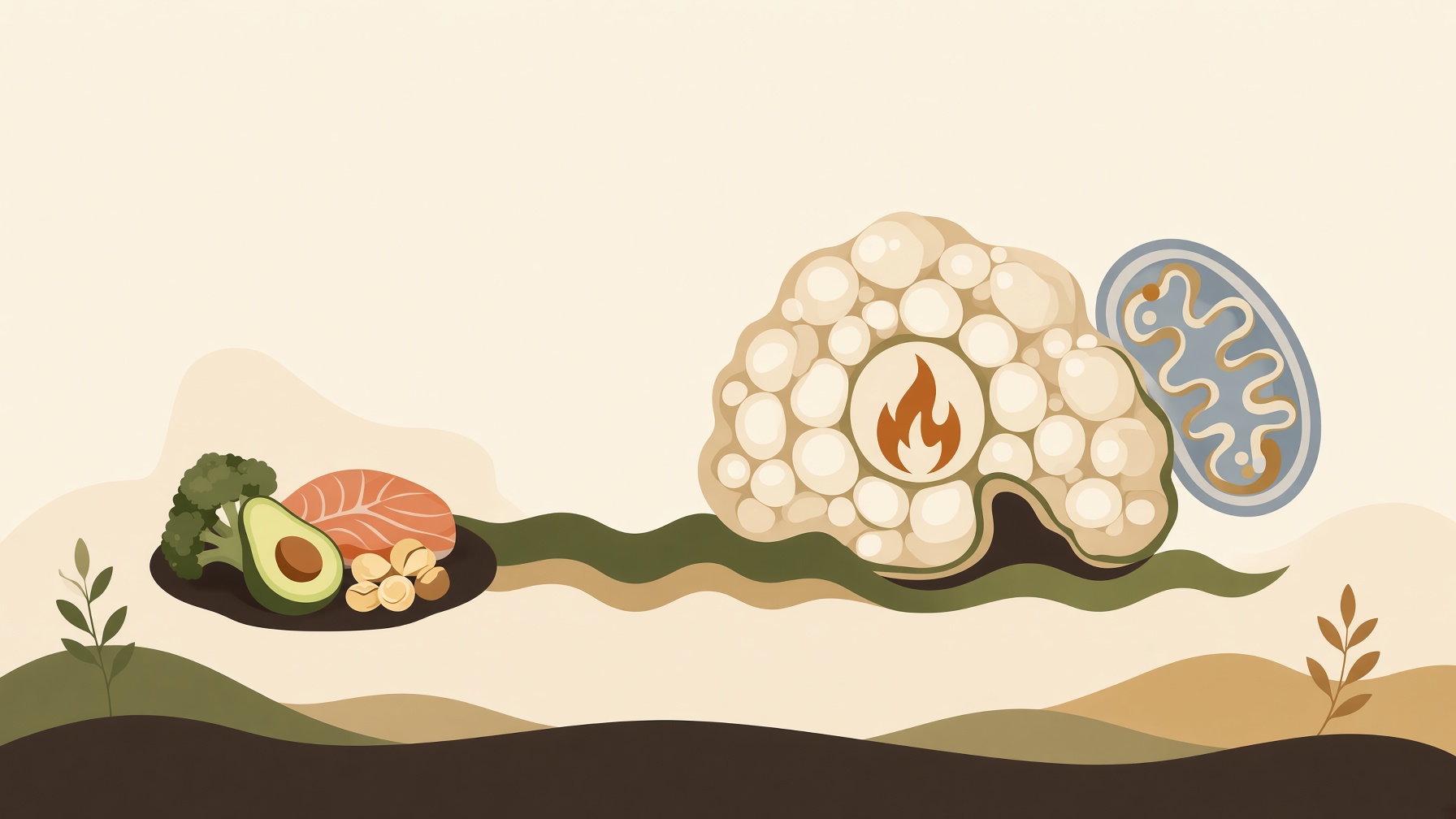
Low-carbohydrate diets can increase fat burning, but losing stored body fat still requires an energy deficit sustained over time.
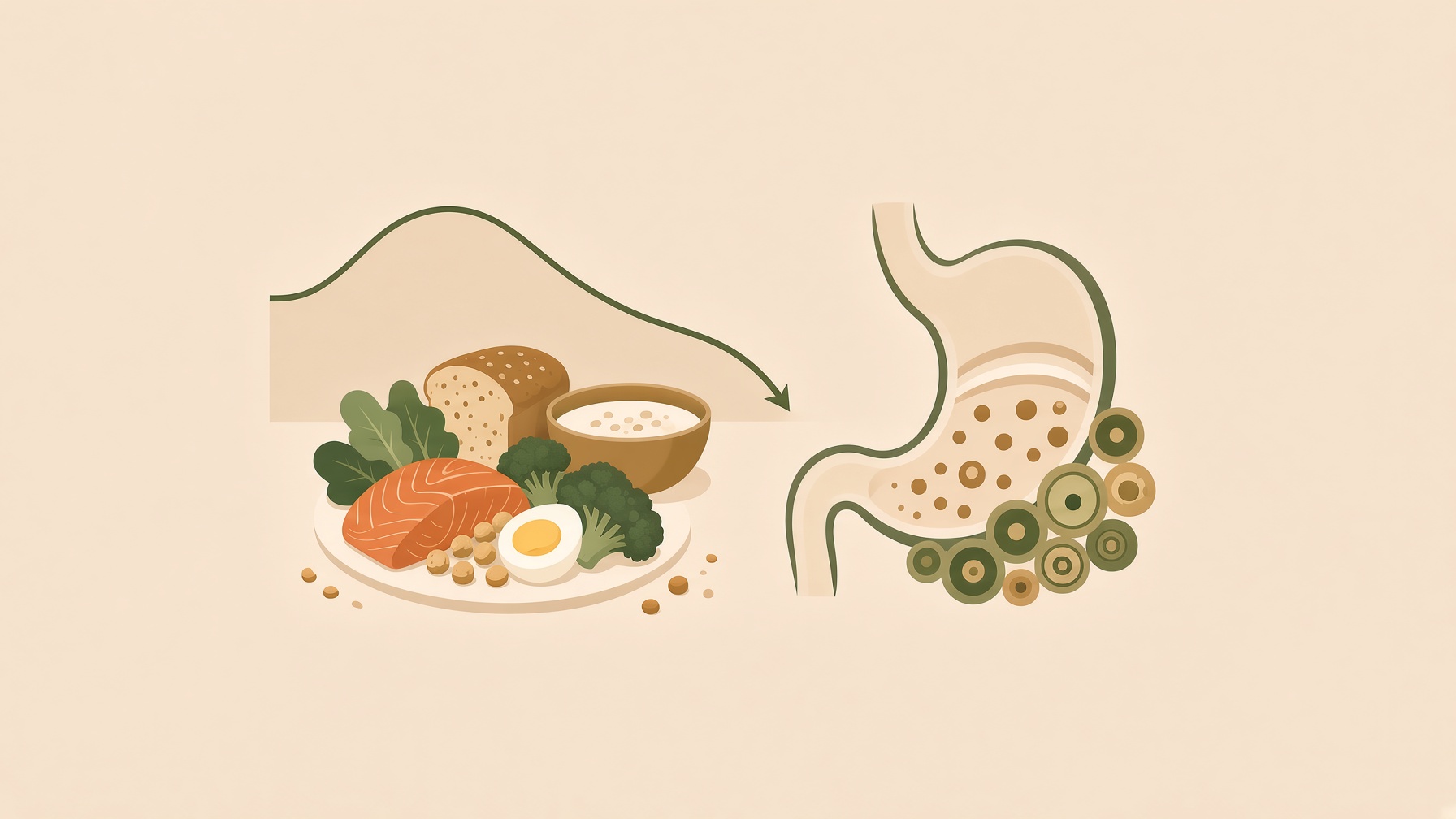
Appetite loss in older adults can push food intake below energy needs, increasing the risk of unintended weight loss even as calorie needs decline.

Older adults may need fewer calories while still needing nutrient-rich foods, making adequate nutrition within a smaller intake more challenging.
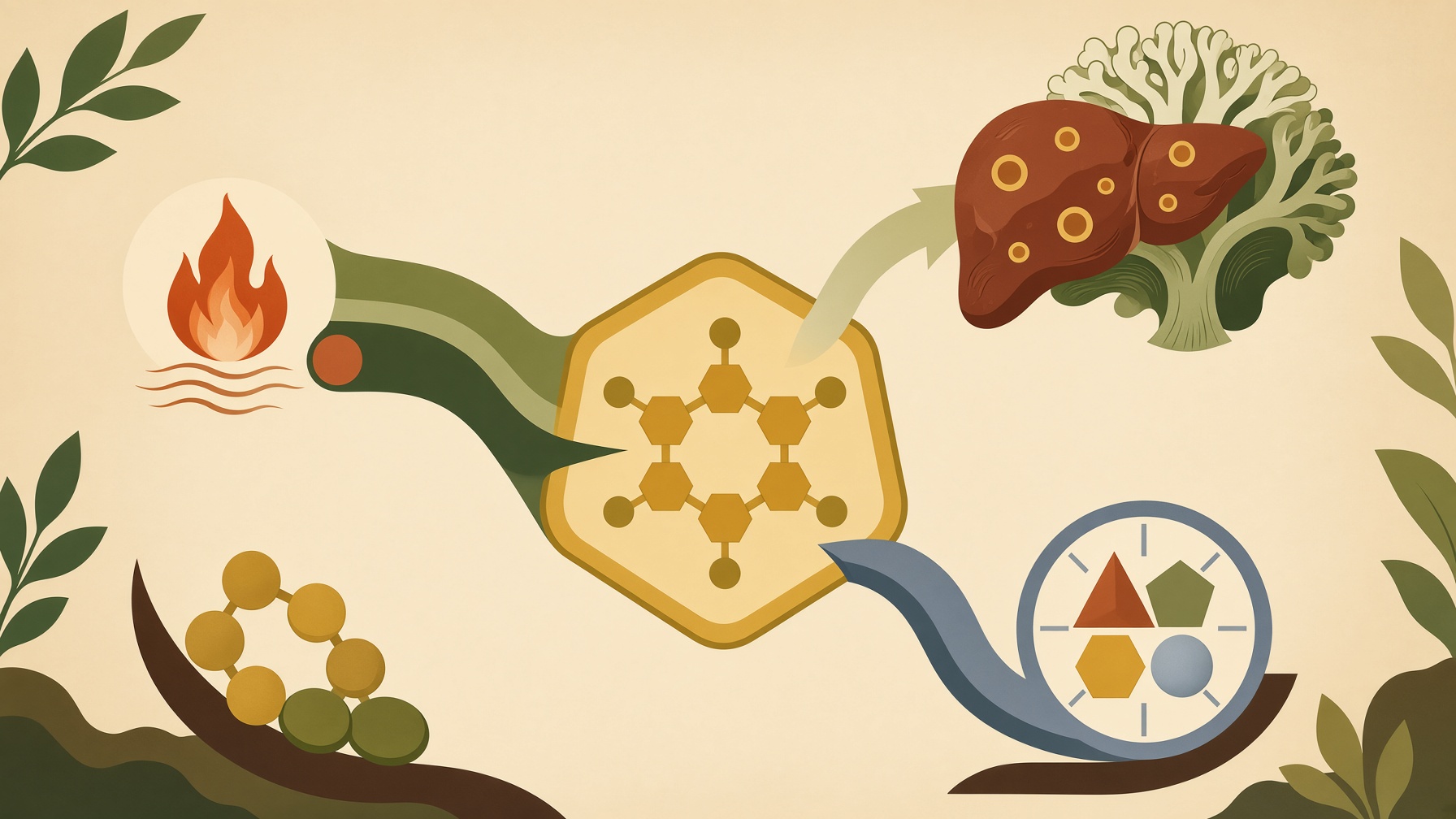
Carbohydrate metabolism supplies more than immediate energy, providing glucose-derived material that cells can store or use to build molecules.
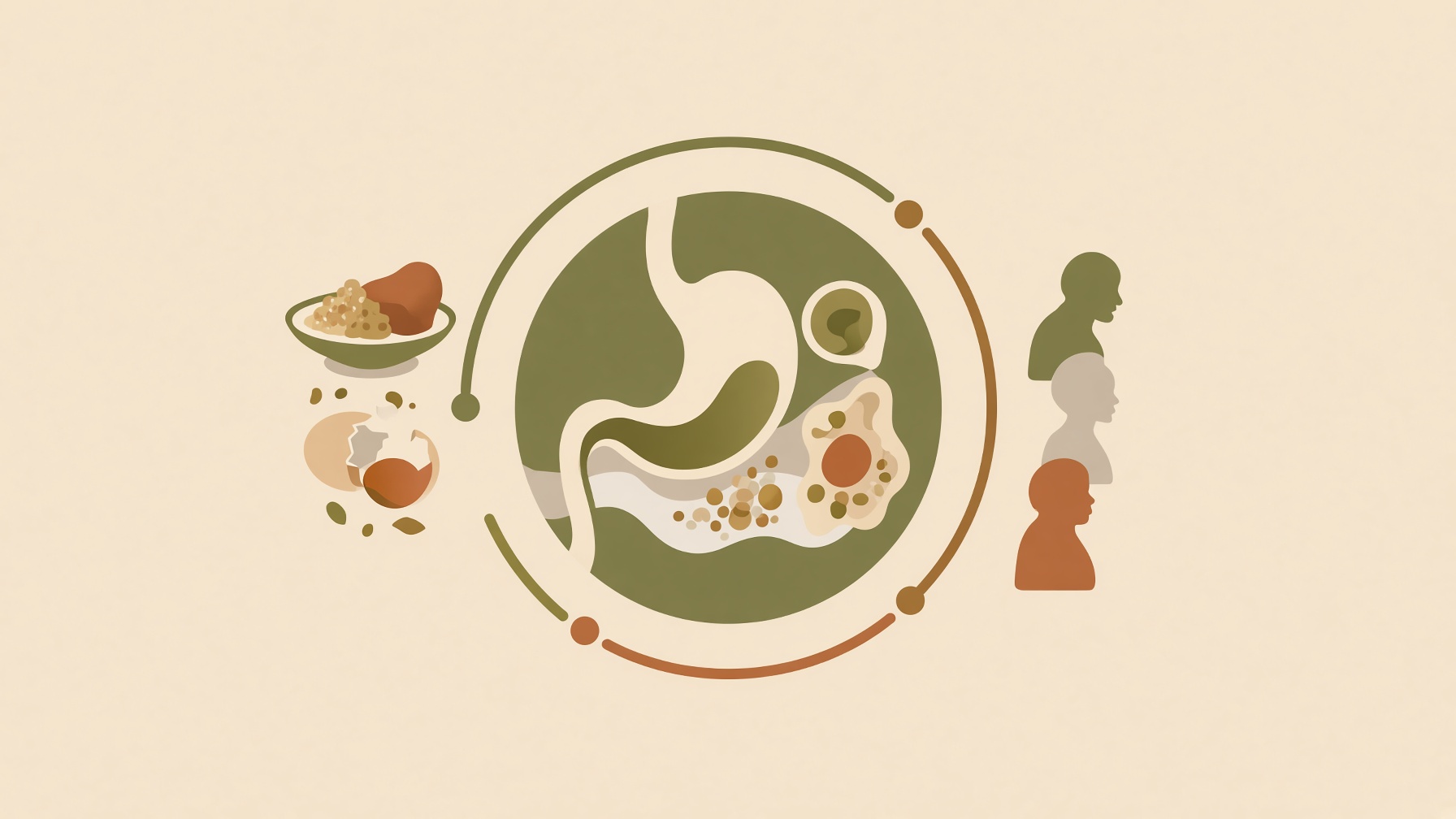
The adult protein RDA estimates an intake that meets most healthy adults’ needs, rather than measuring an individual’s exact requirement.
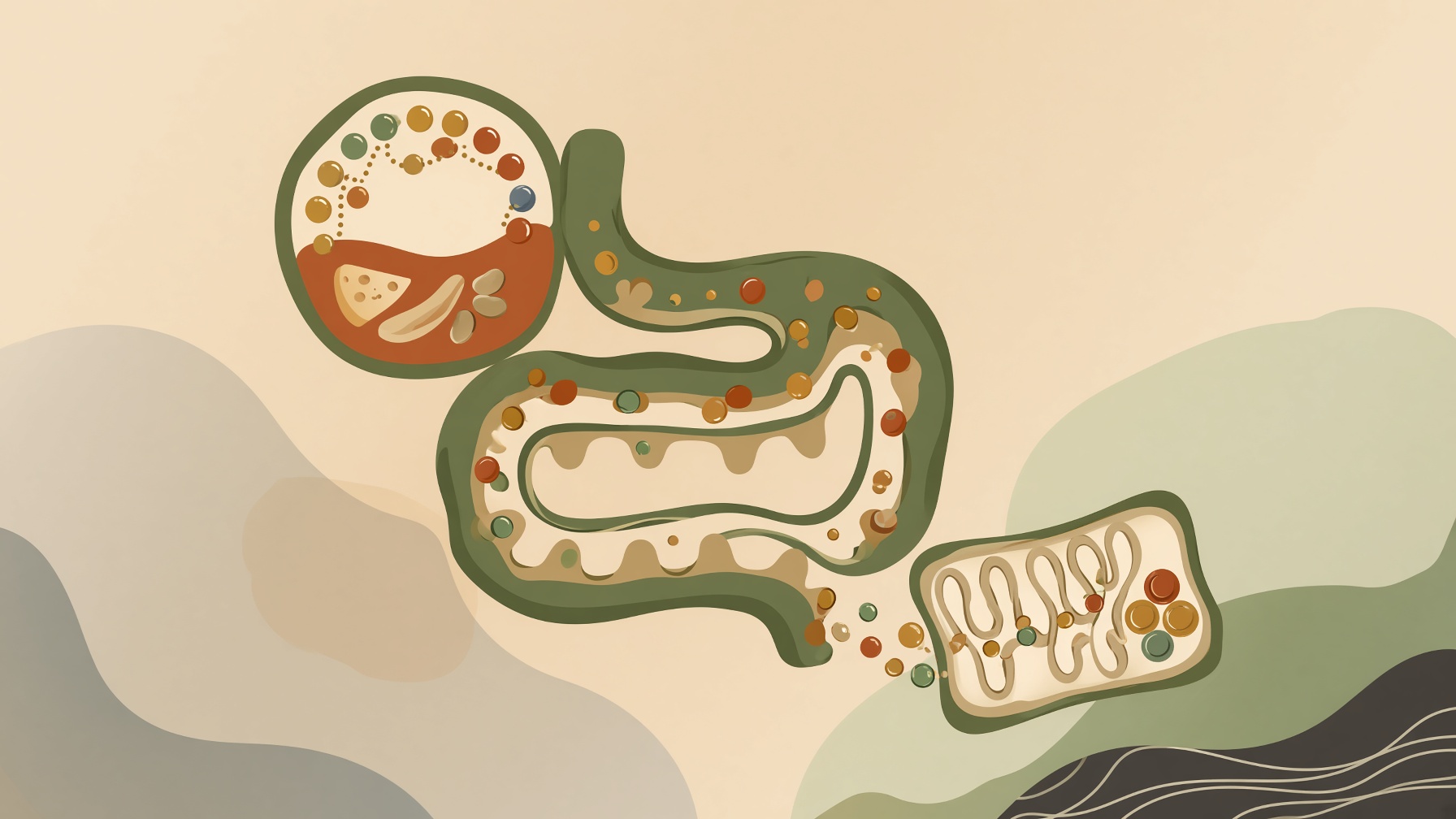
Protein quality depends on the proportions of essential amino acids and their digestibility, beyond whether a food contains all nine.
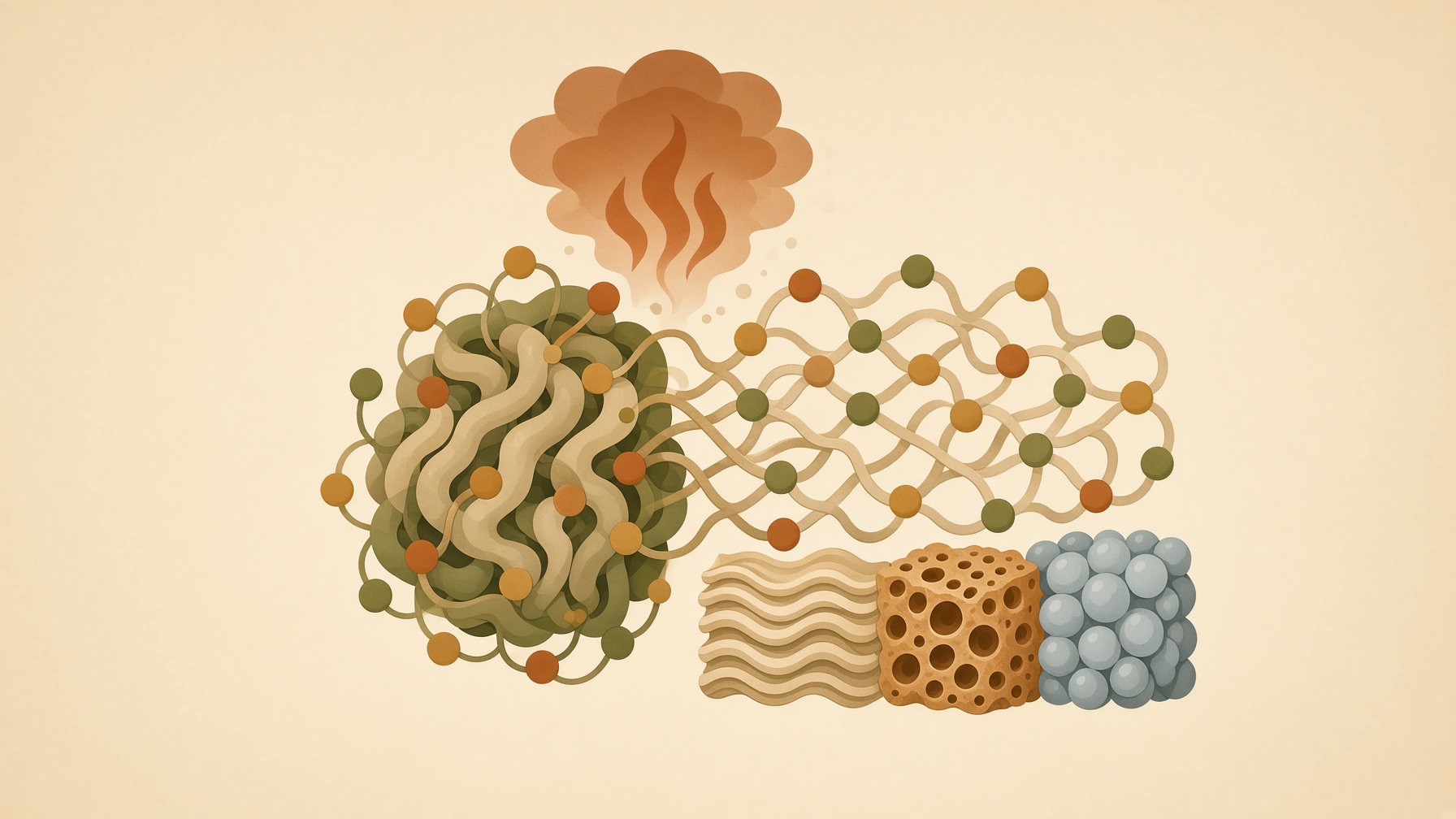
Cooking changes protein folding by disrupting bonds that stabilize shape, while usually leaving the chain of amino acids intact.
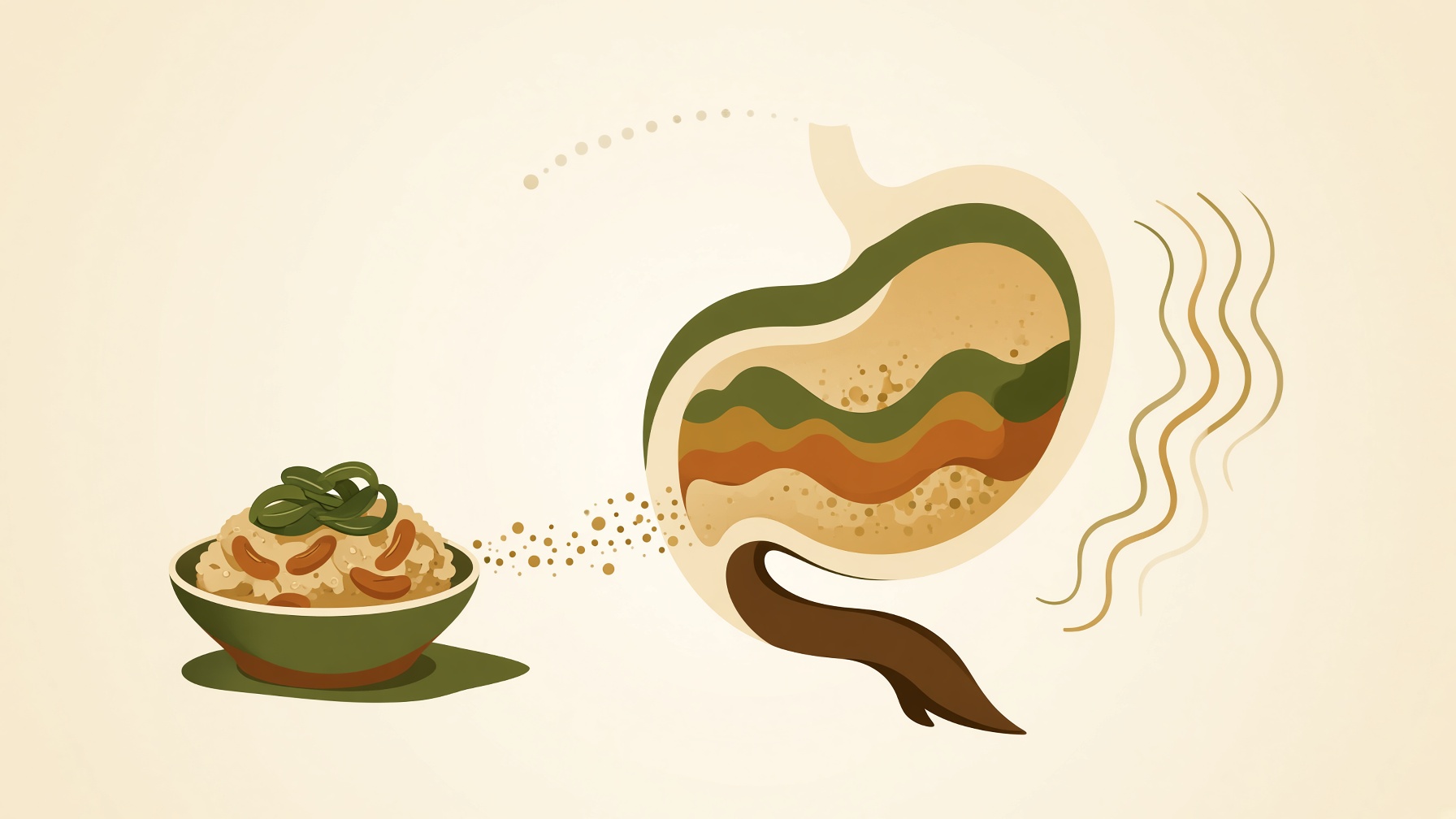
Foods can change hunger and fullness, but appetite responses depend on the meal and the person rather than following a fixed timetable.

Recovery nutrition between closely spaced workouts should match the fuel and fluid losses from the last session to the demands of the next.