
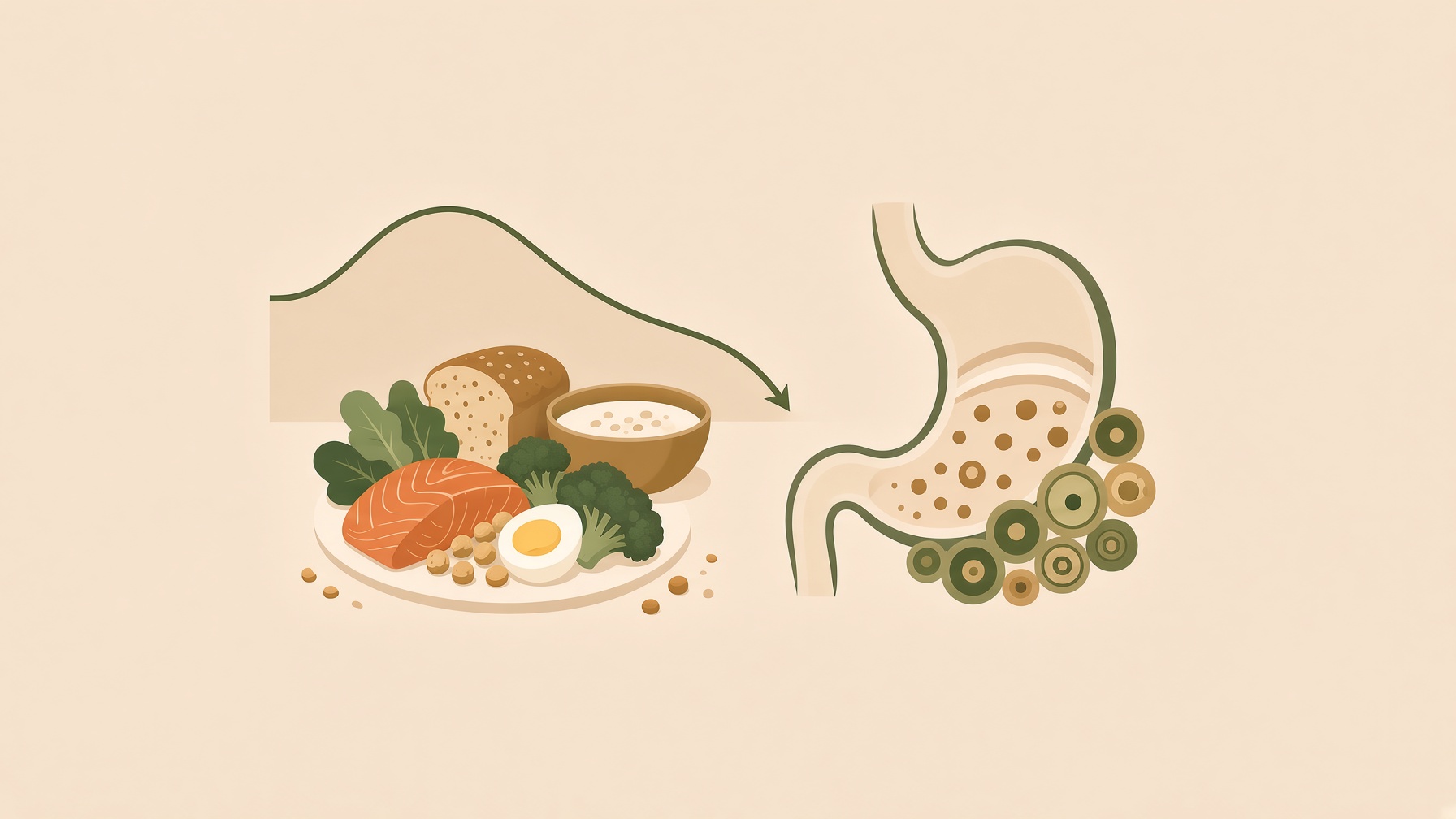
Older adults often need less dietary energy than they did earlier in life, while appetite and intake can fall even further than energy requirements do. This mismatch between declining energy needs and further reductions in intake is central to understanding anorexia of aging and why reduced eating can become clinically important.
Anorexia of aging describes an age-associated syndrome involving reduced appetite and/or reduced food intake. Appetite loss can be part of the syndrome even when reduced intake is not yet clearly established. When food intake does fall enough to create a sustained energy deficit, clinically important unintentional weight loss can follow, although this does not happen to everyone with poor appetite. If reduced intake also produces inadequate energy and protein consumption, it can contribute to muscle loss. Age-related muscle loss is multifactorial, so appetite loss is only one possible contributor .1,2
The apparent paradox becomes clearer when energy requirements and energy intake are considered separately. Lower fat-free mass can contribute to lower energy requirements in older adults, and lower physical activity can reduce total daily energy needs as well. Some older adults with poor appetite or reduced food intake still consume less than their requirements. Those requirements remain individual, depending on factors such as body size, health, organ metabolism, and physical activity .2,3
Causes of anorexia of aging differ among individuals, which is why healthcare providers should assess potentially reversible contributors to appetite loss or reduced intake. Functional limitations or disability can make obtaining, preparing, or eating enough food more difficult. In some people, low motivation to eat related to mood or social circumstances can also reduce intake. That should not be treated as a diagnosis by itself. Psychological, social, medical, and medication-related causes may all need consideration when trying to understand why someone is eating less .1,2,3
Small, more frequent meals can help some older adults with low appetite, provided the approach suits their symptoms, preferences, and medical needs. Nutrient-dense, energy-rich foods can also increase energy intake without depending only on larger meal volumes. For older adults who are malnourished or at risk of malnutrition, oral nutritional supplements between meals can help increase intake, but their use should be individualized and should not unnecessarily replace ordinary meals when eating food is feasible. More broadly, nutritional plans should reflect the person's habits, preferences, and goals .3
The paradox is only apparent: older adults may have lower energy requirements while still being vulnerable to inadequate intake. When appetite declines enough to reduce energy and protein consumption, the consequences can include unintentional weight loss and loss of muscle mass. Effective nutrition support therefore depends on identifying the barriers to eating and tailoring the approach to the individual.
Join the discussion
No account or email is required. Your display name and comment will be public.