

Supersets vs. Circuits vs. Drop Sets: What’s the Difference?
Supersets and circuits link separate exercises, whereas drop sets extend the same exercise by lowering resistance after fatigue builds.
218 articles in this view
Current selection
218 results
Supersets and circuits link separate exercises, whereas drop sets extend the same exercise by lowering resistance after fatigue builds.

Weight change depends on energy balance, but differences in physiology and adaptation mean similar calorie changes can produce different results.

Metabolic health connects movement and nutrition through working muscles that draw in glucose and eating patterns that shape energy balance.
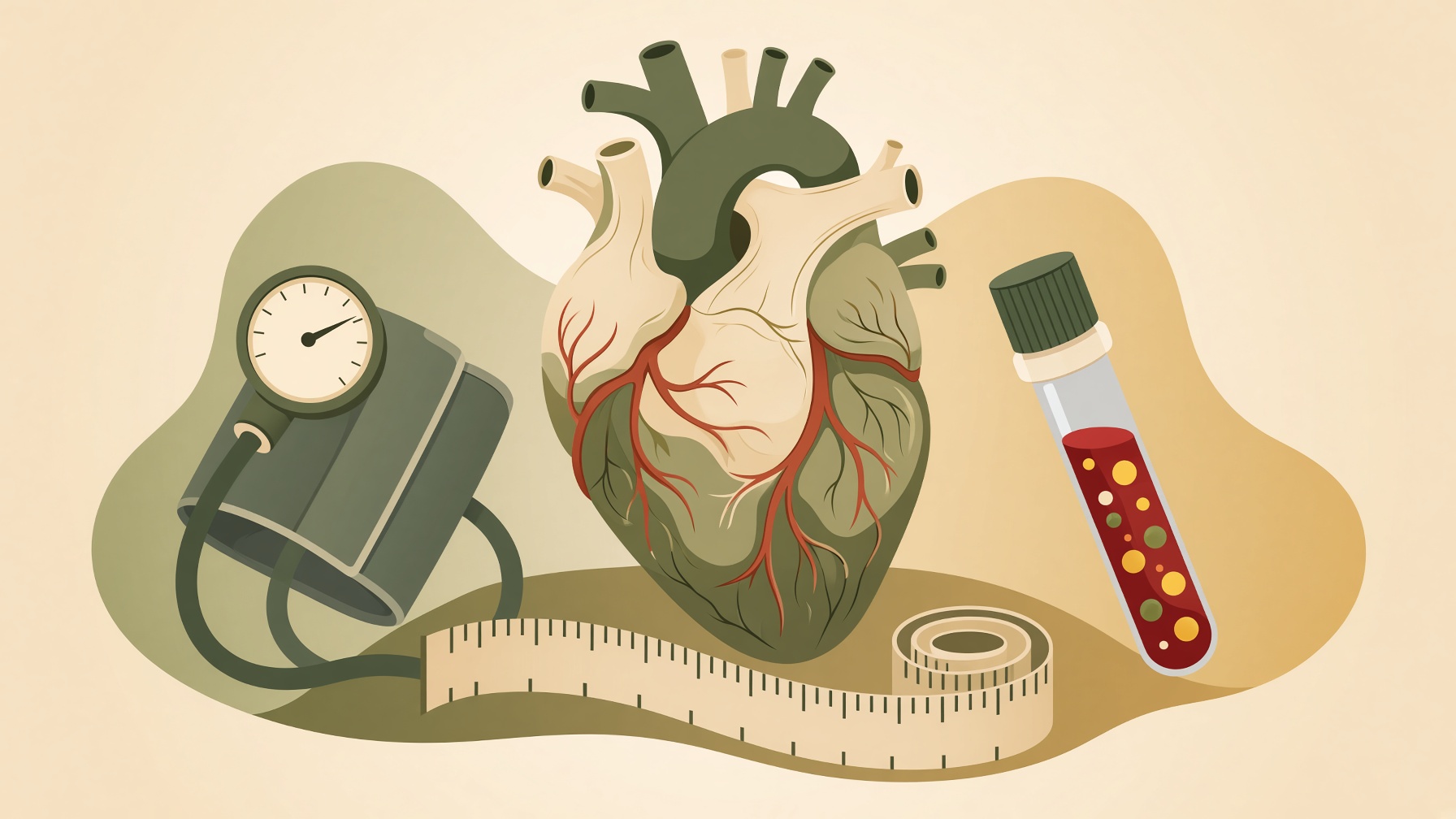
Heart health assessment combines measurements with daily behaviors because one favorable result cannot reveal or rule out every cardiovascular risk.

Aging changes muscle composition and reduces contractile tissue, with losses in fast fibers limiting the ability to generate force quickly.

Drinking more water than the body can excrete can dilute blood sodium, drawing water into brain cells and causing dangerous swelling.

Physical activity guidelines count everyday movement toward aerobic targets when the effort is sufficient, with strengthening as an additional goal.
Perceived exertion and the Talk Test help estimate exercise intensity from bodily cues, without turning those sensations into exact lab measurements.
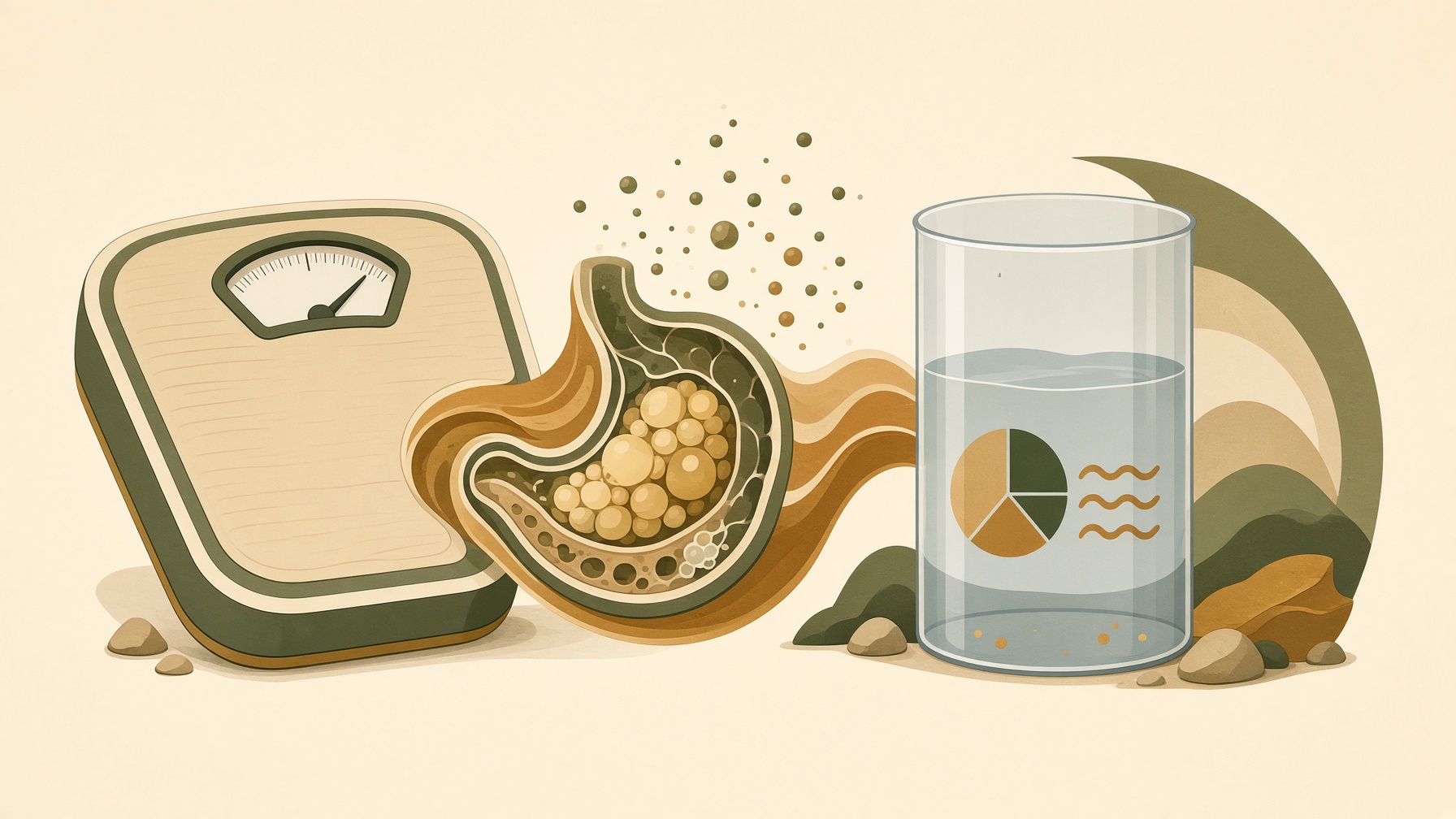
Body-fat tests estimate body composition from different physical measurements, so results depend on the method and testing conditions.

Detraining can reverse exercise adaptations when training stops or falls, but different fitness qualities decline at different rates.

Endurance fueling matches carbohydrate and fluid intake to exercise demands, with a practiced plan that accounts for tolerance and recovery time.

Dietary fat changes physical form during digestion and absorption so poorly water-soluble lipids can travel through the body’s watery fluids.