
Why Your Workout Should Match Your Goal
Training specificity links exercise demands to the abilities a person wants to improve, with transfer depending on more than visual similarity.
211 articles in this view
Current selection
211 results
Training specificity links exercise demands to the abilities a person wants to improve, with transfer depending on more than visual similarity.
Supplements can help meet specific nutrient needs when food alone falls short, while a varied diet remains the foundation for most people.
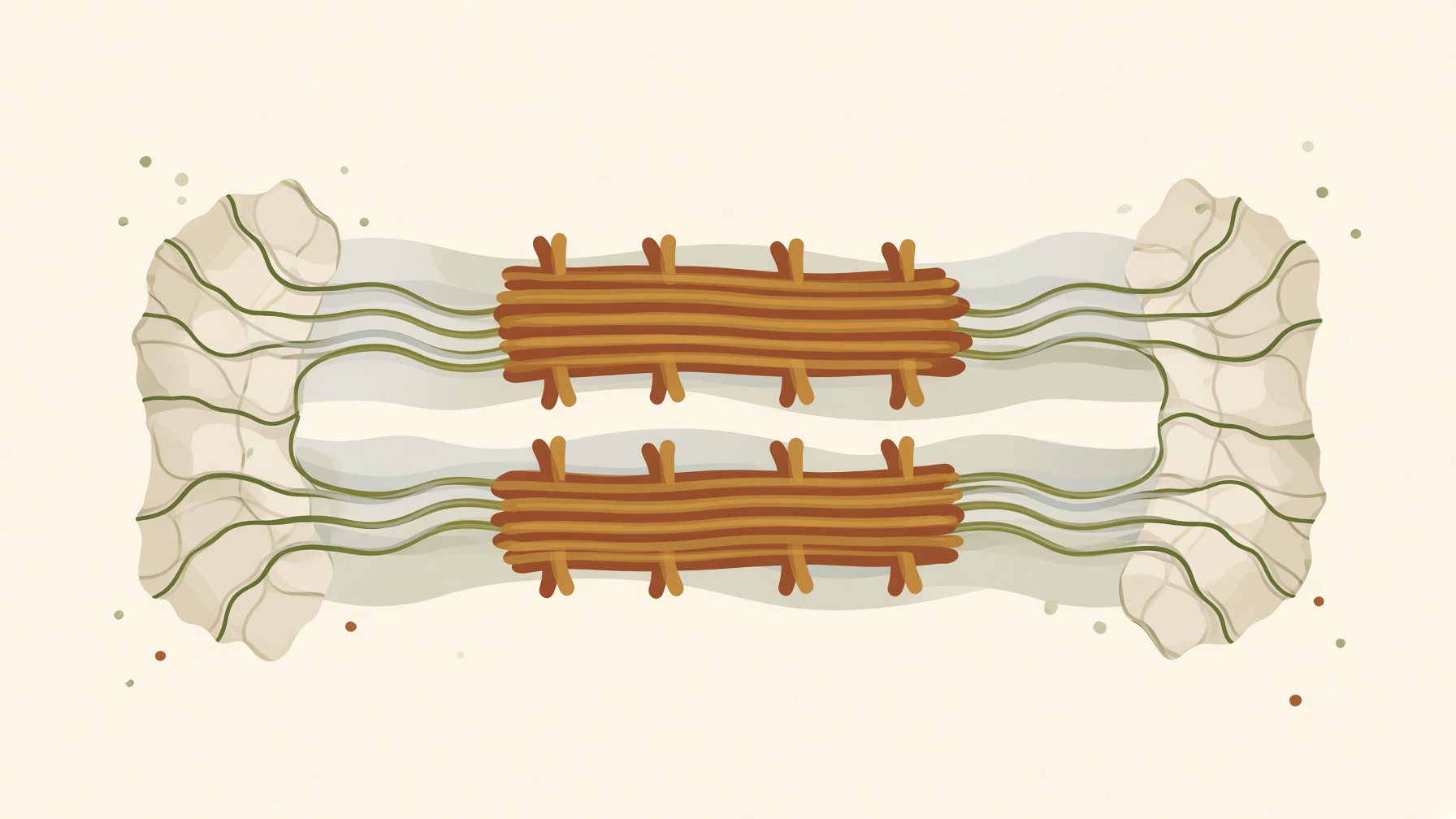
Sarcomeres shorten as thin filaments slide alongside thick filaments, increasing overlap without reducing the length of the filaments themselves.

Standing stability depends on the relationship between the body’s center of mass and base of support, so no single stance suits every task.
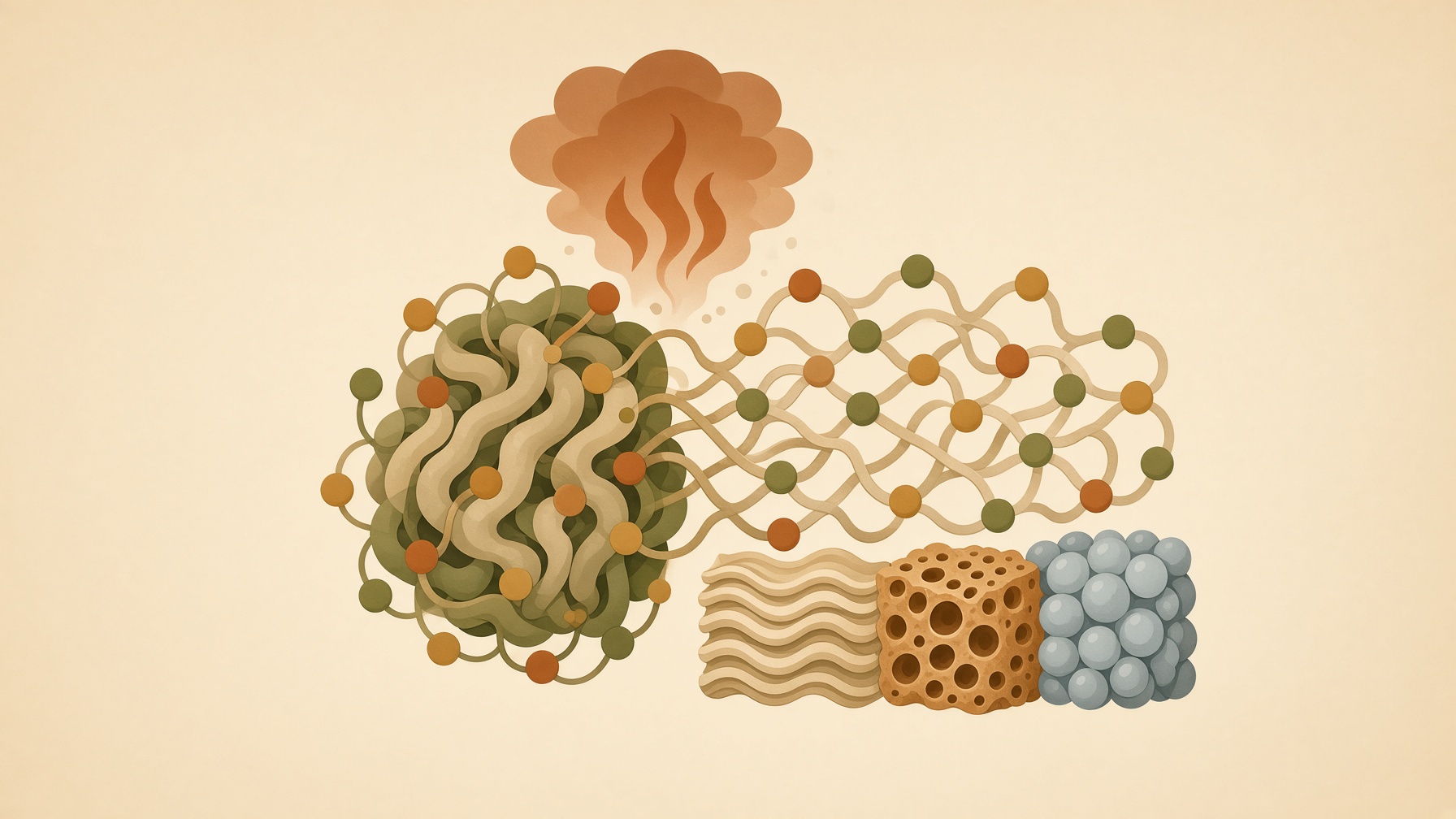
Cooking changes protein folding by disrupting bonds that stabilize shape, while usually leaving the chain of amino acids intact.
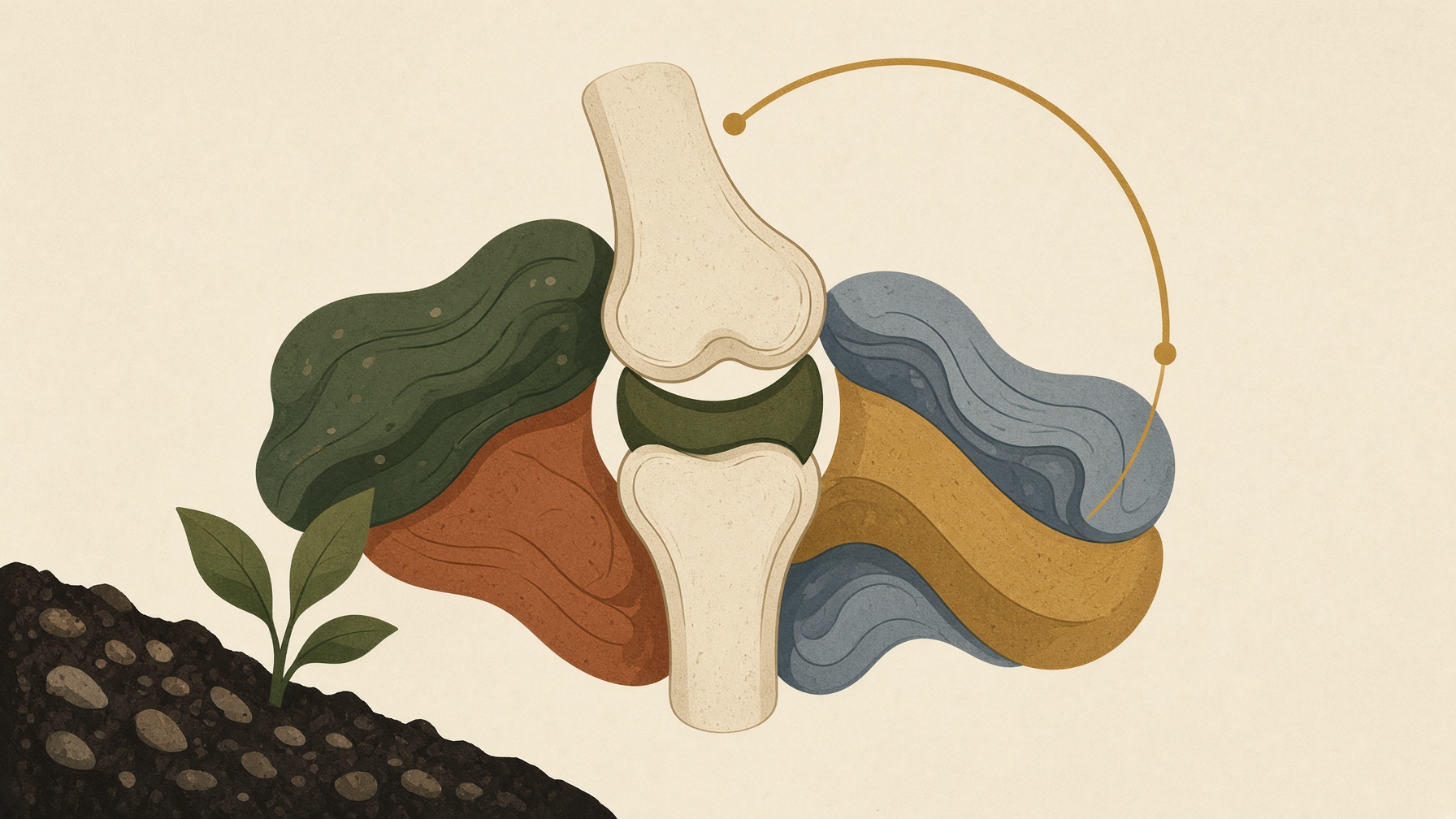
Flexibility reflects joint structure and surrounding tissues as well as stretch tolerance, so similar limits in movement can have different causes.
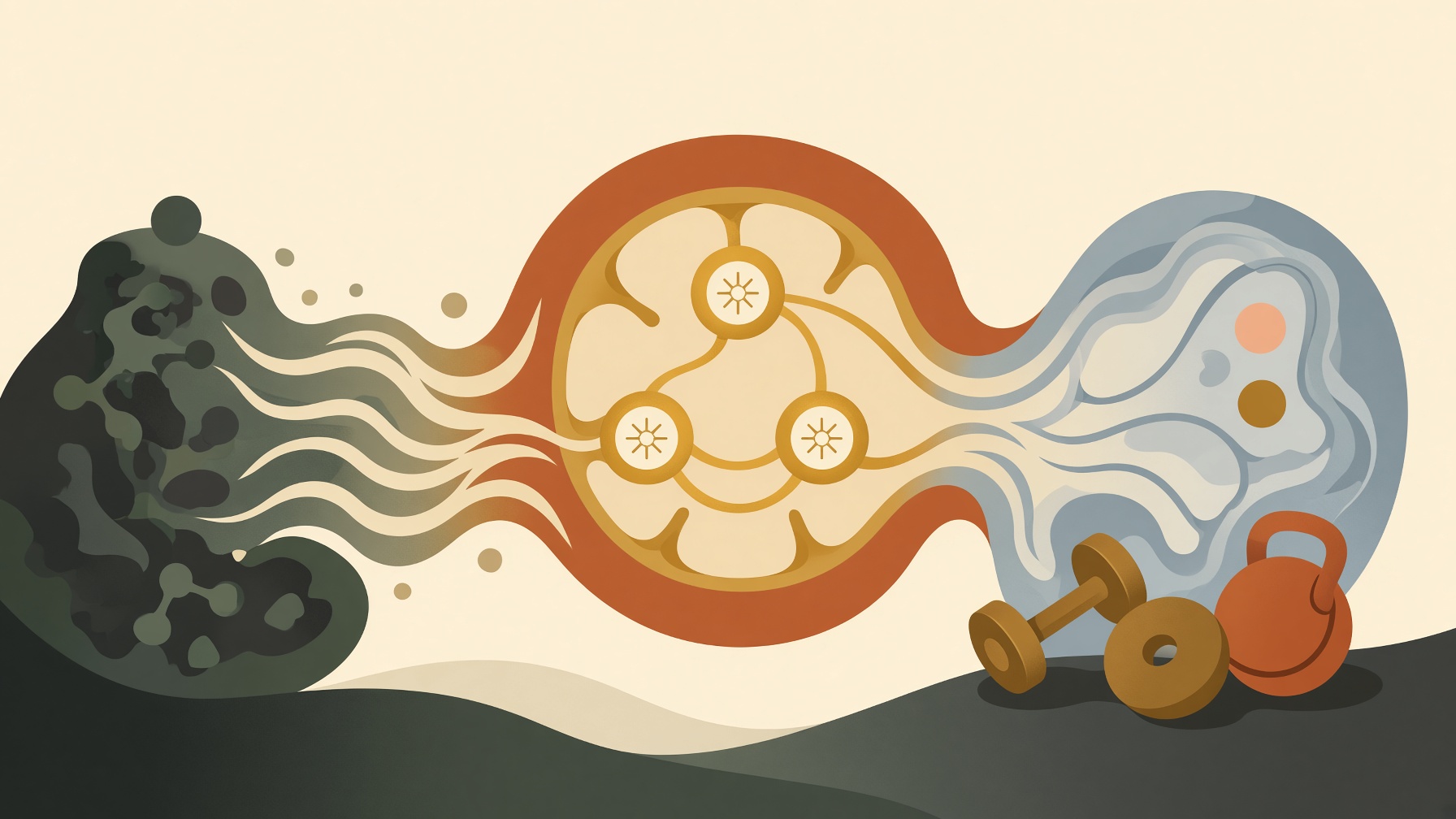
Exercise energy systems work together to replenish ATP, with intensity and duration shifting each pathway’s share rather than switching systems on.
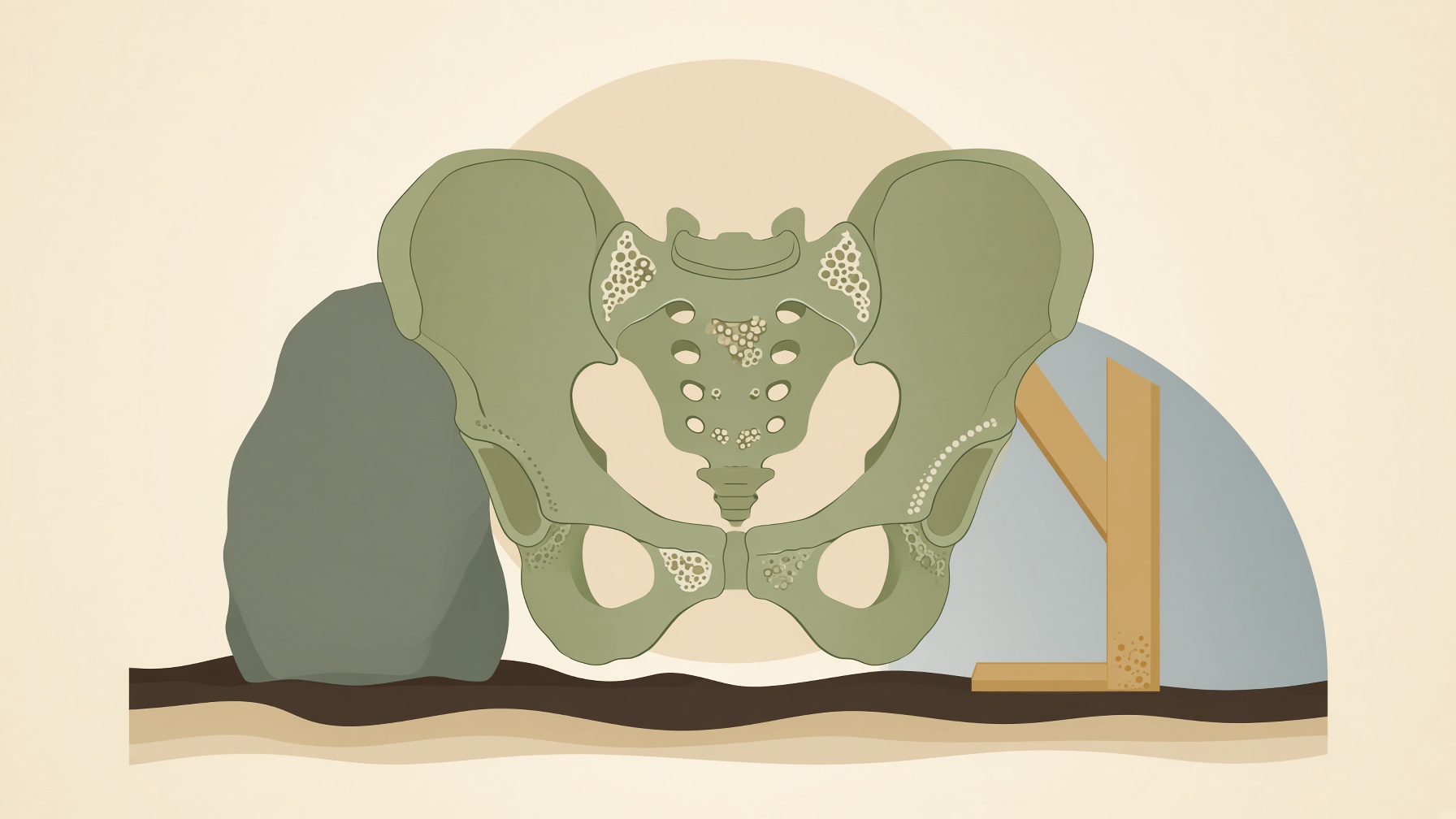
The pelvis limits movement through strong bony connections, providing a stable base that transfers upper-body weight toward the lower limbs.

Nutrition headlines gain meaning when readers weigh a study’s methods and limits alongside the wider evidence behind the claim.
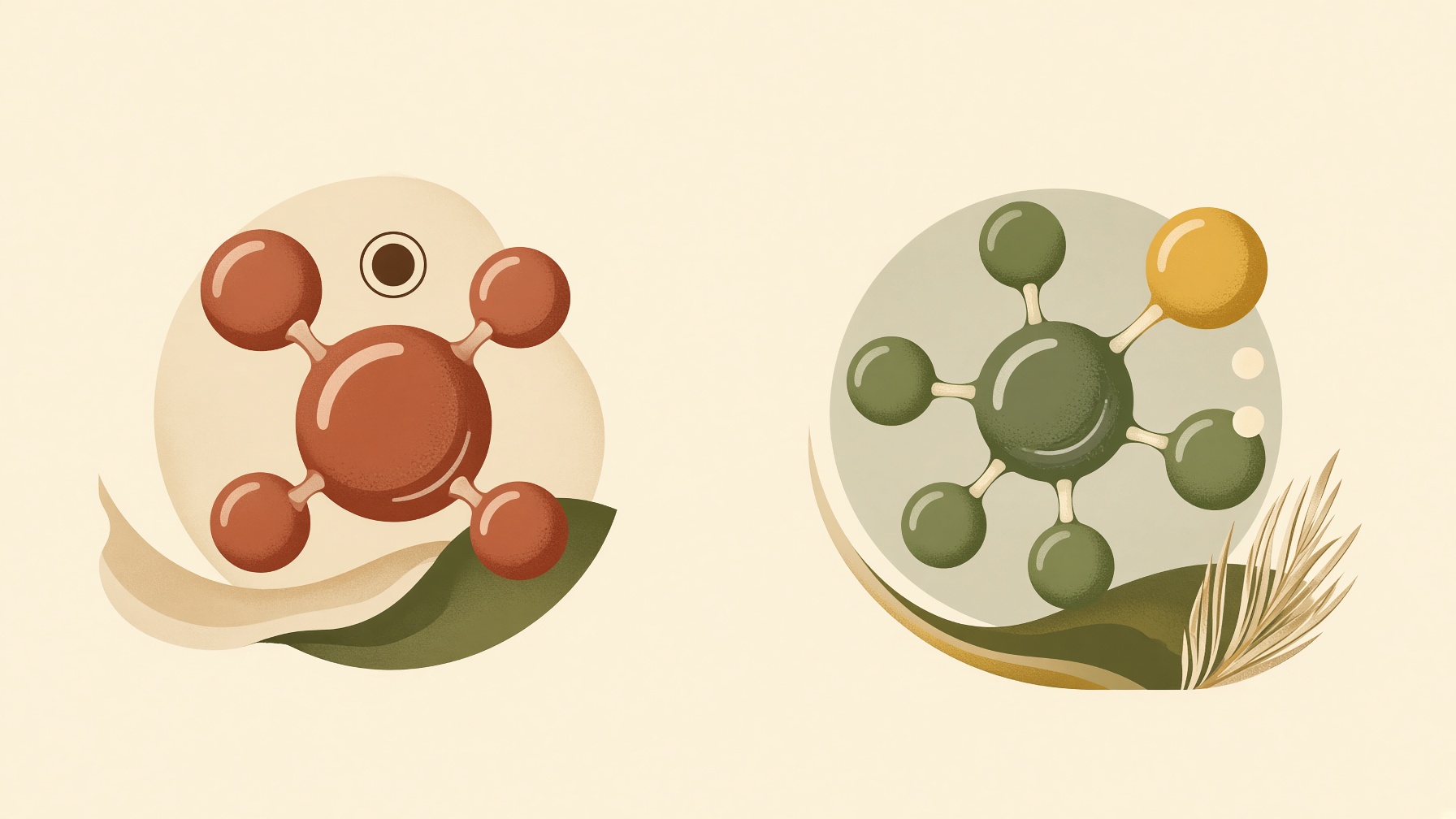
Redox reactions pair electron loss with electron gain, allowing metabolic pathways to transfer reducing power between molecules inside cells.
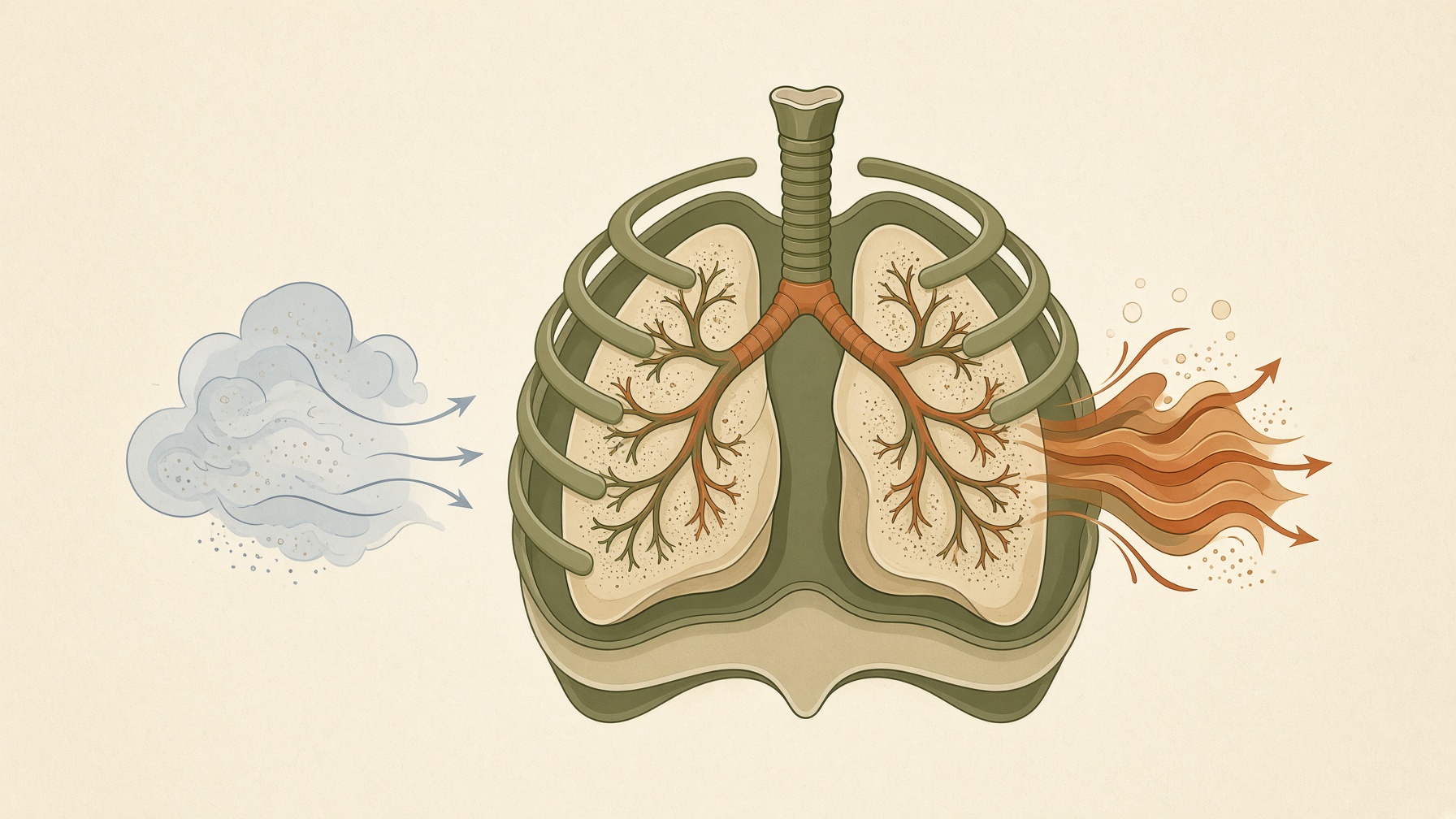
Breathing moves air through pressure differences created as the lungs expand and recoil, with airflow traveling from higher to lower pressure.
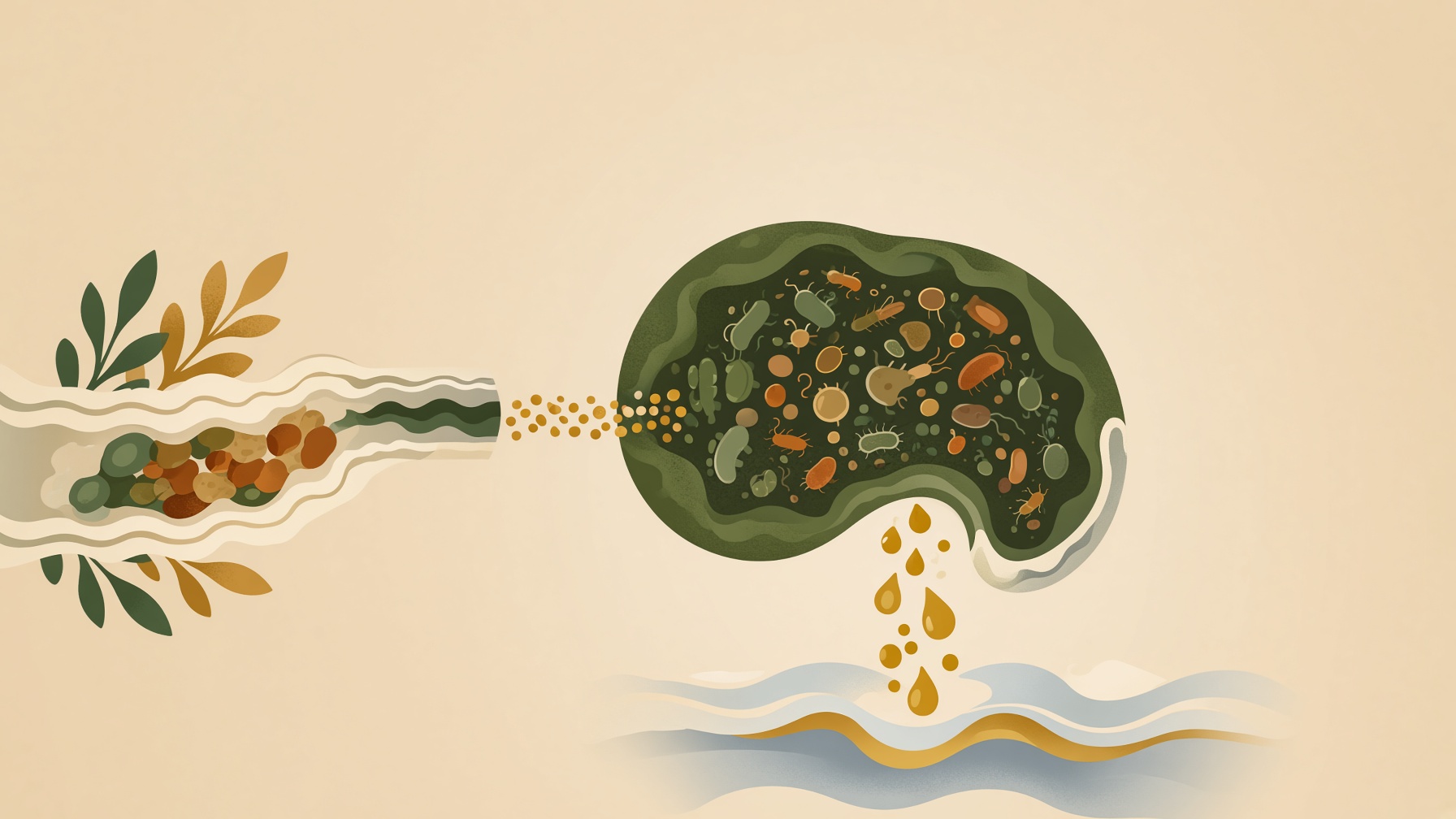
Colon microbes ferment some dietary fiber into short-chain fatty acids that the body can absorb, recovering energy human enzymes cannot release.