

Why a Drop in Performance Doesn’t Always Mean You’re Training Too Much
Overtraining syndrome cannot be diagnosed from one symptom or test, so persistent underperformance requires assessment of recovery and other possible causes.
218 articles in this view
Current selection
218 results
Overtraining syndrome cannot be diagnosed from one symptom or test, so persistent underperformance requires assessment of recovery and other possible causes.
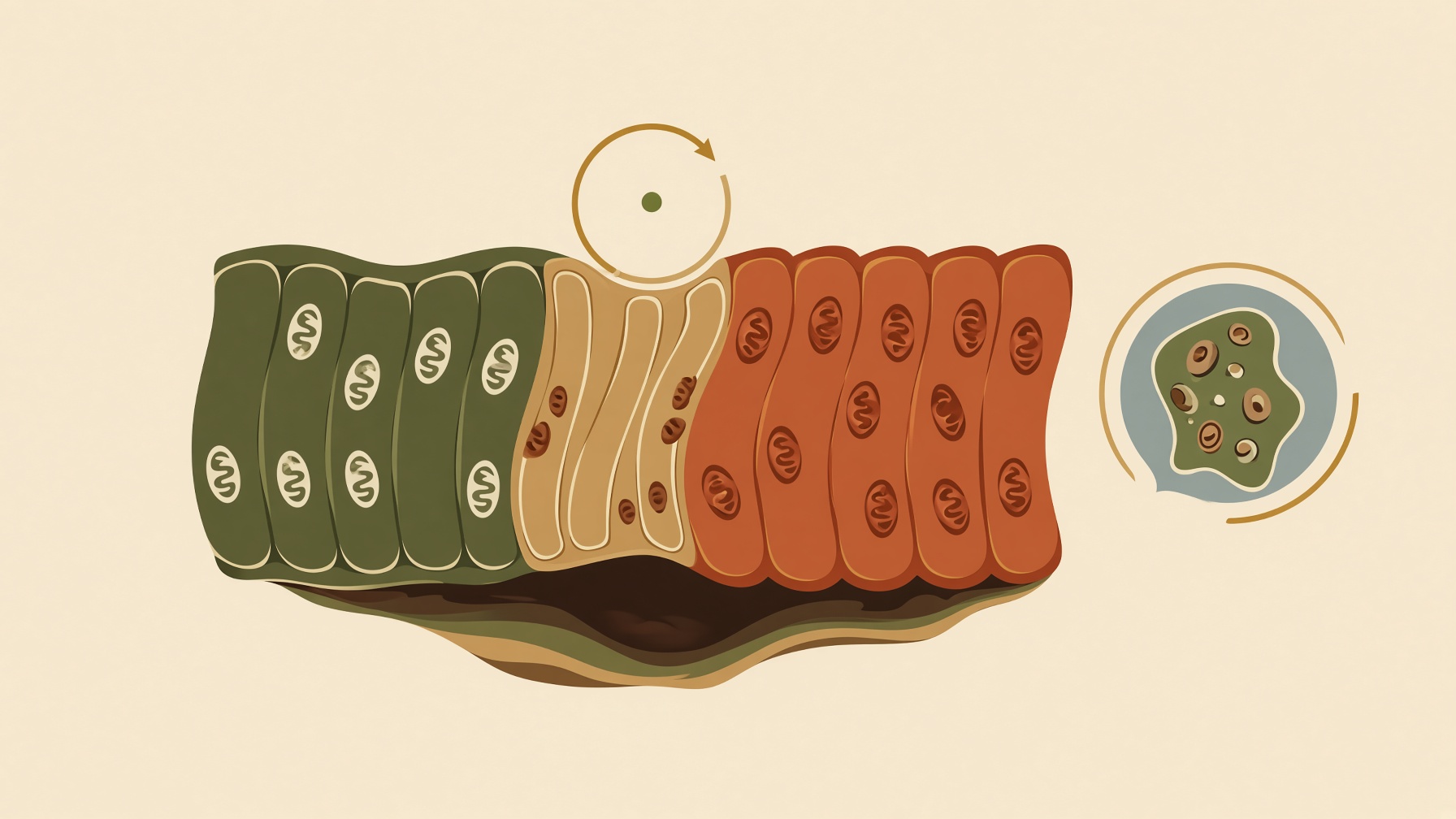
Muscle fibers can adapt to training without changing their type label, because myosin-based categories capture only part of a fiber’s properties.

A small VO₂max change can reflect measurement error and everyday variation, so one training result cannot establish a fixed limit on future adaptation.
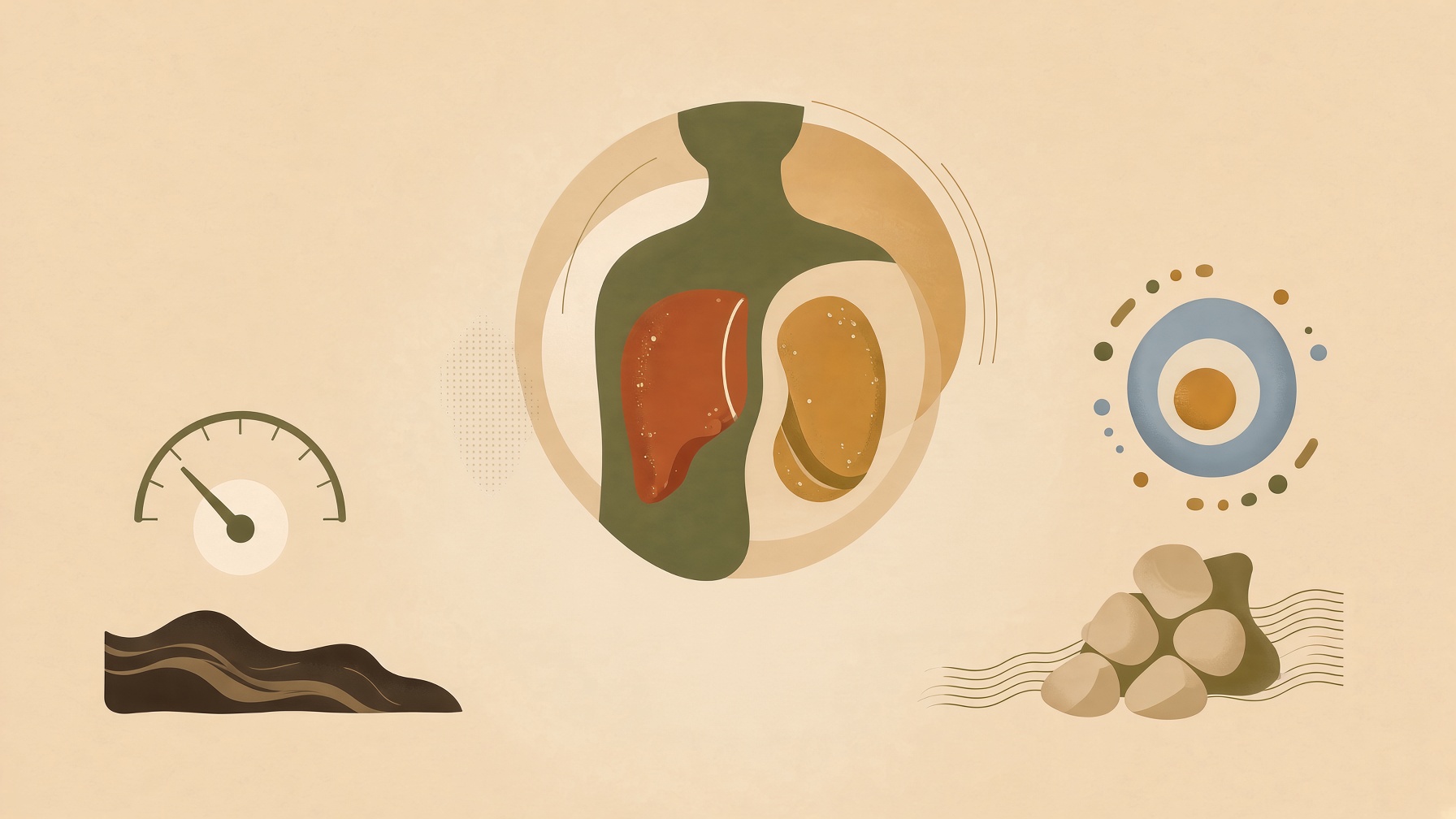
Fast and slow weight loss can differ beyond the scale, so comparing outcomes requires attention to body composition and the support within each program.

Heat may add to stretching’s range-of-motion benefits in some protocols, but inconsistent evidence does not establish a reliable advantage.
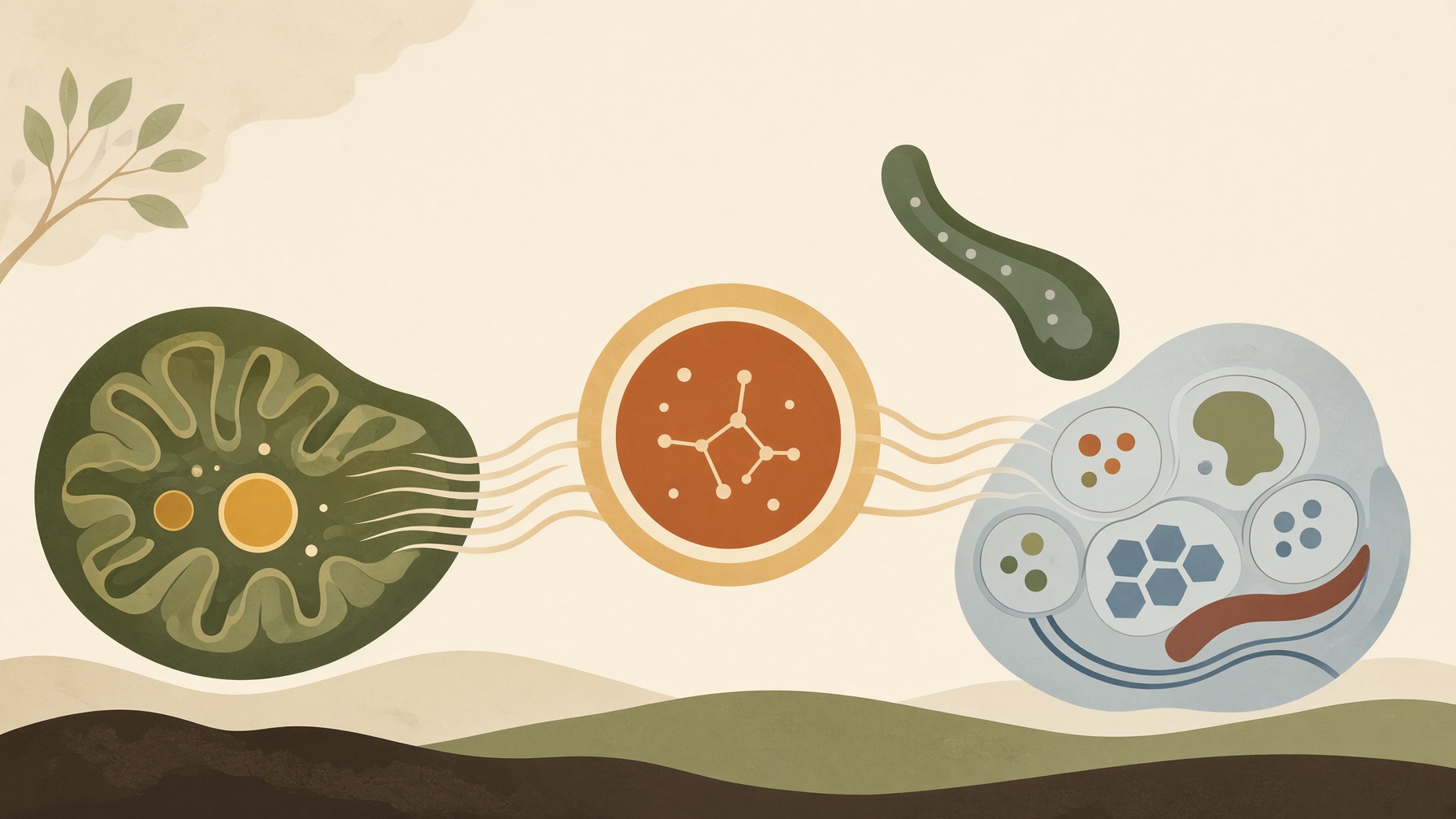
Lactate does not directly explain muscle acidity or all exercise fatigue, which reflects several interacting changes that depend on the task.
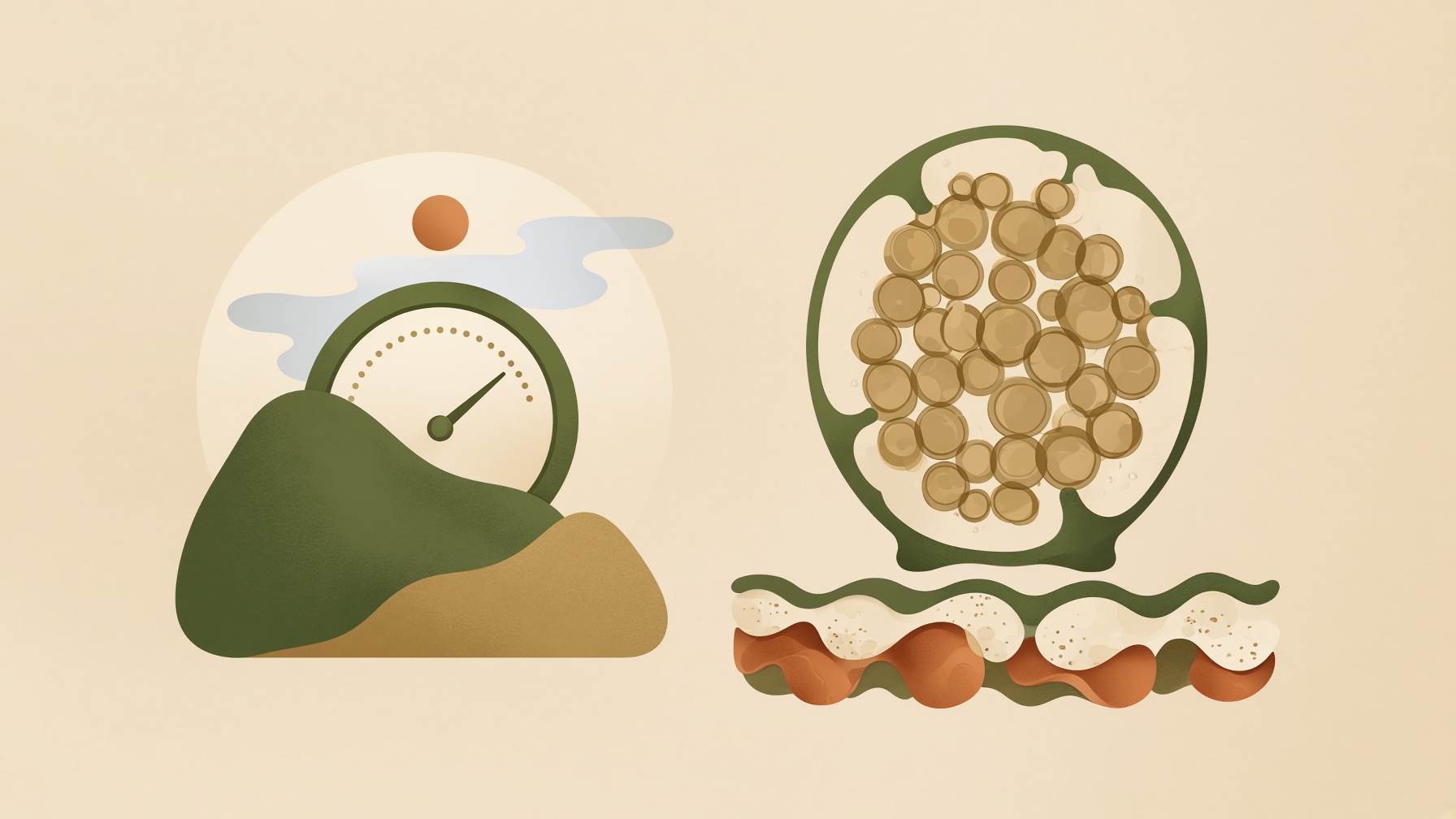
A body-fat percentage change can reflect measurement noise as well as biology, so consistent testing and method-specific precision matter.
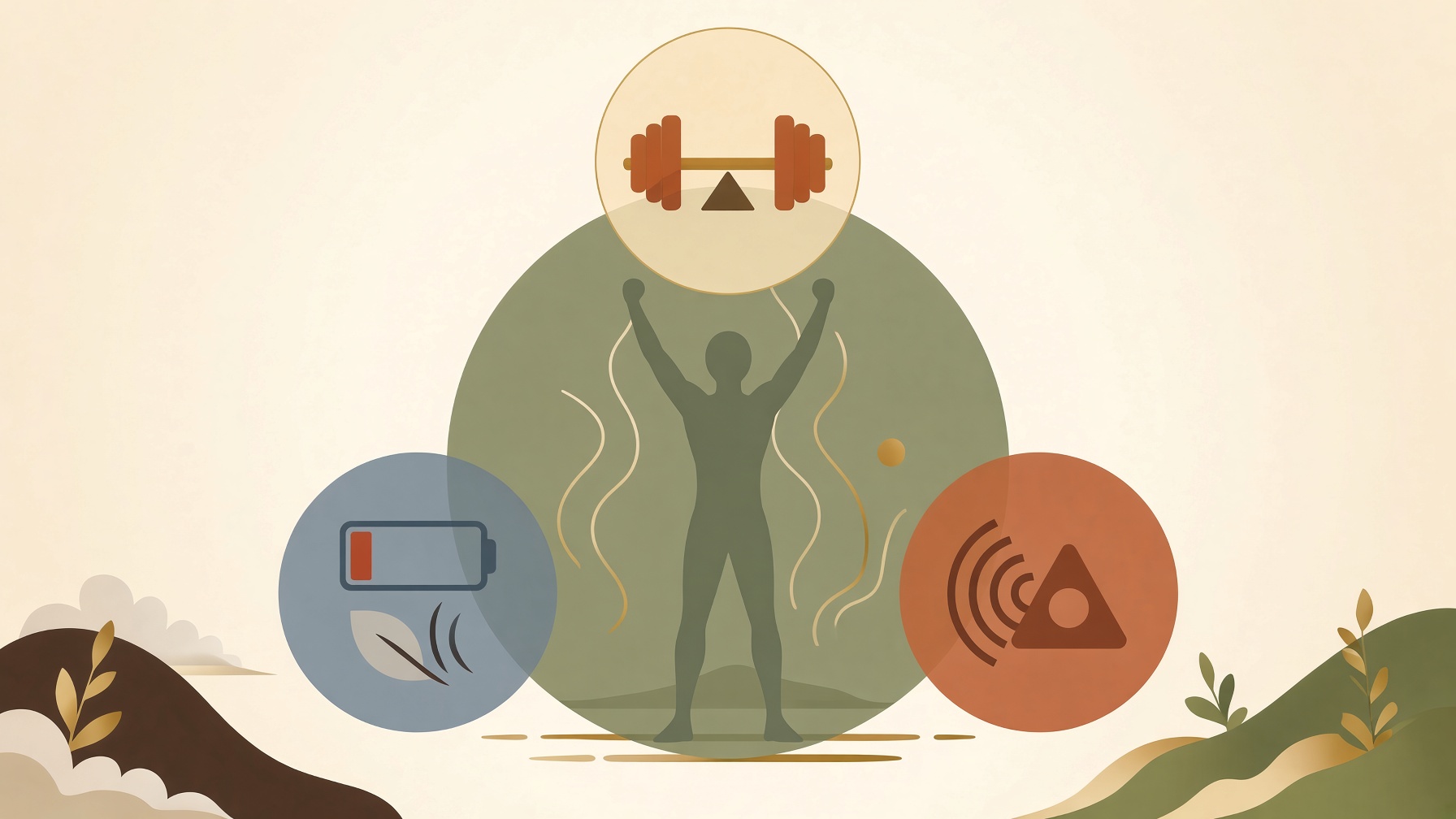
Exercise effort and pain describe different experiences, so a painful workout does not by itself show that training was more demanding or productive.

The 3,500-calorie rule assumes a fixed rate of weight loss, but changing energy needs make a straight-line forecast unreliable over time.
Food cues and the circumstances around a meal can influence eating patterns, but average research findings cannot explain every individual choice.
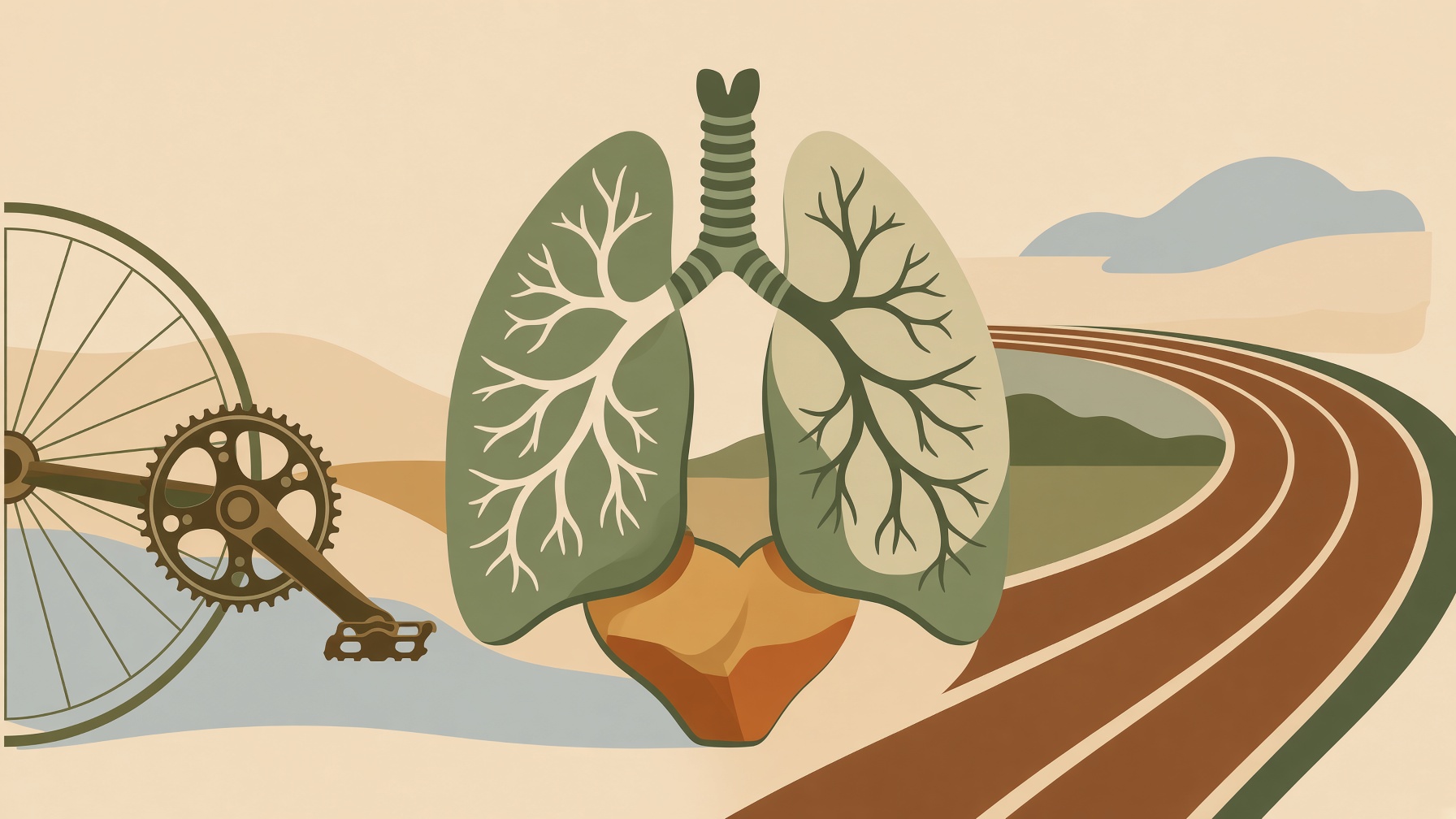
Cycling can support some aerobic adaptations relevant to running, but limited research does not establish a universal formula for replacing runs.
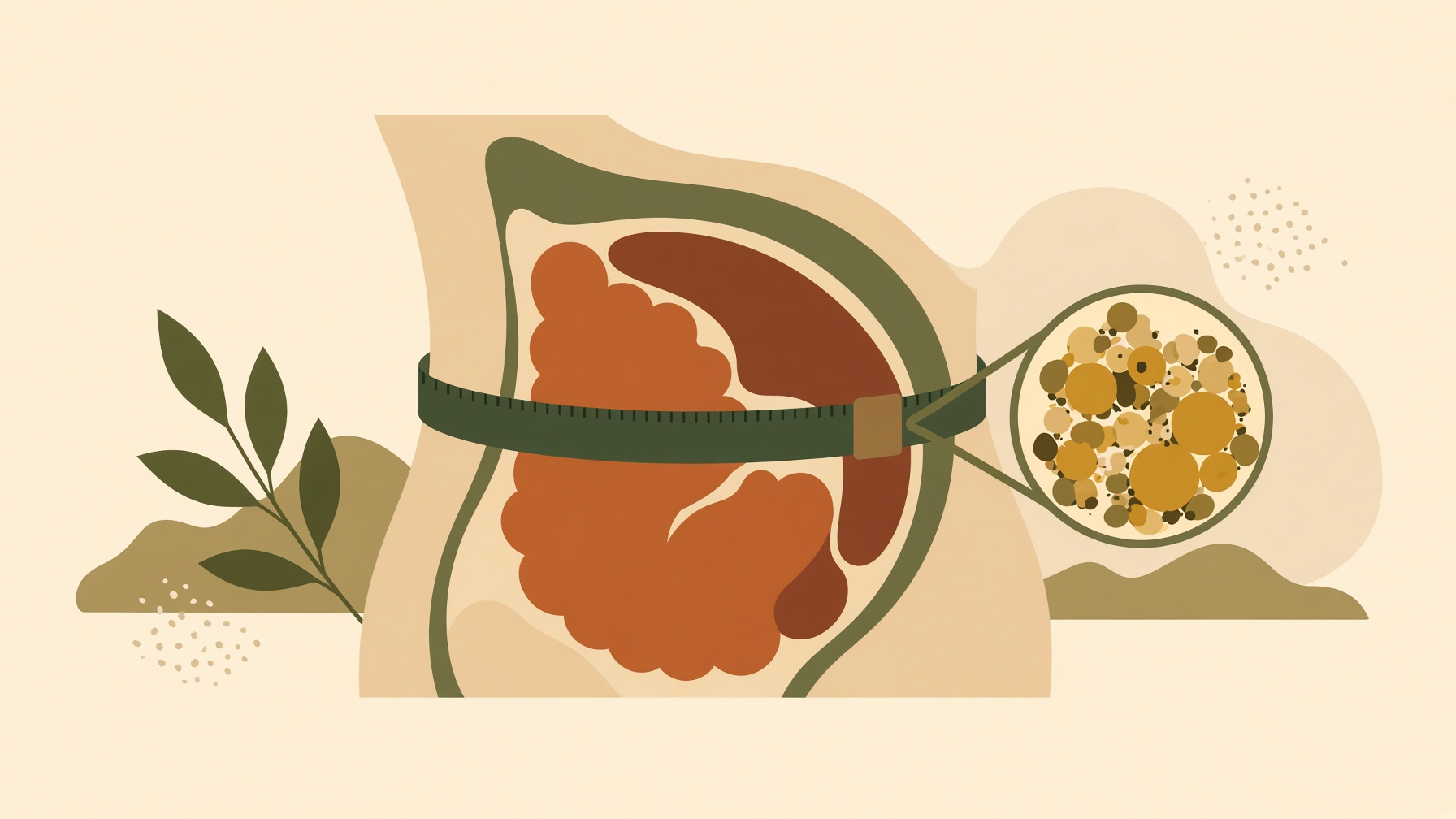
Waist circumference provides useful information about abdominal size and health risk, but a tape measure cannot distinguish visceral from subcutaneous fat.