
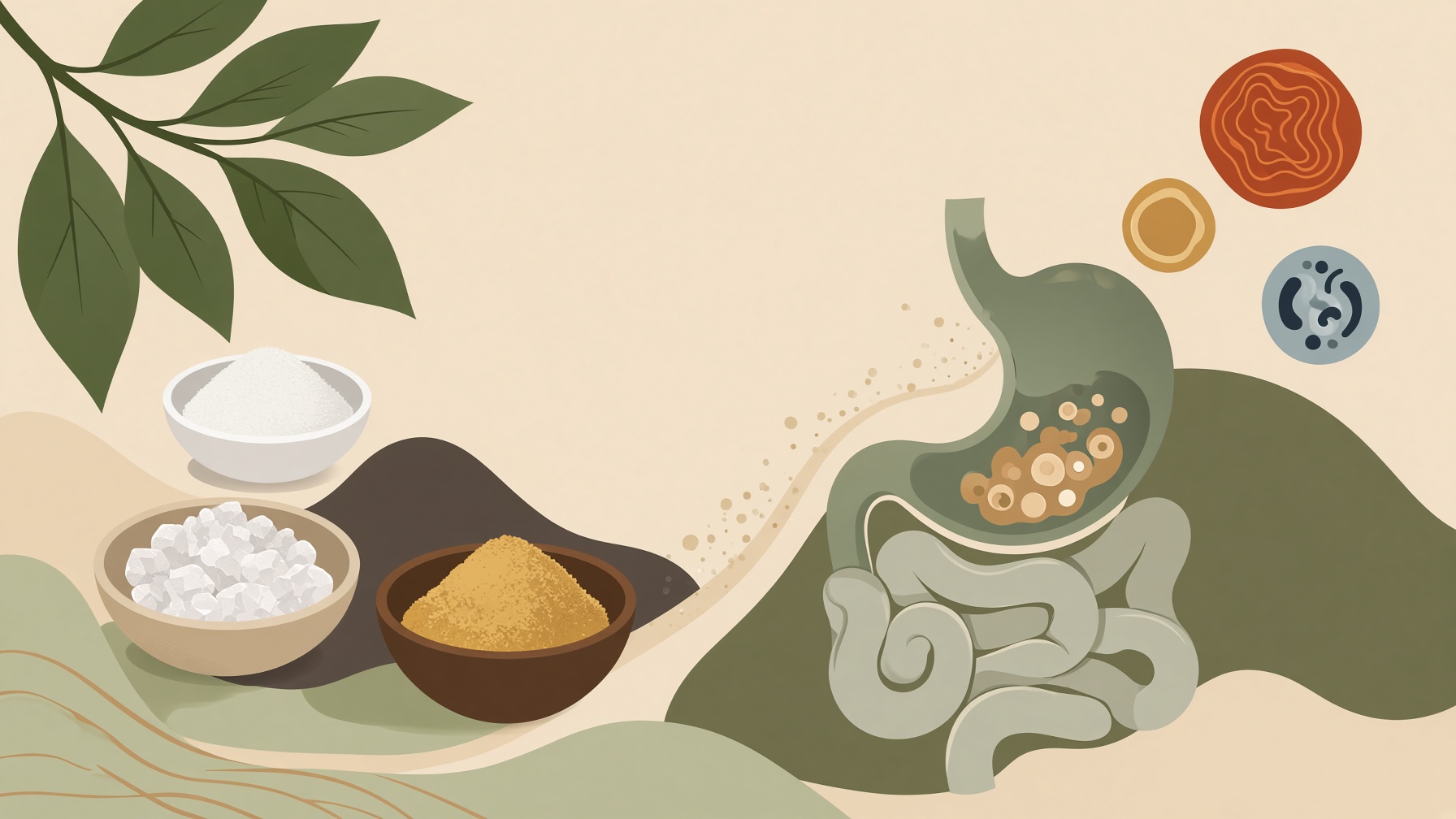
Different Sugar Substitutes Are Not All the Same
Sugar substitutes share a sweet taste, but individual compounds differ in how the body handles them and in their practical health considerations.
9 articles in this view
Current selection
9 results
Sugar substitutes share a sweet taste, but individual compounds differ in how the body handles them and in their practical health considerations.
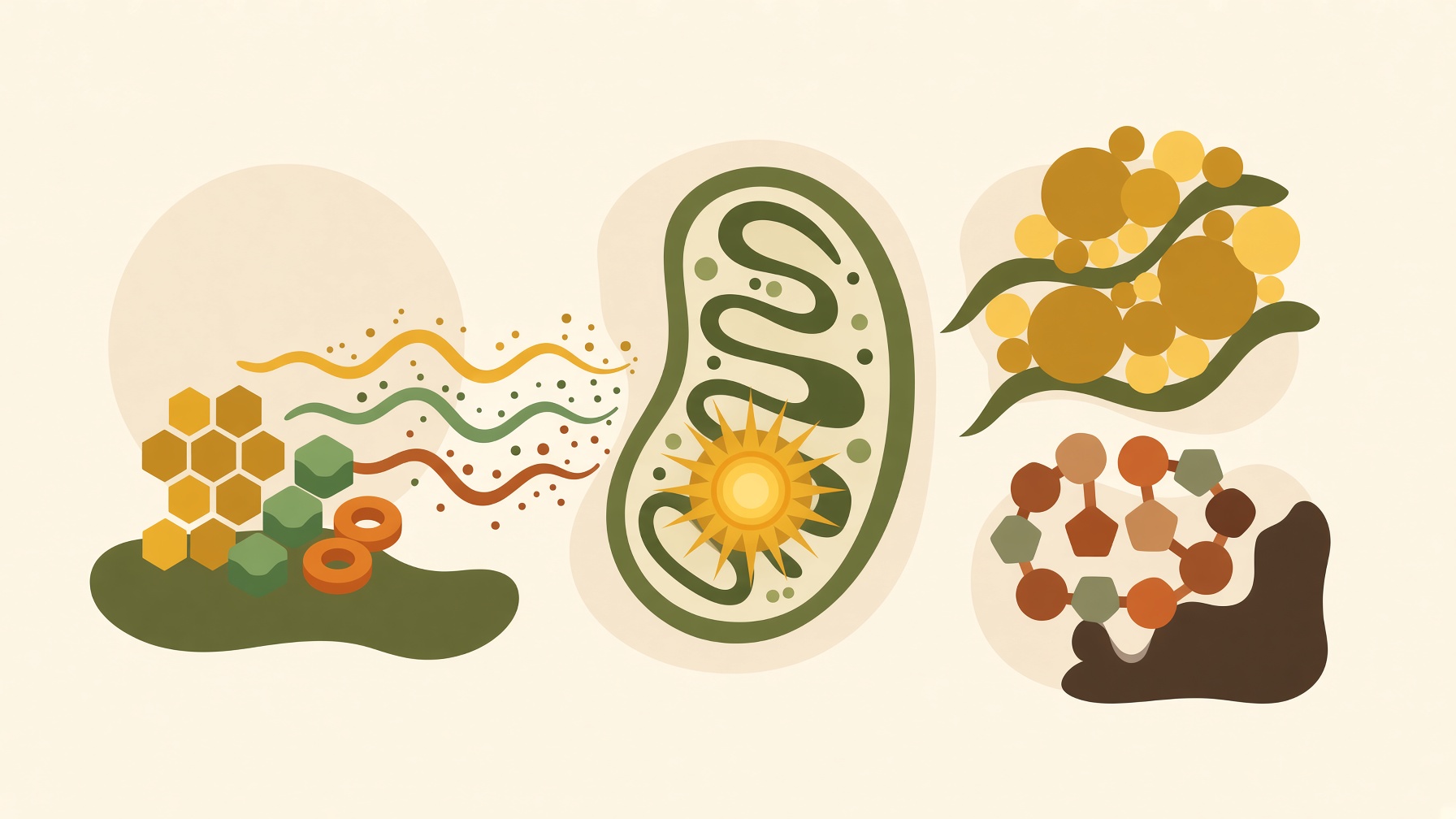
Macronutrients provide different metabolic options after digestion, so carbohydrate, protein, and fat do not serve interchangeable roles in the body.

Training specificity links exercise demands to the abilities a person wants to improve, with transfer depending on more than visual similarity.
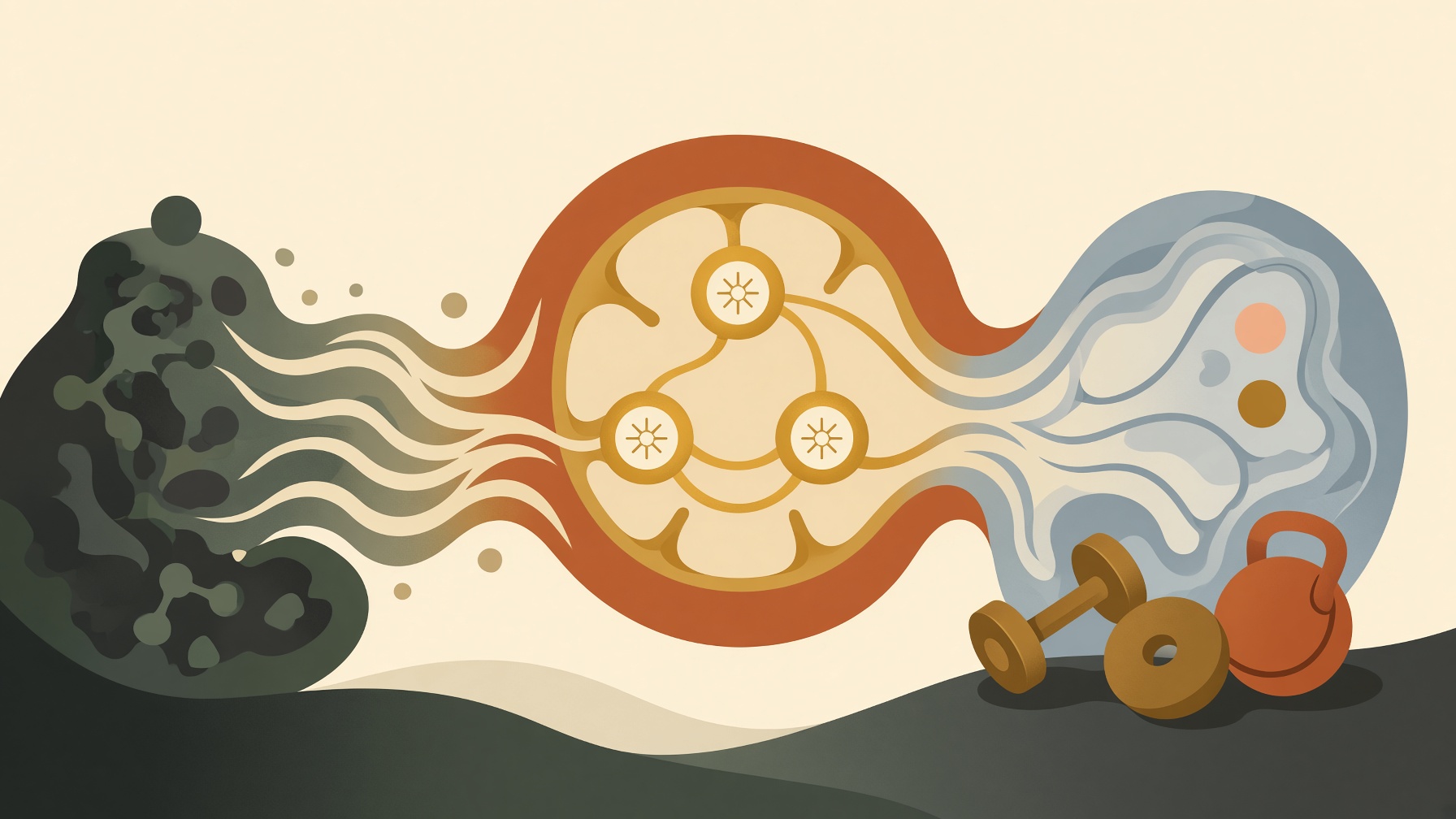
Exercise energy systems work together to replenish ATP, with intensity and duration shifting each pathway’s share rather than switching systems on.
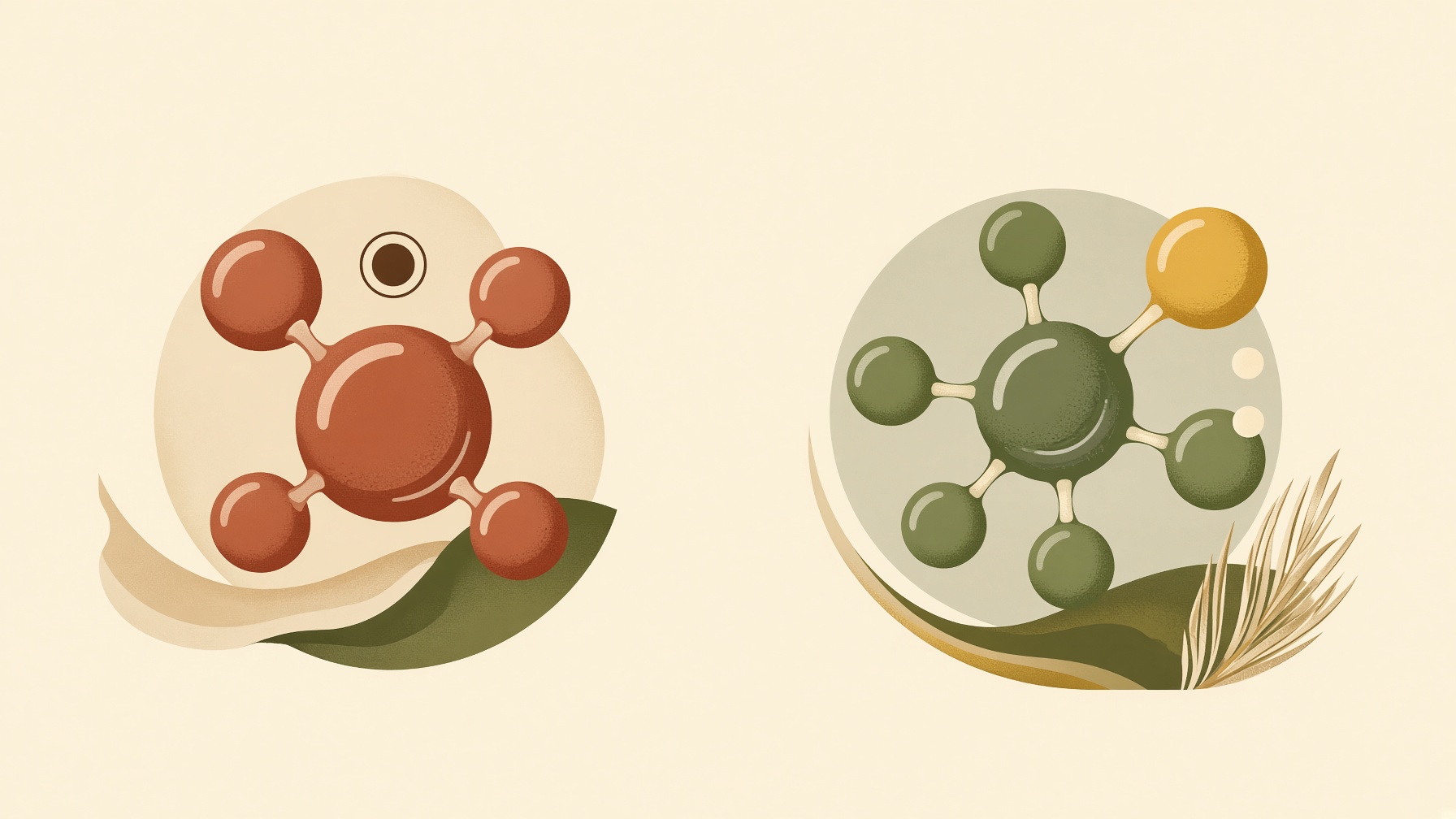
Redox reactions pair electron loss with electron gain, allowing metabolic pathways to transfer reducing power between molecules inside cells.
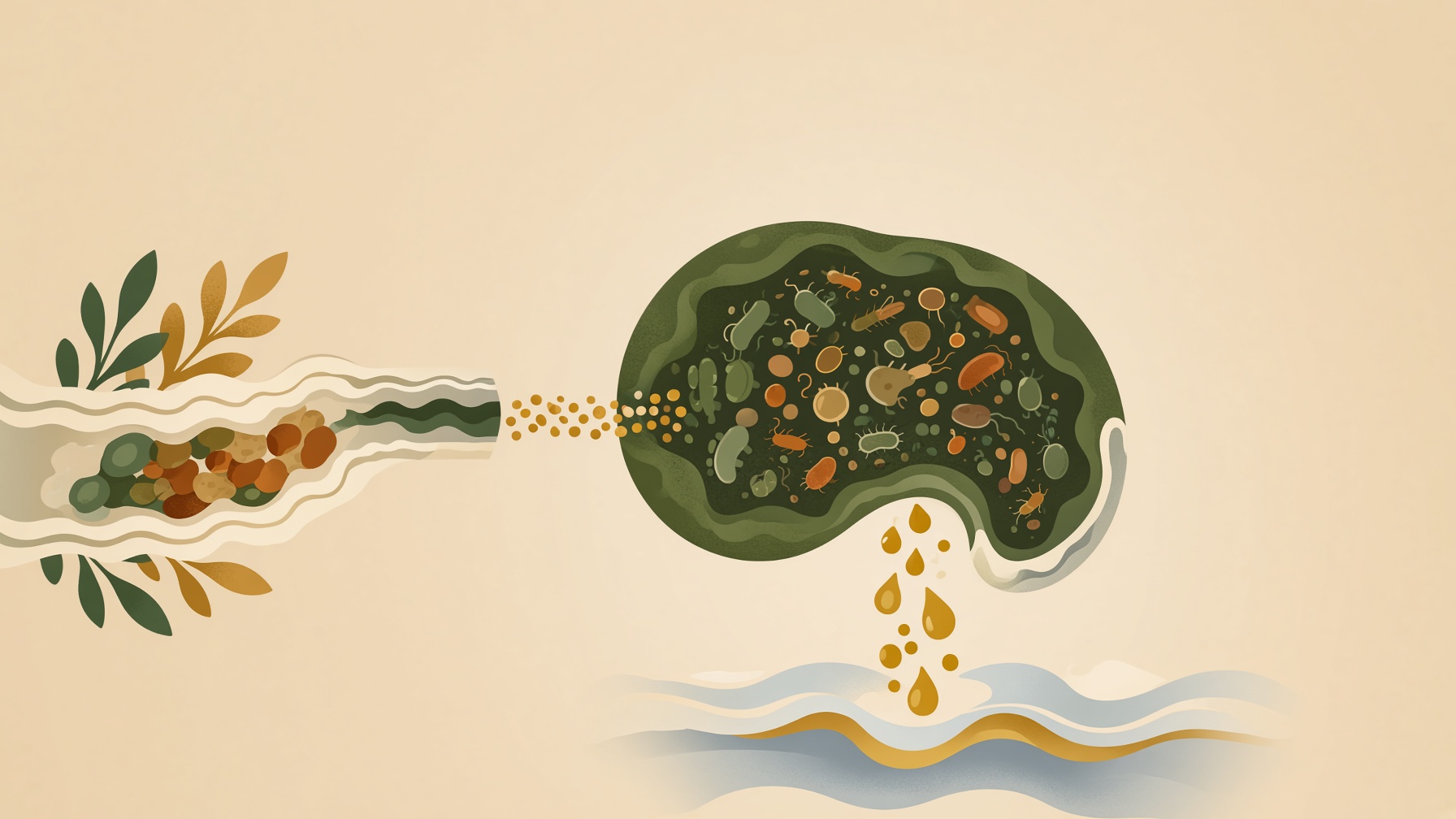
Colon microbes ferment some dietary fiber into short-chain fatty acids that the body can absorb, recovering energy human enzymes cannot release.
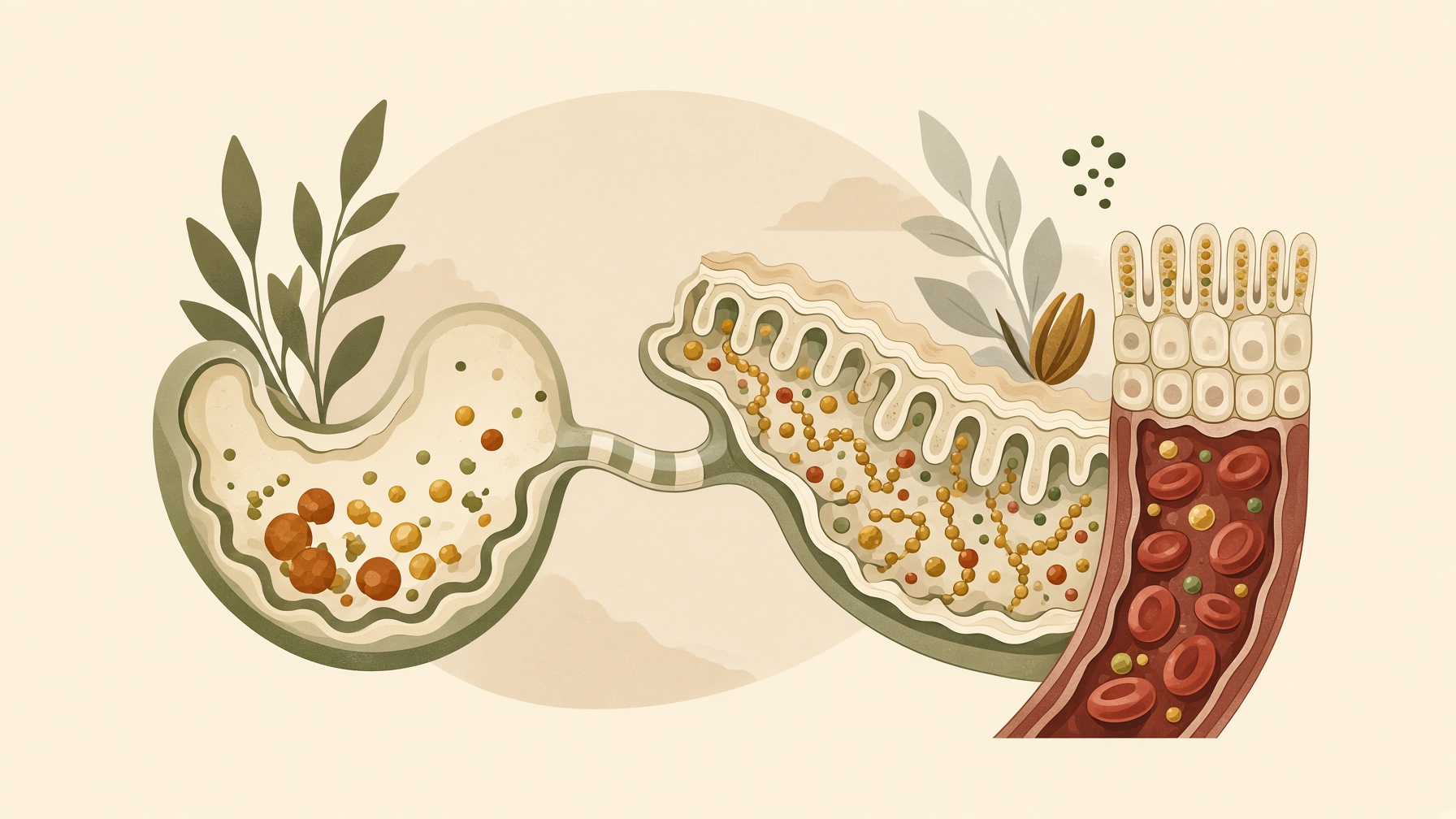
Protein digestion breaks food proteins into amino acids and small peptides that intestinal cells can absorb for the body’s ongoing protein turnover.
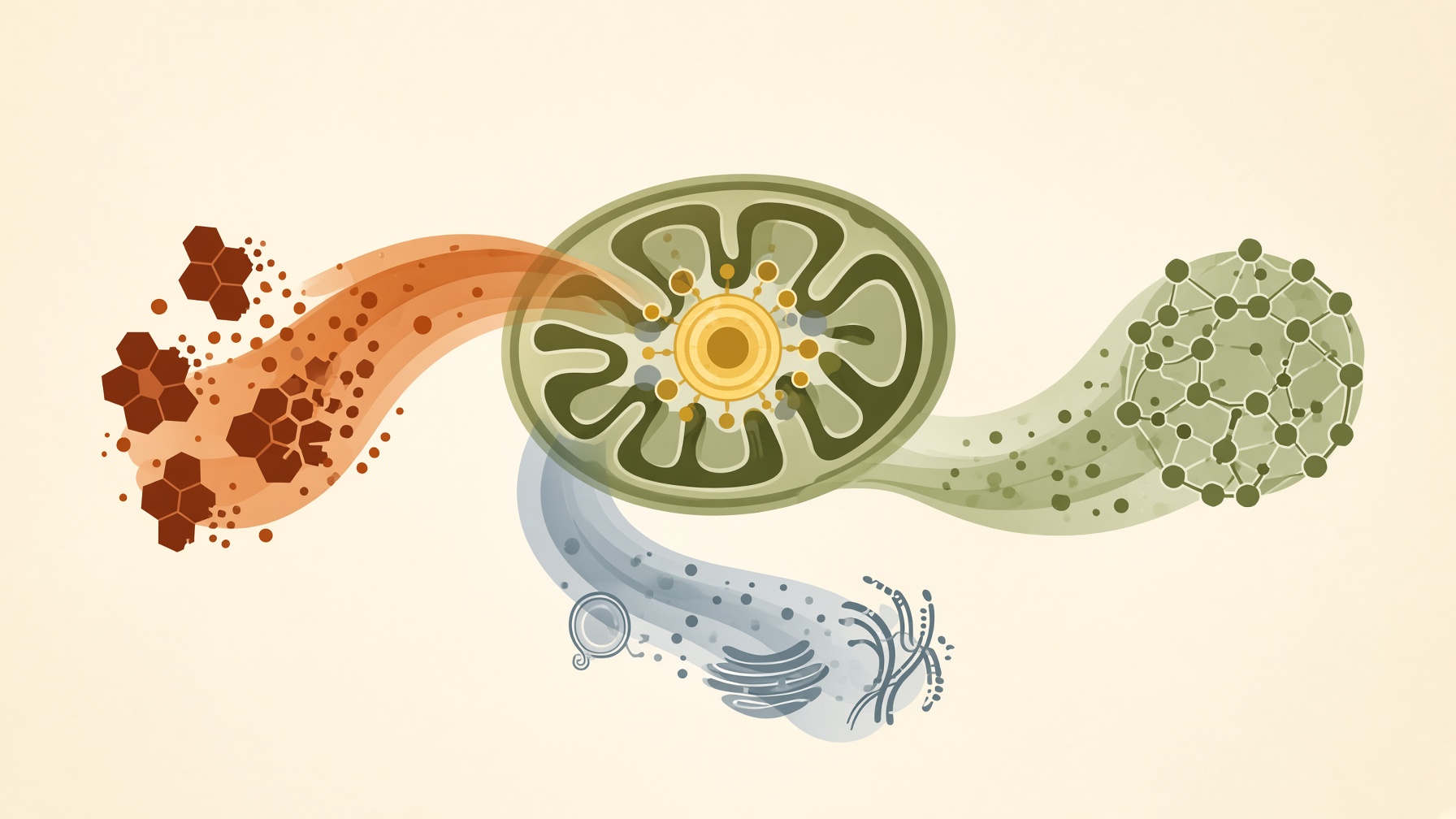
Metabolism links the breakdown and building of molecules through energy transfers, with ATP powering much of the work that cells perform.
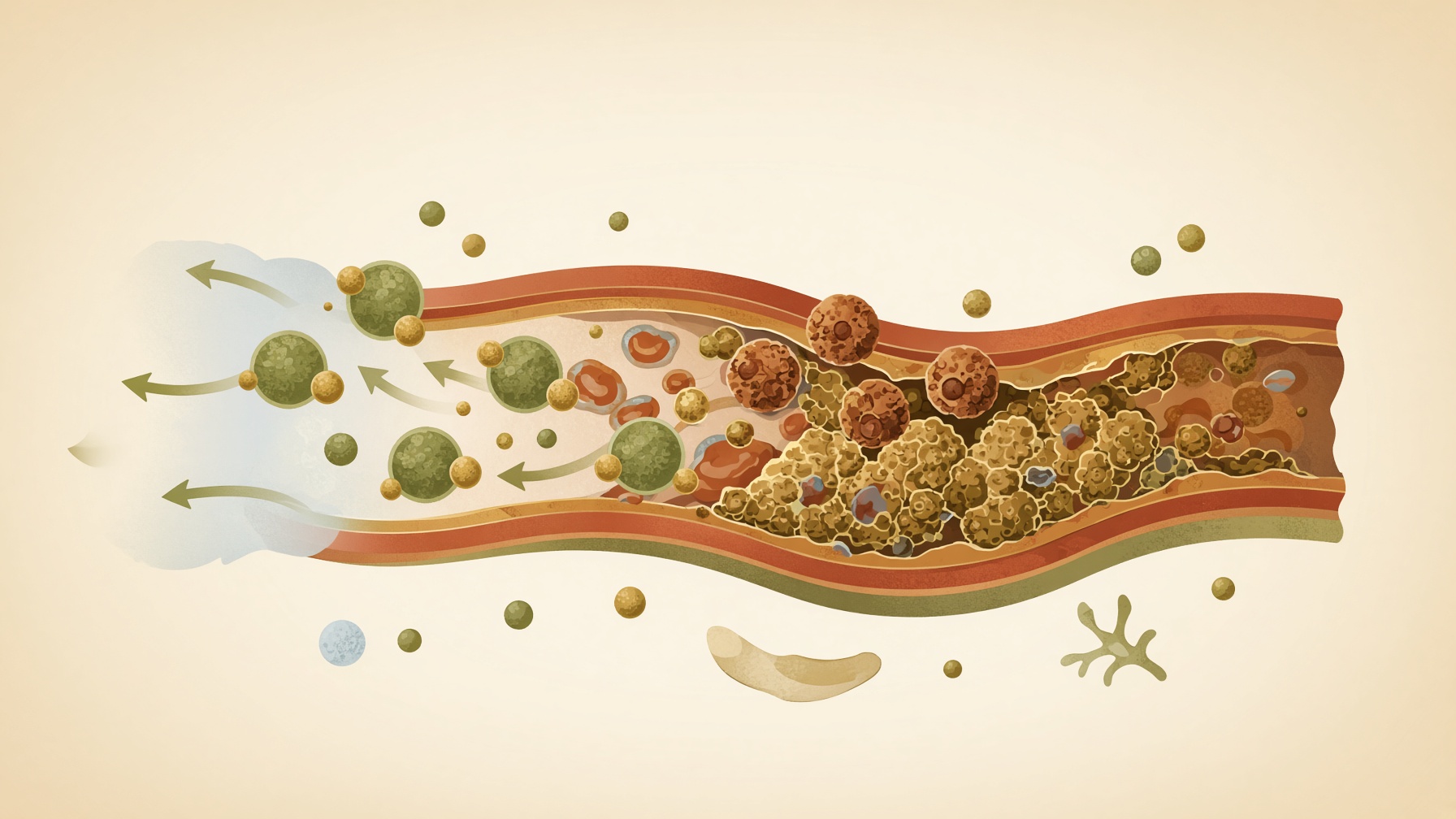
LDL and HDL carry the same cholesterol in different particles, whose behavior matters more for health than the familiar good and bad labels.