
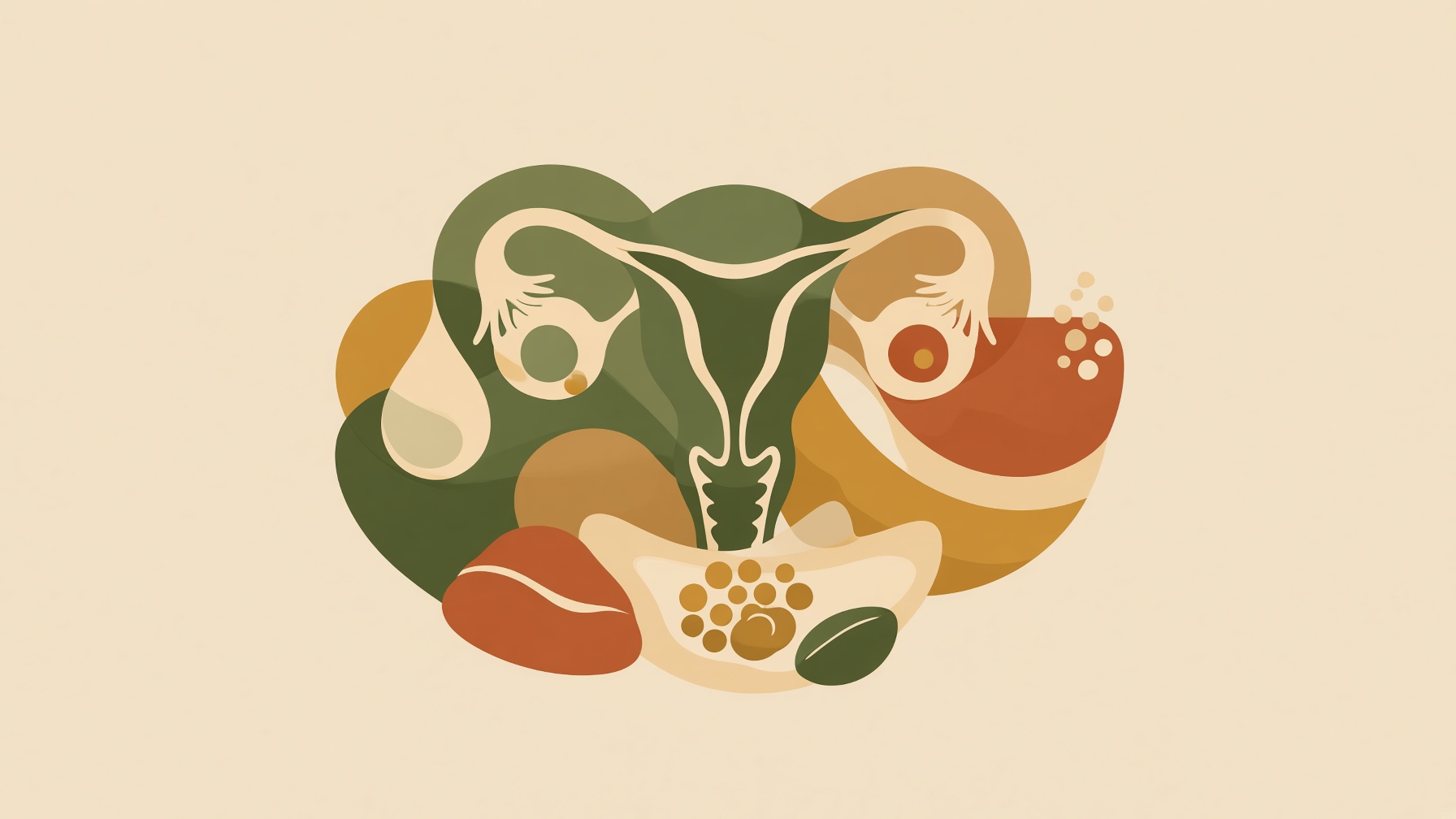
Do Women Need Different Recovery Nutrition?
Recovery nutrition research in female athletes remains too limited to justify rigid menstrual-cycle diets, despite real hormonal differences.
Wikis
Metabolism is the complete set of chemical reactions that occur within living cells and organisms. These reactions transform nutrients and other molecules, provide energy for biological processes, and produce materials needed to build and maintain cells and tissues. Metabolic reactions are organized into interconnected sequences called metabolic pathways, many of which are controlled by enzymes .1,2
Metabolism is commonly described in terms of catabolism and anabolism. Catabolic pathways break larger molecules into smaller ones and can release usable energy. Anabolic pathways use smaller molecules to build more complex molecules, such as proteins and other cellular components, and generally require an input of energy. The two processes are interconnected because products and energy derived from catabolic pathways can support anabolic reactions .1,2
Cells use molecules such as adenosine triphosphate, or ATP, to transfer energy between metabolic reactions and energy-requiring cellular processes. Nutrients including carbohydrates, fats, and proteins can enter metabolic pathways that contribute to ATP production or provide building blocks for biosynthesis. Metabolism therefore includes both energy-producing reactions and reactions involved in constructing, modifying, and breaking down biological molecules .1,2
Metabolism should not be confused with metabolic rate. Metabolism refers to the network of chemical reactions themselves, whereas metabolic rate describes the rate of energy expenditure associated with metabolic processes. Terms such as basal metabolic rate and resting metabolic rate therefore describe aspects of energy expenditure rather than metabolism as a whole .1
From this collection
Recovery nutrition research in female athletes remains too limited to justify rigid menstrual-cycle diets, despite real hormonal differences.
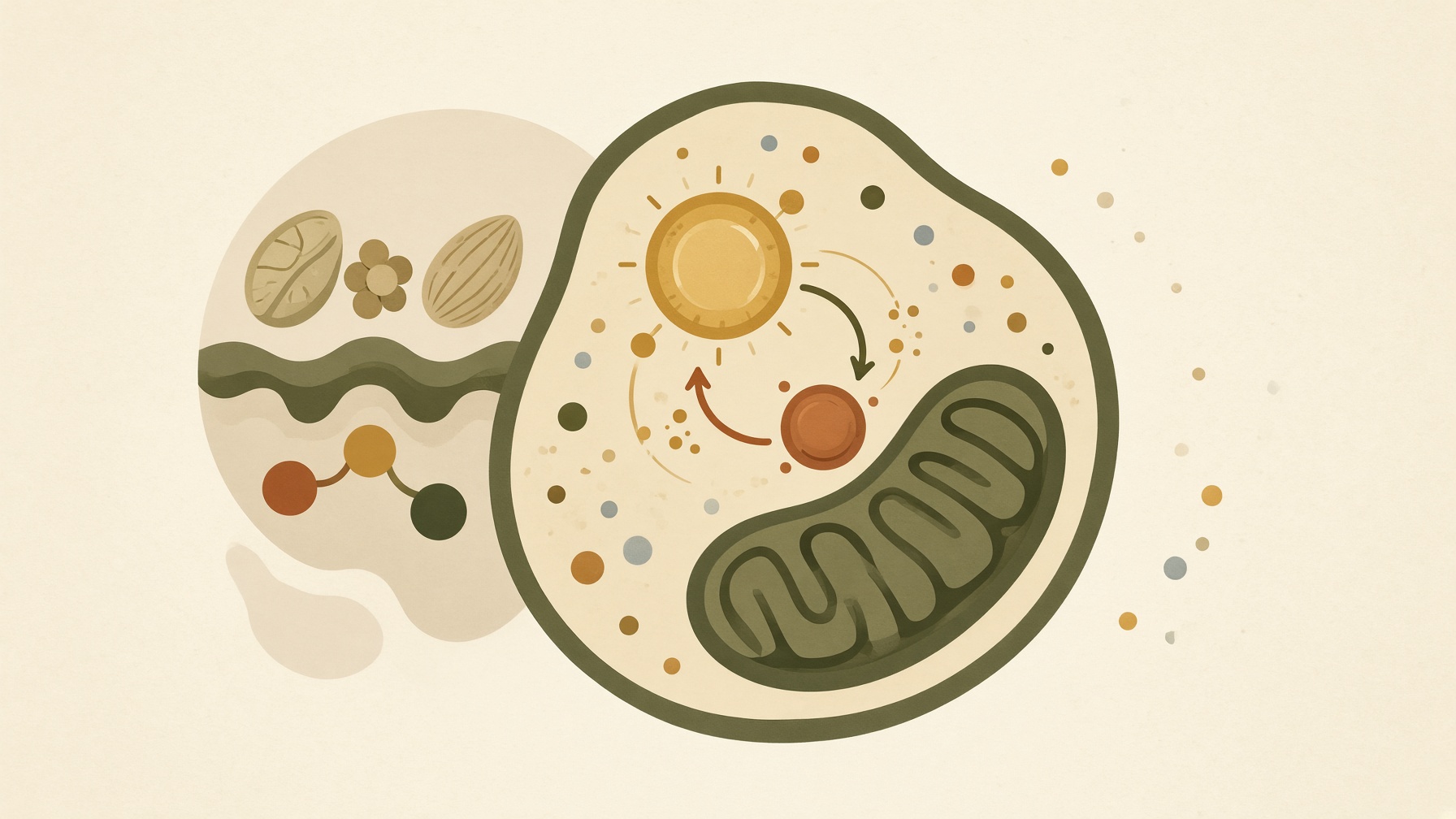
Cells repeatedly regenerate ATP as cellular work consumes the small available supply, making continuous turnover more important than stockpiling.
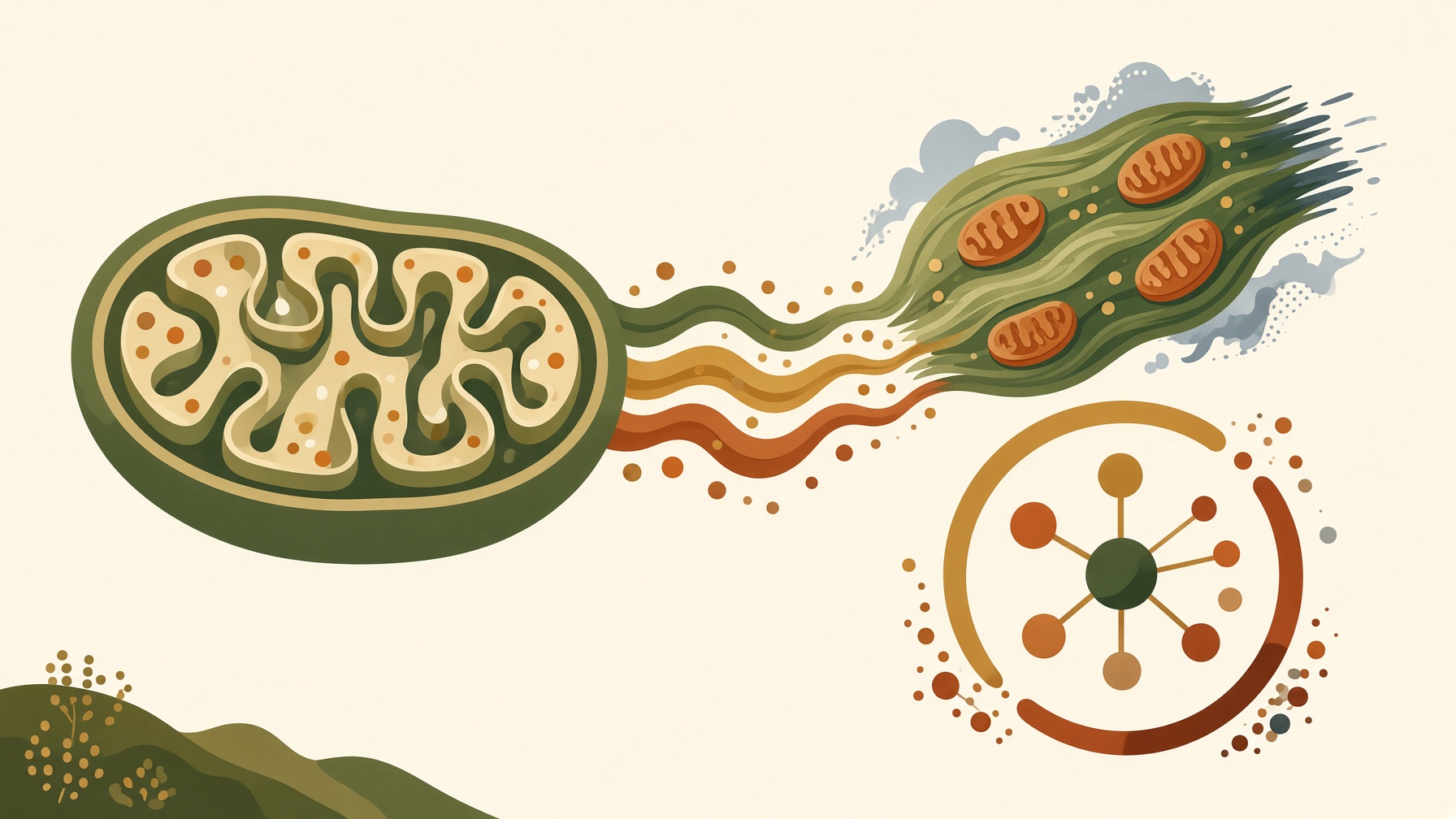
ATP regeneration draws on overlapping energy pathways whose contributions shift with exercise demands, keeping muscle work supplied with usable energy.
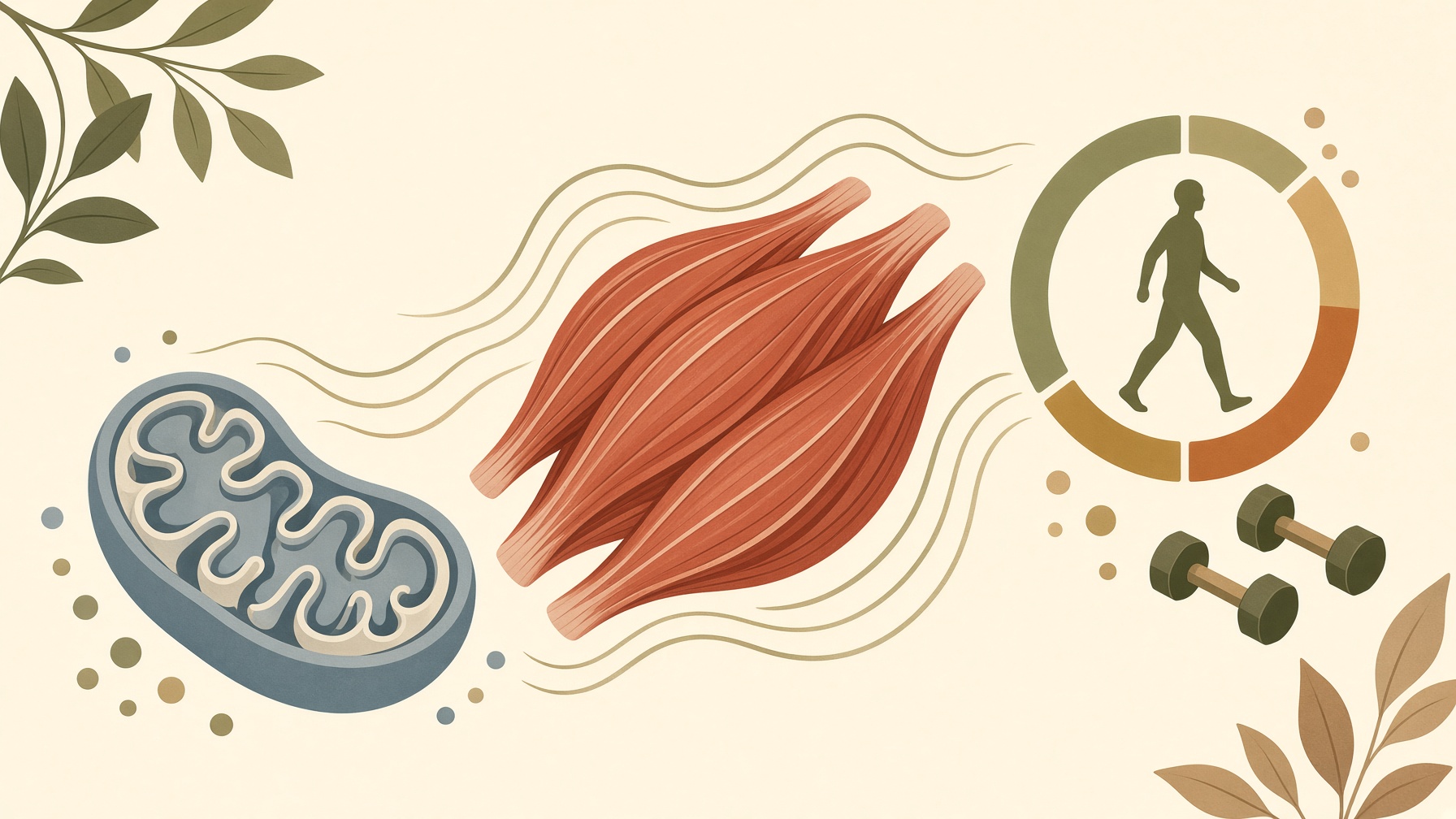
Muscle loss can contribute to a lower resting metabolic rate with age, but changes in muscle mass alone do not explain the full decline.
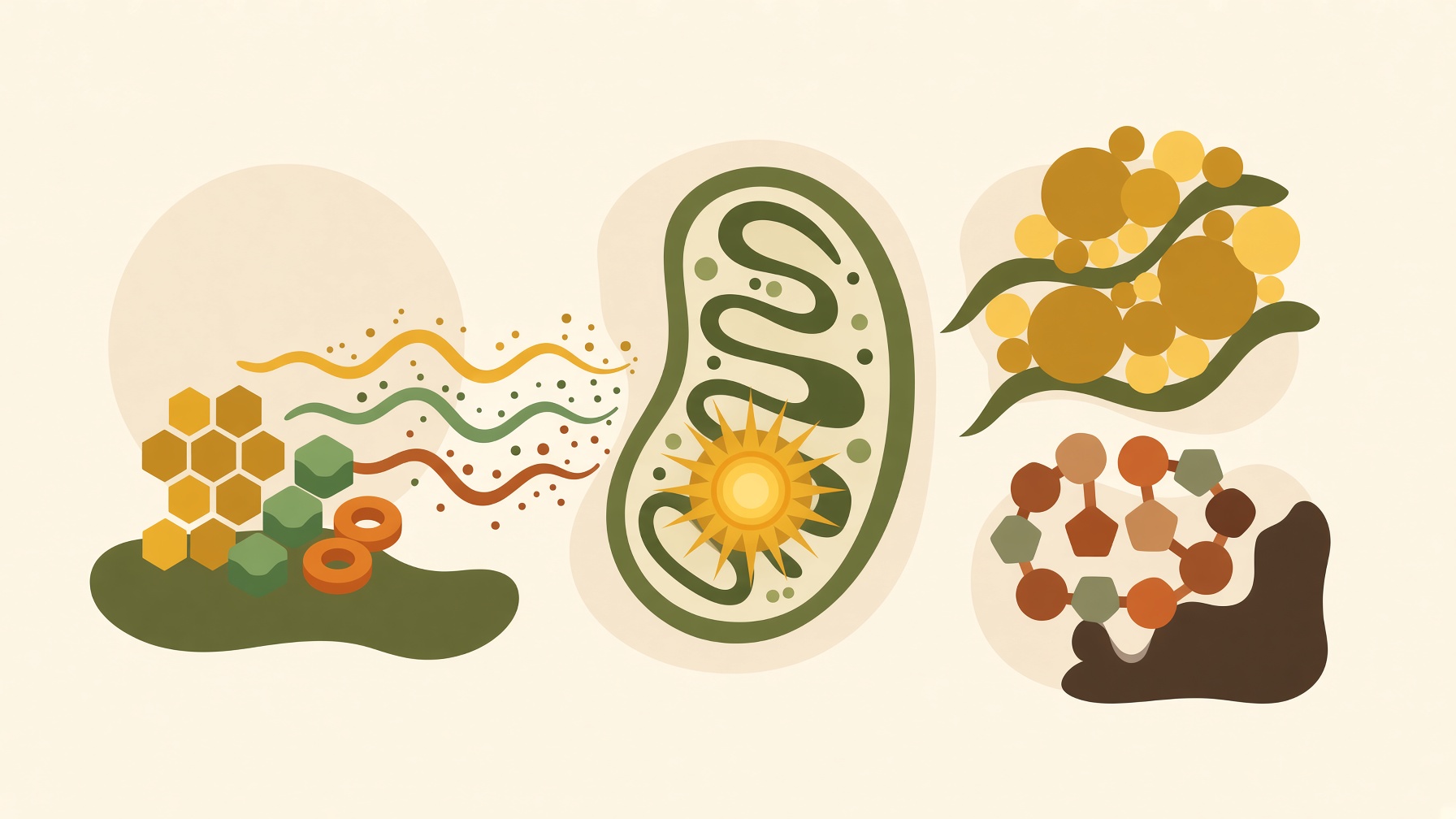
Macronutrients provide different metabolic options after digestion, so carbohydrate, protein, and fat do not serve interchangeable roles in the body.

Fuel use shifts gradually between meals as nutrient supply and hormone signals change, moving metabolism from storage toward use of body reserves.
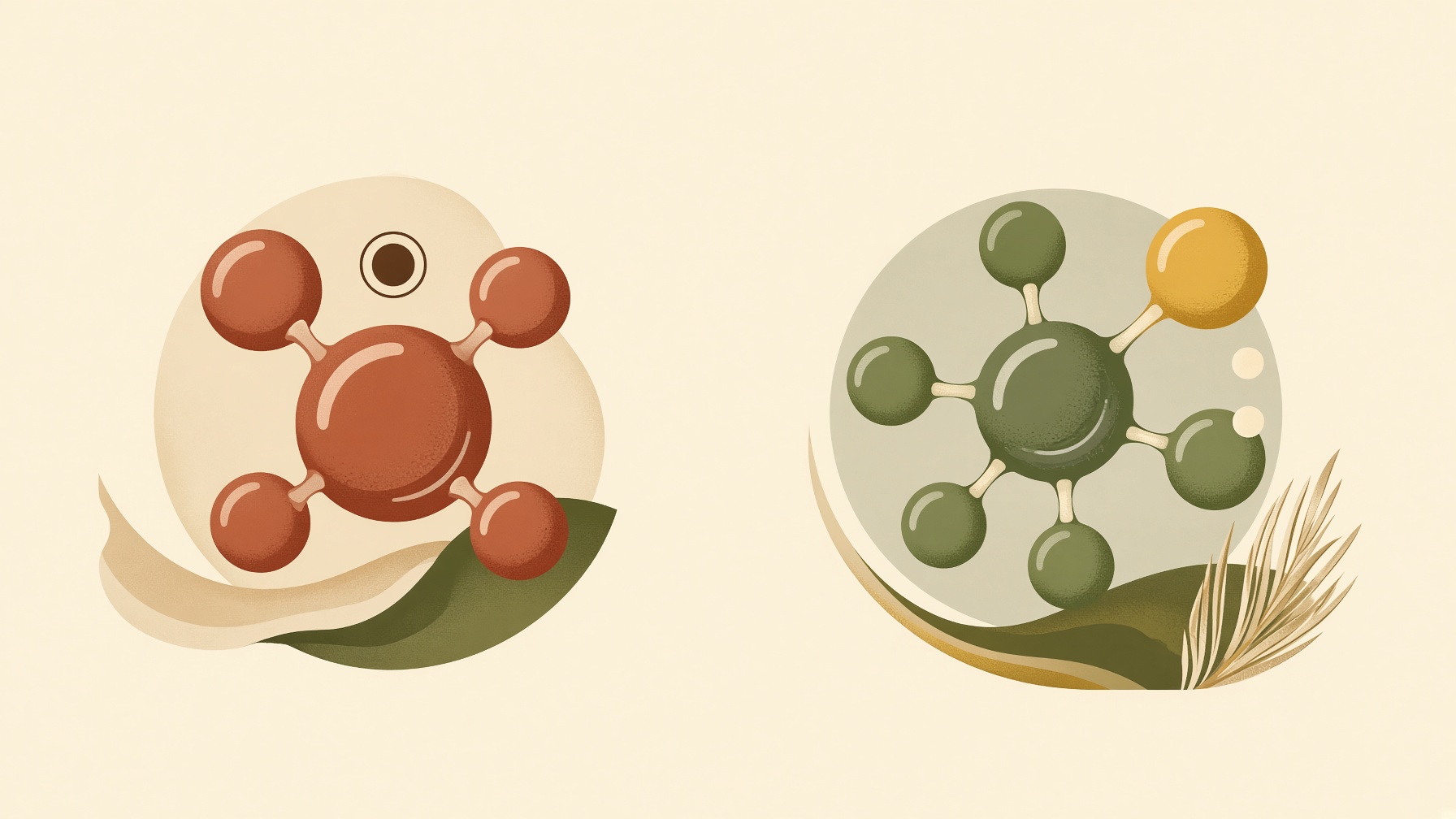
Redox reactions pair electron loss with electron gain, allowing metabolic pathways to transfer reducing power between molecules inside cells.
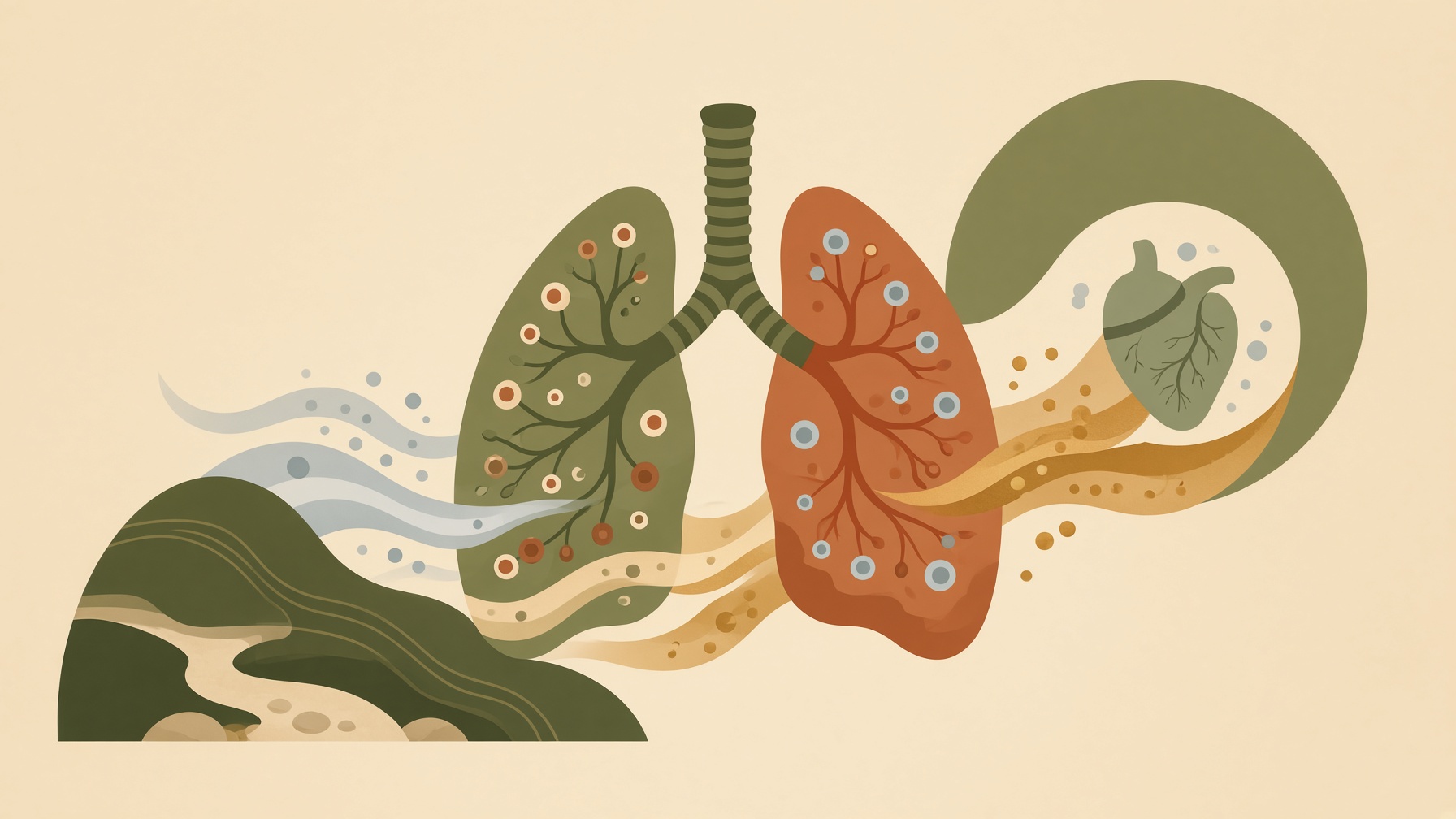
Aerobic training improves oxygen transport and use through changes across the cardiovascular system and muscles, rather than one adaptation alone.
Training specificity links exercise demands to the abilities a person wants to improve, with transfer depending on more than visual similarity.
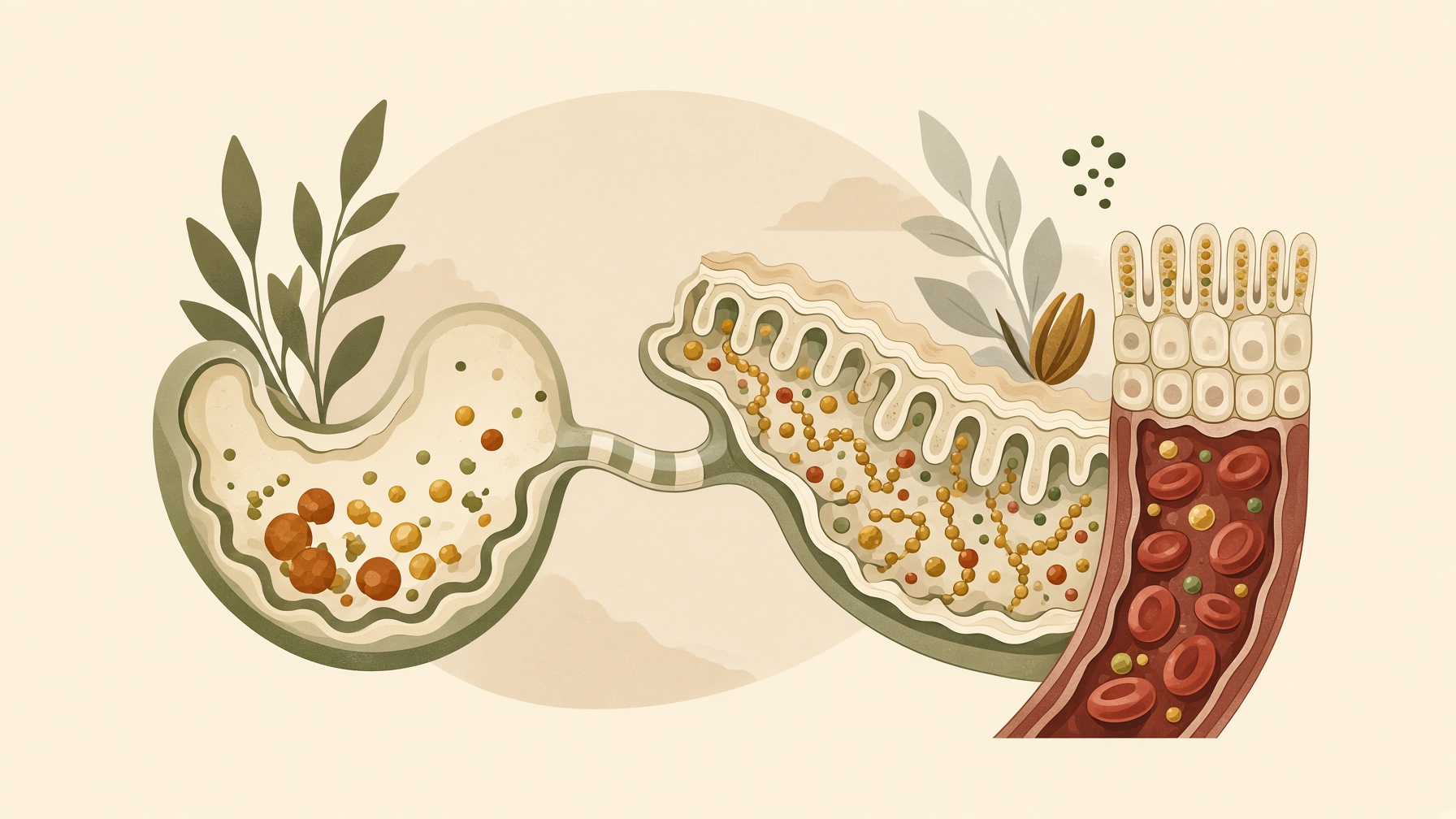
Protein digestion breaks food proteins into amino acids and small peptides that intestinal cells can absorb for the body’s ongoing protein turnover.
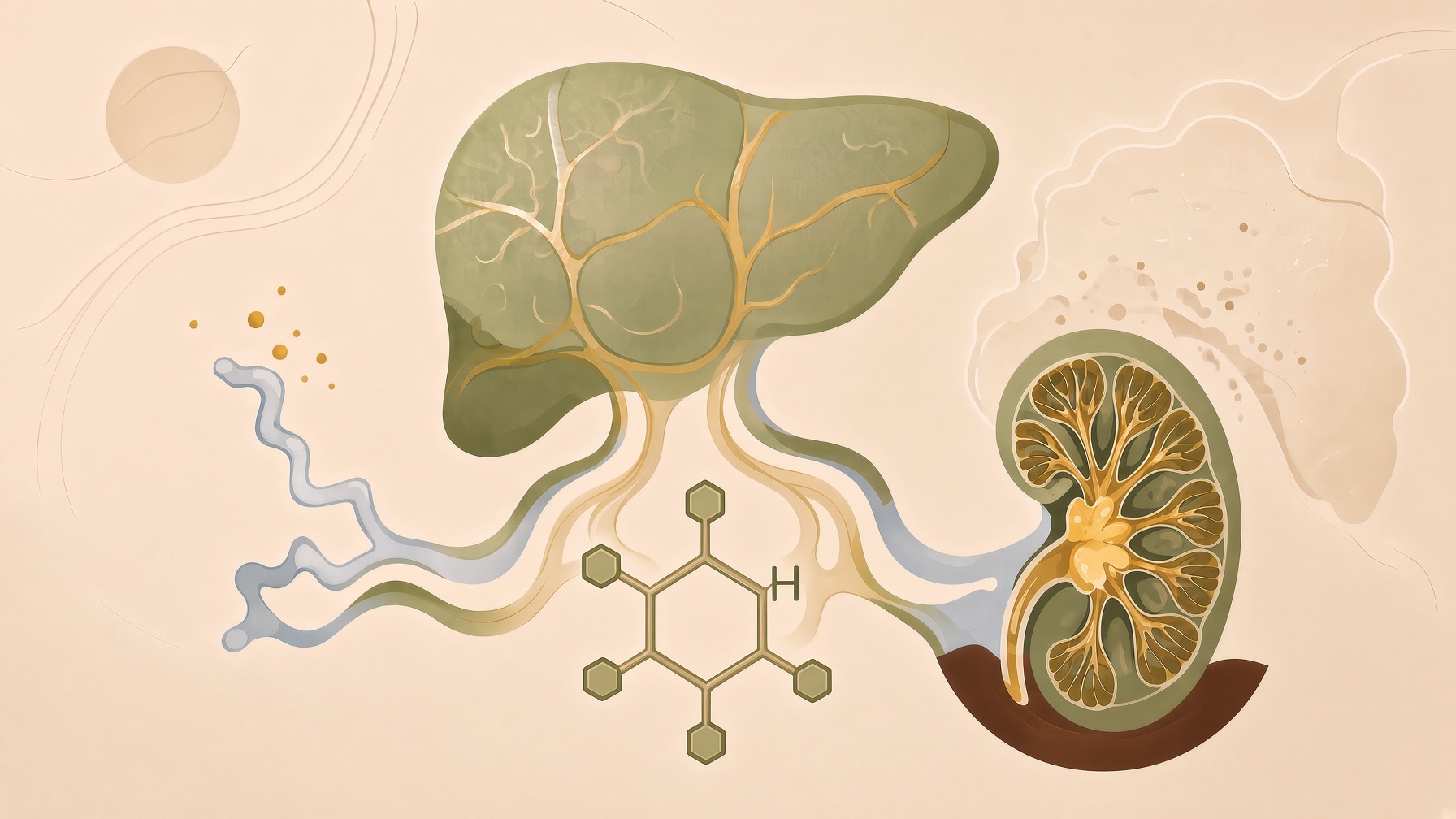
Gluconeogenesis makes glucose from noncarbohydrate materials, helping the liver and kidneys maintain blood glucose when dietary fuel is unavailable.
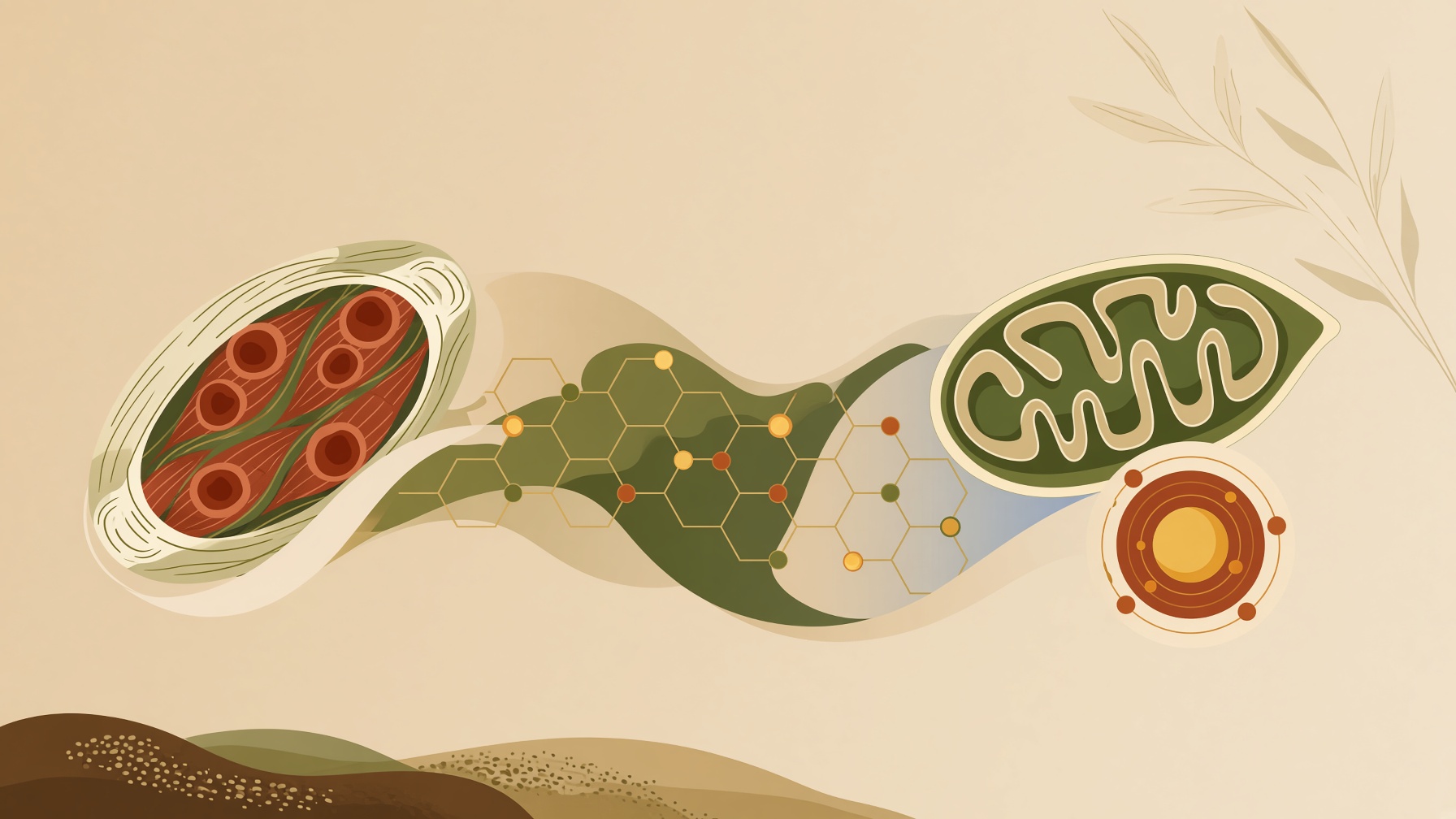
Glycolysis helps muscle replenish ATP quickly during intense exercise while other energy pathways continue contributing at the same time.