
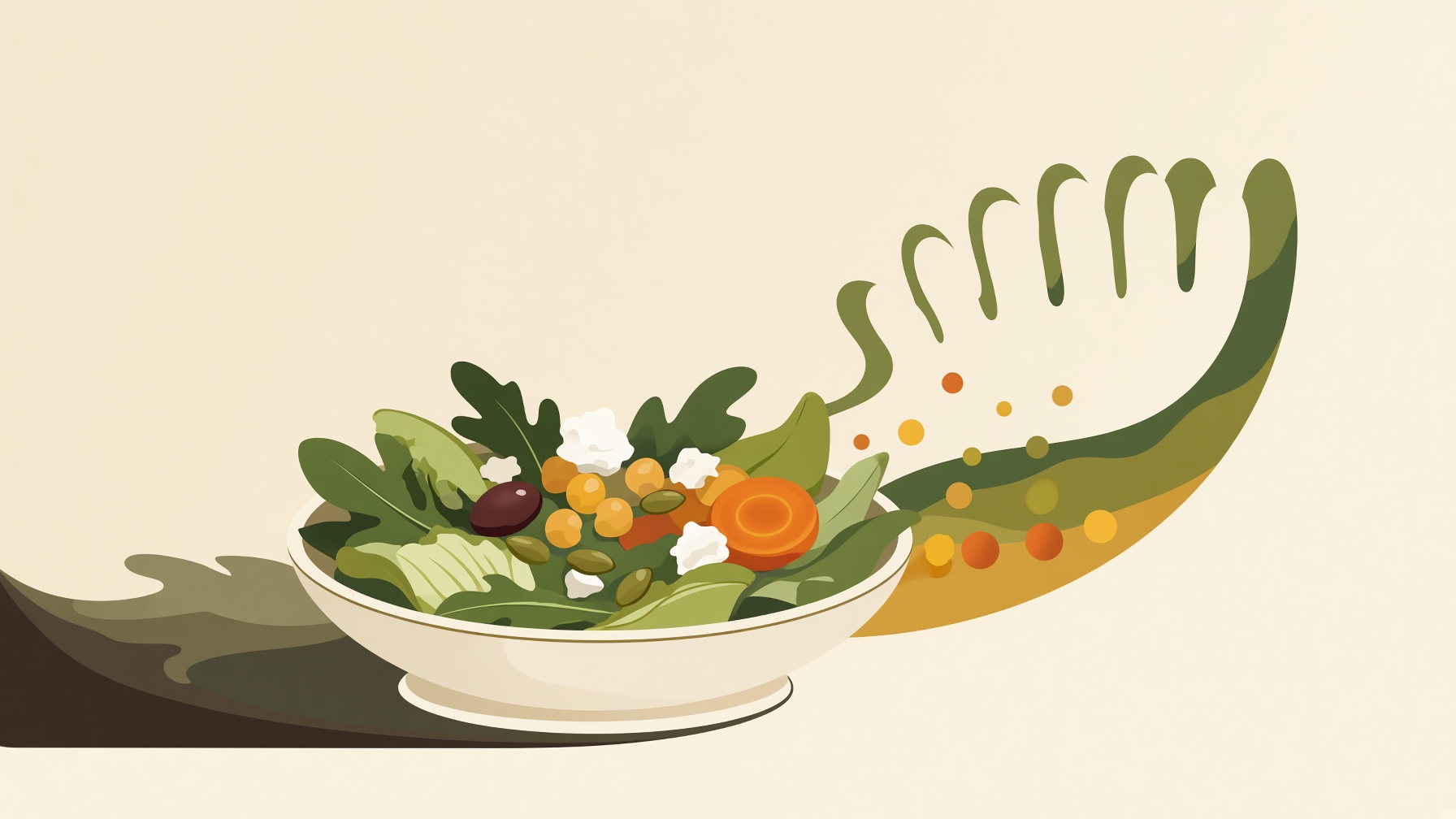
A salad topping can seem like a straightforward addition to the vegetables underneath. When asking what it contributes, we might count only what comes with the topping itself. But could an accompaniment also change what we take up from the vegetables already in the bowl?
In a small controlled trial, 16 healthy young men each ate comparable salads with and without scrambled whole eggs. The produce included tomato, carrot, spinach, lettuce and Chinese wolfberry, with a little canola oil in every meal. Each man tried the meal variations on separate occasions, in randomized order. The meal with about three eggs produced a higher post-meal blood response to some carotenoids, a group of compounds found in the salad.1
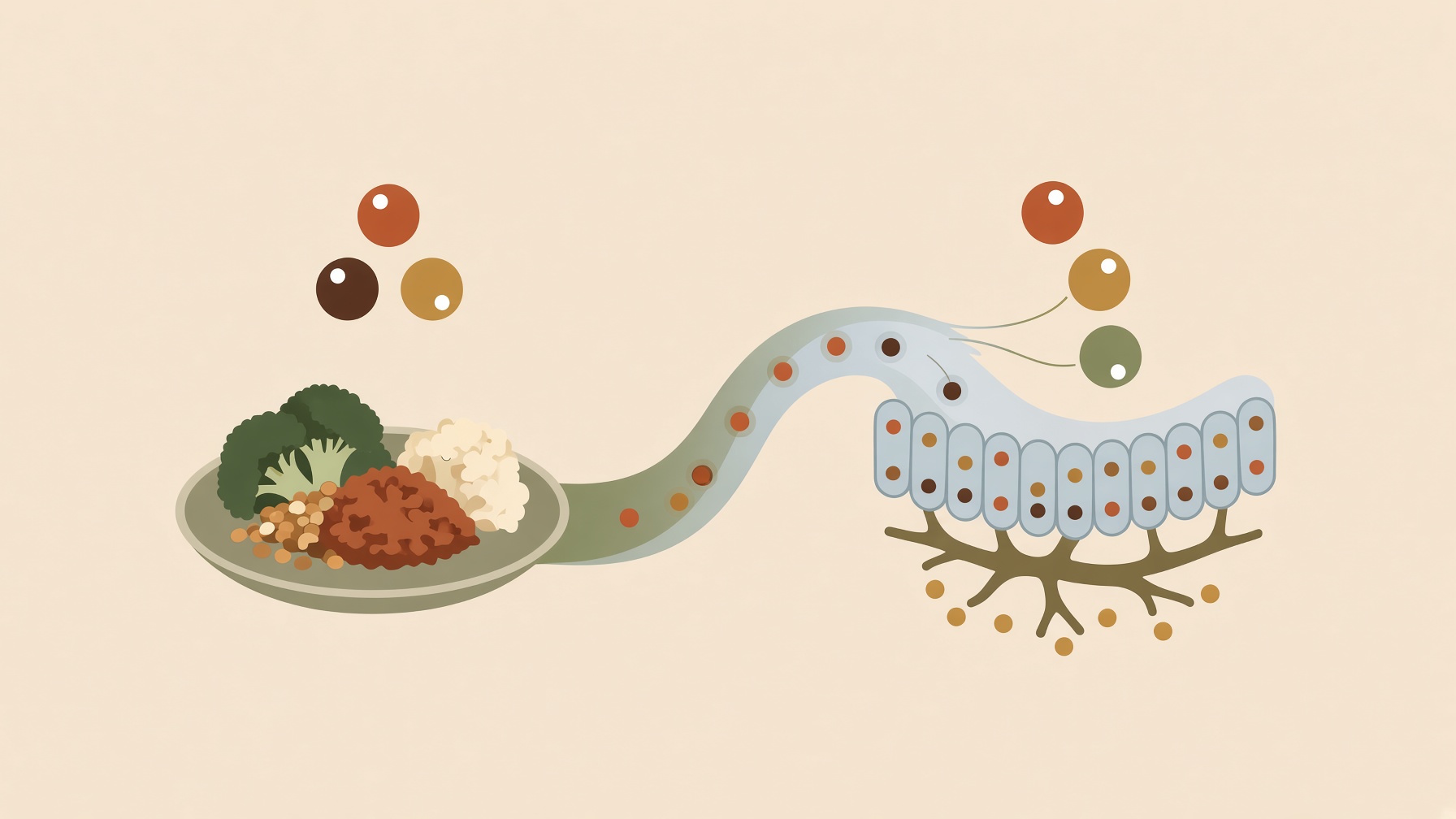
Eggs supplied some carotenoids themselves. A larger combined response could therefore reflect compounds from both the topping and the vegetables, leaving their separate contributions unclear. But the increase also included alpha-carotene, beta-carotene and lycopene, which the eggs did not contain. Those compounds came from the produce, so their higher response supports greater absorption from the vegetables themselves.1
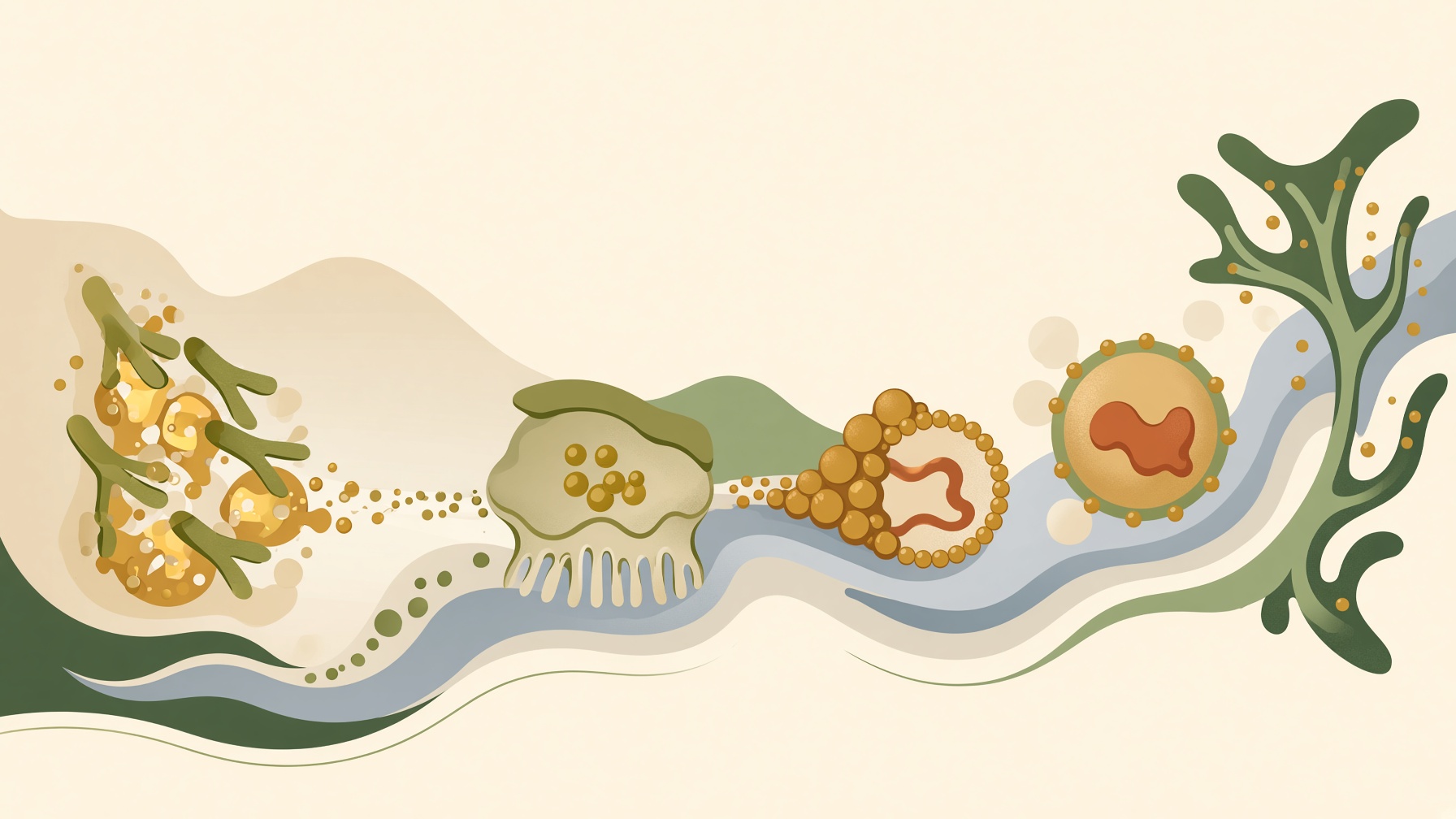
Researchers took blood samples over ten hours to follow how the carotenoid response changed after the meal. They analyzed a particular blood fraction, using it as an indicator of absorption rather than directly measuring the amount or percentage absorbed. The experiment tested the addition of whole eggs; it did not isolate egg fat alone as the cause.1
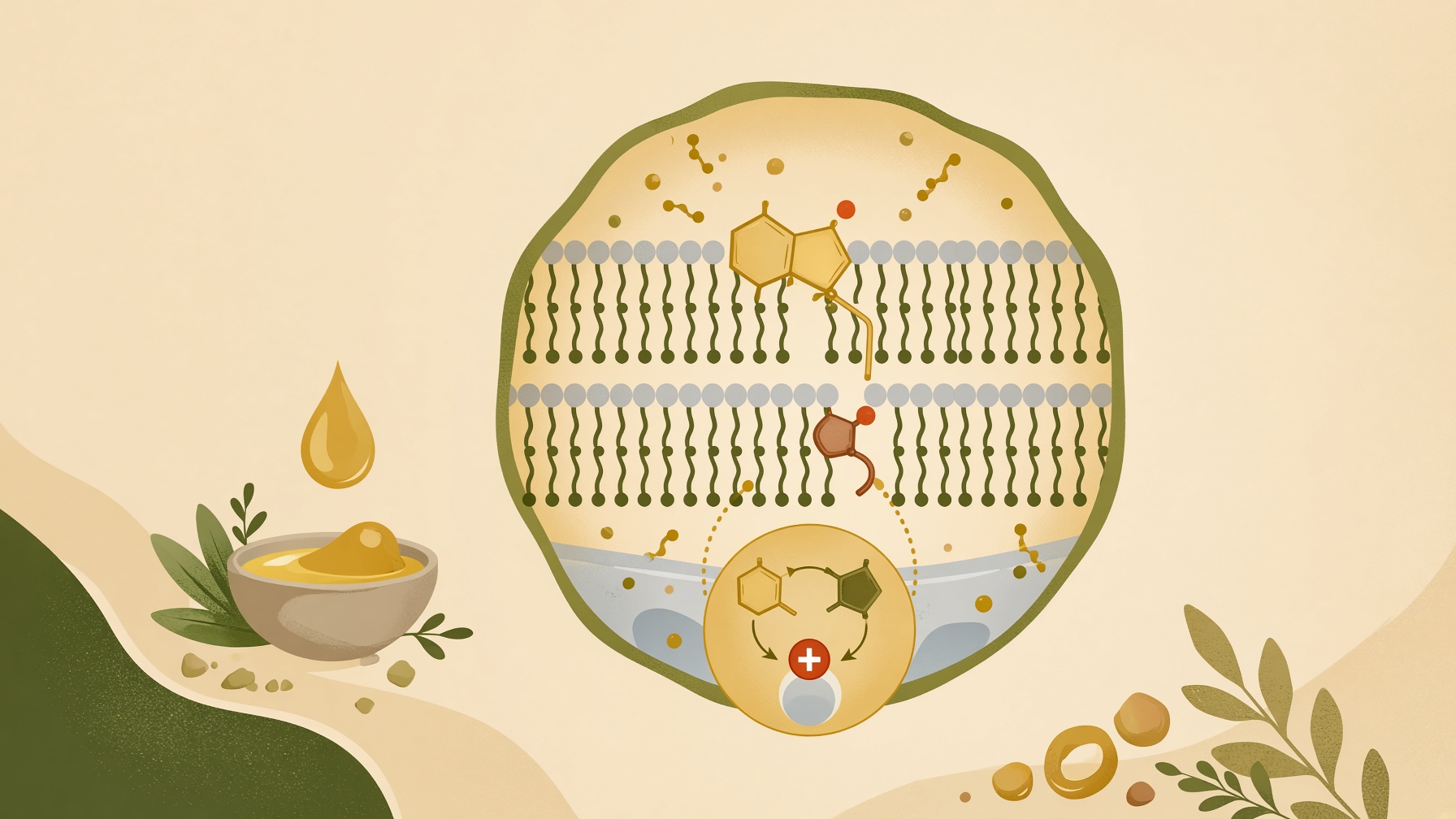
Eggs are not required for this kind of increase. In a separate trial of 12 healthy women, adding soybean oil to a salad increased the measured carotenoid response. The oil contained no detectable carotenoids of its own. Responses differed among the women and between compounds, and the two studies did not compare eggs directly with oil.2
The three-egg serving was an experimental condition, not an everyday target. Neither trial identified an ideal topping or portion, and their short-term blood measurements do not establish a proportional long-term health benefit.1,2
When you think about a salad topping, it helps to include the vegetables you’re eating it with. The meal is the combination of those choices, not just a list of separate ingredients. That gives you a useful way to think about lunch without needing to find one perfect topping or a serving size that every salad should have.
Join the discussion
No account or email is required. Your display name and comment will be public.