
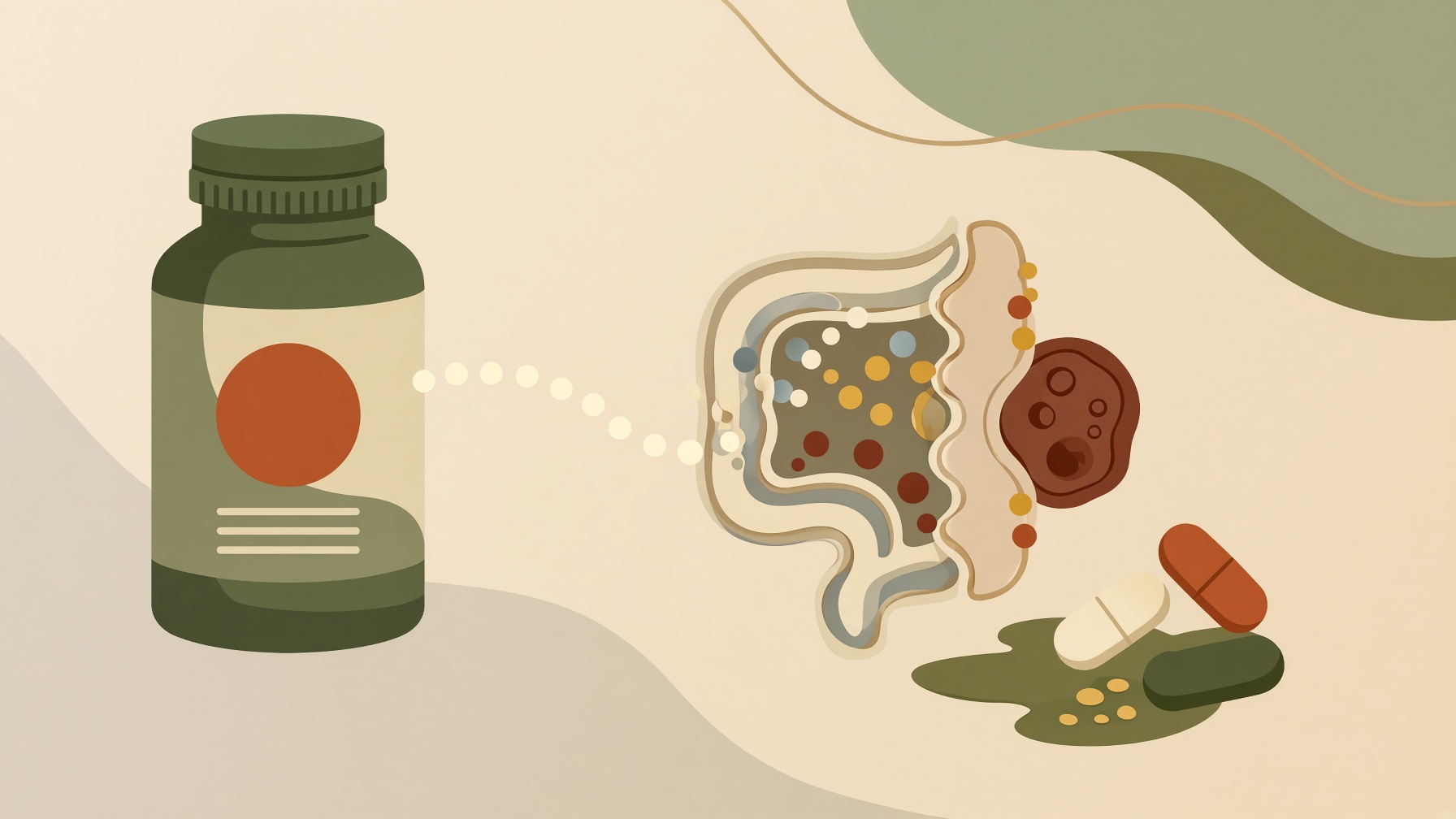
Taking a Daily B12 Tablet Is Easy. Routine or Real Need?
Daily vitamin B12 can address low intake or deficiency, but the reason for deficiency determines treatment and extra B12 offers no assured added benefit.
Categories
Human nutrition and metabolism looks at how food nourishes the body and what happens after we eat. Nutrition focuses on the relationship between food, nutrients, and health. Metabolism is the set of processes the body uses to process, store, and use nutrients and manage energy under different conditions.
The body needs energy and nutrients to function and repair itself. How nutrients are supplied, processed, and used plays an important role in health. Nutrition is one part of a wider picture that includes genetics, environment, life stage, physical activity, sleep, and other aspects of lifestyle.
This category covers how carbohydrates, fats, and proteins are digested, absorbed, stored, and used; how vitamins and minerals support normal body functions; and how the body manages energy in different states. It also includes fiber, hydration, dietary patterns, nutrient requirements, food safety, body composition, and eating habits such as what people eat, how much they eat, and how often.
Here, we look at what nutrients do in the body, how food relates to energy and metabolism, and how dietary patterns and eating habits fit into overall health. We also unpack common nutrition concepts so they are easier to understand and judge. The goal is to support more informed food and lifestyle choices, with less reliance on nutrition misinformation, pseudoscience, and unsupported claims.
Our approach emphasizes evidence, practicality, flexibility, and respect for different cultural contexts. We aim to translate nutrition science into useful everyday understanding. That means explaining how nutrition works, where individual differences matter, and how to think more critically about nutrition information and trends.
From this collection
Daily vitamin B12 can address low intake or deficiency, but the reason for deficiency determines treatment and extra B12 offers no assured added benefit.
Meal size does not reveal calorie intake, because energy density and the wider pattern of eating affect energy balance beyond the visible plate.
Dietary patterns show more consistent links to favorable inflammatory markers than individual foods, without proving that a diet can switch inflammation off.
Coffee has observational links to less liver fibrosis, but evidence does not establish coffee as a treatment or show that weight loss explains the link.
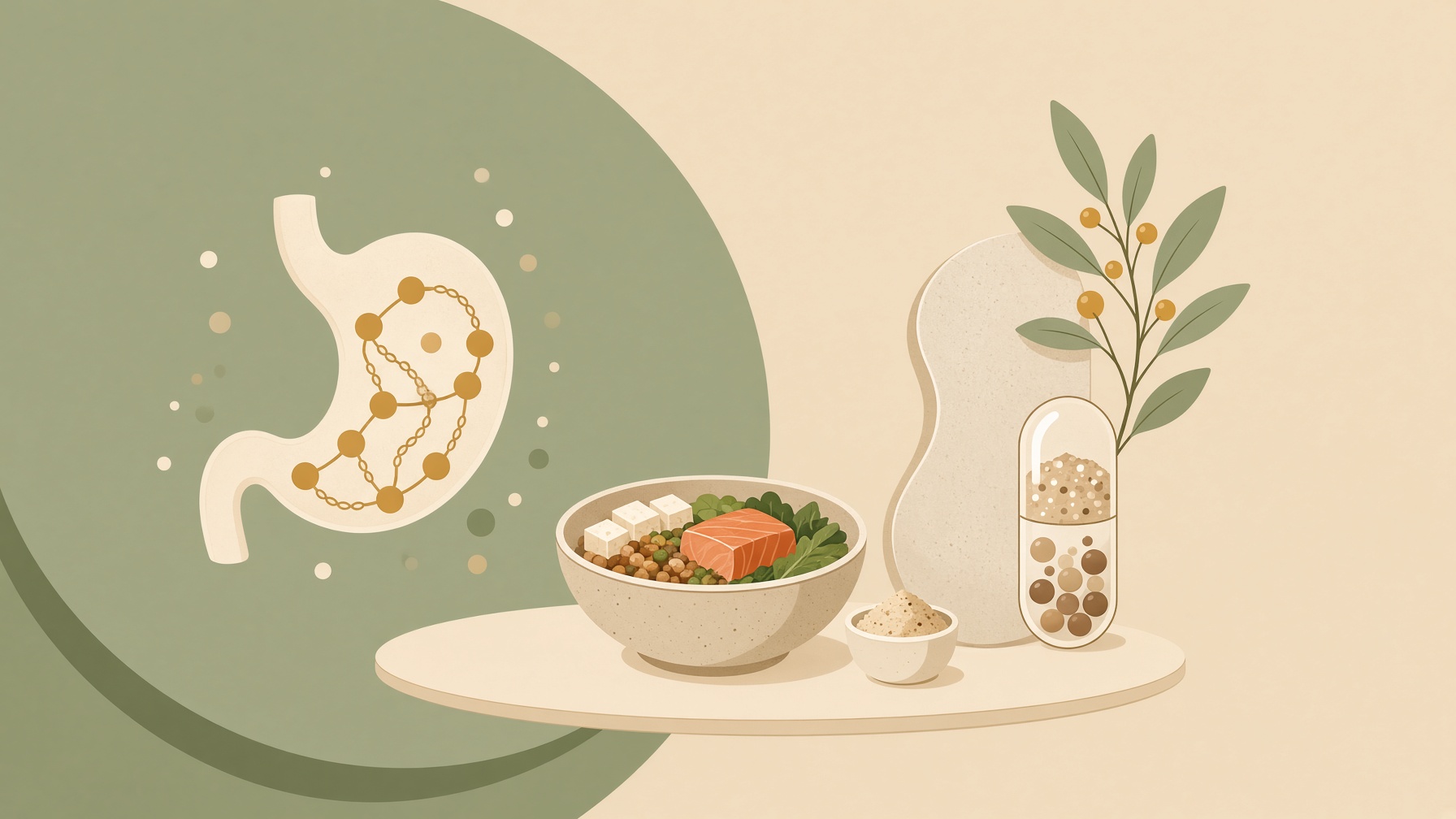
Older adults with a smaller appetite can use protein-dense familiar foods to support intake, with extra nutrition support when food alone falls short.
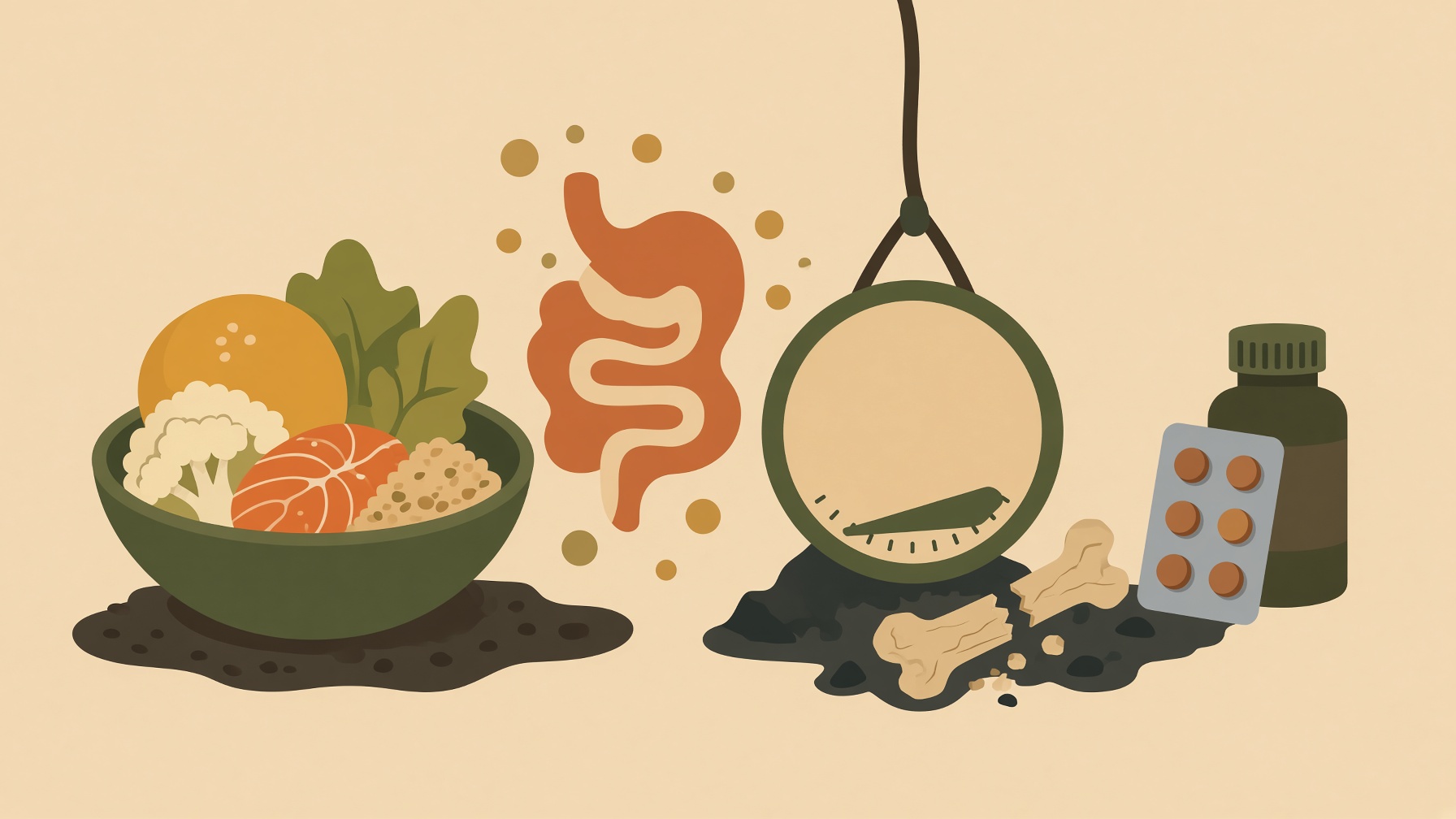
A 500-calorie diet needs defined nutrition and clinical supervision, since a low calorie total alone does not describe a safe weight-loss intervention.
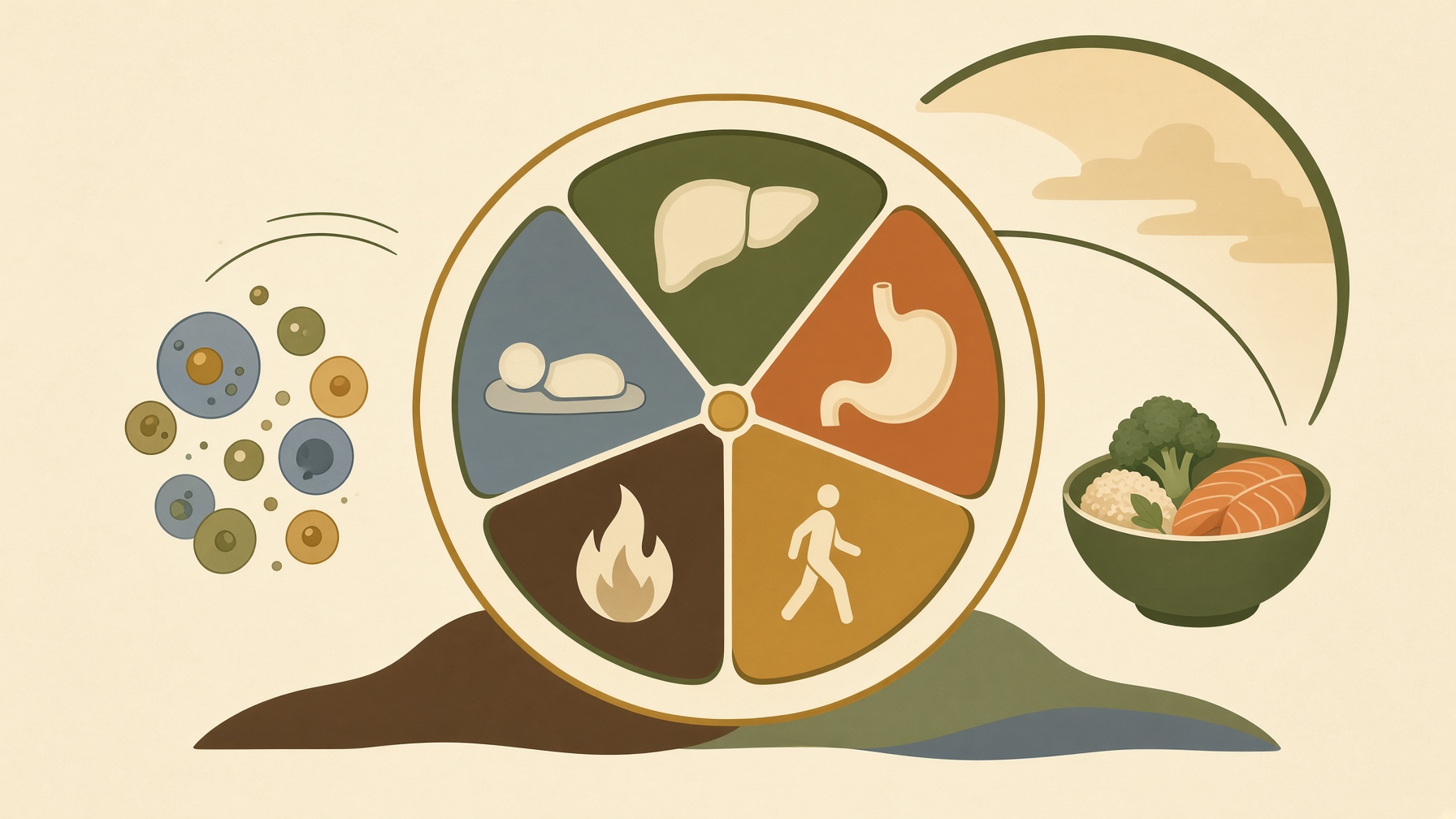
Daily energy expenditure includes more than exercise, and compensation can offset part of the increase expected when workouts are added over time.
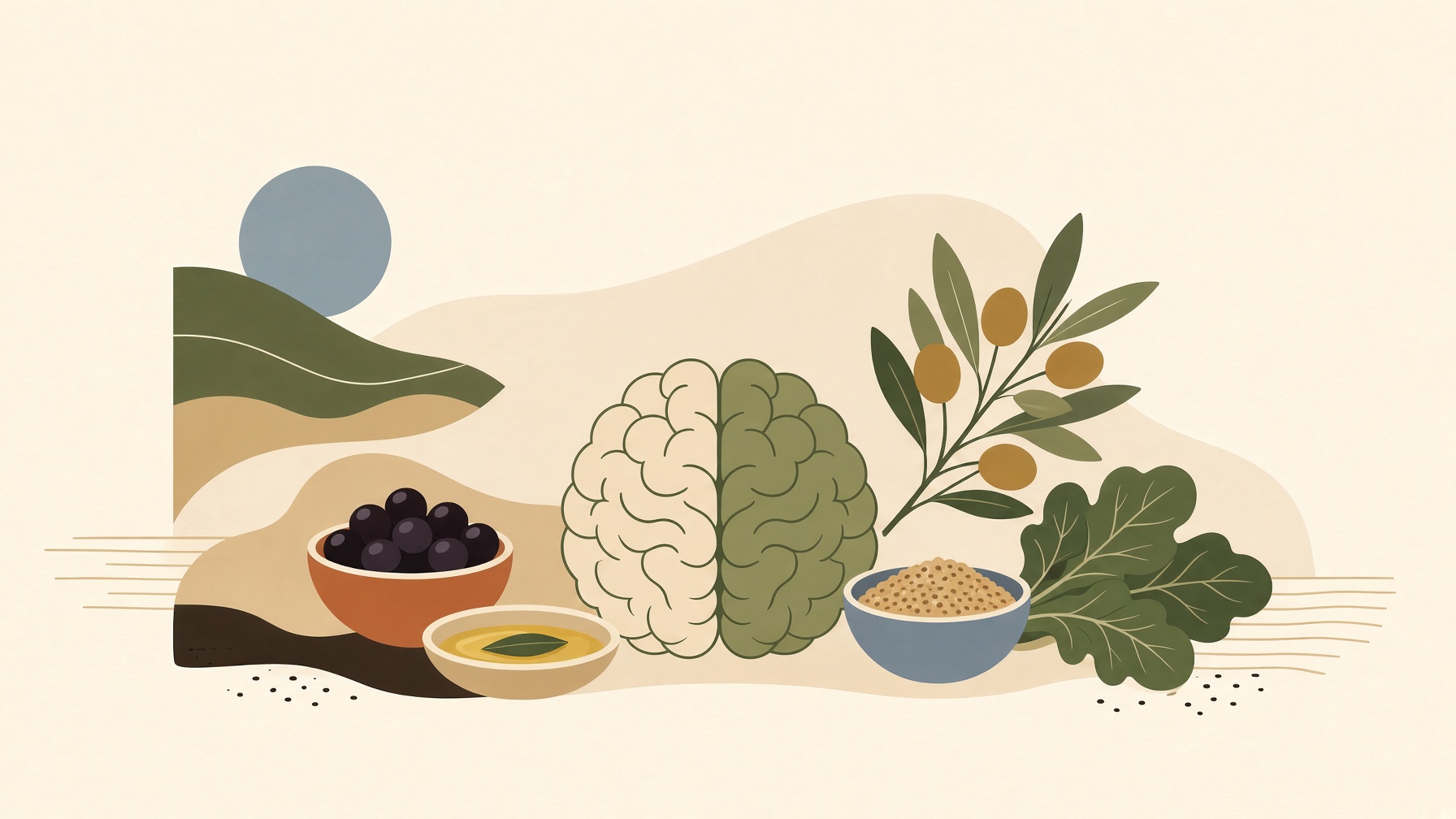
Brain-healthy dietary patterns show promising observational links, but trials do not establish one superior diet or a single food that protects cognition.

Meal order can reduce the immediate glucose response when carbohydrate comes later, but evidence for lasting improvements in diabetes control is weaker.
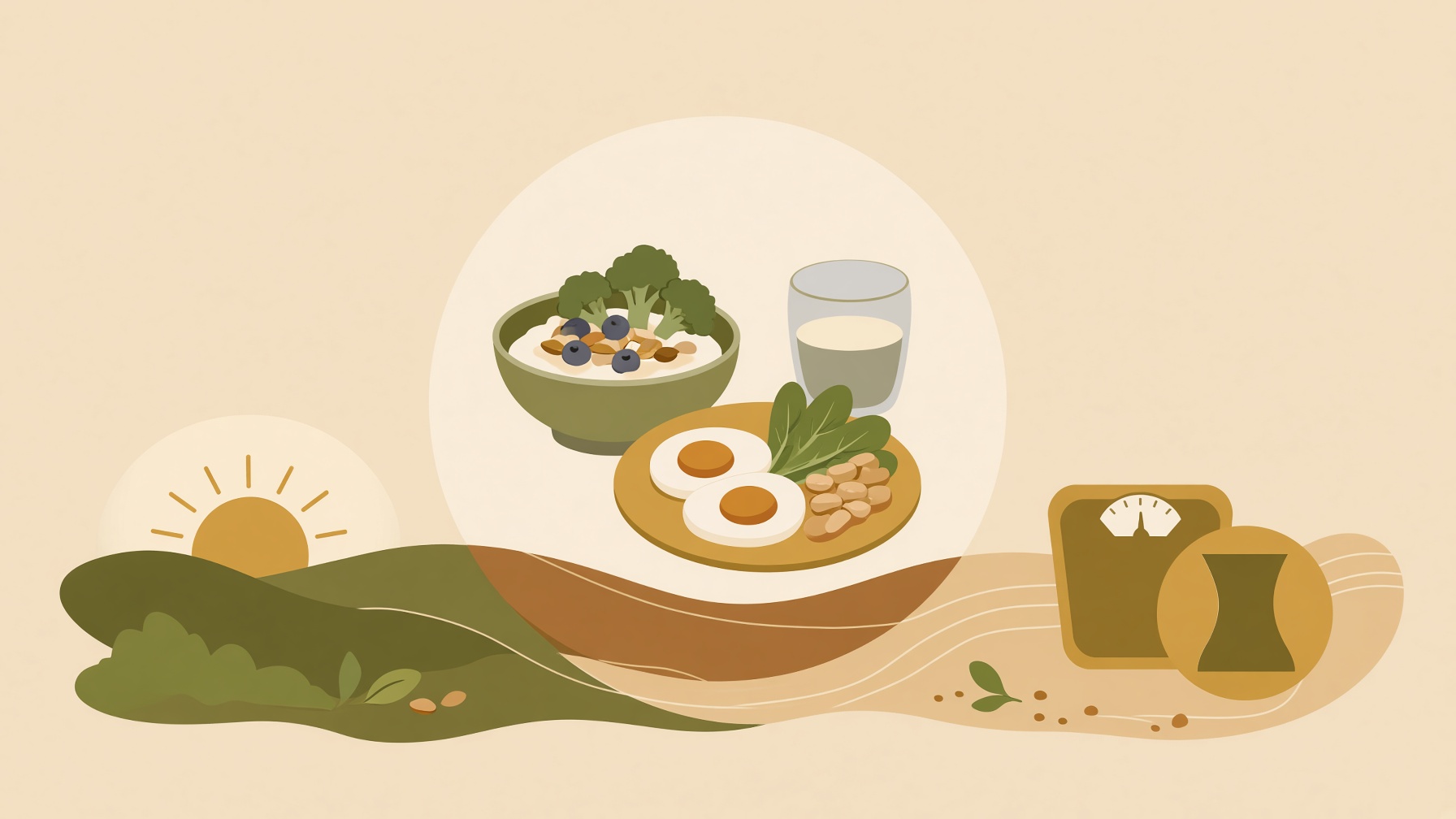
Breakfast studies do not identify one best meal for weight loss, and greater fullness or a larger scale change does not necessarily mean greater fat loss.
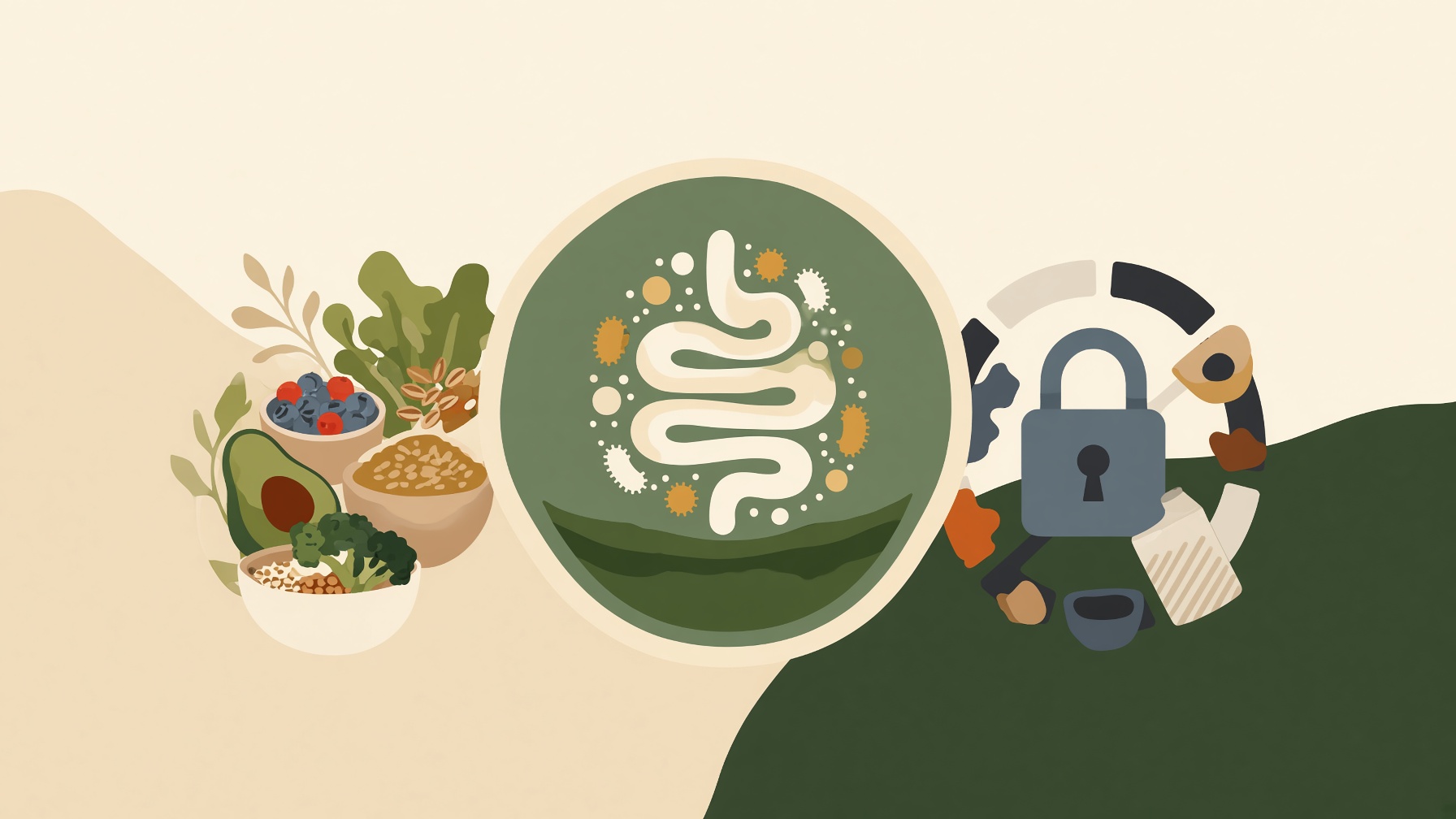
Clean eating has no standard scientific definition, so the label cannot show whether a diet provides adequate nutrition or creates restrictive rules.

Coffee timing depends on the desired outcome, with sleep effects shaped by caffeine dose and timing rather than a universal clock-time rule.