
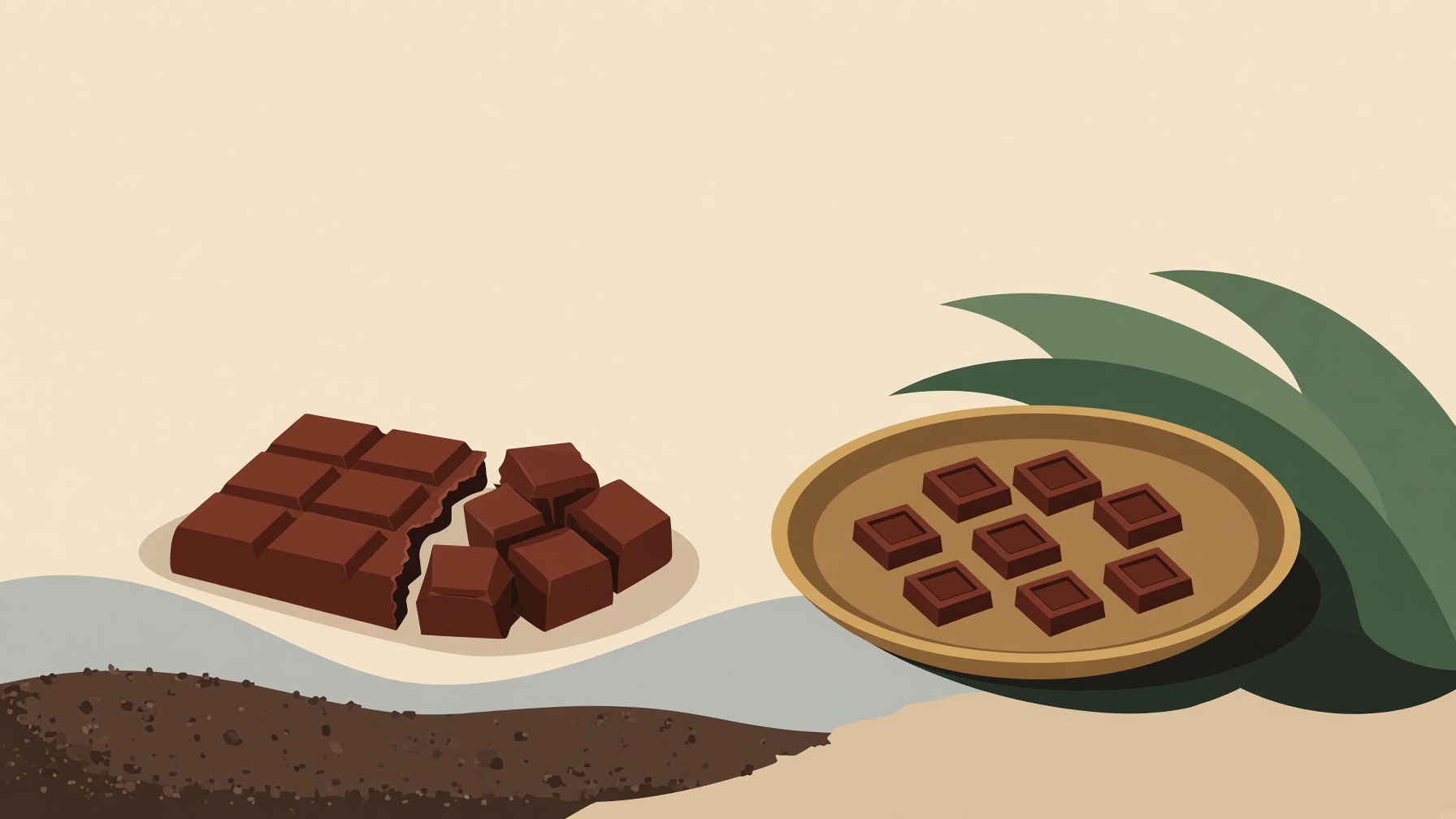
Would You Eat Less Chocolate If It Came in Smaller Pieces?
Students ate less on average when offered smaller chocolate bars in one taste test, but it did not test the same chocolate cut into smaller pieces.
Categories
Human nutrition and metabolism looks at how food nourishes the body and what happens after we eat. Nutrition focuses on the relationship between food, nutrients, and health. Metabolism is the set of processes the body uses to process, store, and use nutrients and manage energy under different conditions.
The body needs energy and nutrients to function and repair itself. How nutrients are supplied, processed, and used plays an important role in health. Nutrition is one part of a wider picture that includes genetics, environment, life stage, physical activity, sleep, and other aspects of lifestyle.
This category covers how carbohydrates, fats, and proteins are digested, absorbed, stored, and used; how vitamins and minerals support normal body functions; and how the body manages energy in different states. It also includes fiber, hydration, dietary patterns, nutrient requirements, food safety, body composition, and eating habits such as what people eat, how much they eat, and how often.
Here, we look at what nutrients do in the body, how food relates to energy and metabolism, and how dietary patterns and eating habits fit into overall health. We also unpack common nutrition concepts so they are easier to understand and judge. The goal is to support more informed food and lifestyle choices, with less reliance on nutrition misinformation, pseudoscience, and unsupported claims.
Our approach emphasizes evidence, practicality, flexibility, and respect for different cultural contexts. We aim to translate nutrition science into useful everyday understanding. That means explaining how nutrition works, where individual differences matter, and how to think more critically about nutrition information and trends.
From this collection
Students ate less on average when offered smaller chocolate bars in one taste test, but it did not test the same chocolate cut into smaller pieces.
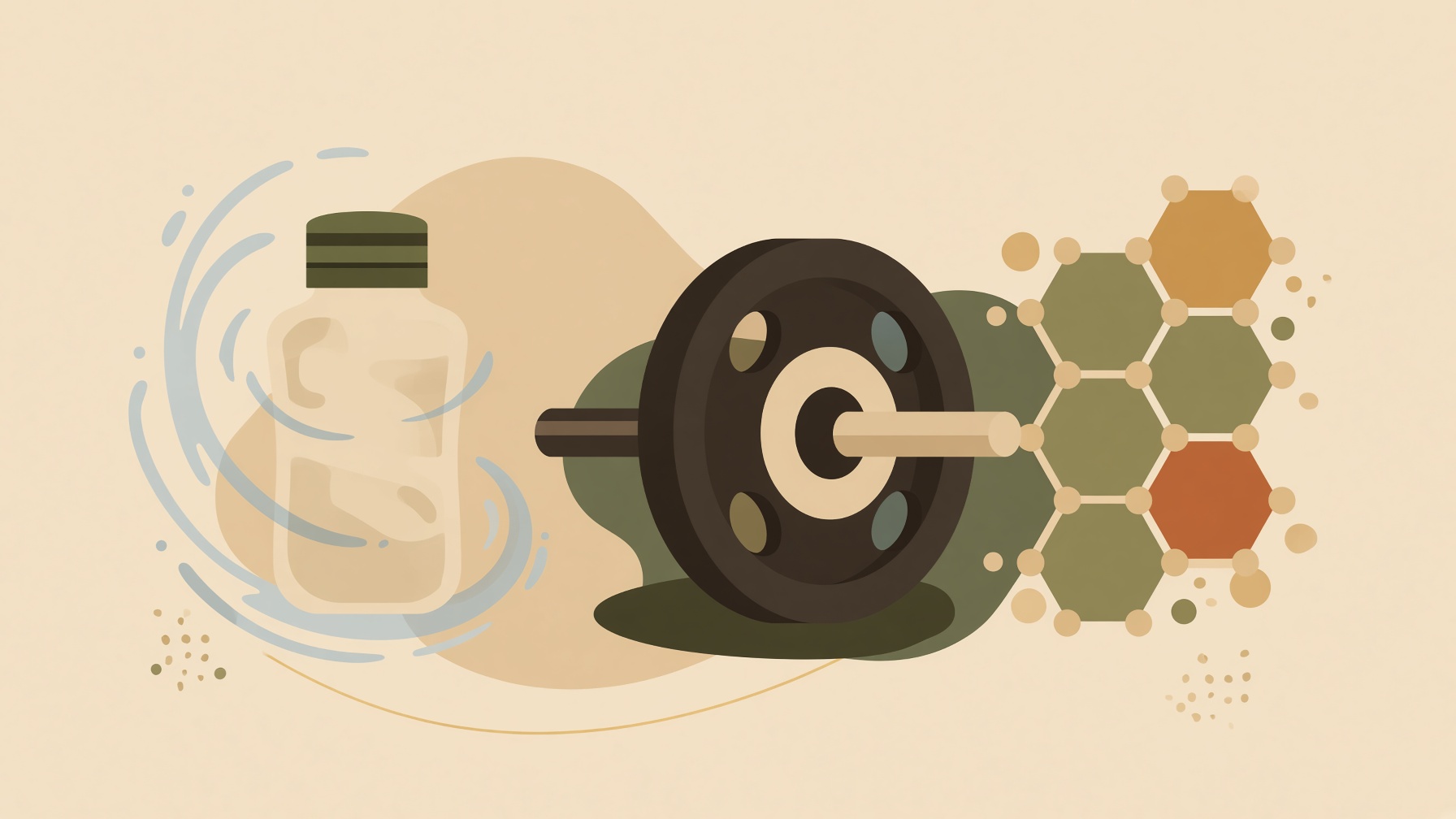
A carbohydrate mouth rinse may influence lifting performance, but the evidence does not establish whether oral sensing explains the change.
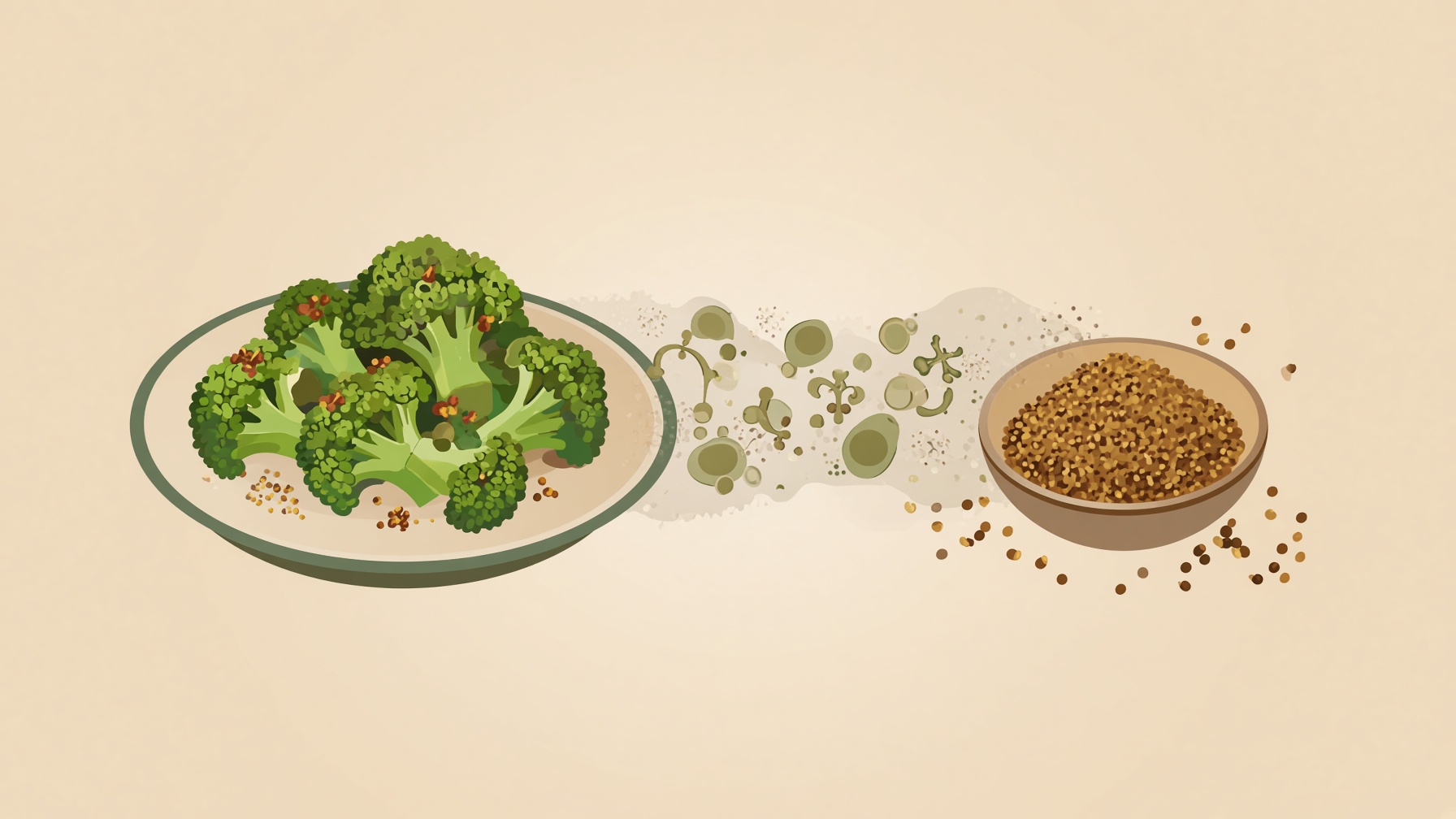
Ground brown mustard seed increased a sulforaphane-related urinary marker after cooked broccoli in a small trial, without proving a health benefit.
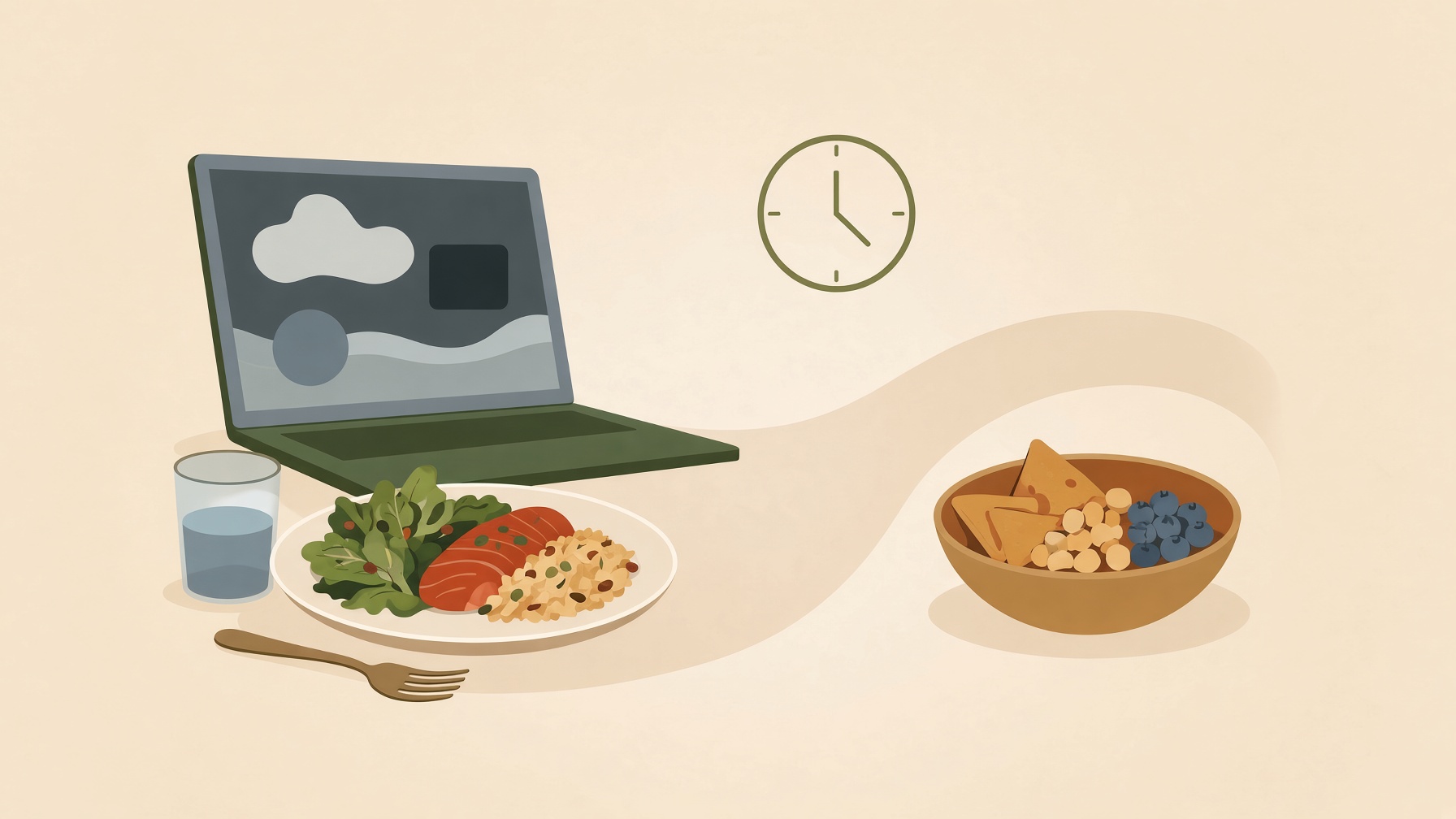
Distraction during a fixed meal can increase food intake at a later eating occasion in laboratory tests, but the size of the effect remains uncertain.
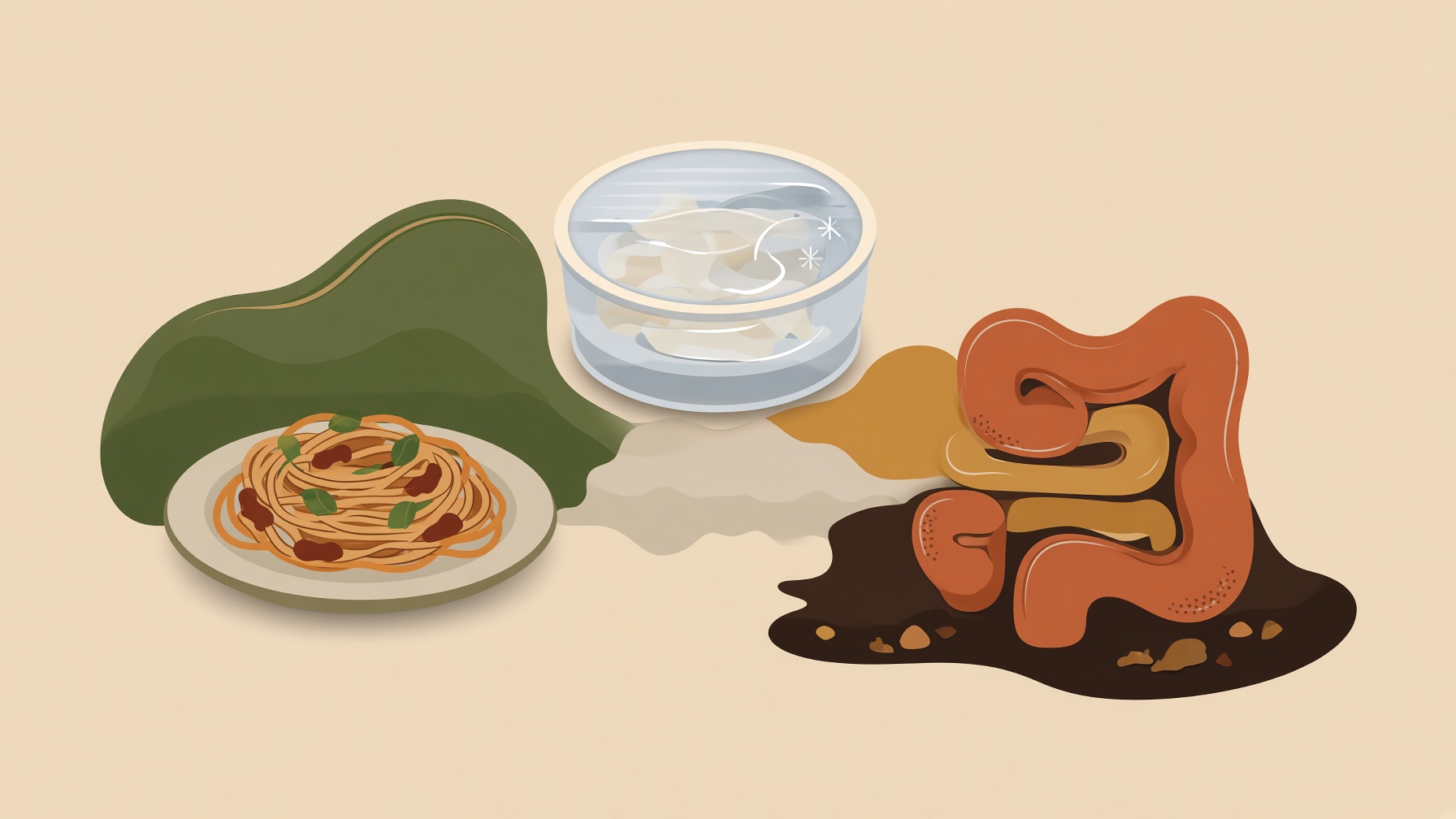
Cooling and reheating pasta can change the blood-glucose response to a meal, but small trials do not establish a reliable reduction.
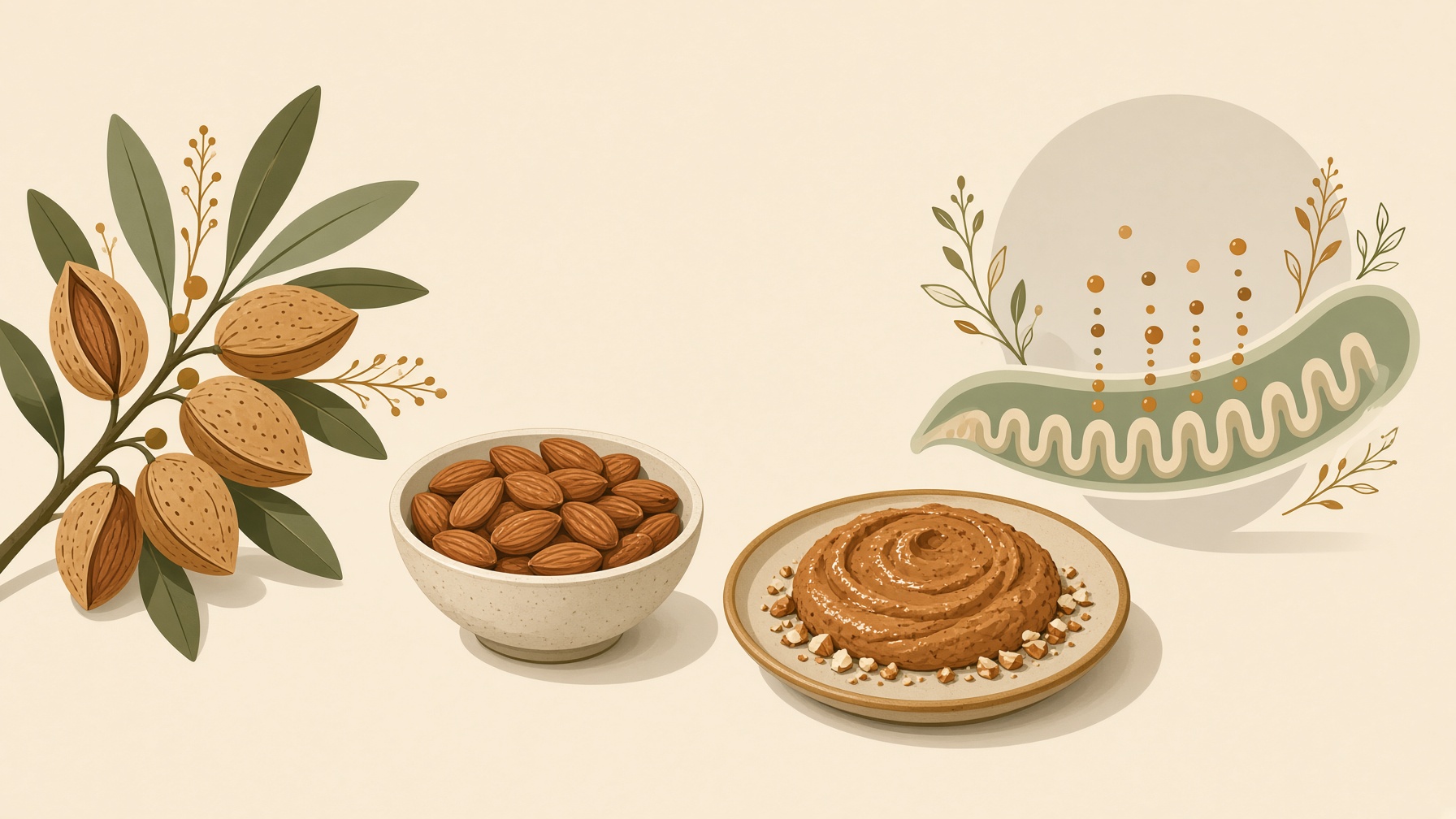
Whole almonds yielded less metabolizable energy than pure almond butter in a small feeding trial, with access to fat a plausible explanation.
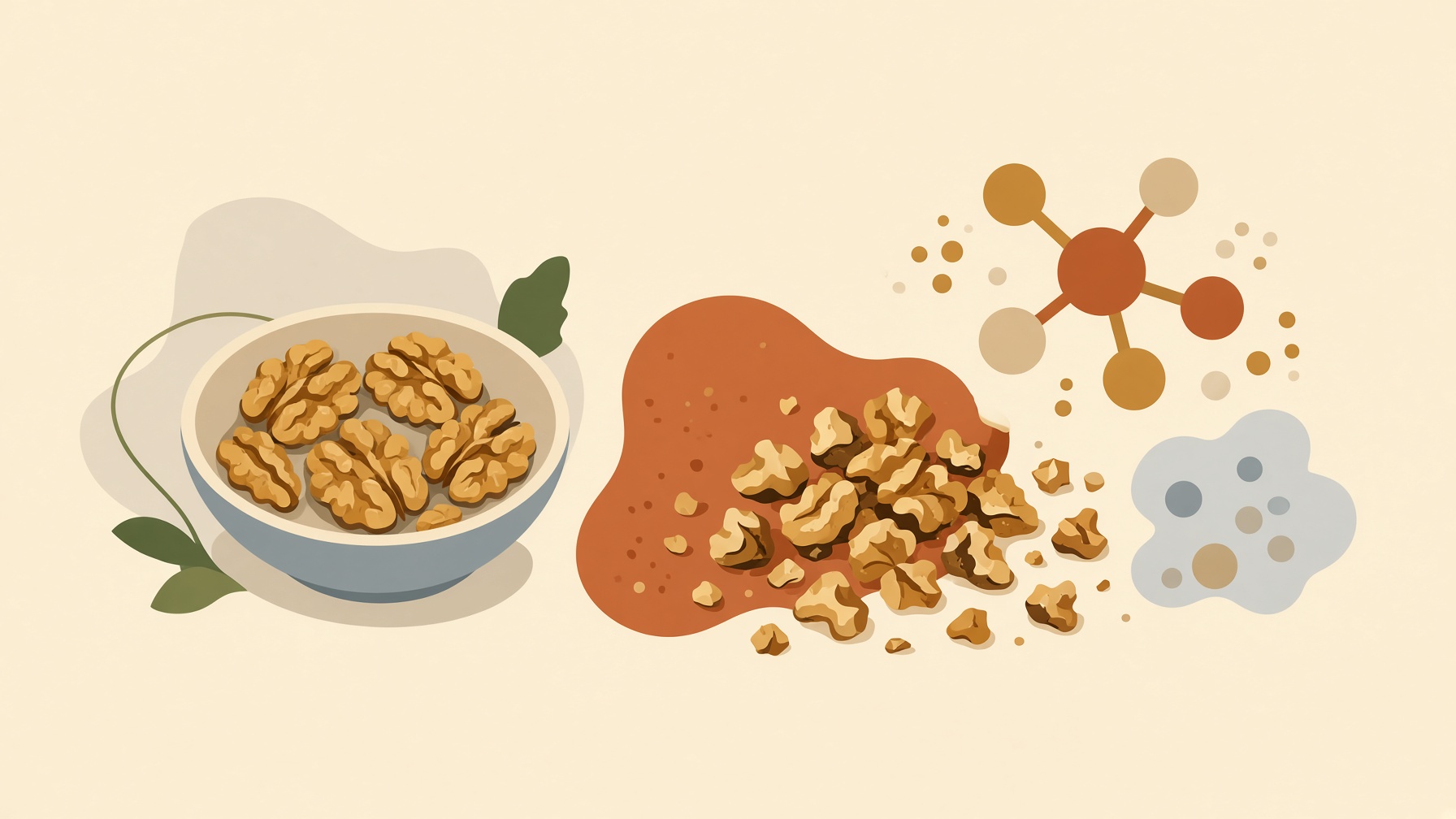
Chopped walnuts had higher oxidation-marker readings late in one storage study, but the results do not show when walnuts taste rancid or become unsafe.

Salad toppings can increase absorption of carotenoids already in the vegetables, beyond the compounds the toppings contribute themselves.

Neighborhood walkability is associated with opportunities for everyday physical activity, but its relationship to body weight is not straightforward.
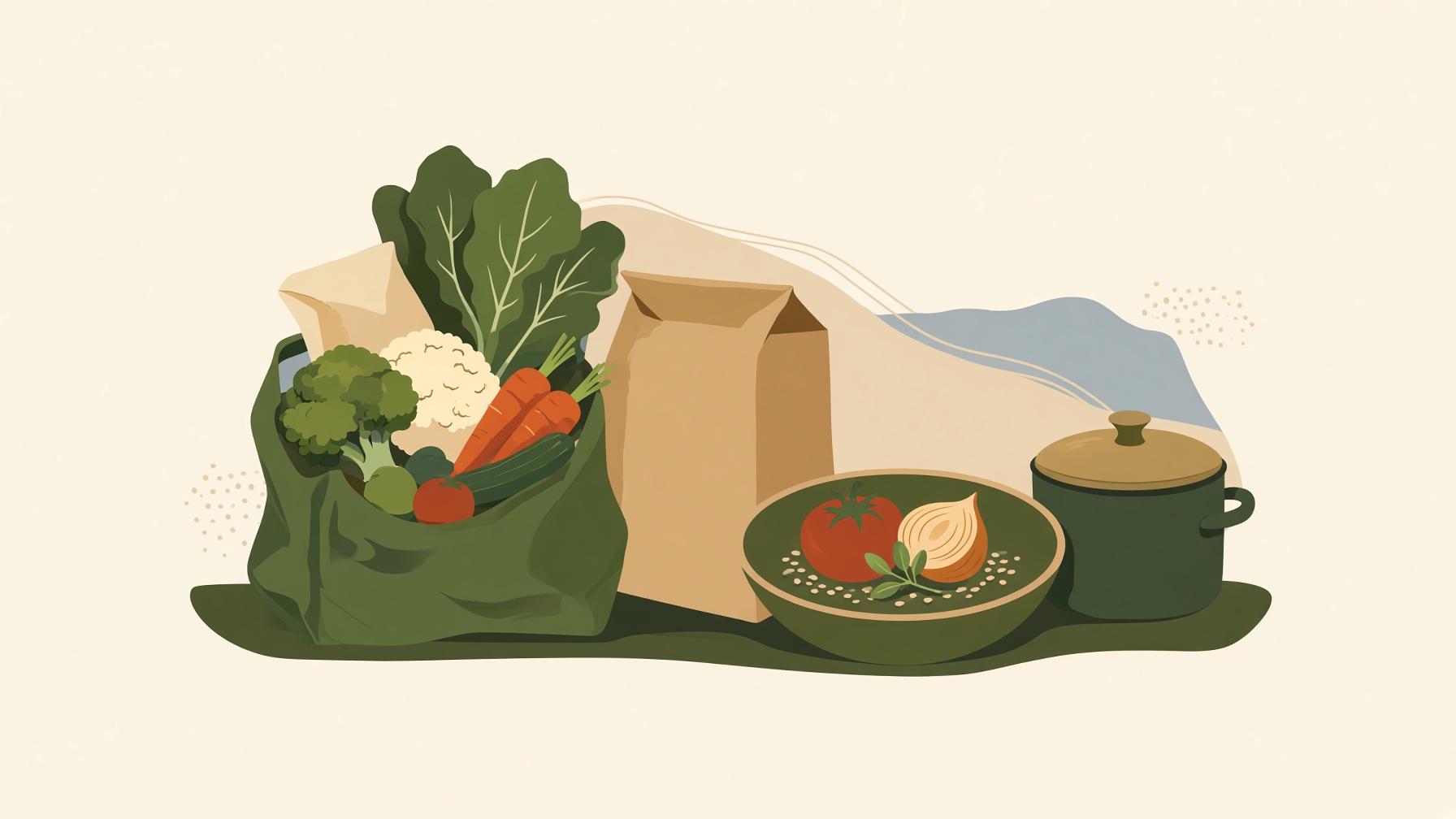
Healthy eating advice is harder to follow when nutritious food is unaffordable or inaccessible, even when people understand what a balanced diet looks like.
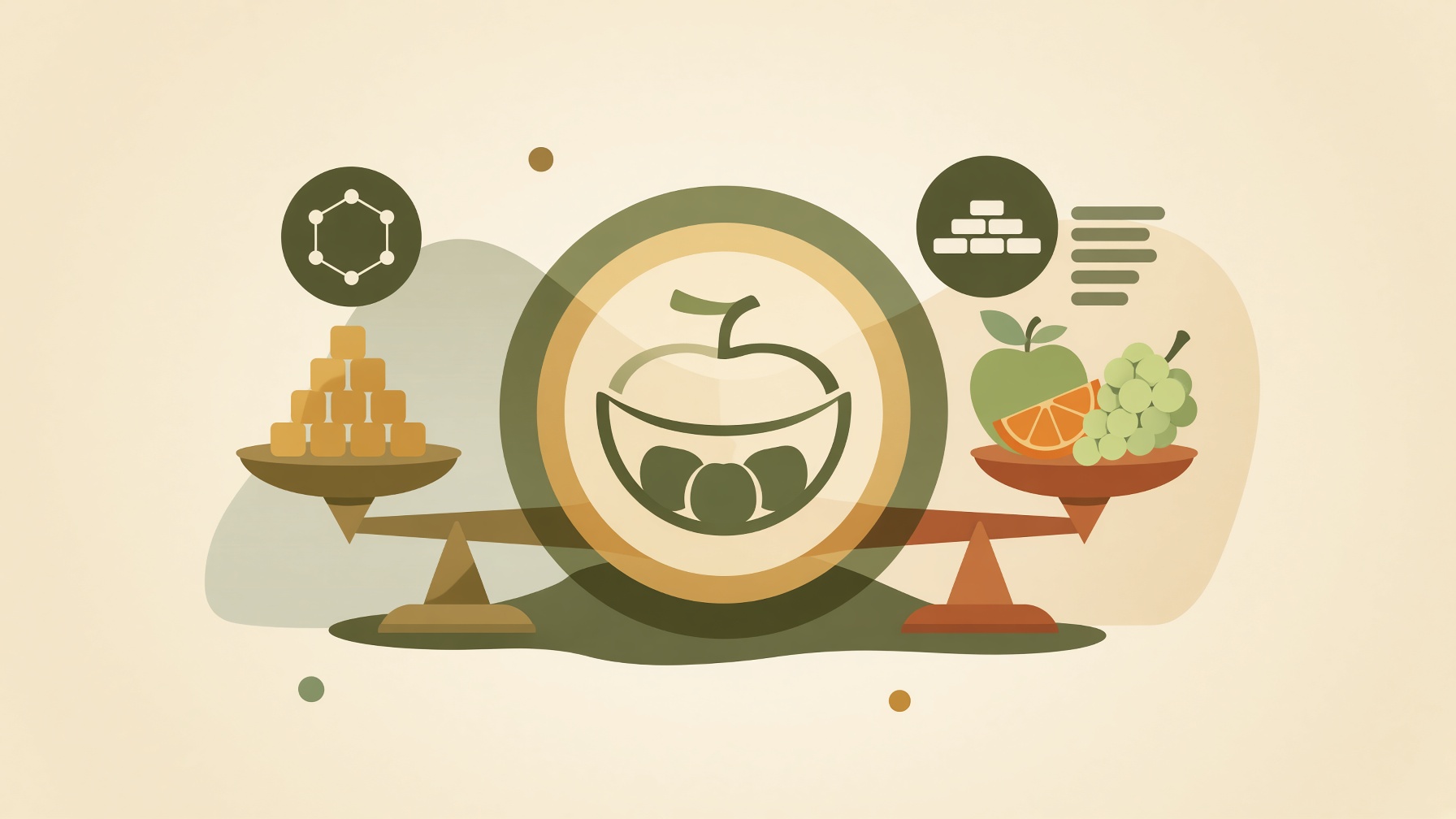
Fruit sugar, total carbohydrate and portion size measure different things, so a lower-sugar ranking does not establish a lower-carbohydrate portion.
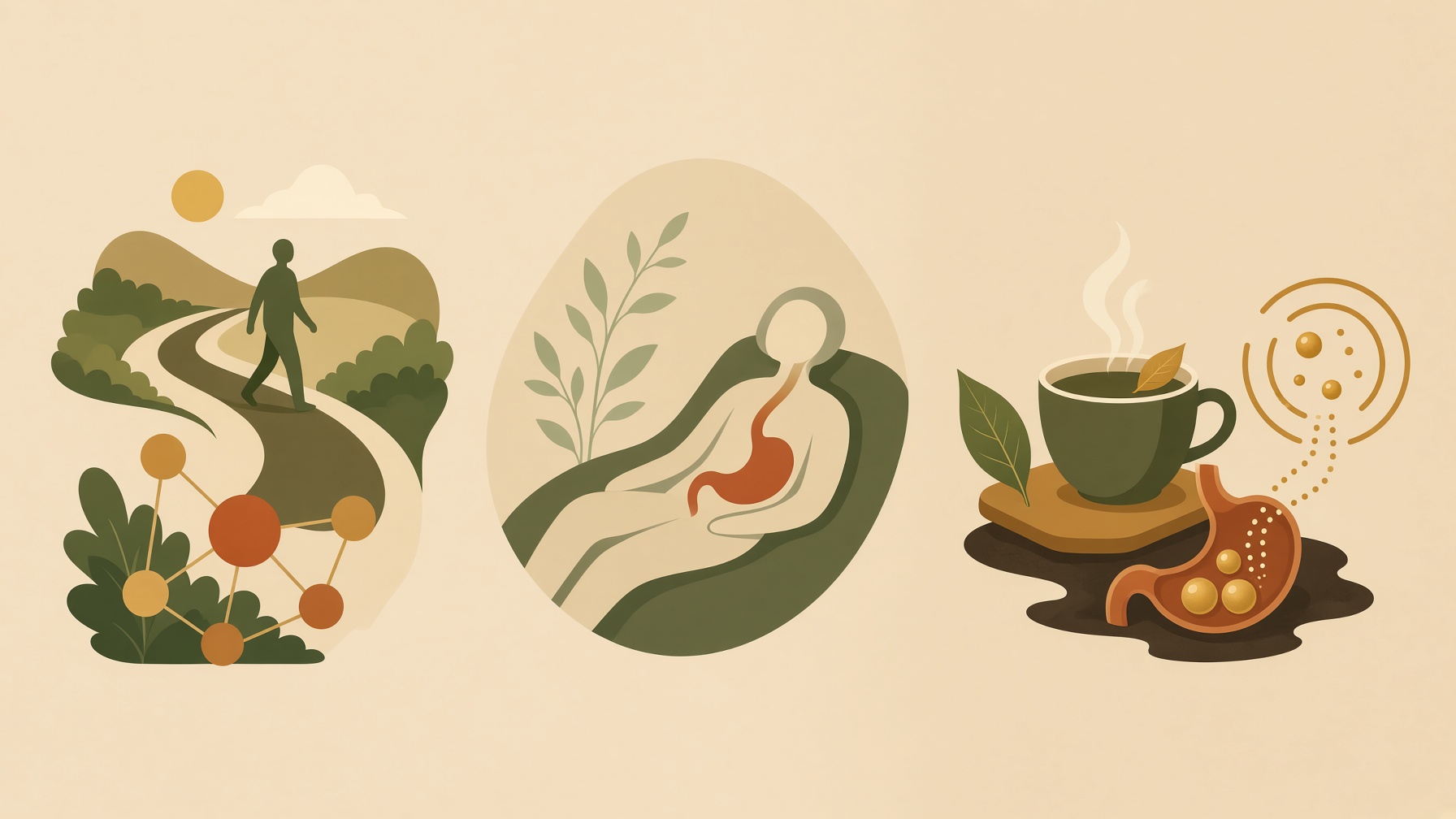
Post-meal walking, tea and lying down affect different outcomes, so evidence about glucose, iron absorption or reflux cannot support one universal rule.