

Why Training Plans Change over Time
Periodization organizes training demands across time, allowing a program’s emphasis to change as preparation and recovery needs evolve.
219 articles in this view
Current selection
219 results
Periodization organizes training demands across time, allowing a program’s emphasis to change as preparation and recovery needs evolve.

Sports drinks can support fueling during prolonged exercise, but their value over water depends on the workout’s demands and fluid losses.
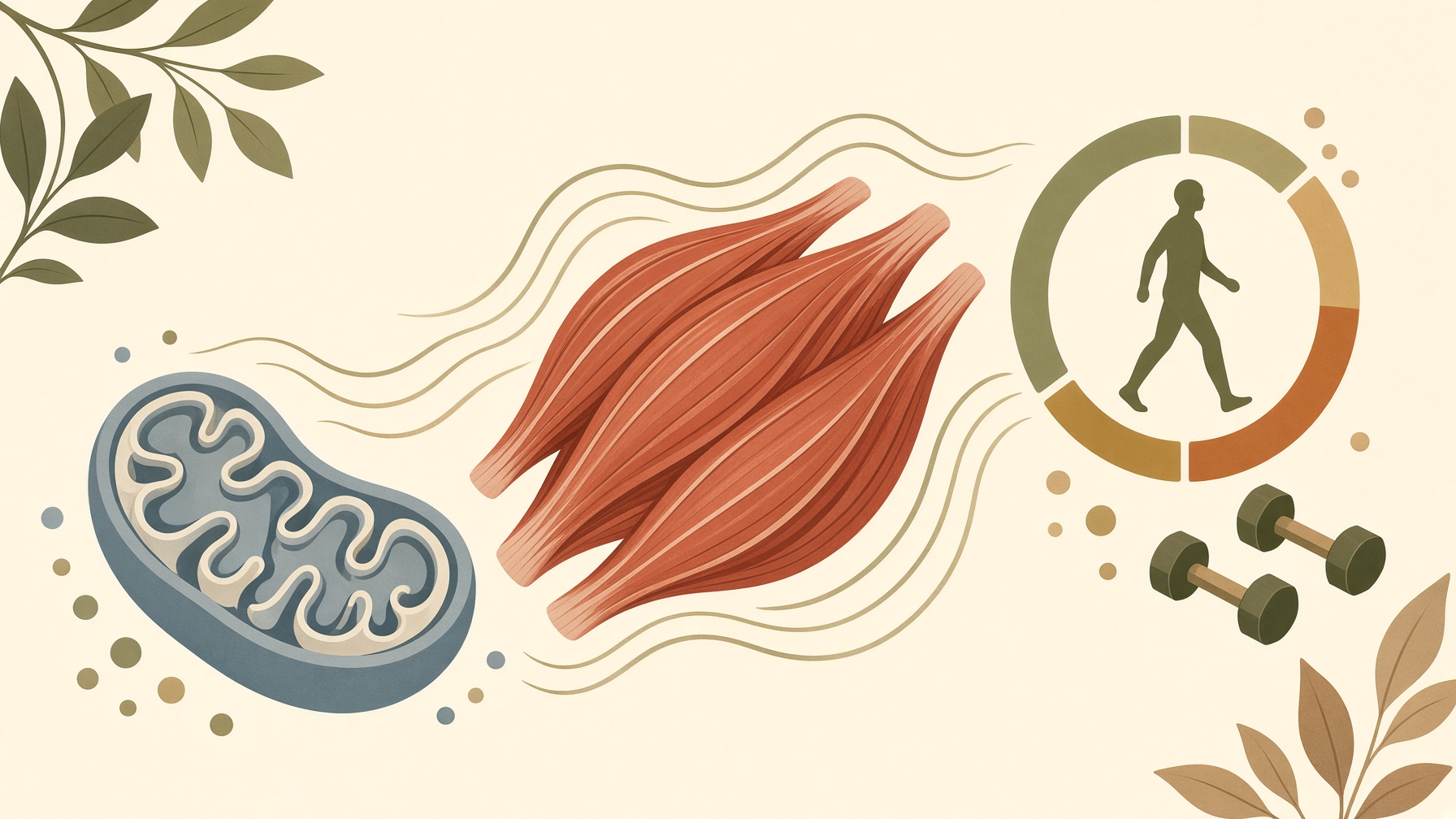
Muscle loss can contribute to a lower resting metabolic rate with age, but changes in muscle mass alone do not explain the full decline.

Resistance-training technique depends on the movement and the person, so a useful form cue in one exercise may be unsuitable in another.
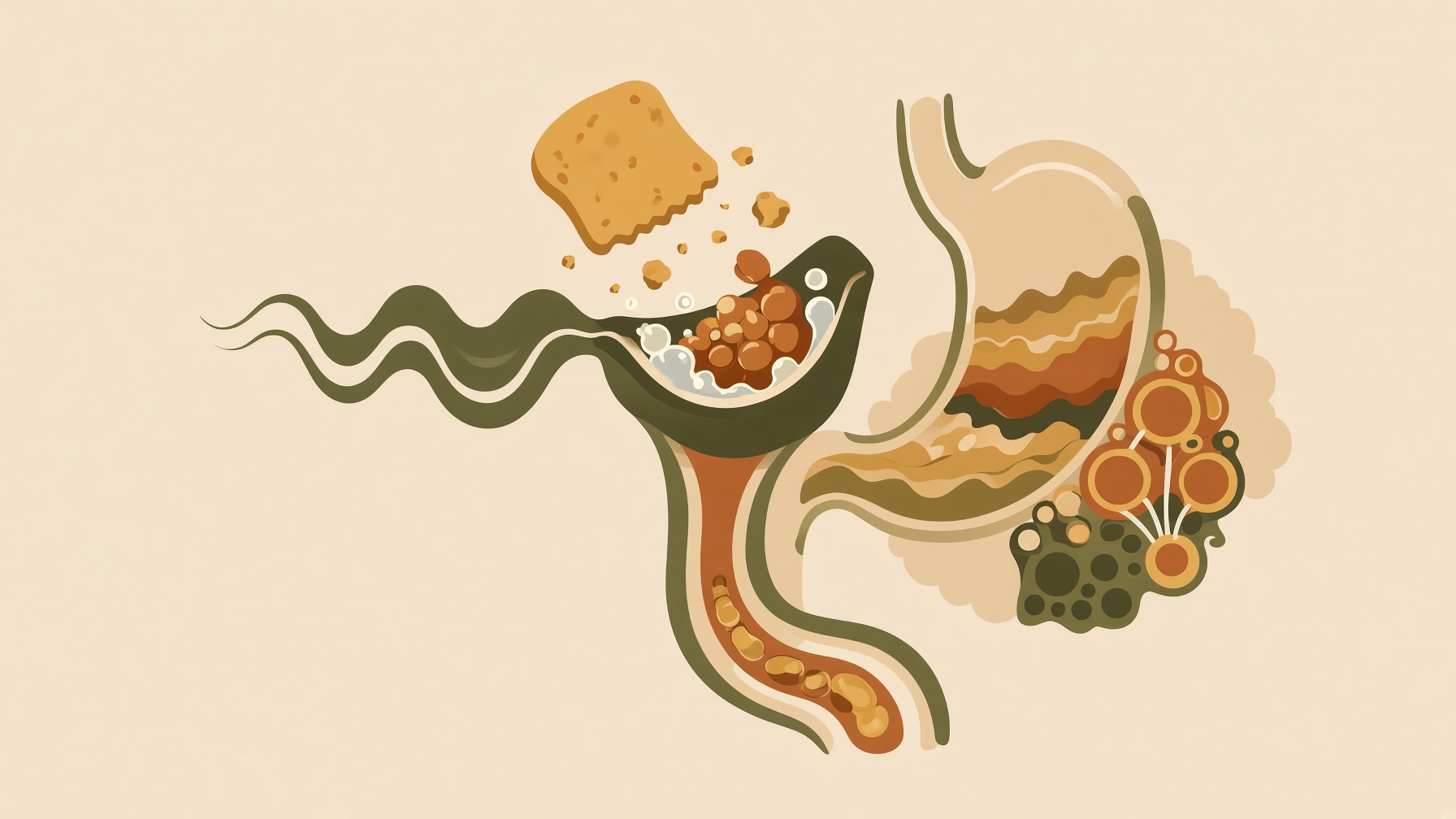
The small intestine mixes and moves chyme as enzymes break down food, bringing nutrients close to the surface where absorption occurs.
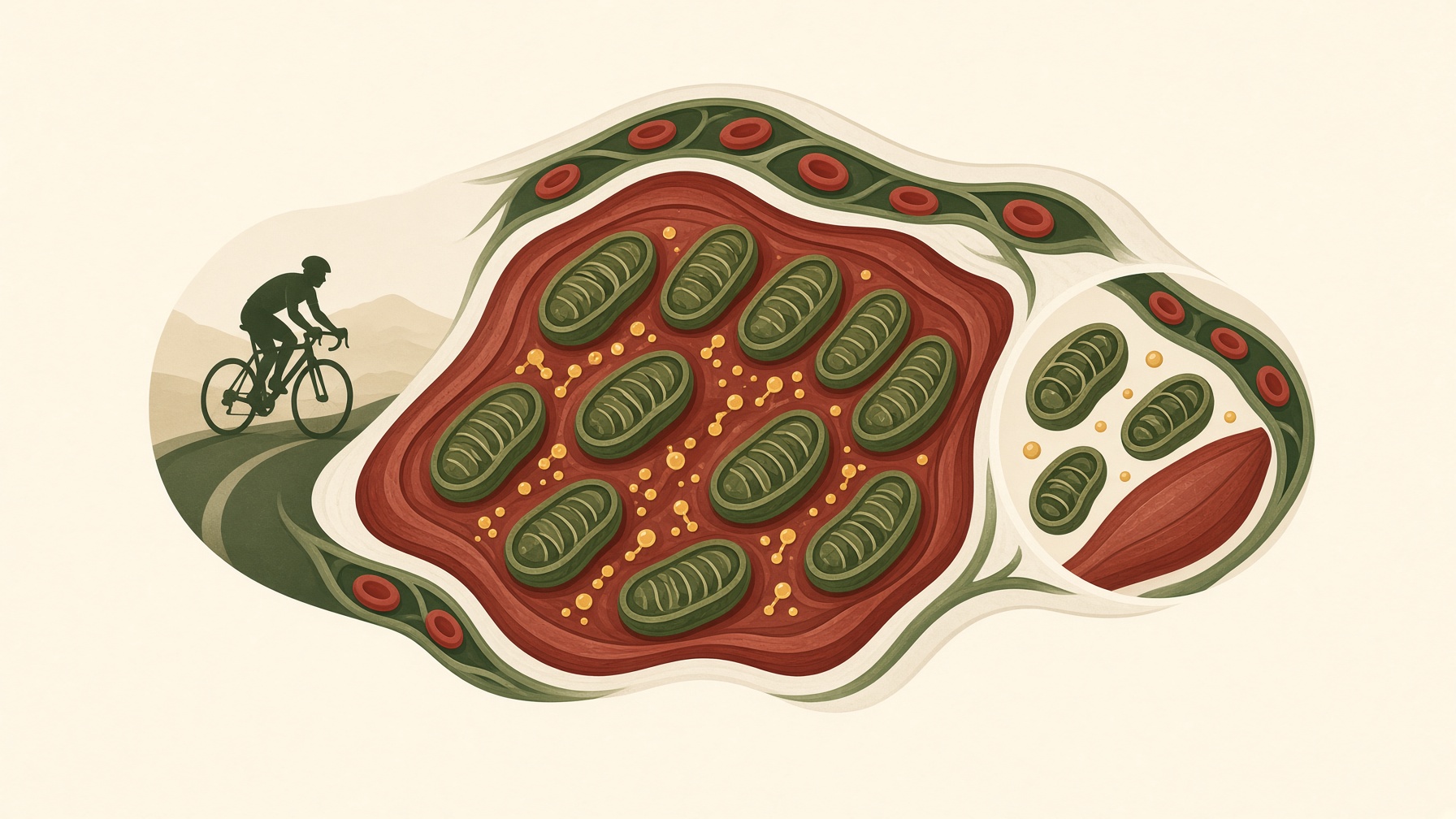
Endurance training can increase muscle mitochondria and capillary supply, helping active fibers sustain energy production during prolonged effort.
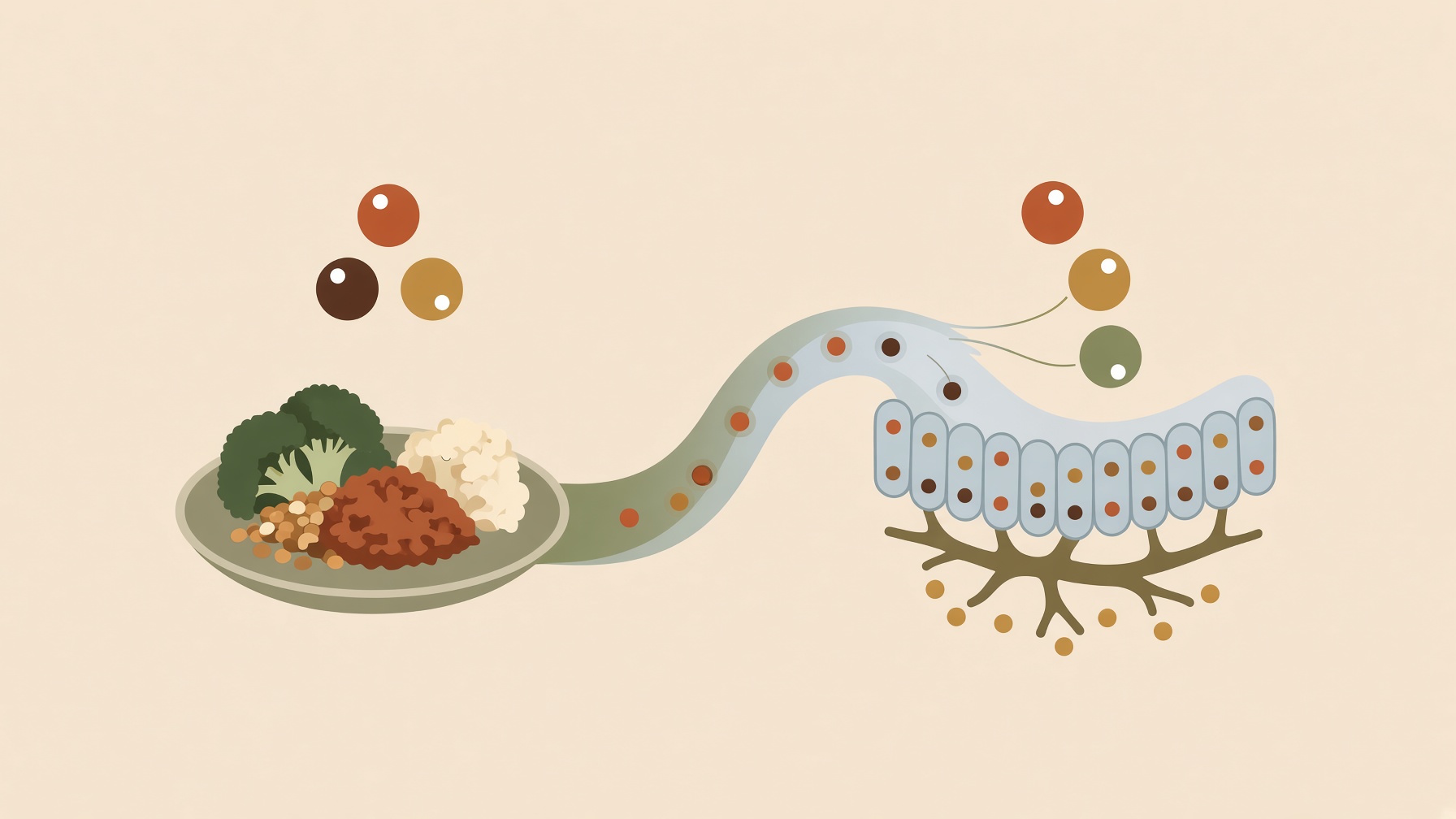
Iron absorption depends on chemical form and meal composition as well as the body’s iron stores, so intake alone does not show how much is absorbed.
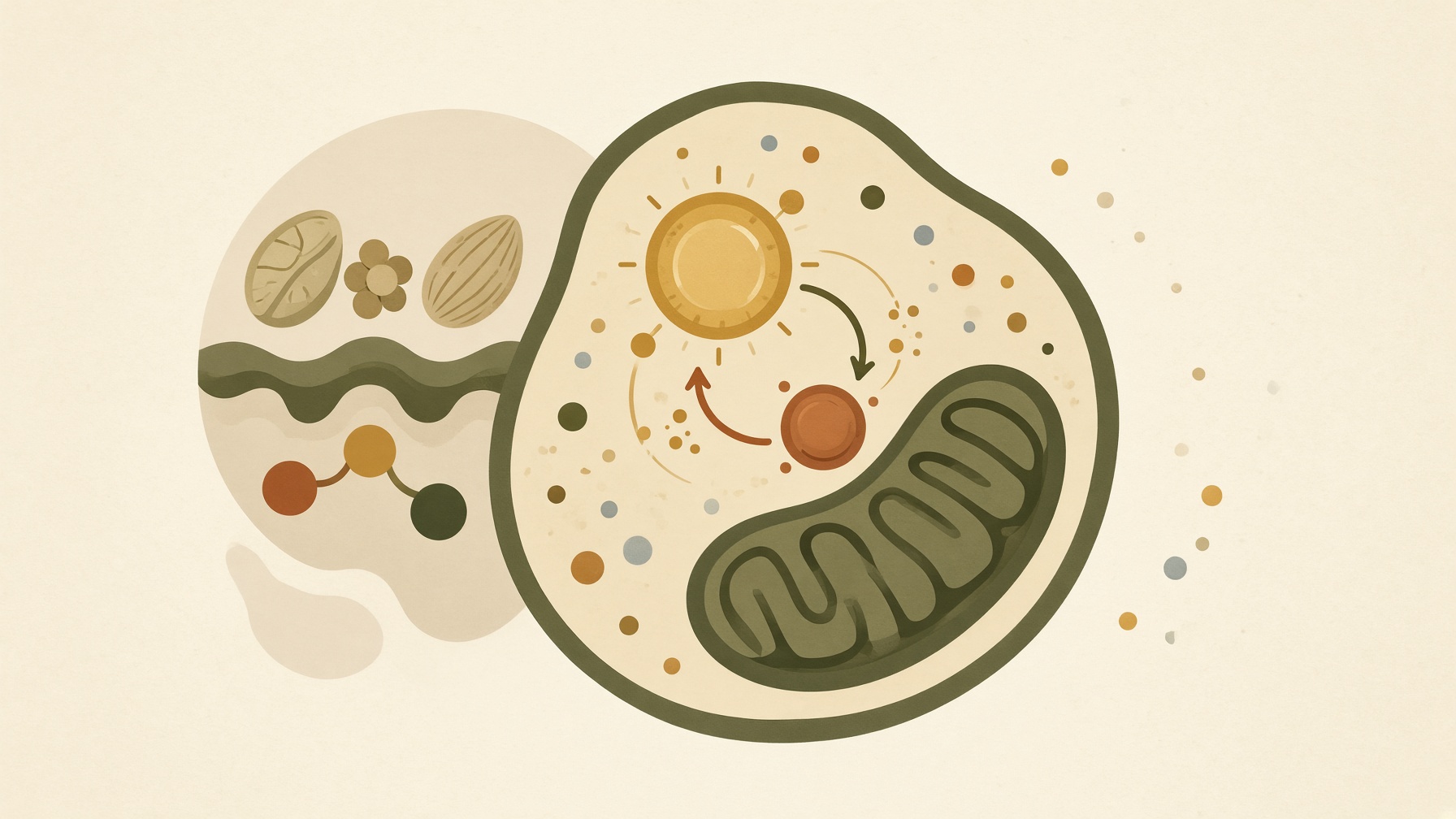
Cells repeatedly regenerate ATP as cellular work consumes the small available supply, making continuous turnover more important than stockpiling.

Sodium gradients across cell membranes provide stored energy that cells use for electrical signals and the absorption of certain nutrients.
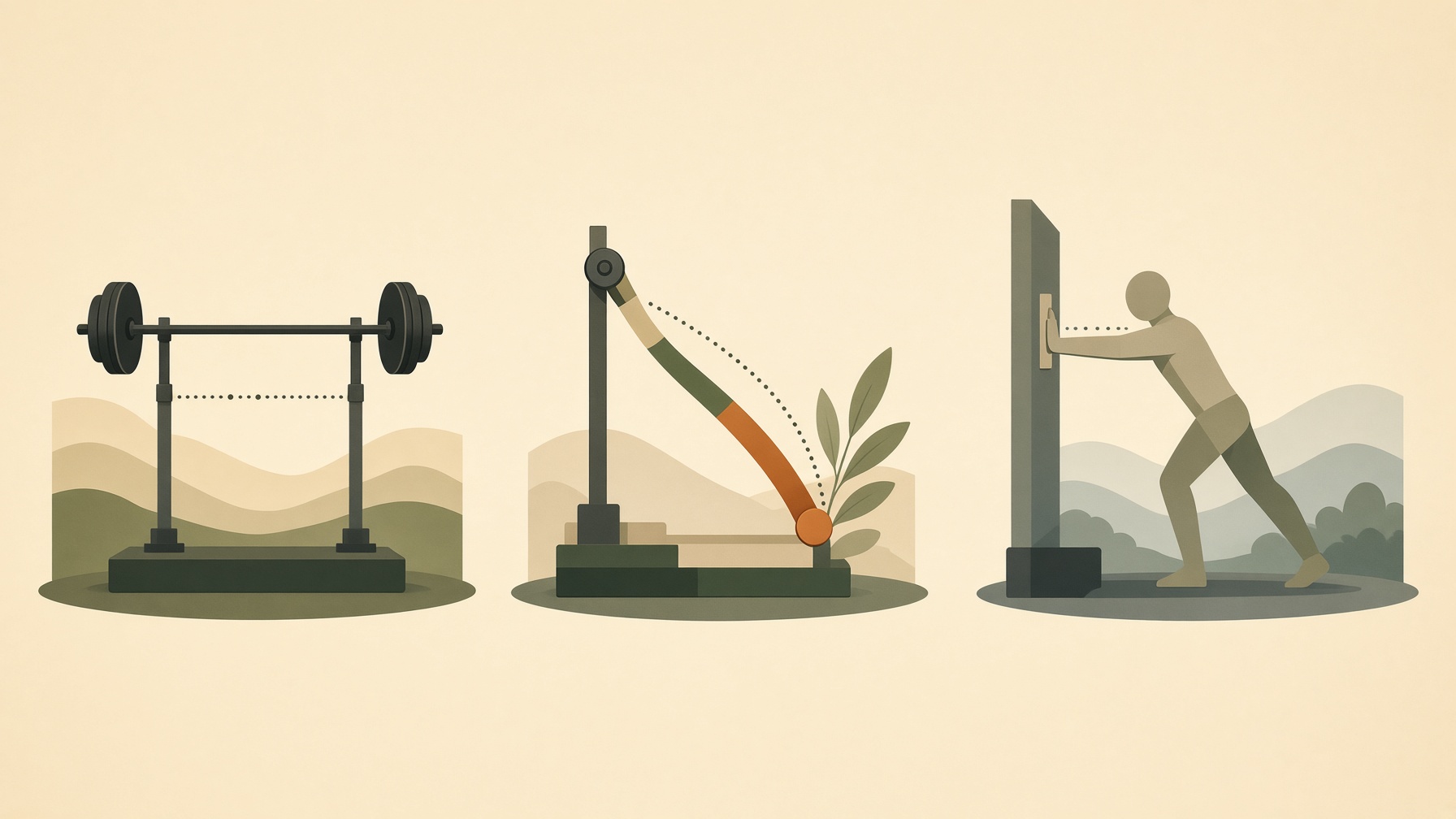
Resistance-training formats create different mechanical demands, and a constant external weight does not mean constant effort across a repetition.
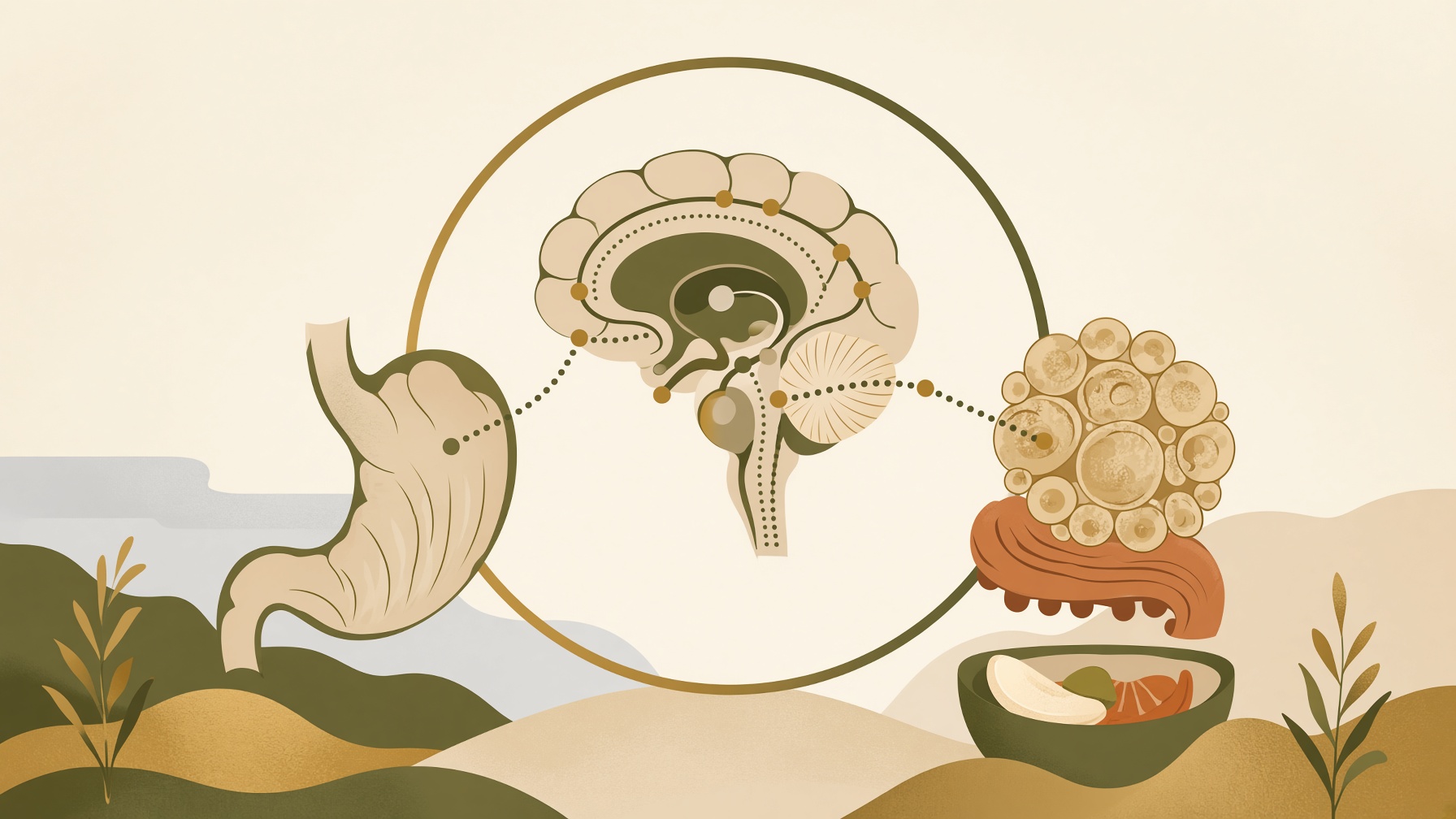
Hunger and fullness emerge as brain circuits combine signals from the body with sensory experiences and the circumstances surrounding eating.
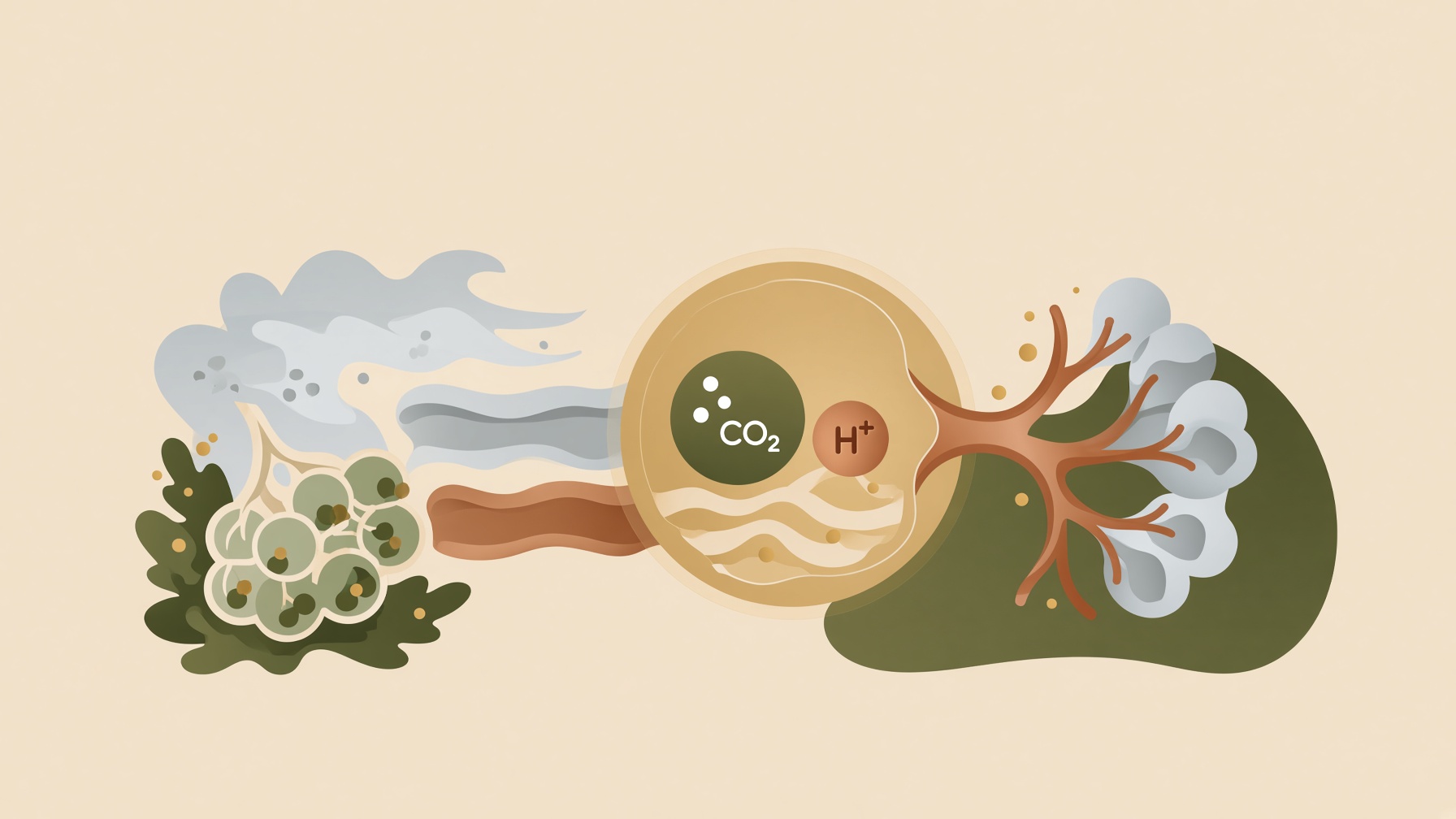
Brainstem networks adjust breathing using chemical feedback, increasing ventilation as rising carbon dioxide and acidity raise respiratory drive.