
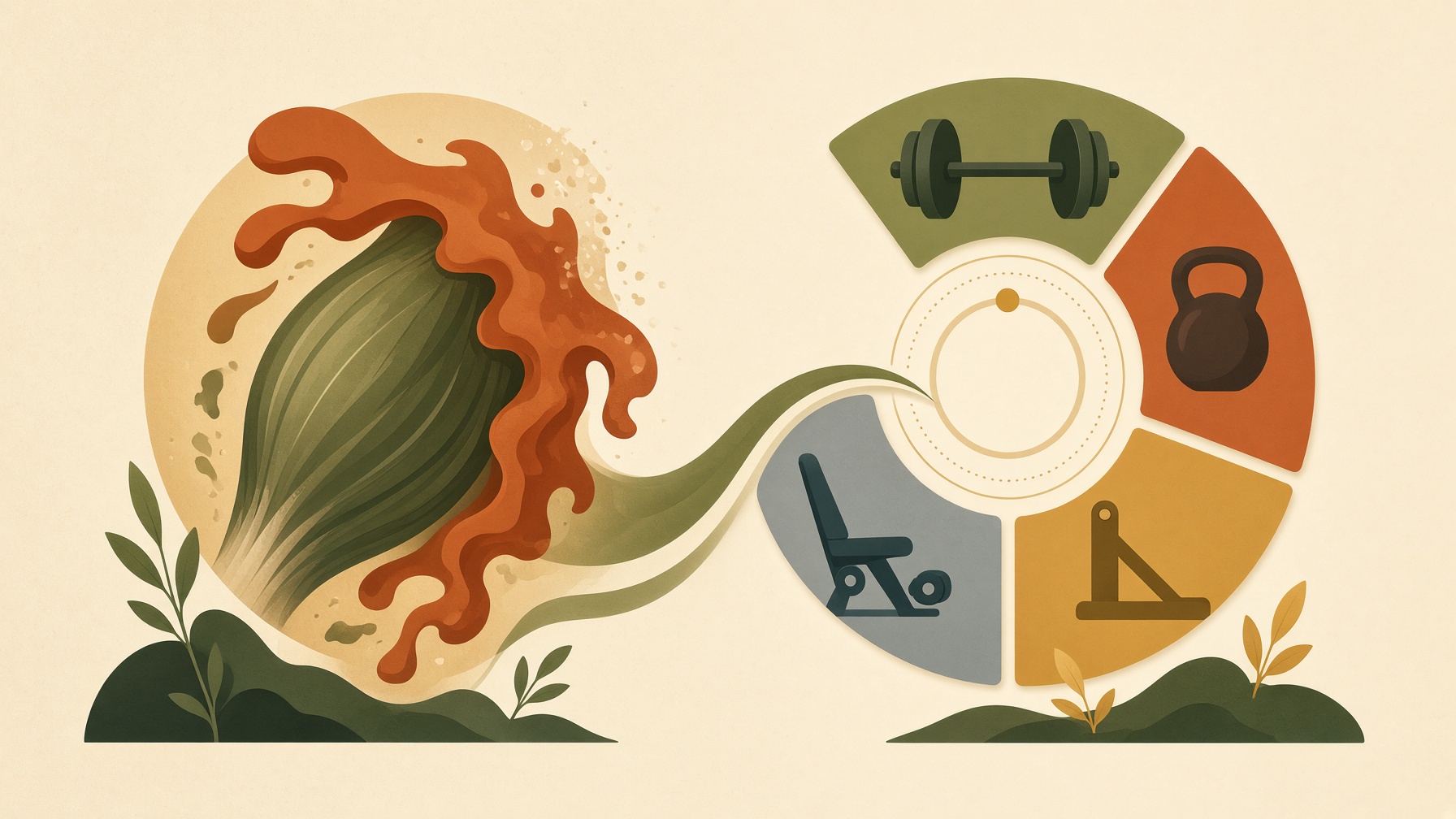
Does Exercise Order Matter in Resistance Training?
Exercise order changes how much fatigue a lifter brings to each movement, so placing priority exercises earlier can support their performance.
219 articles in this view
Current selection
219 results
Exercise order changes how much fatigue a lifter brings to each movement, so placing priority exercises earlier can support their performance.
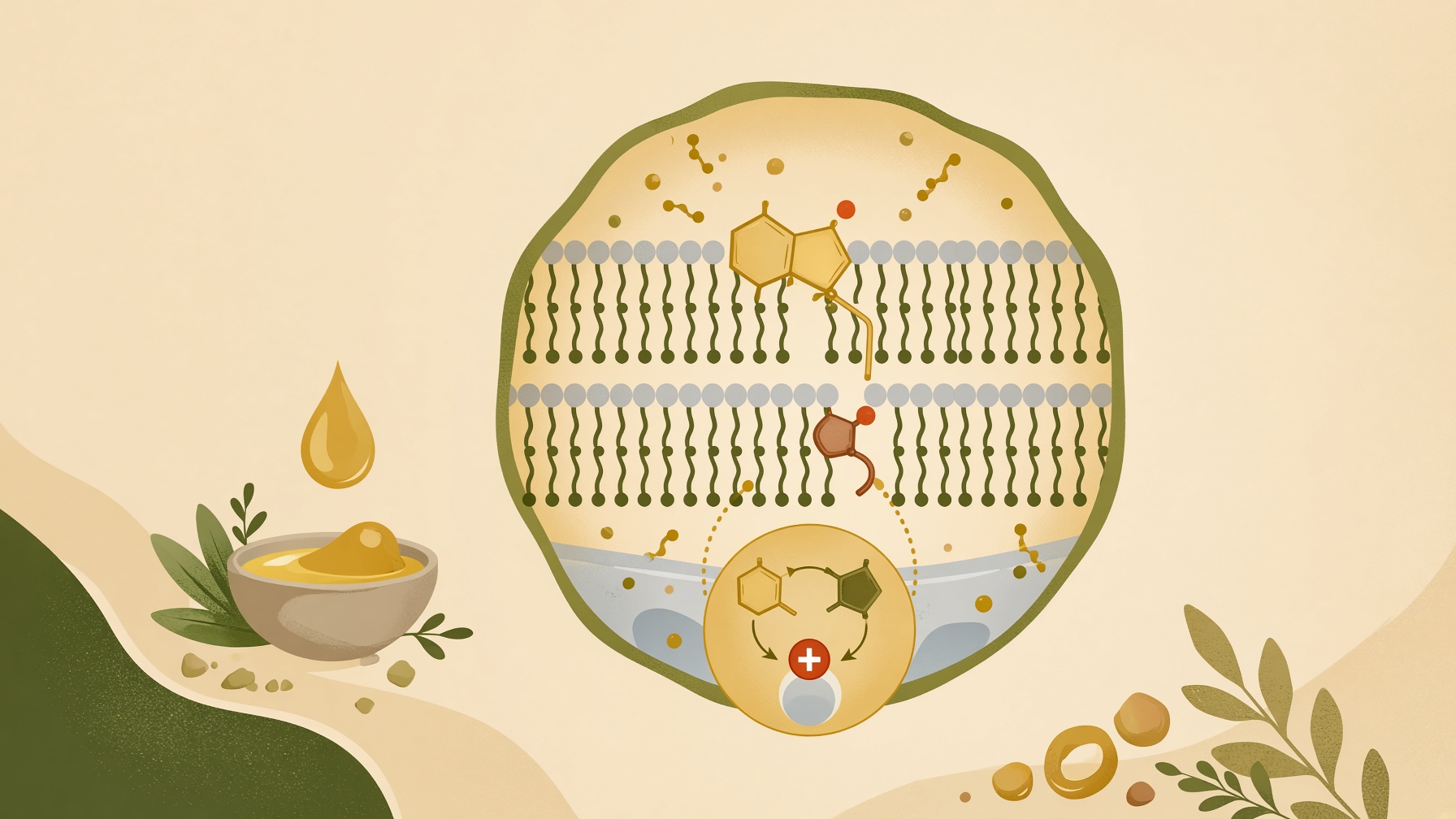
Vitamin E protects membrane lipids, but high-dose supplements have not shown clear benefits for preventing heart disease or cancer in healthy adults.
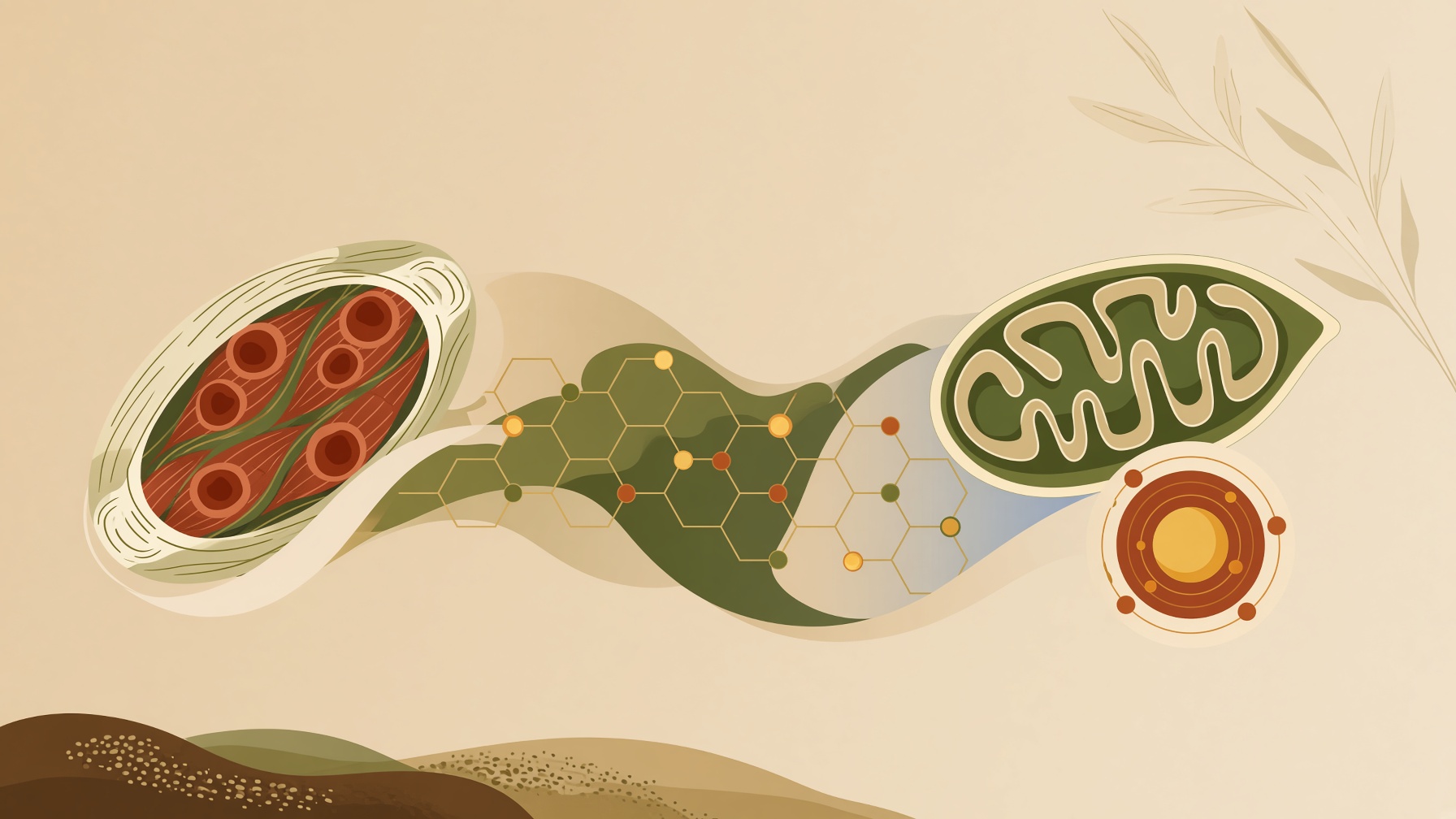
Glycolysis helps muscle replenish ATP quickly during intense exercise while other energy pathways continue contributing at the same time.
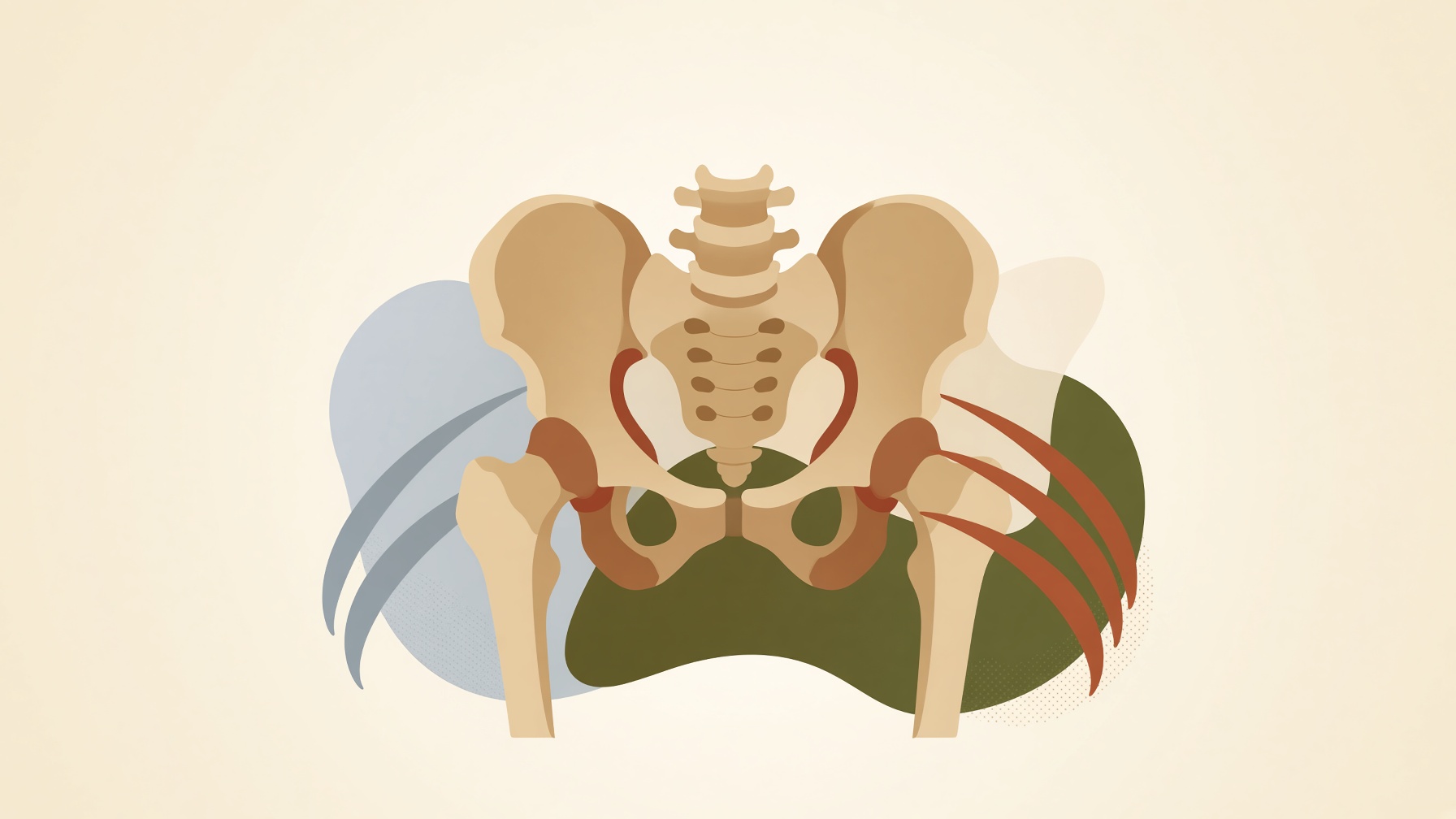
The pelvis combines fused hip-bone regions into a stable socket and muscle attachment base that supports the thigh’s movement at the hip.
The adult protein RDA estimates an intake that meets most healthy adults’ needs, rather than measuring an individual’s exact requirement.
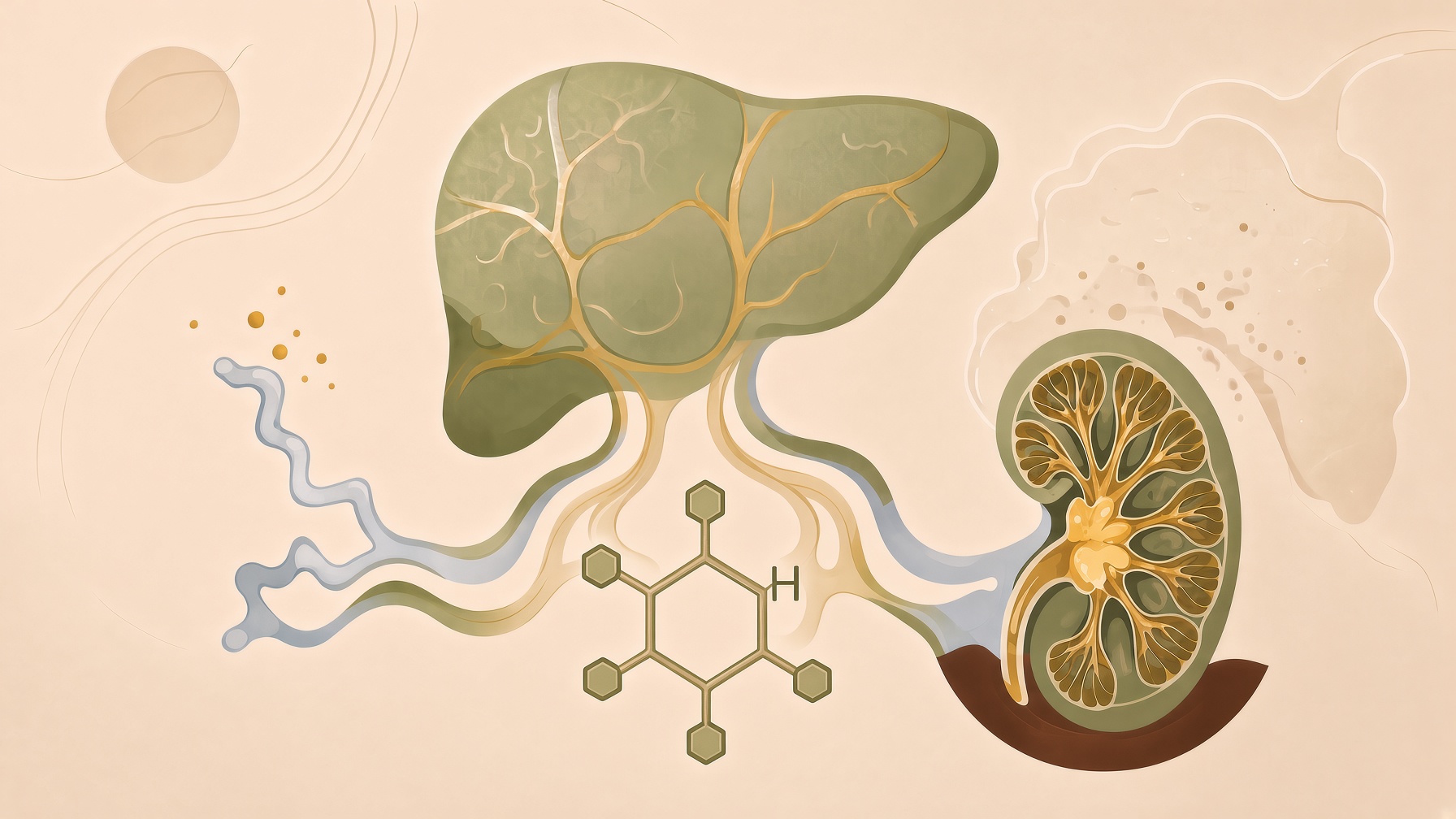
Gluconeogenesis makes glucose from noncarbohydrate materials, helping the liver and kidneys maintain blood glucose when dietary fuel is unavailable.
Training volume measures how much exercise occurs over time, but the calculation must fit the activity and does not capture every aspect of load.

Food safety habits reduce opportunities for harmful bacteria to reach food or multiply, rather than relying on warning signs from the senses.
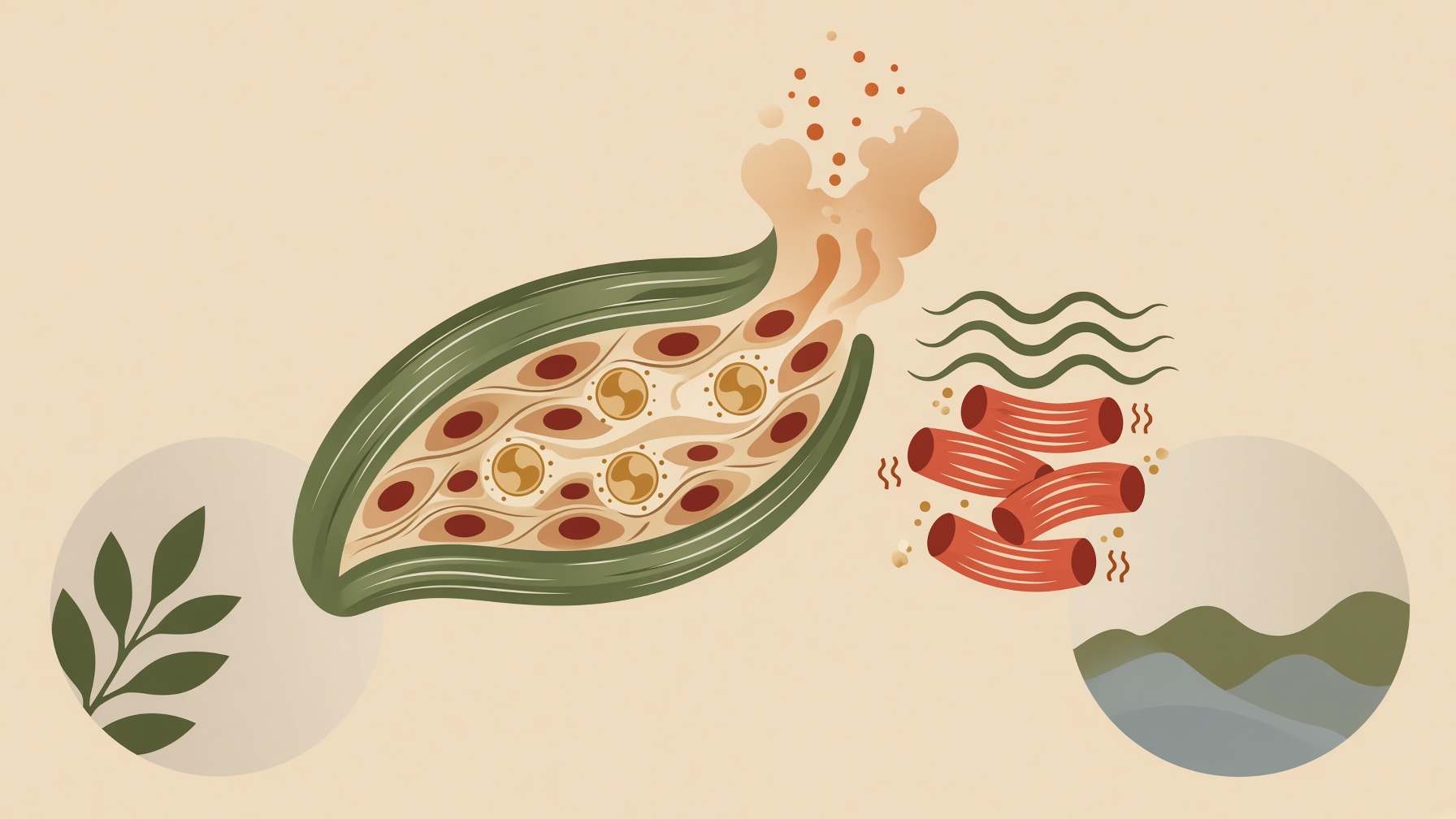
Skeletal muscles release heat as they use energy to contract, explaining why both deliberate exercise and involuntary shivering warm the body.

Glycemic index compares blood-sugar responses to equal amounts of carbohydrate, but cannot fully predict the effects of a usual meal.

Plyometric progression should match the demands of each jump to the person’s control and capacity, rather than follow a universal ladder of difficulty.
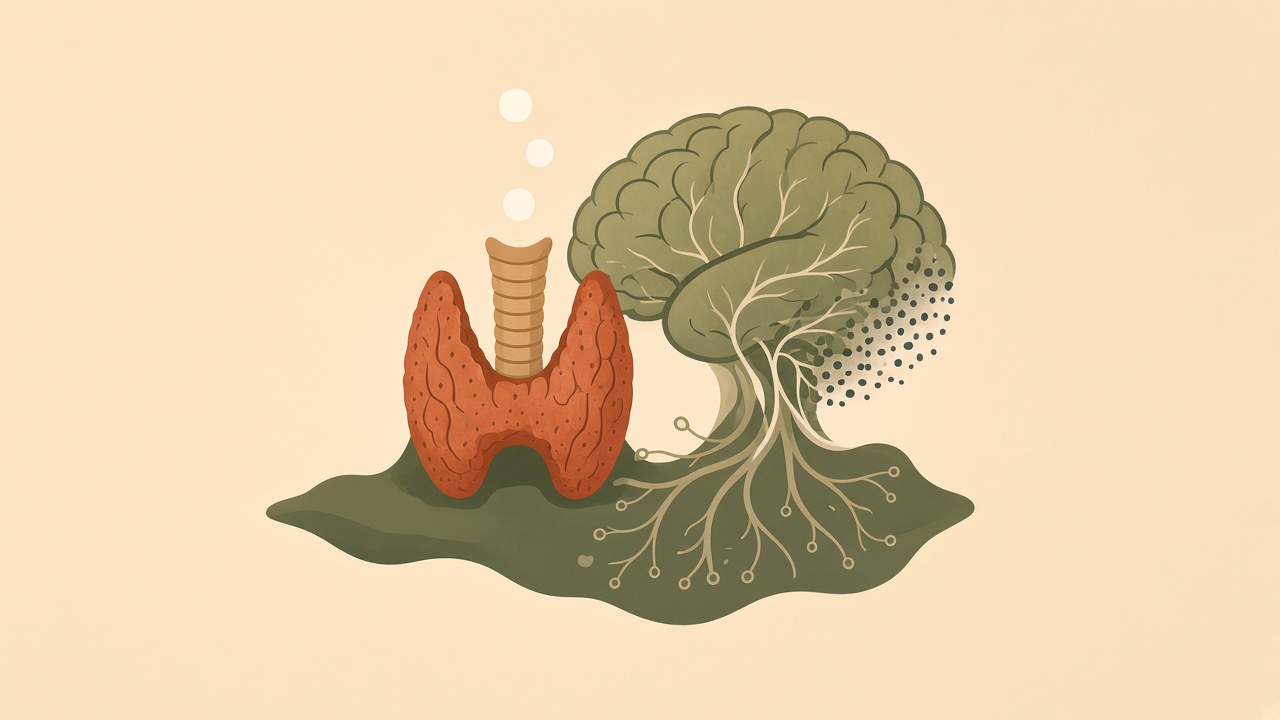
Iodine supports thyroid hormone production during early development, when severe deficiency can cause lasting damage to the brain and nervous system.