
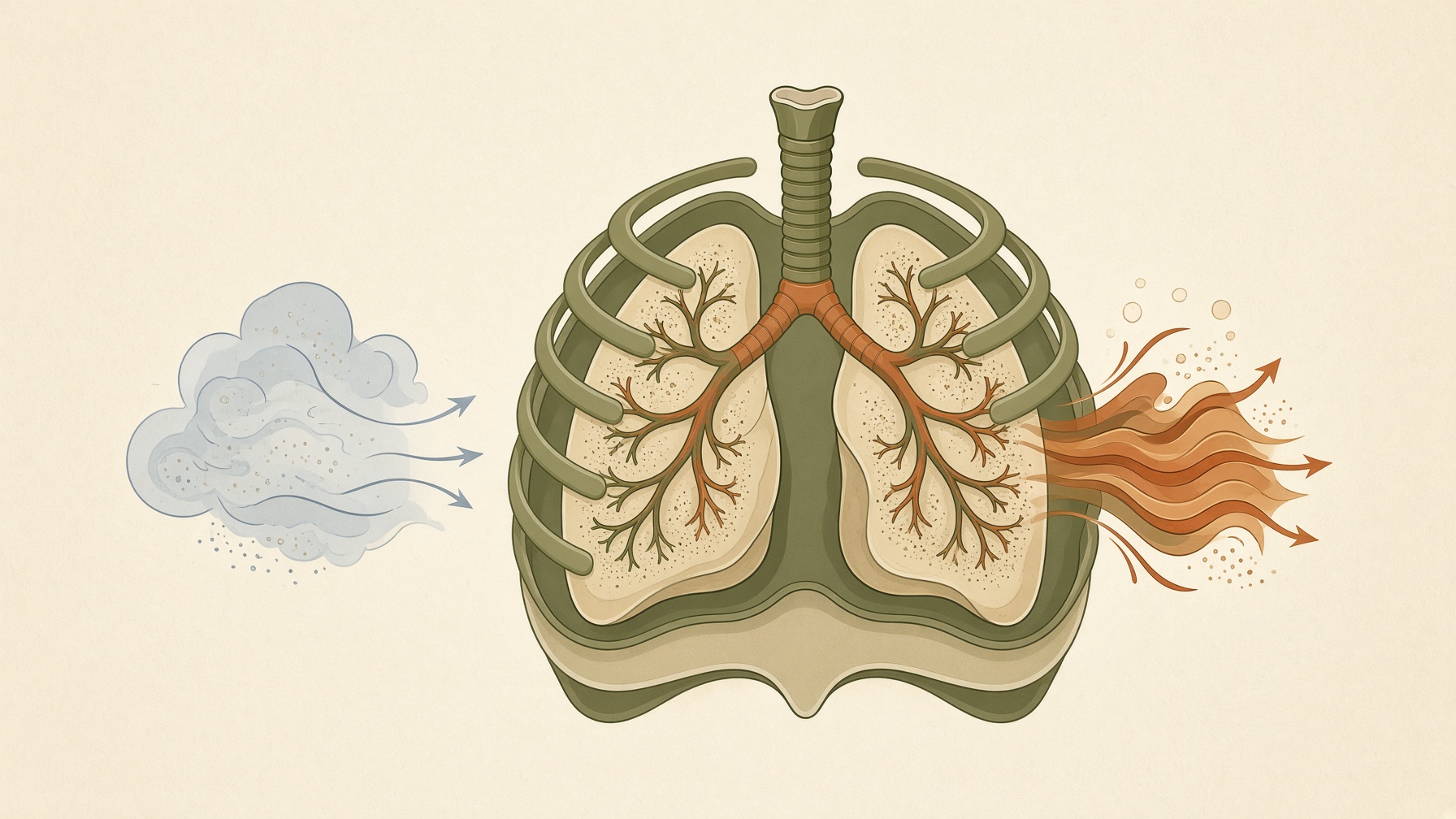
What Makes Air Move In and Out of Your Lungs?
Breathing moves air through pressure differences created as the lungs expand and recoil, with airflow traveling from higher to lower pressure.
24 articles in this view
Current selection
24 results
Breathing moves air through pressure differences created as the lungs expand and recoil, with airflow traveling from higher to lower pressure.
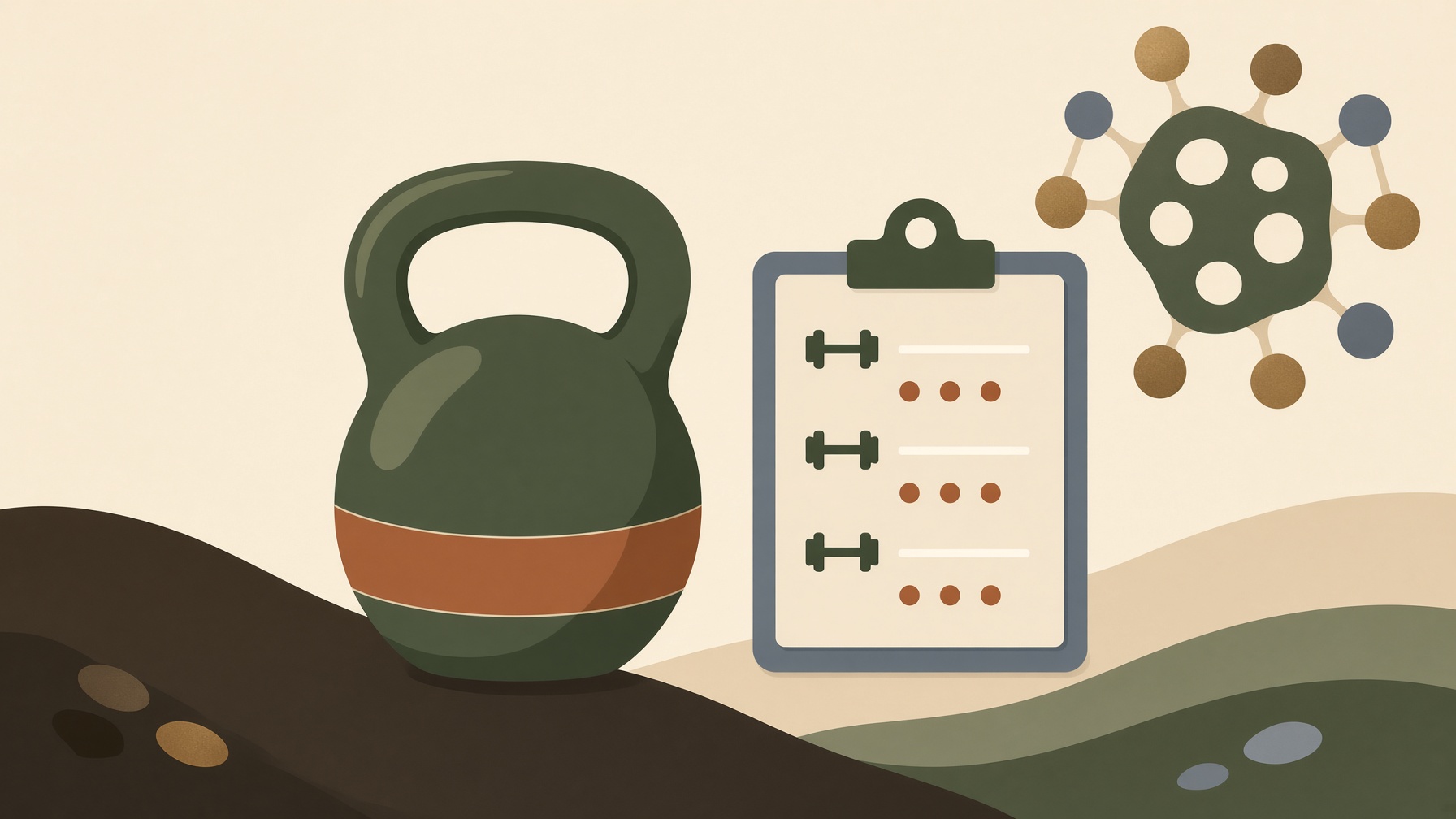
A simple resistance-training program builds a repeatable routine around major muscle groups, with demands that can change as performance improves.
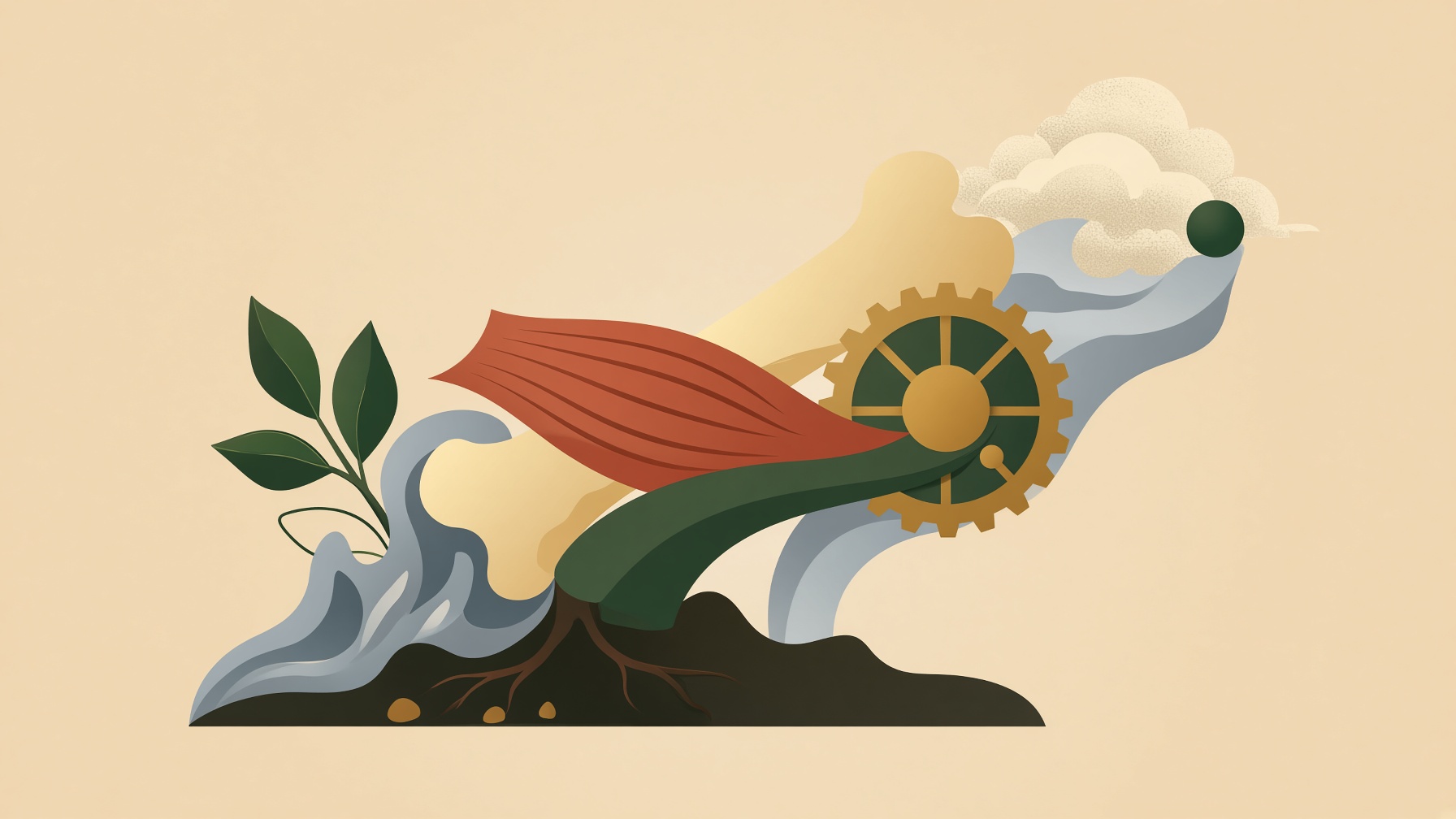
Biomechanics explains human movement through the interaction of body structures and forces, revealing the mechanics behind familiar actions.
Progressive overload adjusts training as the body adapts, keeping the challenge appropriate rather than making every workout harder by default.
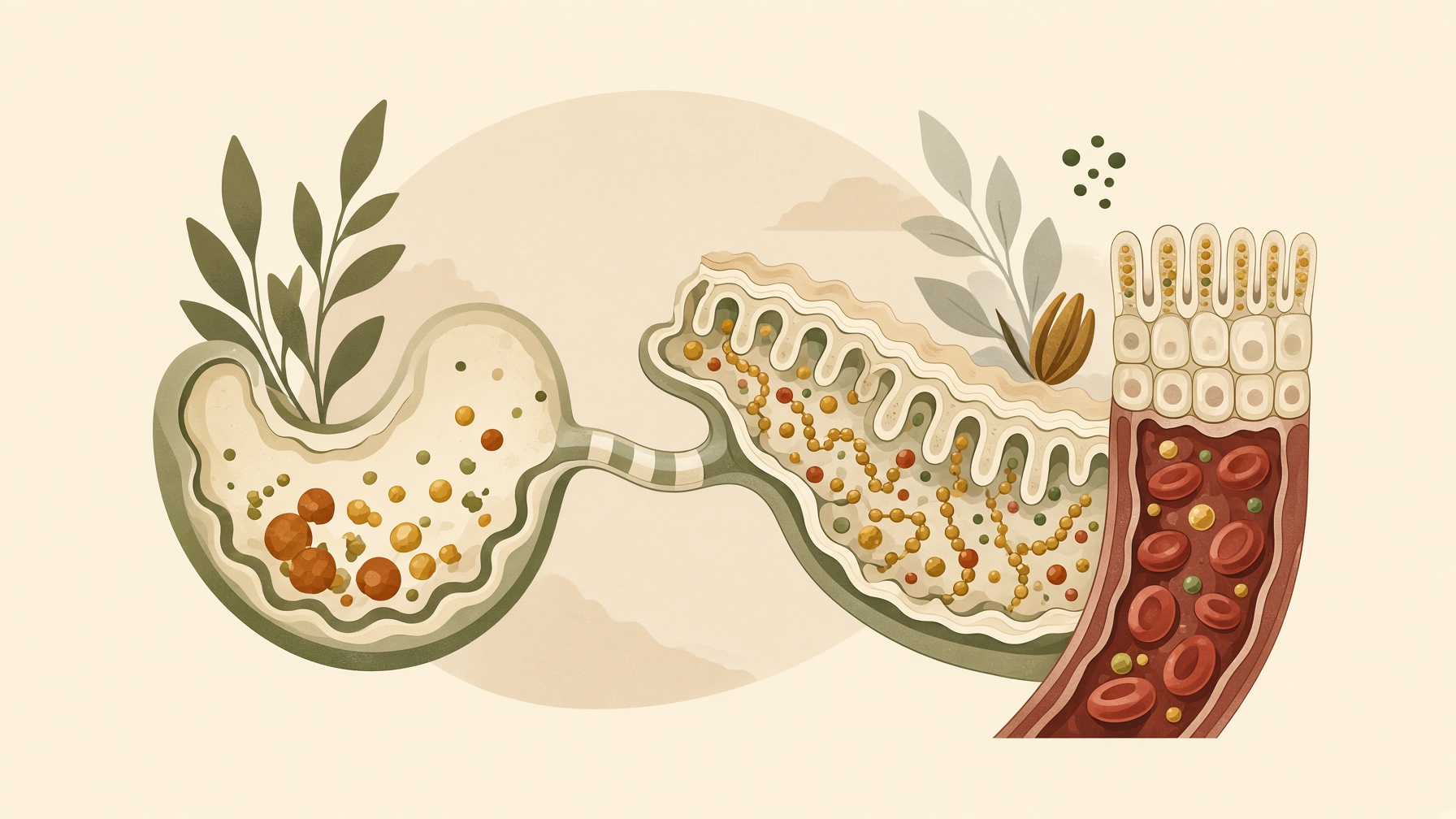
Protein digestion breaks food proteins into amino acids and small peptides that intestinal cells can absorb for the body’s ongoing protein turnover.
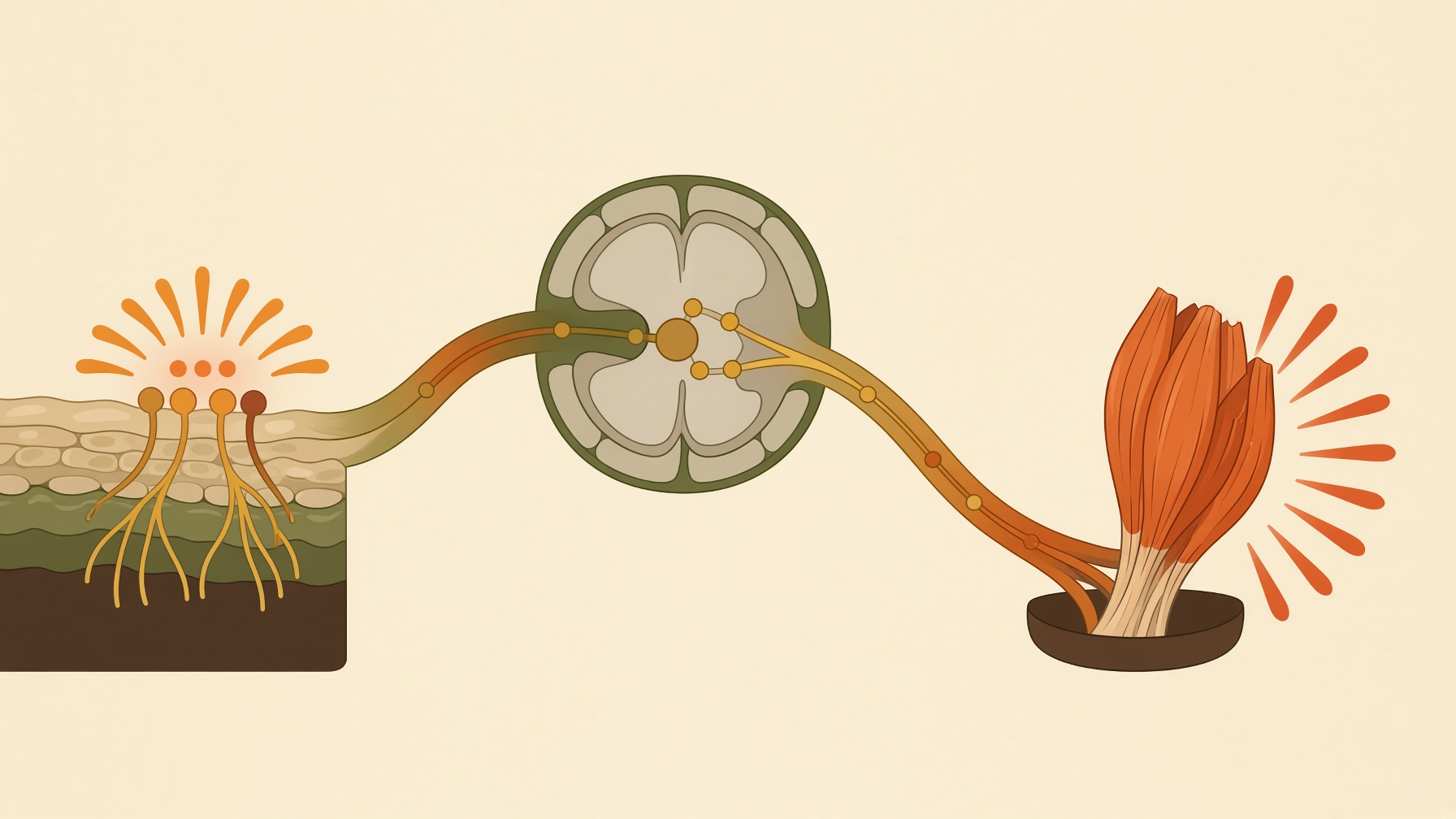
A reflex arc carries sensory information into the central nervous system and sends motor commands outward to produce an automatic response.
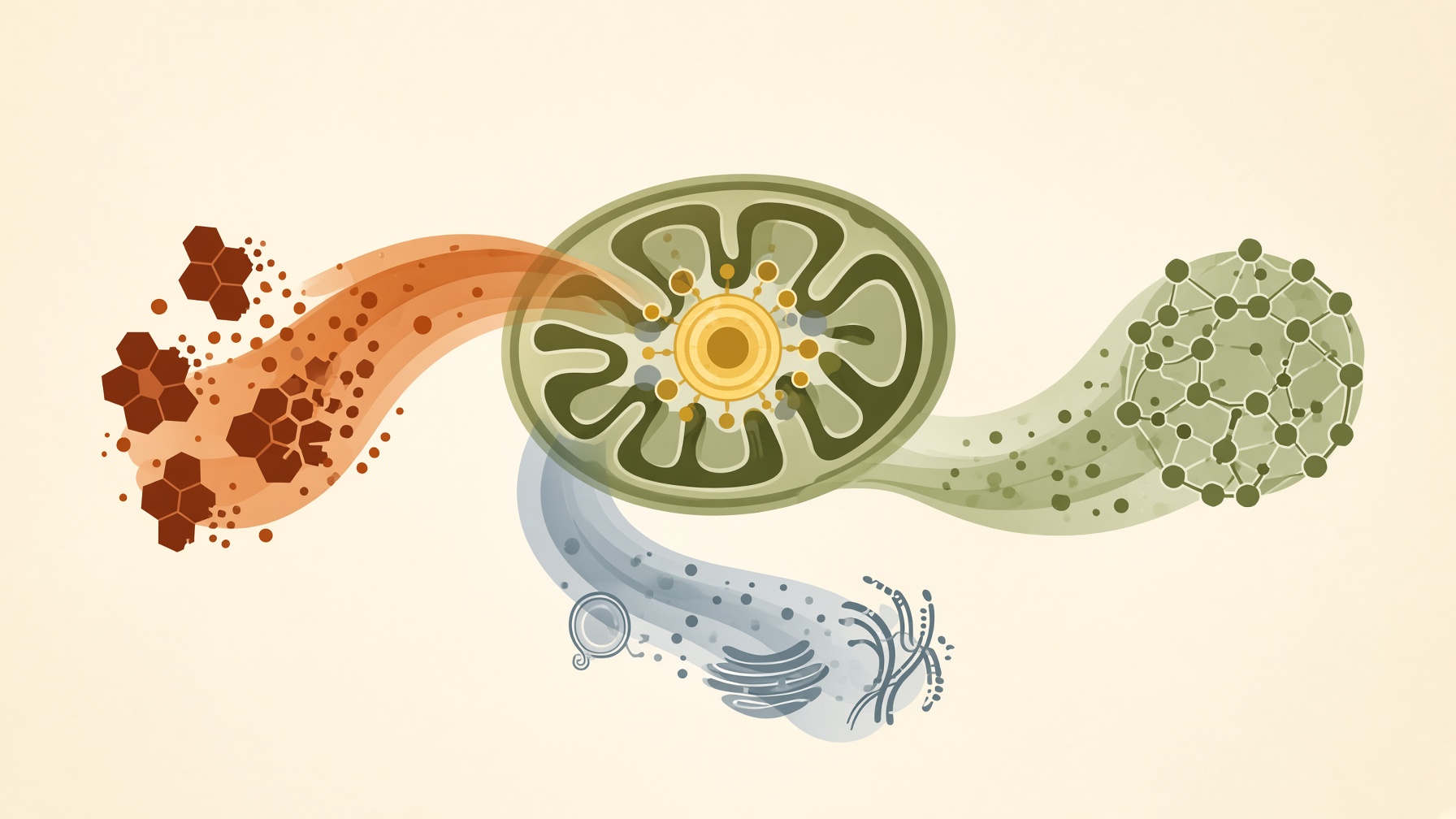
Metabolism links the breakdown and building of molecules through energy transfers, with ATP powering much of the work that cells perform.
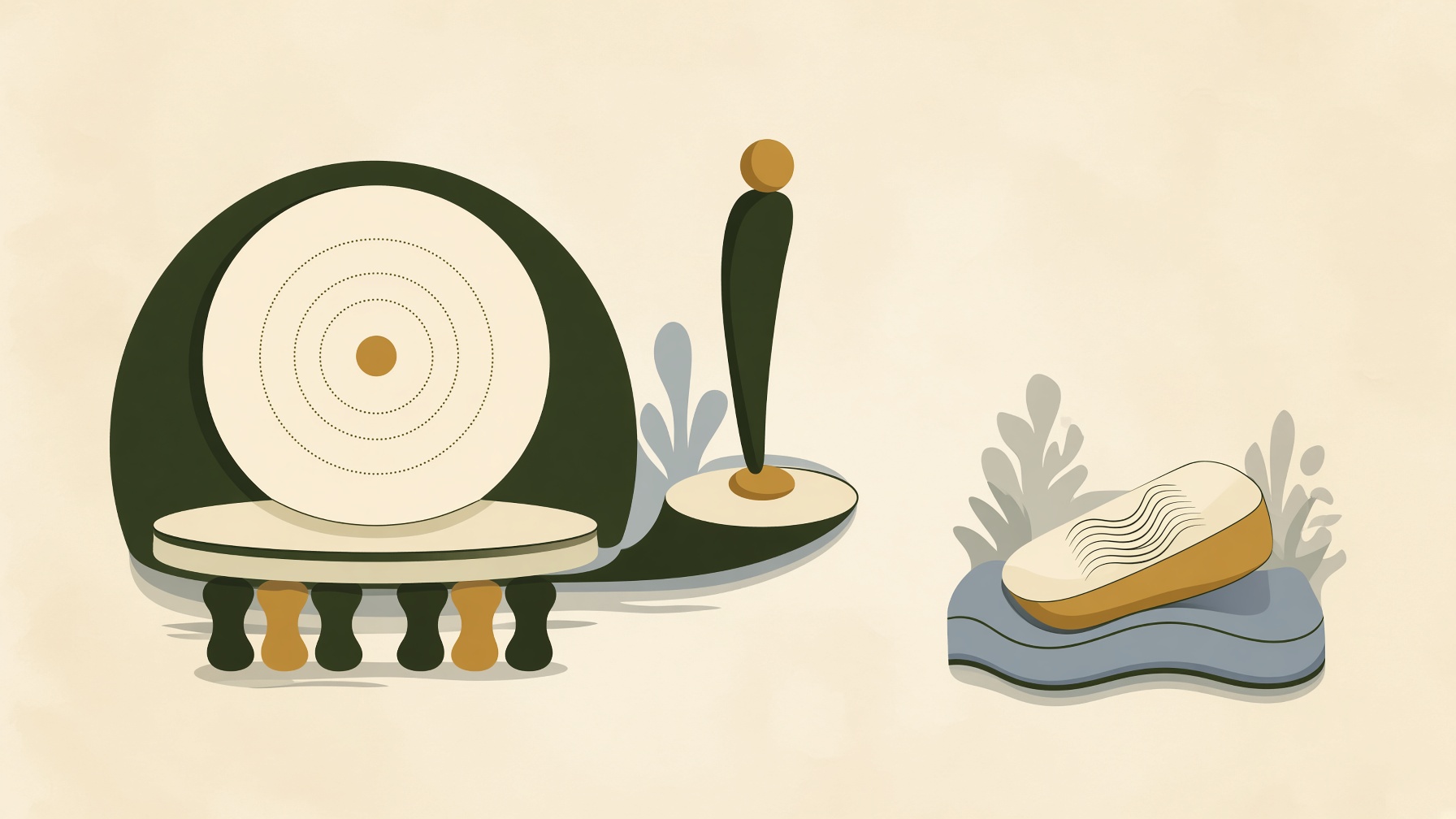
Balance training becomes more demanding through changes in support and task demands, with useful progress tied to the control a person needs.
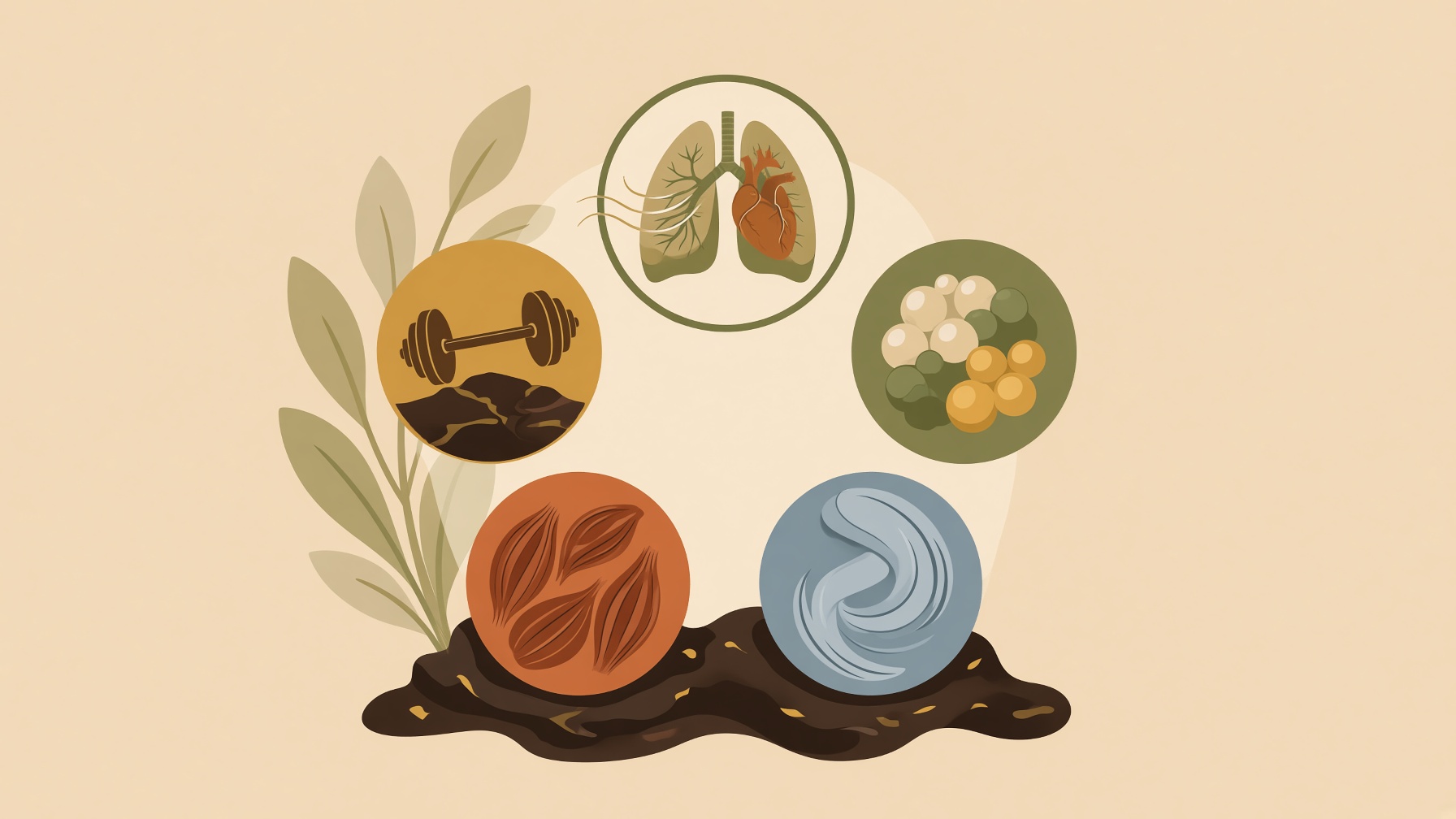
Health-related fitness describes several distinct qualities, so strength in one area does not necessarily mean equal ability across the others.
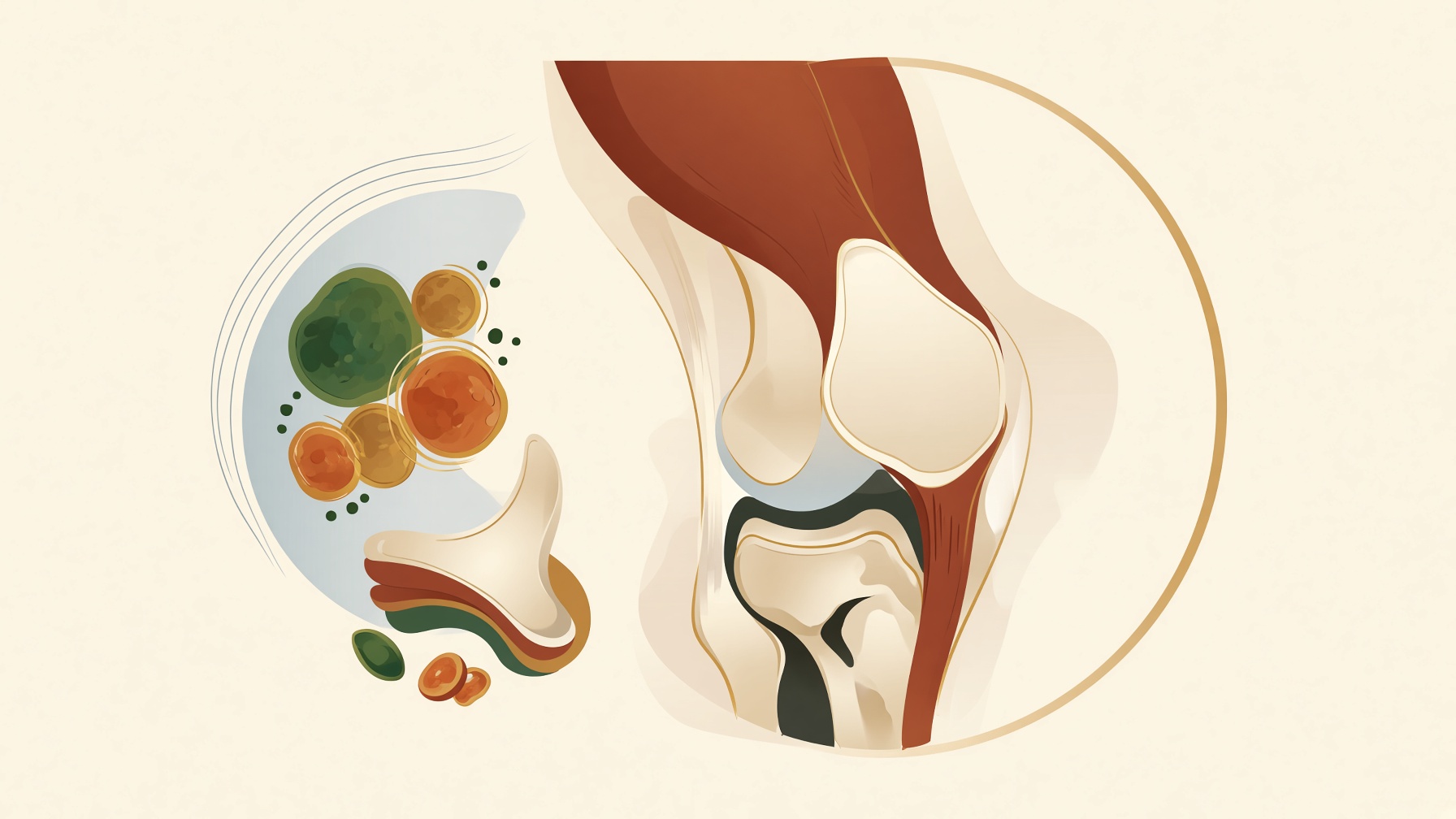
The kneecap improves the quadriceps muscle’s leverage by holding the tendon away from the knee joint, helping the muscle straighten the leg.
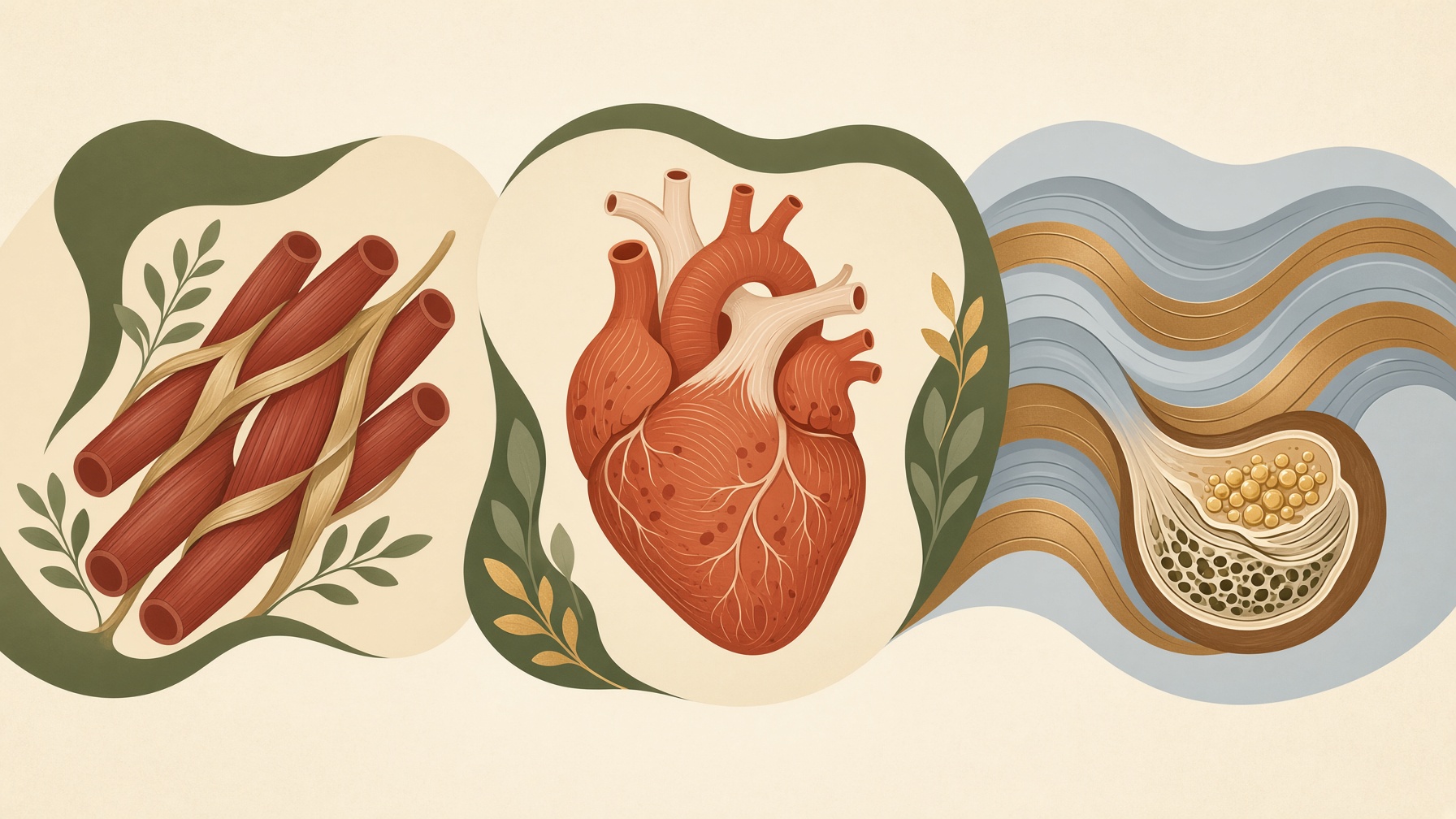
Skeletal, cardiac, and smooth muscle share the ability to contract, but differences in cell structure and control suit each to different tasks.
Physical activity includes everyday movement that uses energy, while exercise adds planned, structured repetition to improve or maintain fitness.