
If lifting weights is part of how you look after yourself, reports of sudden cardiac deaths in professional bodybuilding can be unsettling. You might recognize the exercises without seeing your own reasons for training in the sport. How much can those reports tell you about an ordinary gym session?
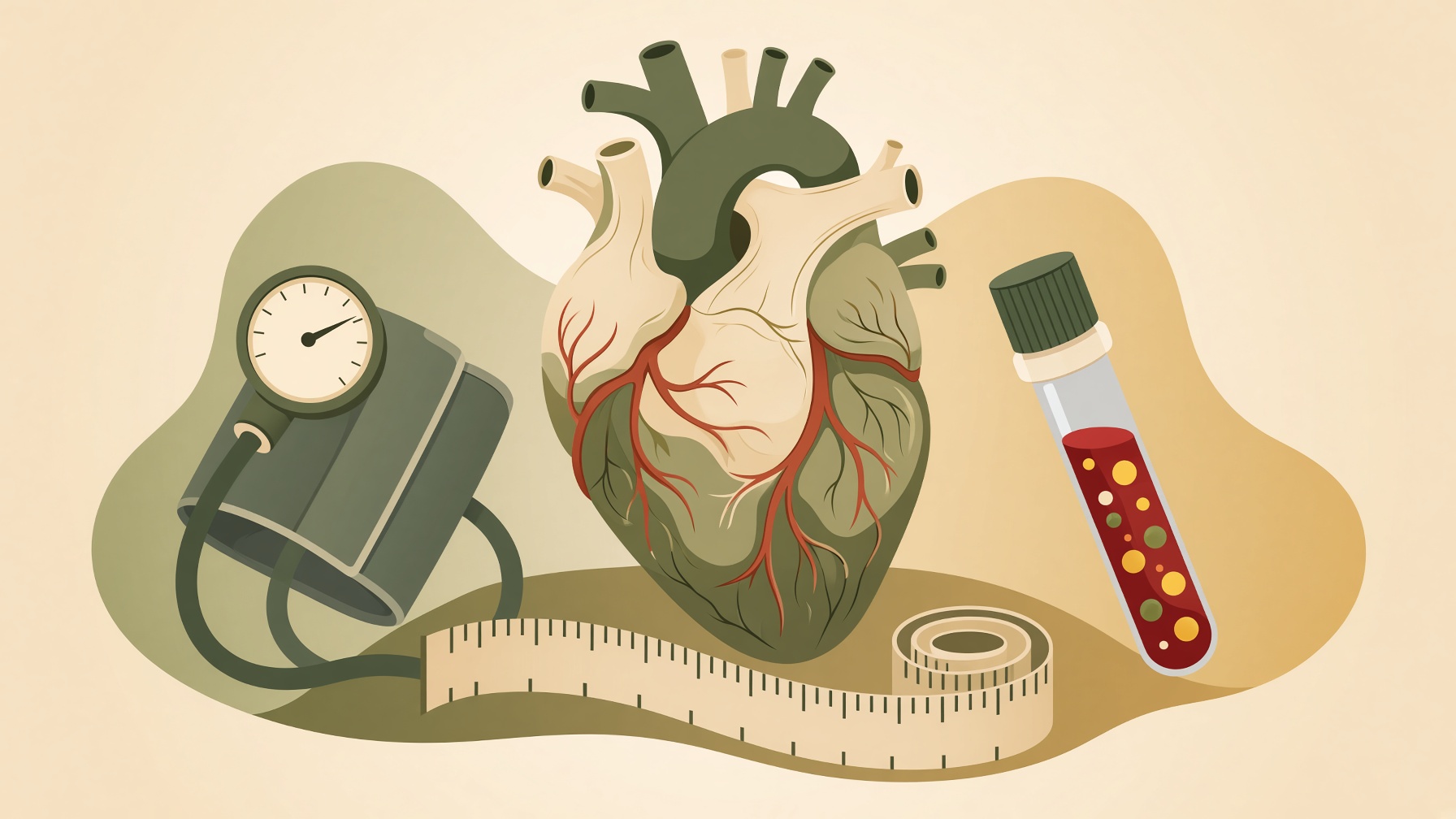
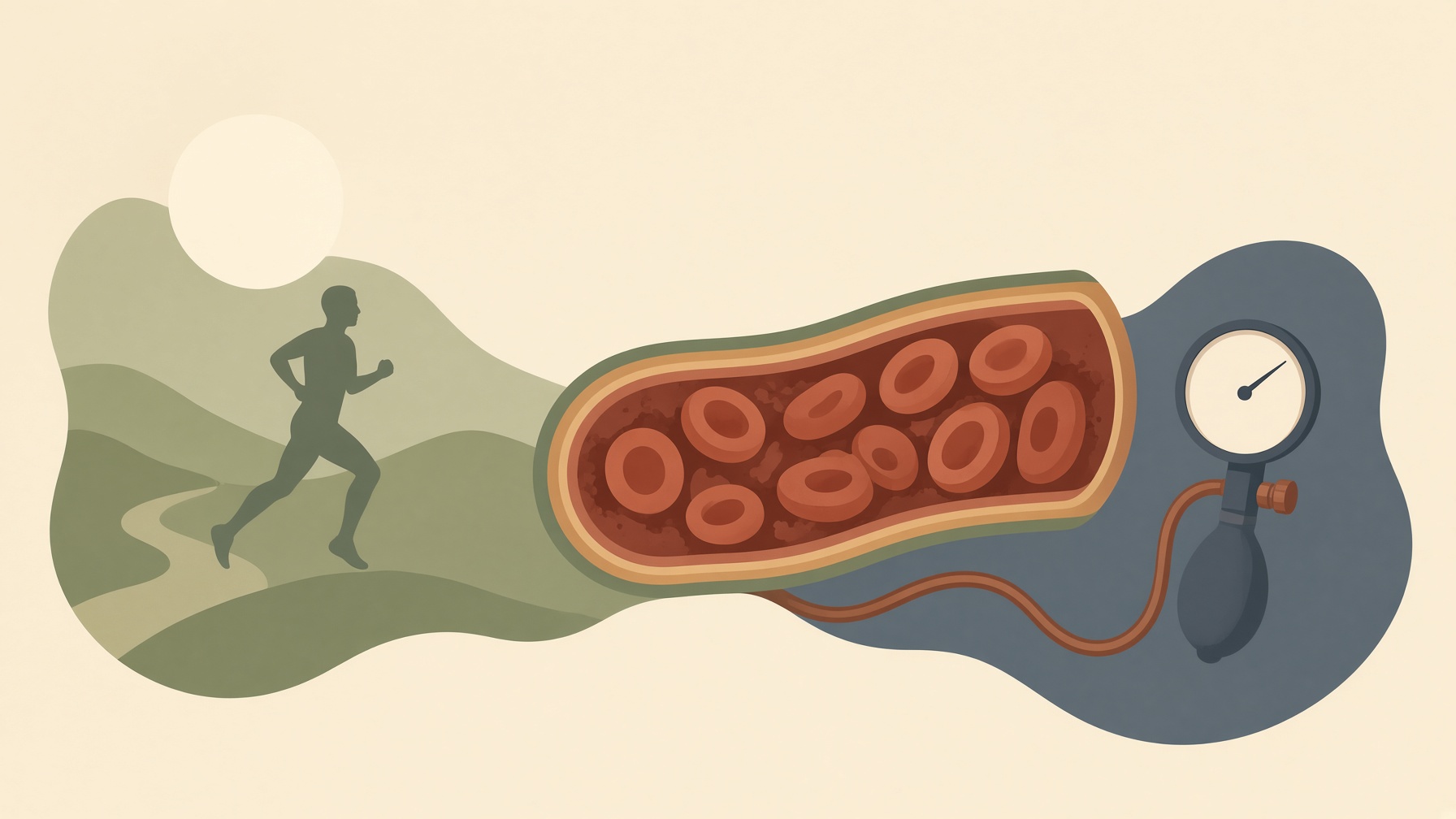
Routine resistance-training programs can lower resting blood pressure, the pressure measured when a person is at rest. The response varies with age, starting health and the program. This gives “good for the heart” a specific meaning: an improvement in one measured risk factor. A blood-pressure benefit can coexist with deaths in competitive bodybuilding because the studies concern different people, exposures and outcomes. A lower reading does not establish stronger cardiac pumping or protection against sudden death.1,2,3
The mortality finding came from a historical study of men who competed in selected International Federation of Bodybuilding and Fitness divisions during 2005–2020, with follow-up through July 2023. The observed rate of sudden cardiac death was higher among professionals than amateurs. Researchers cross-checked public reports to identify deaths and classify many of them; clinical records were not consistently available, and autopsy findings covered only a small subset. A professional athlete's death may also attract more publicity, potentially distorting the comparison with amateurs.2
That is a comparison within competitive bodybuilding, not a test of lifting against no lifting. It cannot isolate lifting as the cause, and the historical data do not establish a current rise in deaths among professionals in their thirties. Uncertainty about the cause is also not evidence that no health risk exists.2
Nor does a sudden cardiac death, by itself, establish a diagnosis of heart failure. Heart failure means the heart cannot pump or fill adequately to meet the body's needs; it can be acute or chronic. Cardiac arrest is an abrupt loss of effective pumping and can be survived. Sudden cardiac death describes a sudden fatal cardiac outcome.2,4,5
In a separate study, experienced male recreational weightlifters aged 34–54 were compared by drug history. Those who reported at least two cumulative years of nonmedical anabolic-androgenic steroid use had less favorable cardiac-function measurements than nonusers. Heart ultrasound measured ejection fraction, the proportion of the left ventricle’s blood pumped out with each beat. This measure of pumping function was lower, on average, in the men reporting steroid use.3
Both groups lifted weights, but their training and other exposures were not experimentally held equal. The study measured cardiac function at one point in time; it did not follow the men for deaths. This association cannot establish causation or explain the competitors' deaths. Professional status does not document anyone's drug use.3
If lifting is part of your week, you may recognize an exercise in a report about an athlete's death and immediately think of your own workouts. There is still more to ask about the person and the sport. Those details are worth understanding before deciding how closely the story relates to your own training.
Join the discussion
No account or email is required. Your display name and comment will be public.