
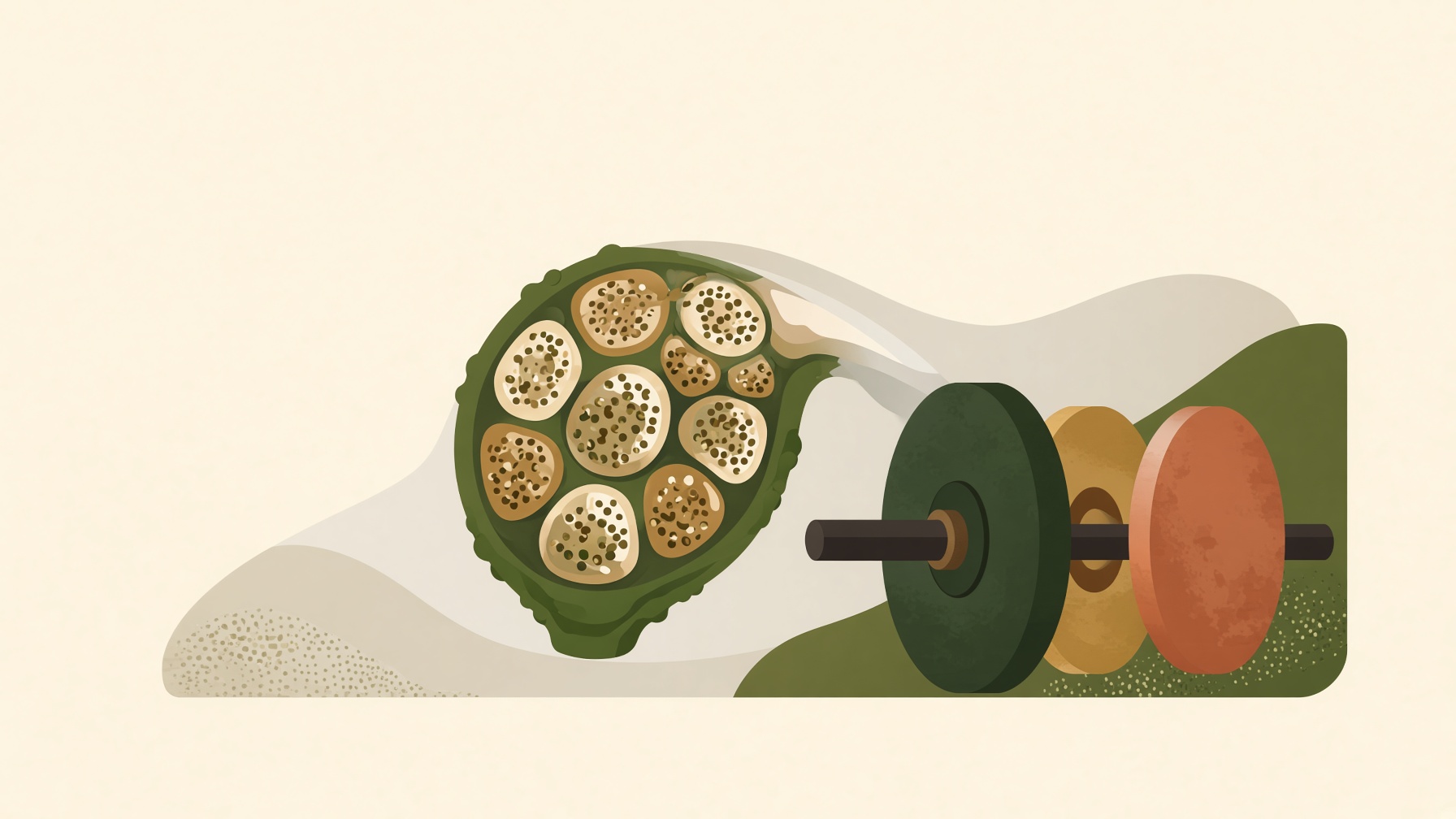
Can Two Full-Body Lifting Sessions a Week Build Strength and Muscle?
Can two full-body lifting sessions build strength and muscle? Compare weekly schedules, training per muscle and what the research actually measured.
117 articles in this view
Current selection
117 results
Can two full-body lifting sessions build strength and muscle? Compare weekly schedules, training per muscle and what the research actually measured.
Half marathon pacing research tracks how runners distribute speed across a race, but observed splits cannot establish the best starting pace for every runner.
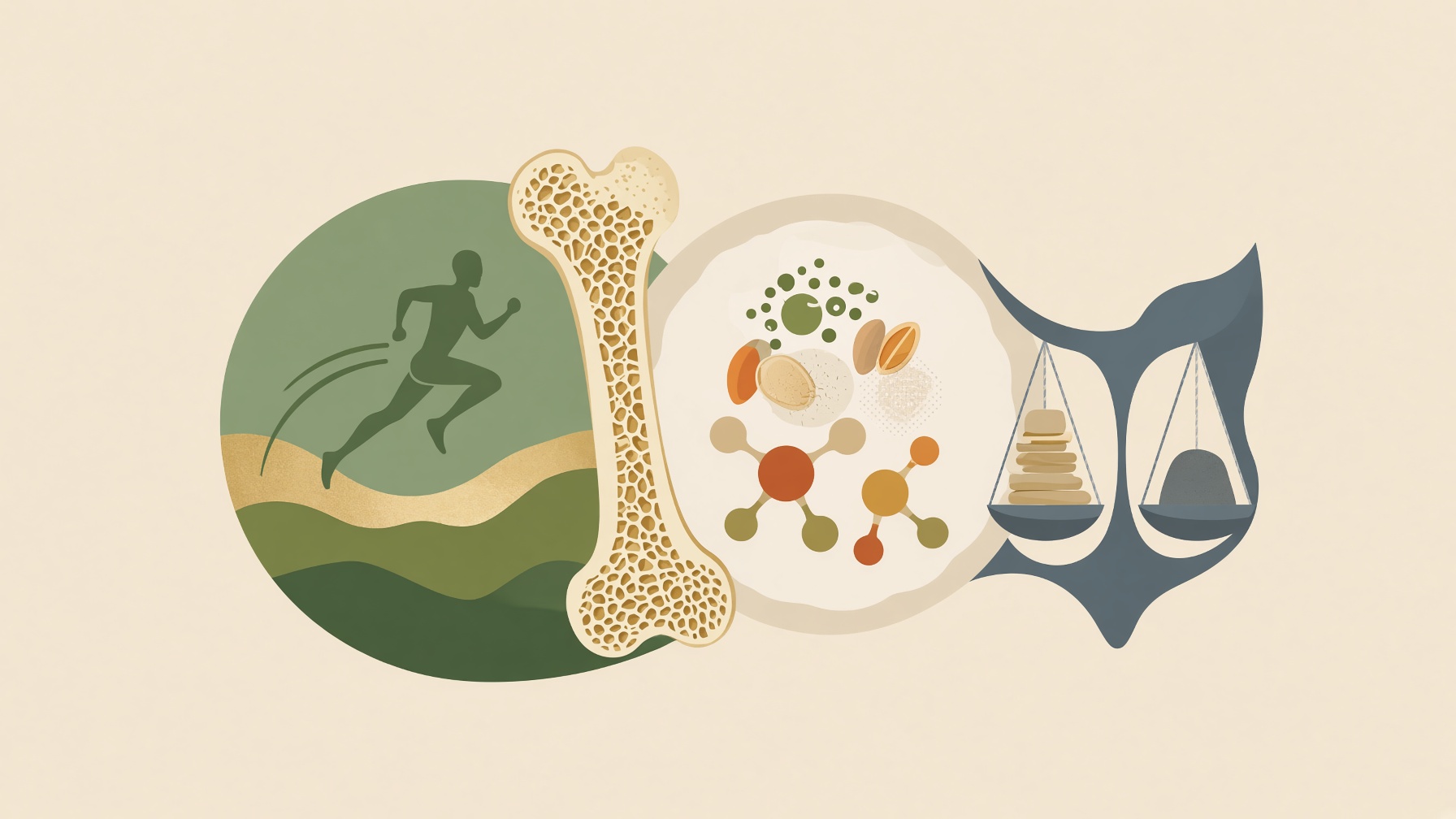
Exercise for bone health involves mechanical loading, while strength and balance training support physical function and help reduce the risk of falls.
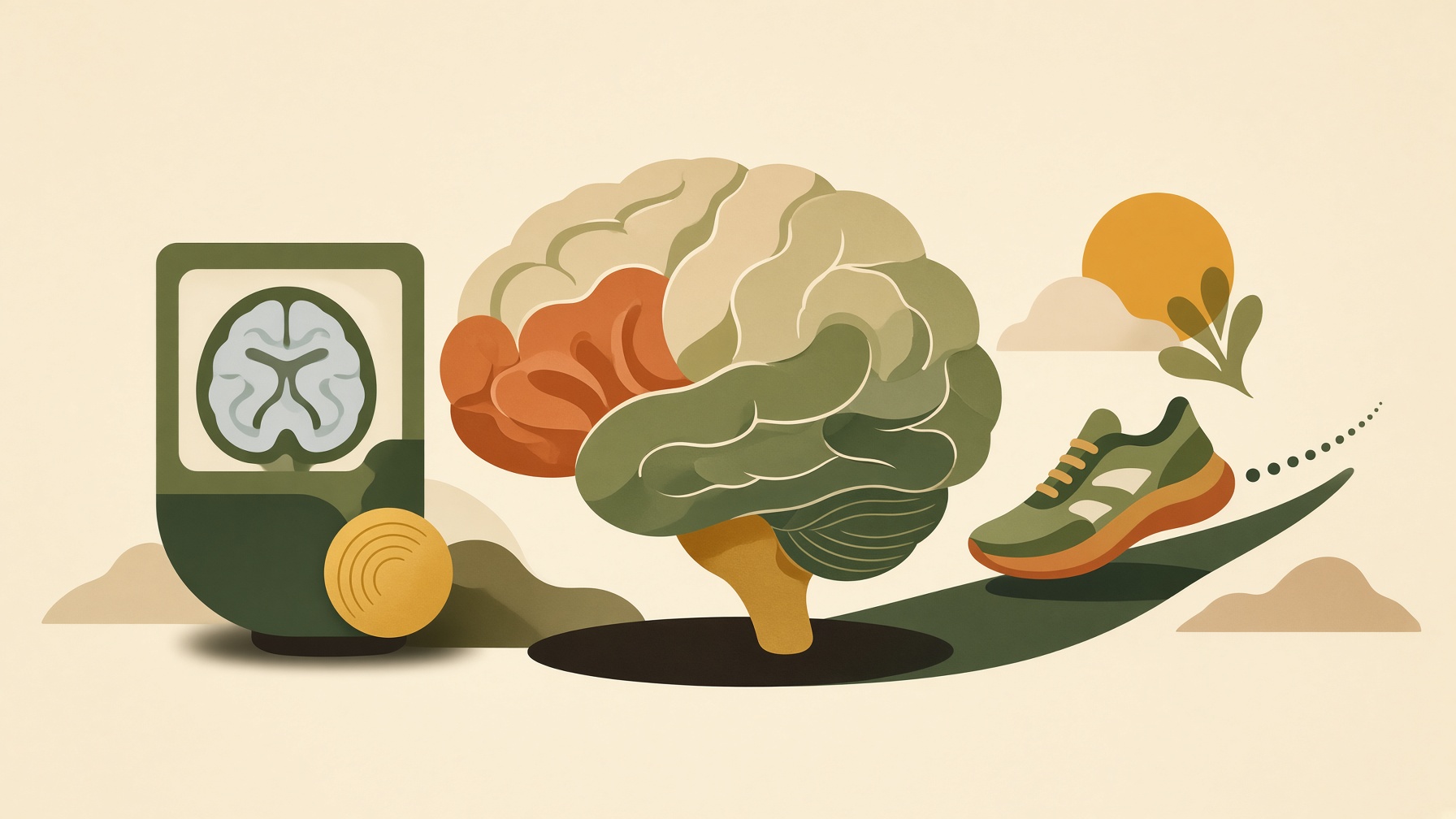
Exercise can shift some MRI-based brain-age estimates, but changes depend on the model and do not demonstrate literal reversal of brain aging.
Repeated training can improve muscular performance and glucose transport capacity, with adaptations that differ from the response to one workout.
Training and nutrition shape outcomes through repeated patterns, and evidence does not support treating one imperfect meal as a workout cancellation.
One workout can change short-term glucose responses or cognitive-task performance, but those acute effects do not establish long-term adaptation.
Exercise changes many chemical signals, but an acute blood measurement cannot establish what happens in every tissue or explain long-term adaptation.
Whole-body movement does not load every muscle equally, so complementary exercises can cover demands that repeating one movement leaves untrained.
Exercise can improve bone density and muscle fat infiltration in studied groups, but these imaging measures describe different aspects of tissue health.

The pelvic floor forms part of the core, and strong abdominal muscles or athletic performance do not rule out symptoms that need targeted assessment.
Training to muscular failure does not consistently improve muscle growth, although stopping close to failure can influence the training stimulus.