
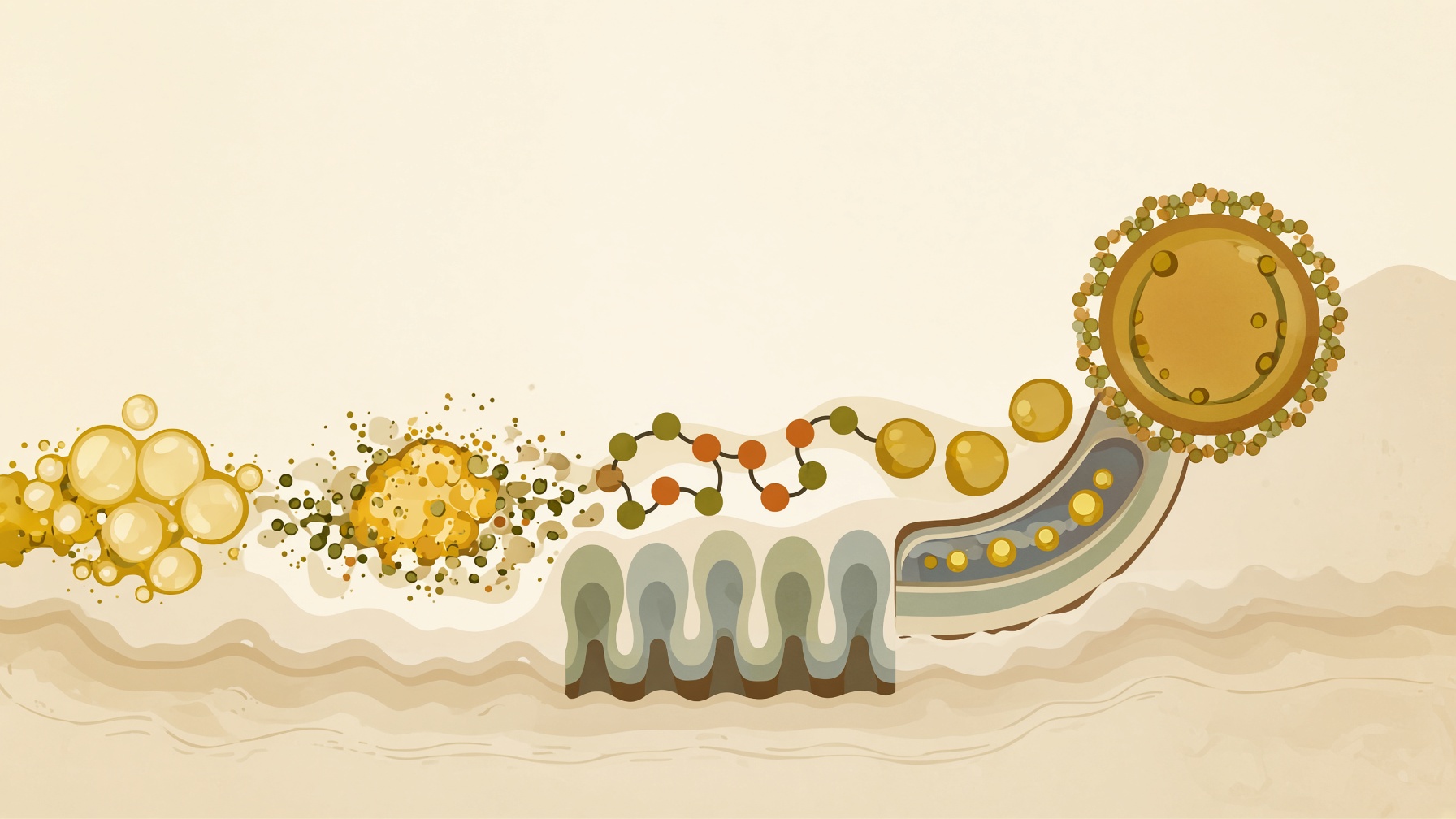
How Your Body Digests and Absorbs Dietary Fat
Dietary fat digestion combines physical dispersal by bile salts with enzyme breakdown, producing lipid components that intestinal cells can absorb.
117 articles in this view
Current selection
117 results
Dietary fat digestion combines physical dispersal by bile salts with enzyme breakdown, producing lipid components that intestinal cells can absorb.
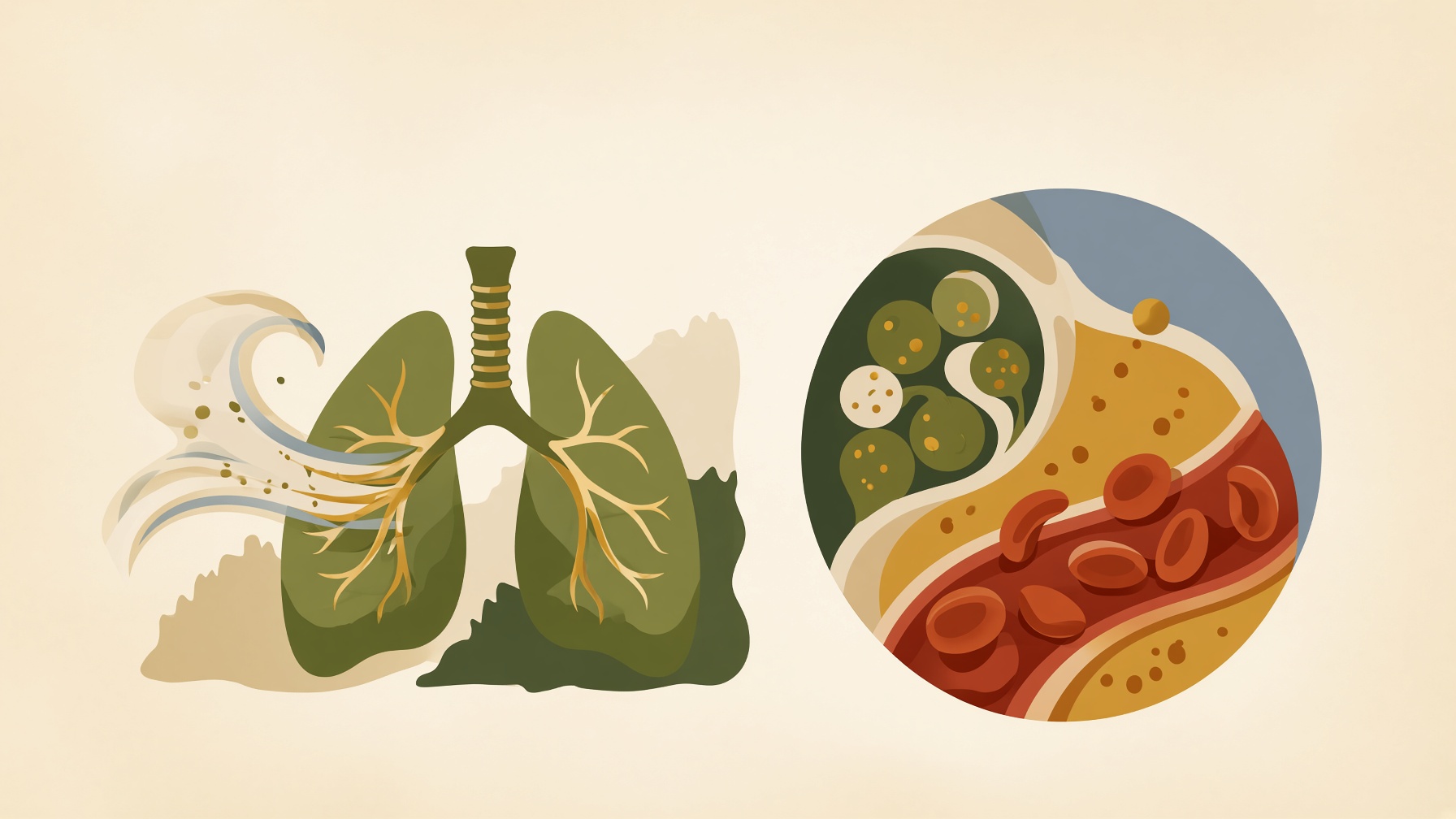
Heavy breathing during exercise can match normal metabolic demand, while hyperventilation exceeds the ventilation needed to remove carbon dioxide.
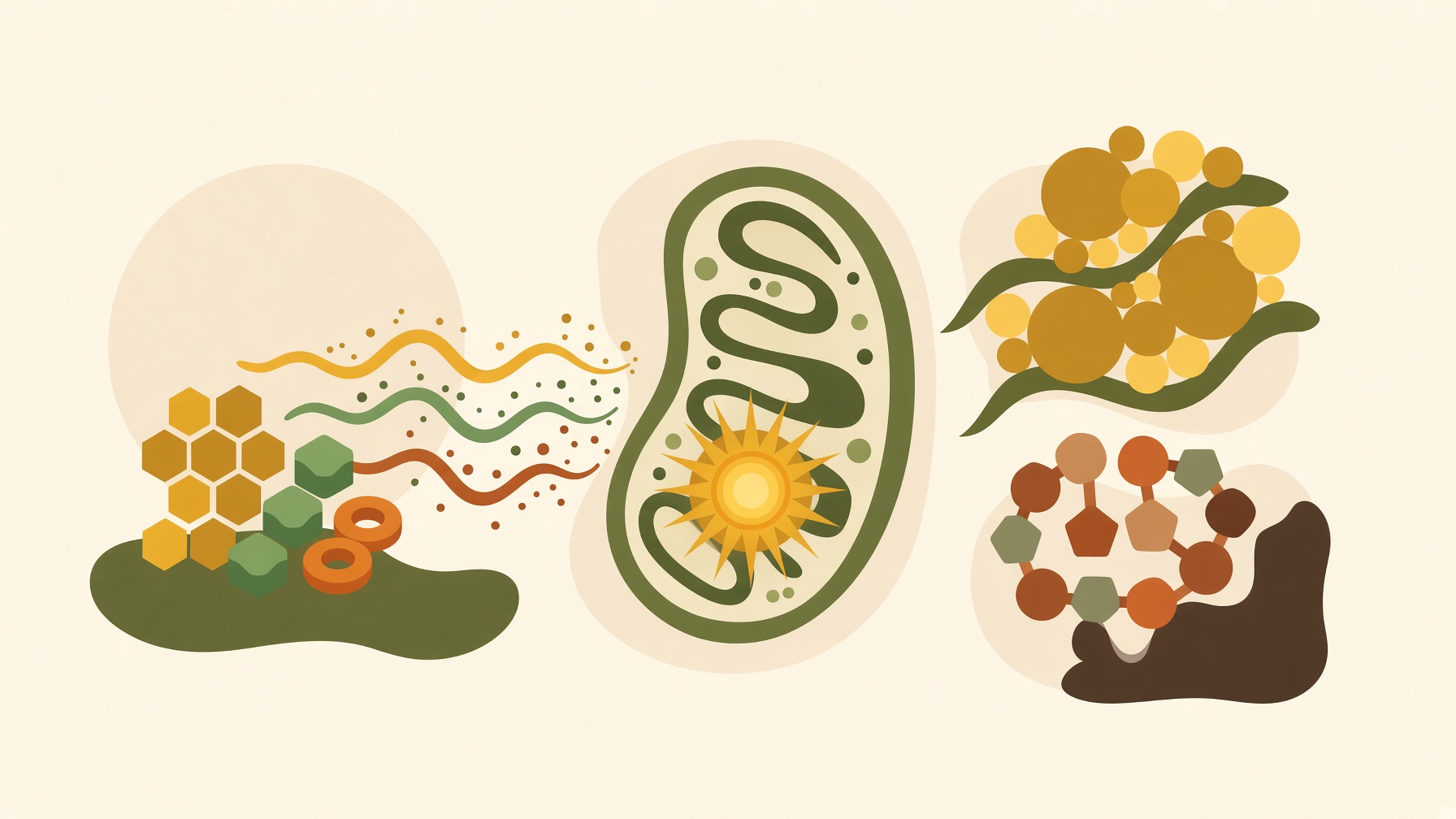
Macronutrients provide different metabolic options after digestion, so carbohydrate, protein, and fat do not serve interchangeable roles in the body.
Training specificity links exercise demands to the abilities a person wants to improve, with transfer depending on more than visual similarity.
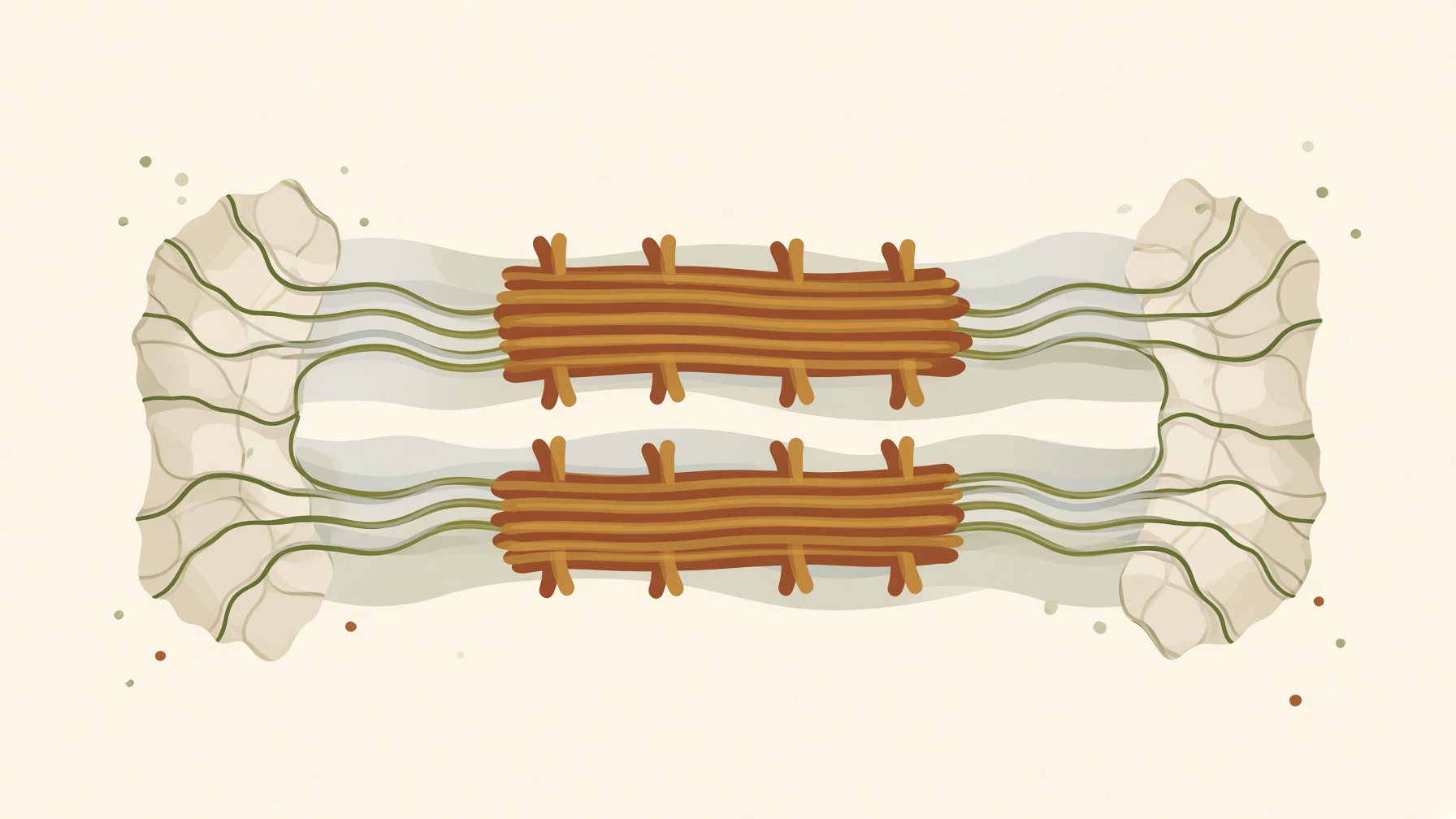
Sarcomeres shorten as thin filaments slide alongside thick filaments, increasing overlap without reducing the length of the filaments themselves.

Standing stability depends on the relationship between the body’s center of mass and base of support, so no single stance suits every task.
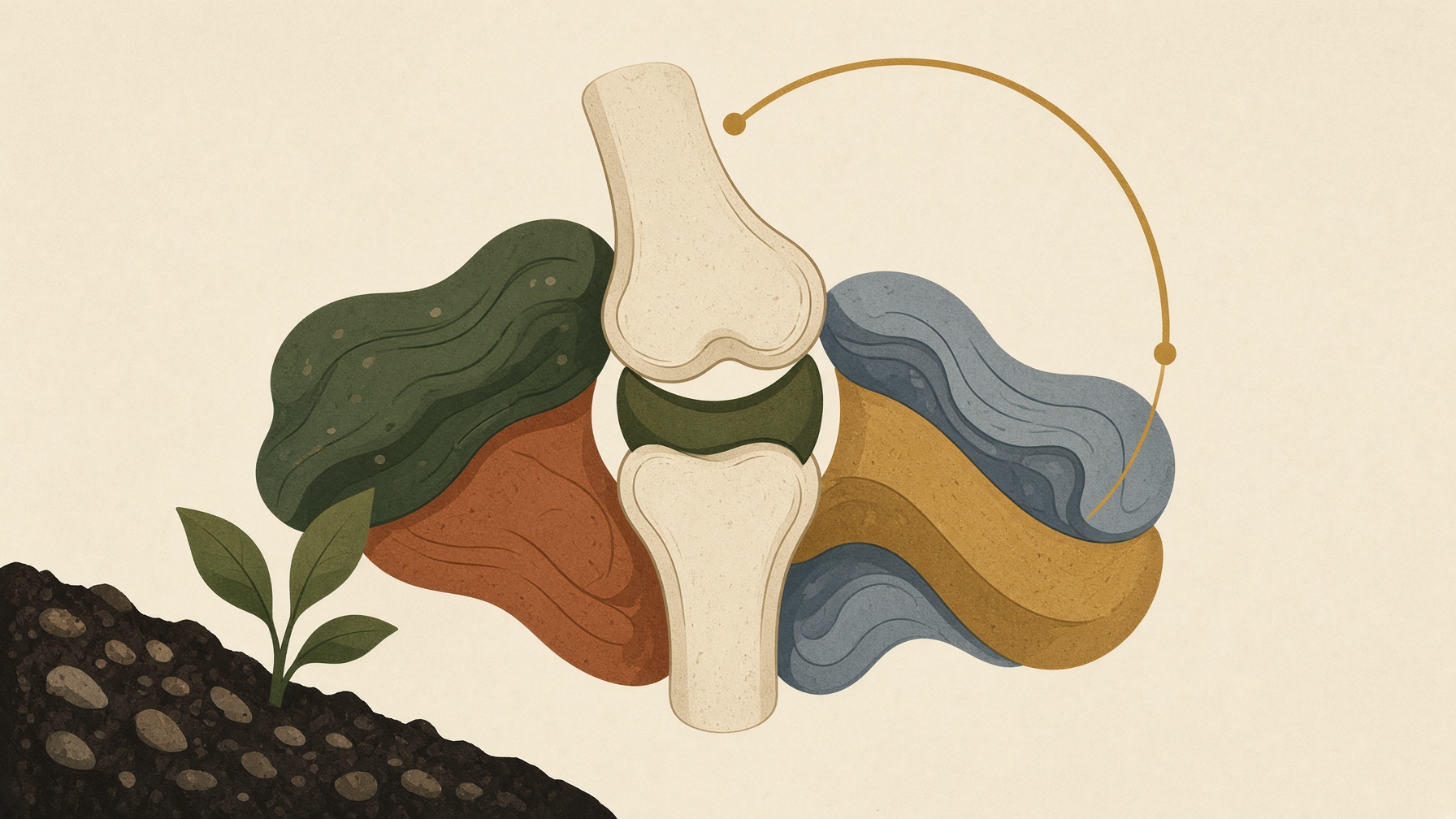
Flexibility reflects joint structure and surrounding tissues as well as stretch tolerance, so similar limits in movement can have different causes.
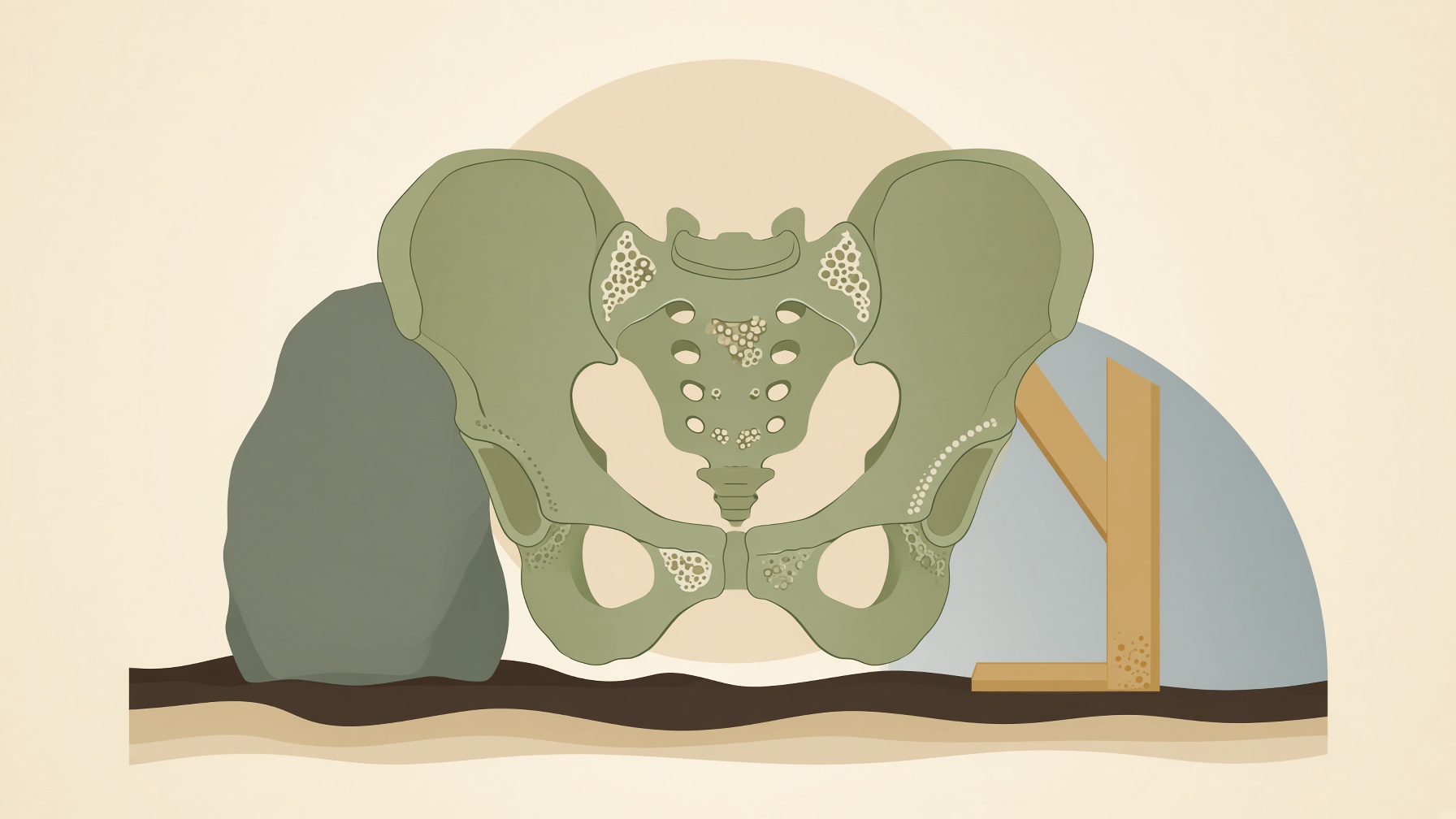
The pelvis limits movement through strong bony connections, providing a stable base that transfers upper-body weight toward the lower limbs.
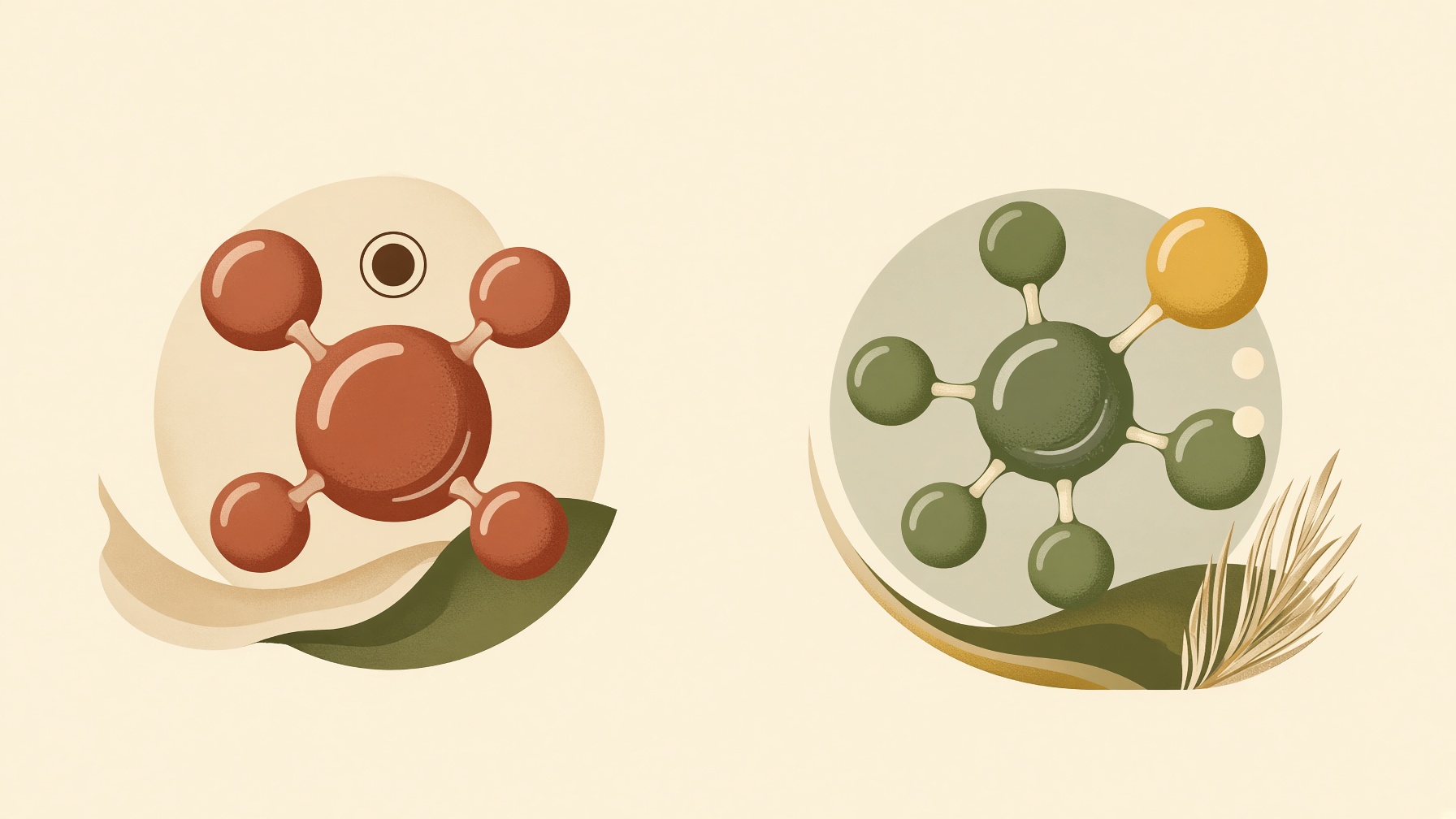
Redox reactions pair electron loss with electron gain, allowing metabolic pathways to transfer reducing power between molecules inside cells.
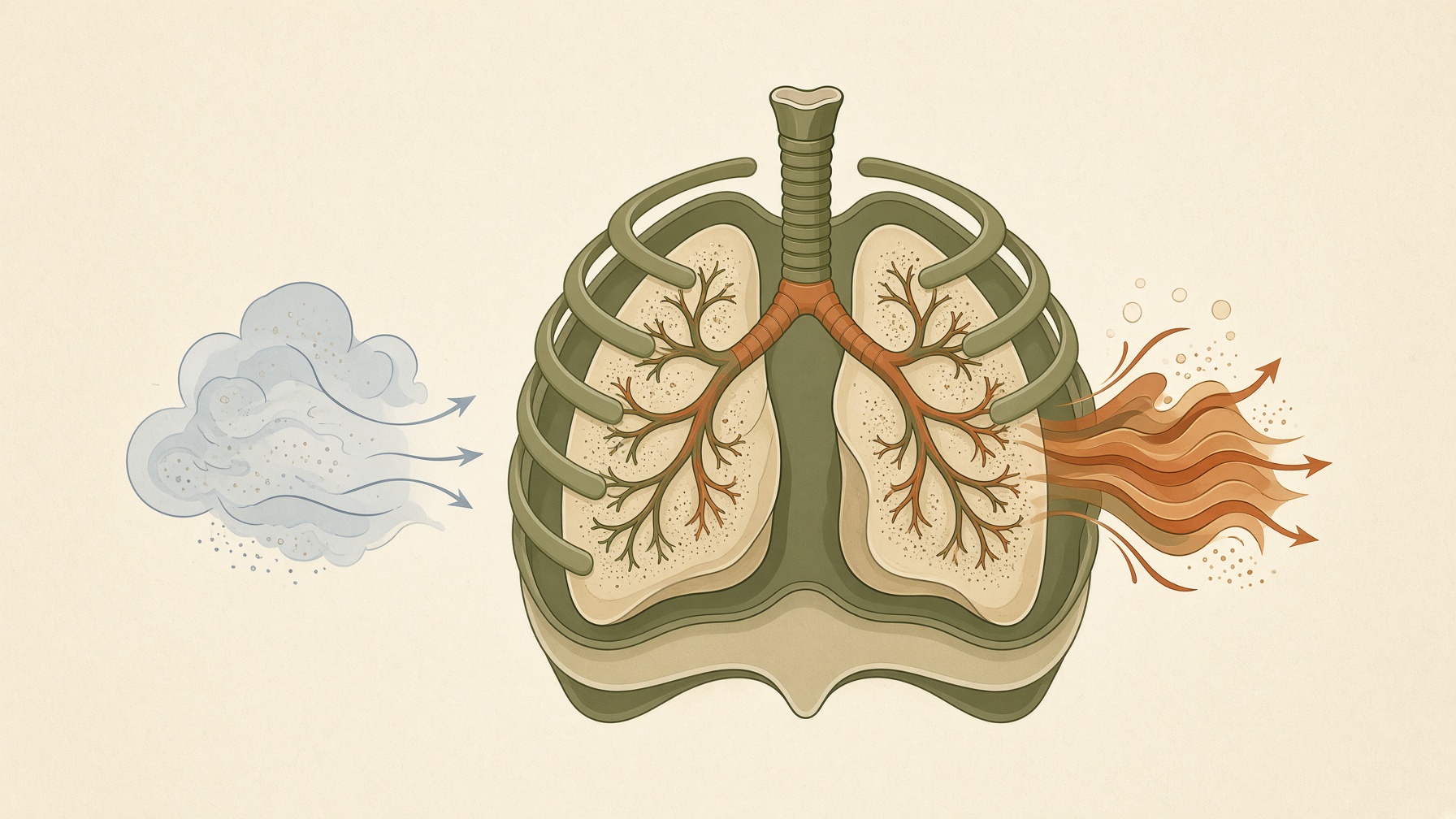
Breathing moves air through pressure differences created as the lungs expand and recoil, with airflow traveling from higher to lower pressure.
A simple resistance-training program builds a repeatable routine around major muscle groups, with demands that can change as performance improves.
Biomechanics explains human movement through the interaction of body structures and forces, revealing the mechanics behind familiar actions.