
Does Lactic Acid Cause Muscle Fatigue? What Lactate, Acidity, and Other Changes Contribute
Lactate does not directly explain muscle acidity or all exercise fatigue, which reflects several interacting changes that depend on the task.
13 articles in this view
Current selection
13 results
Lactate does not directly explain muscle acidity or all exercise fatigue, which reflects several interacting changes that depend on the task.
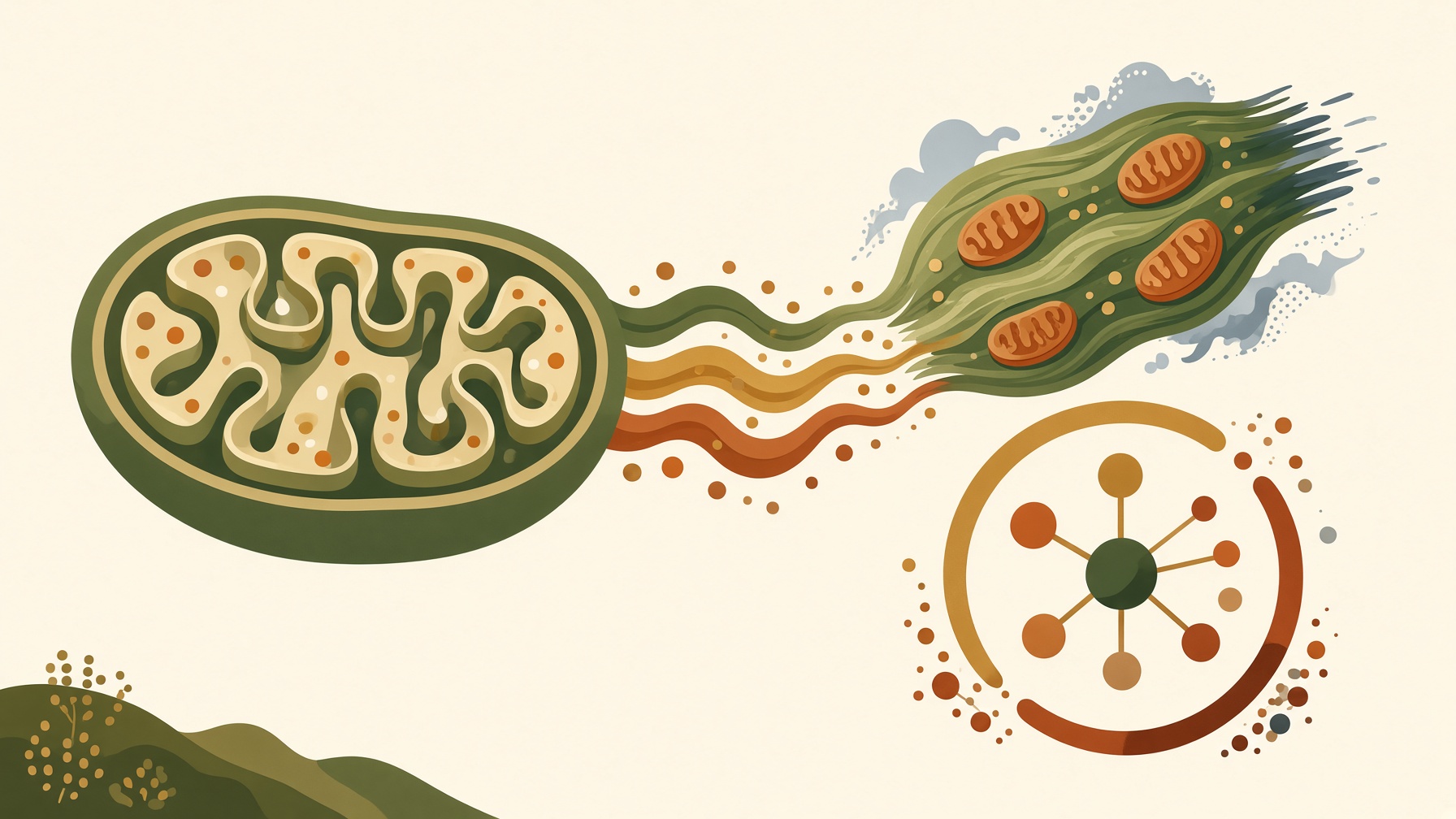
ATP regeneration draws on overlapping energy pathways whose contributions shift with exercise demands, keeping muscle work supplied with usable energy.
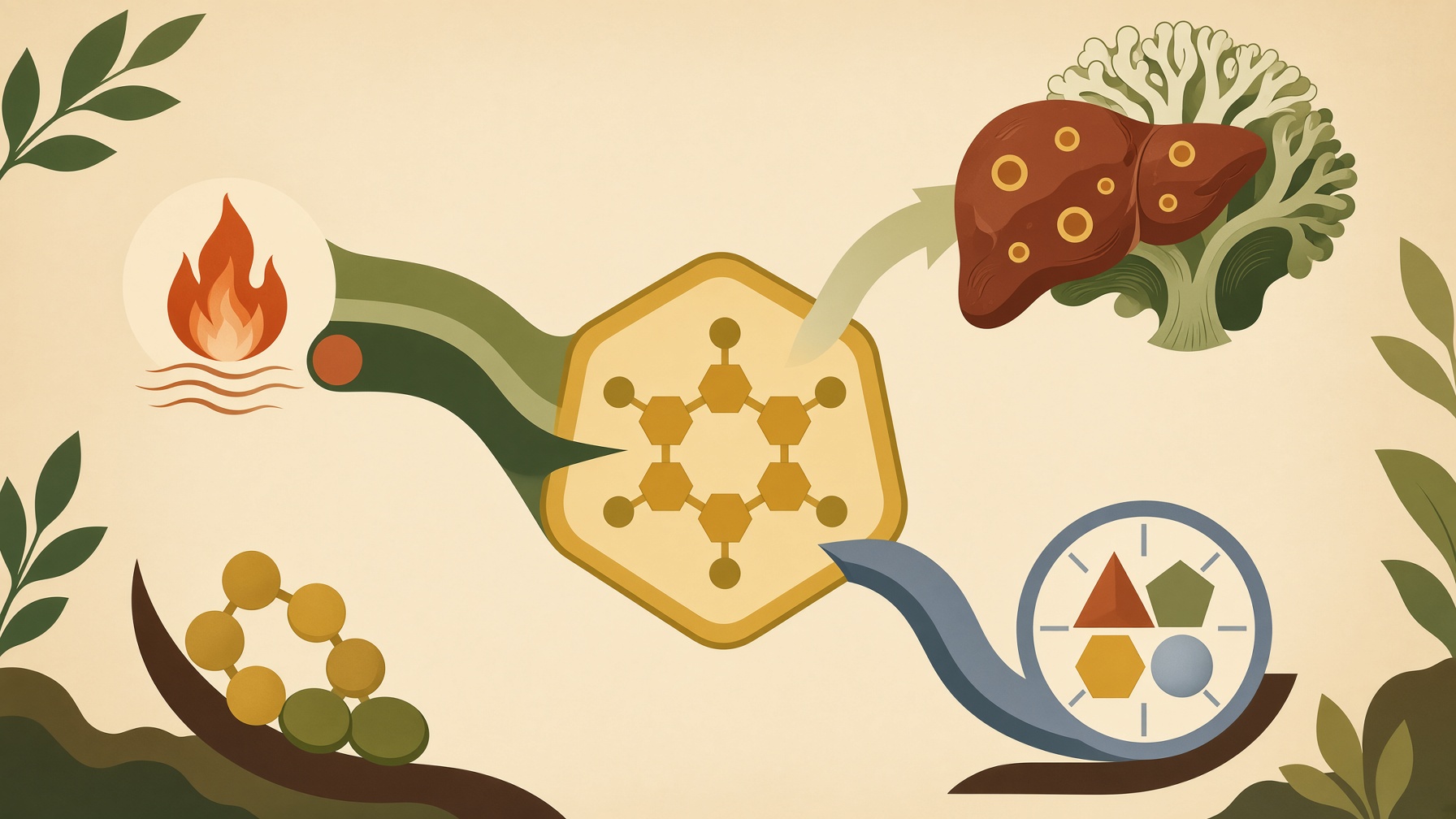
Carbohydrate metabolism supplies more than immediate energy, providing glucose-derived material that cells can store or use to build molecules.

Endurance training can increase muscle mitochondria and capillary supply, helping active fibers sustain energy production during prolonged effort.
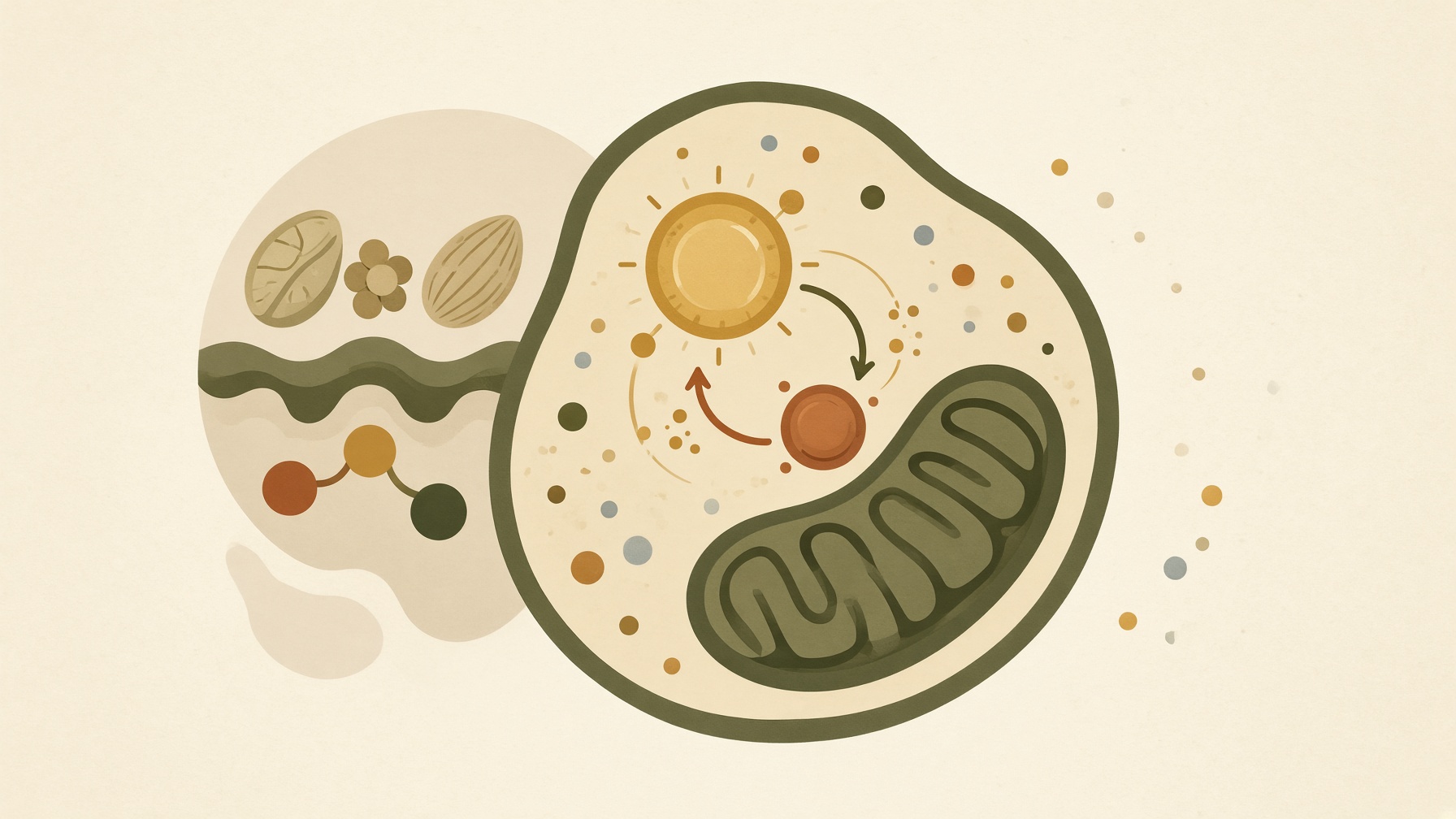
Cells repeatedly regenerate ATP as cellular work consumes the small available supply, making continuous turnover more important than stockpiling.

Sodium gradients across cell membranes provide stored energy that cells use for electrical signals and the absorption of certain nutrients.

Glycolysis helps muscle replenish ATP quickly during intense exercise while other energy pathways continue contributing at the same time.

Skeletal muscles release heat as they use energy to contract, explaining why both deliberate exercise and involuntary shivering warm the body.

Muscle fibers differ in contraction speed and energy supply, making some better suited to sustained effort and others to rapid, powerful work.

Macronutrients provide different metabolic options after digestion, so carbohydrate, protein, and fat do not serve interchangeable roles in the body.

Training specificity links exercise demands to the abilities a person wants to improve, with transfer depending on more than visual similarity.

Exercise energy systems work together to replenish ATP, with intensity and duration shifting each pathway’s share rather than switching systems on.