
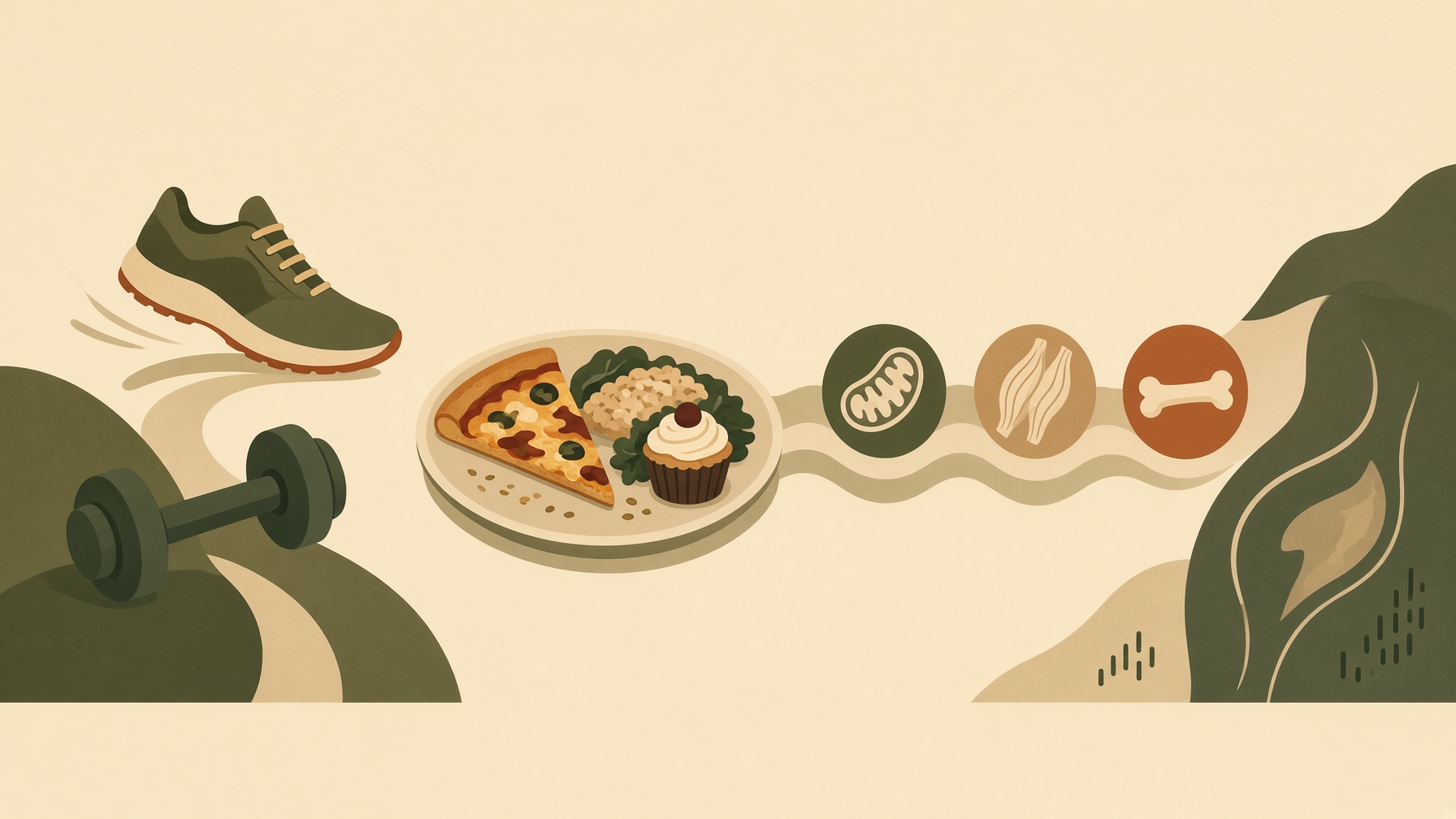
If the Meal after Training Wasn't What You Planned, Did the Workout Still Do Its Job?
Training and nutrition shape outcomes through repeated patterns, and evidence does not support treating one imperfect meal as a workout cancellation.
Themes
From this collection
Training and nutrition shape outcomes through repeated patterns, and evidence does not support treating one imperfect meal as a workout cancellation.

Post-meal walking, tea and lying down affect different outcomes, so evidence about glucose, iron absorption or reflux cannot support one universal rule.
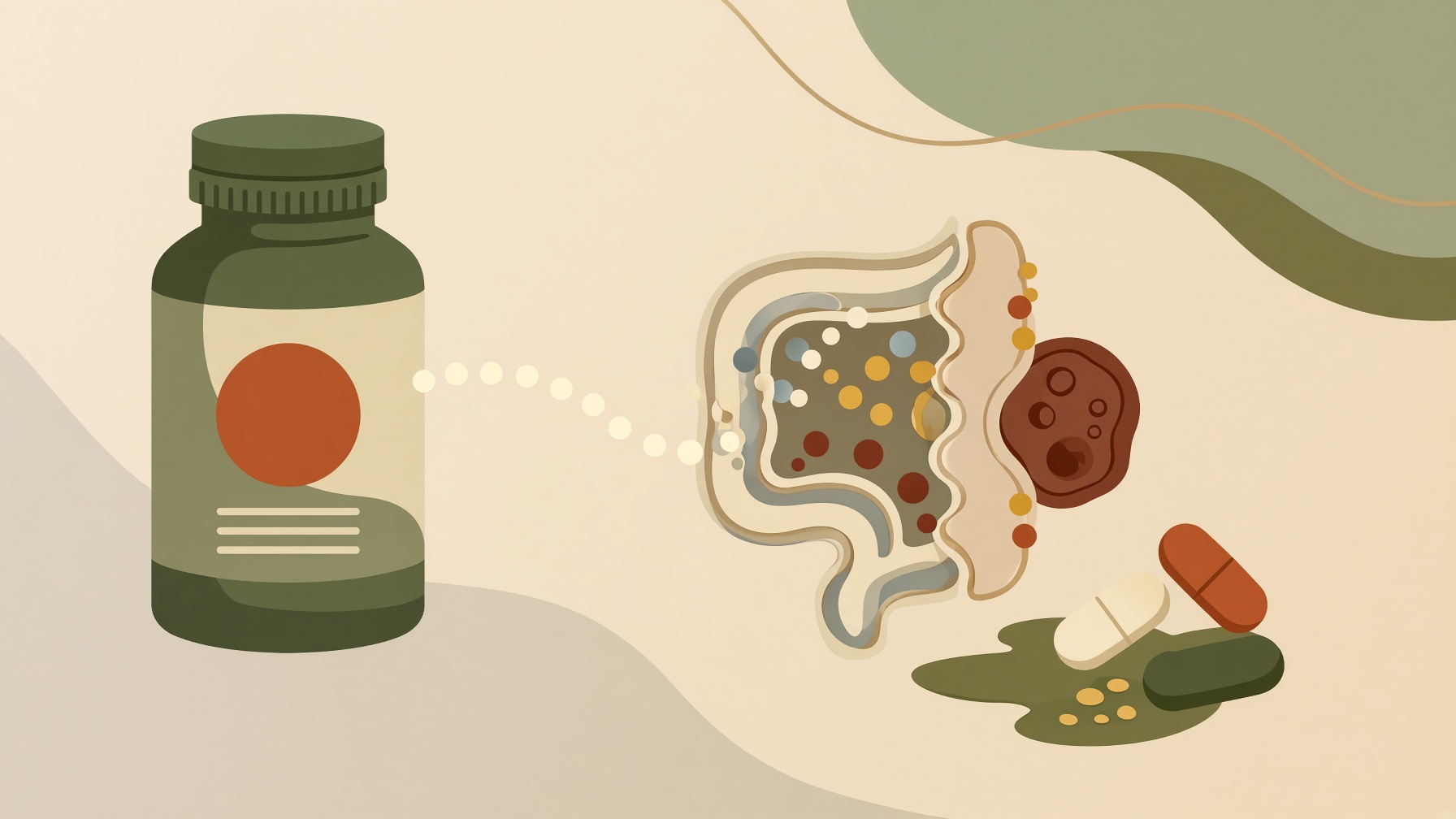
Daily vitamin B12 can address low intake or deficiency, but the reason for deficiency determines treatment and extra B12 offers no assured added benefit.

One workout can change short-term glucose responses or cognitive-task performance, but those acute effects do not establish long-term adaptation.

Meal size does not reveal calorie intake, because energy density and the wider pattern of eating affect energy balance beyond the visible plate.

Dietary patterns show more consistent links to favorable inflammatory markers than individual foods, without proving that a diet can switch inflammation off.

Coffee has observational links to less liver fibrosis, but evidence does not establish coffee as a treatment or show that weight loss explains the link.

Exercise changes many chemical signals, but an acute blood measurement cannot establish what happens in every tissue or explain long-term adaptation.
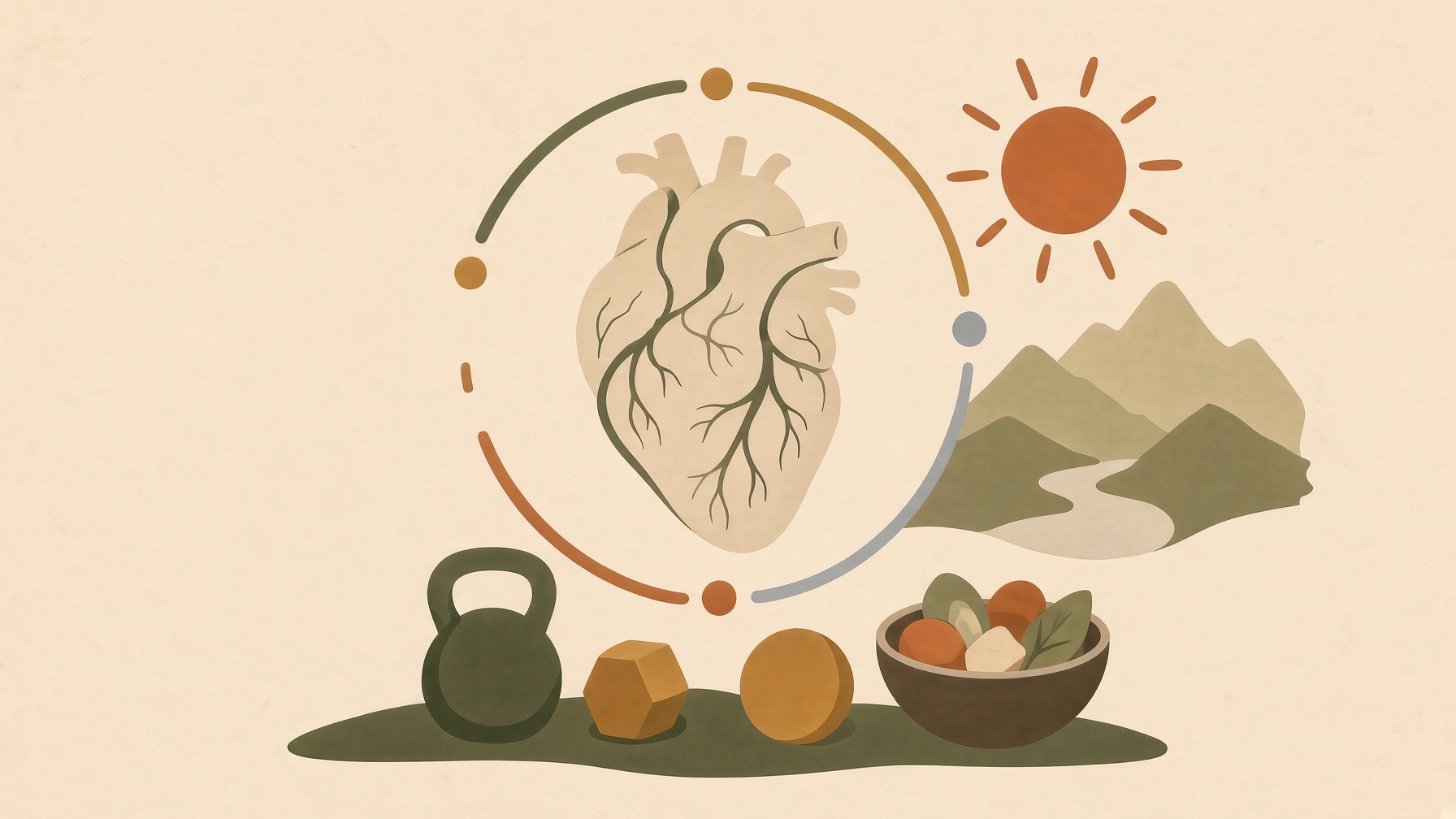
Whole-body movement does not load every muscle equally, so complementary exercises can cover demands that repeating one movement leaves untrained.
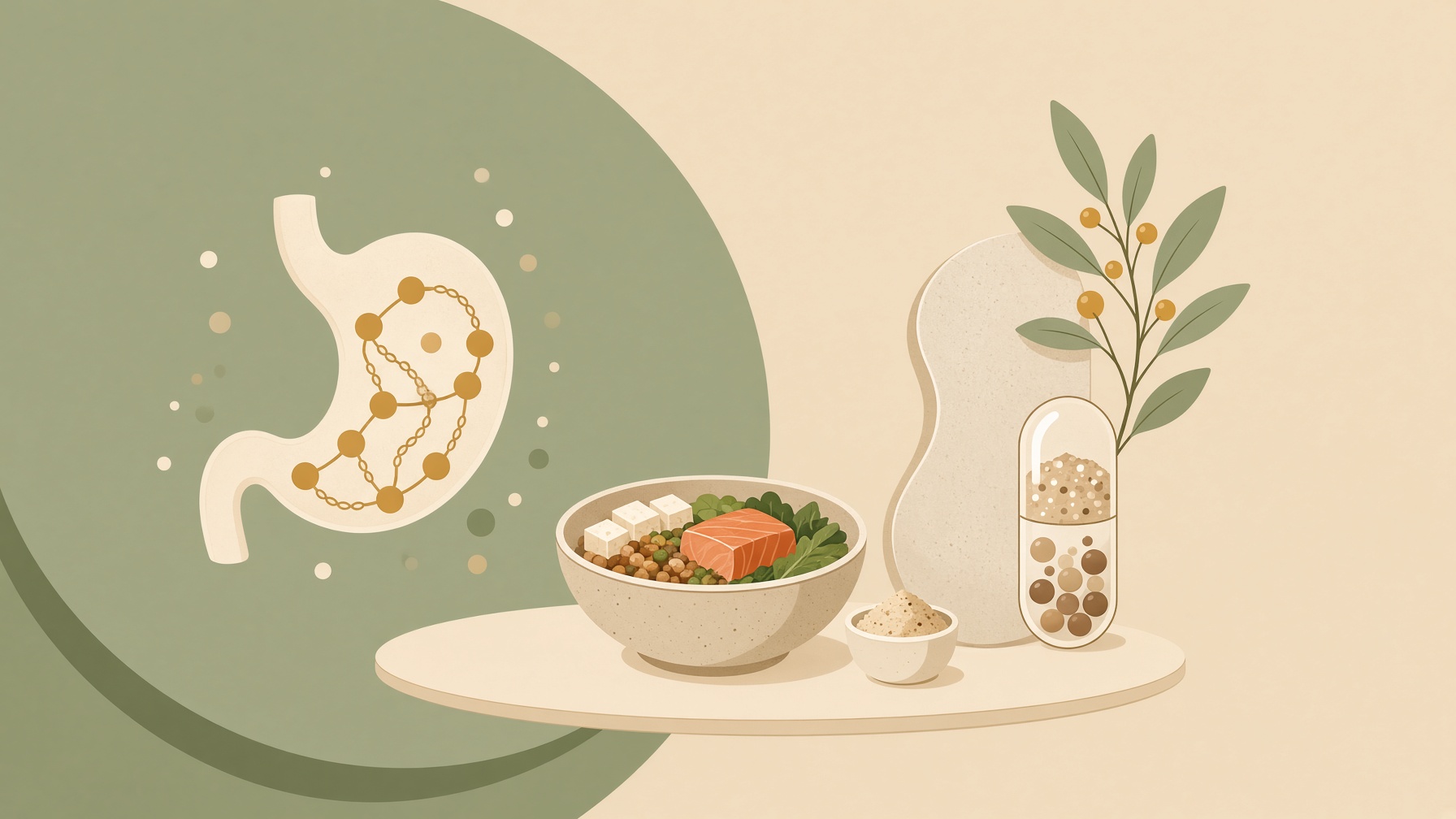
Older adults with a smaller appetite can use protein-dense familiar foods to support intake, with extra nutrition support when food alone falls short.

A 500-calorie diet needs defined nutrition and clinical supervision, since a low calorie total alone does not describe a safe weight-loss intervention.
Daily energy expenditure includes more than exercise, and compensation can offset part of the increase expected when workouts are added over time.