

If Going Downstairs Feels Easy, What Are Your Legs Doing?
Going downstairs asks the legs to brake the body as it lowers, even when controlled stepping tests show lower oxygen use than climbing.
Themes
From this collection
Going downstairs asks the legs to brake the body as it lowers, even when controlled stepping tests show lower oxygen use than climbing.
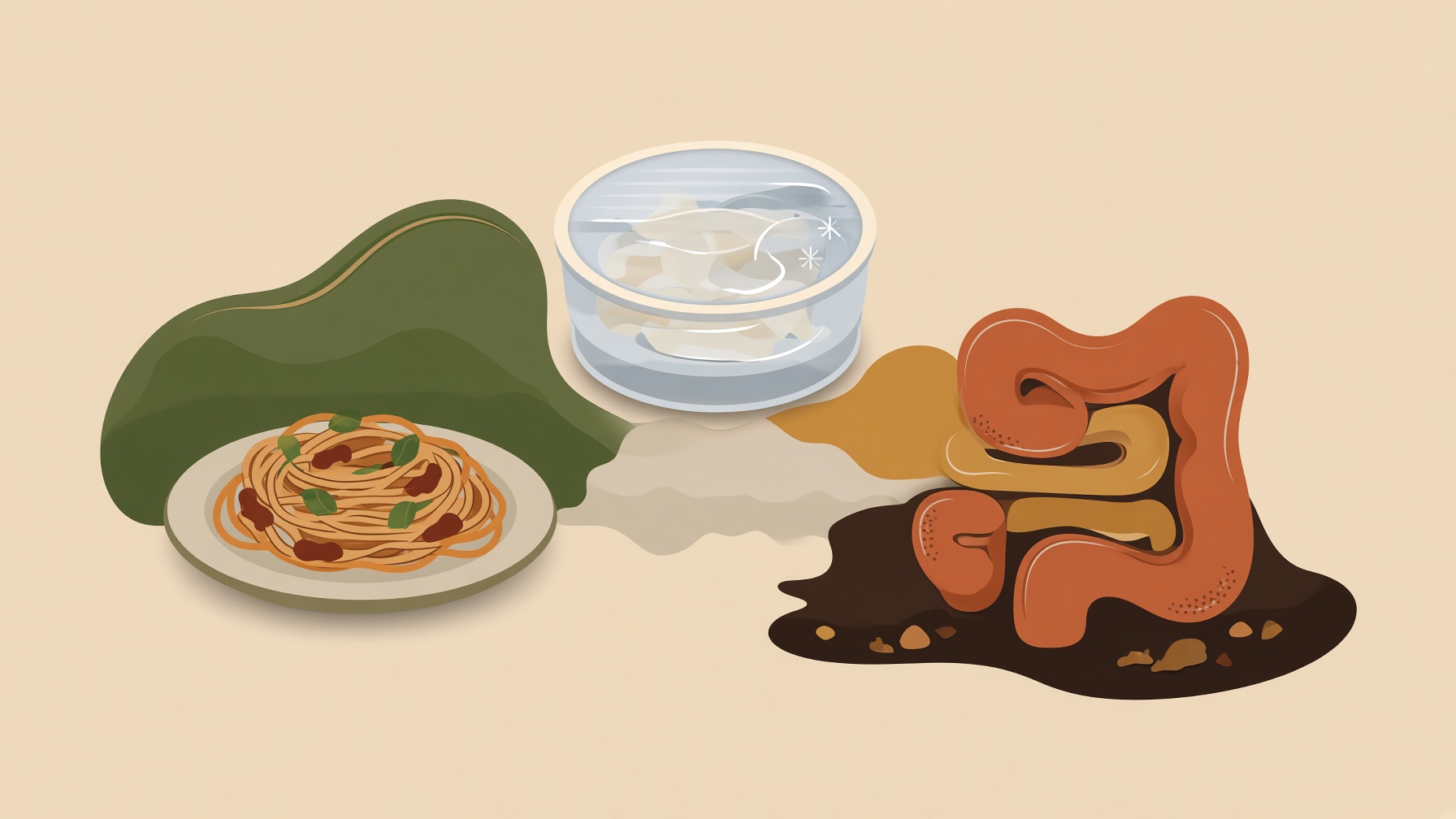
Cooling and reheating pasta can change the blood-glucose response to a meal, but small trials do not establish a reliable reduction.
Matching dance movements led strangers to report greater closeness than doing the same moves in different sequences during one short group session.
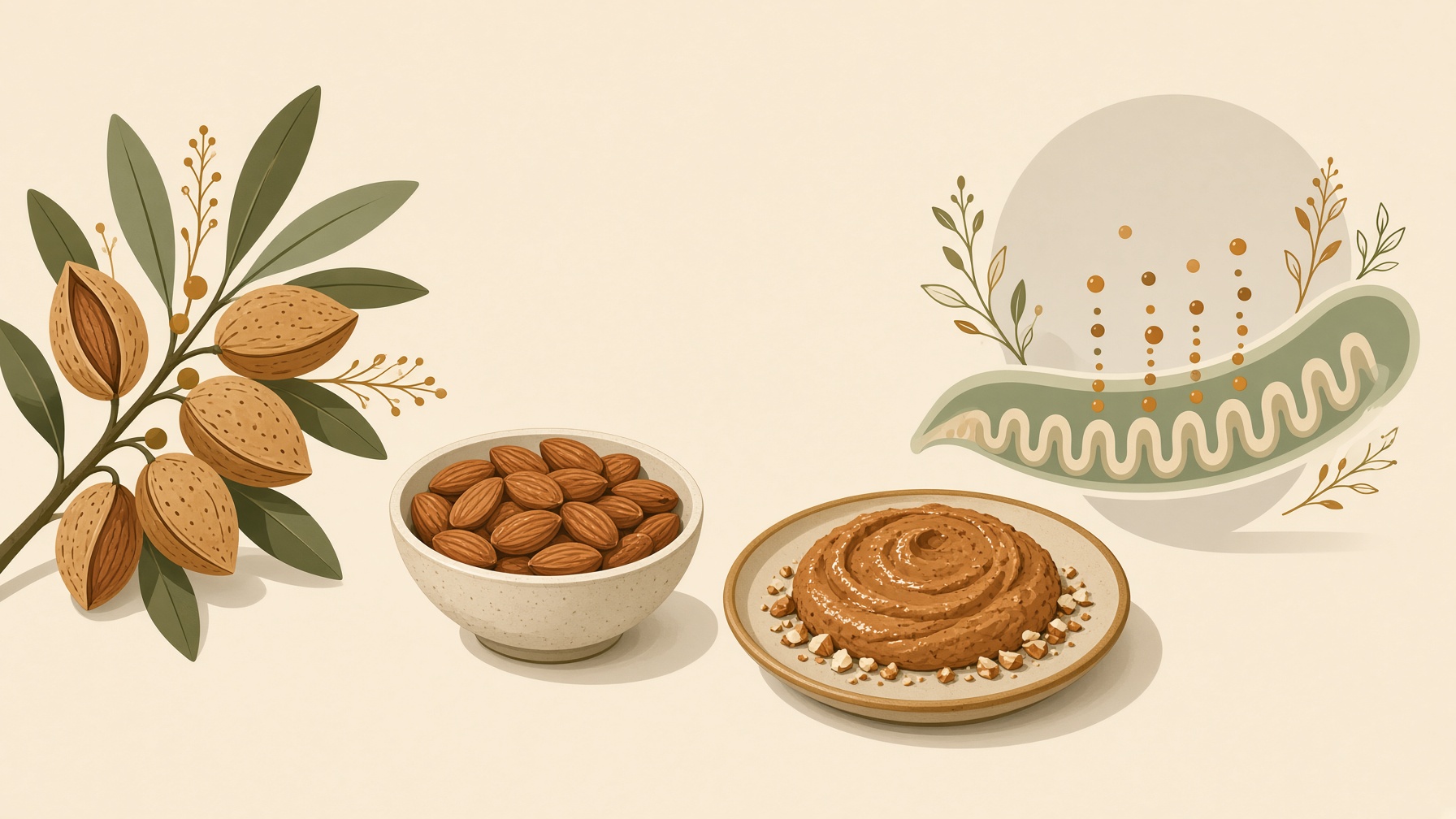
Whole almonds yielded less metabolizable energy than pure almond butter in a small feeding trial, with access to fat a plausible explanation.
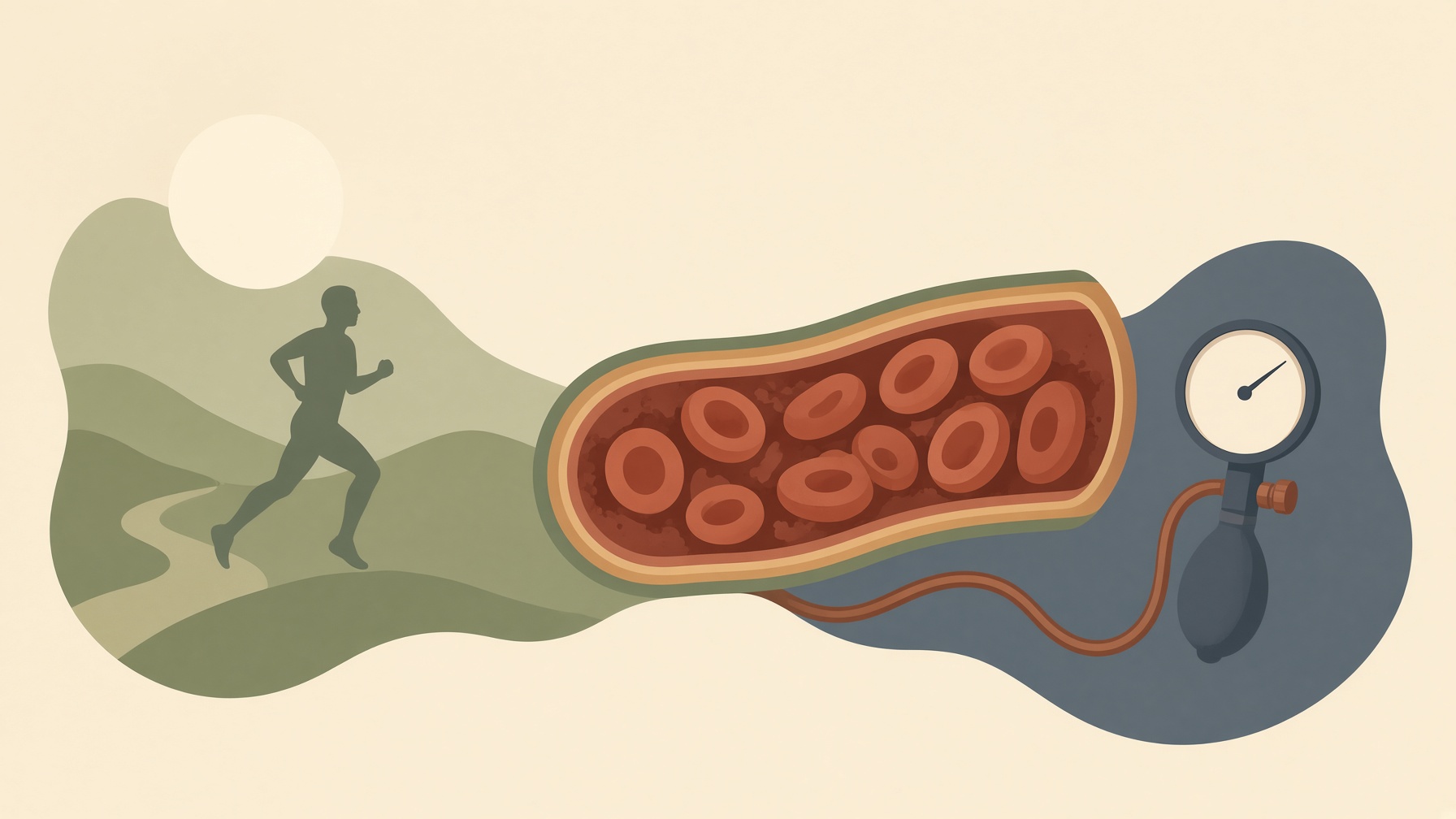
Blood pressure during exercise reflects physical effort, so a temporary rise does not carry the same meaning as persistent elevation at rest.
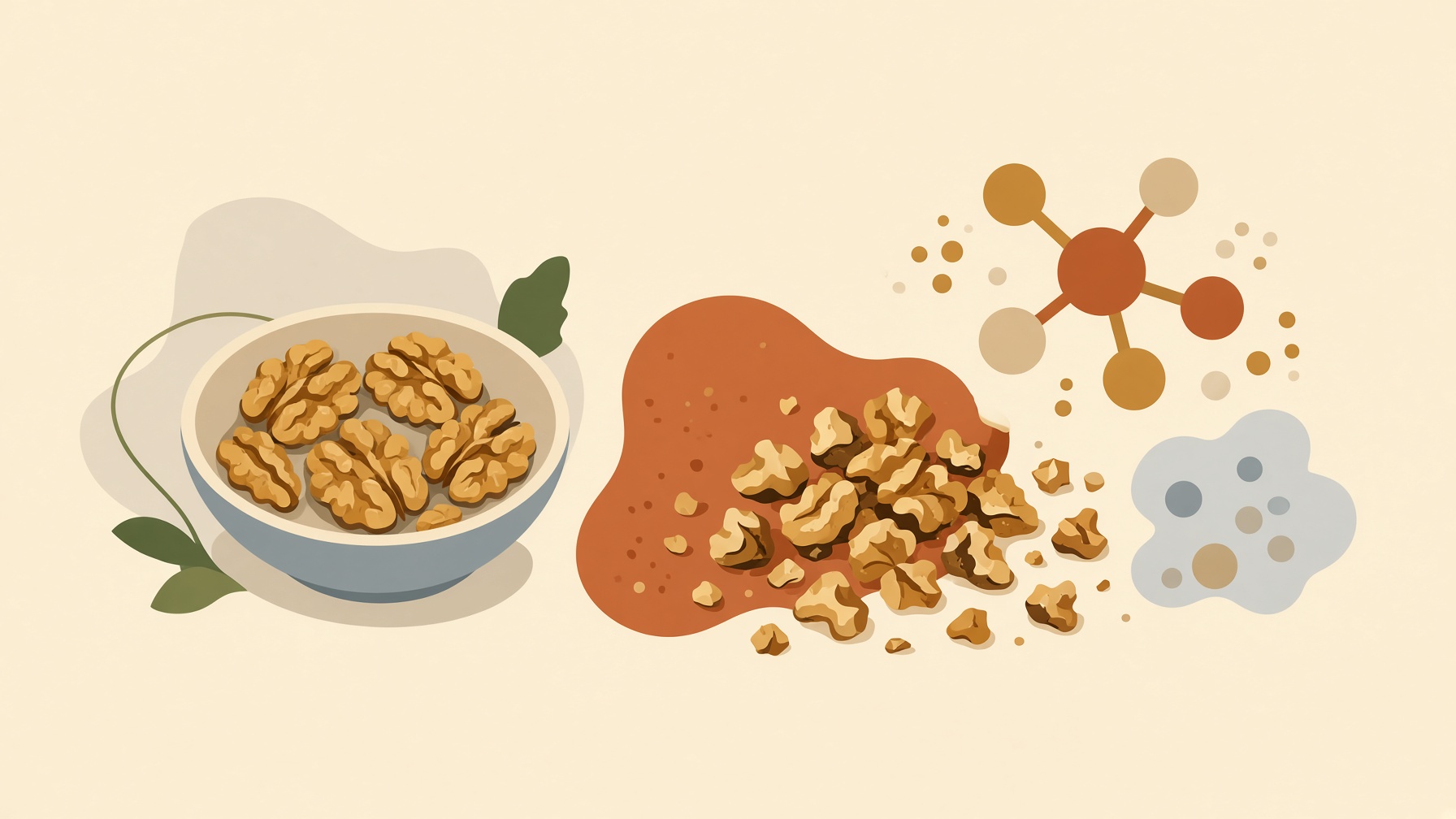
Chopped walnuts had higher oxidation-marker readings late in one storage study, but the results do not show when walnuts taste rancid or become unsafe.
Walking speed was higher during anger writing than sadness writing in a small experiment, but the task did not isolate the effect of emotion alone.

Salad toppings can increase absorption of carotenoids already in the vegetables, beyond the compounds the toppings contribute themselves.
Can two full-body lifting sessions build strength and muscle? Compare weekly schedules, training per muscle and what the research actually measured.

Fruit sugar, total carbohydrate and portion size measure different things, so a lower-sugar ranking does not establish a lower-carbohydrate portion.
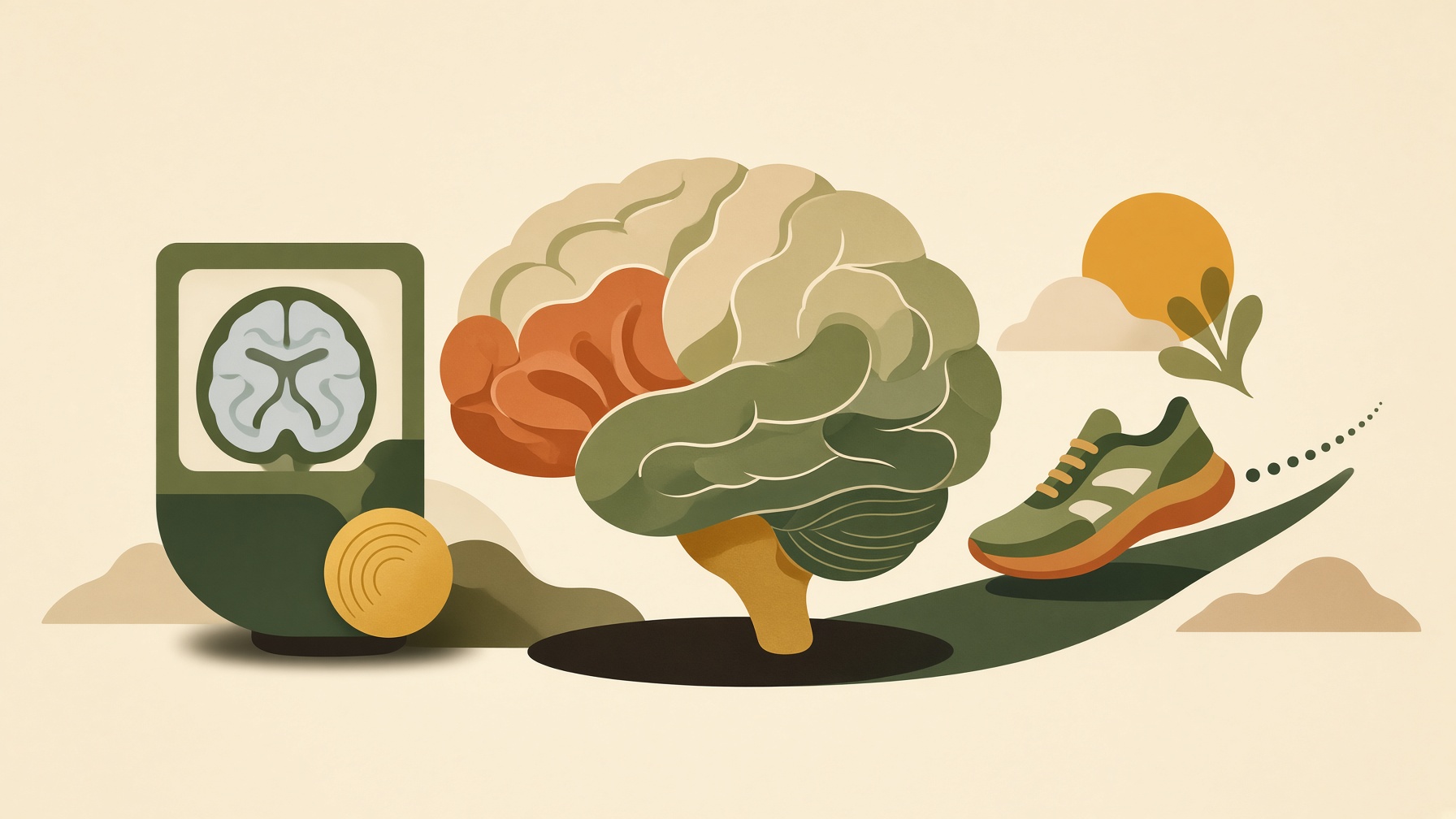
Exercise can shift some MRI-based brain-age estimates, but changes depend on the model and do not demonstrate literal reversal of brain aging.
Repeated training can improve muscular performance and glucose transport capacity, with adaptations that differ from the response to one workout.