
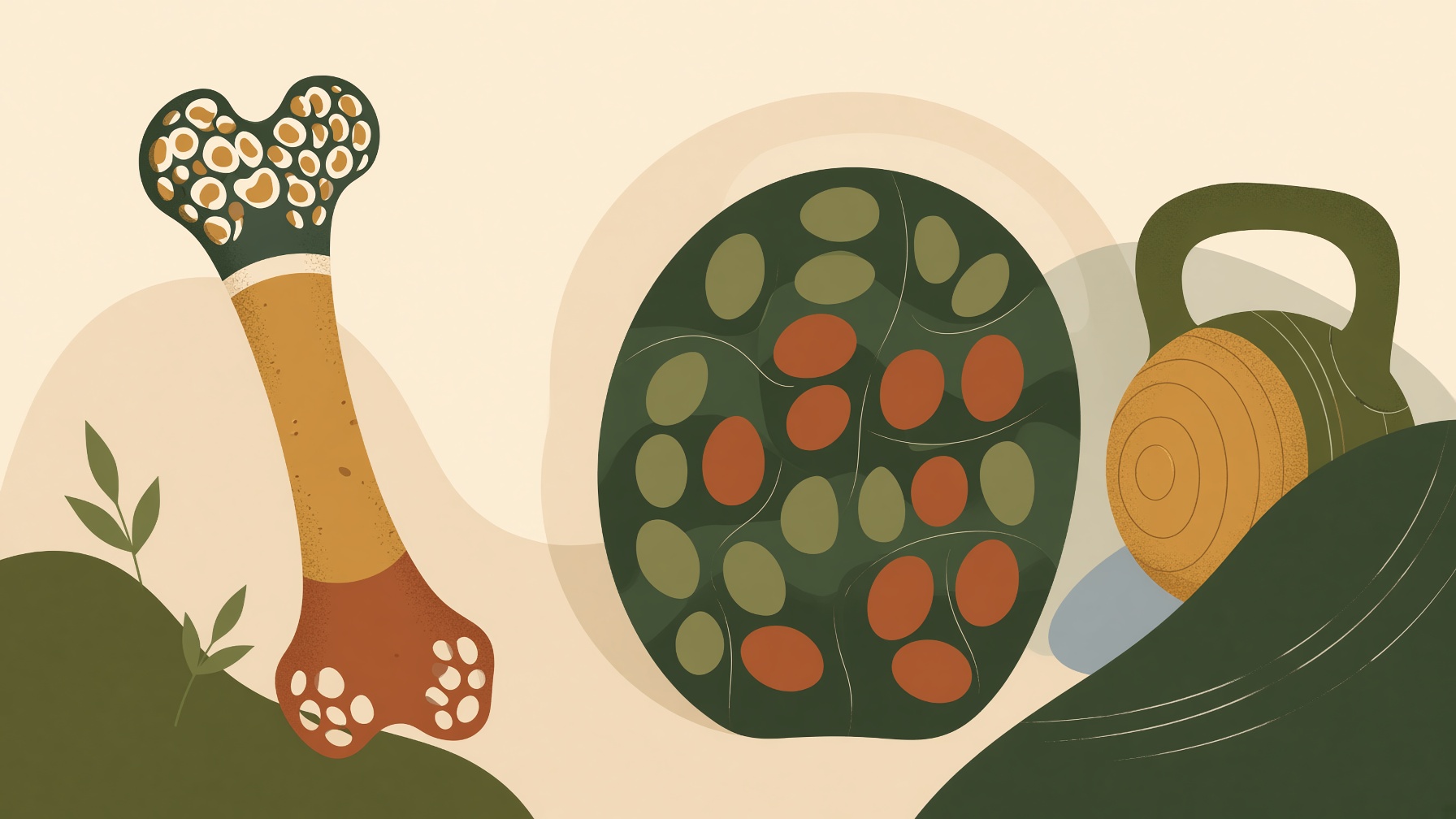
If the Photos Look the Same, Is the Training Still Doing Anything?
Exercise can improve bone density and muscle fat infiltration in studied groups, but these imaging measures describe different aspects of tissue health.
Themes
From this collection
Exercise can improve bone density and muscle fat infiltration in studied groups, but these imaging measures describe different aspects of tissue health.

The pelvic floor forms part of the core, and strong abdominal muscles or athletic performance do not rule out symptoms that need targeted assessment.
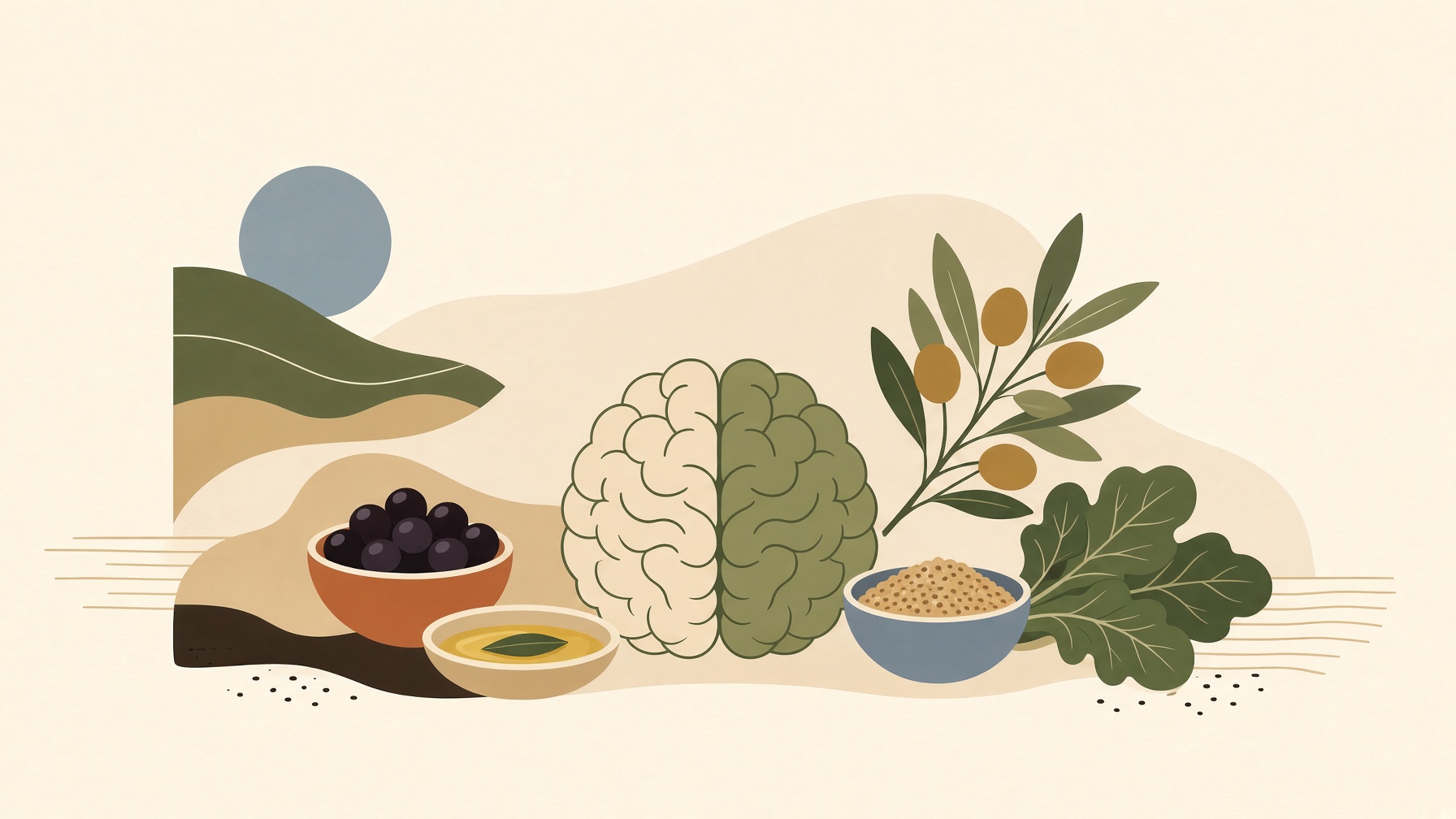
Brain-healthy dietary patterns show promising observational links, but trials do not establish one superior diet or a single food that protects cognition.

Meal order can reduce the immediate glucose response when carbohydrate comes later, but evidence for lasting improvements in diabetes control is weaker.
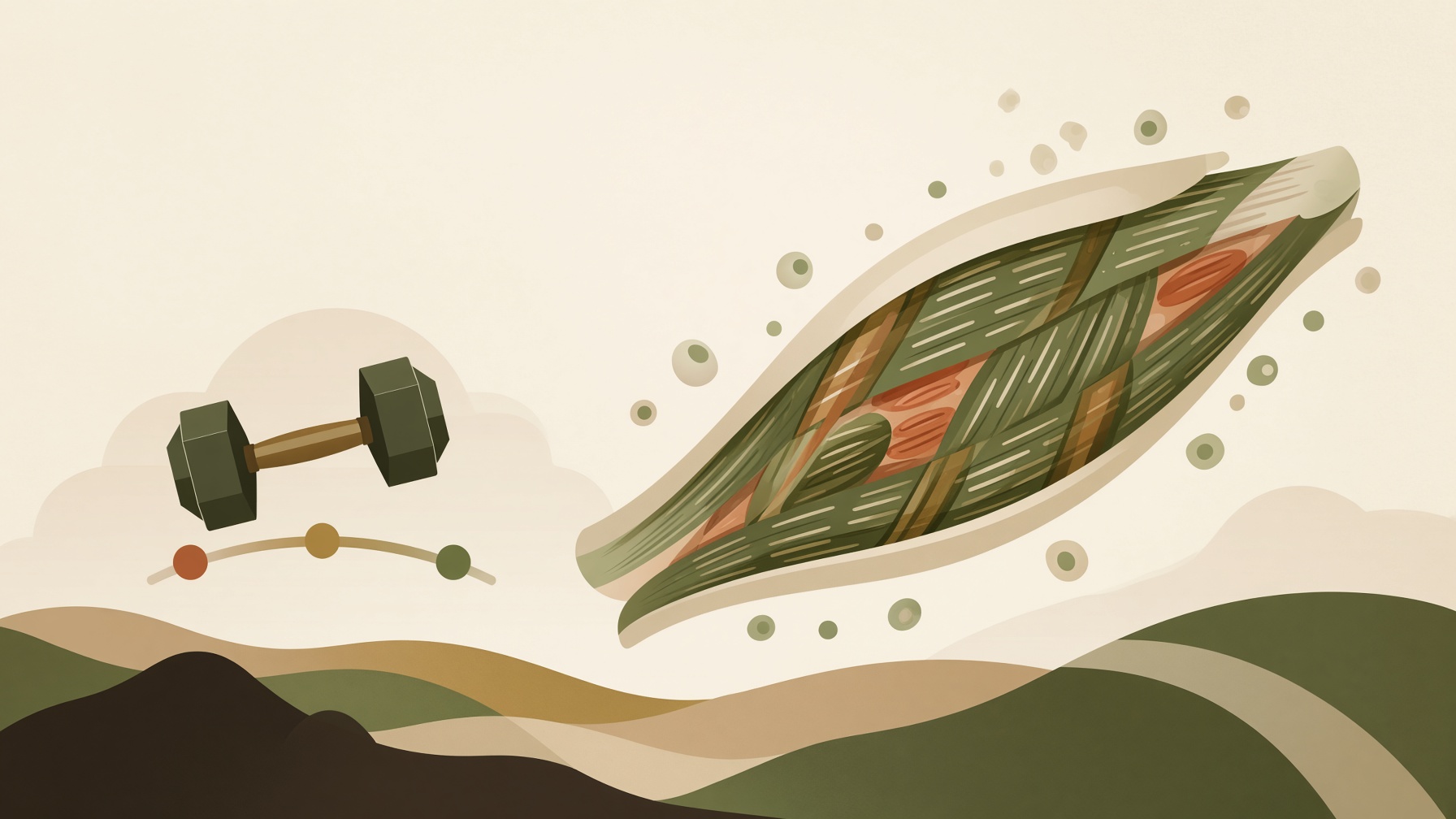
Training to muscular failure does not consistently improve muscle growth, although stopping close to failure can influence the training stimulus.
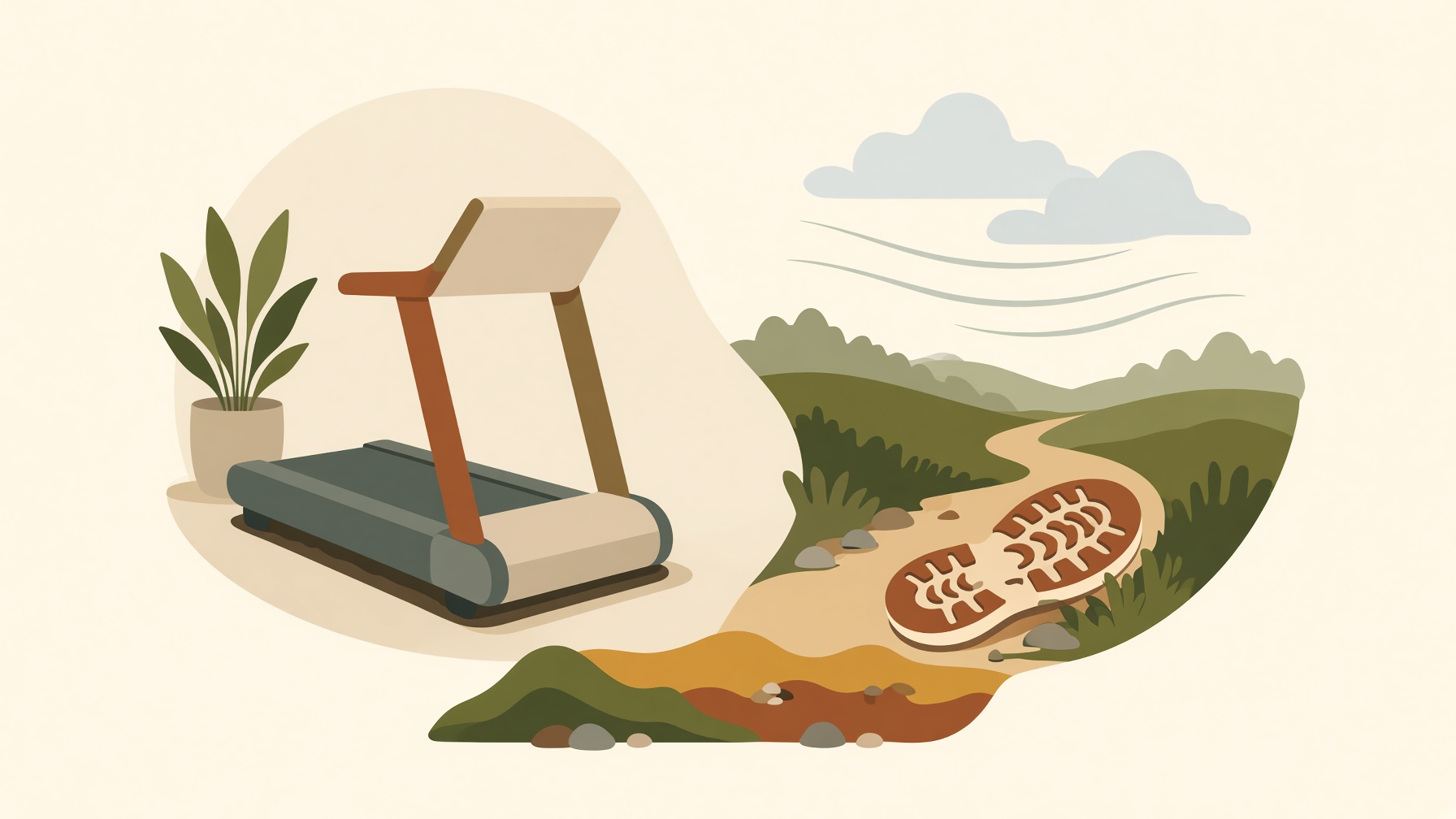
Treadmill running shares many movement patterns with outdoor running, but physiological demands can differ with speed, equipment and the runner.

Breakfast studies do not identify one best meal for weight loss, and greater fullness or a larger scale change does not necessarily mean greater fat loss.
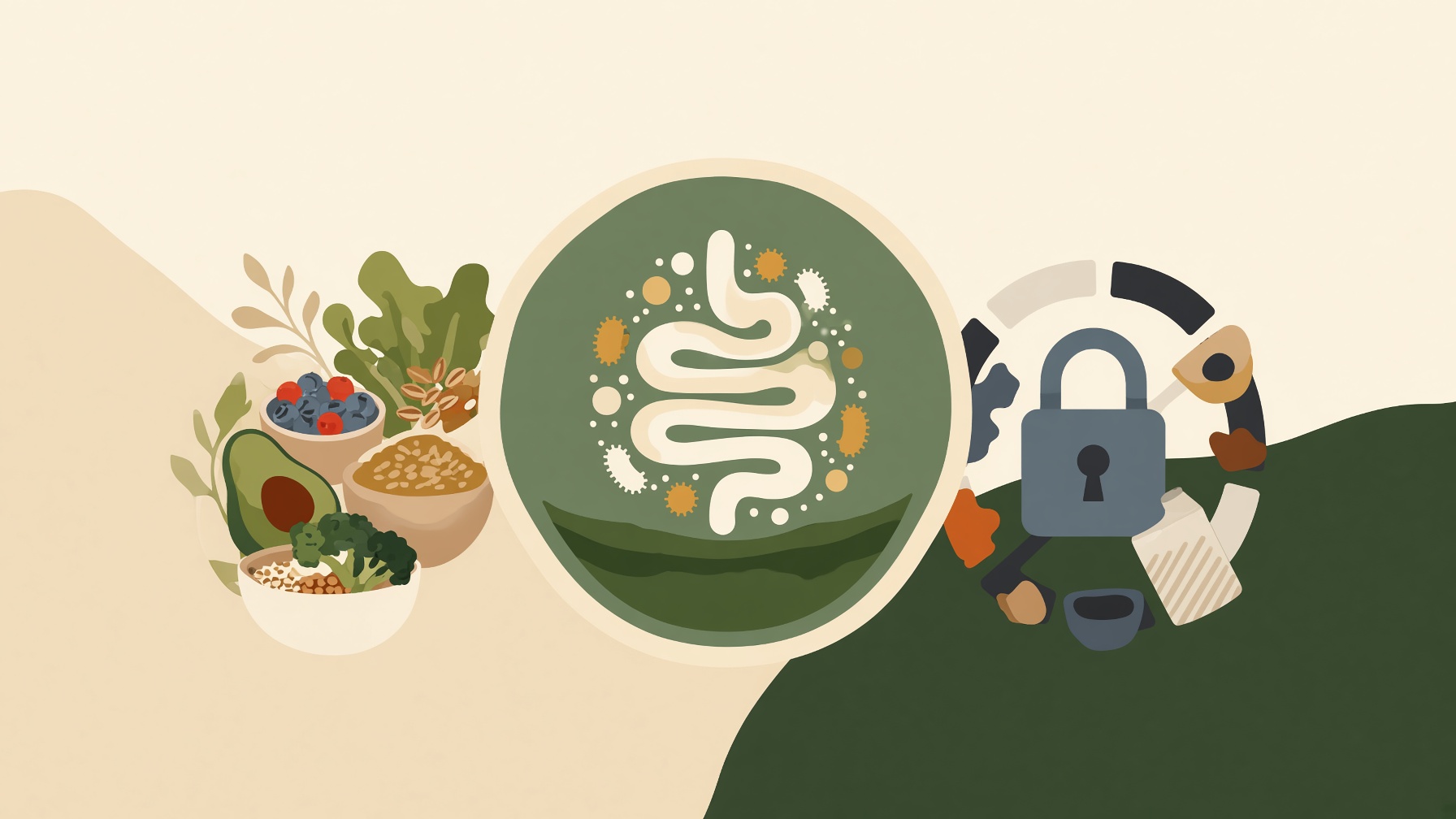
Clean eating has no standard scientific definition, so the label cannot show whether a diet provides adequate nutrition or creates restrictive rules.
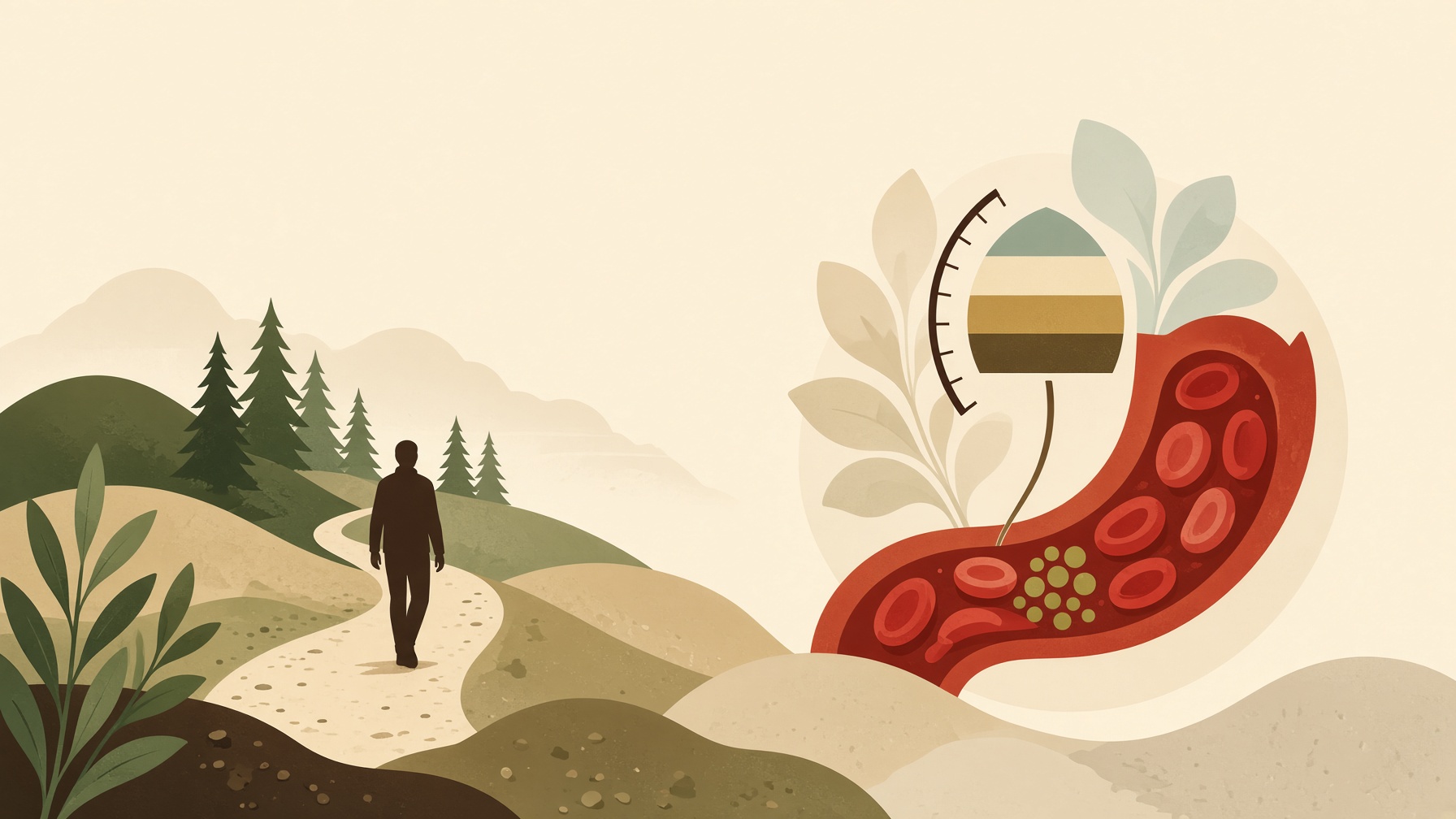
Walking can lower resting blood pressure on average, but research does not establish one exact duration or pace that works equally for everyone.
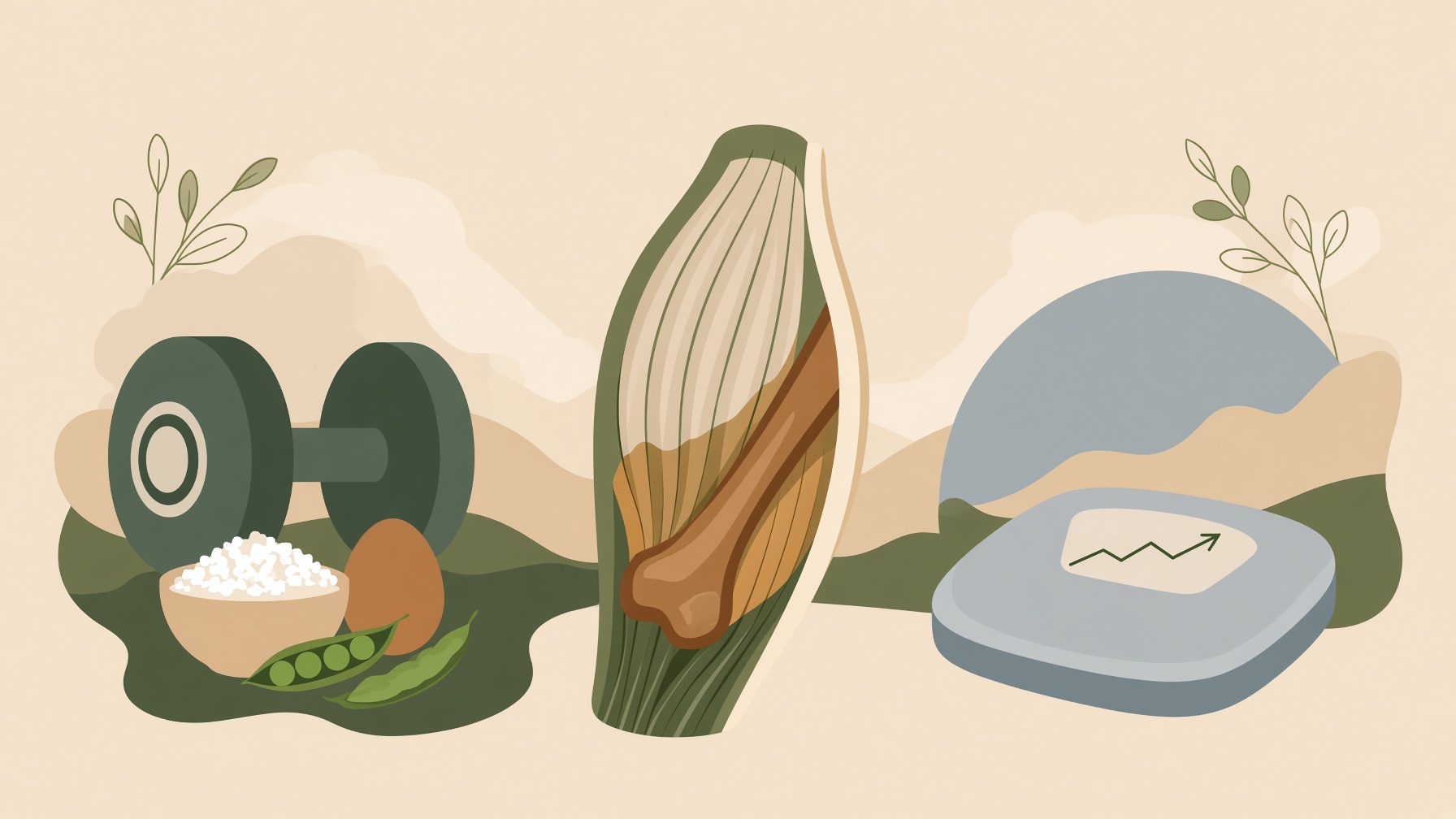
Midlife weight loss can include fat and lean tissue, so changes in body composition and strength provide information that scale weight alone misses.

Coffee timing depends on the desired outcome, with sleep effects shaped by caffeine dose and timing rather than a universal clock-time rule.
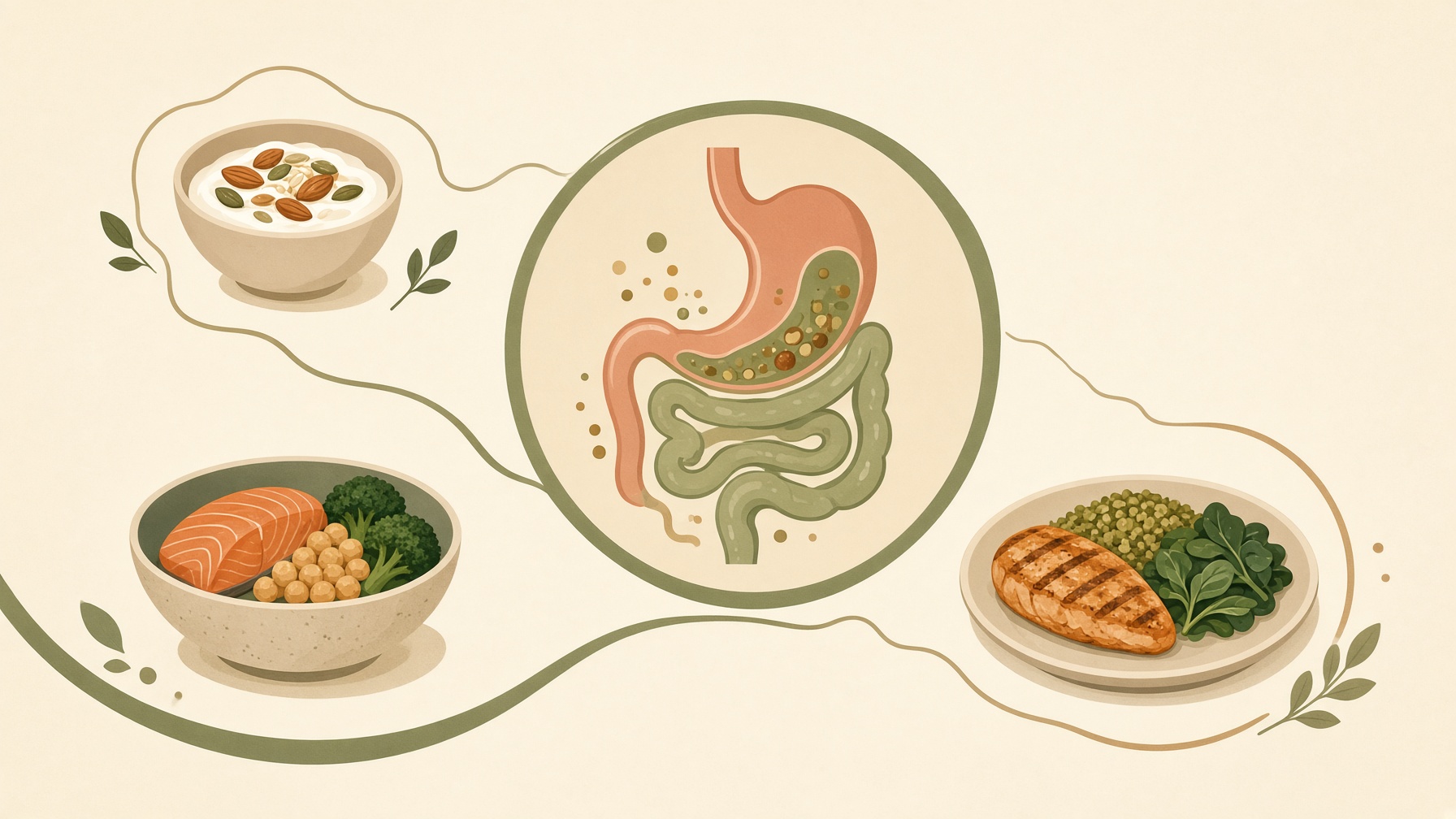
Protein targets can fit familiar meals without perfectly equal portions, since total intake and meal distribution address different questions.