
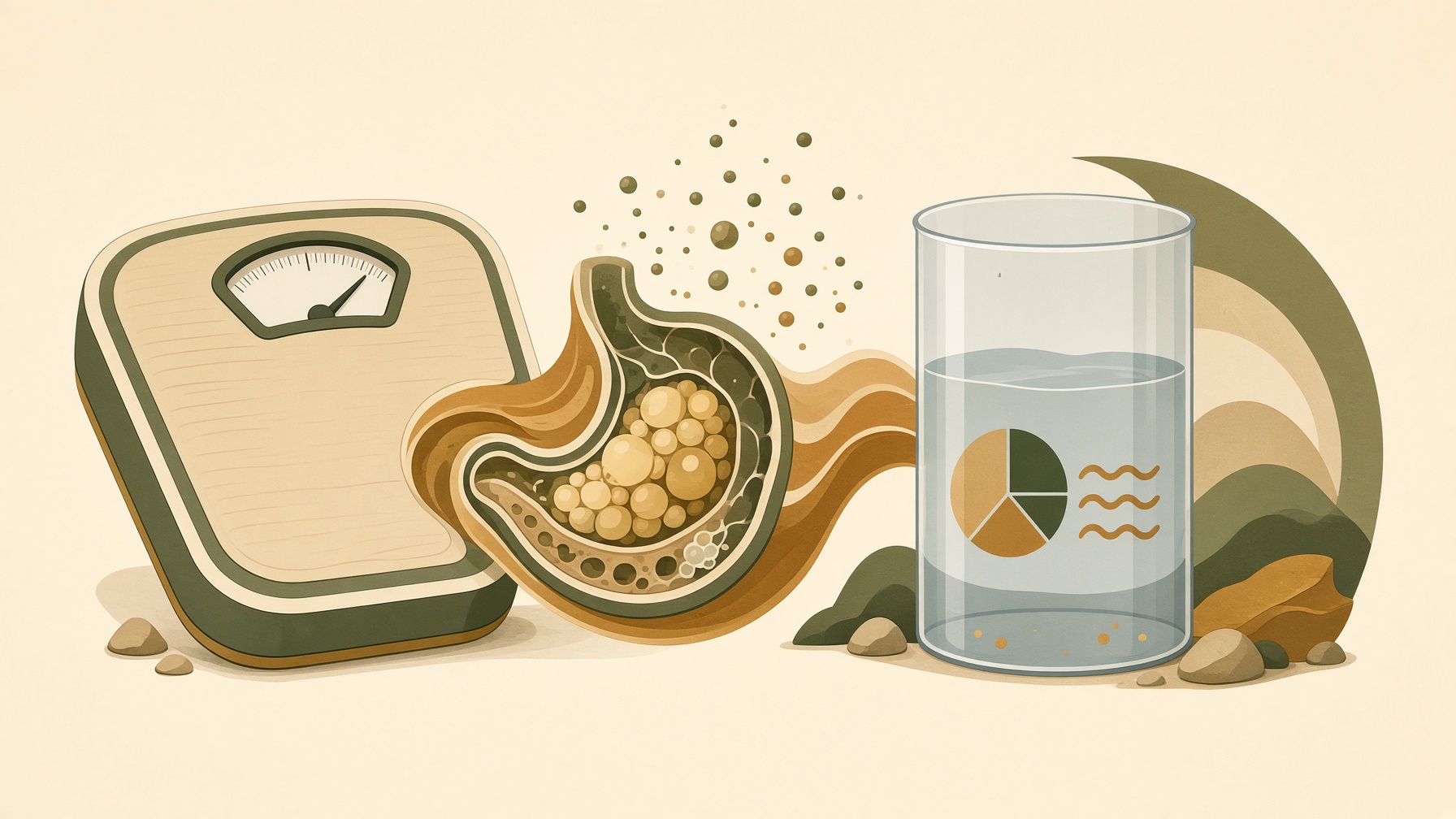
What Body-Fat Tests Measure?
Body-fat tests estimate body composition from different physical measurements, so results depend on the method and testing conditions.
Article-Types
From this collection
Body-fat tests estimate body composition from different physical measurements, so results depend on the method and testing conditions.

Detraining can reverse exercise adaptations when training stops or falls, but different fitness qualities decline at different rates.

Endurance fueling matches carbohydrate and fluid intake to exercise demands, with a practiced plan that accounts for tolerance and recovery time.

Dietary fat changes physical form during digestion and absorption so poorly water-soluble lipids can travel through the body’s watery fluids.
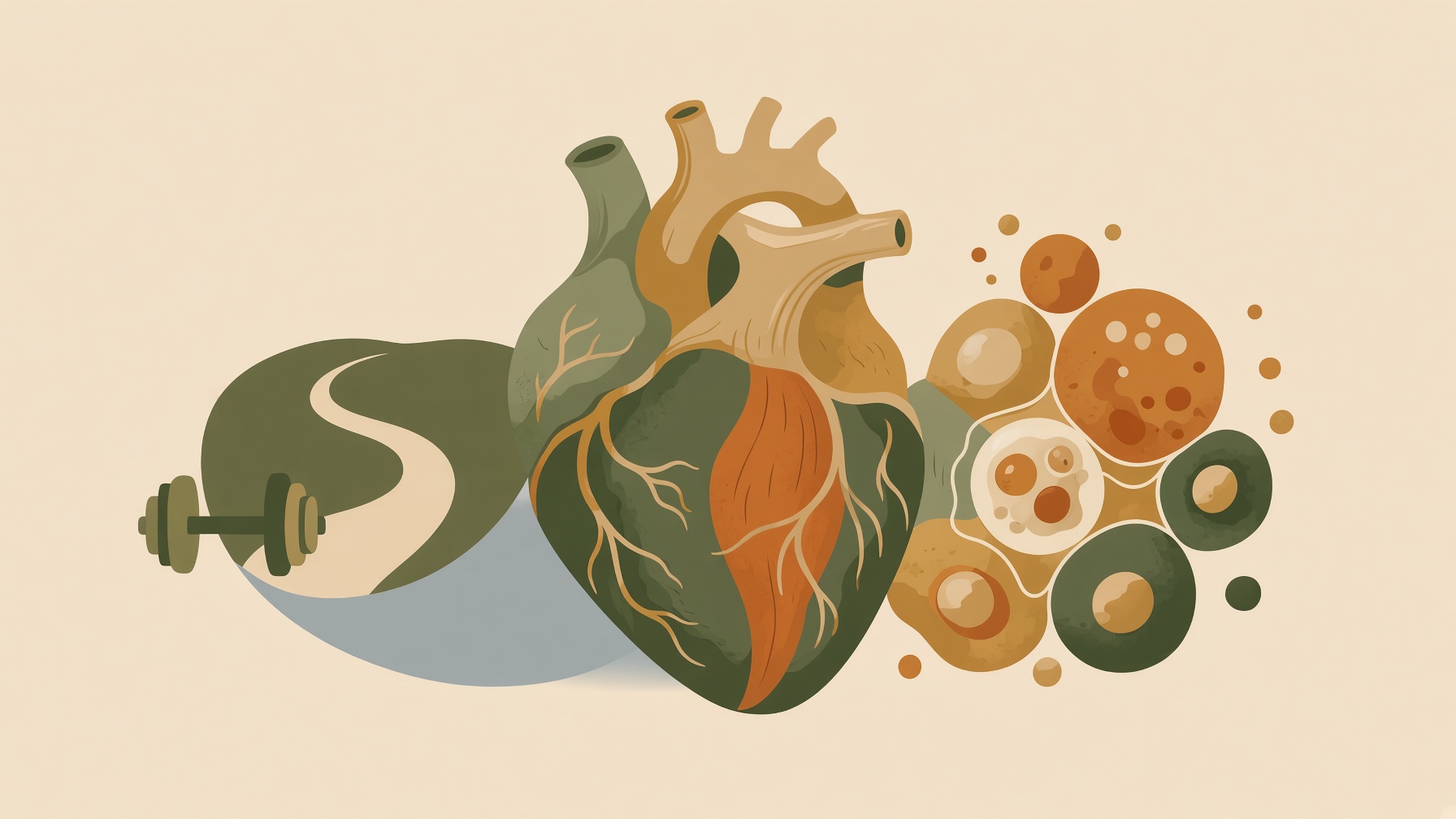
Heart enlargement can reflect healthy training adaptations or disease, so a larger heart does not automatically mean an athlete’s heart.

Fuel use shifts gradually between meals as nutrient supply and hormone signals change, moving metabolism from storage toward use of body reserves.
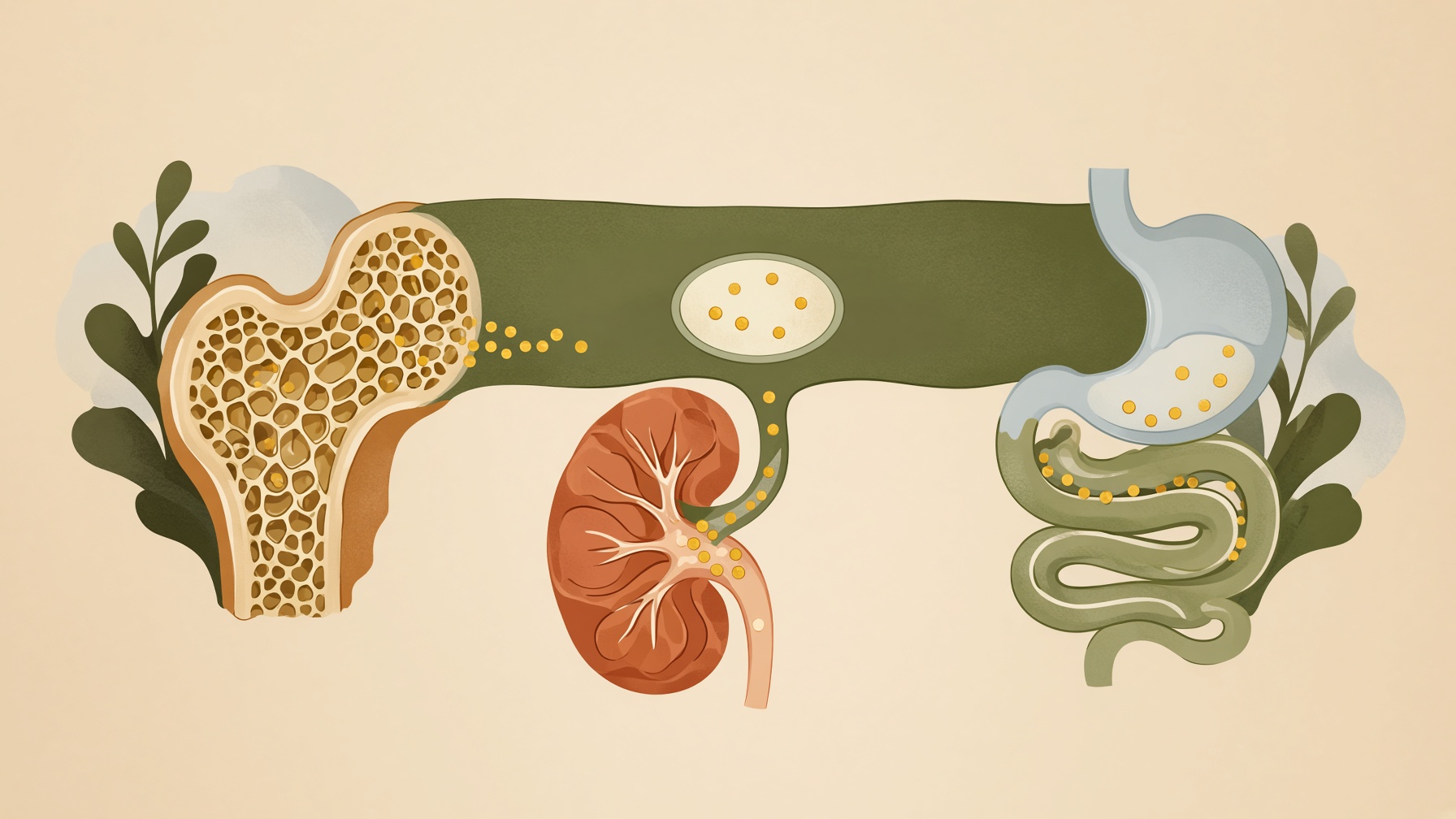
Blood calcium can stay normal even when dietary intake is inadequate because hormonal responses help protect the circulating calcium pool.
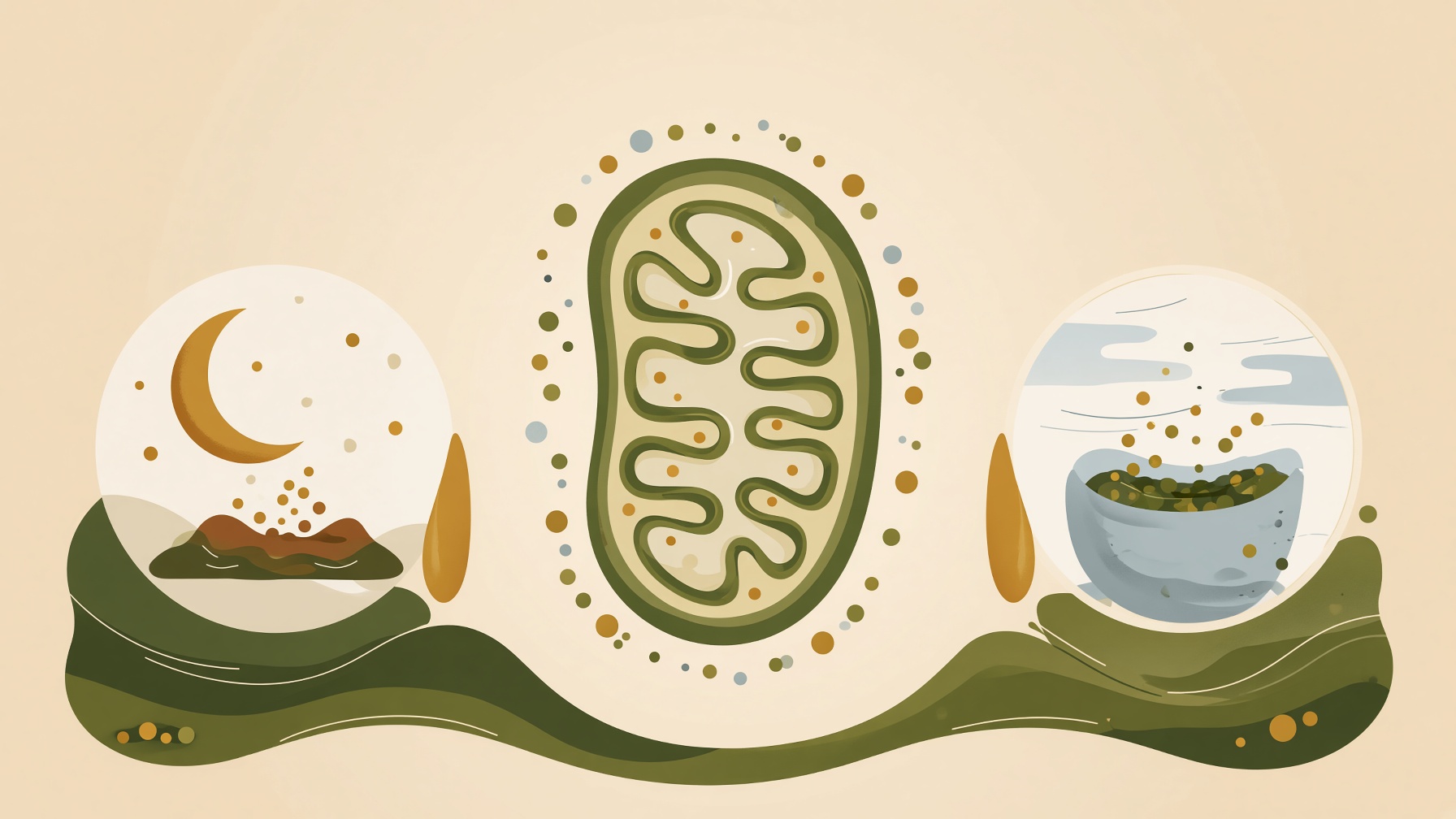
Train-low strategies reduce carbohydrate availability for selected endurance sessions, but research has not established one consistently best approach.

Pyramid training changes load and repetition targets across multiple sets, while single-set and multi-set labels describe how many sets occur.
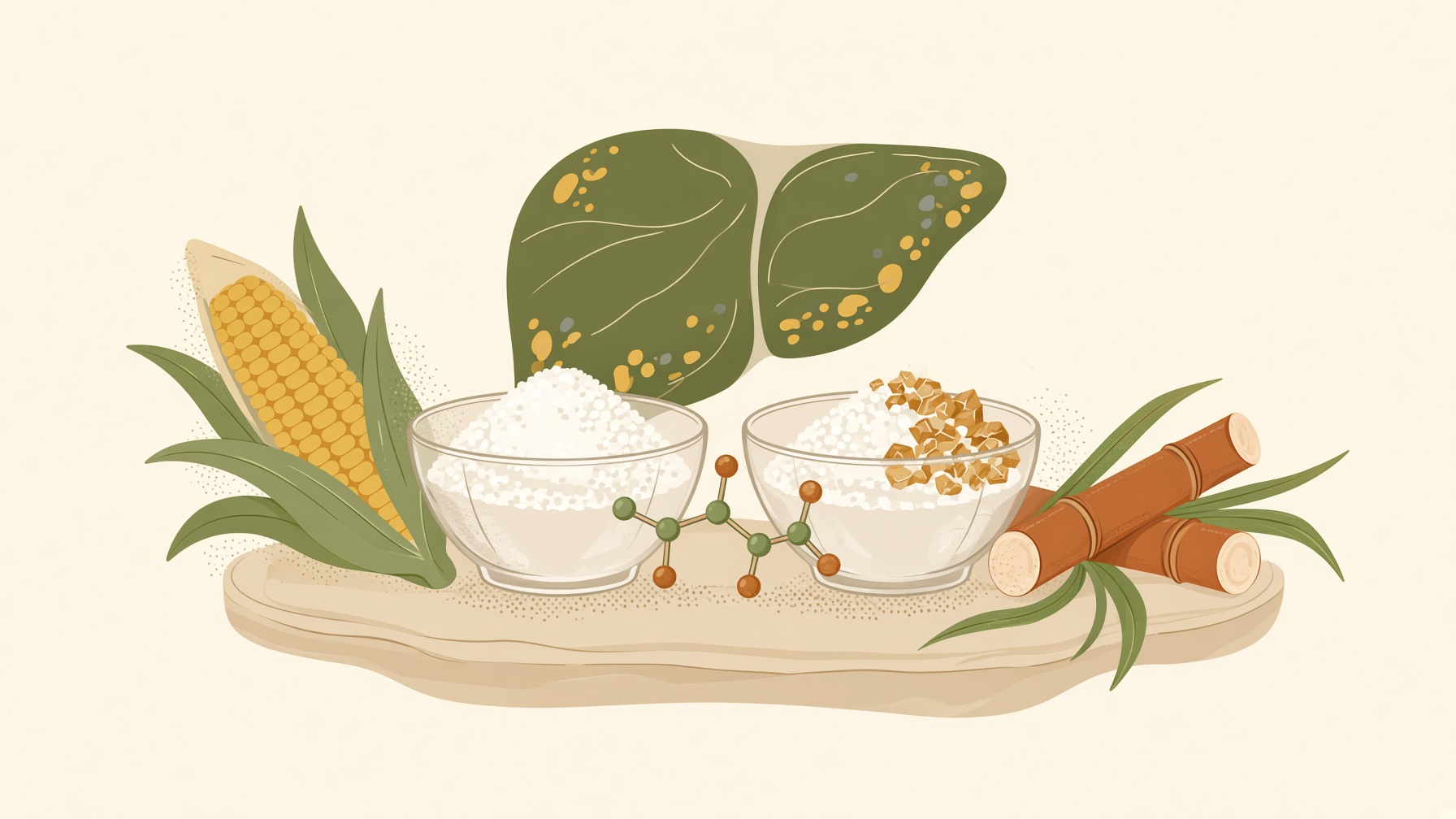
High-fructose corn syrup has not consistently caused greater weight gain than sucrose when calorie intake is comparable in controlled studies.

Outdoor exercise requires preparation for changing environmental demands, because the same workout can pose different risks across settings.
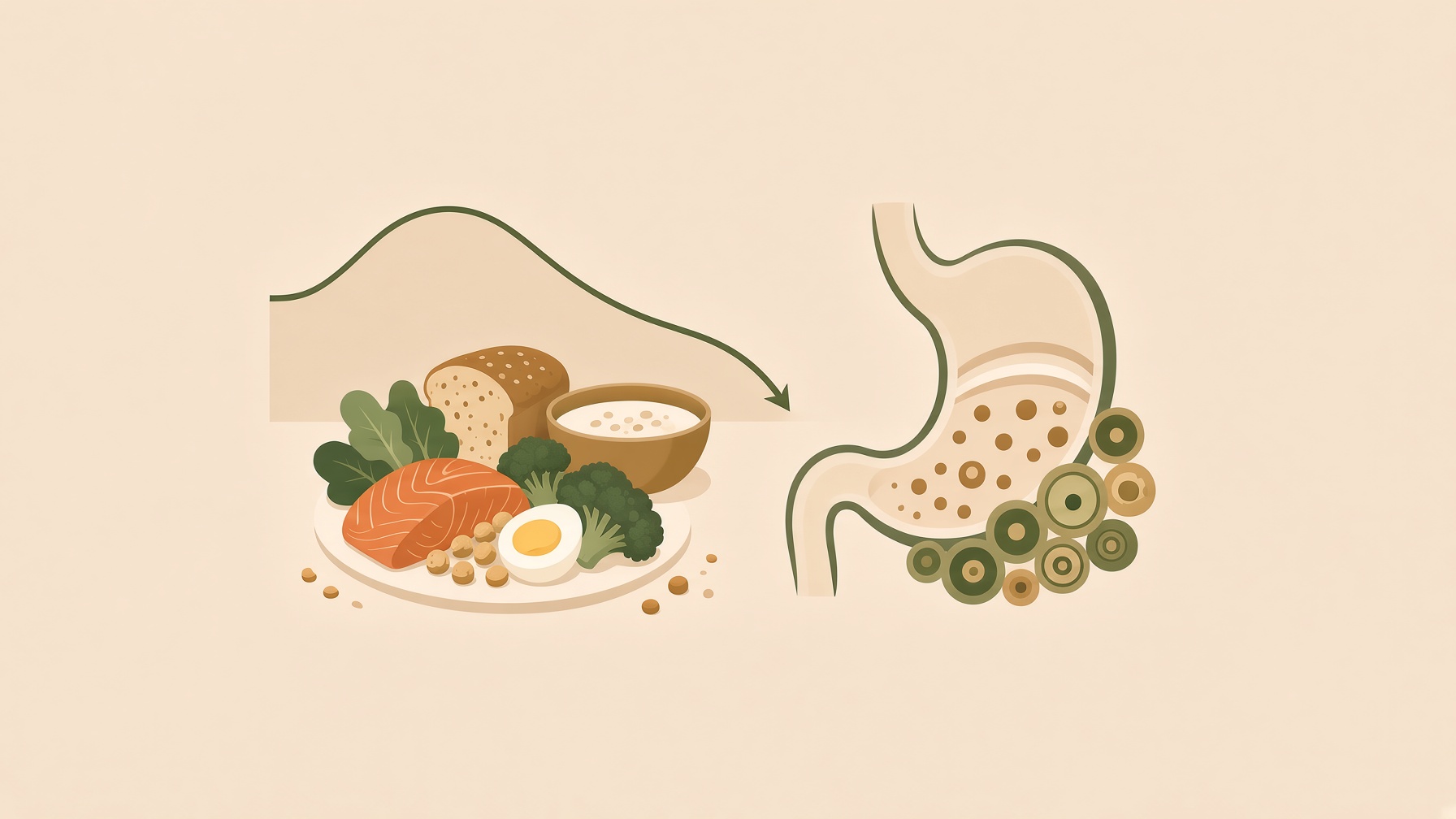
Appetite loss in older adults can push food intake below energy needs, increasing the risk of unintended weight loss even as calorie needs decline.