
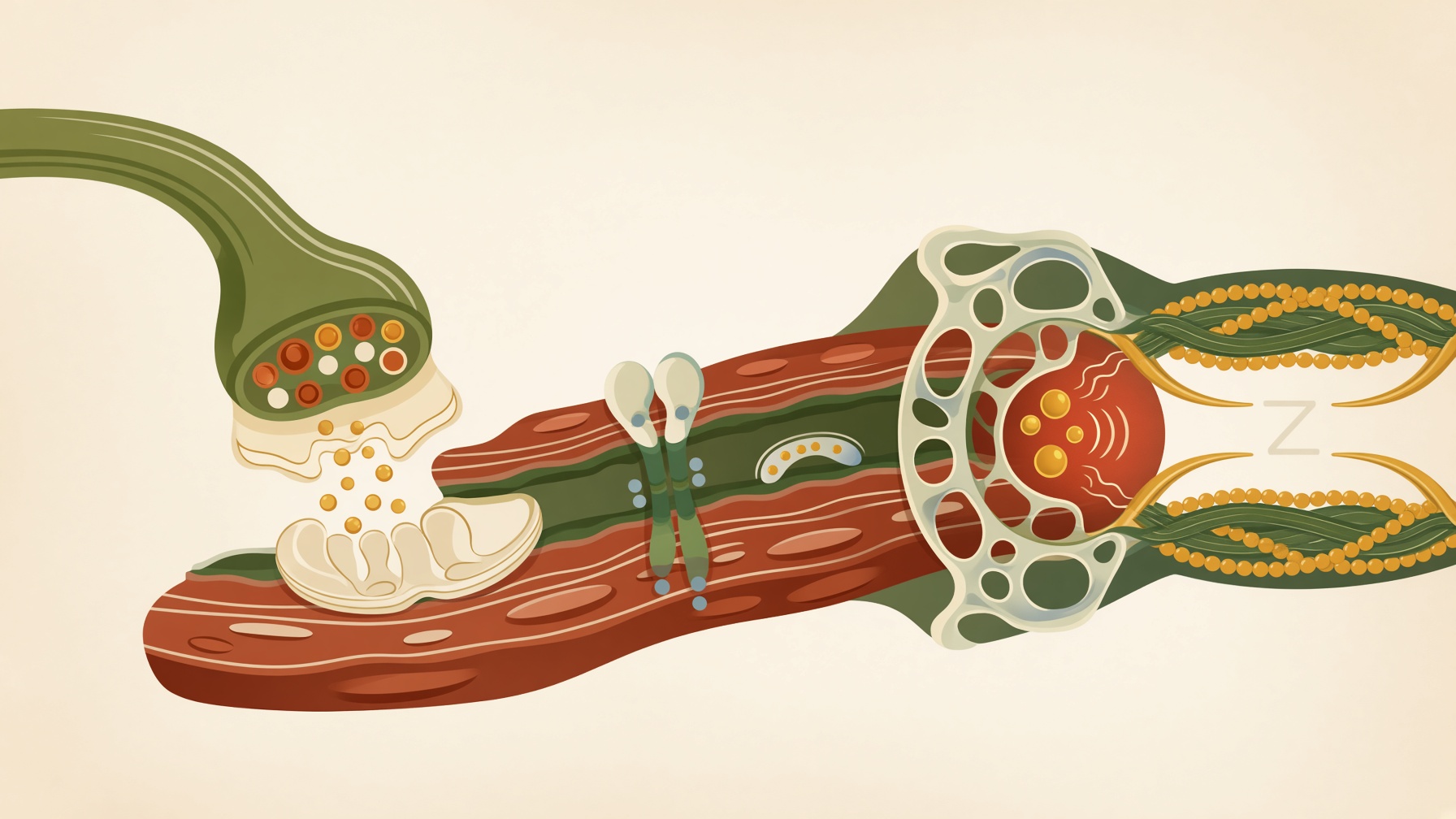
How Does a Nerve Signal Make Your Muscle Contract?
A motor nerve signal triggers electrical changes and calcium release in a muscle fiber, allowing the contractile proteins to generate movement.
Article-Types
From this collection
A motor nerve signal triggers electrical changes and calcium release in a muscle fiber, allowing the contractile proteins to generate movement.
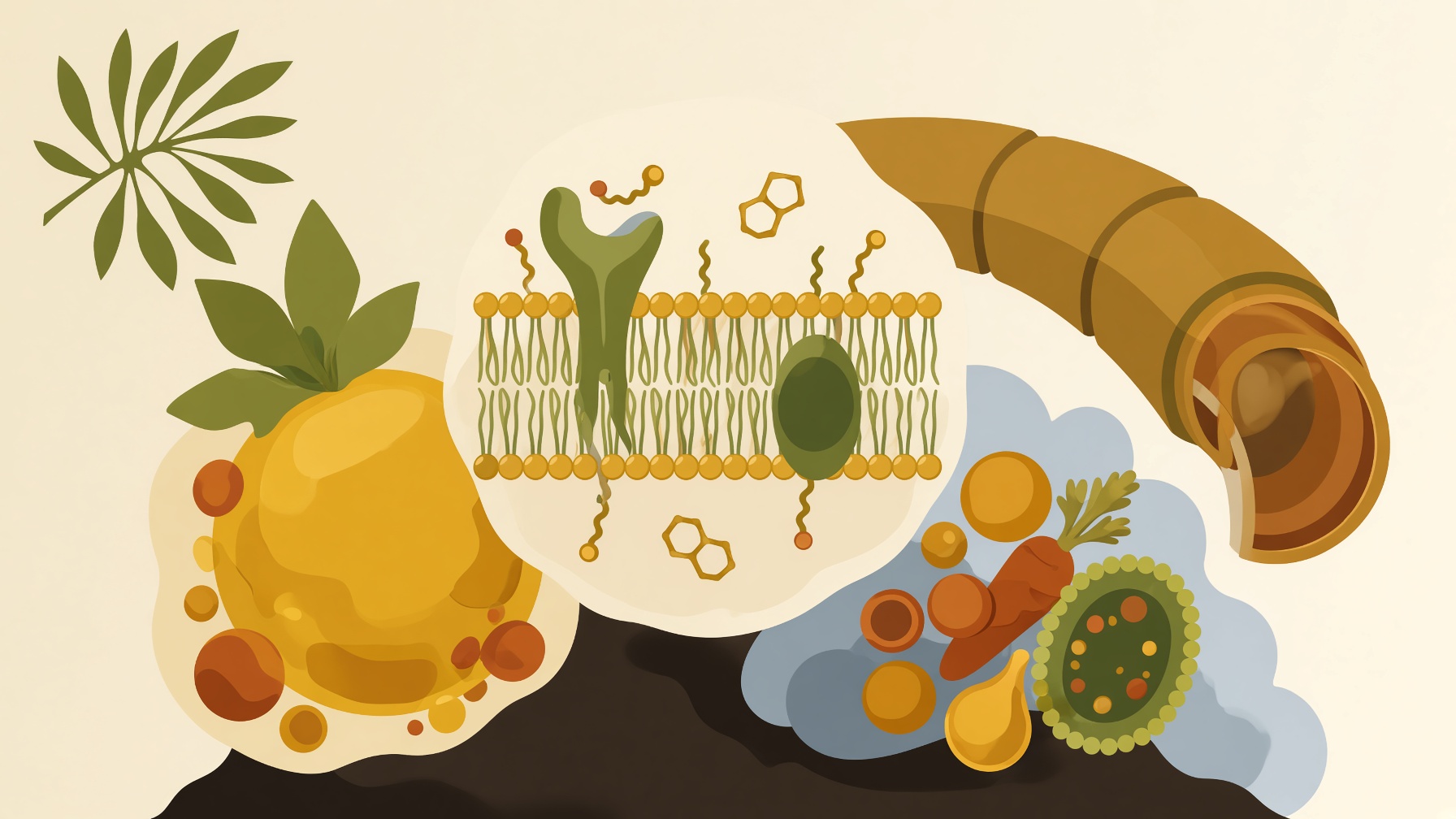
Lipids do more than store energy, with different forms serving essential roles in the structures and signals that keep the body working.

Recovery nutrition between closely spaced workouts should match the fuel and fluid losses from the last session to the demands of the next.

Periodization organizes training demands across time, allowing a program’s emphasis to change as preparation and recovery needs evolve.

Sports drinks can support fueling during prolonged exercise, but their value over water depends on the workout’s demands and fluid losses.

Muscle loss can contribute to a lower resting metabolic rate with age, but changes in muscle mass alone do not explain the full decline.

Resistance-training technique depends on the movement and the person, so a useful form cue in one exercise may be unsuitable in another.
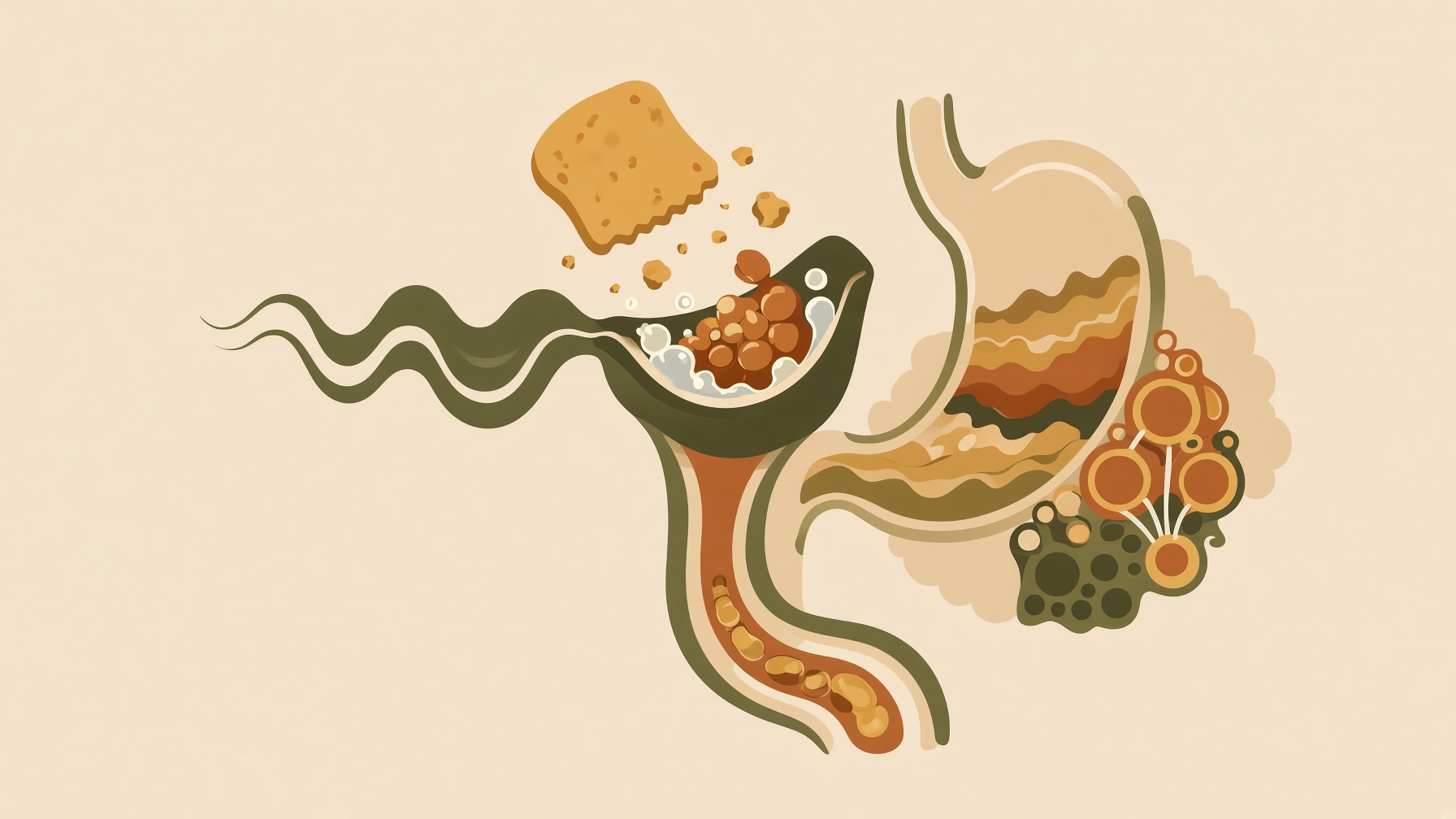
The small intestine mixes and moves chyme as enzymes break down food, bringing nutrients close to the surface where absorption occurs.
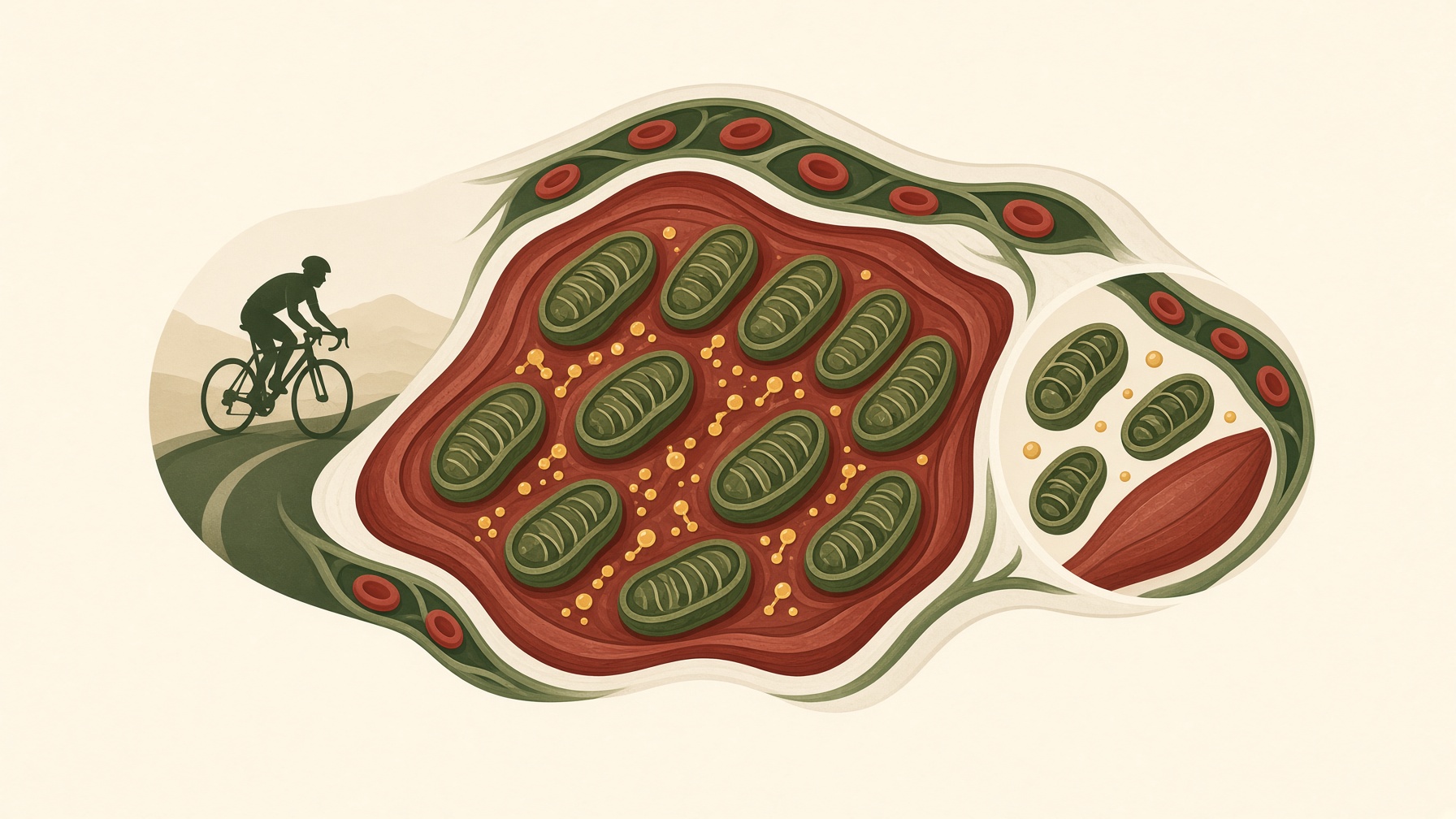
Endurance training can increase muscle mitochondria and capillary supply, helping active fibers sustain energy production during prolonged effort.
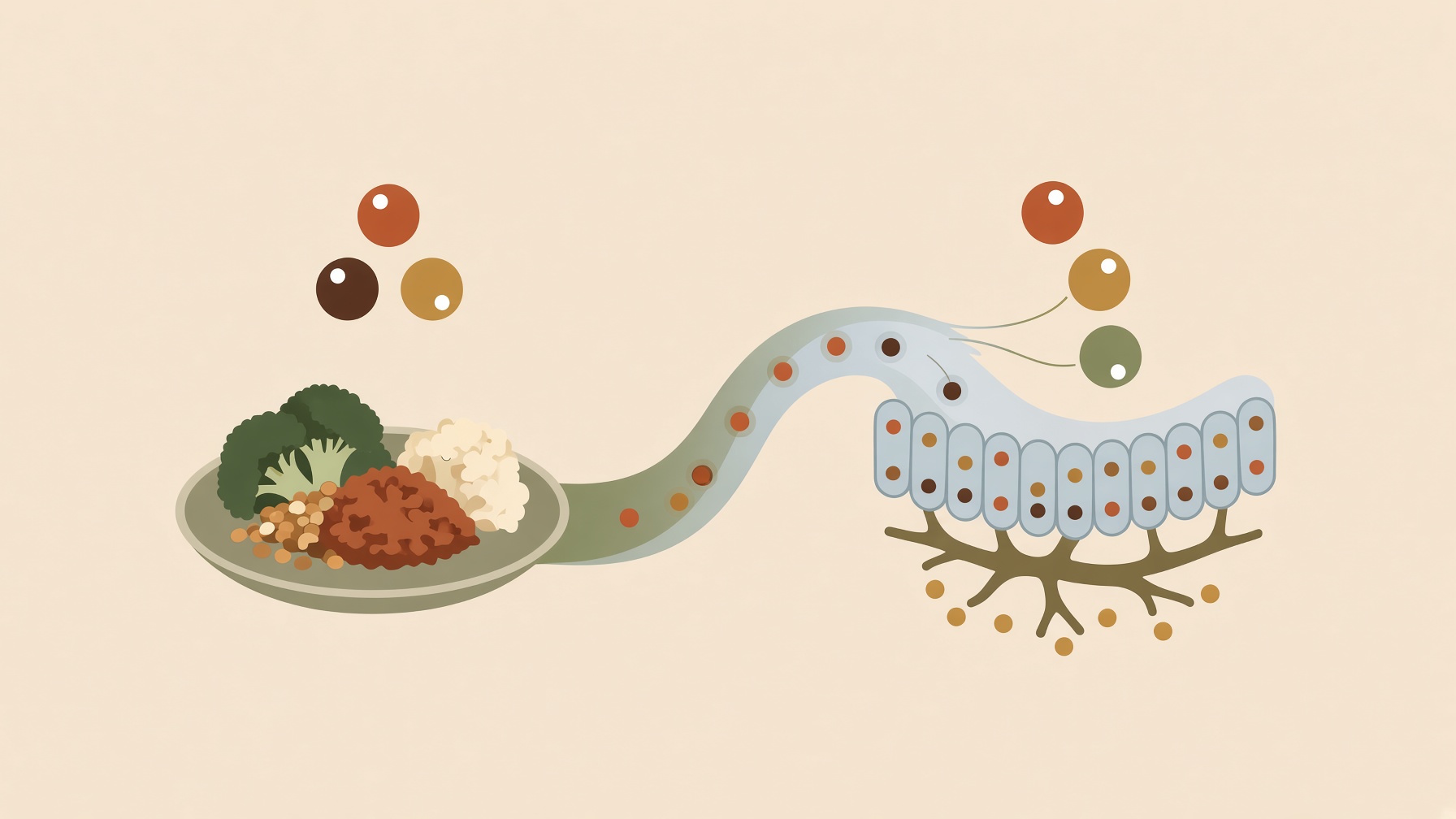
Iron absorption depends on chemical form and meal composition as well as the body’s iron stores, so intake alone does not show how much is absorbed.
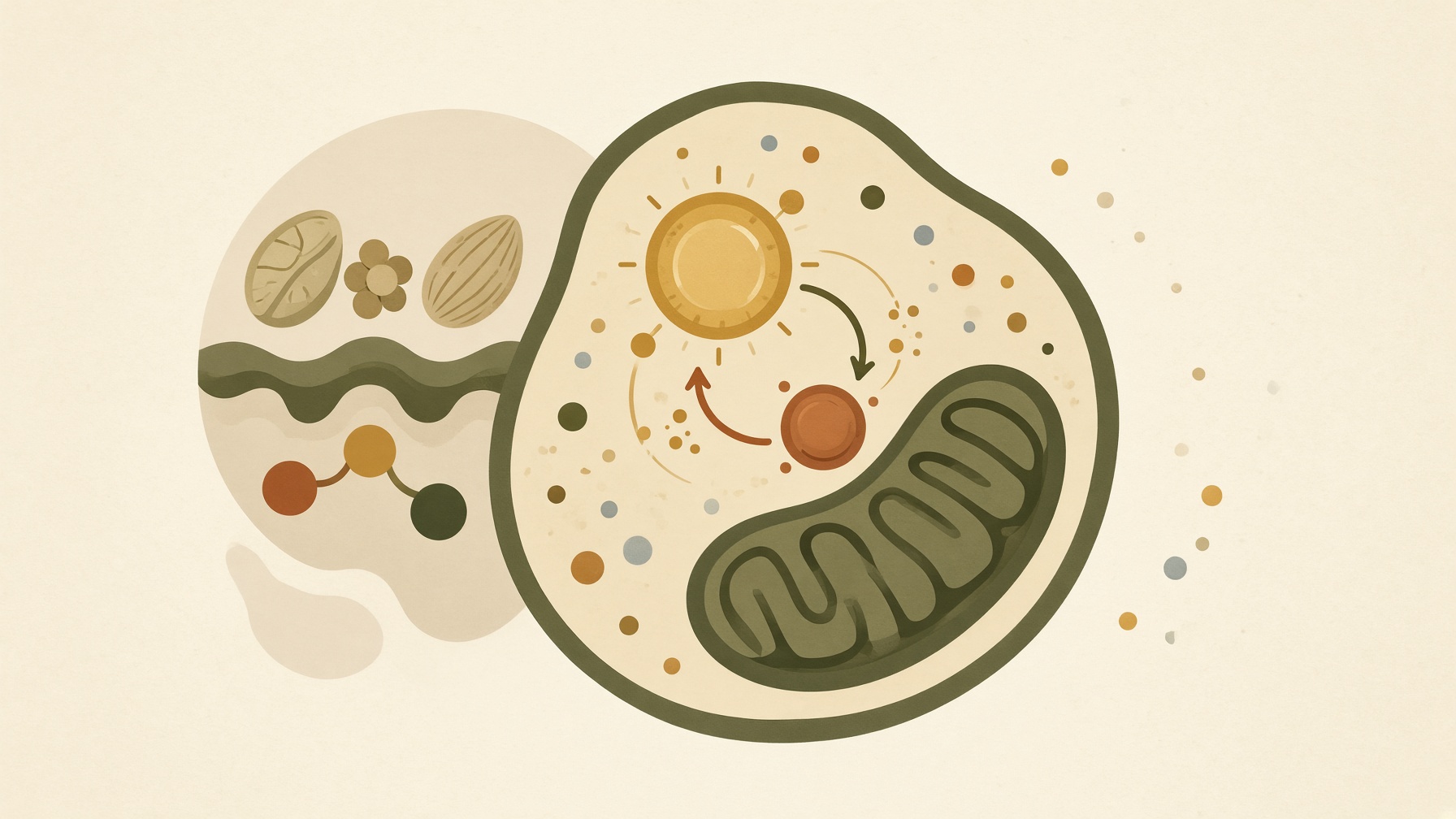
Cells repeatedly regenerate ATP as cellular work consumes the small available supply, making continuous turnover more important than stockpiling.

Sodium gradients across cell membranes provide stored energy that cells use for electrical signals and the absorption of certain nutrients.