
Why a Drop in Performance Doesn’t Always Mean You’re Training Too Much
Overtraining syndrome cannot be diagnosed from one symptom or test, so persistent underperformance requires assessment of recovery and other possible causes.
Newest first
The newest work from the Alpekin Journal, in publication order.
Overtraining syndrome cannot be diagnosed from one symptom or test, so persistent underperformance requires assessment of recovery and other possible causes.

Muscle fibers can adapt to training without changing their type label, because myosin-based categories capture only part of a fiber’s properties.

A small VO₂max change can reflect measurement error and everyday variation, so one training result cannot establish a fixed limit on future adaptation.
Fast and slow weight loss can differ beyond the scale, so comparing outcomes requires attention to body composition and the support within each program.

Heat may add to stretching’s range-of-motion benefits in some protocols, but inconsistent evidence does not establish a reliable advantage.

Lactate does not directly explain muscle acidity or all exercise fatigue, which reflects several interacting changes that depend on the task.

A body-fat percentage change can reflect measurement noise as well as biology, so consistent testing and method-specific precision matter.

Exercise effort and pain describe different experiences, so a painful workout does not by itself show that training was more demanding or productive.

The 3,500-calorie rule assumes a fixed rate of weight loss, but changing energy needs make a straight-line forecast unreliable over time.
Food cues and the circumstances around a meal can influence eating patterns, but average research findings cannot explain every individual choice.
Cycling can support some aerobic adaptations relevant to running, but limited research does not establish a universal formula for replacing runs.

Waist circumference provides useful information about abdominal size and health risk, but a tape measure cannot distinguish visceral from subcutaneous fat.

Water-soluble vitamins differ in absorption and storage, so urinary excretion does not guarantee that excess supplement doses are harmless.

The 10% running rule cannot guarantee injury prevention, and evidence about single-run distance increases does not establish a safe weekly mileage rule.
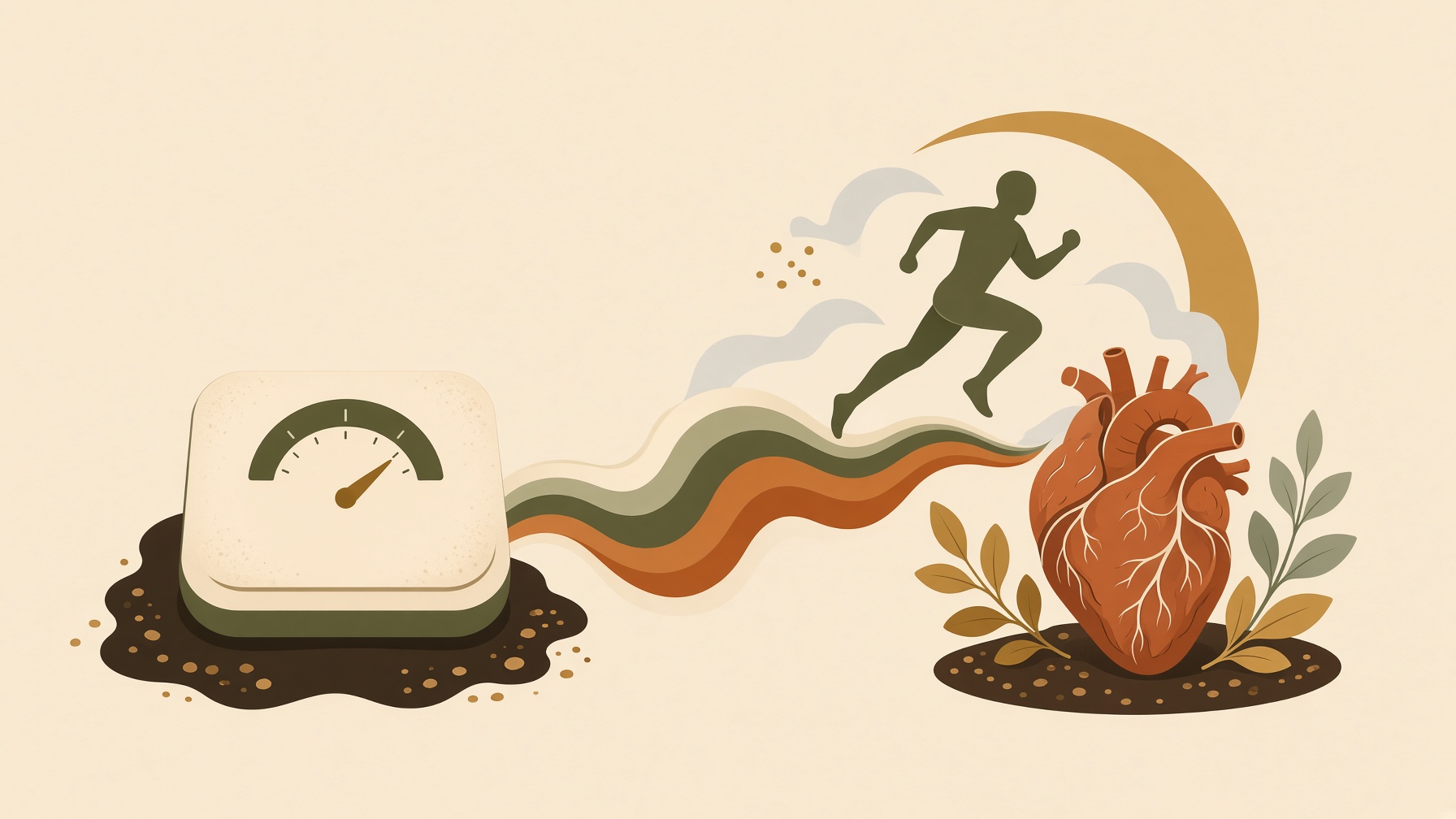
Exercise can improve health and fitness measures that a scale cannot capture, so body weight alone cannot show the full response to training.

Added fibers count on U.S. nutrition labels through specific regulatory paths, so resisting digestion alone does not make every ingredient qualify.

Heavy weights have a clearer advantage for maximal strength, while muscle growth can occur across a broad range of resistance-training loads.

Reduced training can preserve some fitness measures for a time, but maintaining endurance or strength depends on which parts of the training dose remain.

Recovery nutrition research in female athletes remains too limited to justify rigid menstrual-cycle diets, despite real hormonal differences.

ATP regeneration draws on overlapping energy pathways whose contributions shift with exercise demands, keeping muscle work supplied with usable energy.

Dehydration can strain circulation and reduce cooling during exercise, adding to the challenge of releasing heat in demanding conditions.
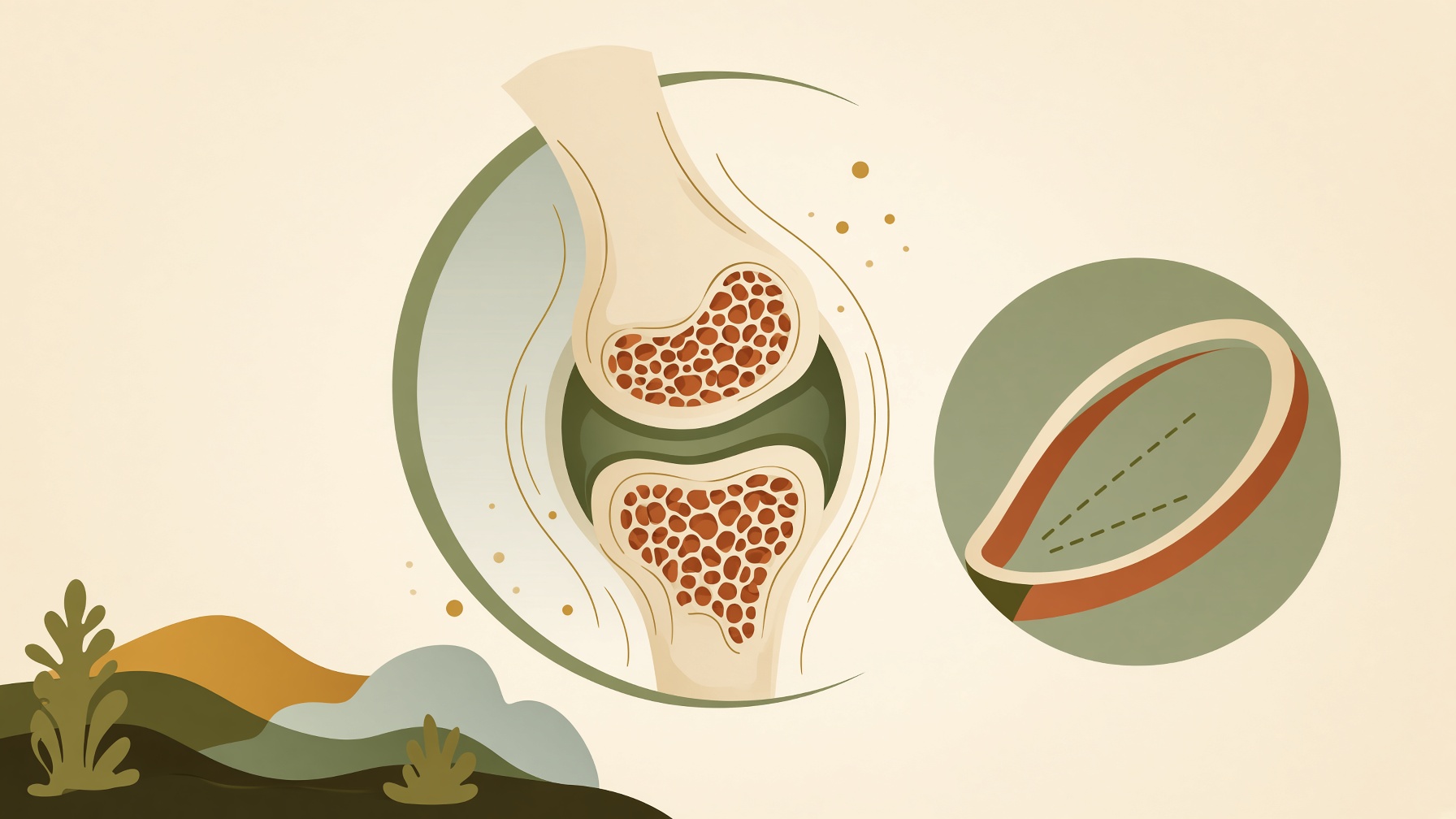
Flexibility can decline unevenly with age, making enough joint movement for everyday tasks more useful than seeking the greatest possible range.

Agility adds perception and decision-making to movement, explaining why straight-line sprint speed does not fully predict performance in changing play.

Carbohydrate metabolism supplies more than immediate energy, providing glucose-derived material that cells can store or use to build molecules.