
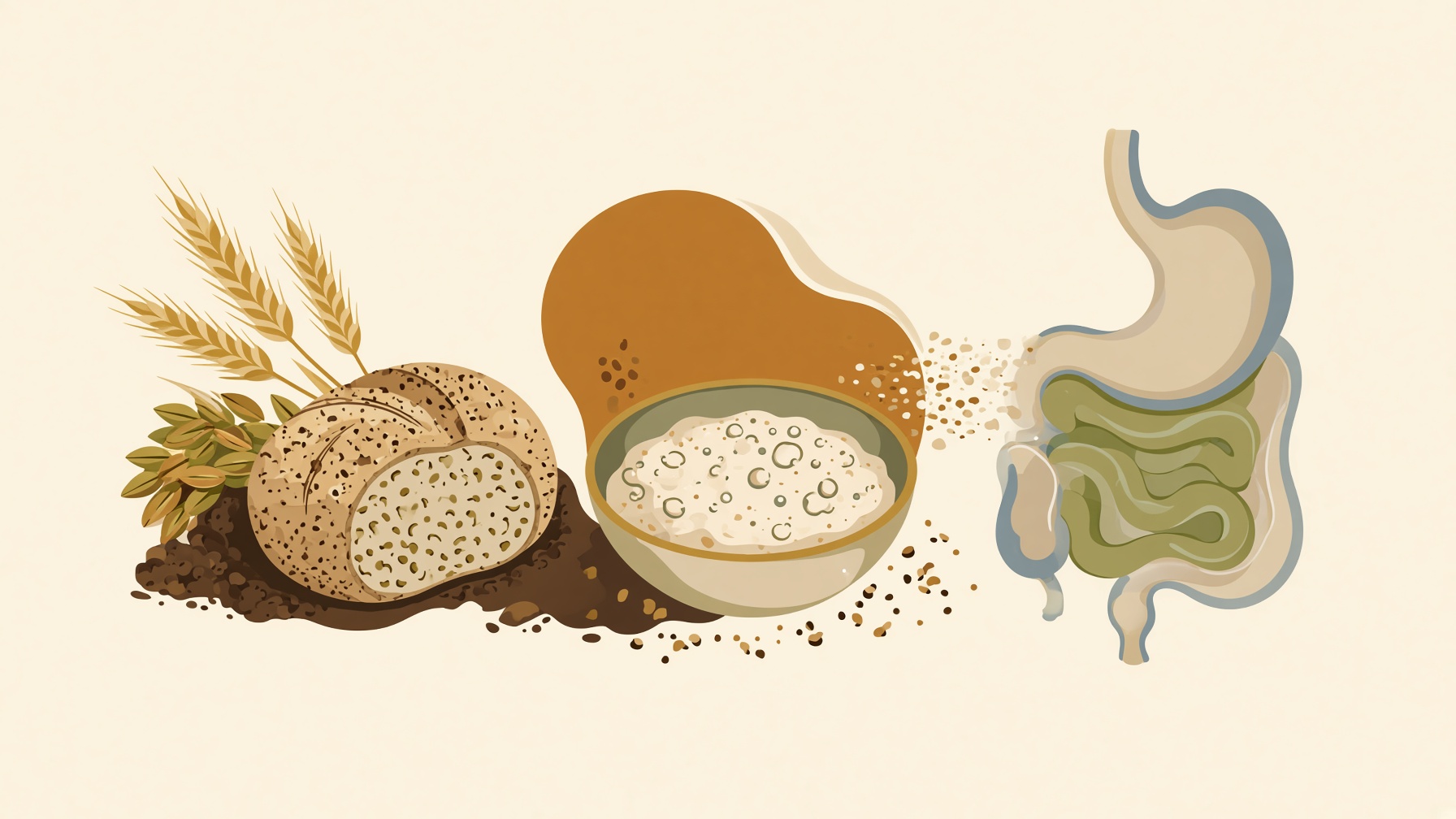
If you choose a fermented loaf with iron in mind, you are expecting something beyond a change in how the dough is made. Does that preparation help you get more iron from the grain?
One experiment examined whole-grain dough made from 60 wheat lines developed for higher zinc content. Samples were taken before baking, at the start of fermentation and again three hours later. The average phytate reading fell from 0.72 to 0.64 grams per 100 grams of sample. Phytate can bind iron, making its concentration relevant to a question about iron availability. The lower reading describes a chemical change in the food, though its consequences for iron uptake were not measured in this experiment.1,2
The comparison was also a specific kind of before-and-after observation. Yeast was already in the dough when the first sample was taken. Researchers did not keep another batch for the same three hours under conditions that suppressed fermentation. The design tracked a change over those three hours without isolating fermentation from everything else that could change during the same period. The study followed one preparation process, rather than comparing matched finished loaves with fermentation as the only difference.1
A separate experiment made sourdough, conventional yeast bread and Chorleywood bread from the same whole-wheat flour produced from the Hereward wheat variety. Conventional yeast bread and the Chorleywood process both involved fermentation, just as sourdough did. Their recipes, cultures, fermentation times and temperatures differed. This compared breadmaking methods, not fermented and unfermented foods. After simulated digestion, 12% of the sourdough's own iron was recovered in the liquid fraction, compared with 1.3–1.4% for the other breads. The soluble fraction is the share of the bread’s own iron recovered in solution after the laboratory digestion. The measurement followed iron itself, rather than phytate, but did not measure iron entering a person's body.2
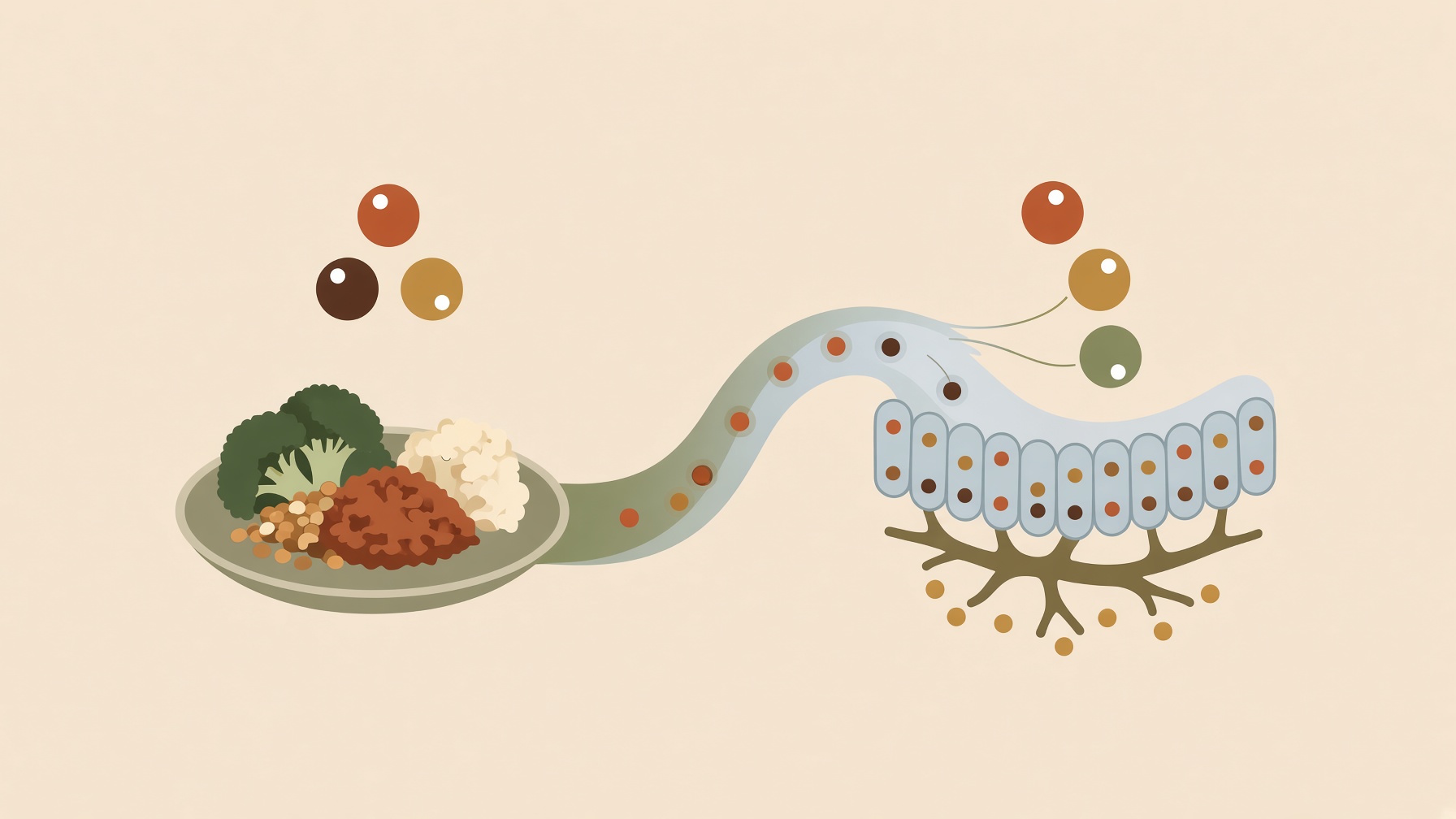
Before simulated digestion, the bread preparations were standardized to the same concentration of their own iron and included added ascorbate (vitamin C). The resulting digestions were then used with cultured intestinal cells. Ferritin measured in those cells served as a marker of their response to the bread's iron. The soluble fraction described what the digestion released; the ferritin measurement asked about the cells’ response to that material. It was not a blood ferritin test or a measurement of anyone's iron stores.2
None of the bread digests produced a statistically clear increase in cellular ferritin above the laboratory blank, a control containing no bread or added iron. The larger soluble fraction from sourdough therefore did not establish improved cell uptake in this model. A statistically unclear result cannot tell us whether the breads produce equal uptake or whether a difference simply remained undetected in this model. For someone eating a whole-grain loaf, these experiments leave an absorption advantage over a comparable unfermented preparation unresolved. They do not establish a lasting health benefit.1,2
At the bread counter, “fermented” and “helps me get more iron” are different reasons for choosing a loaf. It's understandable to read one and hope for the other. If iron is what matters to you, the answer you're looking for concerns eating the bread, not just making it.

Join the discussion
No account or email is required. Your display name and comment will be public.