
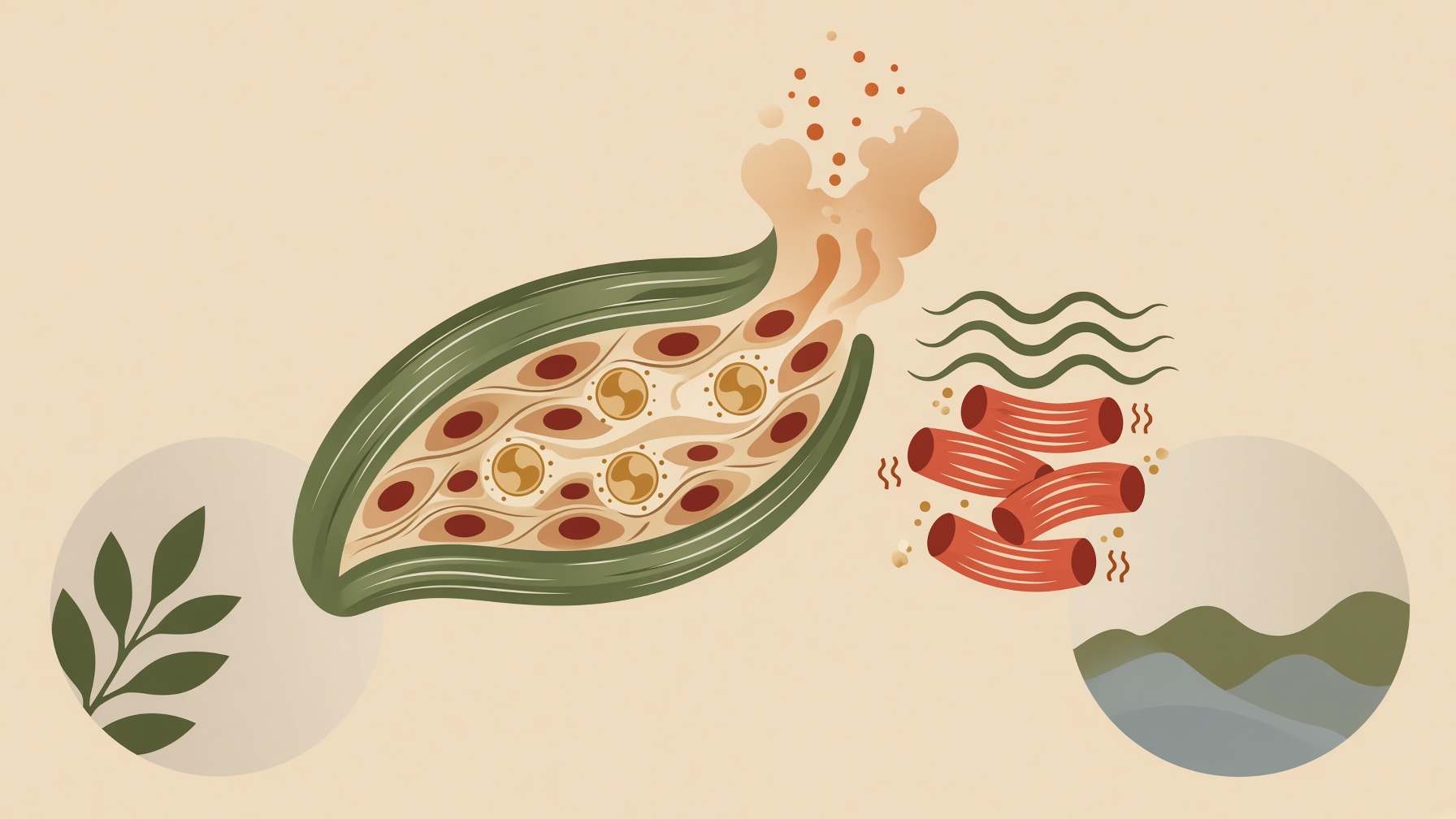
How Your Muscles Help Keep You Warm
Skeletal muscles release heat as they use energy to contract, explaining why both deliberate exercise and involuntary shivering warm the body.
211 articles in this view
Current selection
211 results
Skeletal muscles release heat as they use energy to contract, explaining why both deliberate exercise and involuntary shivering warm the body.
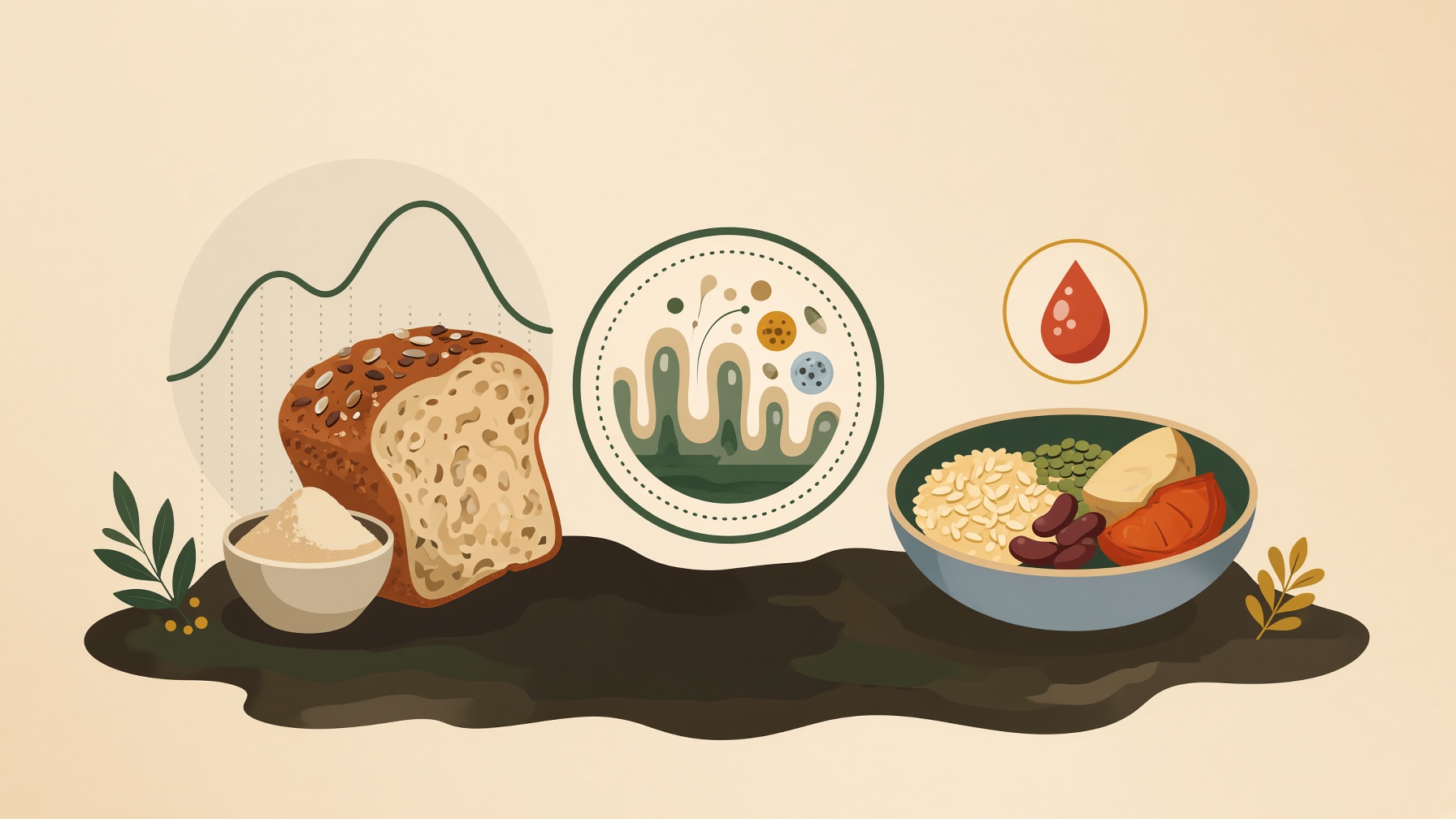
Glycemic index compares blood-sugar responses to equal amounts of carbohydrate, but cannot fully predict the effects of a usual meal.

Plyometric progression should match the demands of each jump to the person’s control and capacity, rather than follow a universal ladder of difficulty.
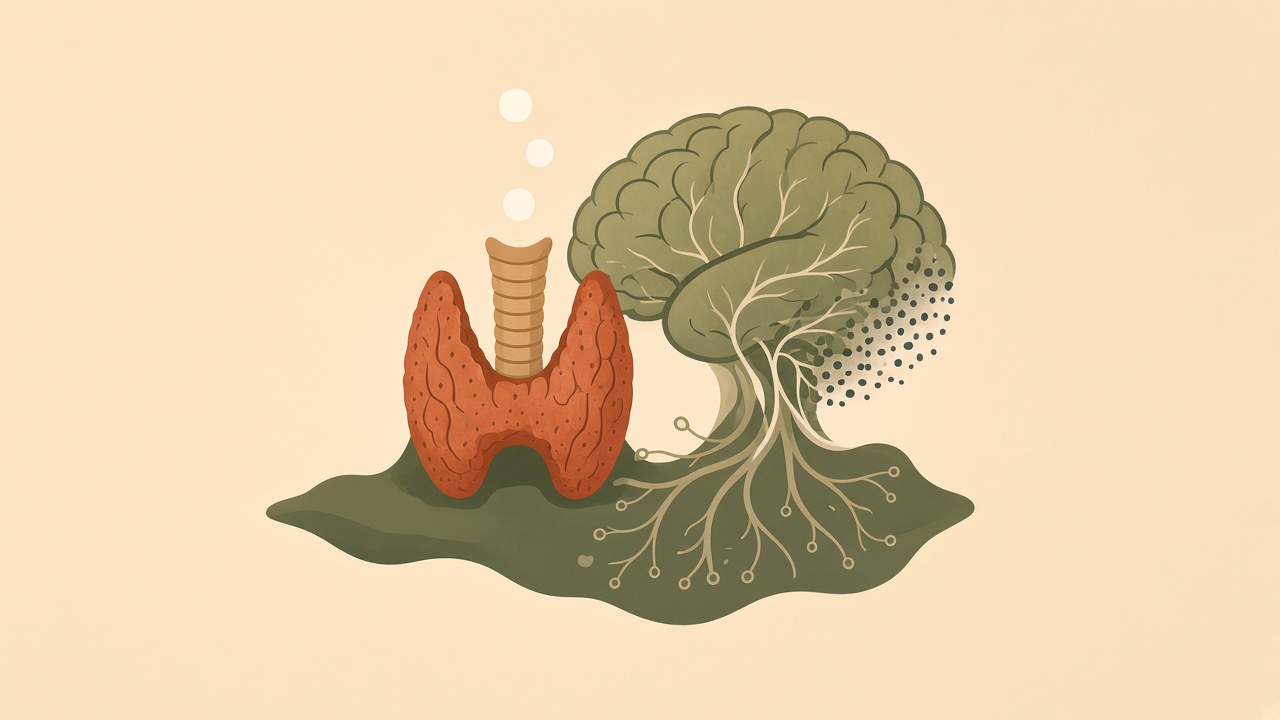
Iodine supports thyroid hormone production during early development, when severe deficiency can cause lasting damage to the brain and nervous system.
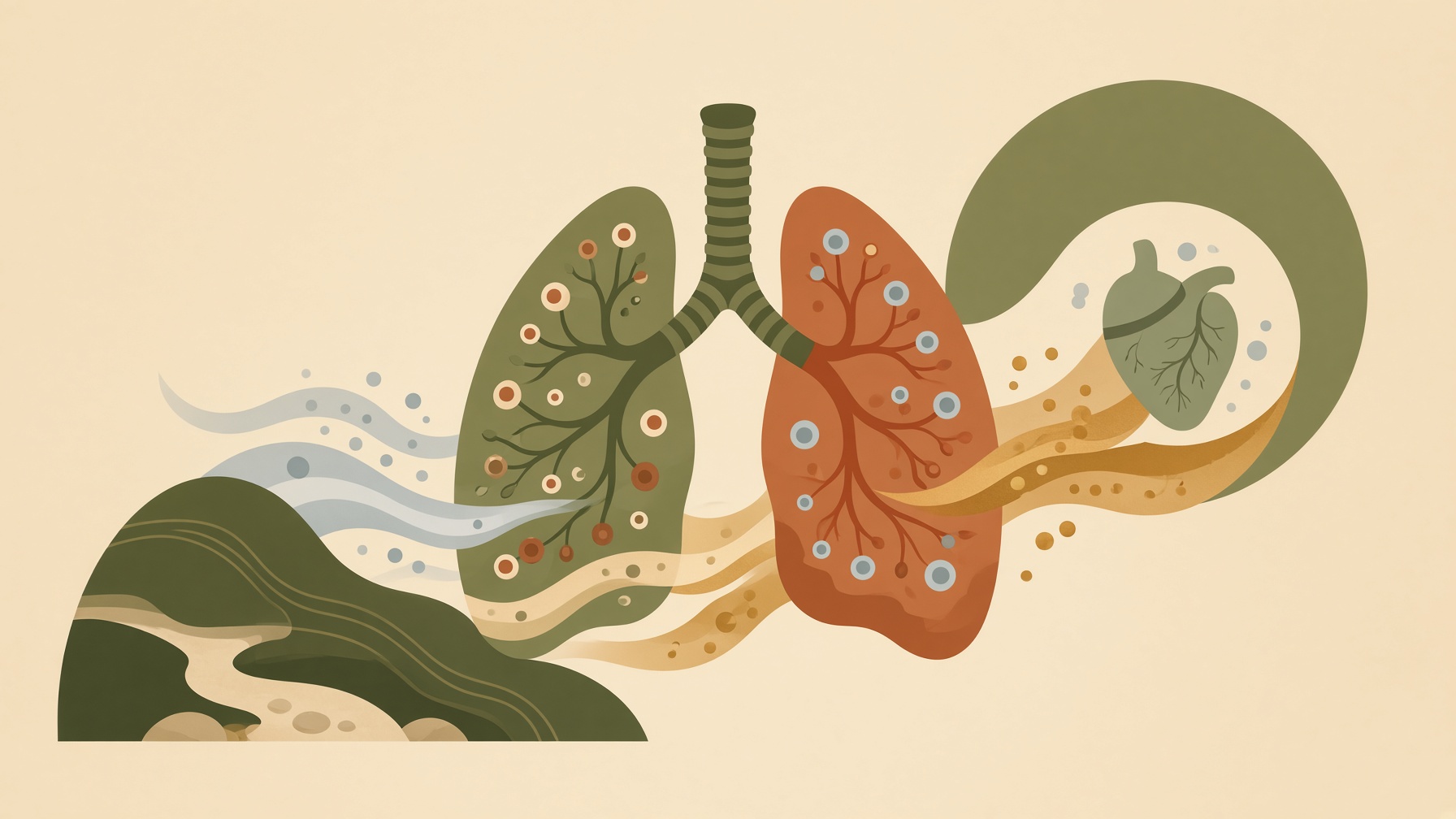
Aerobic training improves oxygen transport and use through changes across the cardiovascular system and muscles, rather than one adaptation alone.
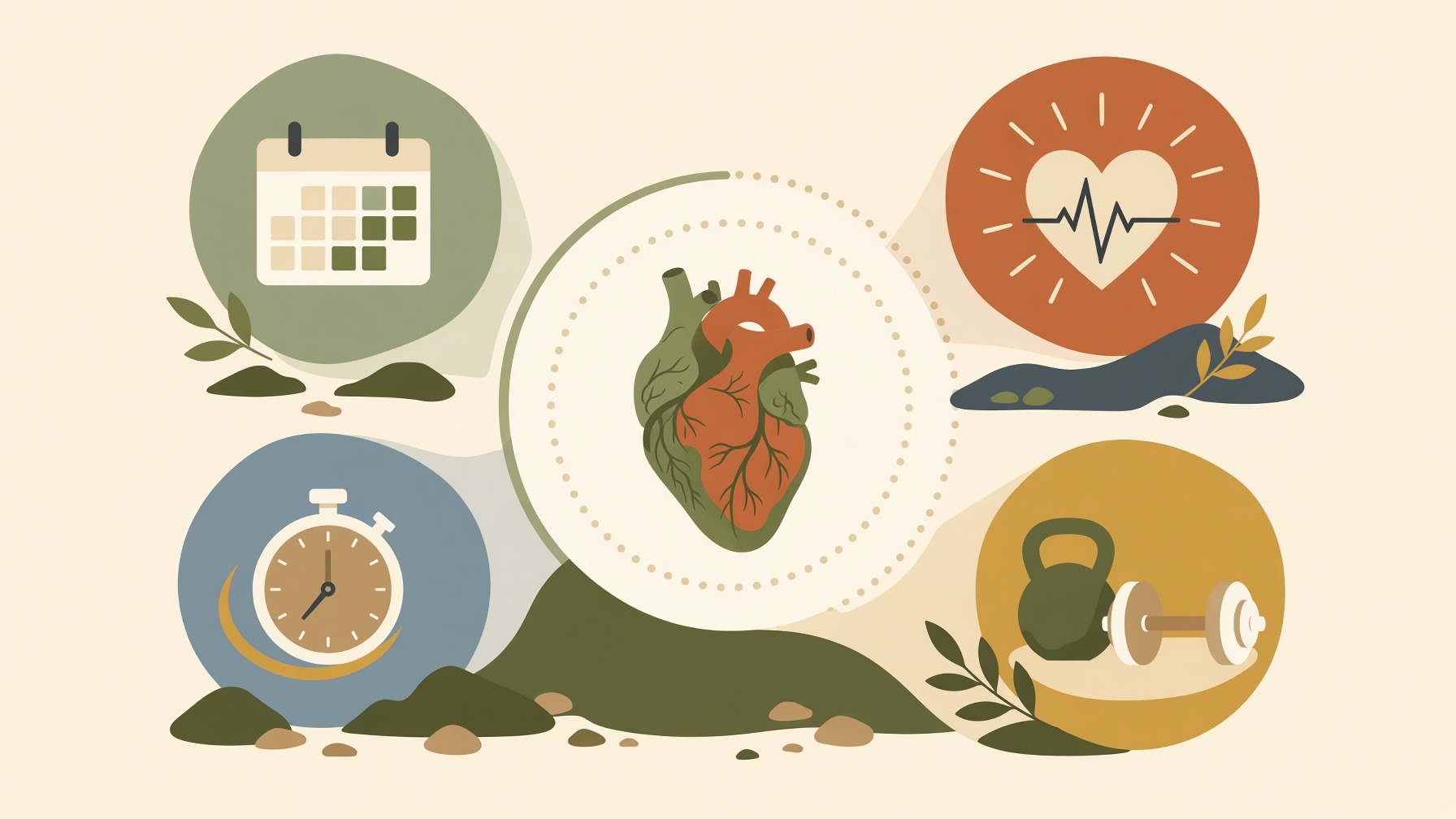
The FITT framework organizes exercise planning around four adjustable variables, helping match the training stimulus to individual goals.
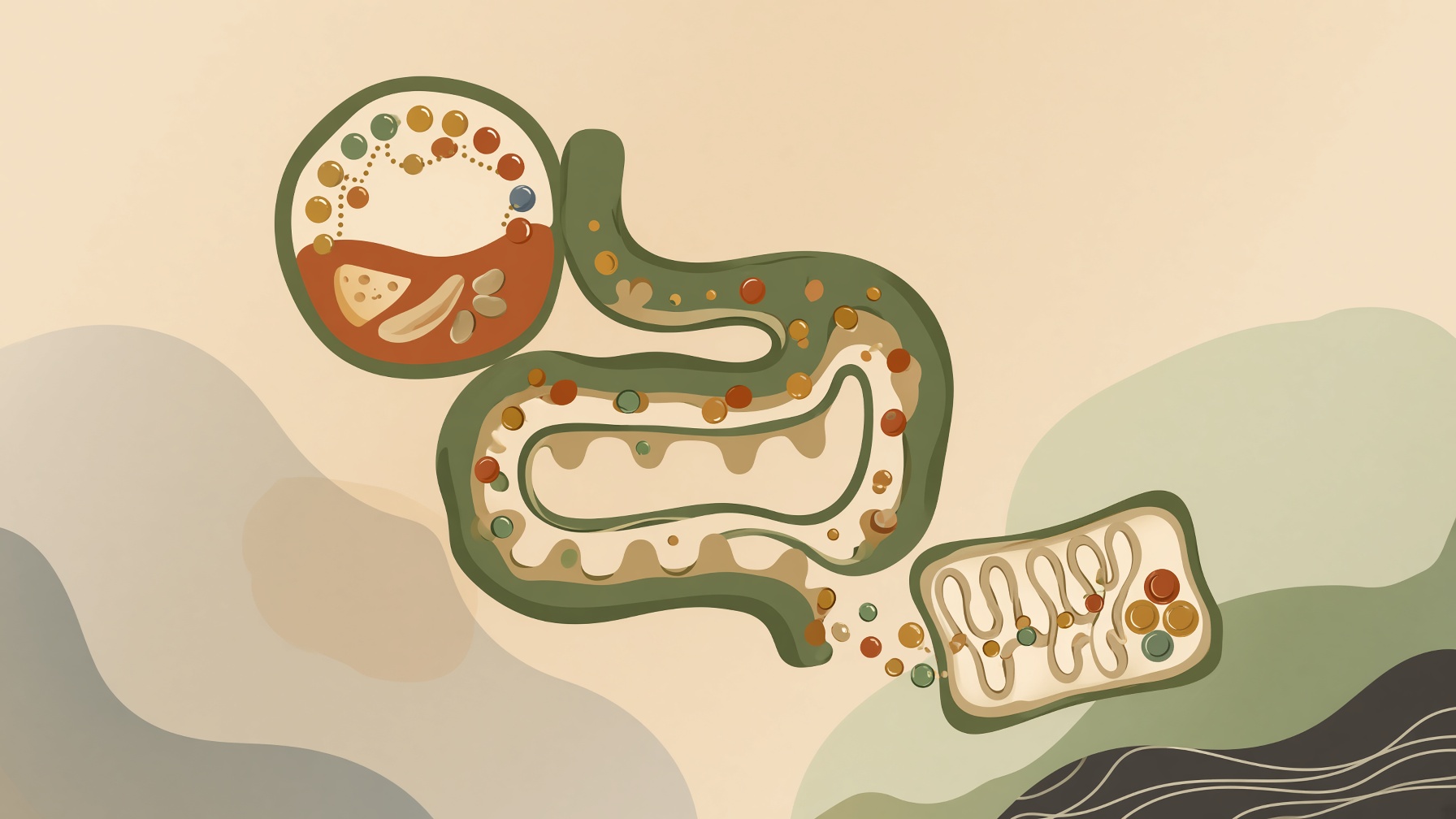
Protein quality depends on the proportions of essential amino acids and their digestibility, beyond whether a food contains all nine.
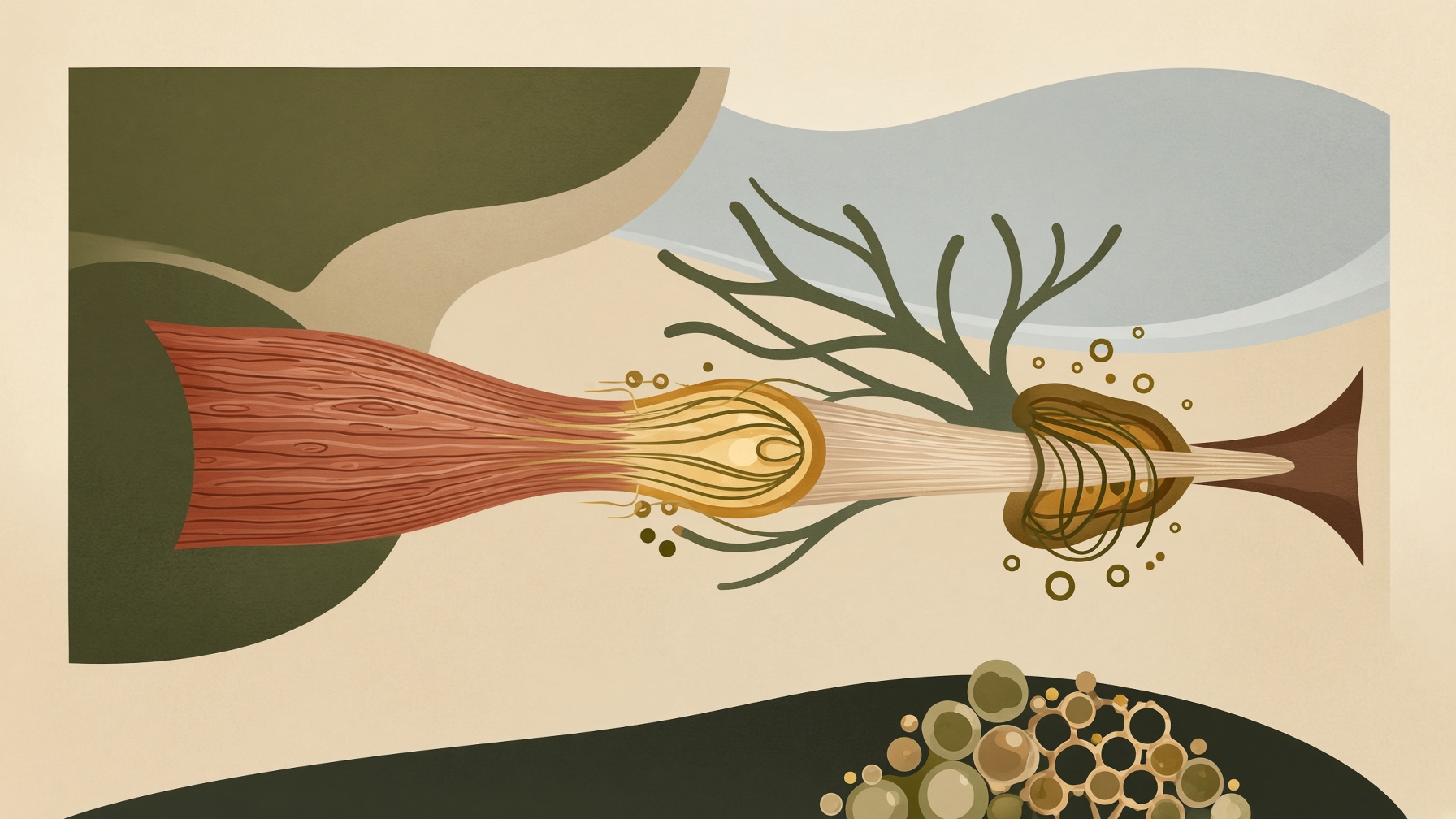
Muscle spindles sense changes in length while Golgi tendon organs track tension, providing feedback that helps the nervous system adjust movement.
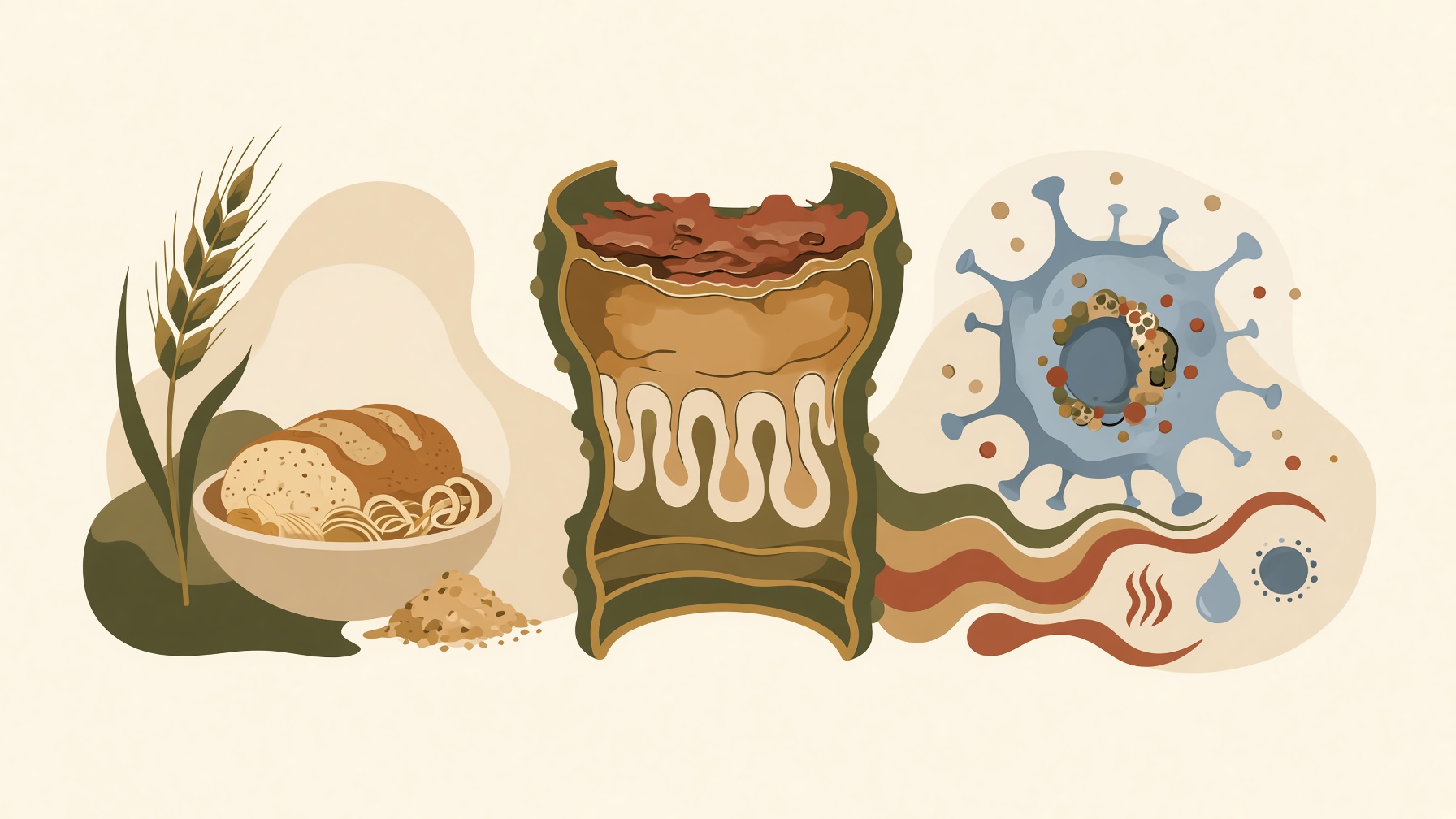
Celiac disease causes gluten-triggered autoimmune damage to the small intestine, a different immune process from the reactions behind food allergy.
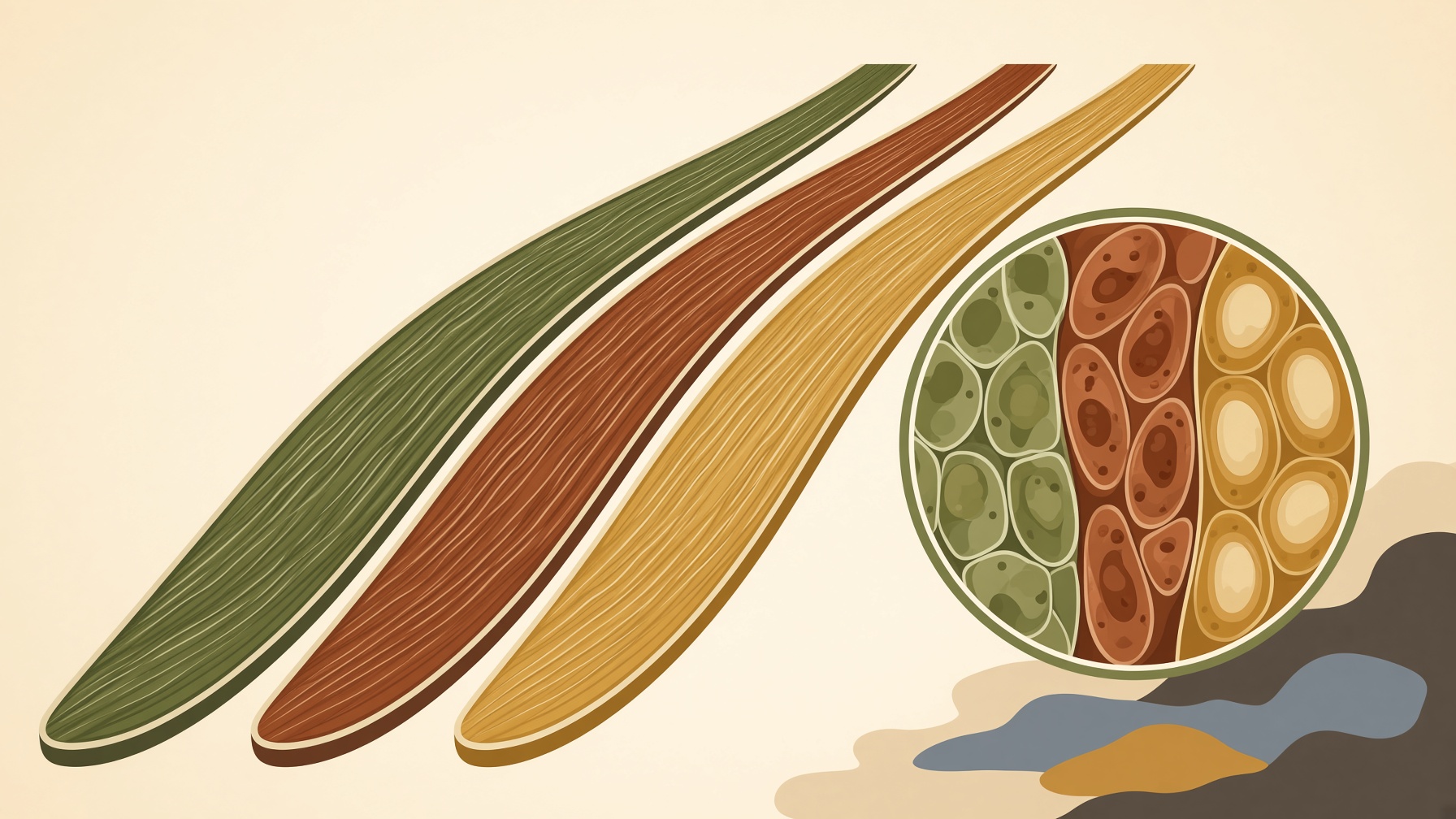
Muscle fibers differ in contraction speed and energy supply, making some better suited to sustained effort and others to rapid, powerful work.
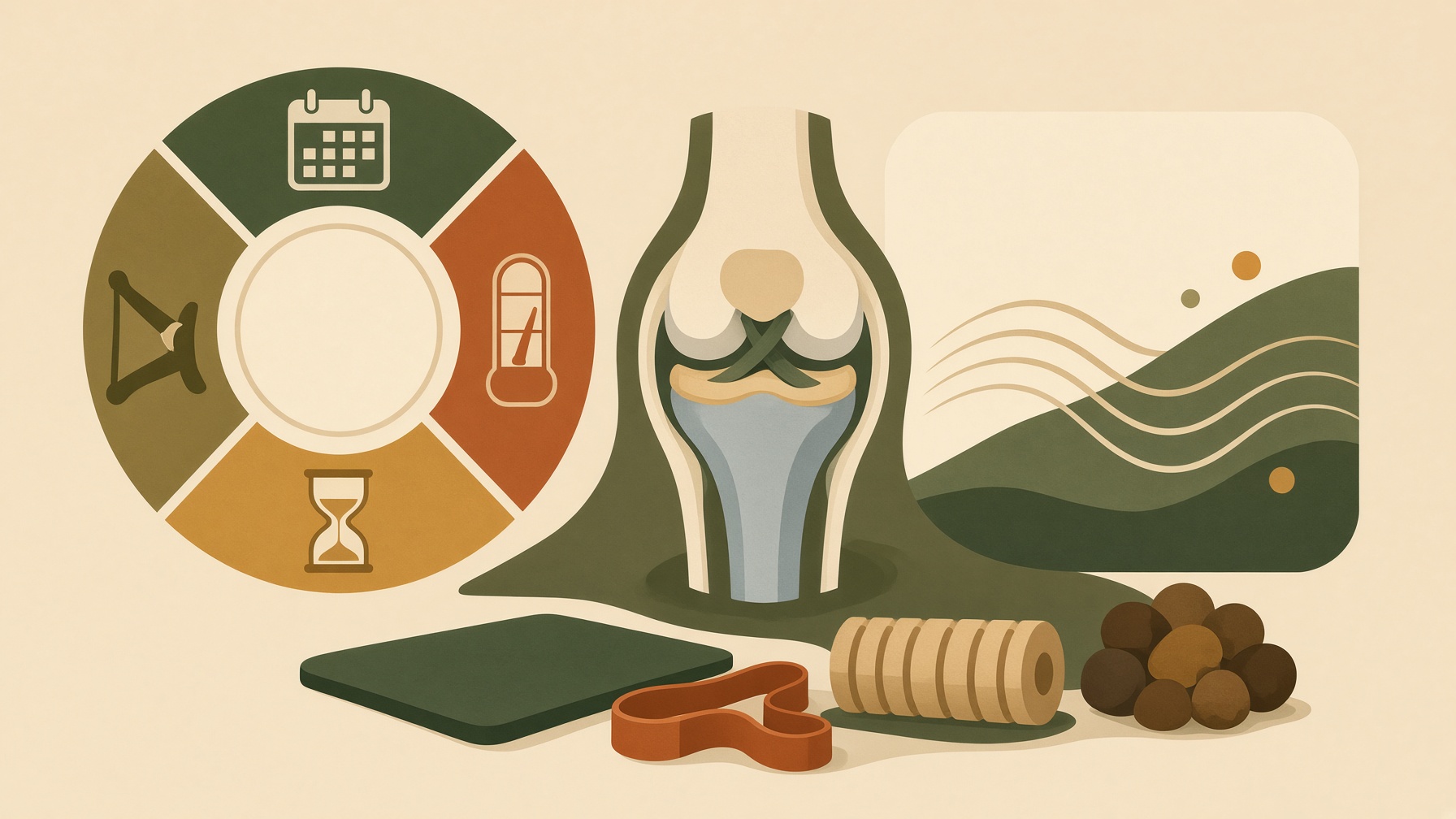
A flexibility routine uses the FITT framework to organize stretching around useful movement goals, with technique and dose suited to the person.
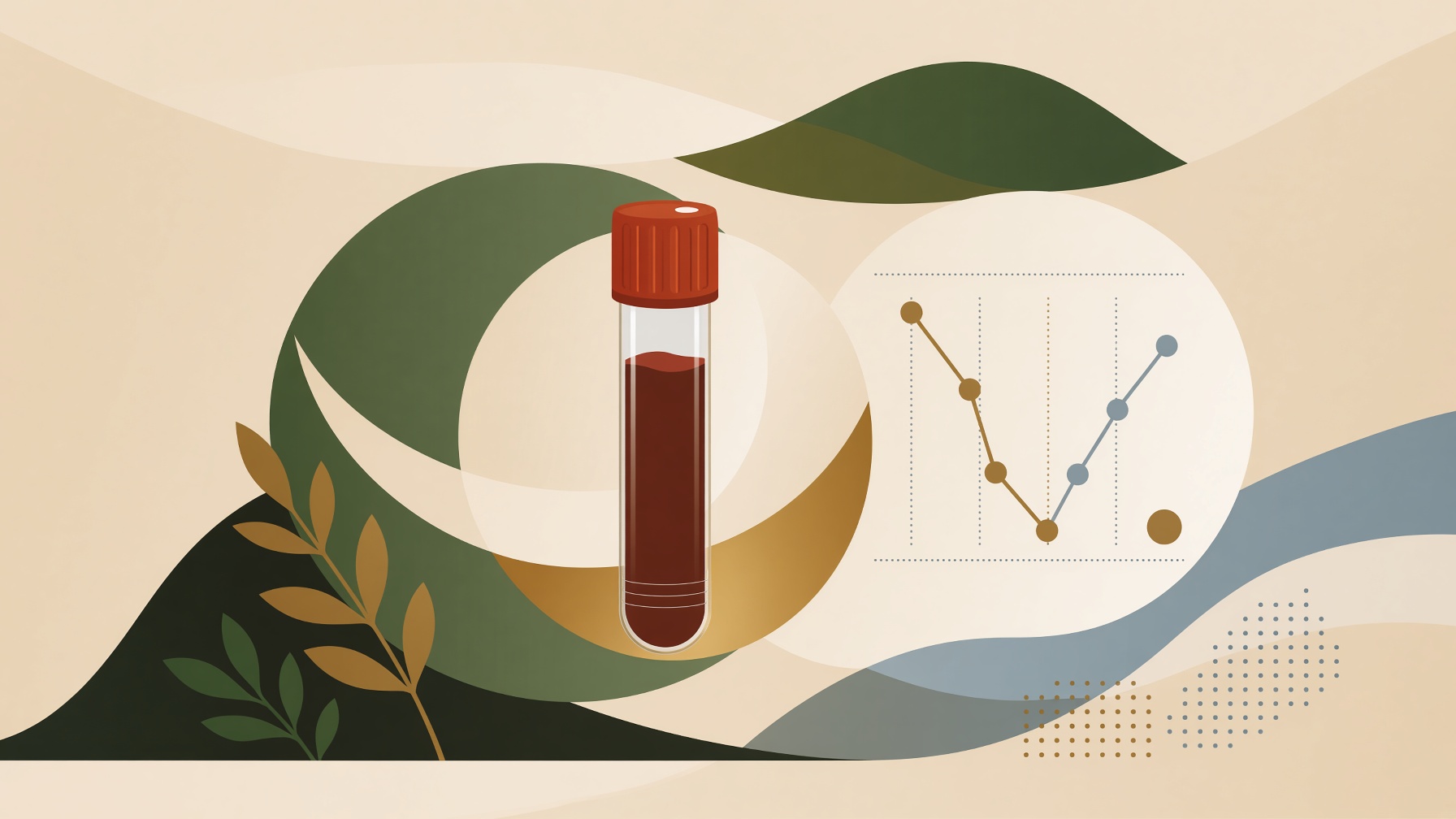
Blood-test results provide evidence about health, but a number’s meaning depends on the test and the circumstances surrounding the measurement.