

Does Exercise Order Matter in Resistance Training?
Exercise order changes how much fatigue a lifter brings to each movement, so placing priority exercises earlier can support their performance.
100 articles in this view
Current selection
100 results
Exercise order changes how much fatigue a lifter brings to each movement, so placing priority exercises earlier can support their performance.

A simple resistance-training program builds a repeatable routine around major muscle groups, with demands that can change as performance improves.

Agility adds perception and decision-making to movement, explaining why straight-line sprint speed does not fully predict performance in changing play.

Plyometric progression should match the demands of each jump to the person’s control and capacity, rather than follow a universal ladder of difficulty.

Standing stability depends on the relationship between the body’s center of mass and base of support, so no single stance suits every task.

Balance training becomes more demanding through changes in support and task demands, with useful progress tied to the control a person needs.
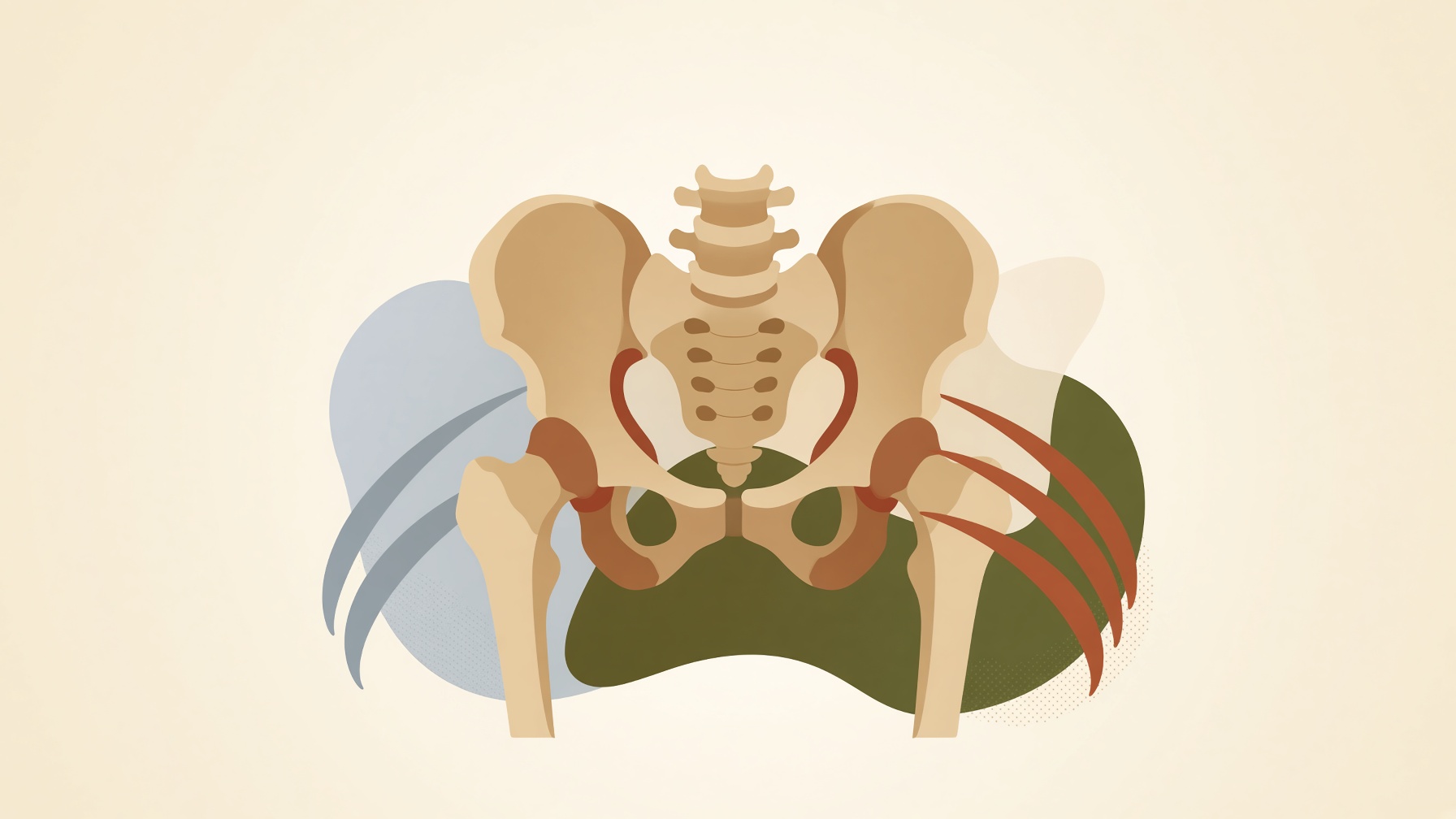
The pelvis combines fused hip-bone regions into a stable socket and muscle attachment base that supports the thigh’s movement at the hip.
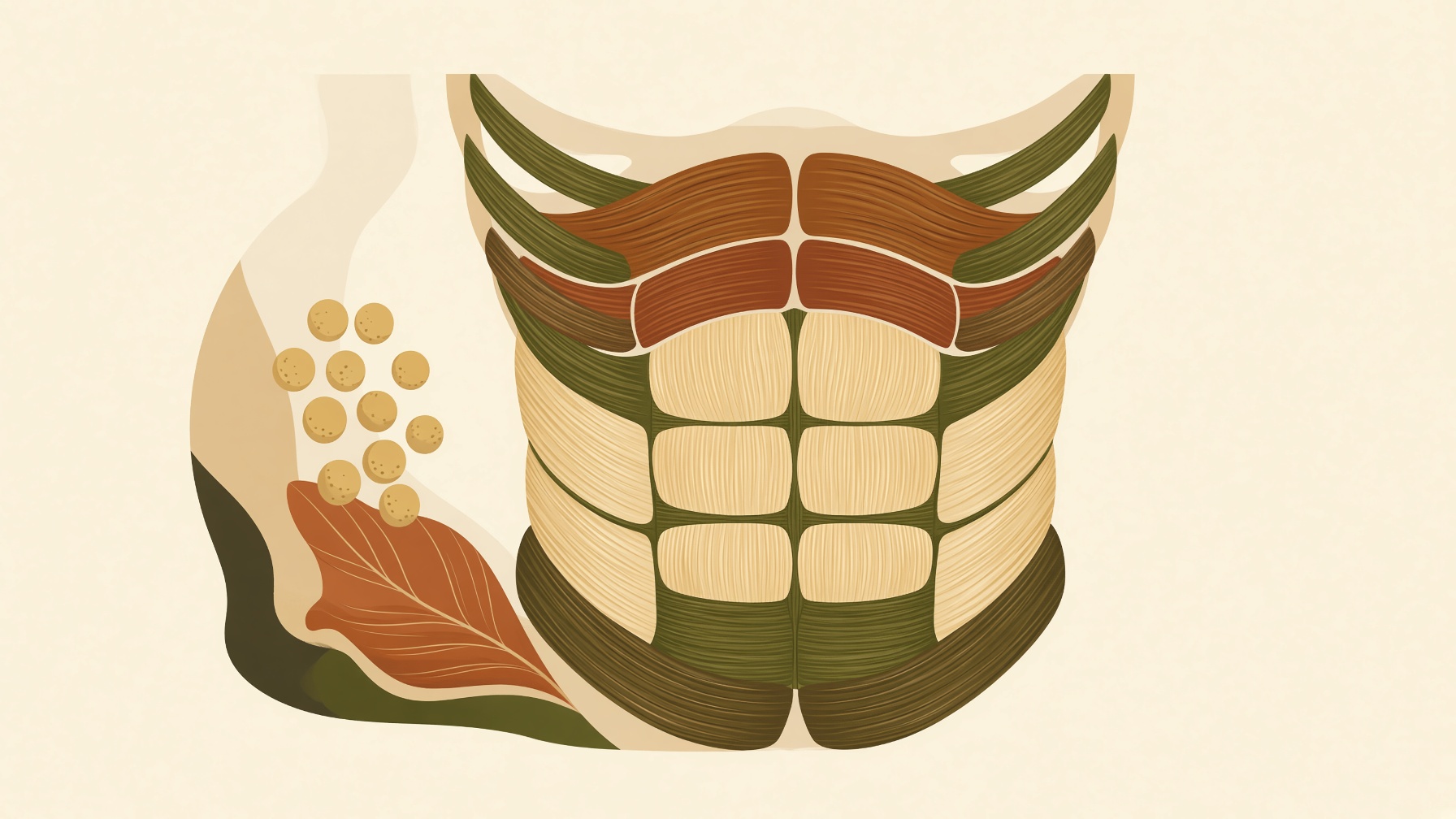
Abdominal muscles form layers with different fiber directions, making the visible six-pack only one part of the anatomy that supports the trunk.
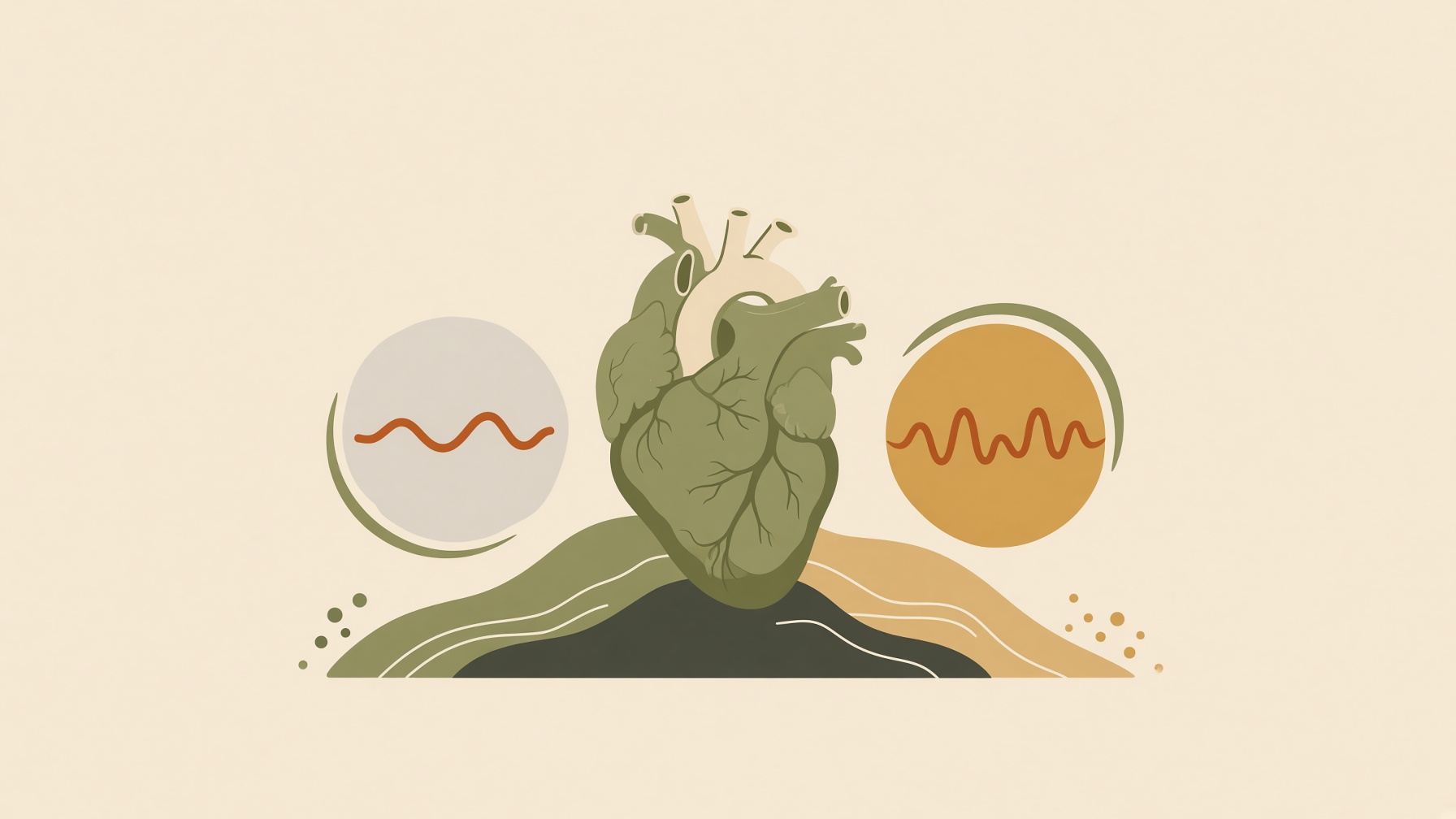
Perceived exertion and the Talk Test help estimate exercise intensity from bodily cues, without turning those sensations into exact lab measurements.

Heart rate can help gauge aerobic exercise intensity, but the meaning of a reading depends on the person and the conditions of the workout.

Aerobic training improves oxygen transport and use through changes across the cardiovascular system and muscles, rather than one adaptation alone.

Brainstem networks adjust breathing using chemical feedback, increasing ventilation as rising carbon dioxide and acidity raise respiratory drive.