
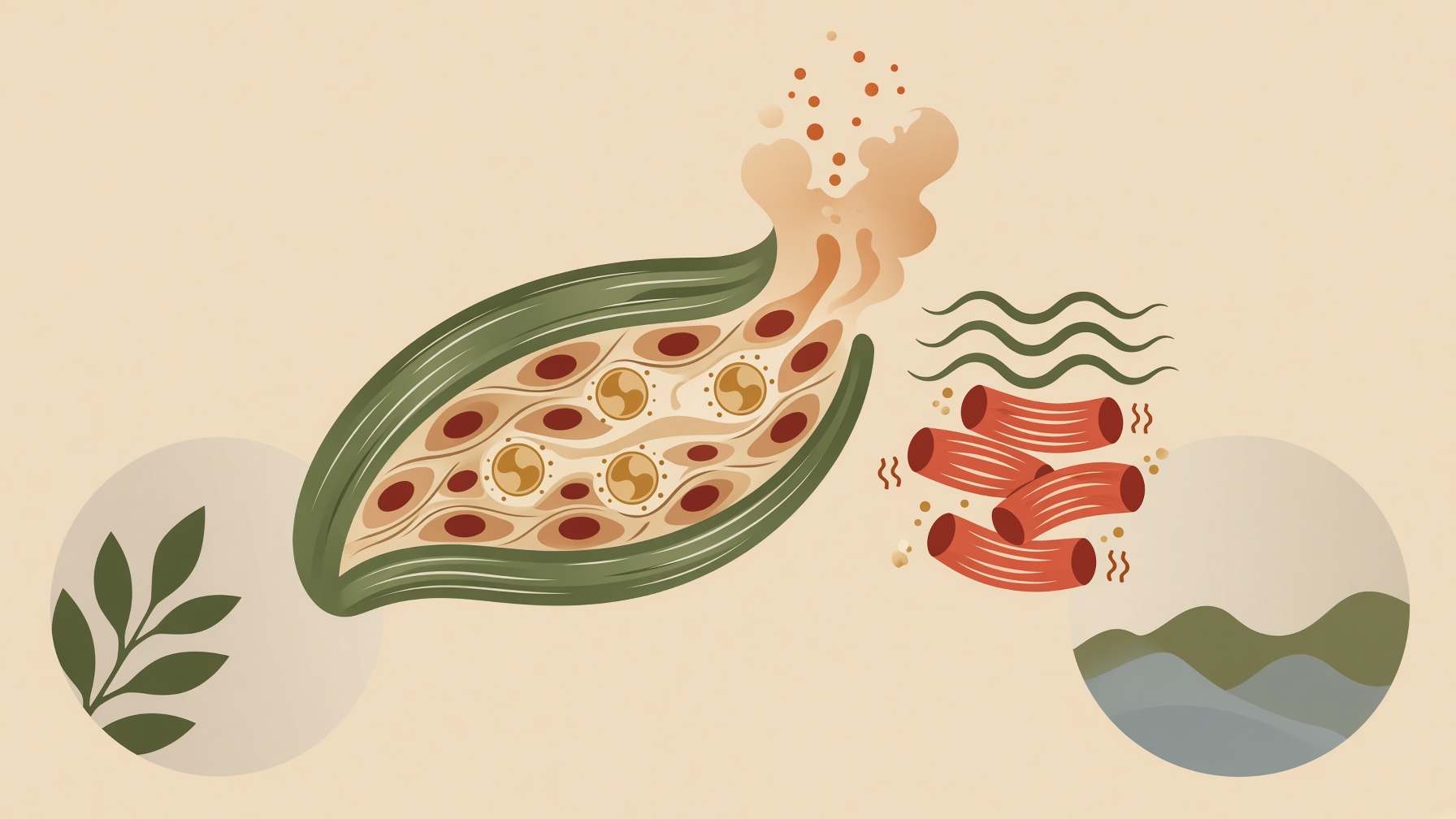
How Your Muscles Help Keep You Warm
Skeletal muscles release heat as they use energy to contract, explaining why both deliberate exercise and involuntary shivering warm the body.
117 articles in this view
Current selection
117 results
Skeletal muscles release heat as they use energy to contract, explaining why both deliberate exercise and involuntary shivering warm the body.

Plyometric progression should match the demands of each jump to the person’s control and capacity, rather than follow a universal ladder of difficulty.
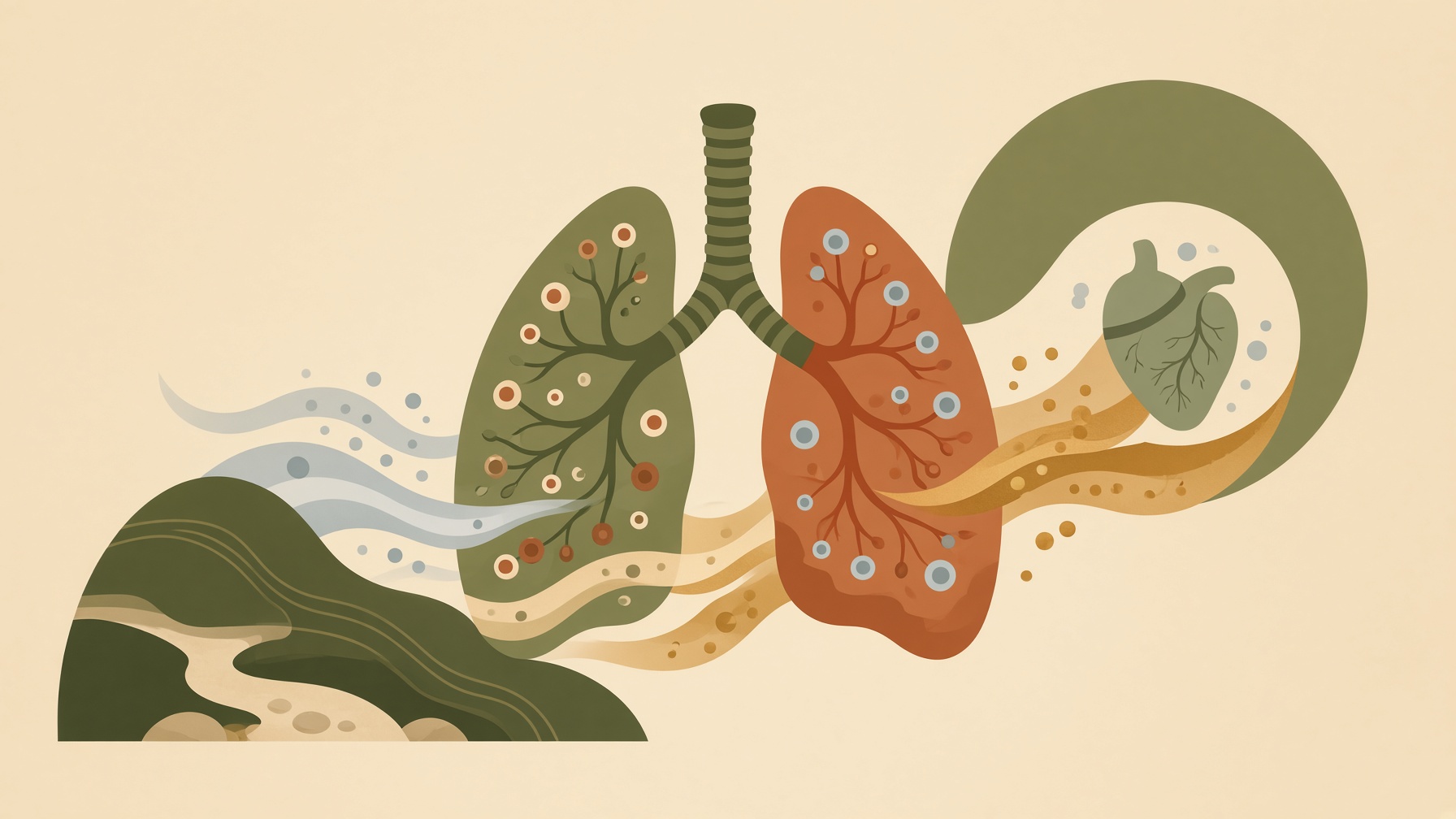
Aerobic training improves oxygen transport and use through changes across the cardiovascular system and muscles, rather than one adaptation alone.
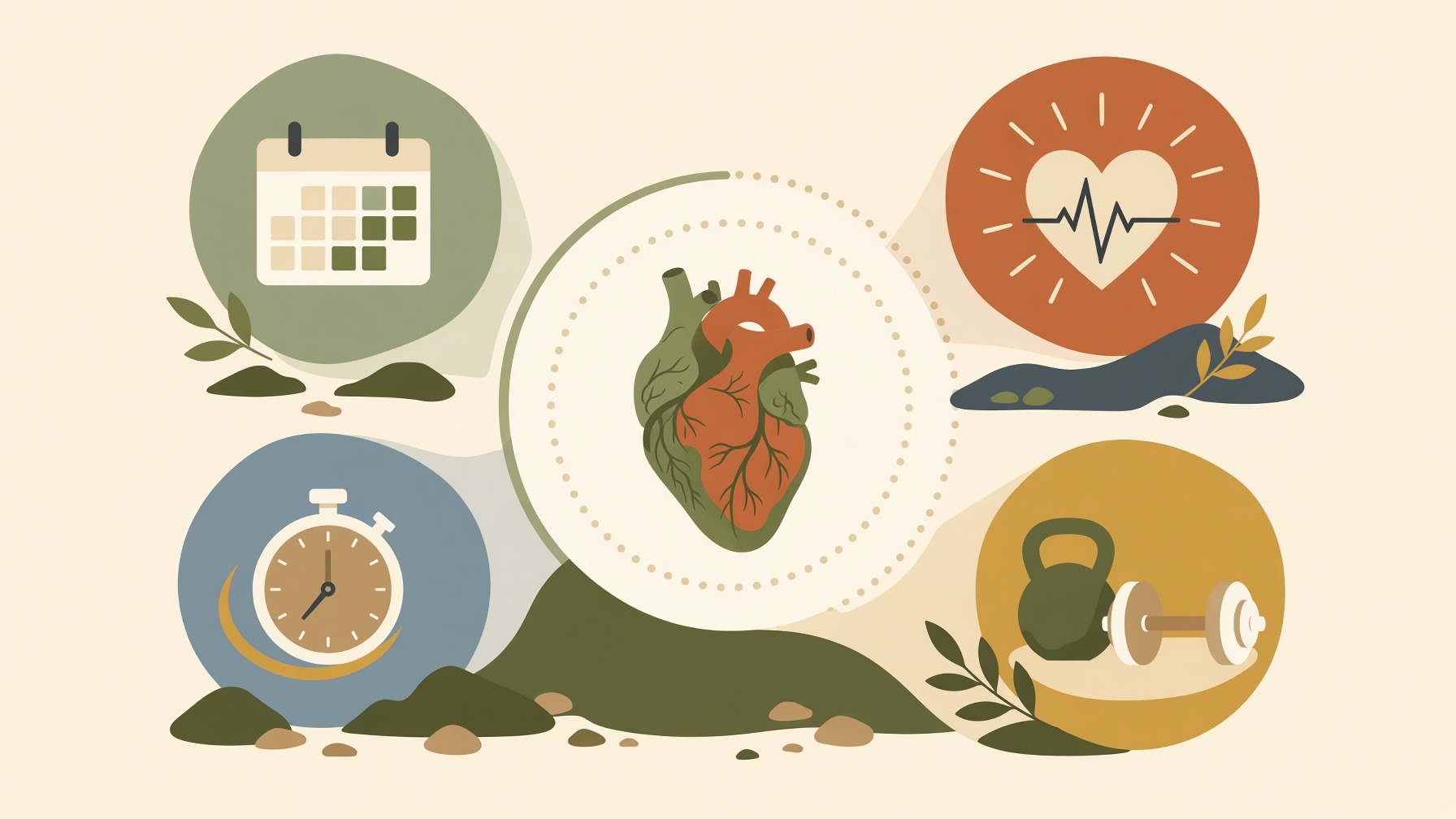
The FITT framework organizes exercise planning around four adjustable variables, helping match the training stimulus to individual goals.
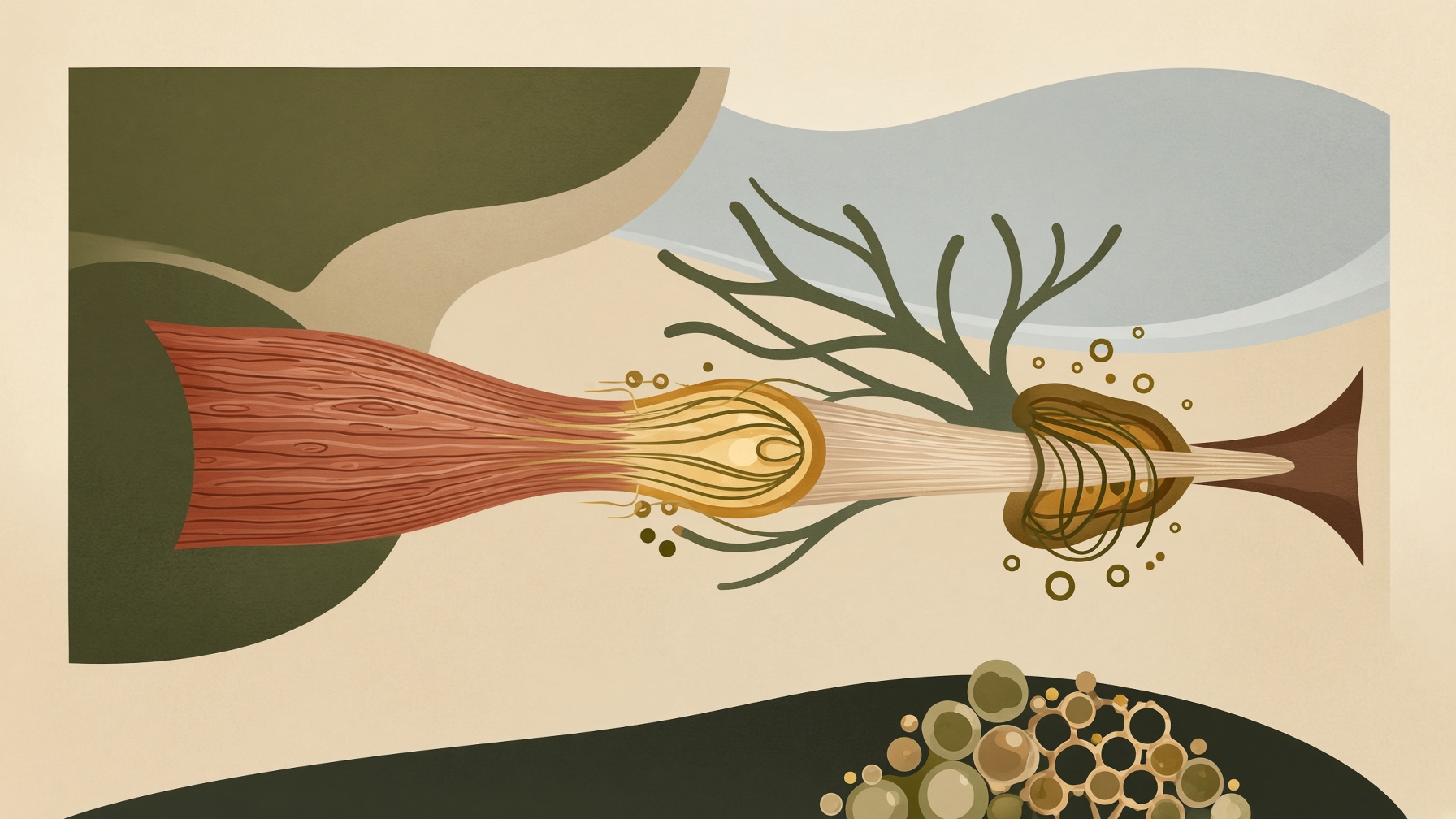
Muscle spindles sense changes in length while Golgi tendon organs track tension, providing feedback that helps the nervous system adjust movement.
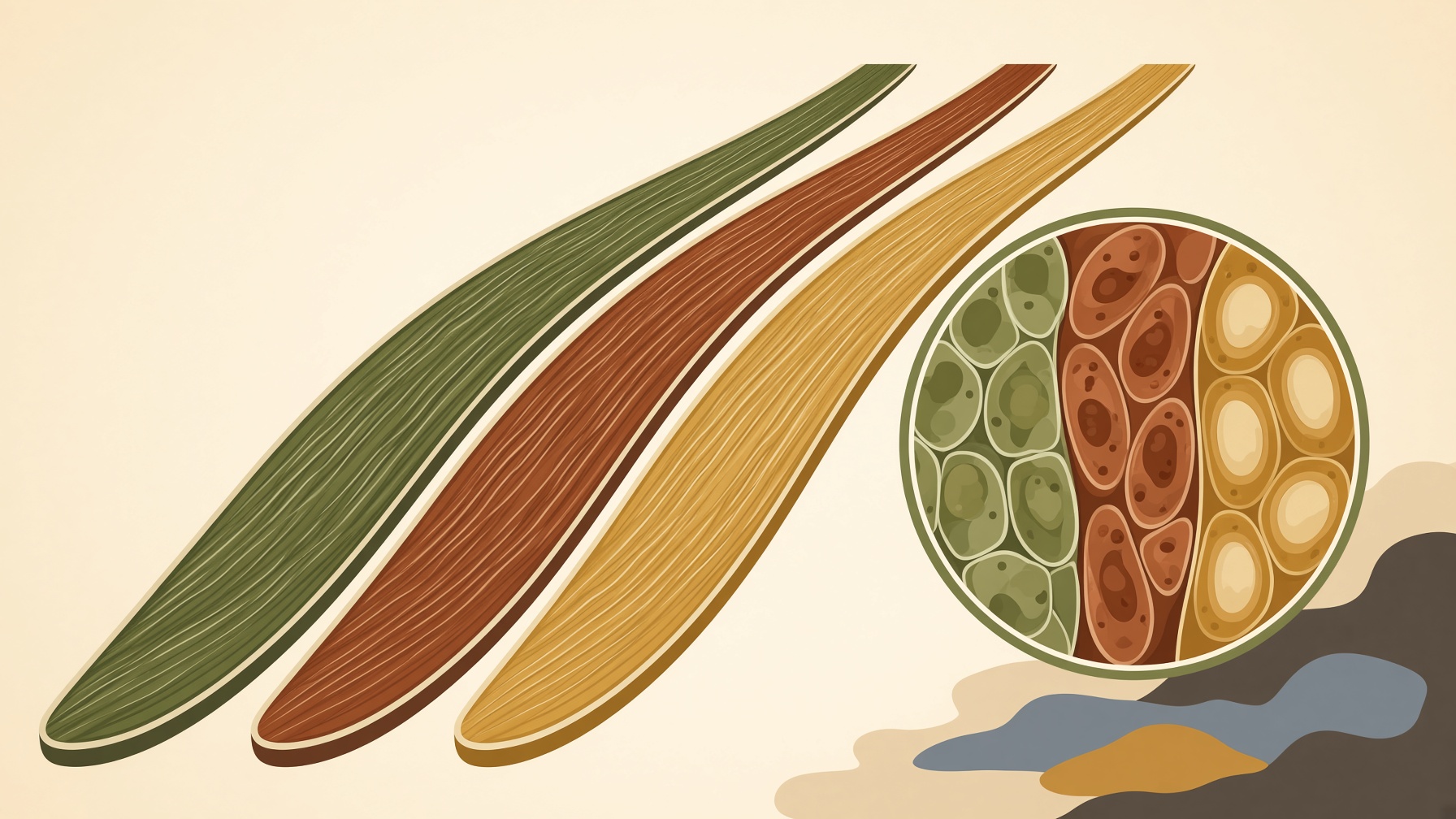
Muscle fibers differ in contraction speed and energy supply, making some better suited to sustained effort and others to rapid, powerful work.
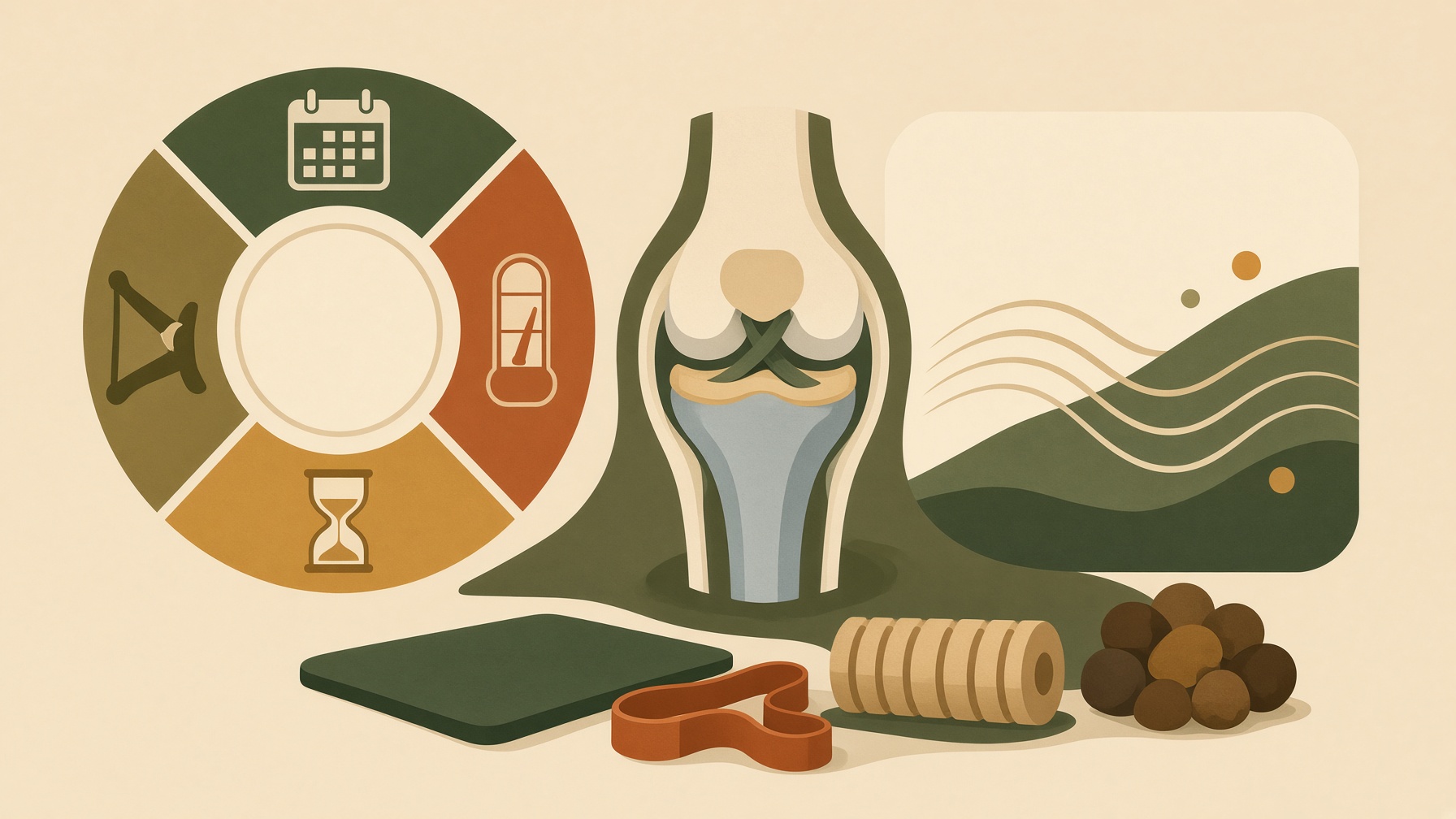
A flexibility routine uses the FITT framework to organize stretching around useful movement goals, with technique and dose suited to the person.
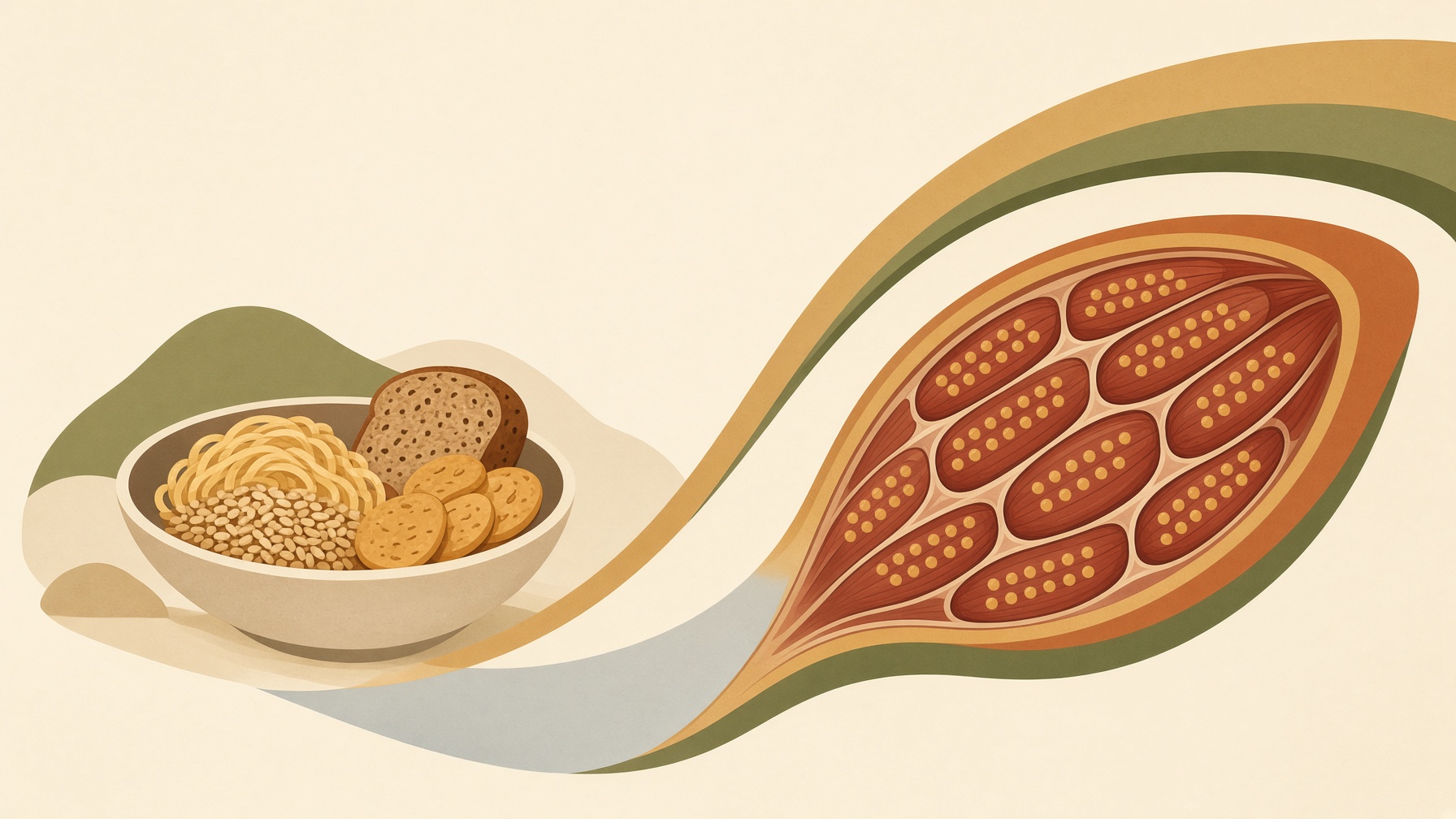
Carbohydrate loading raises muscle glycogen before prolonged endurance events, helping sustain performance when carbohydrate supplies become limiting.
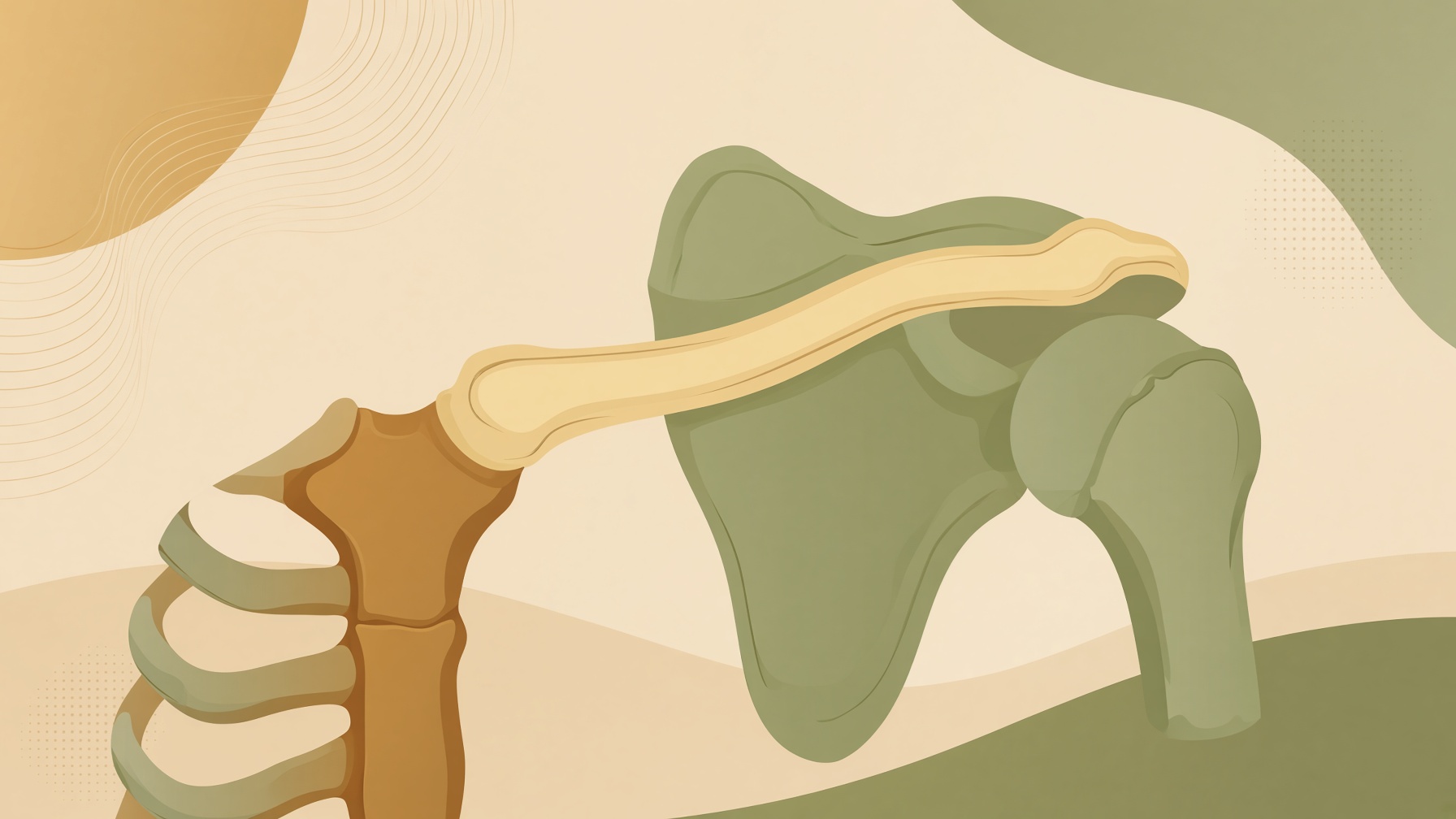
The collarbone holds the shoulder away from the trunk while connecting the pectoral girdle to the skeleton, giving the upper limb room to move.
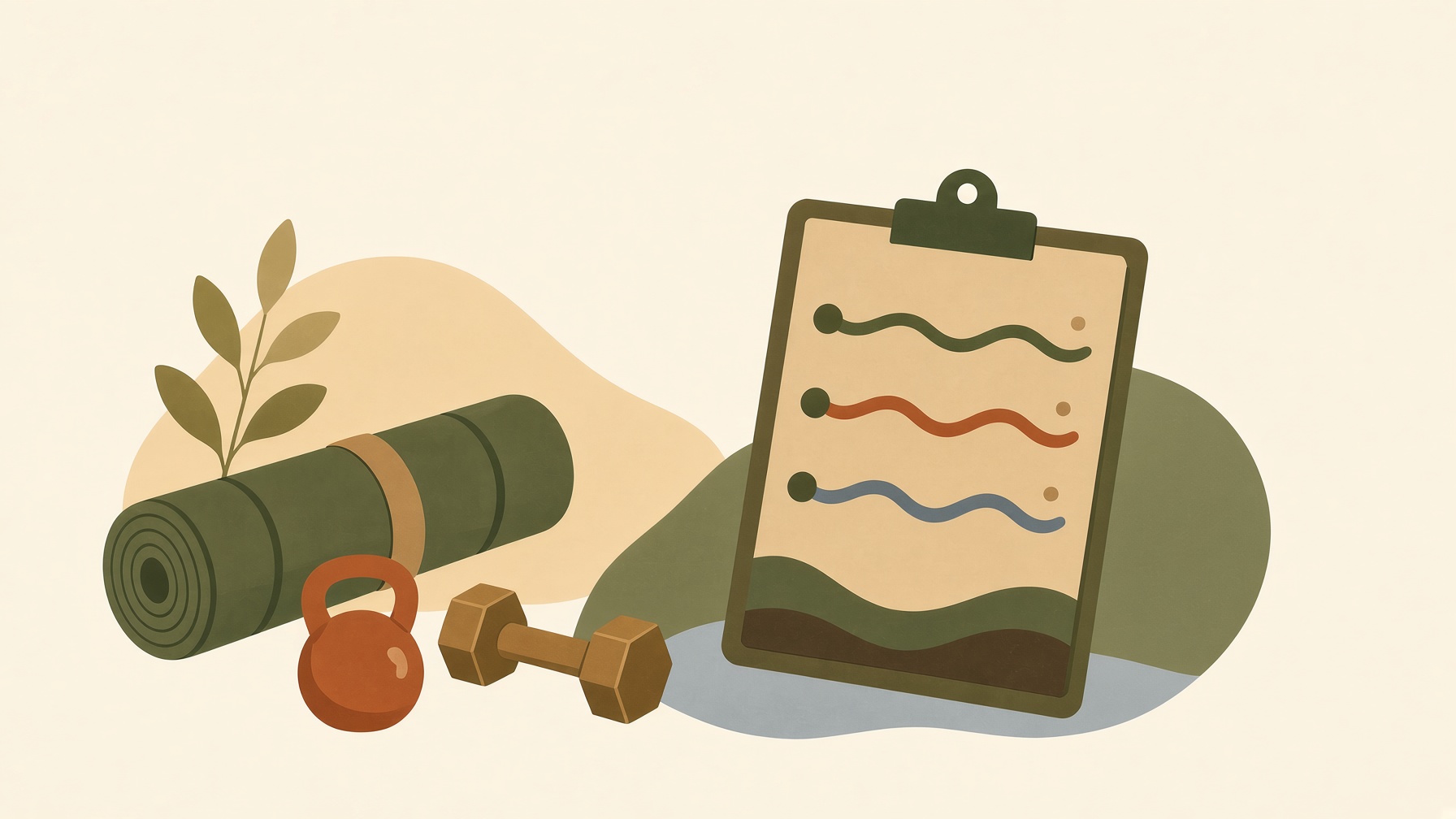
A sustainable exercise plan starts with manageable demands and adapts to everyday barriers, giving continued participation room to survive disruptions.
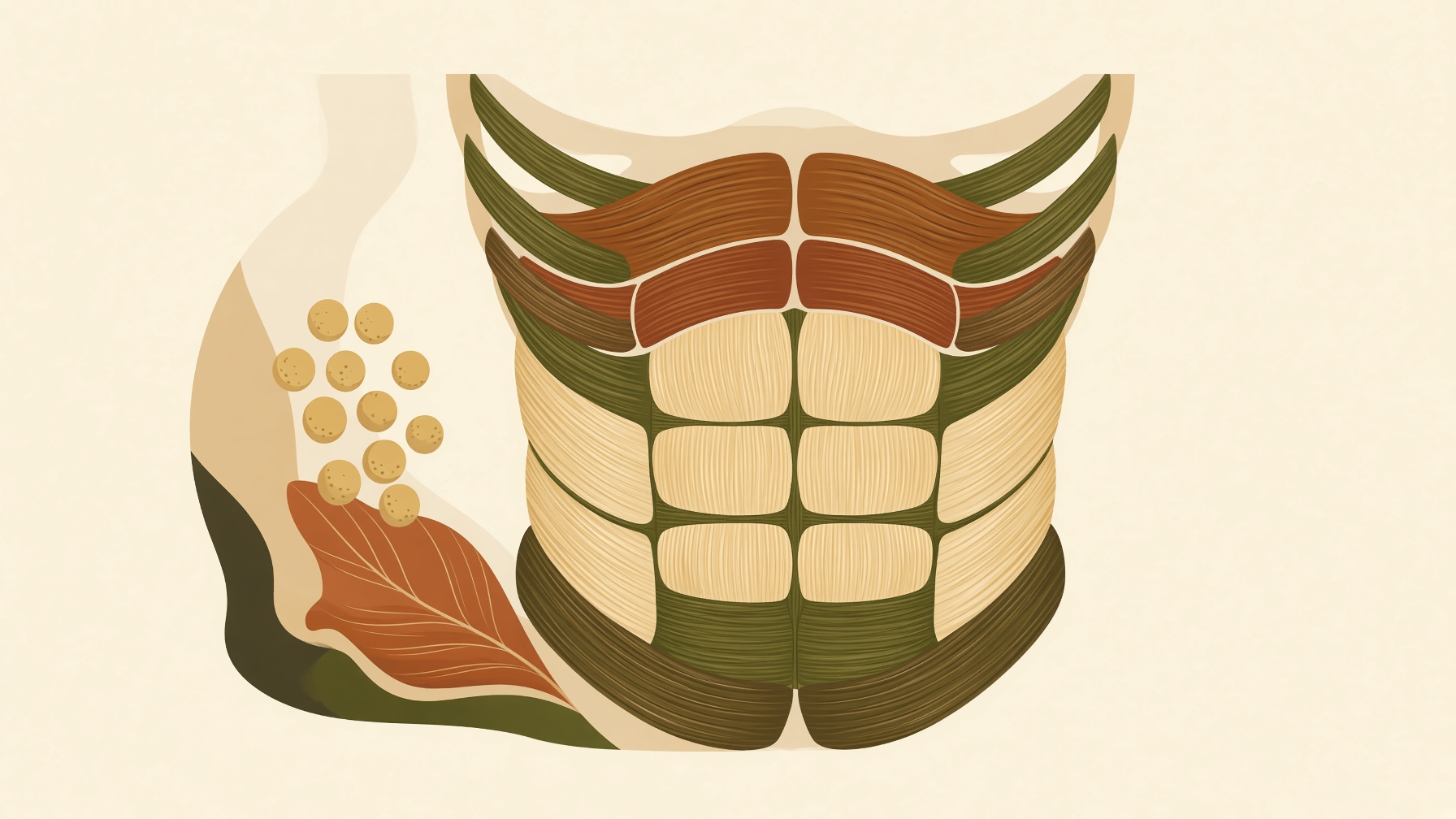
Abdominal muscles form layers with different fiber directions, making the visible six-pack only one part of the anatomy that supports the trunk.
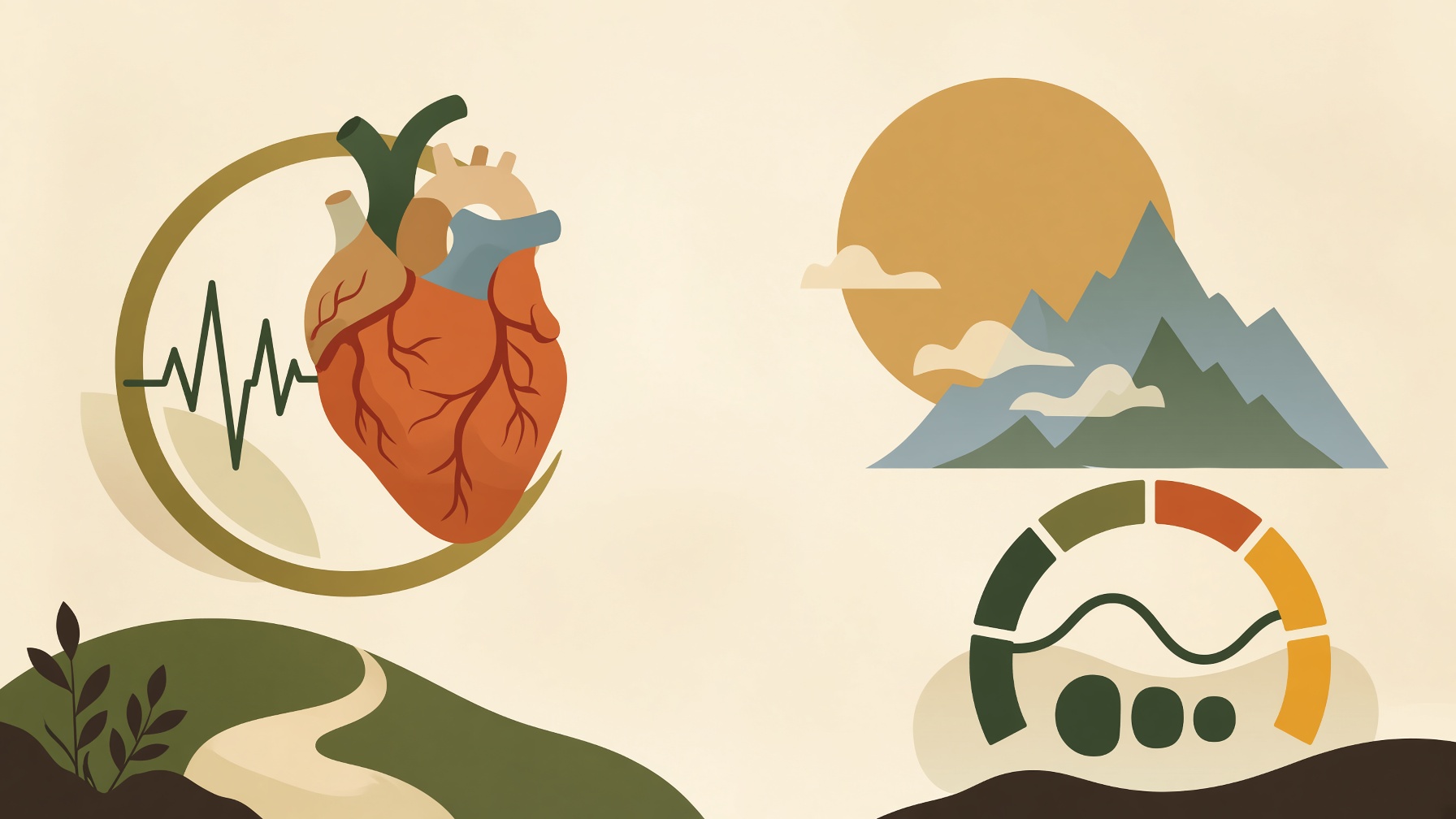
Heart rate can help gauge aerobic exercise intensity, but the meaning of a reading depends on the person and the conditions of the workout.