
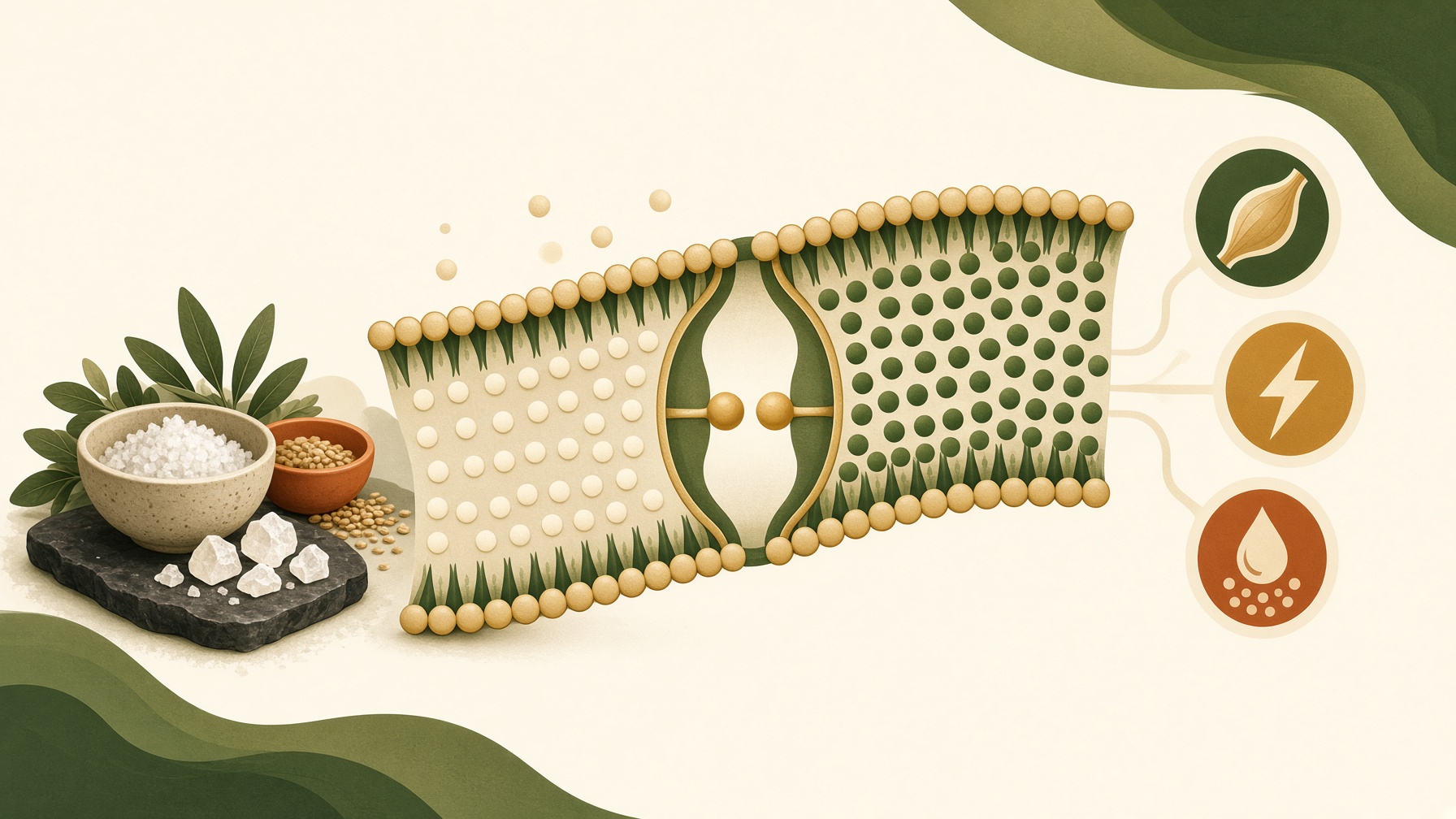
Your Body Needs Sodium for More than Fluid Balance
Sodium gradients across cell membranes provide stored energy that cells use for electrical signals and the absorption of certain nutrients.
Themes
From this collection
Sodium gradients across cell membranes provide stored energy that cells use for electrical signals and the absorption of certain nutrients.
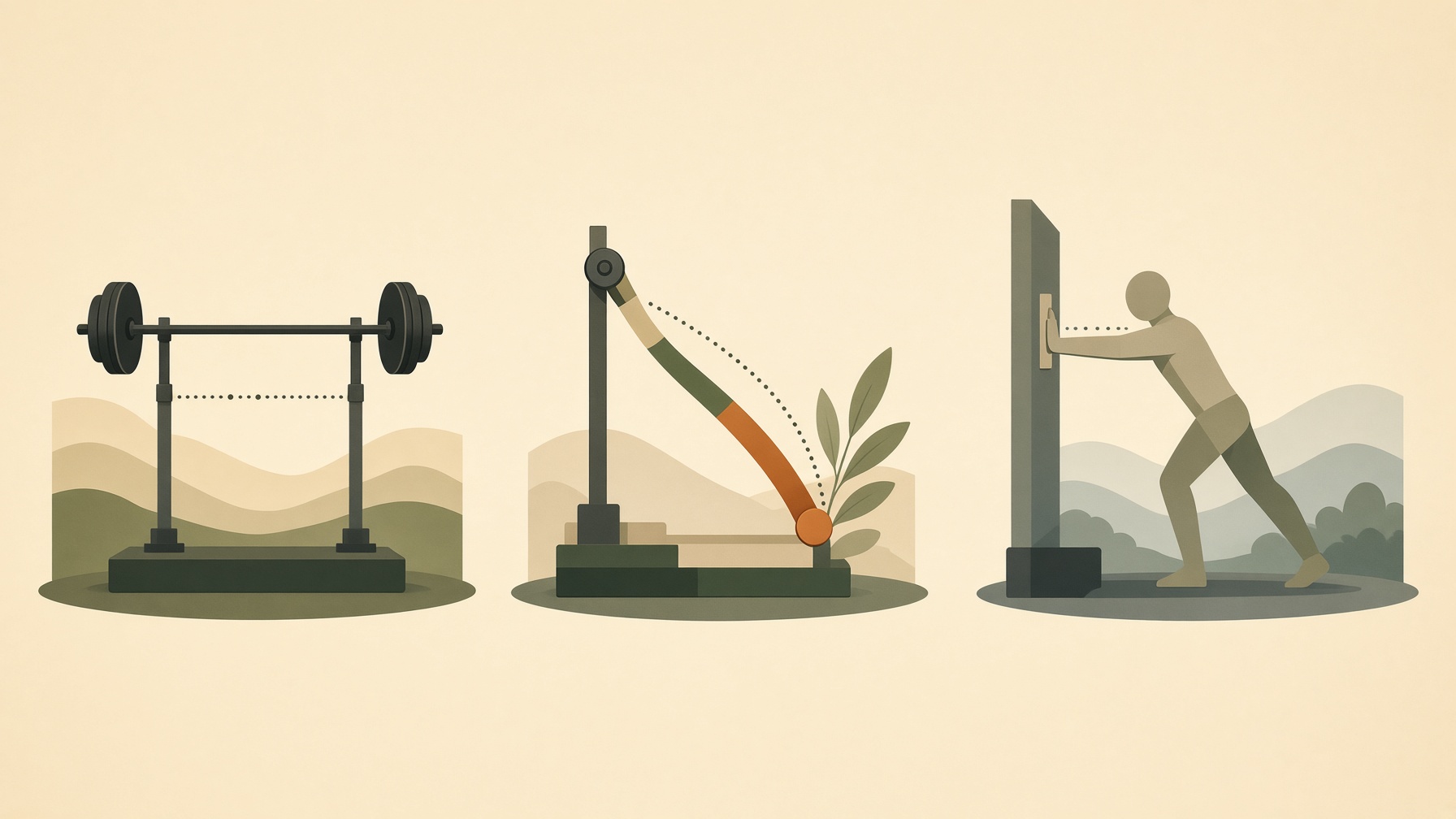
Resistance-training formats create different mechanical demands, and a constant external weight does not mean constant effort across a repetition.
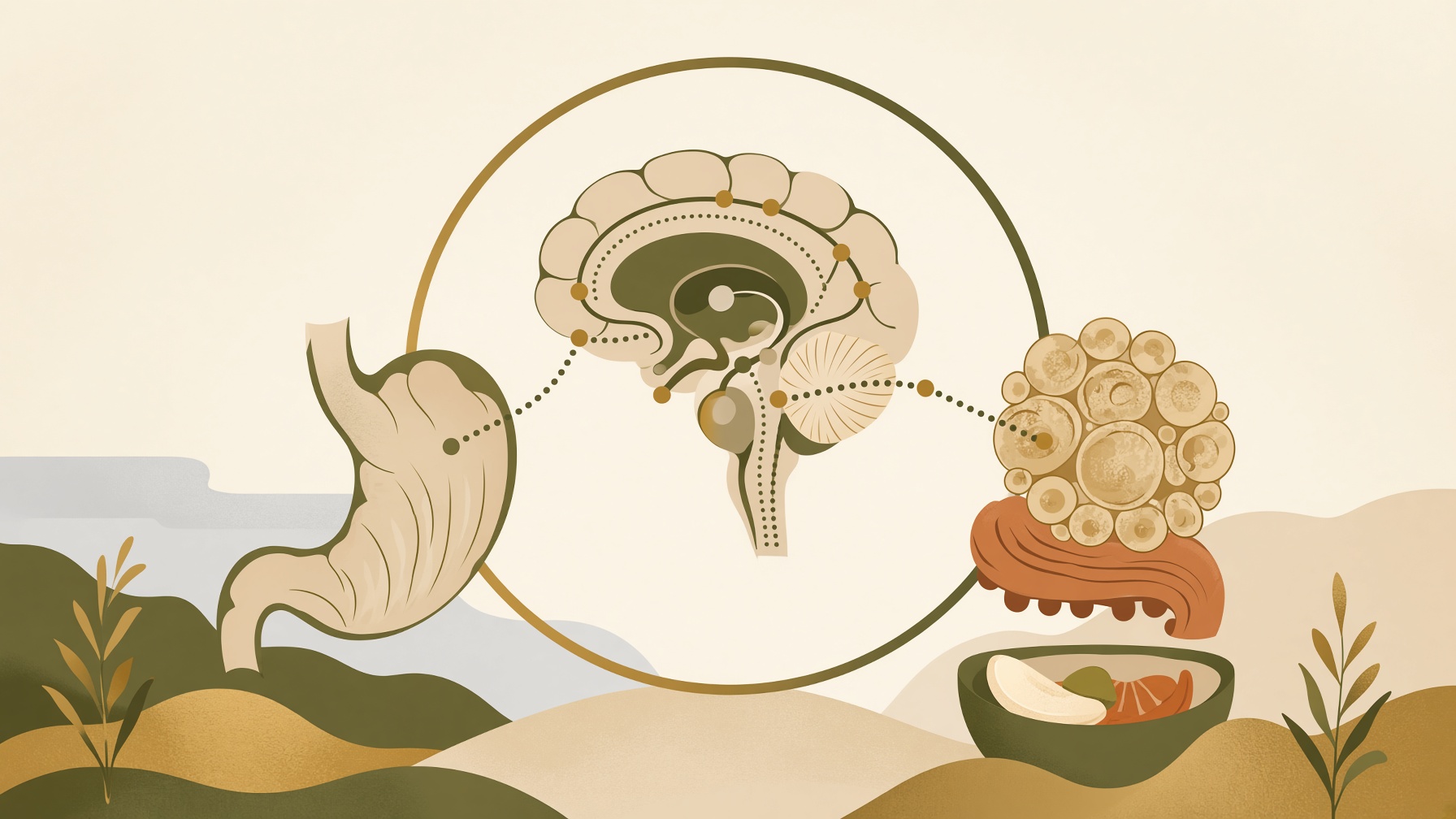
Hunger and fullness emerge as brain circuits combine signals from the body with sensory experiences and the circumstances surrounding eating.
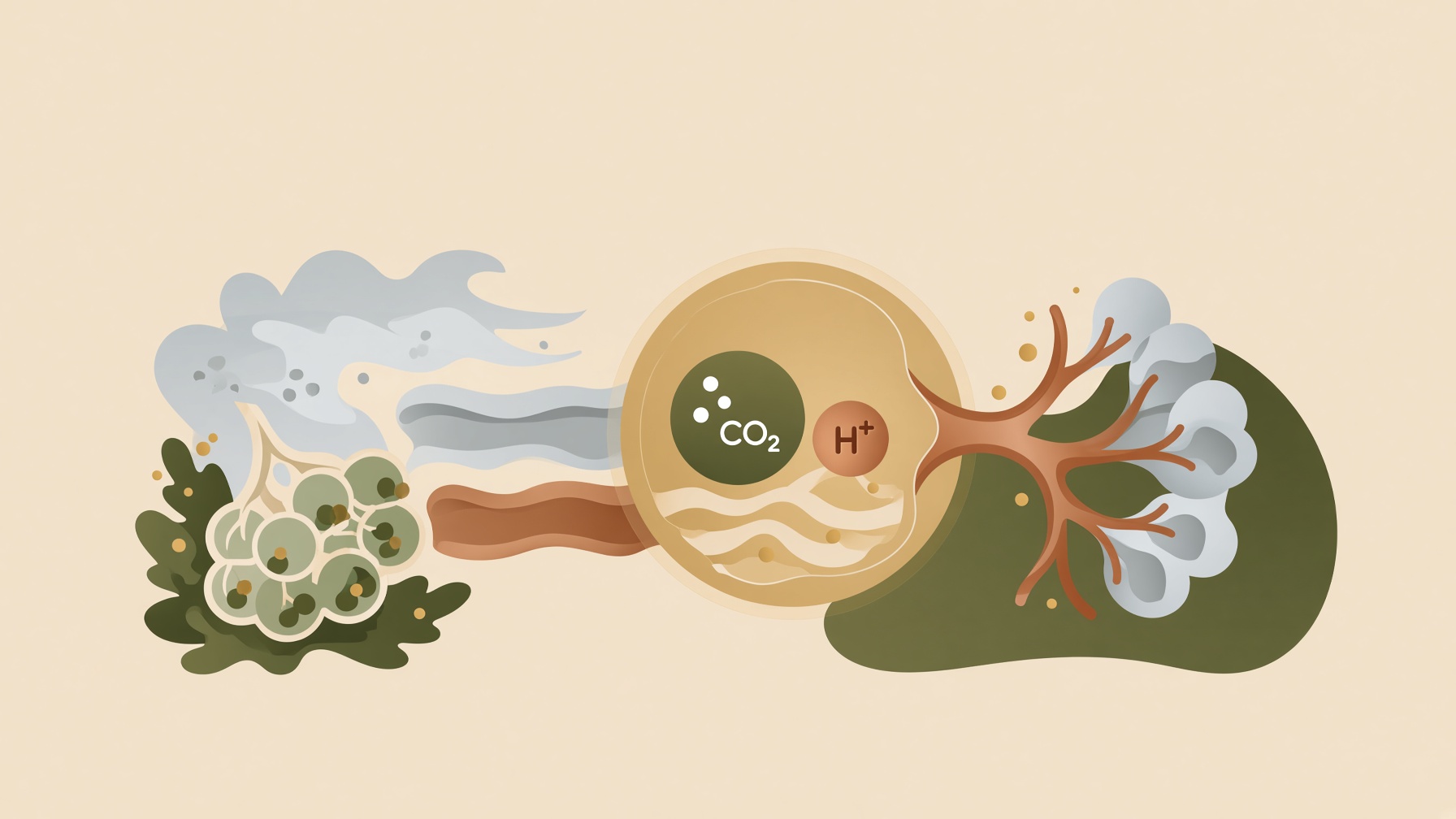
Brainstem networks adjust breathing using chemical feedback, increasing ventilation as rising carbon dioxide and acidity raise respiratory drive.
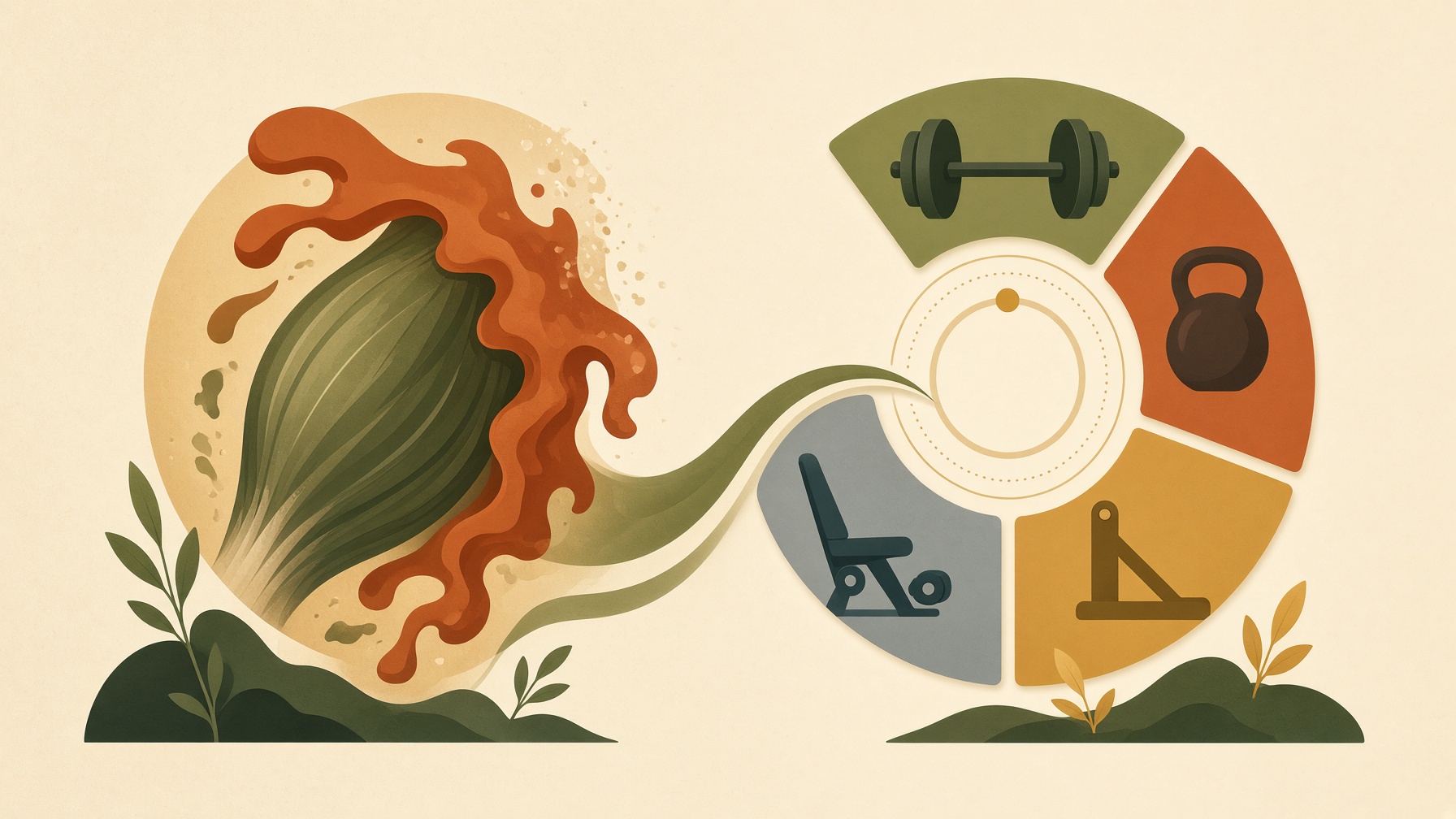
Exercise order changes how much fatigue a lifter brings to each movement, so placing priority exercises earlier can support their performance.
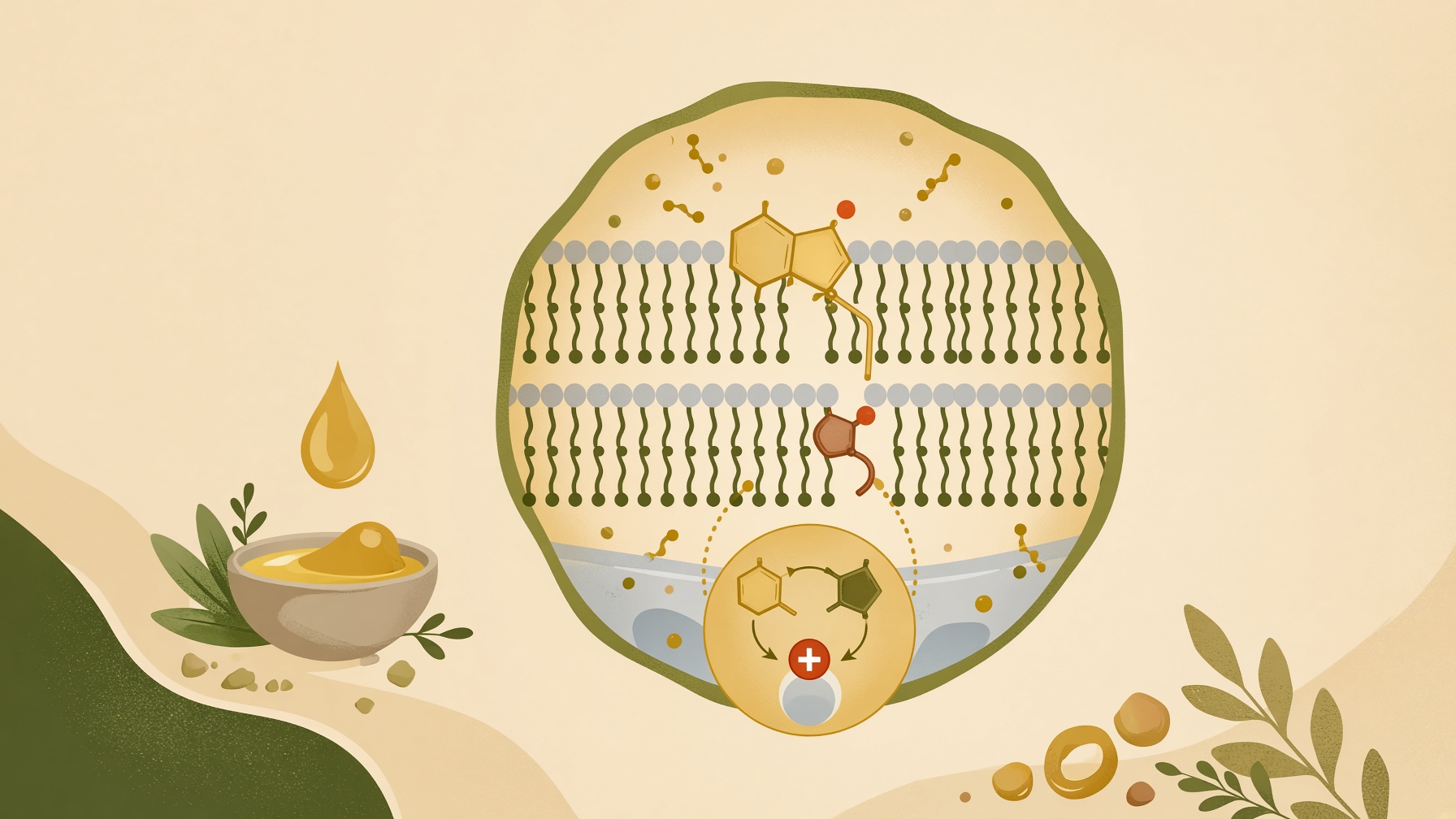
Vitamin E protects membrane lipids, but high-dose supplements have not shown clear benefits for preventing heart disease or cancer in healthy adults.
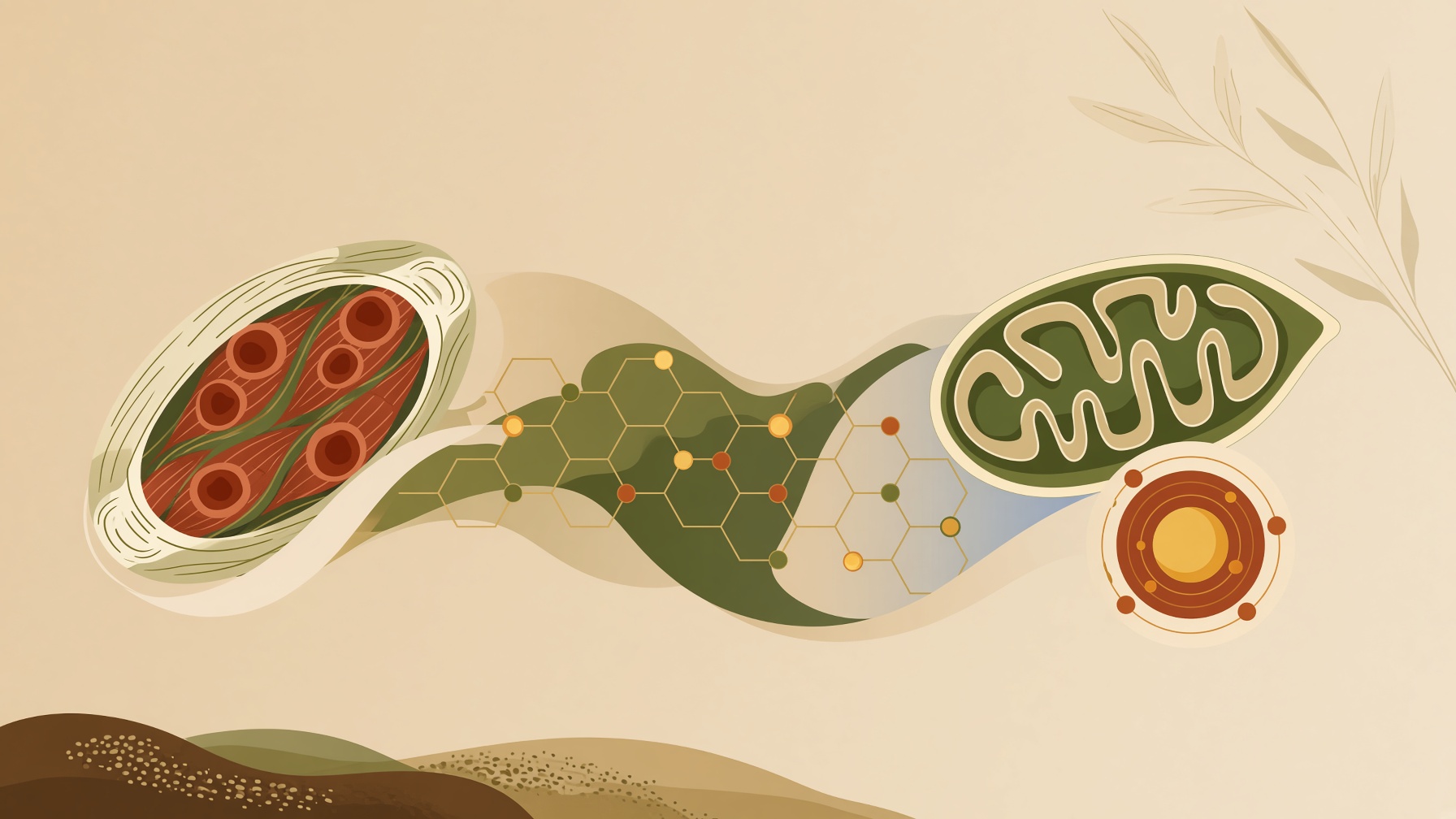
Glycolysis helps muscle replenish ATP quickly during intense exercise while other energy pathways continue contributing at the same time.
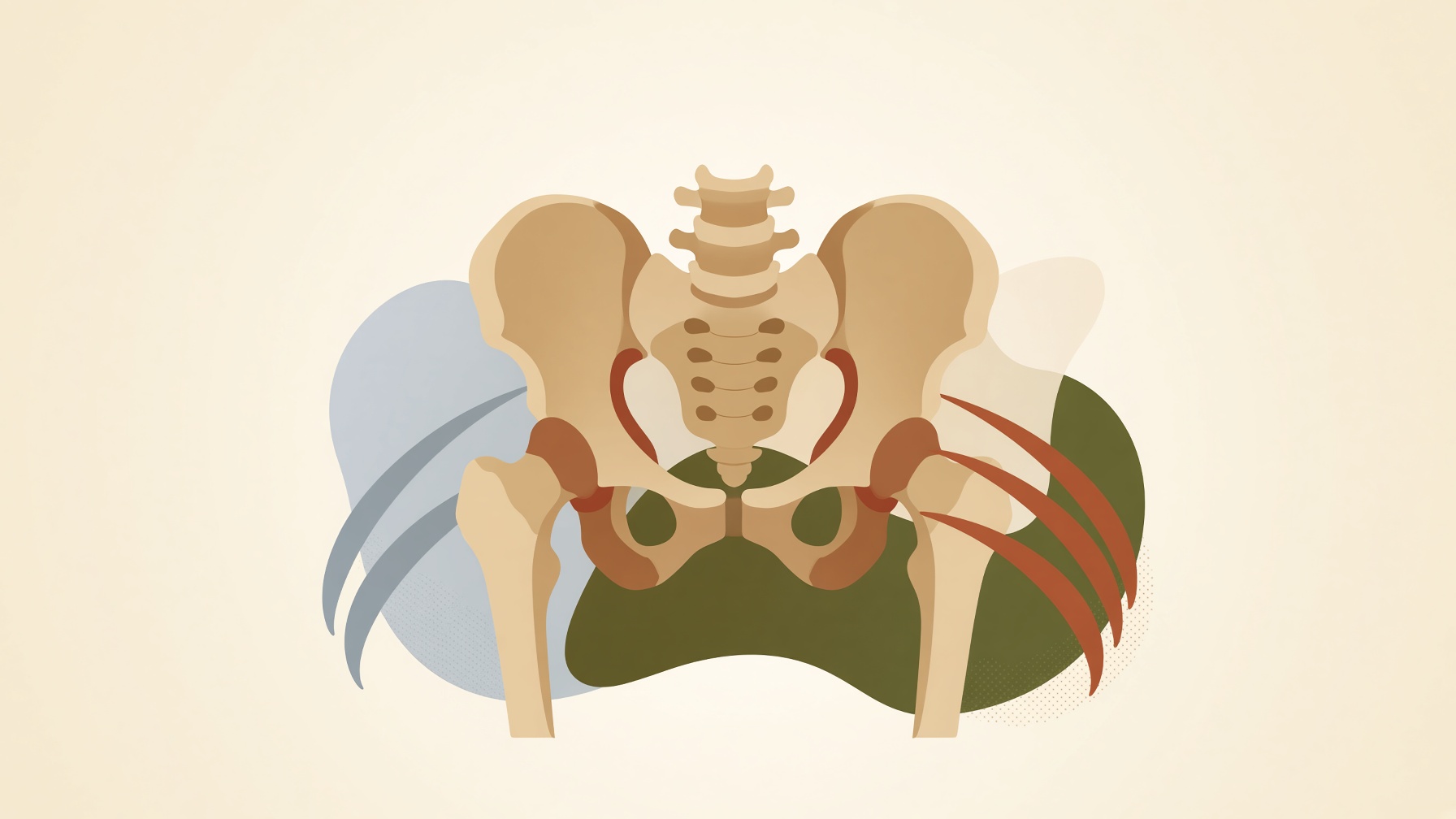
The pelvis combines fused hip-bone regions into a stable socket and muscle attachment base that supports the thigh’s movement at the hip.
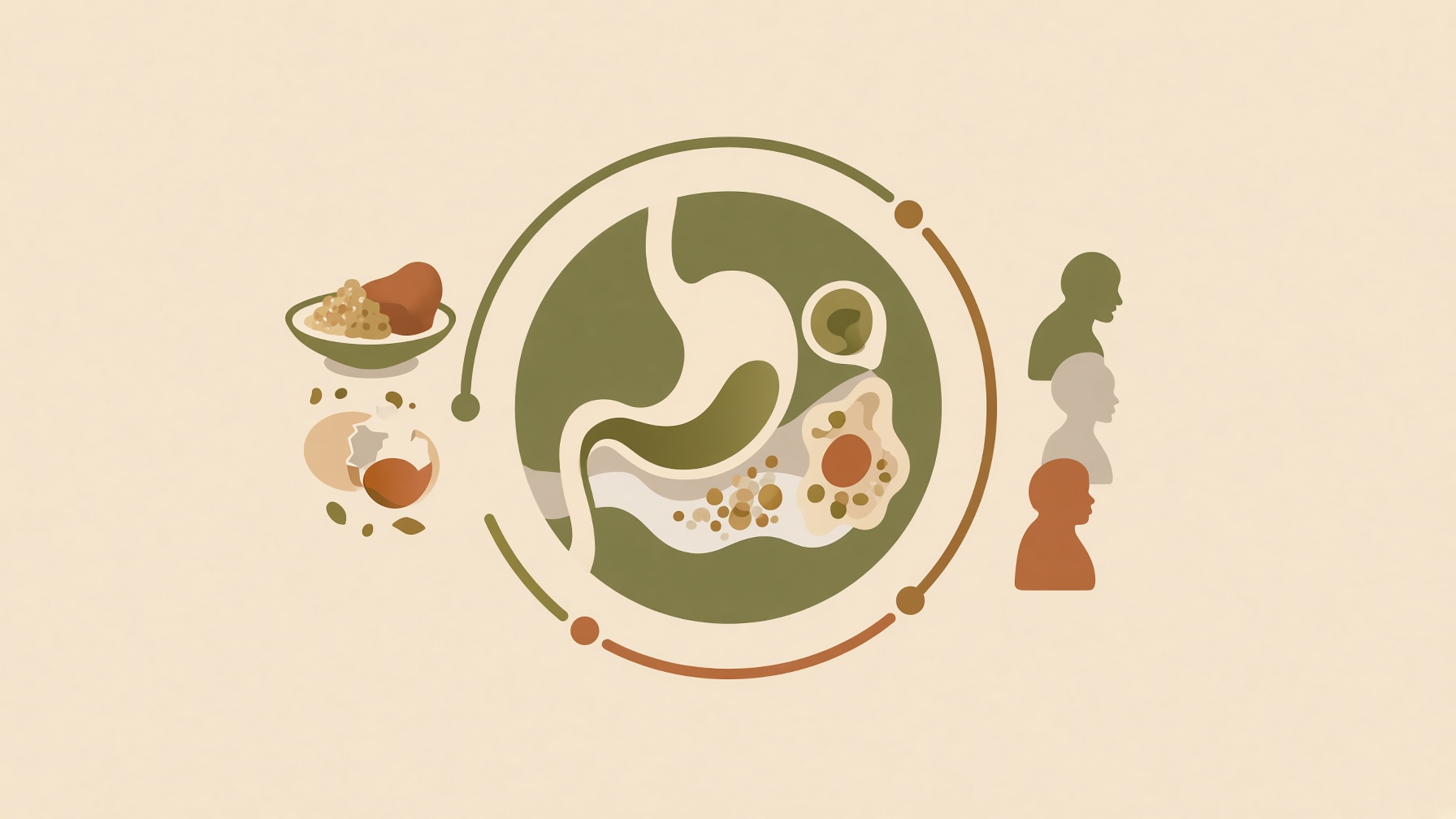
The adult protein RDA estimates an intake that meets most healthy adults’ needs, rather than measuring an individual’s exact requirement.
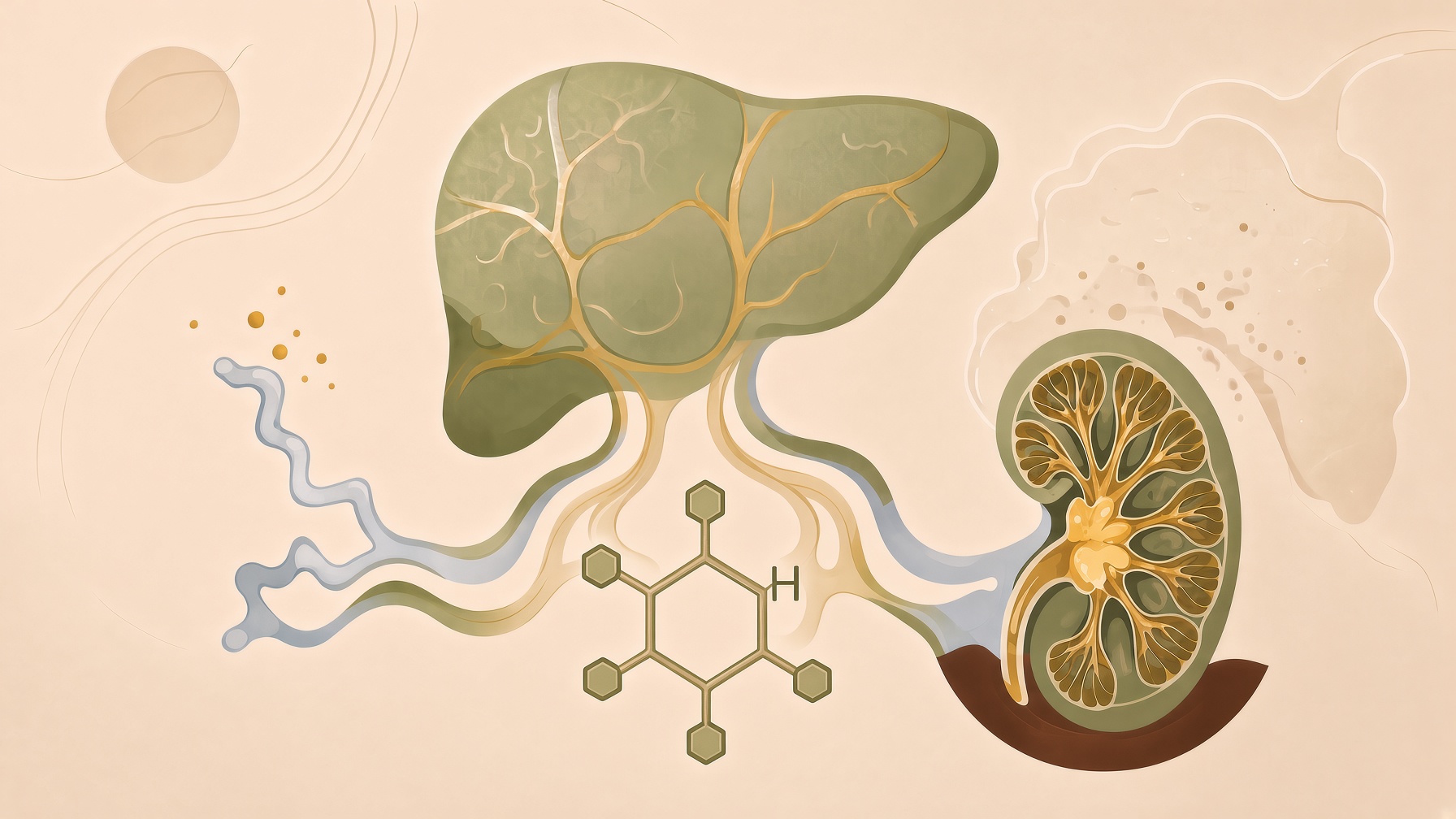
Gluconeogenesis makes glucose from noncarbohydrate materials, helping the liver and kidneys maintain blood glucose when dietary fuel is unavailable.
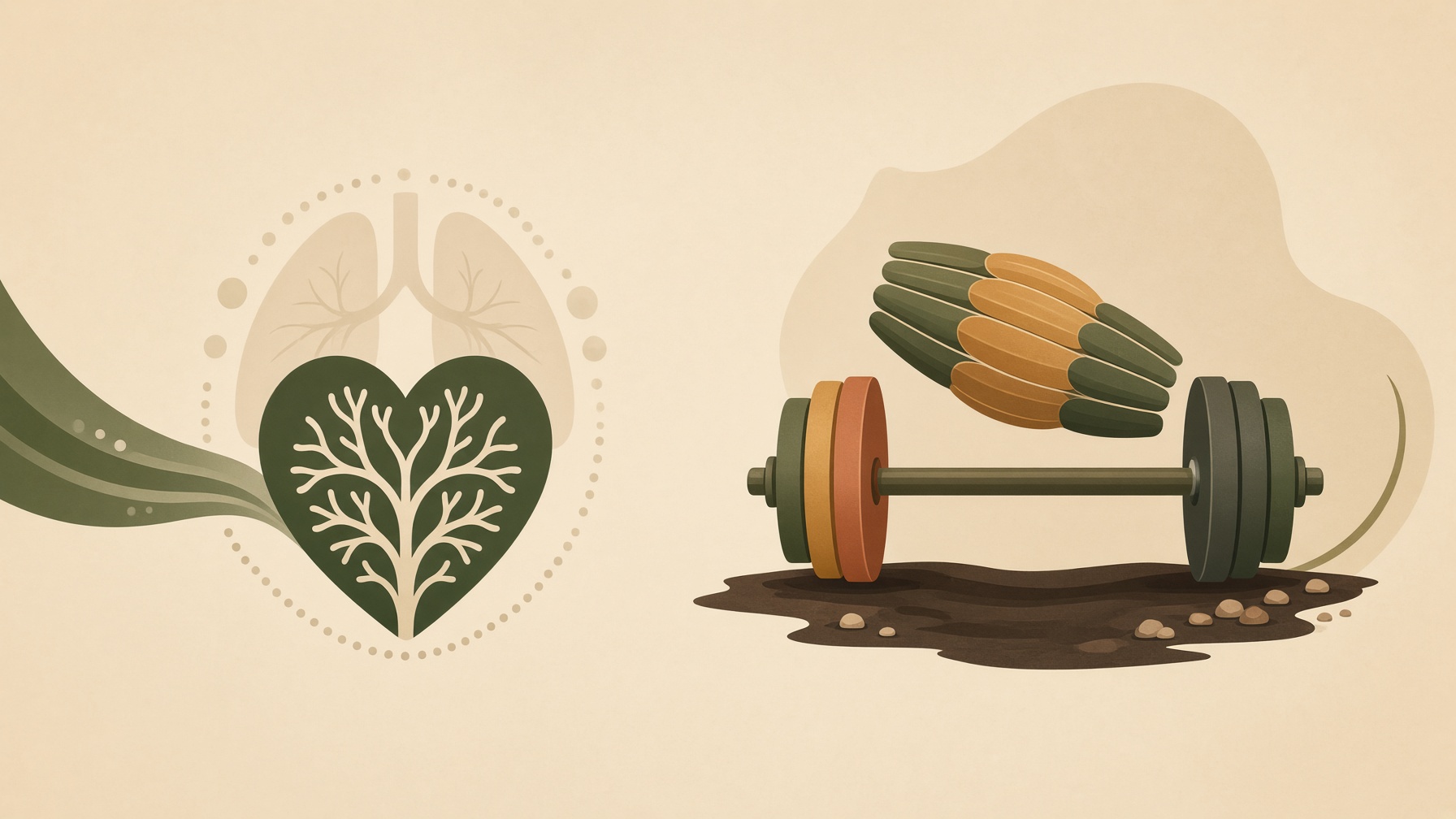
Training volume measures how much exercise occurs over time, but the calculation must fit the activity and does not capture every aspect of load.
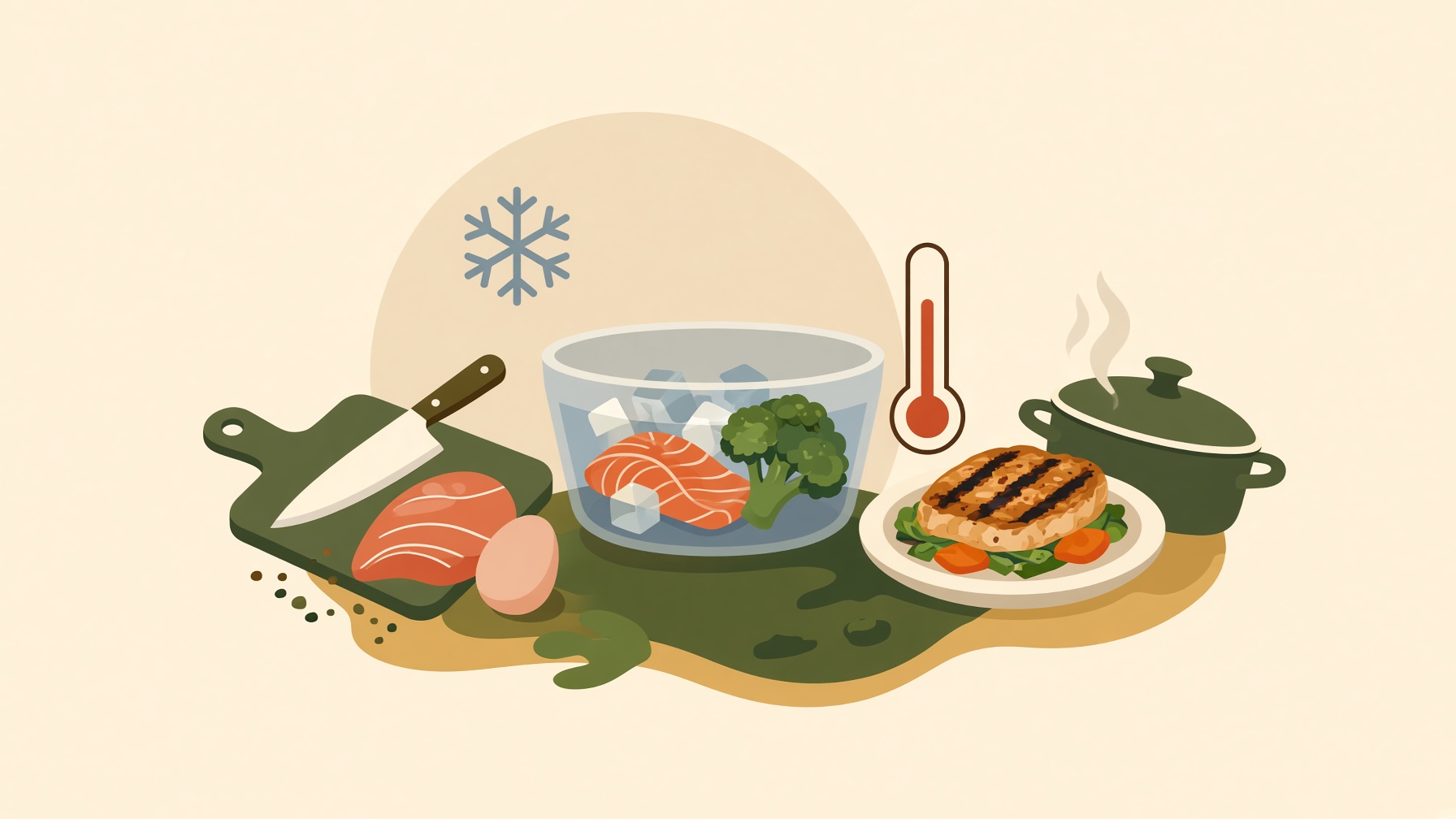
Food safety habits reduce opportunities for harmful bacteria to reach food or multiply, rather than relying on warning signs from the senses.