
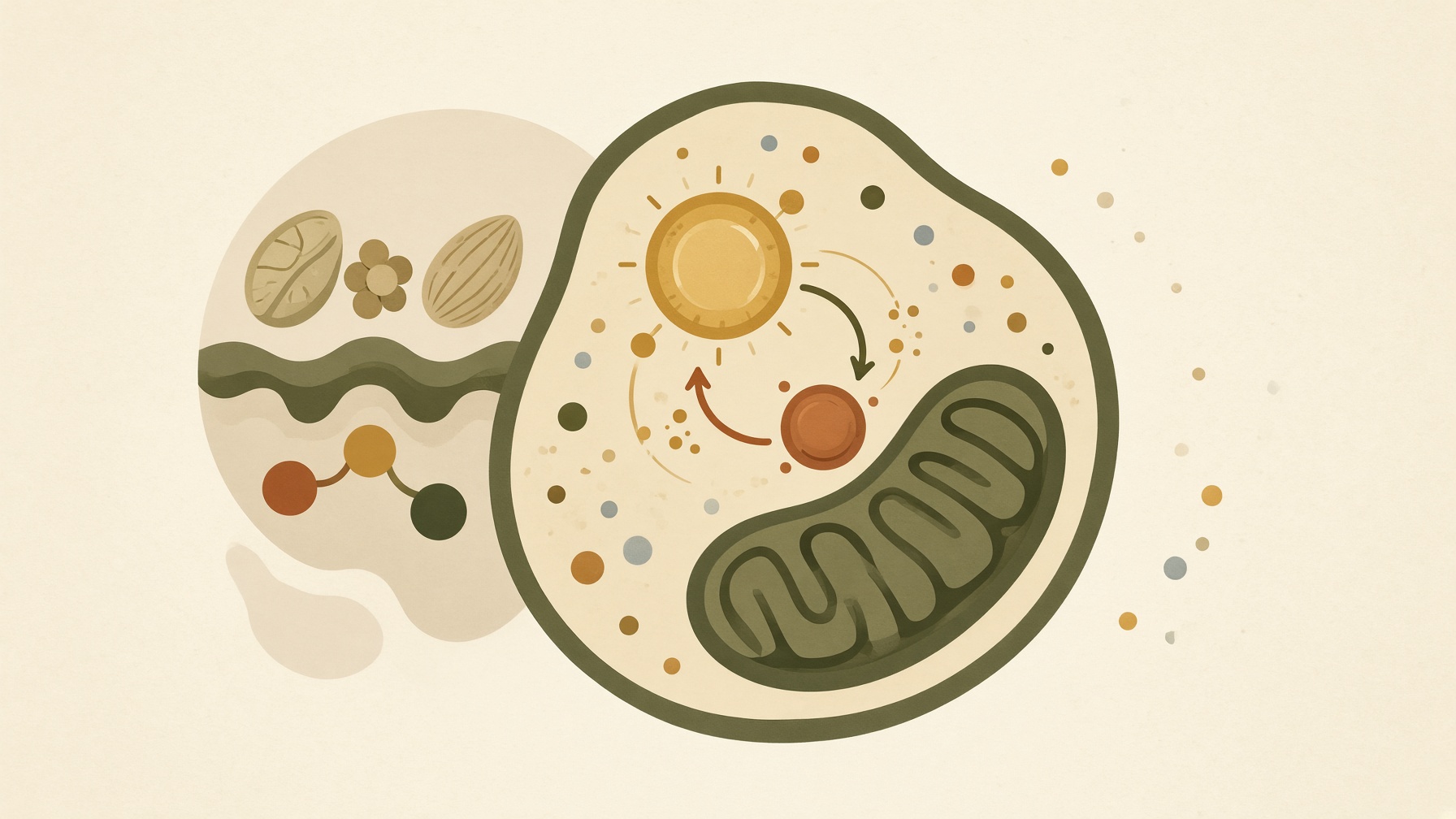
How Cells Keep Their Energy Supply Going
Cells repeatedly regenerate ATP as cellular work consumes the small available supply, making continuous turnover more important than stockpiling.
Wikis
ATP, or adenosine triphosphate, is a nucleotide that serves as a central carrier of usable chemical energy in cells. It consists of adenosine, which contains the nitrogenous base adenine and the sugar ribose, attached to a chain of three phosphate groups. Cells continually produce and consume ATP rather than storing large amounts of it for long periods .1,2
ATP helps couple energy-releasing reactions to processes that require an input of free energy. It can be hydrolyzed to adenosine diphosphate (ADP) and inorganic phosphate, a reaction associated with a substantial decrease in free energy under cellular conditions. Cells use this favorable reaction to drive processes including active transport, muscle contraction, biosynthesis, and changes in protein activity .1,2
ATP is regenerated from ADP using energy obtained from metabolism. It can be formed directly in reactions known as substrate-level phosphorylation, including reactions in glycolysis. In aerobic human cells, much ATP production occurs through oxidative phosphorylation in mitochondria, where energy from nutrient oxidation ultimately generates an electrochemical proton gradient that powers ATP synthase .1
ATP is often called the cell's “energy currency,” but ATP is not itself energy. It is a chemical molecule whose reactions can transfer free energy between cellular processes. Similarly, saying that energy is simply “stored in” and released by breaking a particular phosphate bond is an oversimplification. ATP hydrolysis is energetically favorable because of the overall free-energy difference between the reactants and products, not because breaking a chemical bond by itself releases energy .1,2
From this collection
Cells repeatedly regenerate ATP as cellular work consumes the small available supply, making continuous turnover more important than stockpiling.
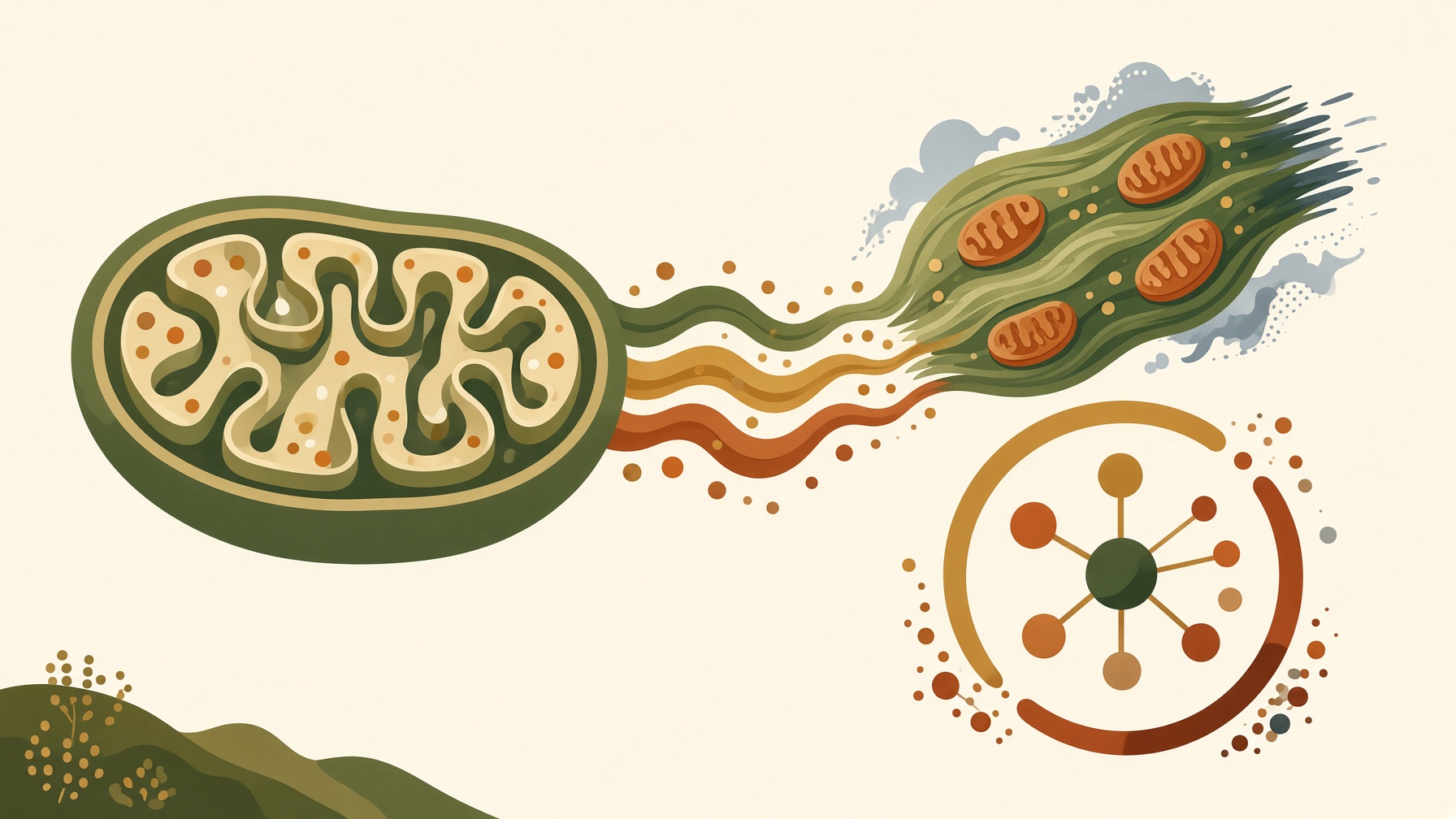
ATP regeneration draws on overlapping energy pathways whose contributions shift with exercise demands, keeping muscle work supplied with usable energy.
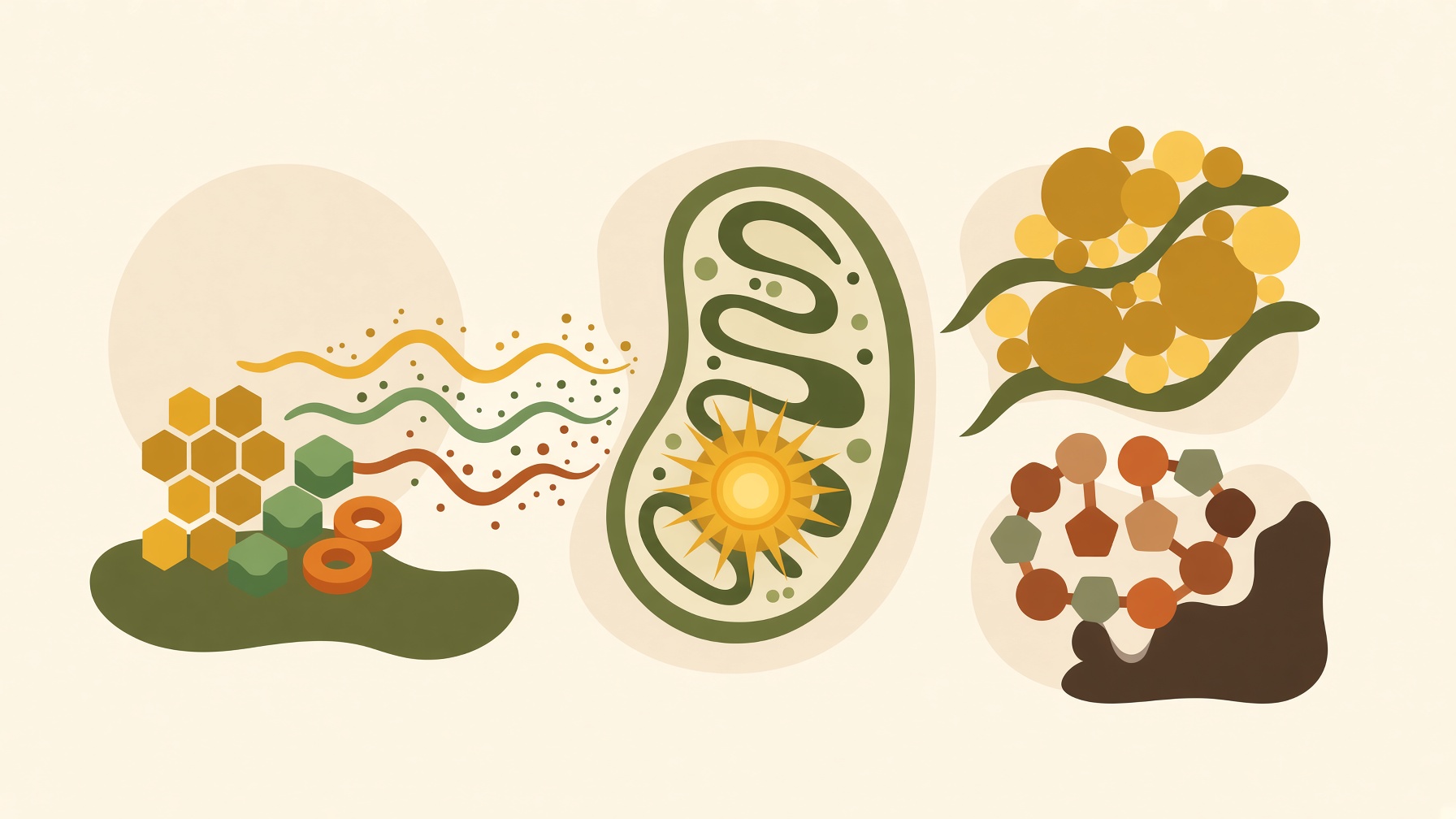
Macronutrients provide different metabolic options after digestion, so carbohydrate, protein, and fat do not serve interchangeable roles in the body.
Training specificity links exercise demands to the abilities a person wants to improve, with transfer depending on more than visual similarity.
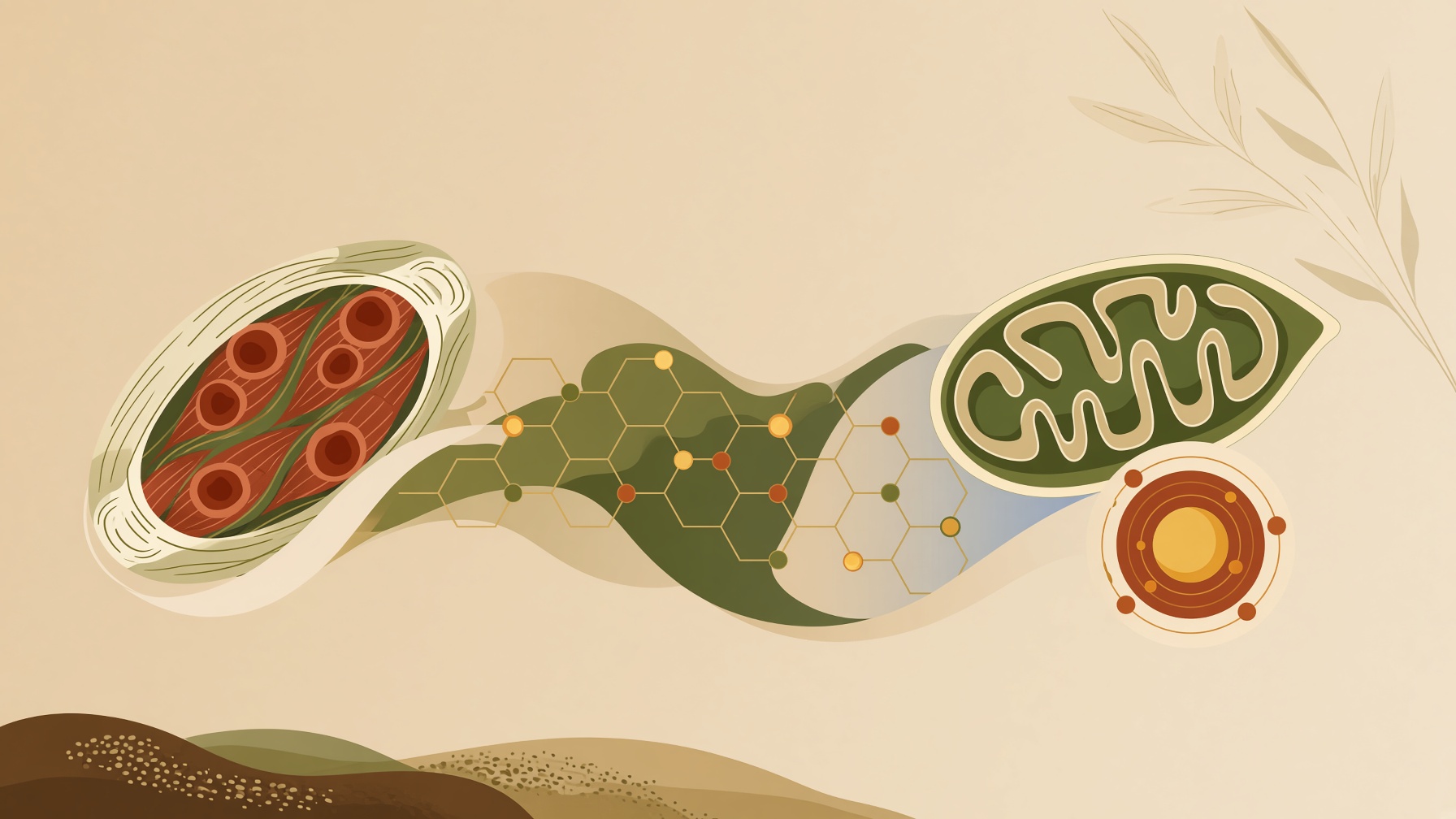
Glycolysis helps muscle replenish ATP quickly during intense exercise while other energy pathways continue contributing at the same time.
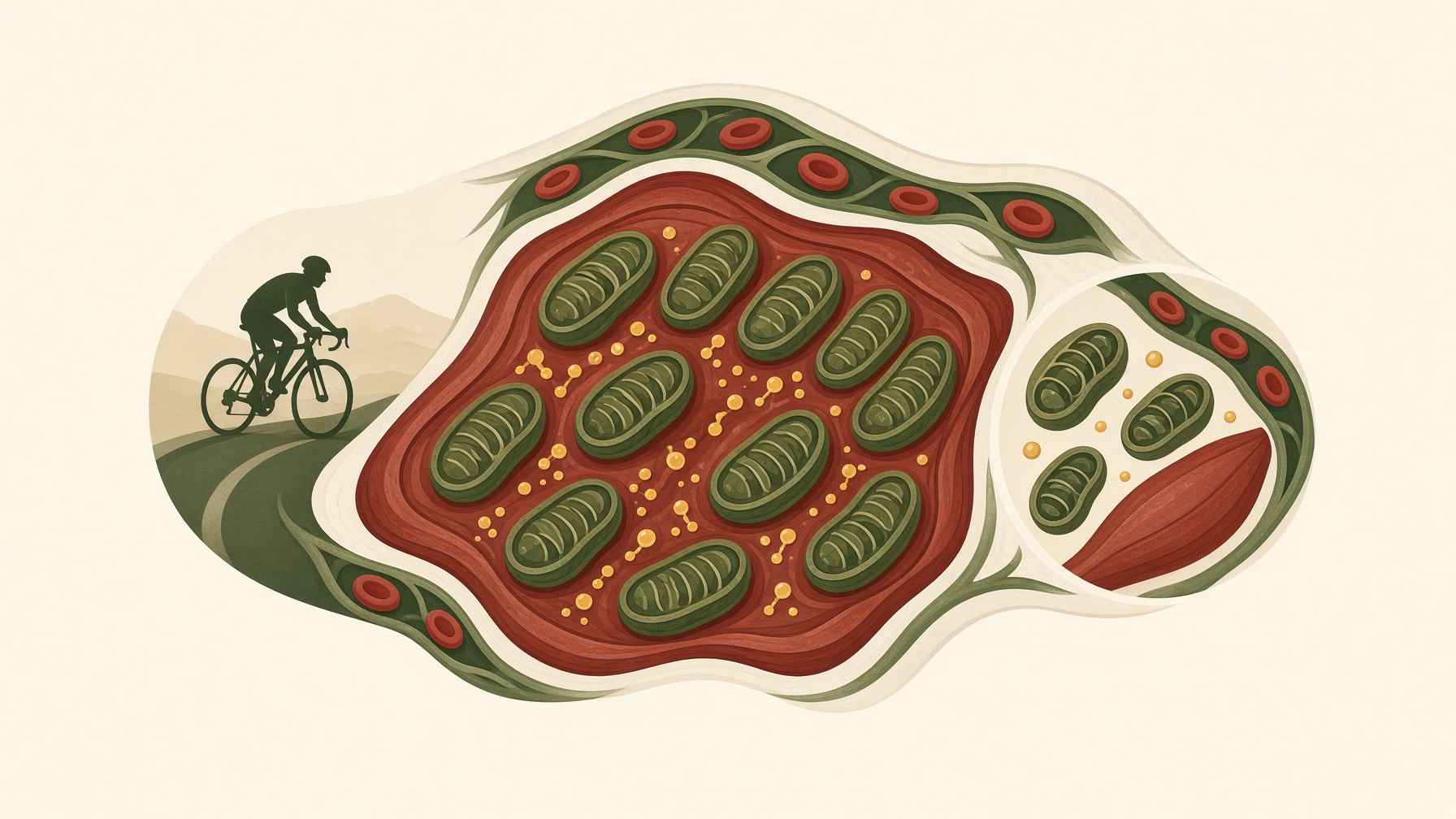
Endurance training can increase muscle mitochondria and capillary supply, helping active fibers sustain energy production during prolonged effort.

Muscle fibers differ in contraction speed and energy supply, making some better suited to sustained effort and others to rapid, powerful work.
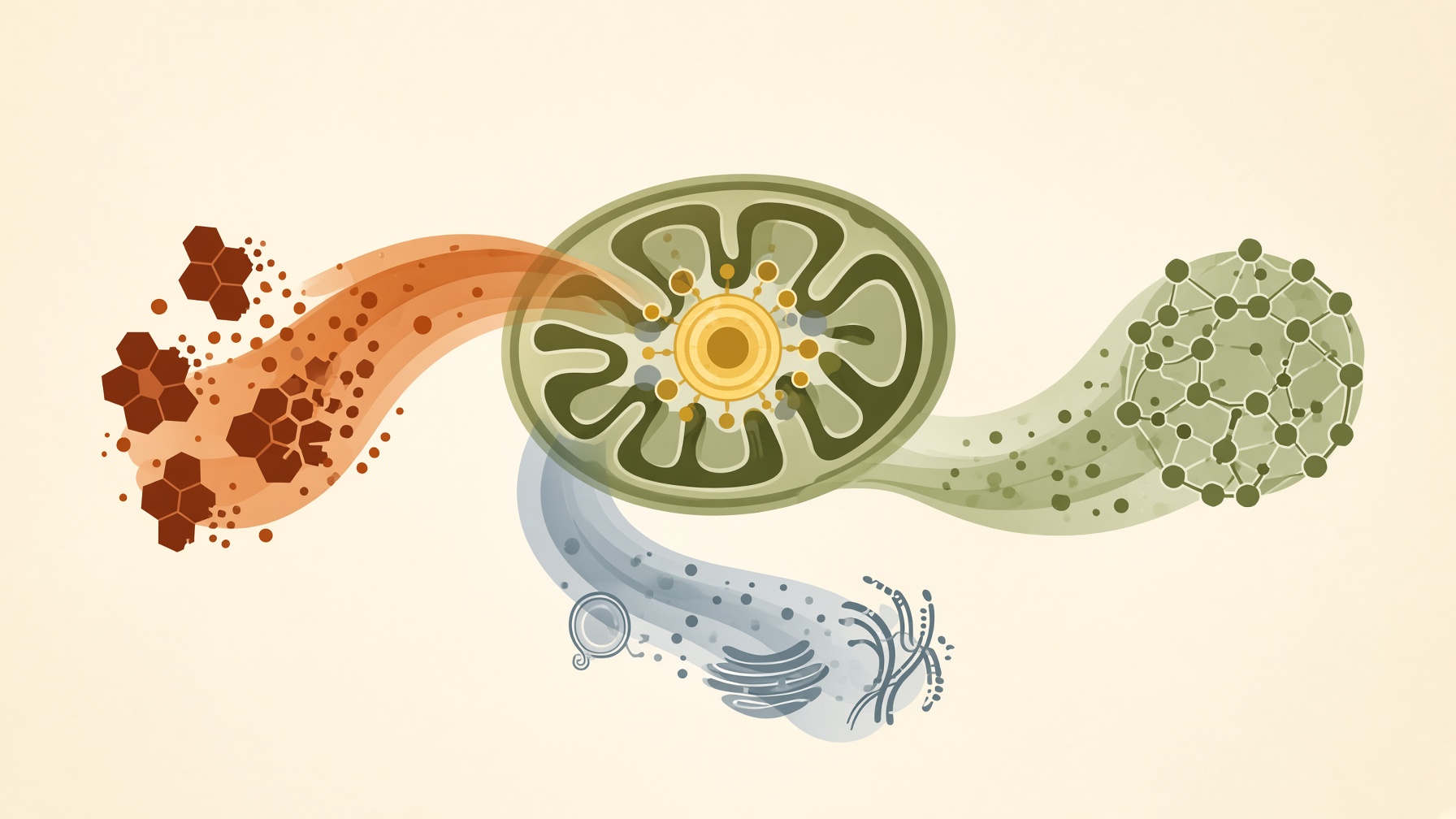
Metabolism links the breakdown and building of molecules through energy transfers, with ATP powering much of the work that cells perform.
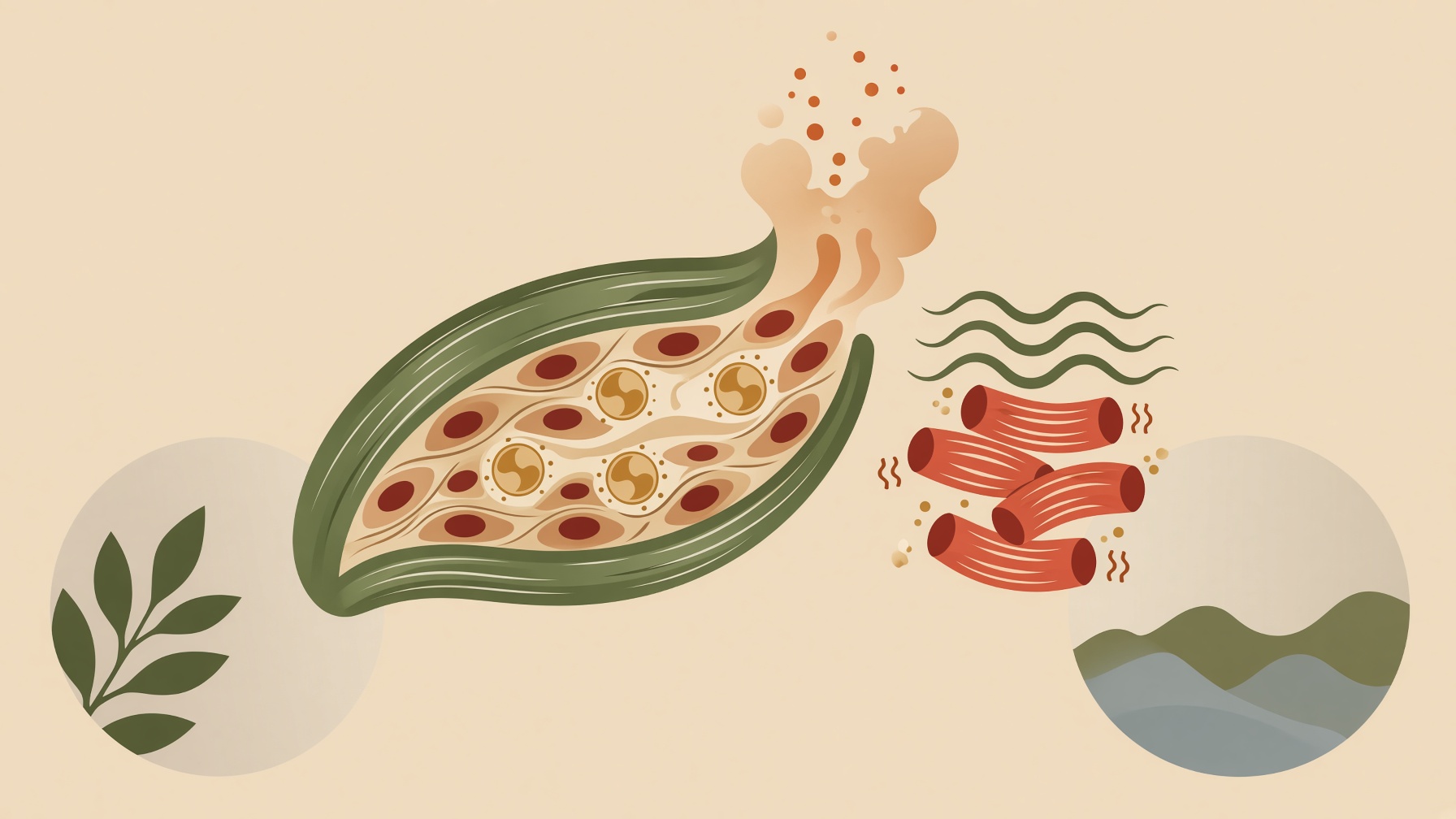
Skeletal muscles release heat as they use energy to contract, explaining why both deliberate exercise and involuntary shivering warm the body.
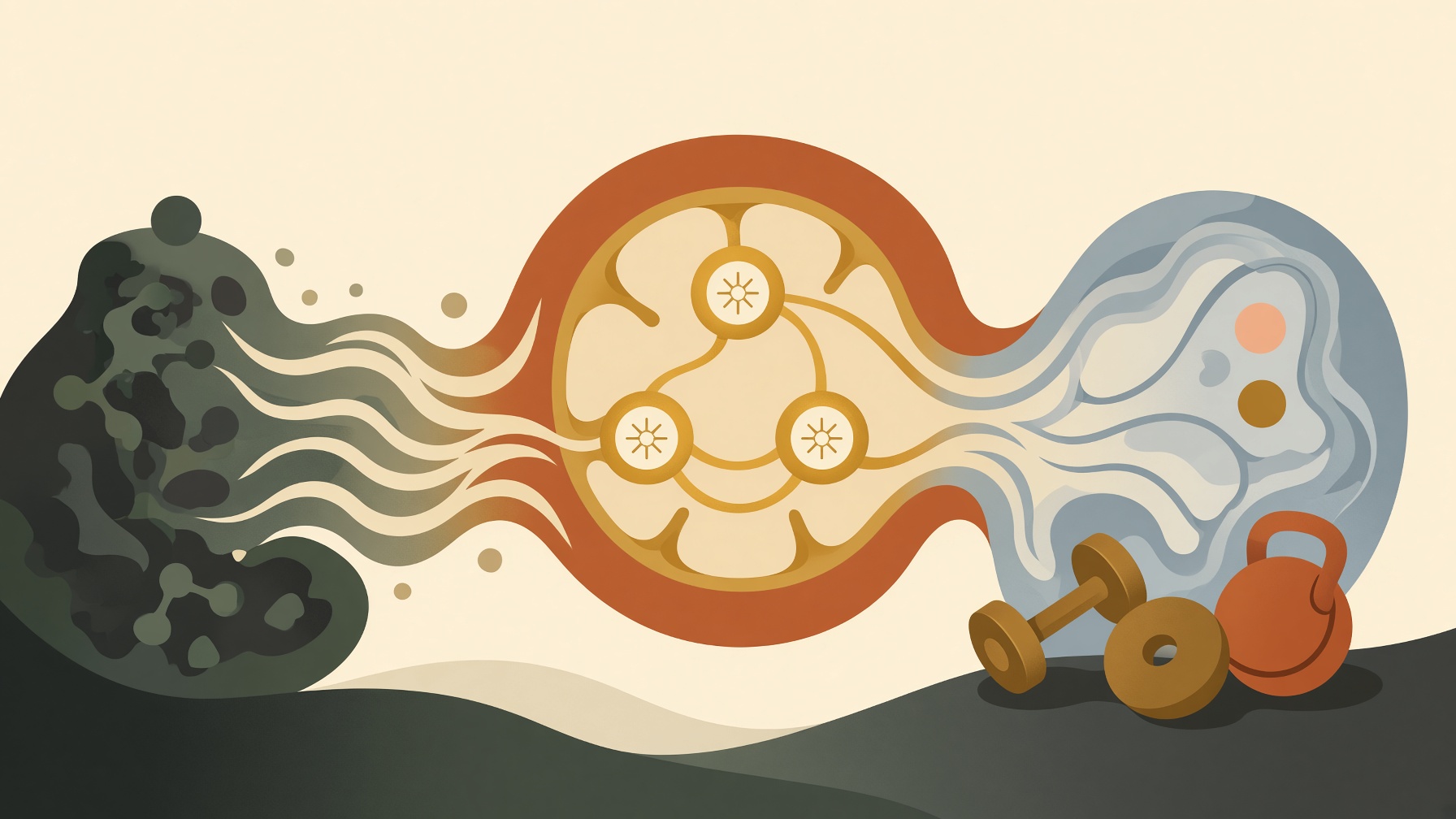
Exercise energy systems work together to replenish ATP, with intensity and duration shifting each pathway’s share rather than switching systems on.
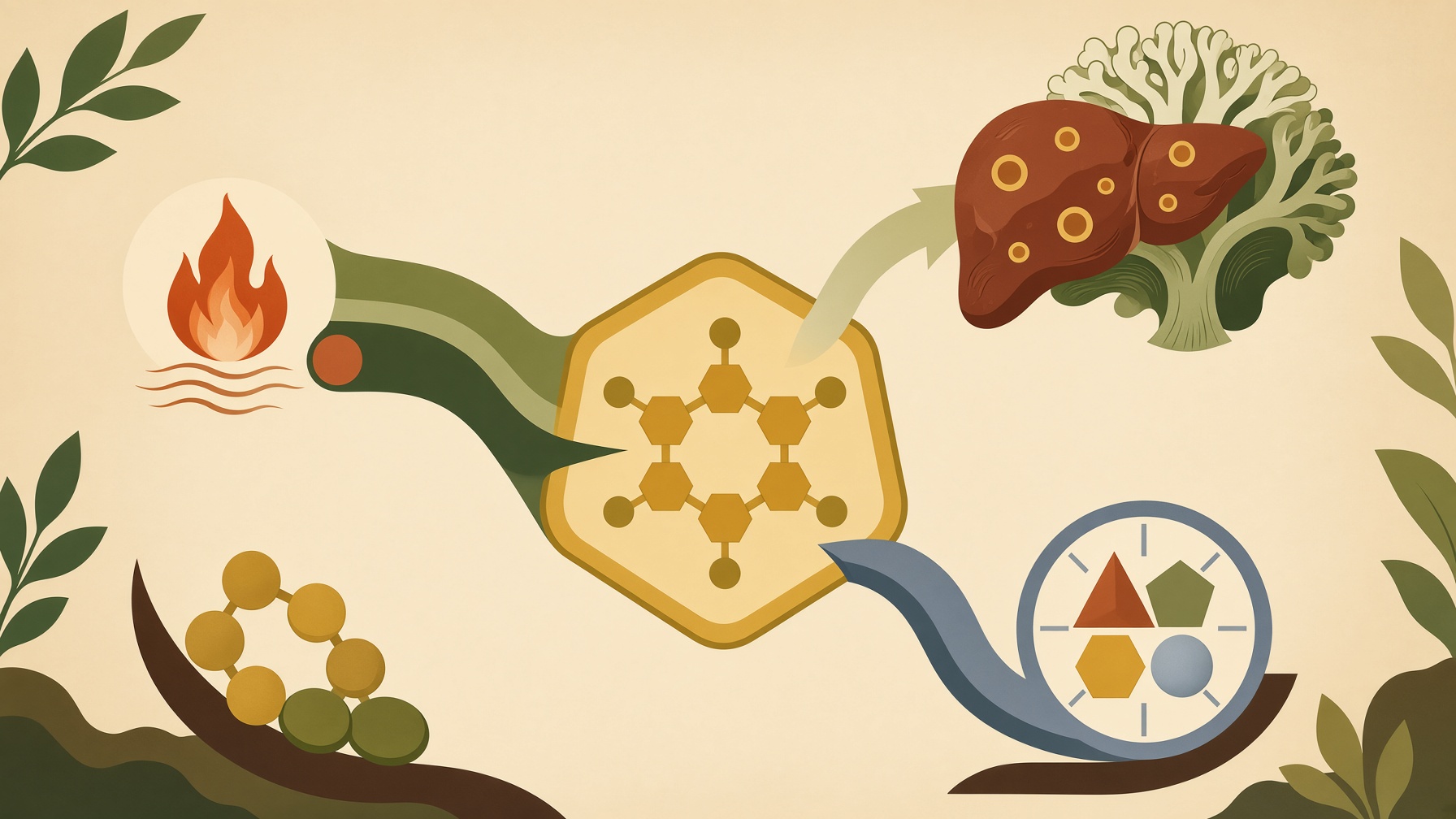
Carbohydrate metabolism supplies more than immediate energy, providing glucose-derived material that cells can store or use to build molecules.
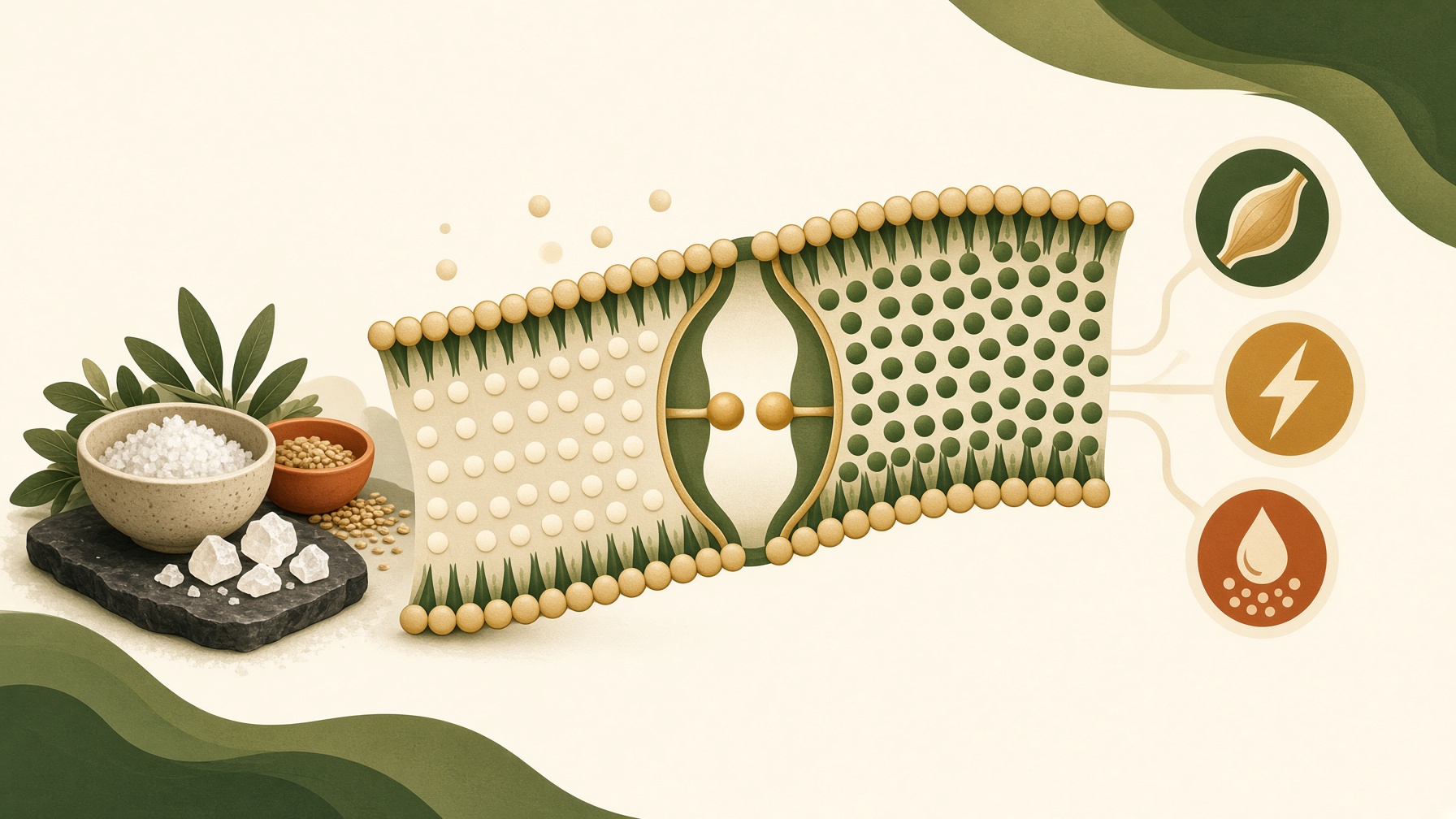
Sodium gradients across cell membranes provide stored energy that cells use for electrical signals and the absorption of certain nutrients.