
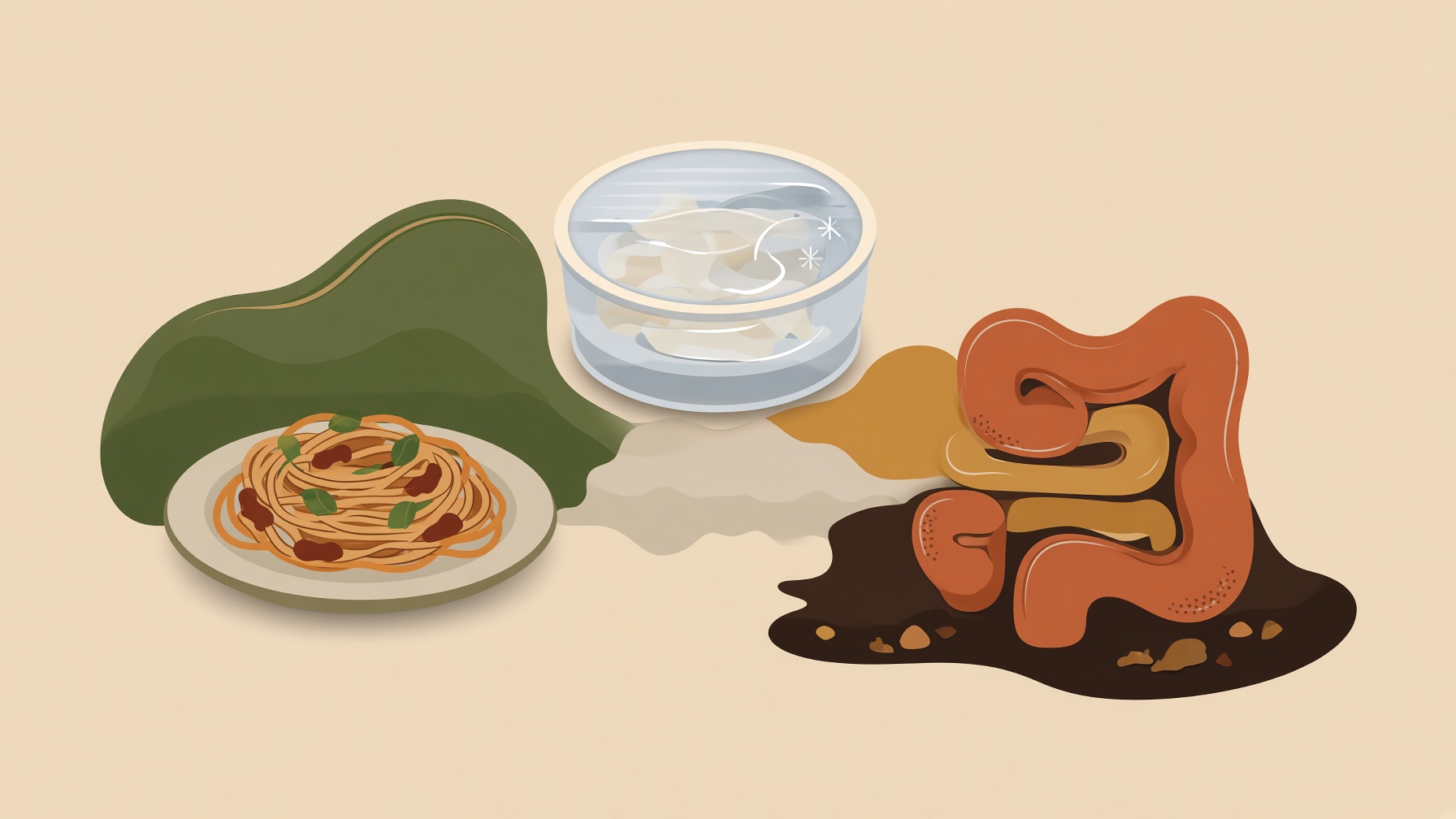
Yesterday’s pasta is warm again, with the same ingredients. It is easy to think of reheating as returning to the original meal. But is the food’s time in the fridge irrelevant once it is back on the plate?
One chickpea pasta produced a smaller glucose response after cooling and reheating, even though both versions were served at the same temperature. The pasta was made entirely from chickpea flour. Twelve healthy adults ate the fresh and reheated portions on separate days in a randomized order, with each meal starting from the same dry pasta amount.1
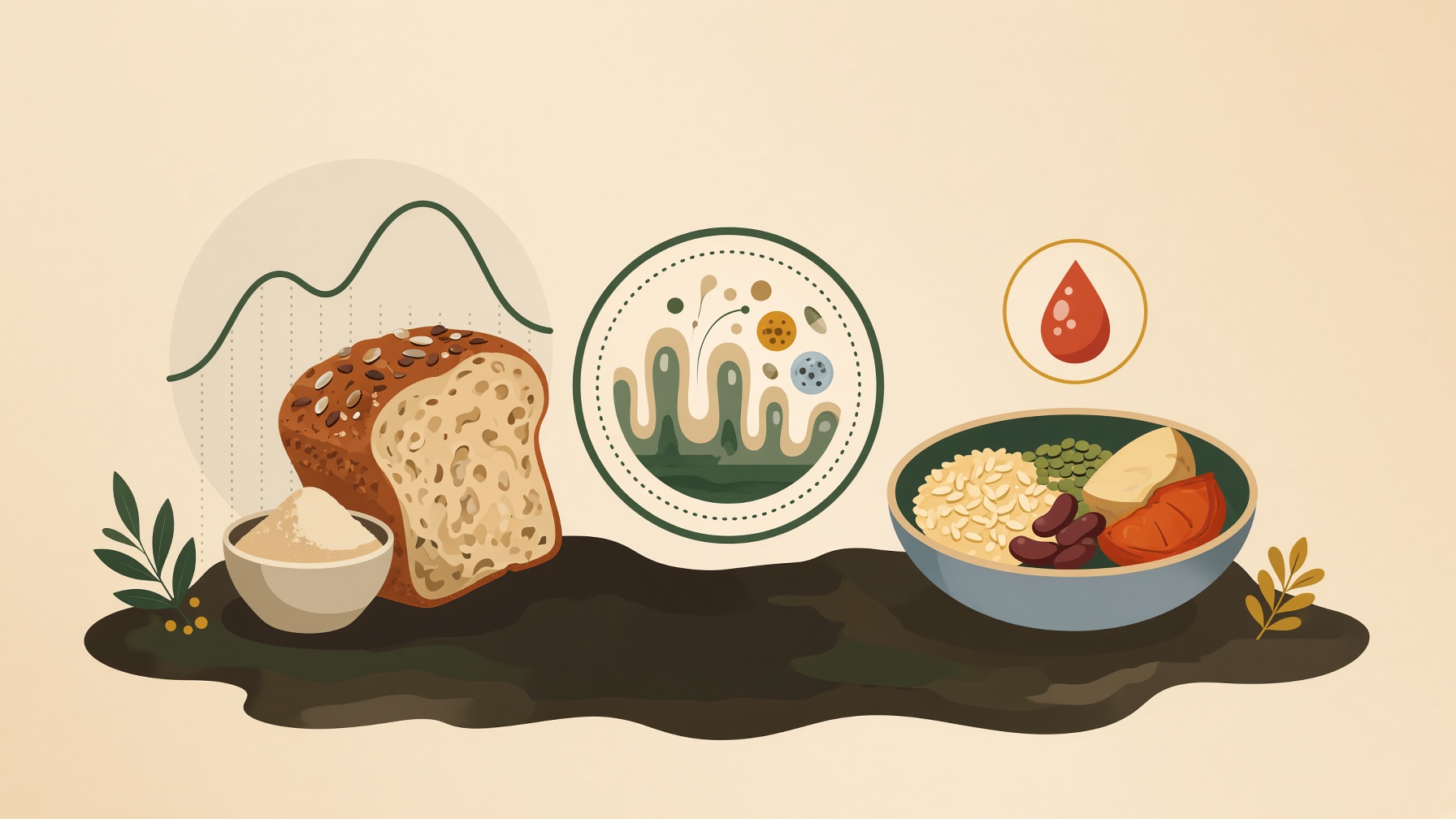
Repeated measurements taken before and after each meal let the researchers follow blood glucose over time, beginning with its level before the meal. Across two hours, the accumulated rise above the starting blood-glucose level was about 15% lower after the reheated meal, calculated from the group averages. This measure combines how far glucose rises and how long that rise lasts; the percentage does not describe the highest reading or a change each person could expect.1
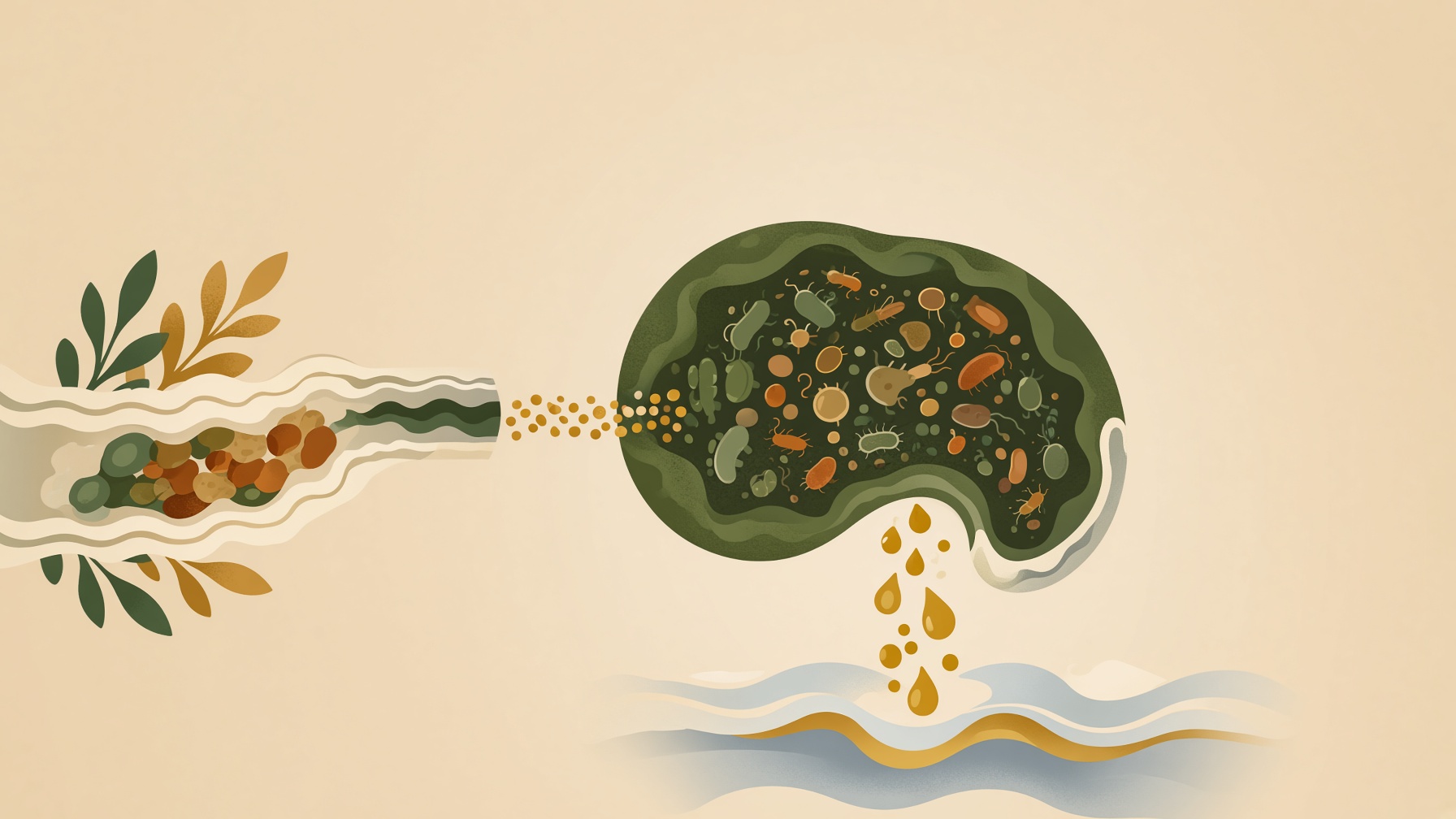
Unchanged ingredients can present a different structure to digestive enzymes. After cooking, cooling and storage can allow some starch chains to rearrange into a more ordered structure. This reordering, called retrogradation, can make some starch harder for those enzymes to break down. Laboratory work on isolated starch supports that structural explanation.2
The chickpea investigation examined the food as well as the people who ate it. In a laboratory digestion test, the reheated sample contained more starch that resisted breakdown than the fresh sample. A measurable difference therefore remained after the full preparation process, even though the pasta was warm again. That finding occurred alongside the smaller glucose response in the participants. The two results fit the proposed explanation, but they do not establish that the extra resistant starch caused the glucose reduction.1,2
Another small trial followed eight healthy men eating a different pasta meal, which included cheese, oil and a cream-containing tomato sauce. It did not detect a glucose difference between fresh and reheated portions. These comparisons therefore establish no fixed reduction for leftovers. The 15% figure is also not a measure of carbohydrate or calorie savings: the chickpea study measured blood glucose, not absorption. Neither comparison establishes lasting health benefits or makes portion size irrelevant.1,3
“Same pasta” can be a perfectly good description of what you’re eating. If you’re comparing fresh and reheated meals, though, it leaves out part of how they were prepared. That distinction is worth keeping, without expecting a familiar portion of leftovers to come with a guaranteed nutritional advantage.

Join the discussion
No account or email is required. Your display name and comment will be public.