
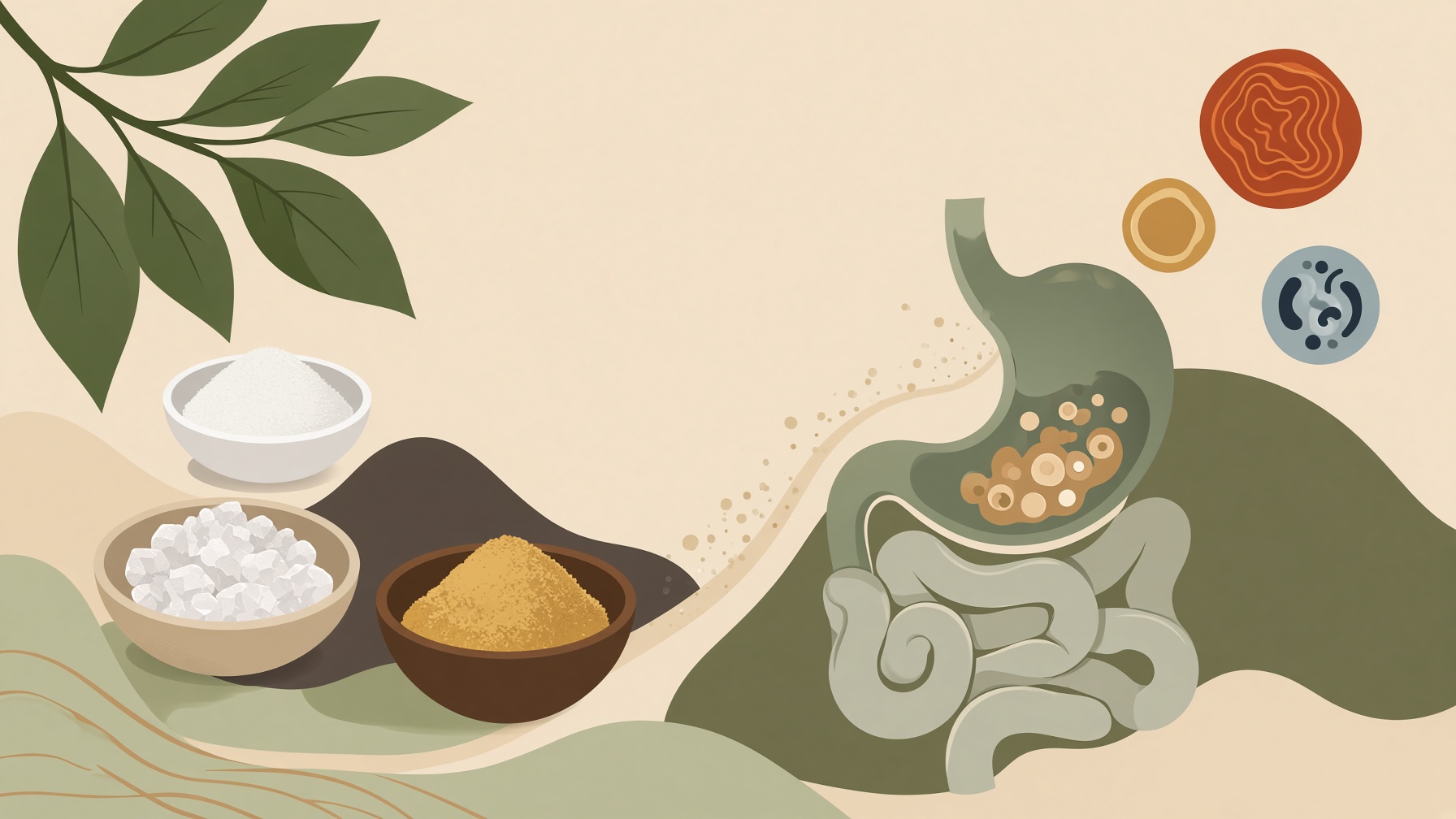
Different Sugar Substitutes Are Not All the Same
Sugar substitutes share a sweet taste, but individual compounds differ in how the body handles them and in their practical health considerations.
Categories
Human nutrition and metabolism looks at how food nourishes the body and what happens after we eat. Nutrition focuses on the relationship between food, nutrients, and health. Metabolism is the set of processes the body uses to process, store, and use nutrients and manage energy under different conditions.
The body needs energy and nutrients to function and repair itself. How nutrients are supplied, processed, and used plays an important role in health. Nutrition is one part of a wider picture that includes genetics, environment, life stage, physical activity, sleep, and other aspects of lifestyle.
This category covers how carbohydrates, fats, and proteins are digested, absorbed, stored, and used; how vitamins and minerals support normal body functions; and how the body manages energy in different states. It also includes fiber, hydration, dietary patterns, nutrient requirements, food safety, body composition, and eating habits such as what people eat, how much they eat, and how often.
Here, we look at what nutrients do in the body, how food relates to energy and metabolism, and how dietary patterns and eating habits fit into overall health. We also unpack common nutrition concepts so they are easier to understand and judge. The goal is to support more informed food and lifestyle choices, with less reliance on nutrition misinformation, pseudoscience, and unsupported claims.
Our approach emphasizes evidence, practicality, flexibility, and respect for different cultural contexts. We aim to translate nutrition science into useful everyday understanding. That means explaining how nutrition works, where individual differences matter, and how to think more critically about nutrition information and trends.
From this collection
Sugar substitutes share a sweet taste, but individual compounds differ in how the body handles them and in their practical health considerations.
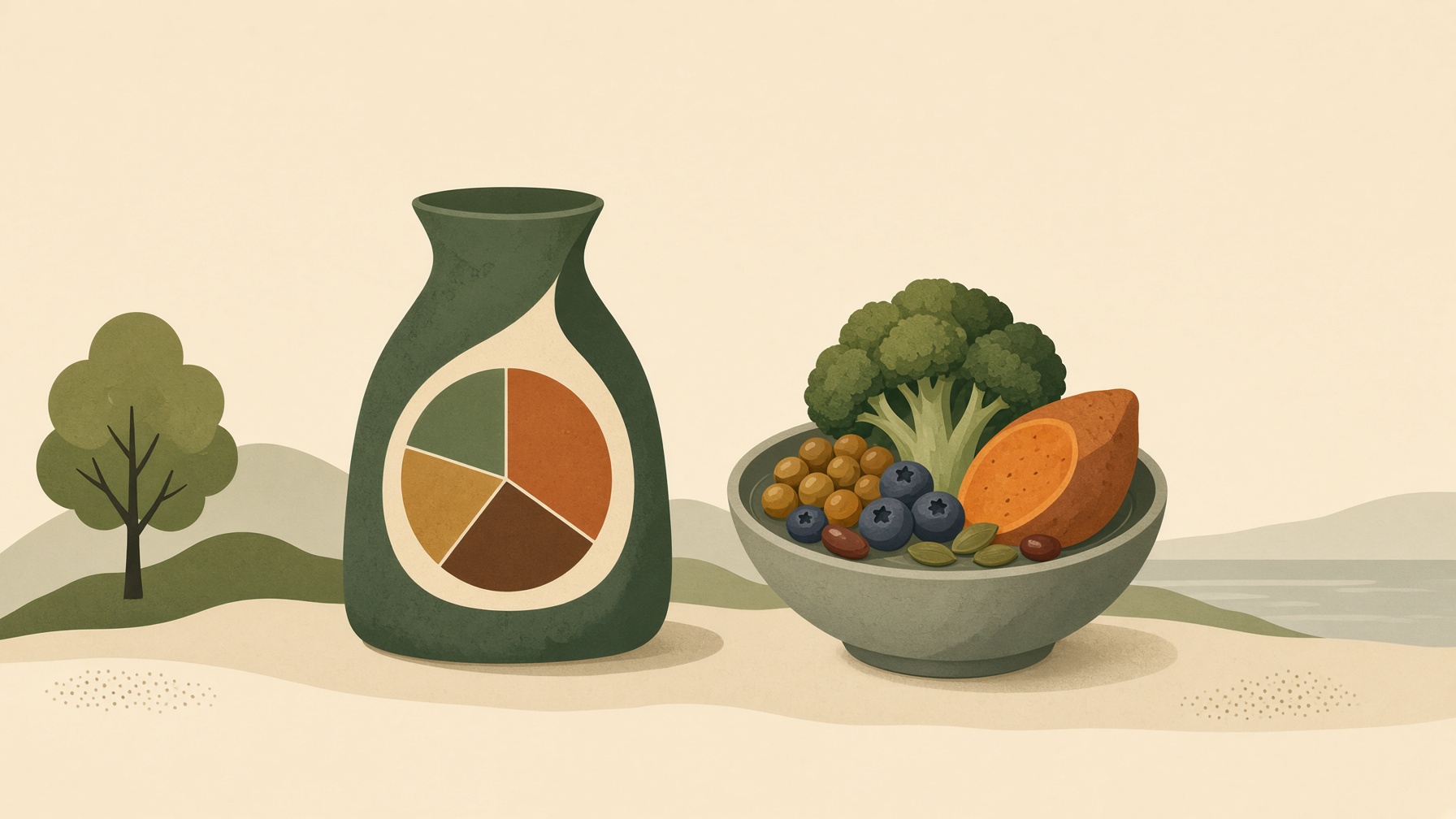
Older adults may need fewer calories while still needing nutrient-rich foods, making adequate nutrition within a smaller intake more challenging.
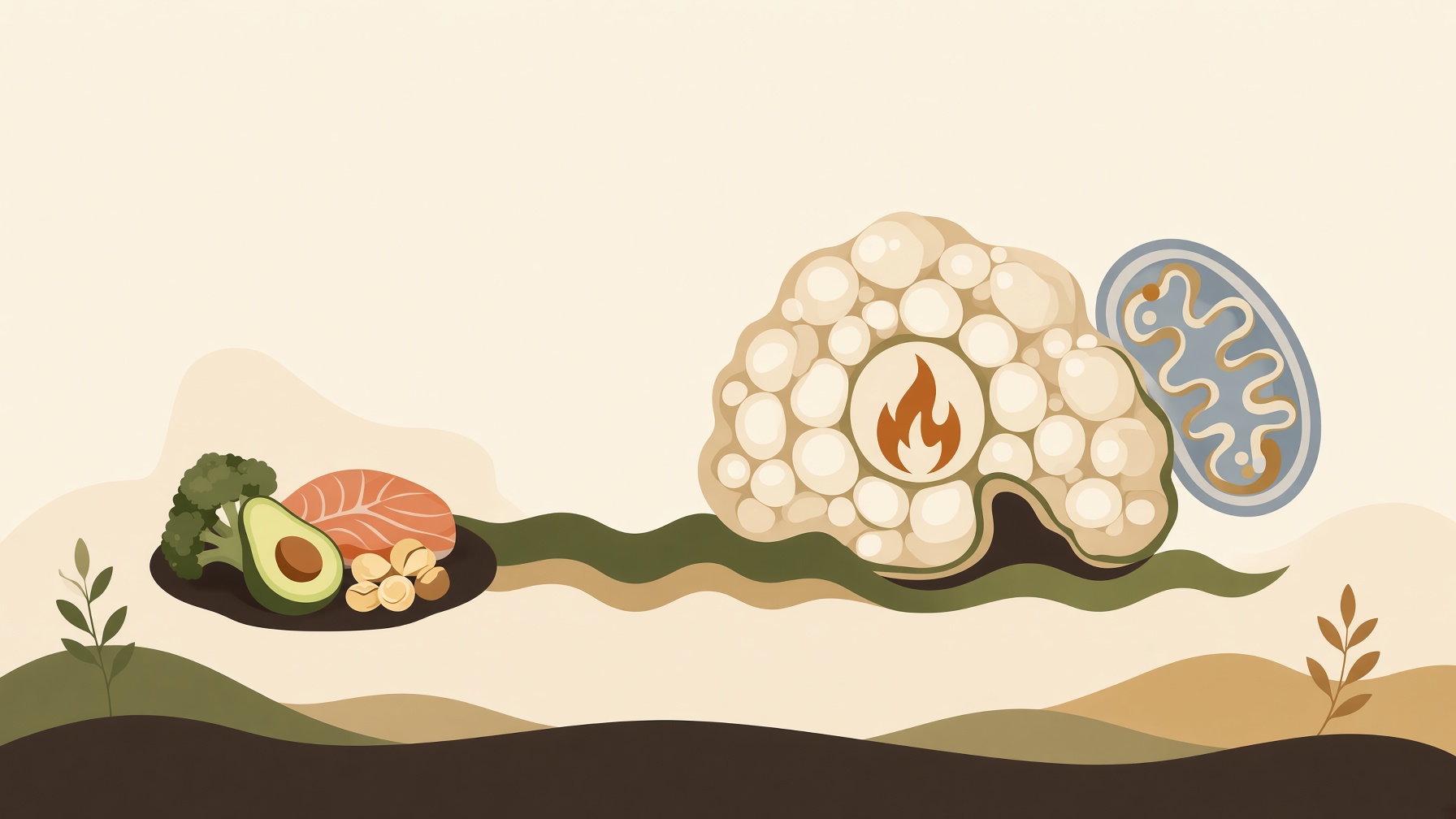
Low-carbohydrate diets can increase fat burning, but losing stored body fat still requires an energy deficit sustained over time.
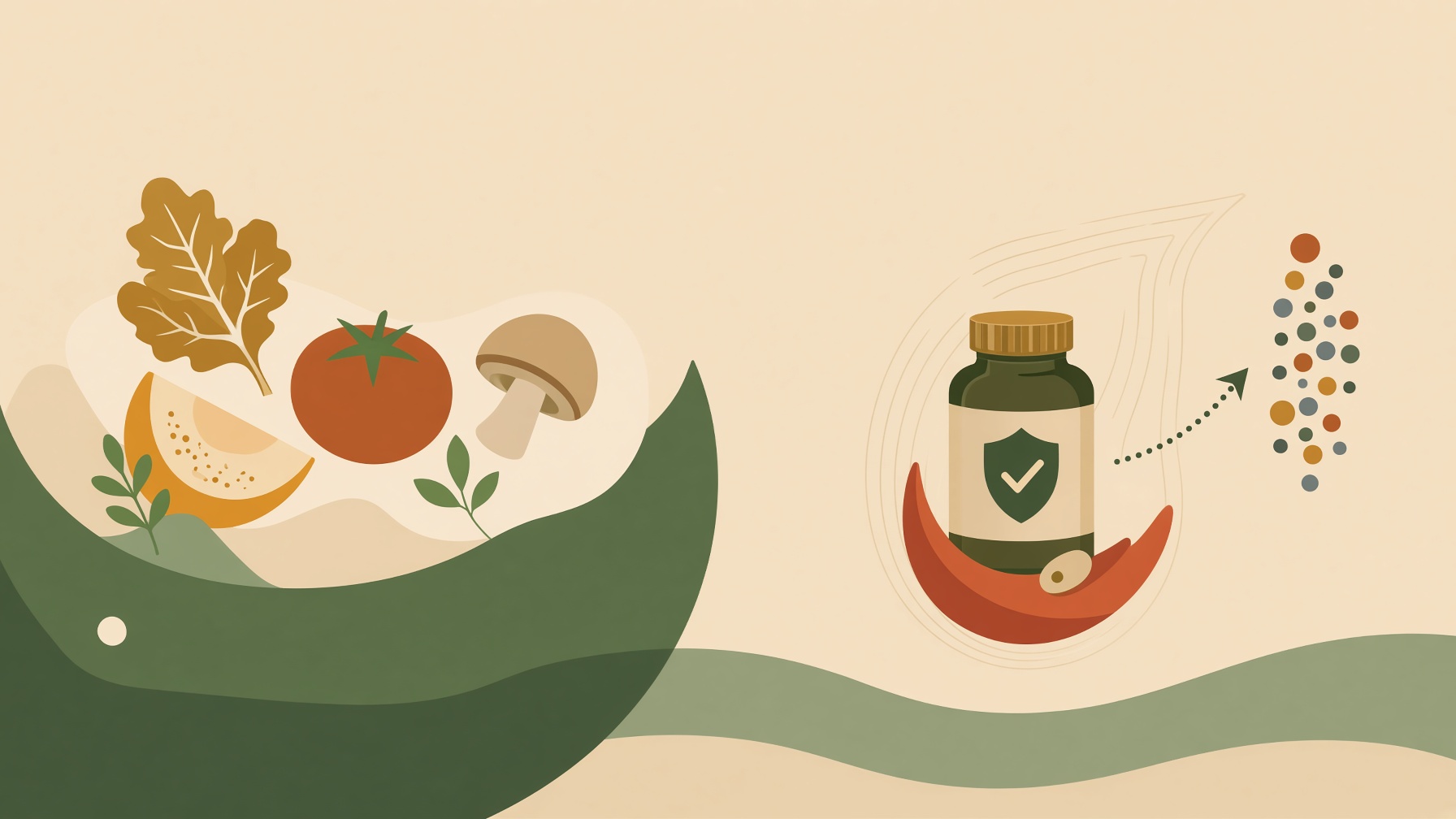
Supplements can help meet specific nutrient needs when food alone falls short, while a varied diet remains the foundation for most people.
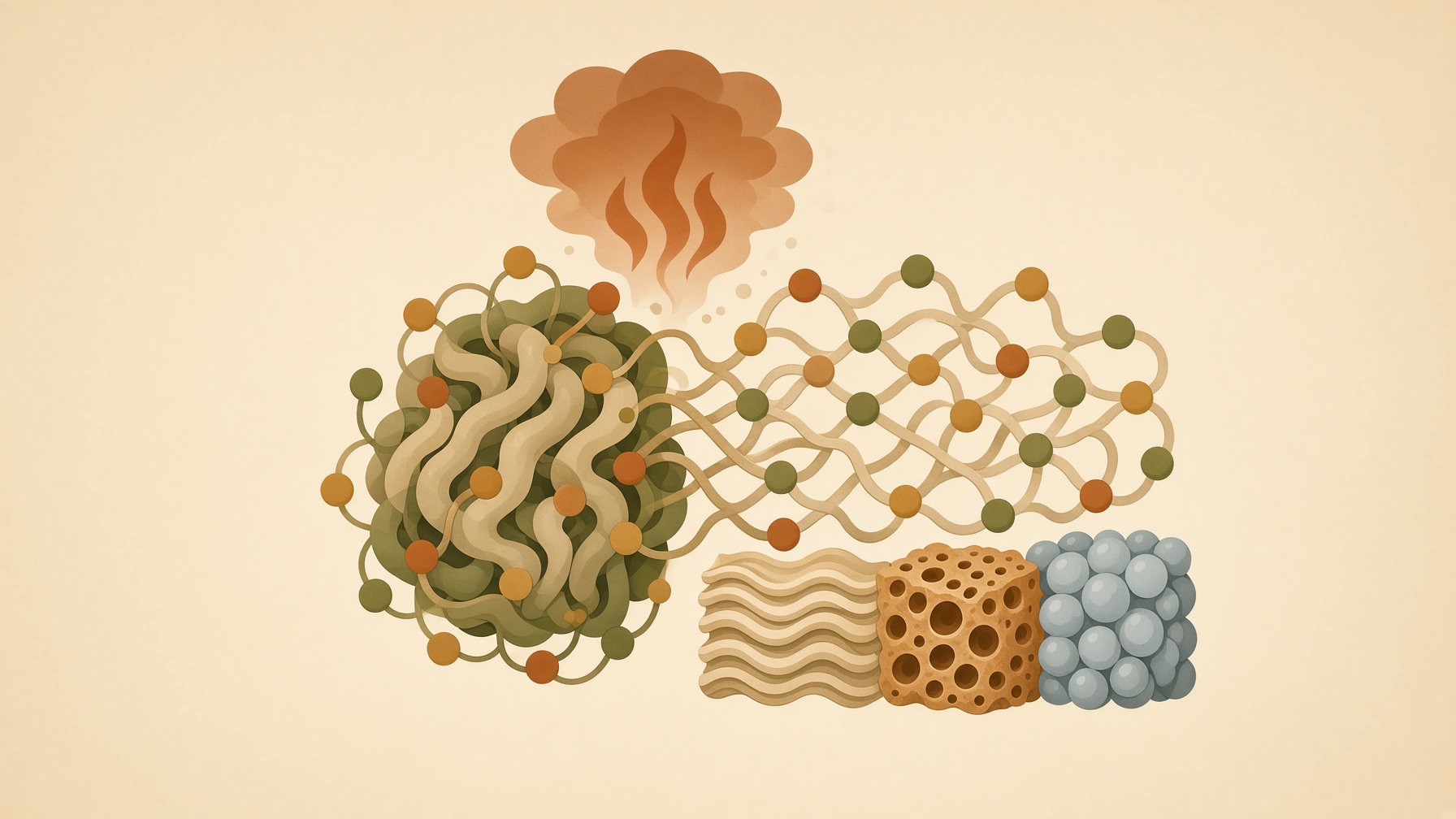
Cooking changes protein folding by disrupting bonds that stabilize shape, while usually leaving the chain of amino acids intact.
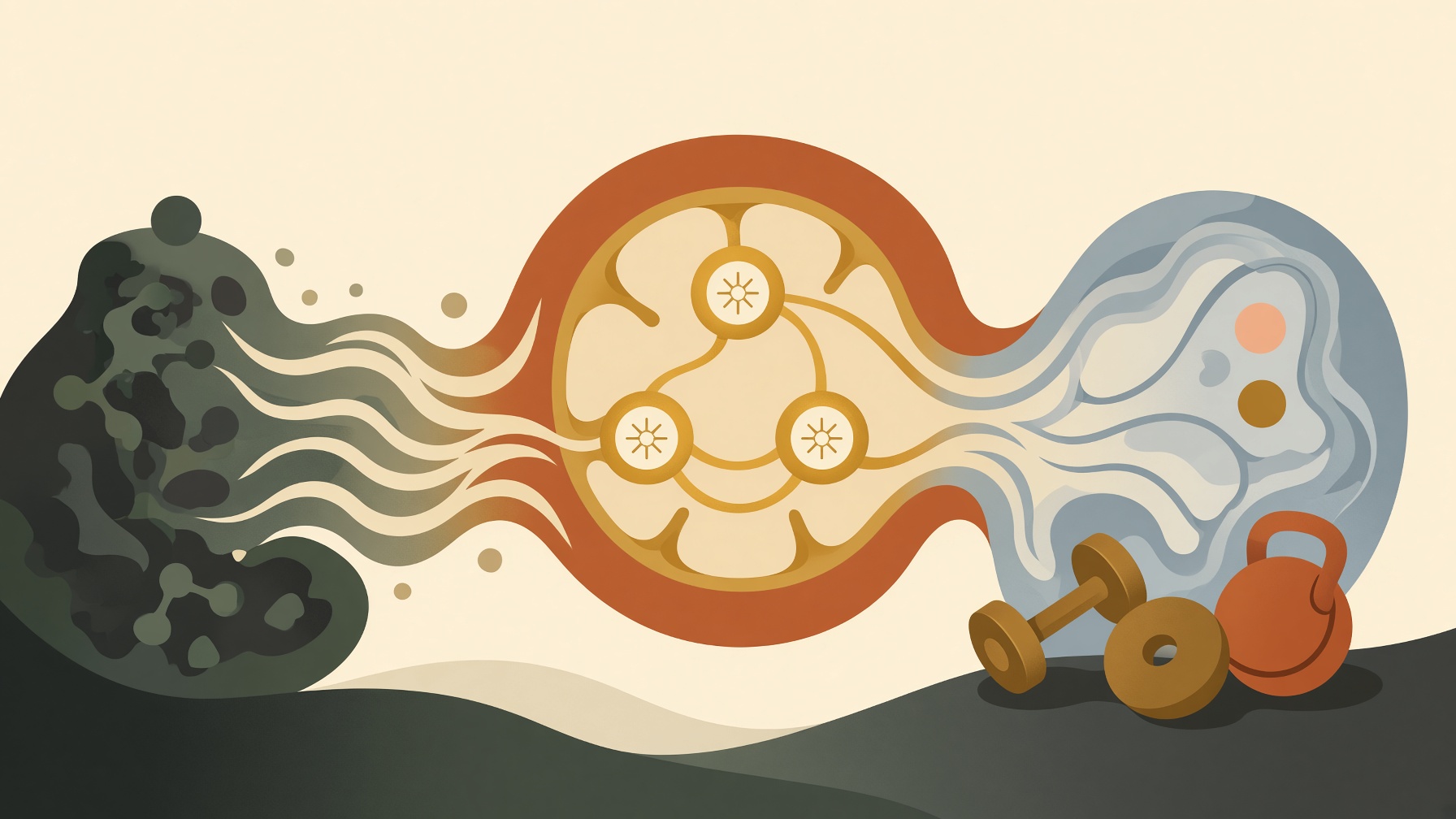
Exercise energy systems work together to replenish ATP, with intensity and duration shifting each pathway’s share rather than switching systems on.
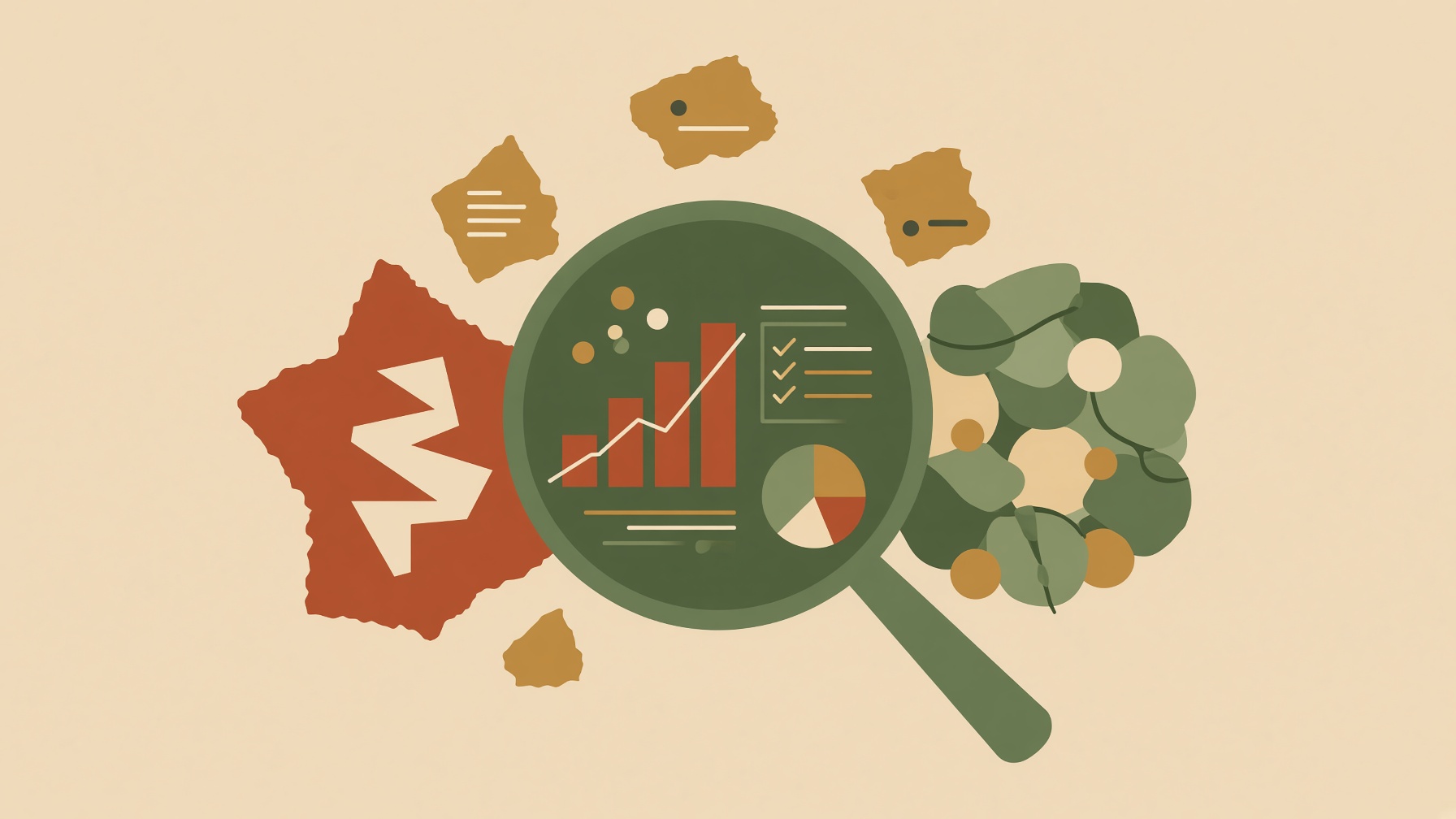
Nutrition headlines gain meaning when readers weigh a study’s methods and limits alongside the wider evidence behind the claim.
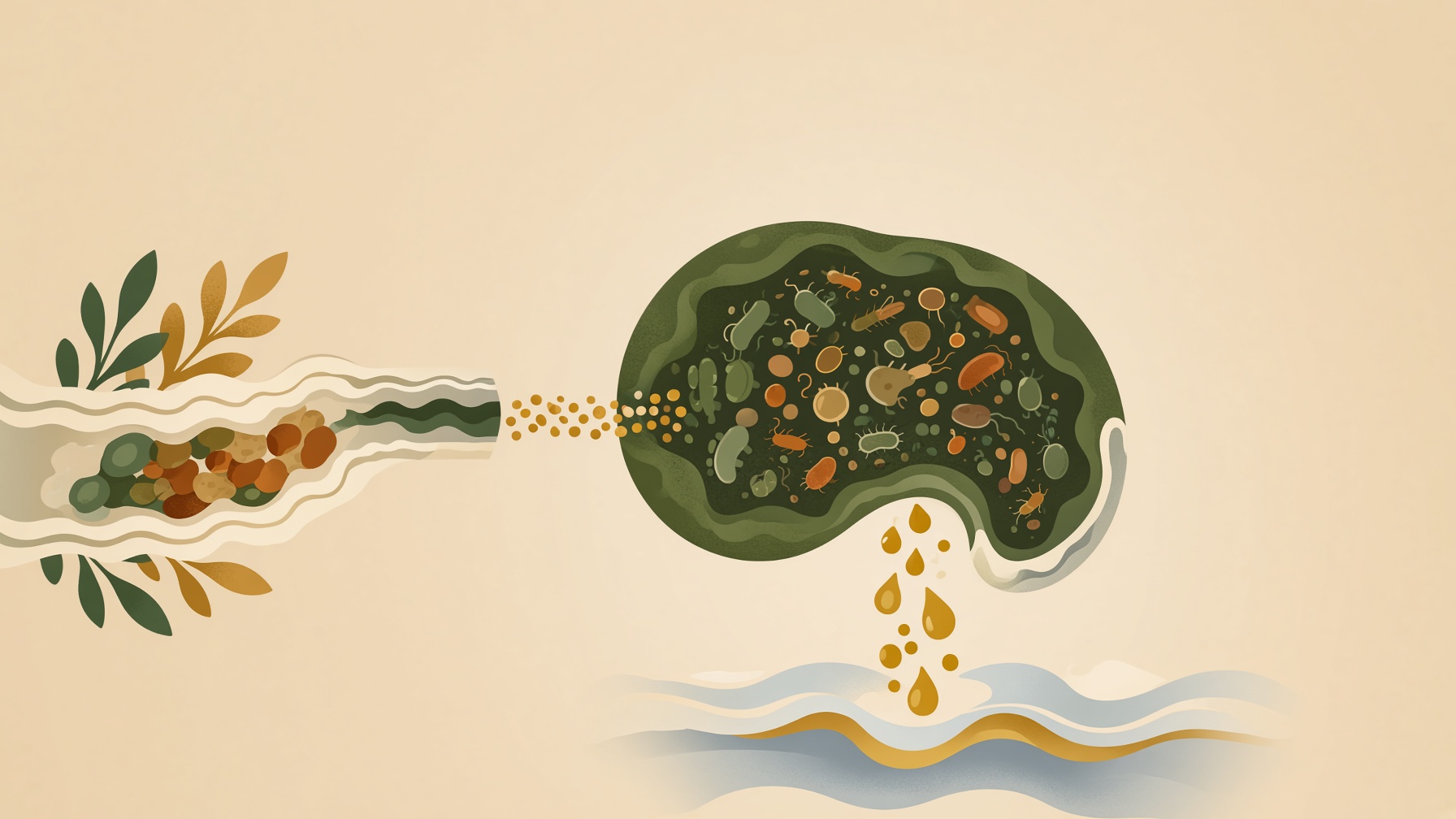
Colon microbes ferment some dietary fiber into short-chain fatty acids that the body can absorb, recovering energy human enzymes cannot release.
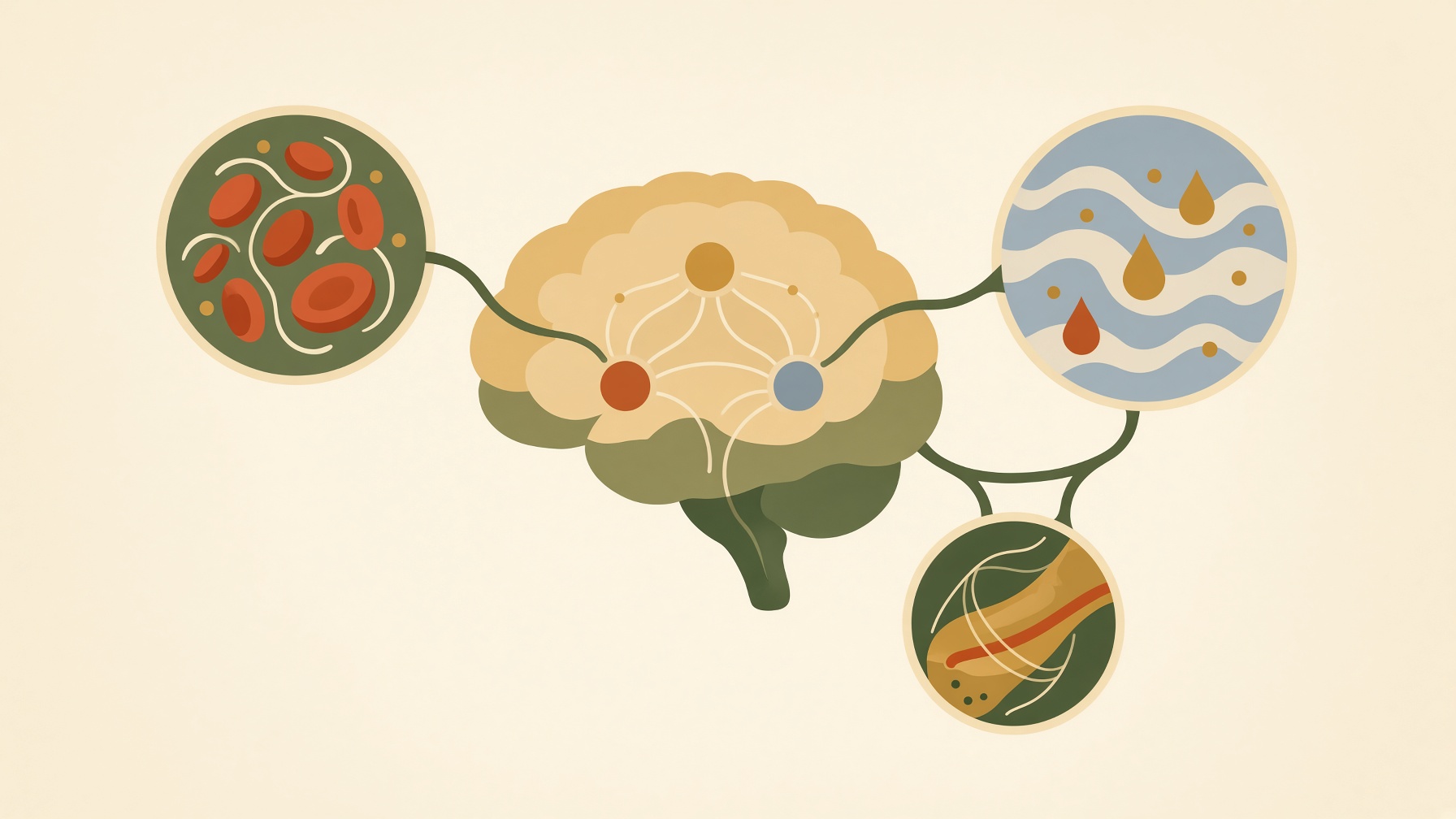
Thirst responds to changes in body-fluid balance, but signals from drinking can reduce the urge before water fully corrects the imbalance.
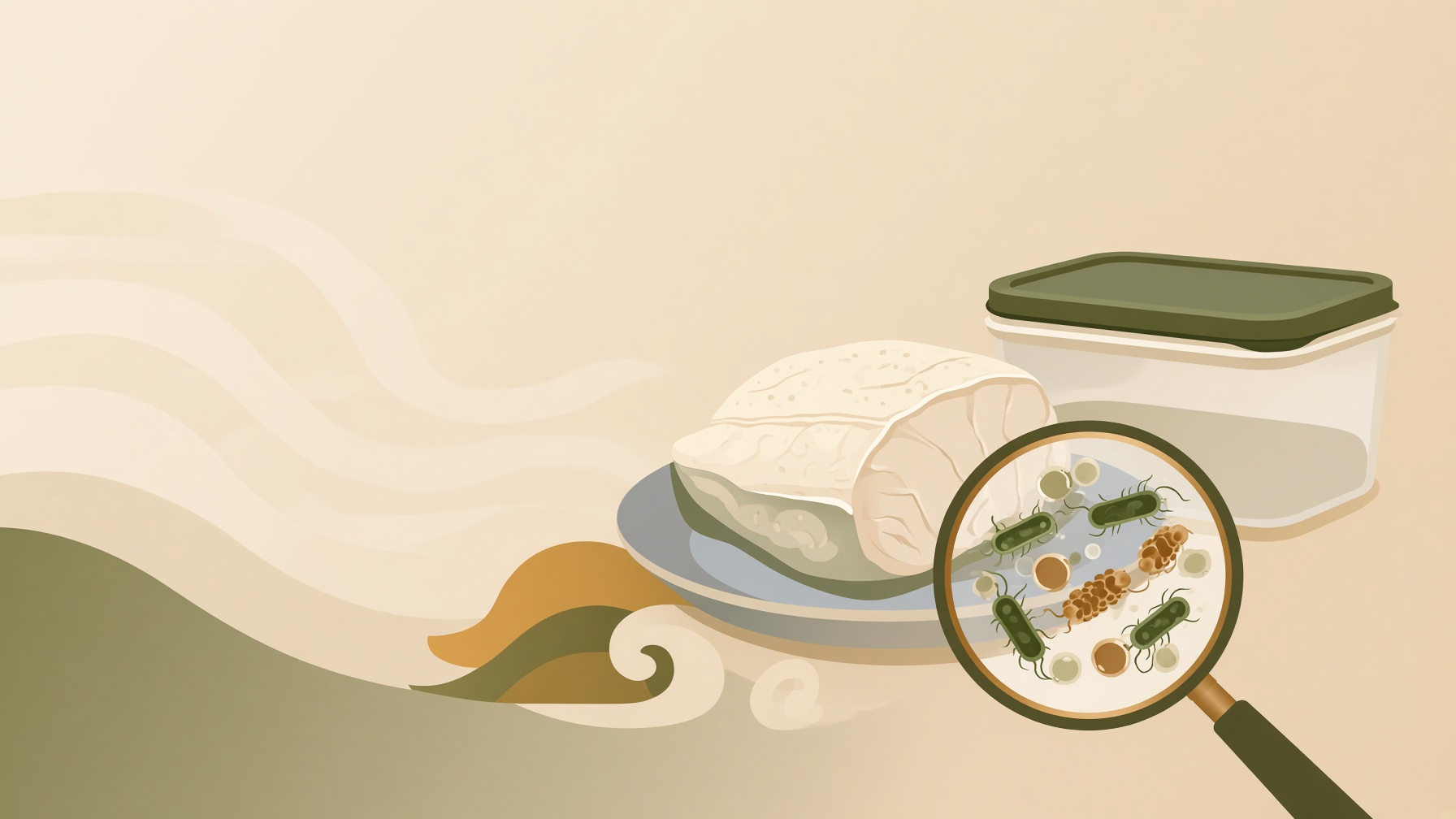
Harmful bacteria can survive or multiply in food without changing its appearance or smell, so normal-looking food is not proof of safety.
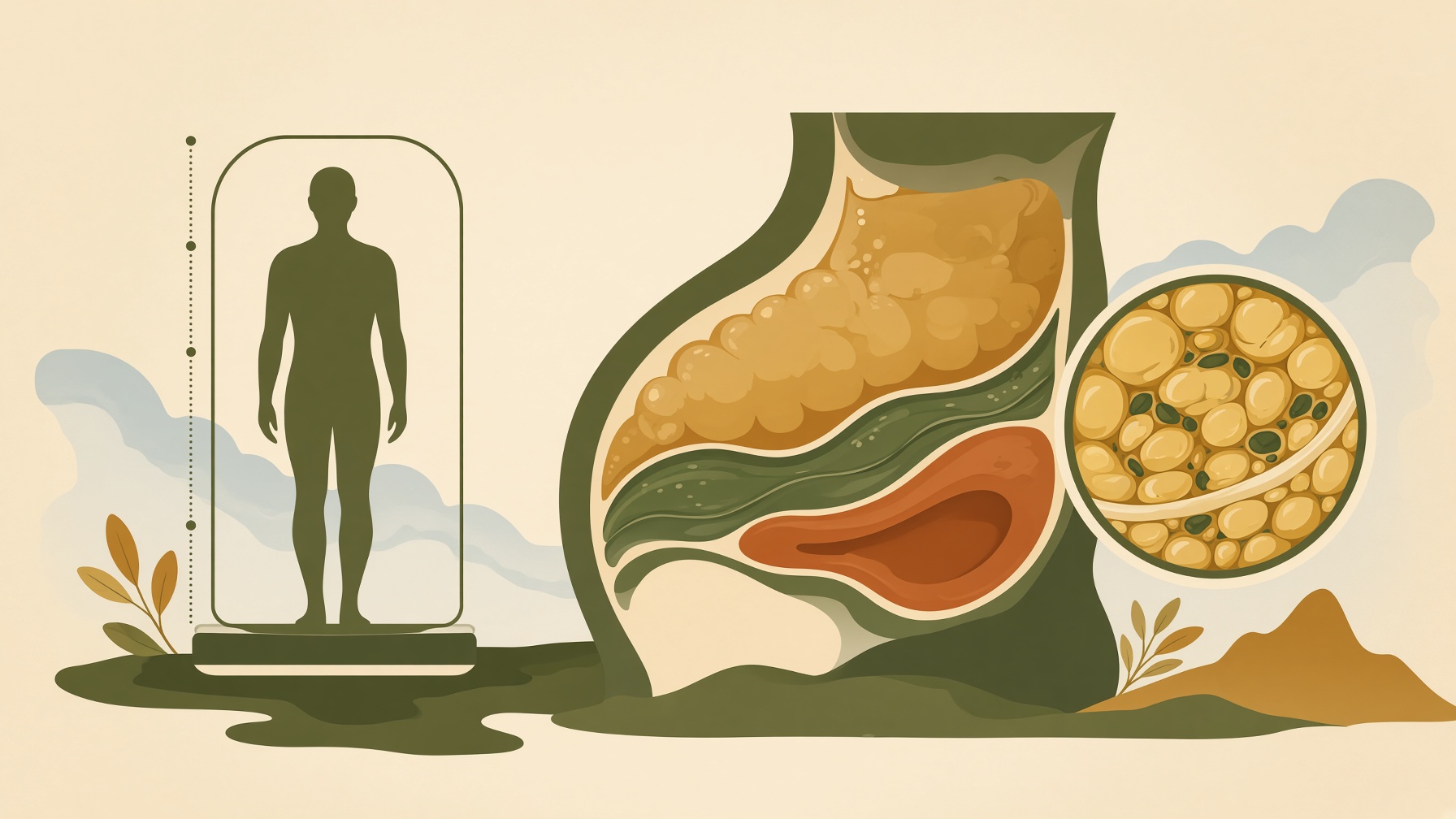
BMI screens weight relative to height, but cannot distinguish muscle from fat or show where body fat sits when assessing individual health.

Nutrition Facts labels describe a stated serving, while Percent Daily Value shows how much a nutrient contributes toward a standard reference.