
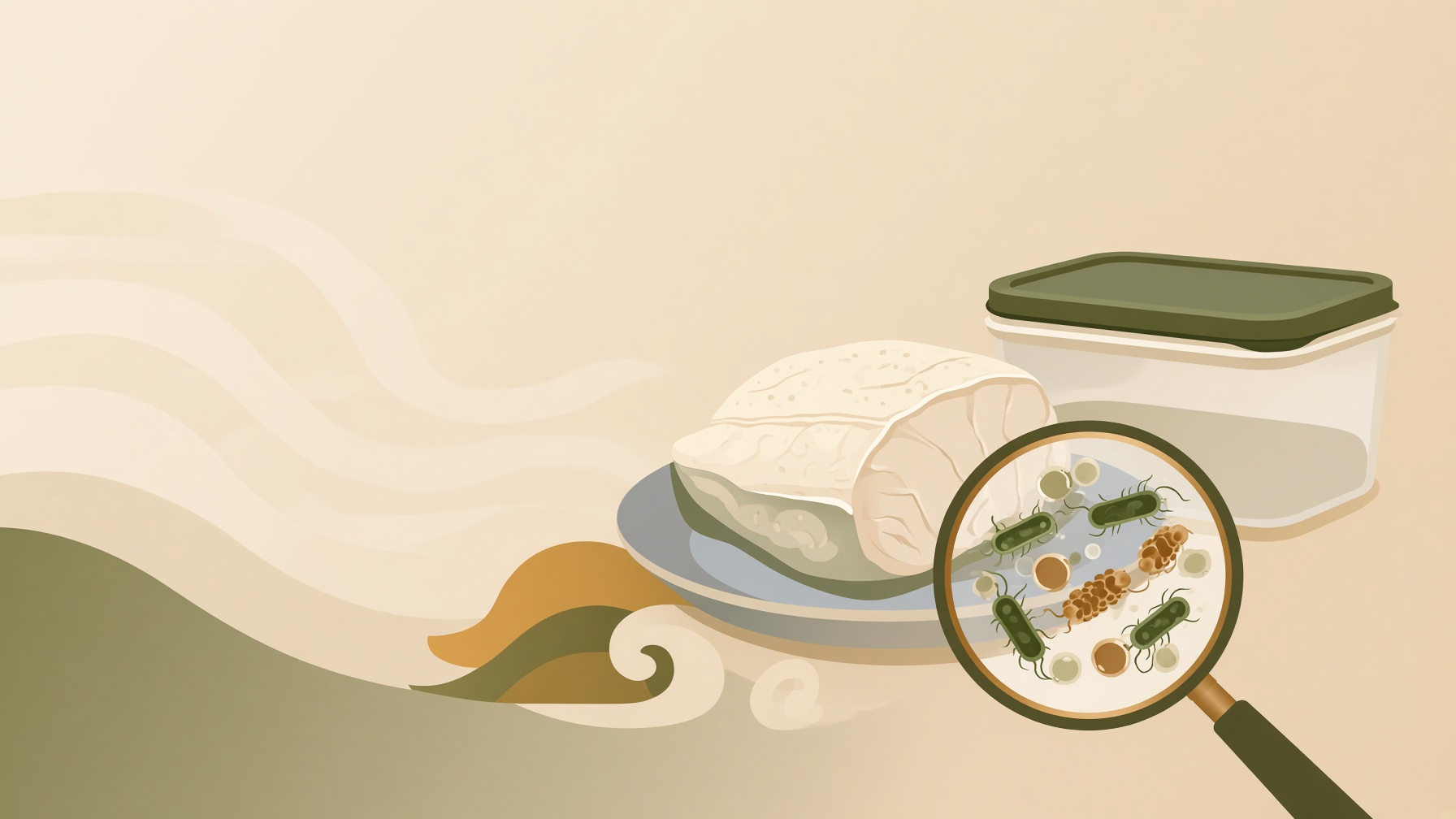
Why Food That Looks Fine Can Still Be Unsafe
Harmful bacteria can survive or multiply in food without changing its appearance or smell, so normal-looking food is not proof of safety.
40 articles in this view
Current selection
40 results
Harmful bacteria can survive or multiply in food without changing its appearance or smell, so normal-looking food is not proof of safety.
Progressive overload adjusts training as the body adapts, keeping the challenge appropriate rather than making every workout harder by default.
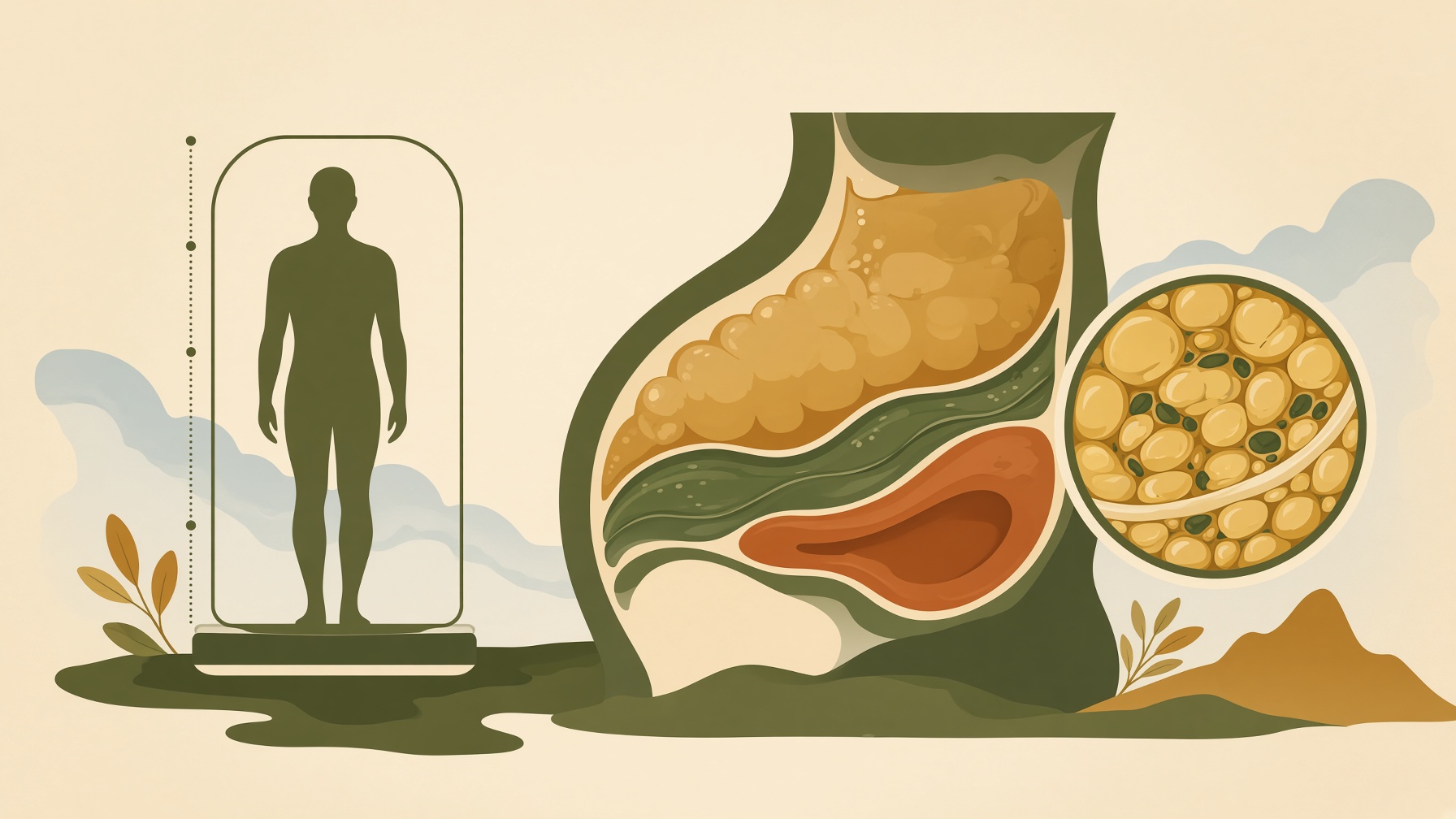
BMI screens weight relative to height, but cannot distinguish muscle from fat or show where body fat sits when assessing individual health.
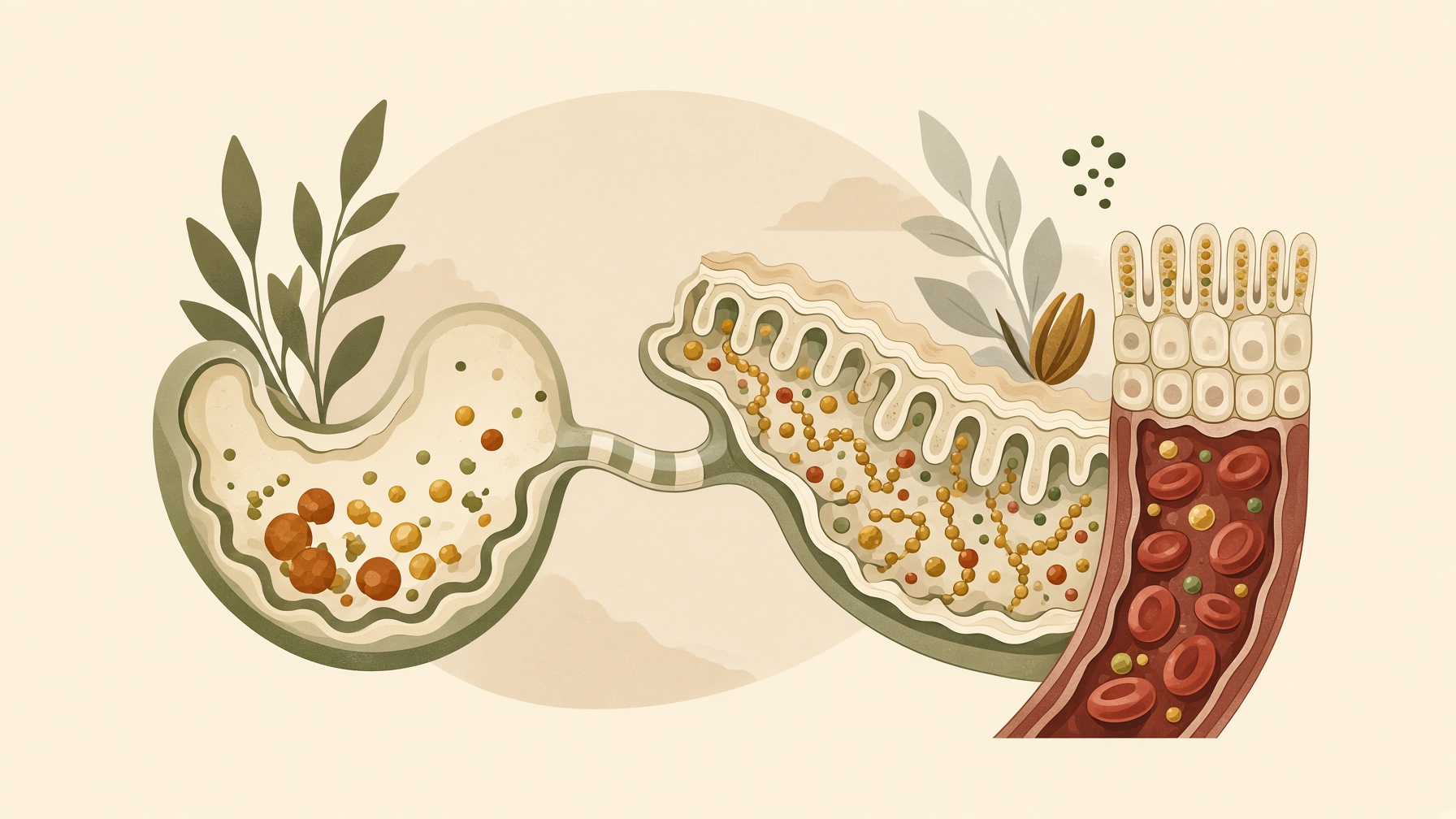
Protein digestion breaks food proteins into amino acids and small peptides that intestinal cells can absorb for the body’s ongoing protein turnover.
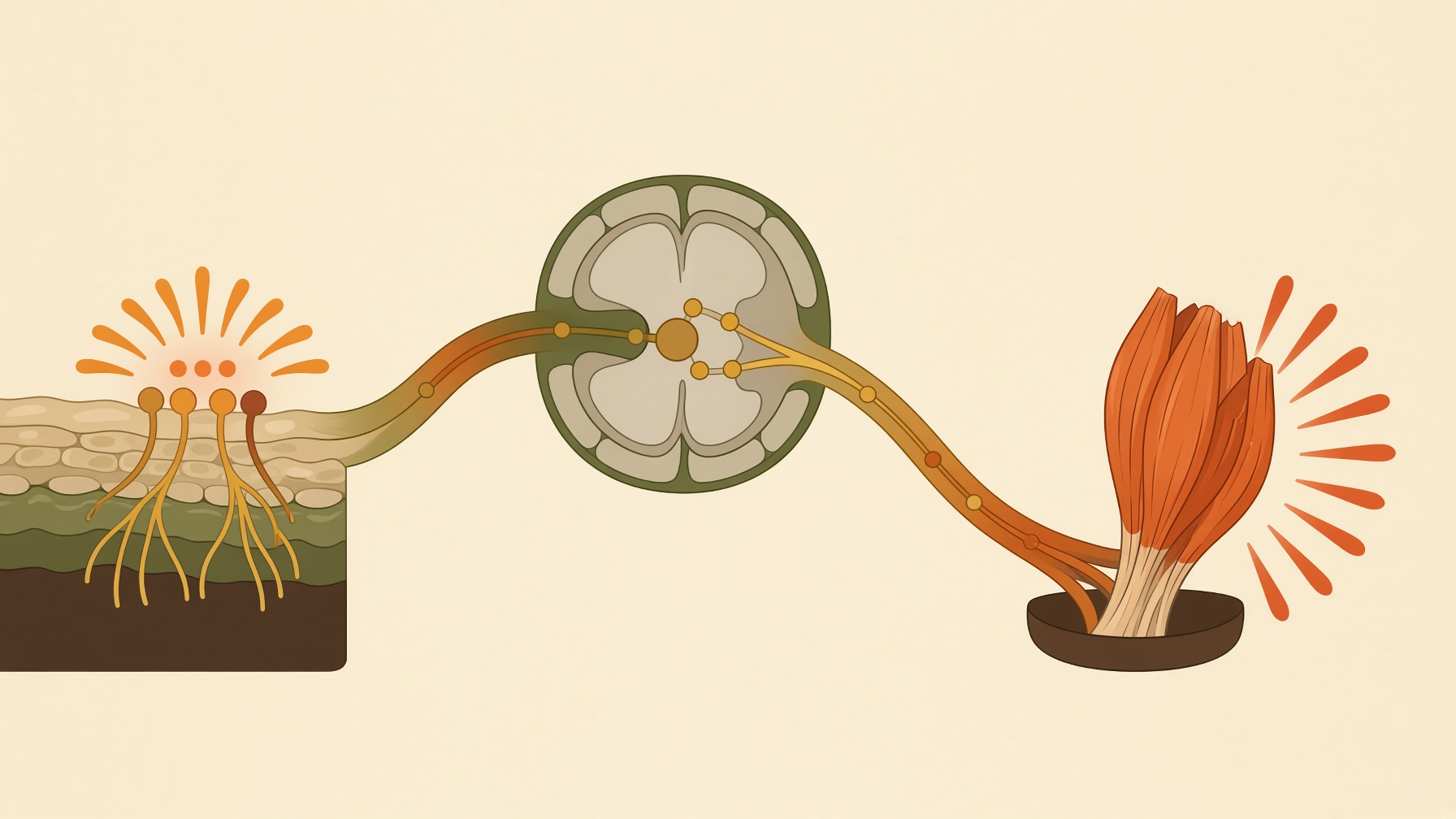
A reflex arc carries sensory information into the central nervous system and sends motor commands outward to produce an automatic response.

Nutrition Facts labels describe a stated serving, while Percent Daily Value shows how much a nutrient contributes toward a standard reference.
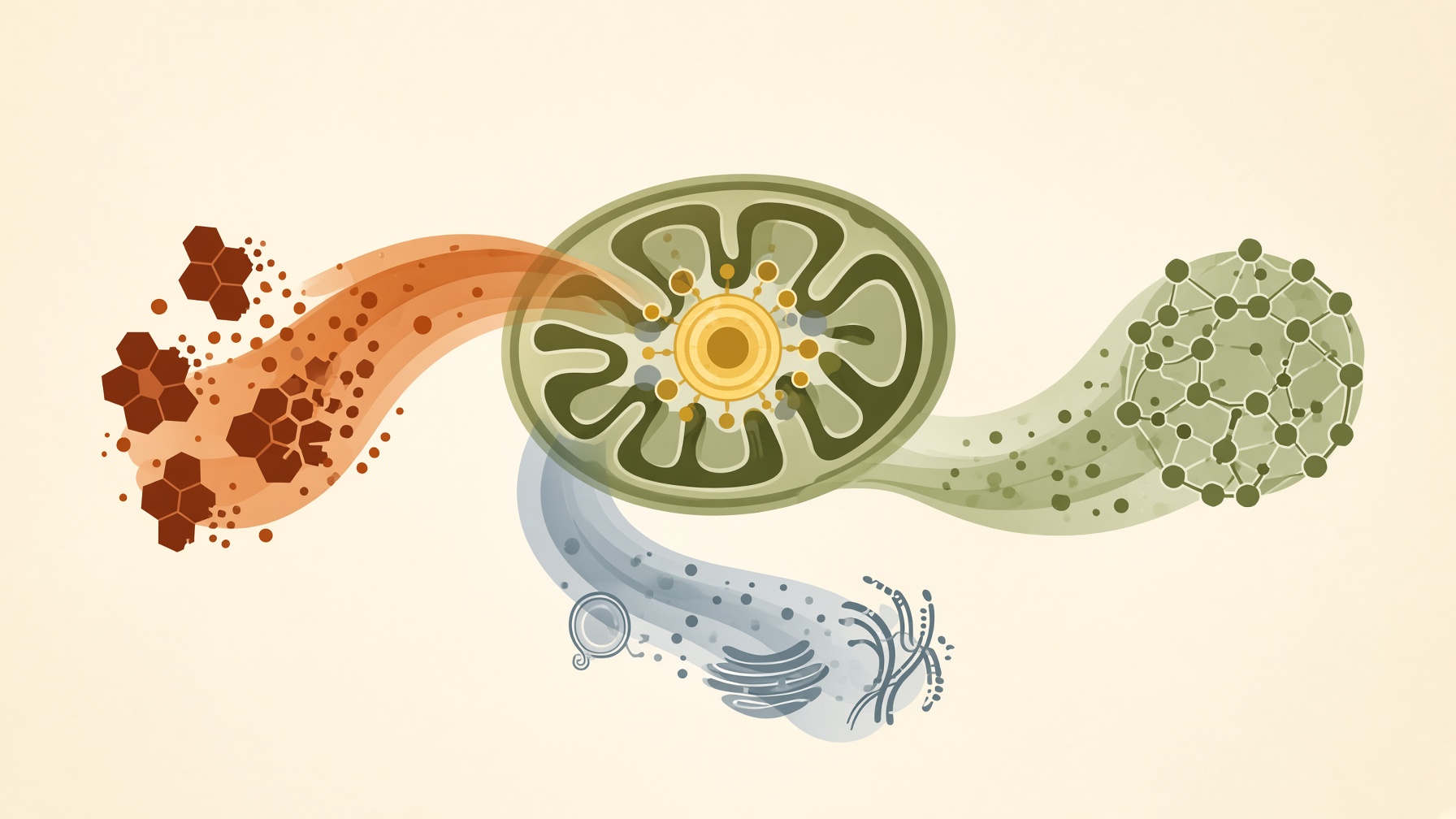
Metabolism links the breakdown and building of molecules through energy transfers, with ATP powering much of the work that cells perform.

Balance training becomes more demanding through changes in support and task demands, with useful progress tied to the control a person needs.
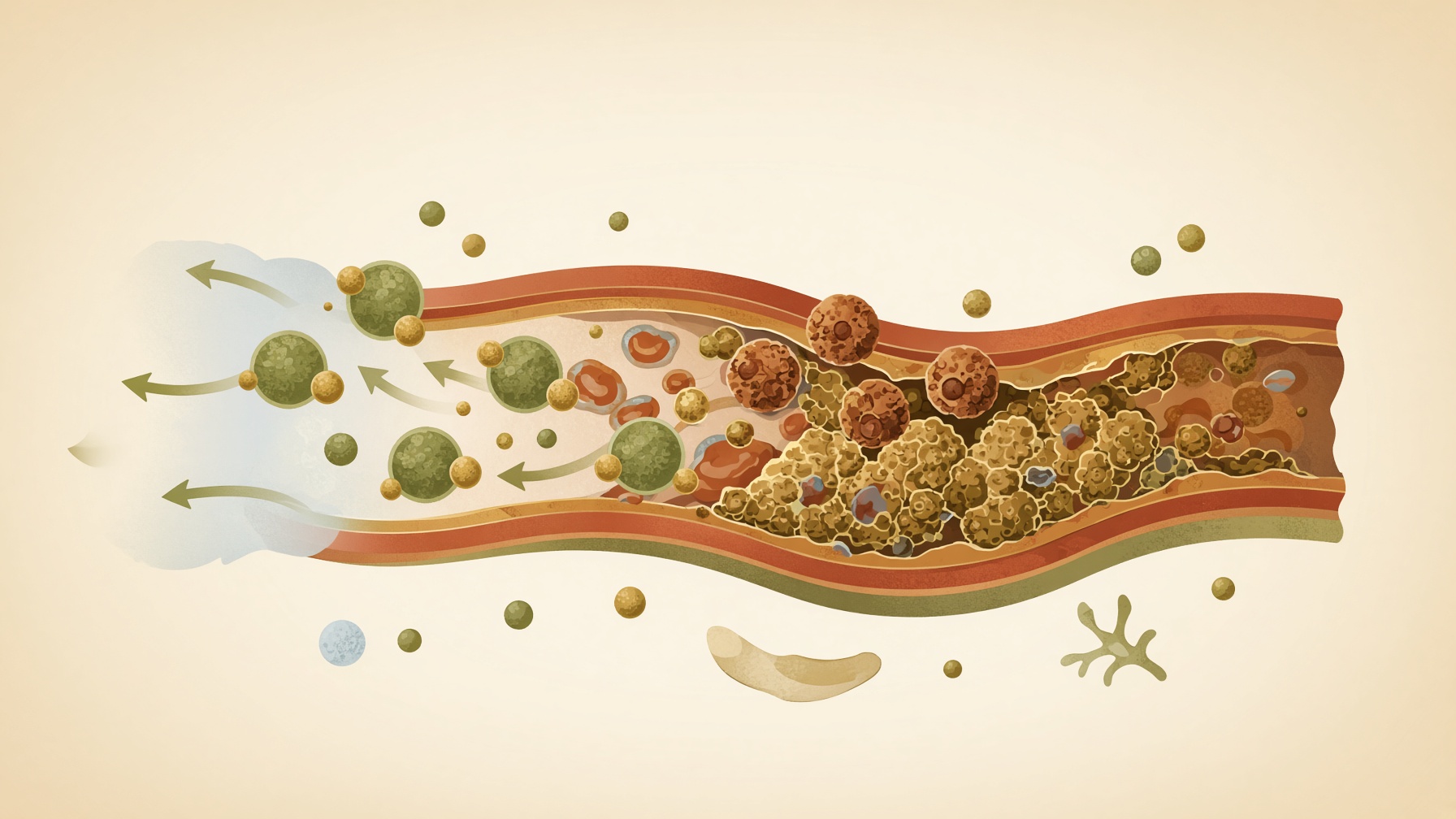
LDL and HDL carry the same cholesterol in different particles, whose behavior matters more for health than the familiar good and bad labels.
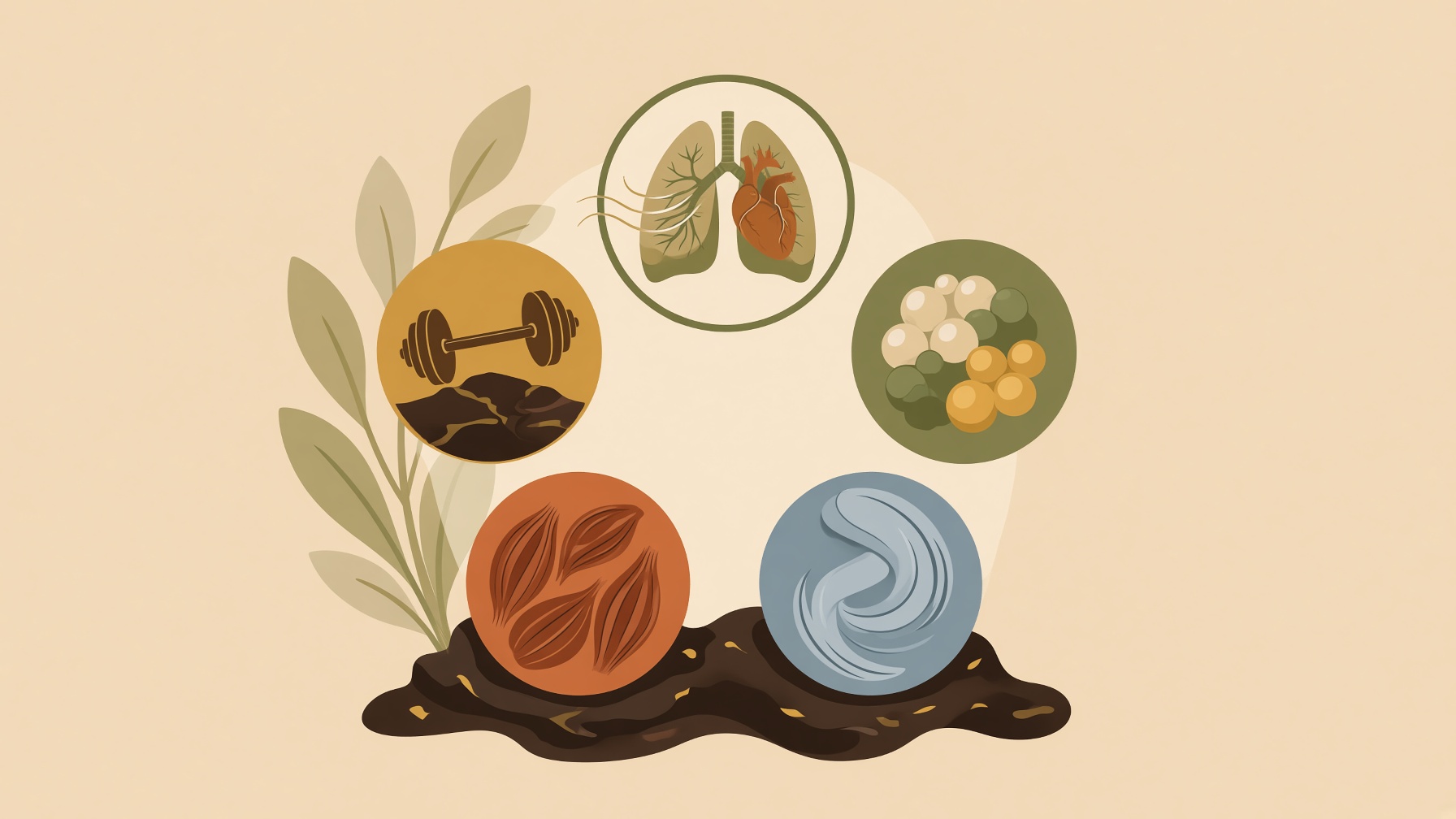
Health-related fitness describes several distinct qualities, so strength in one area does not necessarily mean equal ability across the others.
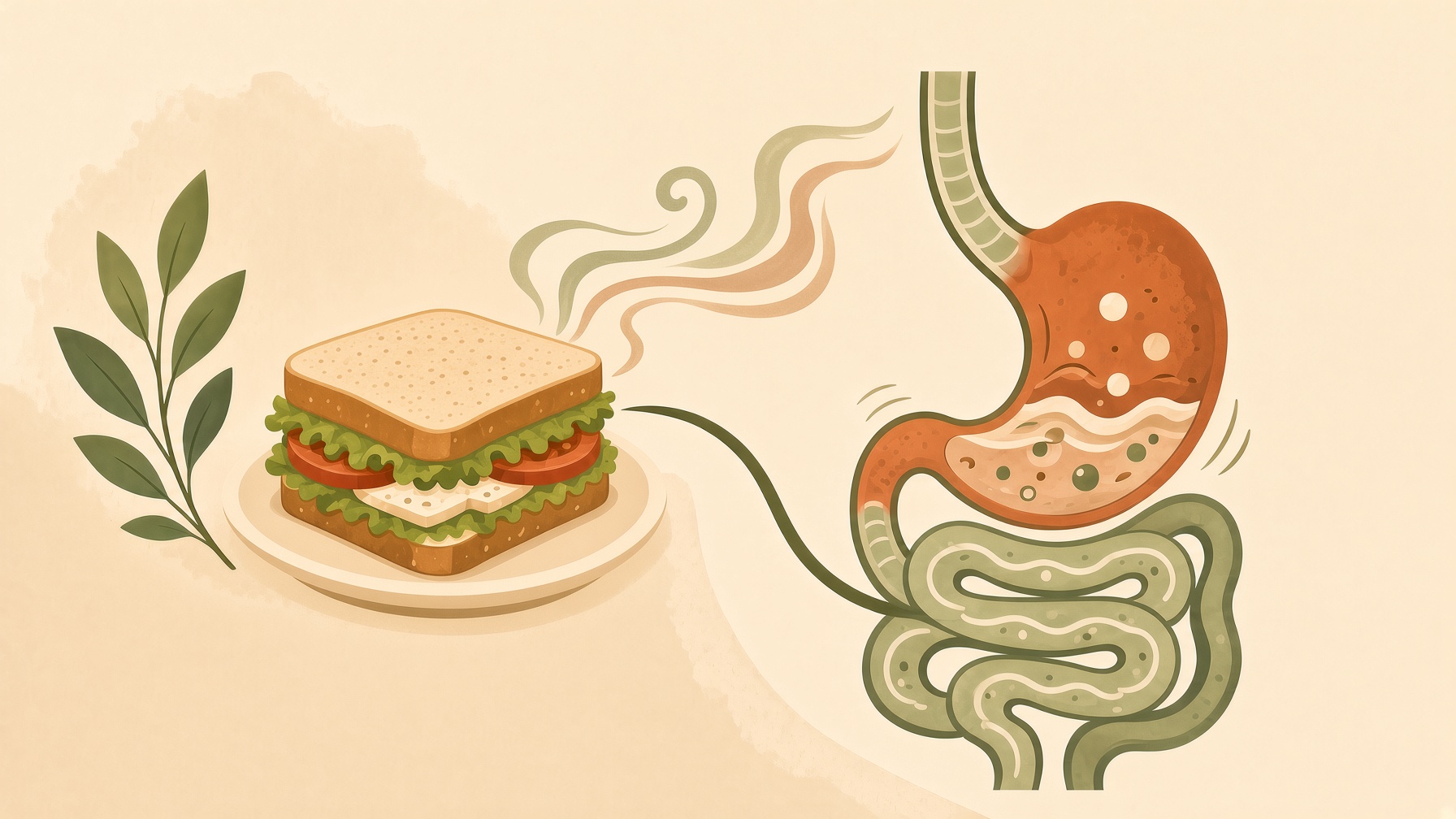
Digestion starts with chewing and starch breakdown in the mouth, while swallowing moves food toward a stomach already preparing for the meal.
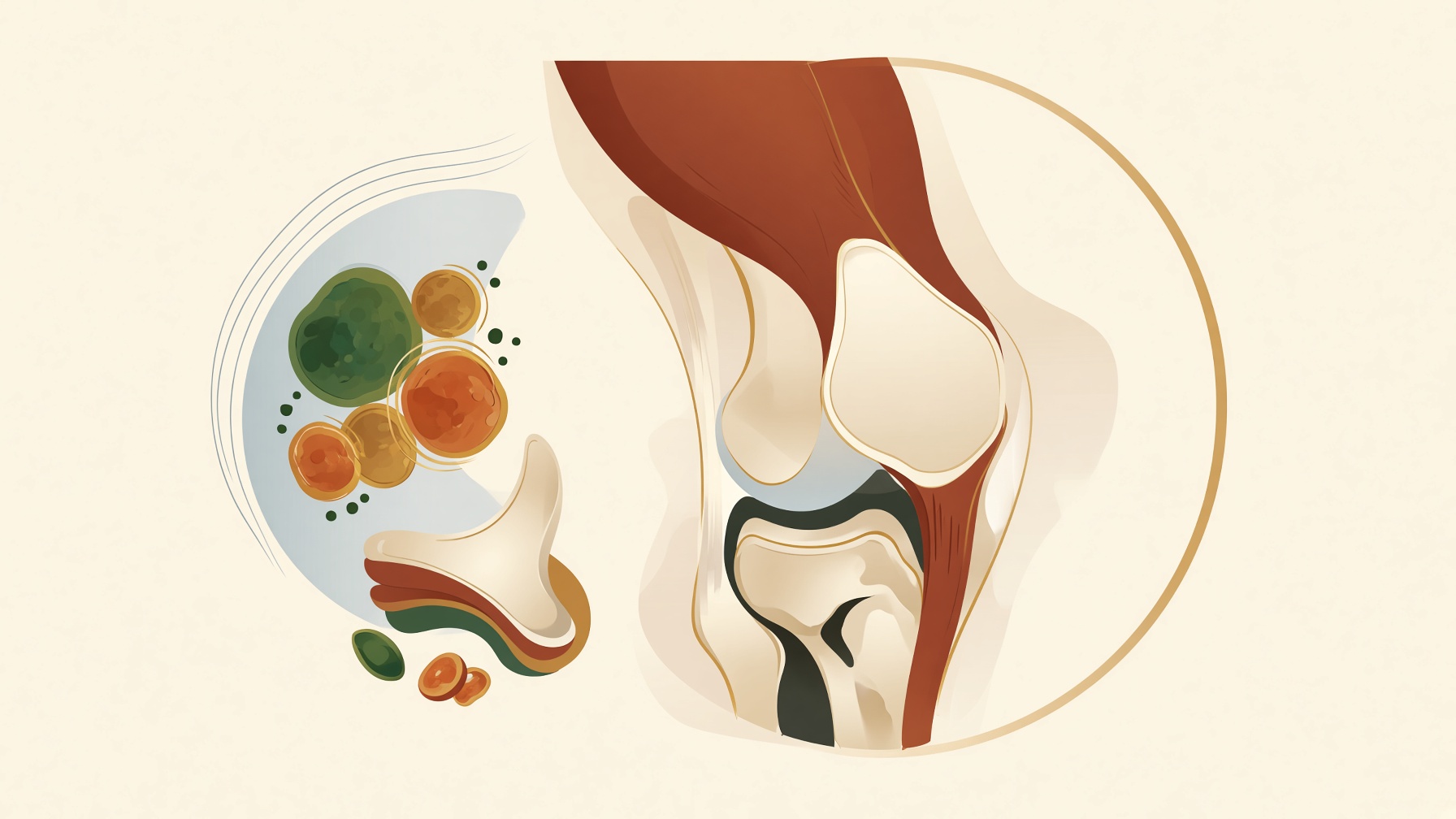
The kneecap improves the quadriceps muscle’s leverage by holding the tendon away from the knee joint, helping the muscle straighten the leg.