
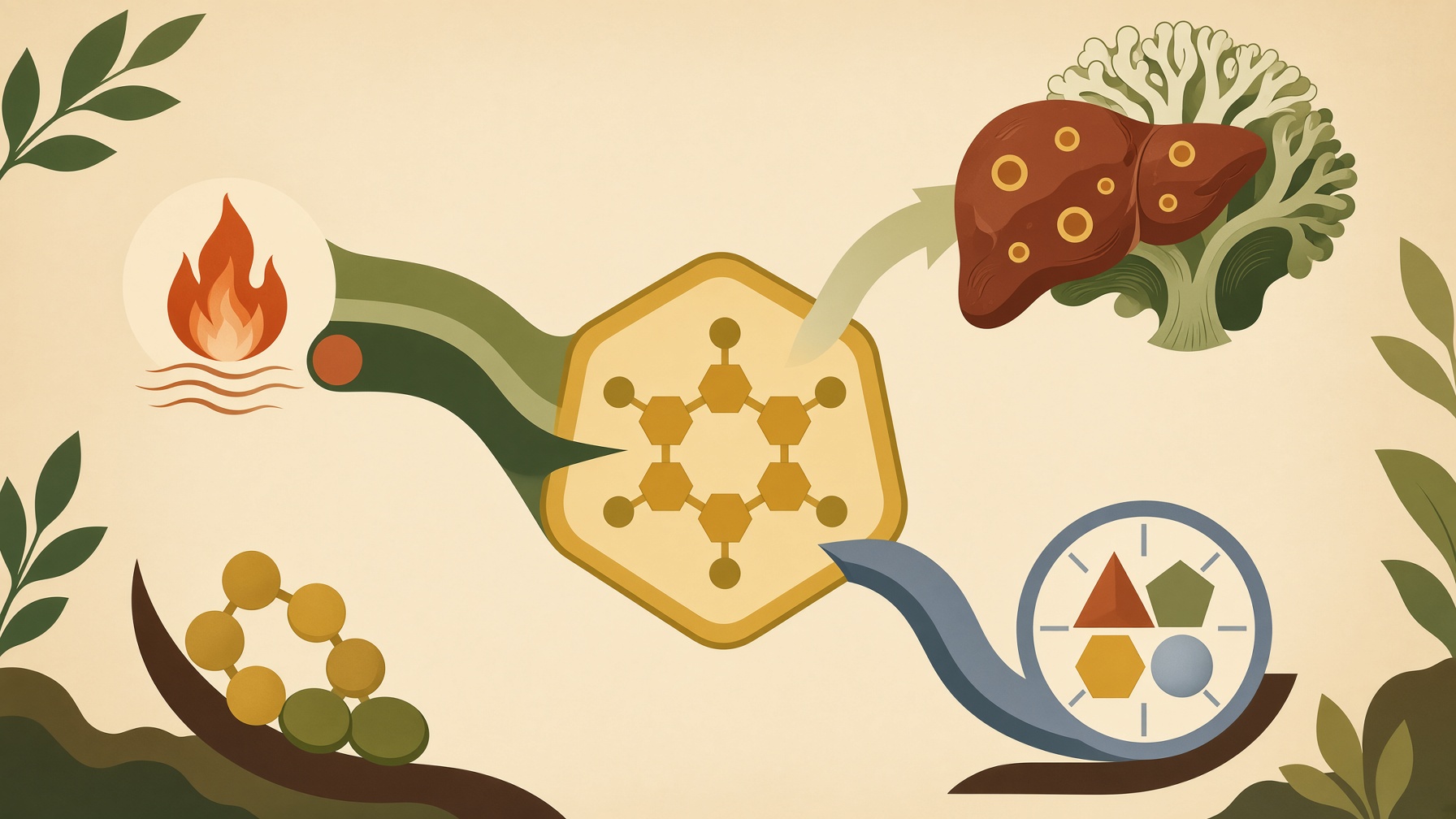
Carbohydrates Aren’t Just Fuel
Carbohydrate metabolism supplies more than immediate energy, providing glucose-derived material that cells can store or use to build molecules.
12 articles in this view
Current selection
12 results
Carbohydrate metabolism supplies more than immediate energy, providing glucose-derived material that cells can store or use to build molecules.
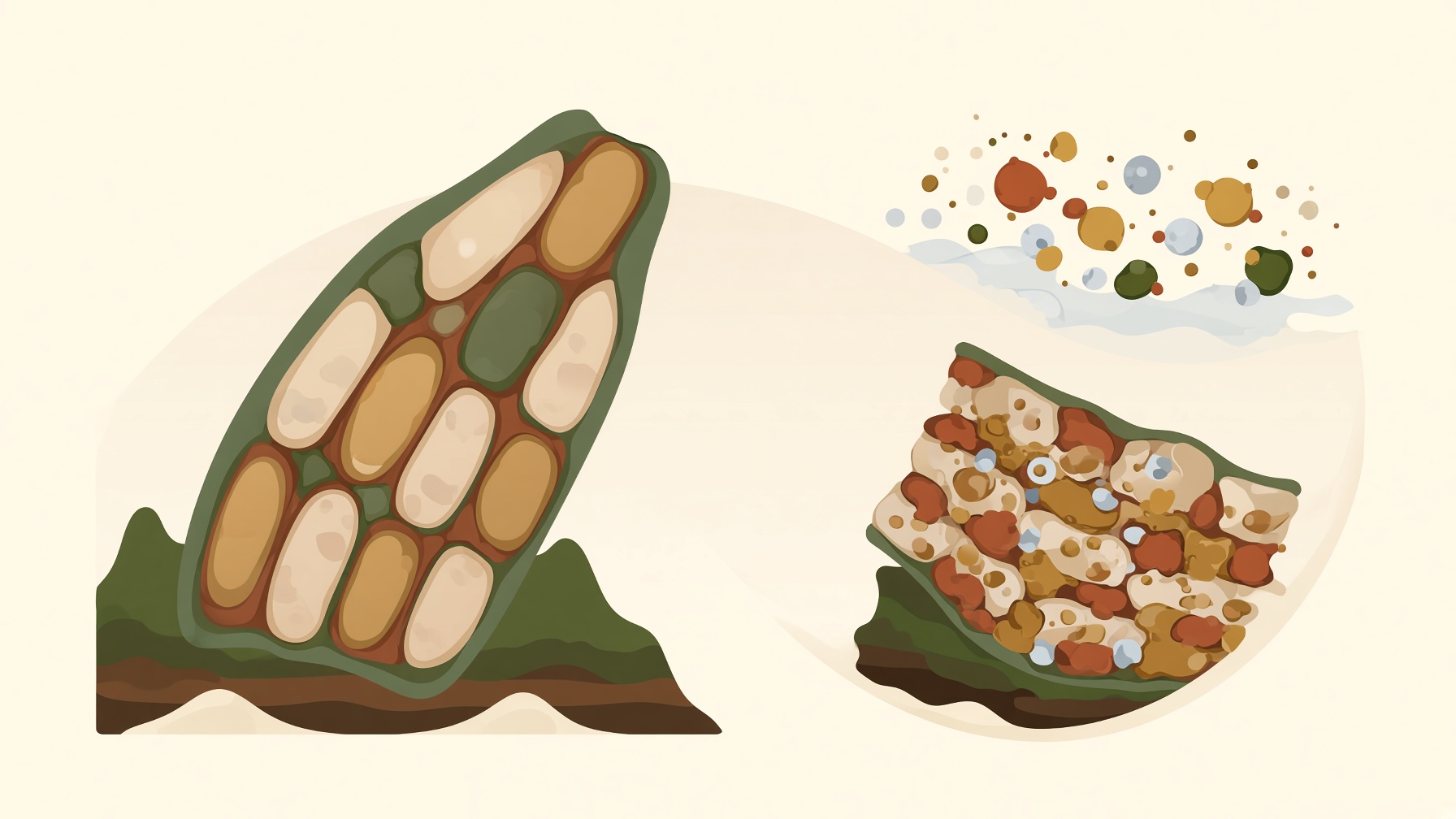
Aging changes muscle composition and reduces contractile tissue, with losses in fast fibers limiting the ability to generate force quickly.
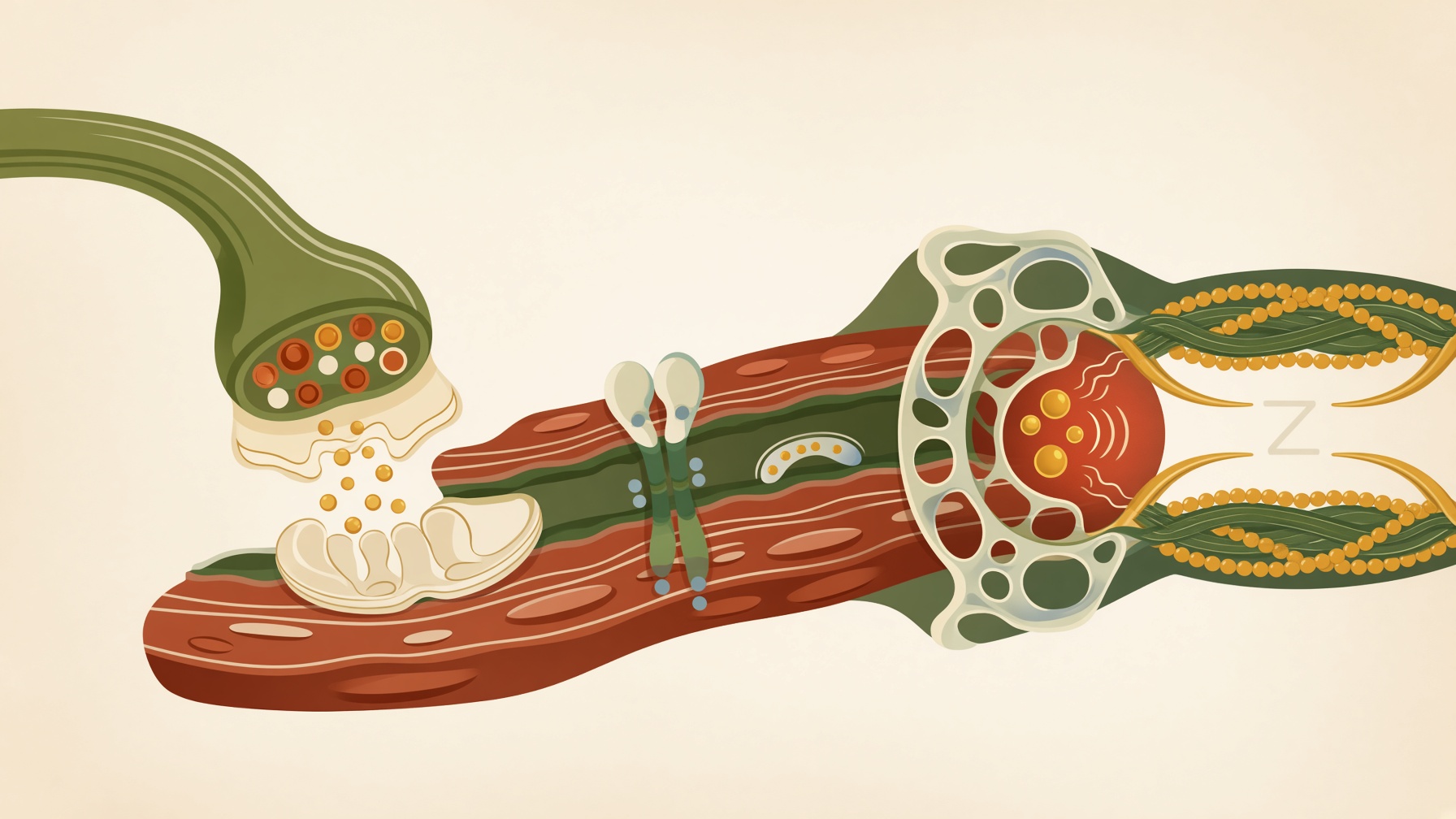
A motor nerve signal triggers electrical changes and calcium release in a muscle fiber, allowing the contractile proteins to generate movement.
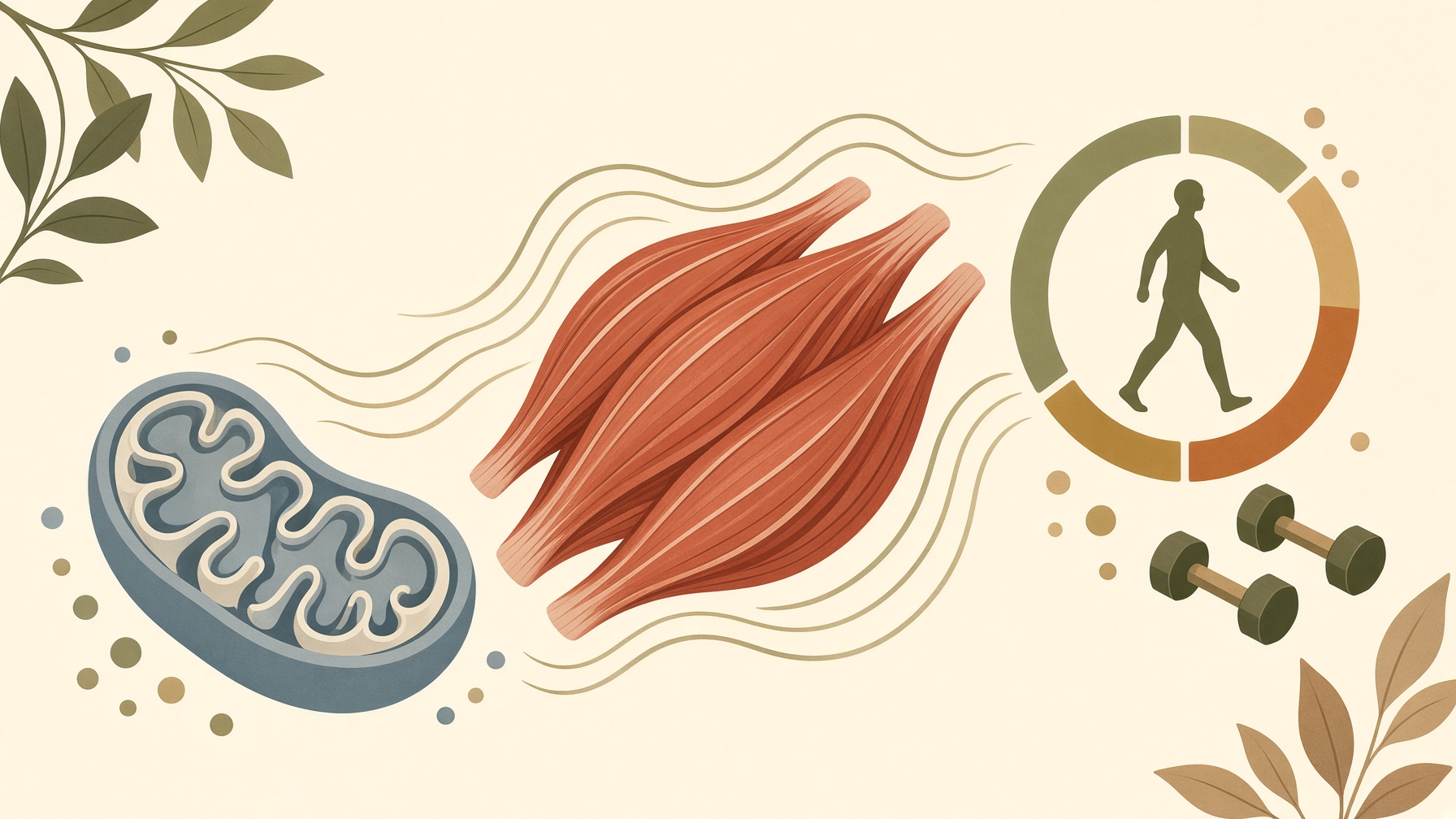
Muscle loss can contribute to a lower resting metabolic rate with age, but changes in muscle mass alone do not explain the full decline.
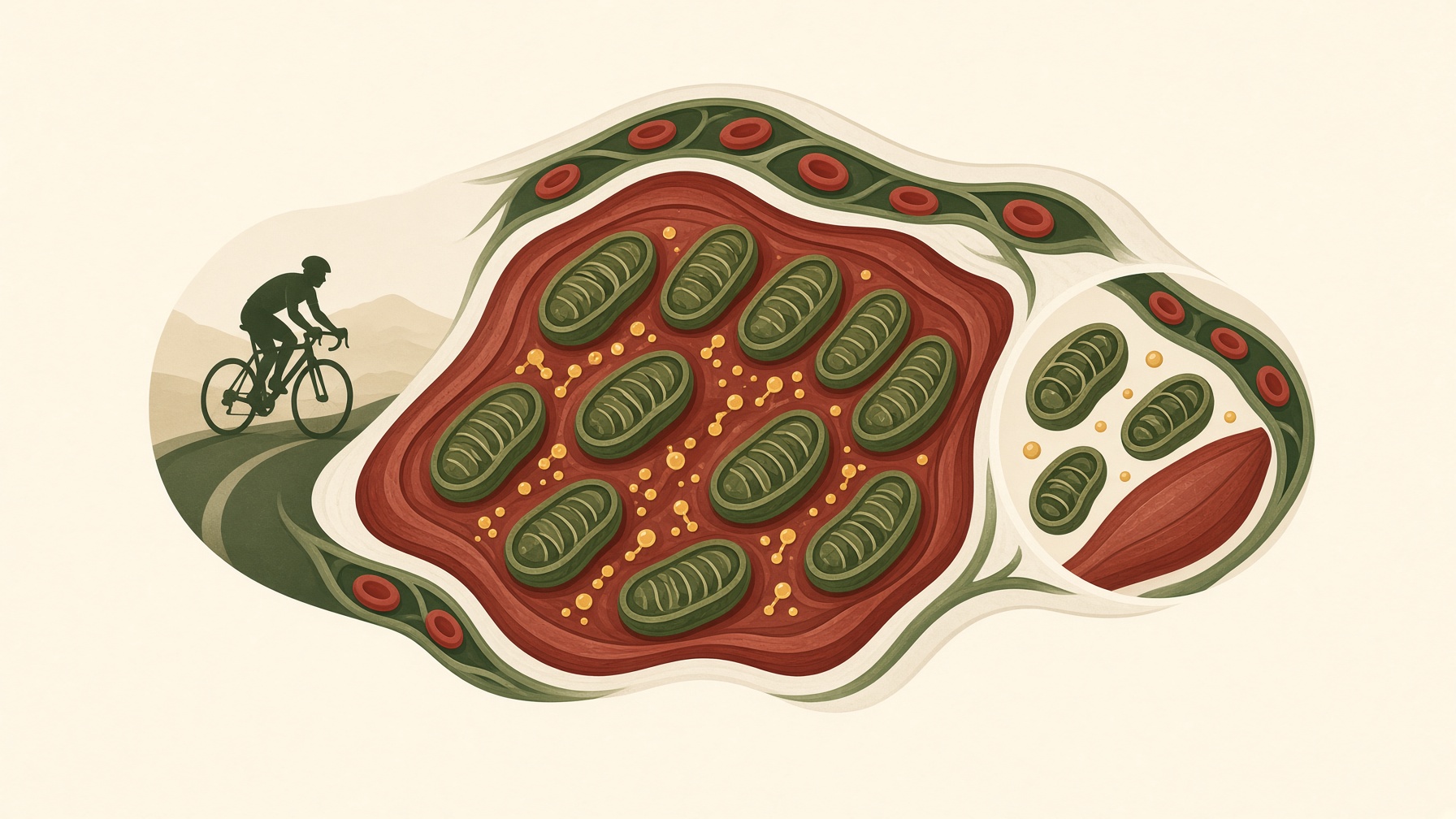
Endurance training can increase muscle mitochondria and capillary supply, helping active fibers sustain energy production during prolonged effort.
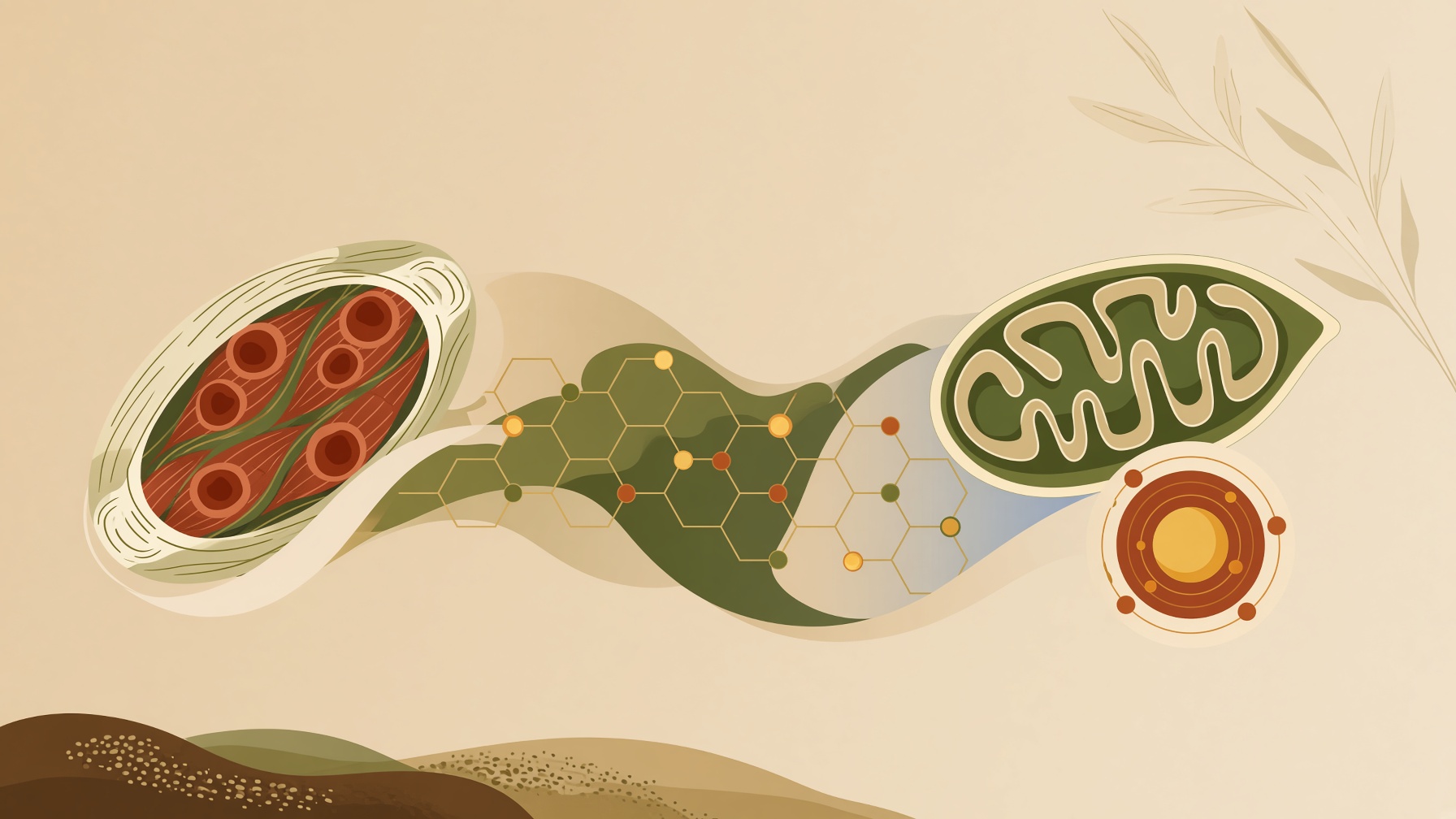
Glycolysis helps muscle replenish ATP quickly during intense exercise while other energy pathways continue contributing at the same time.
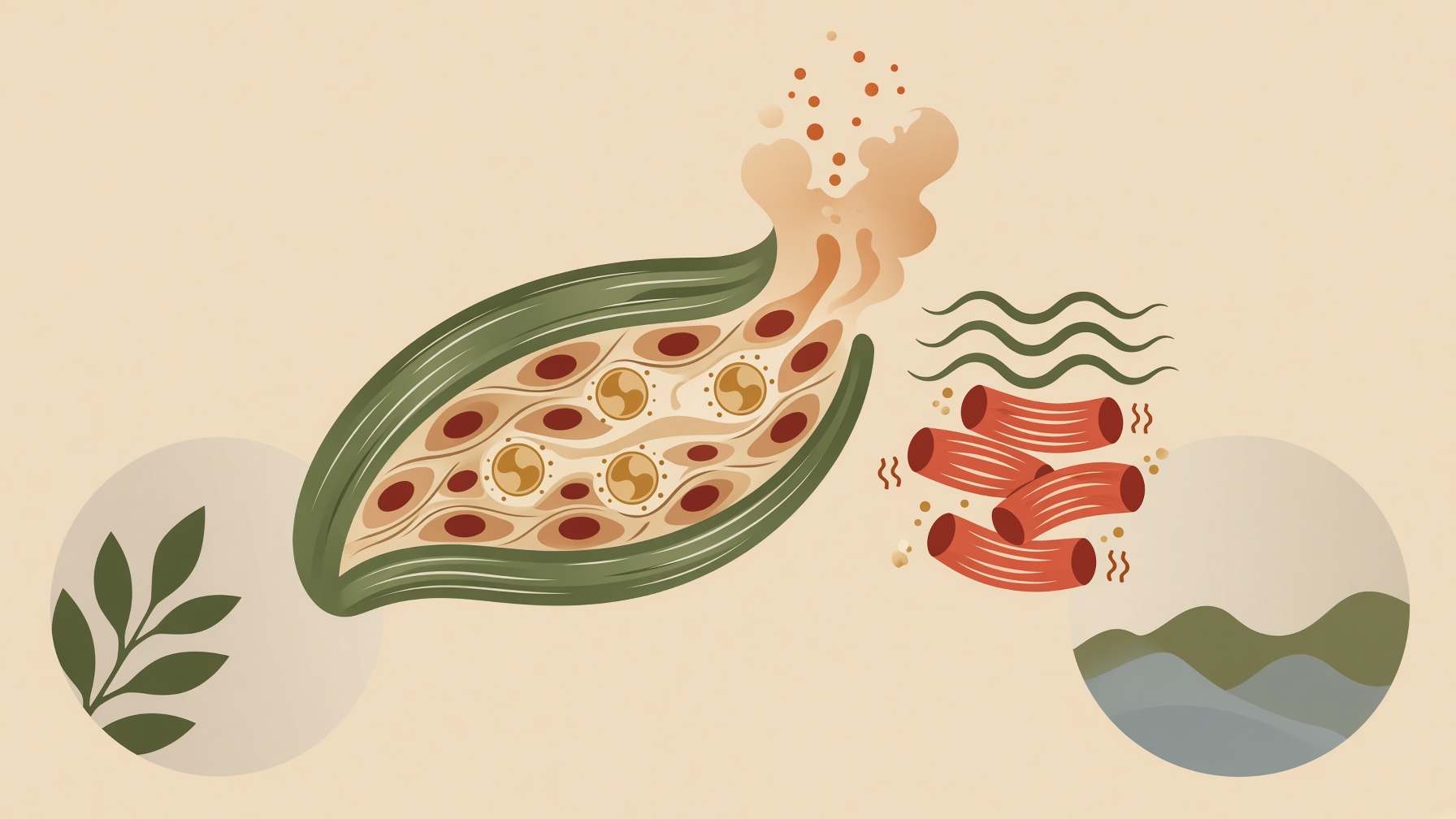
Skeletal muscles release heat as they use energy to contract, explaining why both deliberate exercise and involuntary shivering warm the body.
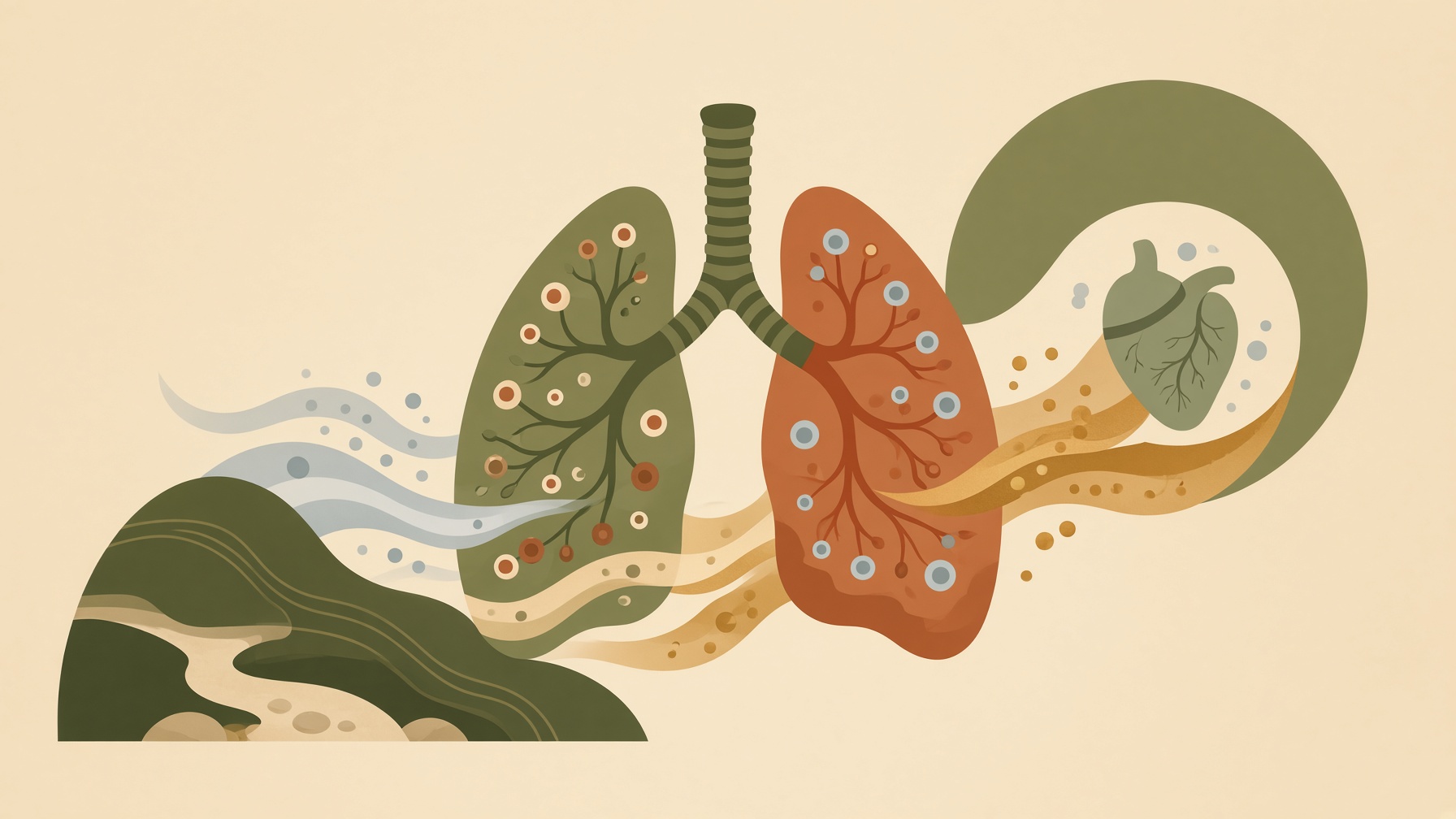
Aerobic training improves oxygen transport and use through changes across the cardiovascular system and muscles, rather than one adaptation alone.
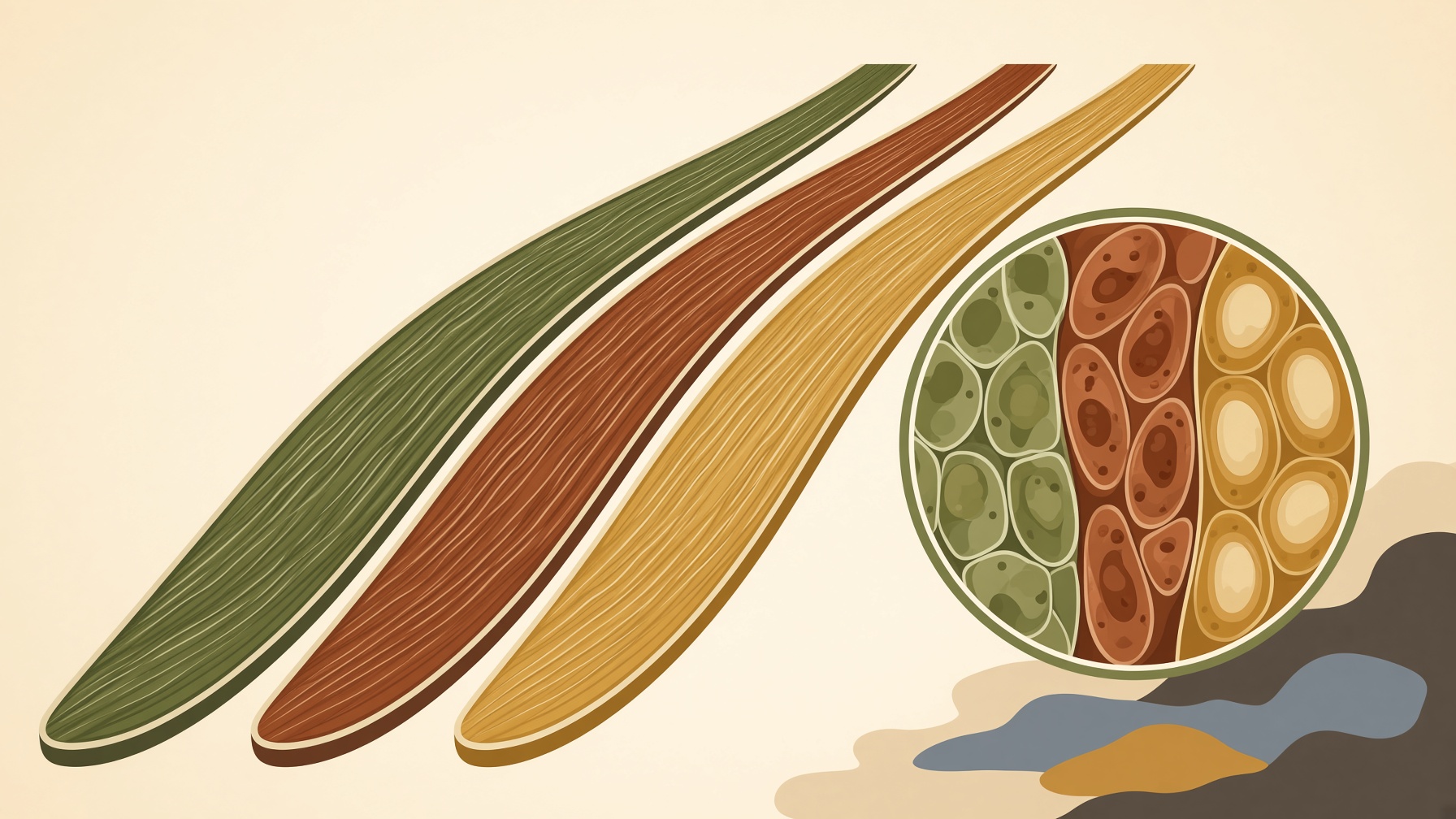
Muscle fibers differ in contraction speed and energy supply, making some better suited to sustained effort and others to rapid, powerful work.
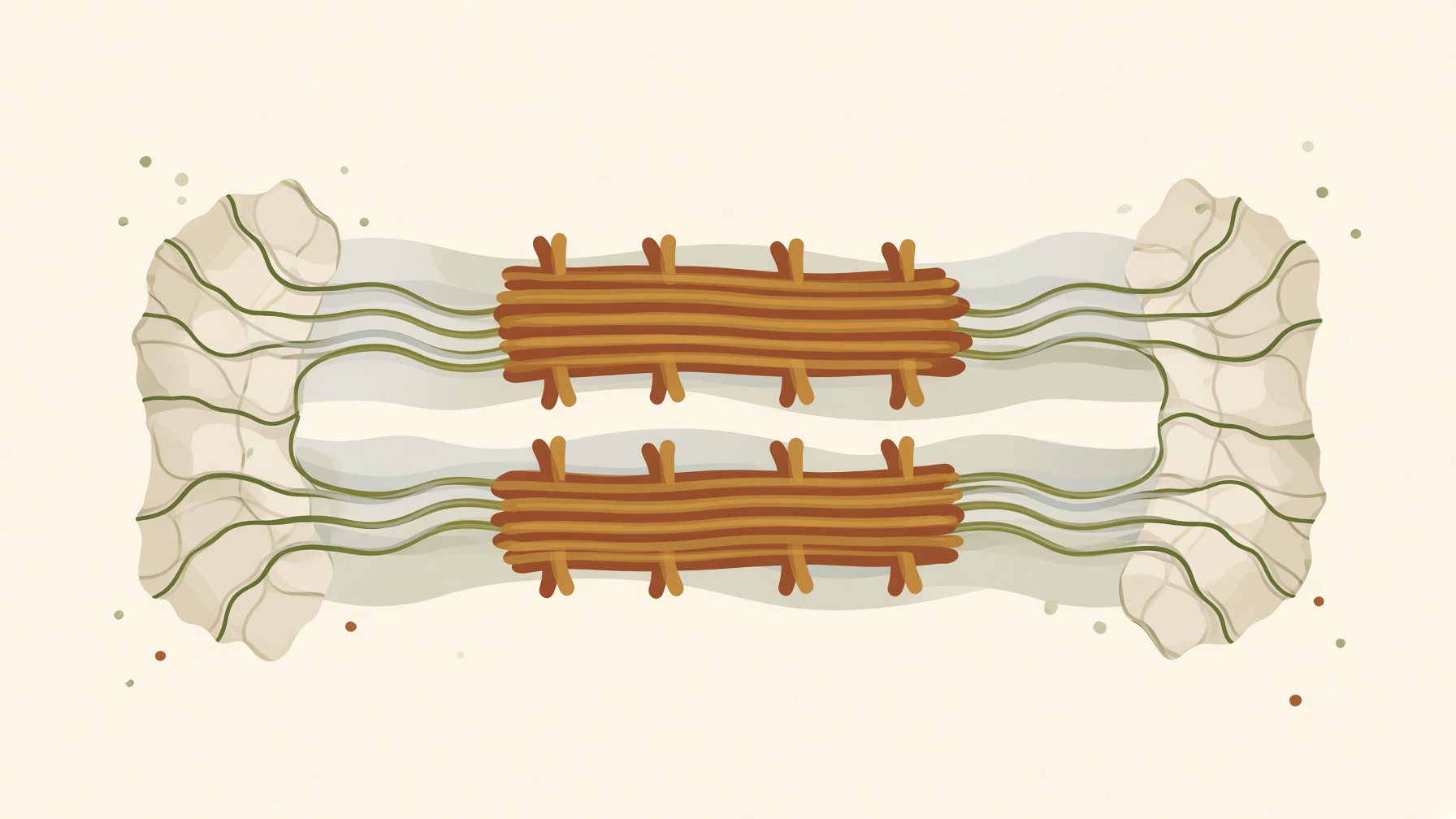
Sarcomeres shorten as thin filaments slide alongside thick filaments, increasing overlap without reducing the length of the filaments themselves.
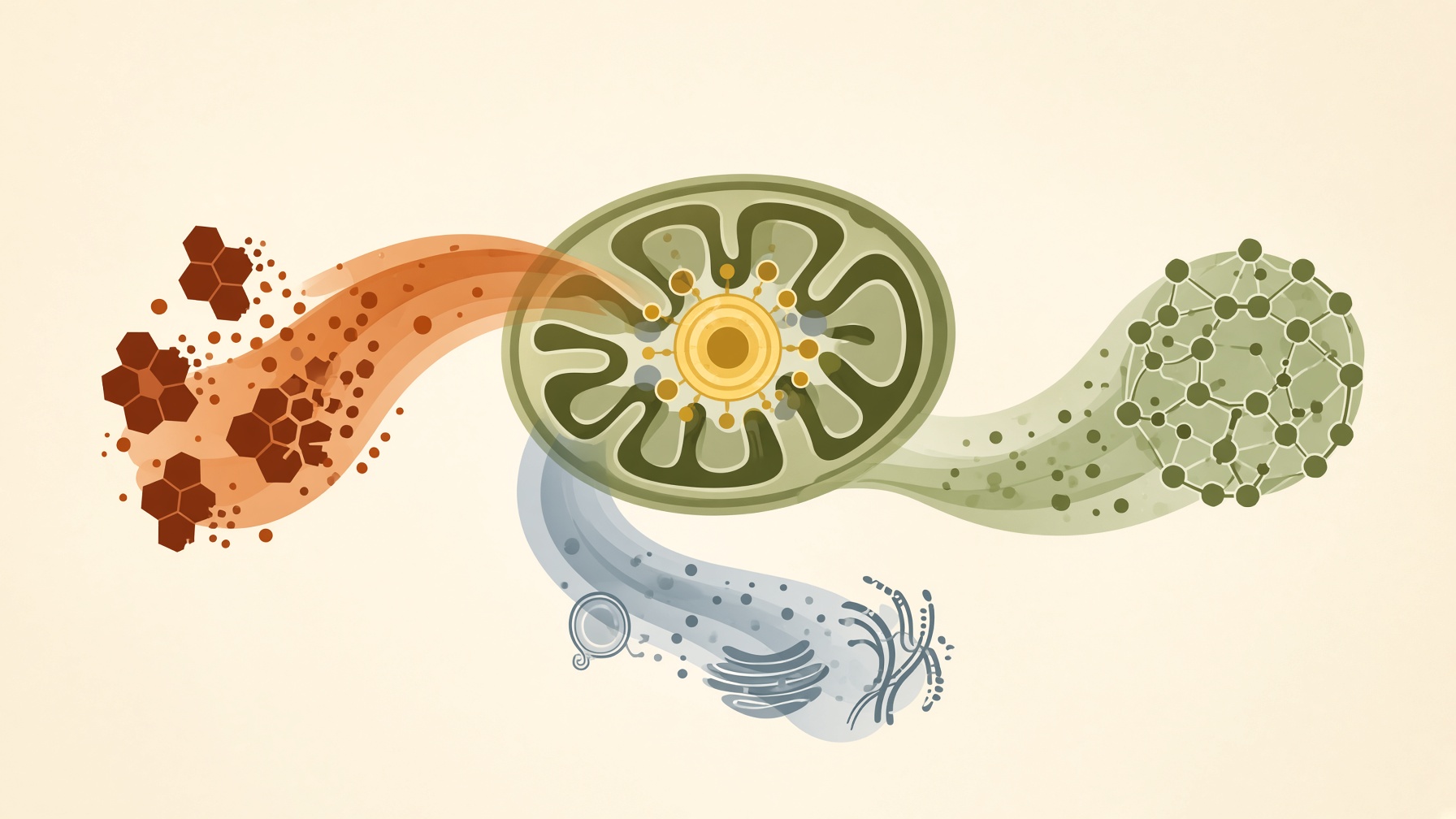
Metabolism links the breakdown and building of molecules through energy transfers, with ATP powering much of the work that cells perform.
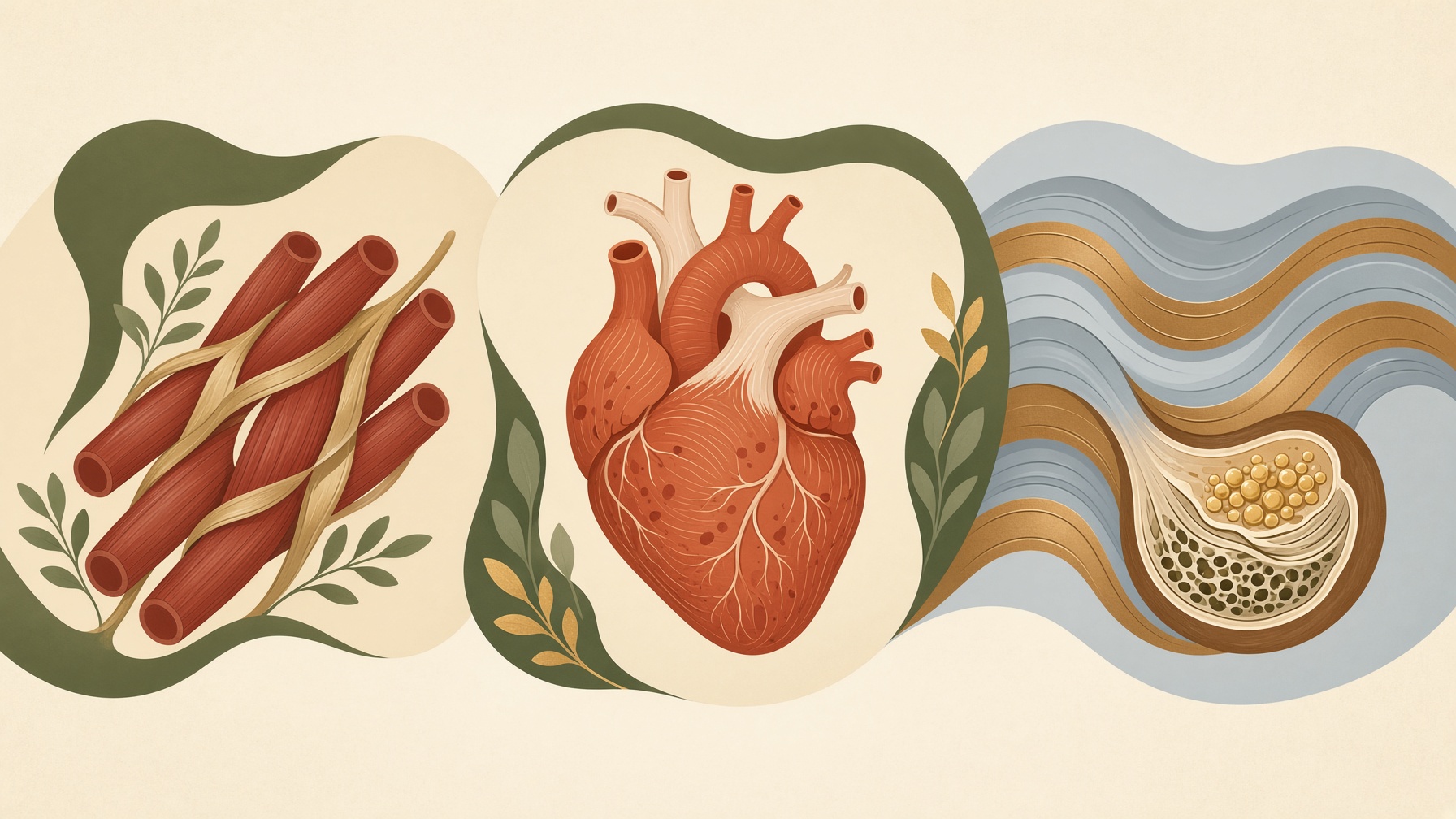
Skeletal, cardiac, and smooth muscle share the ability to contract, but differences in cell structure and control suit each to different tasks.