

How to Build an Exercise Plan You Can Stick With
A sustainable exercise plan starts with manageable demands and adapts to everyday barriers, giving continued participation room to survive disruptions.
Themes
From this collection
A sustainable exercise plan starts with manageable demands and adapts to everyday barriers, giving continued participation room to survive disruptions.
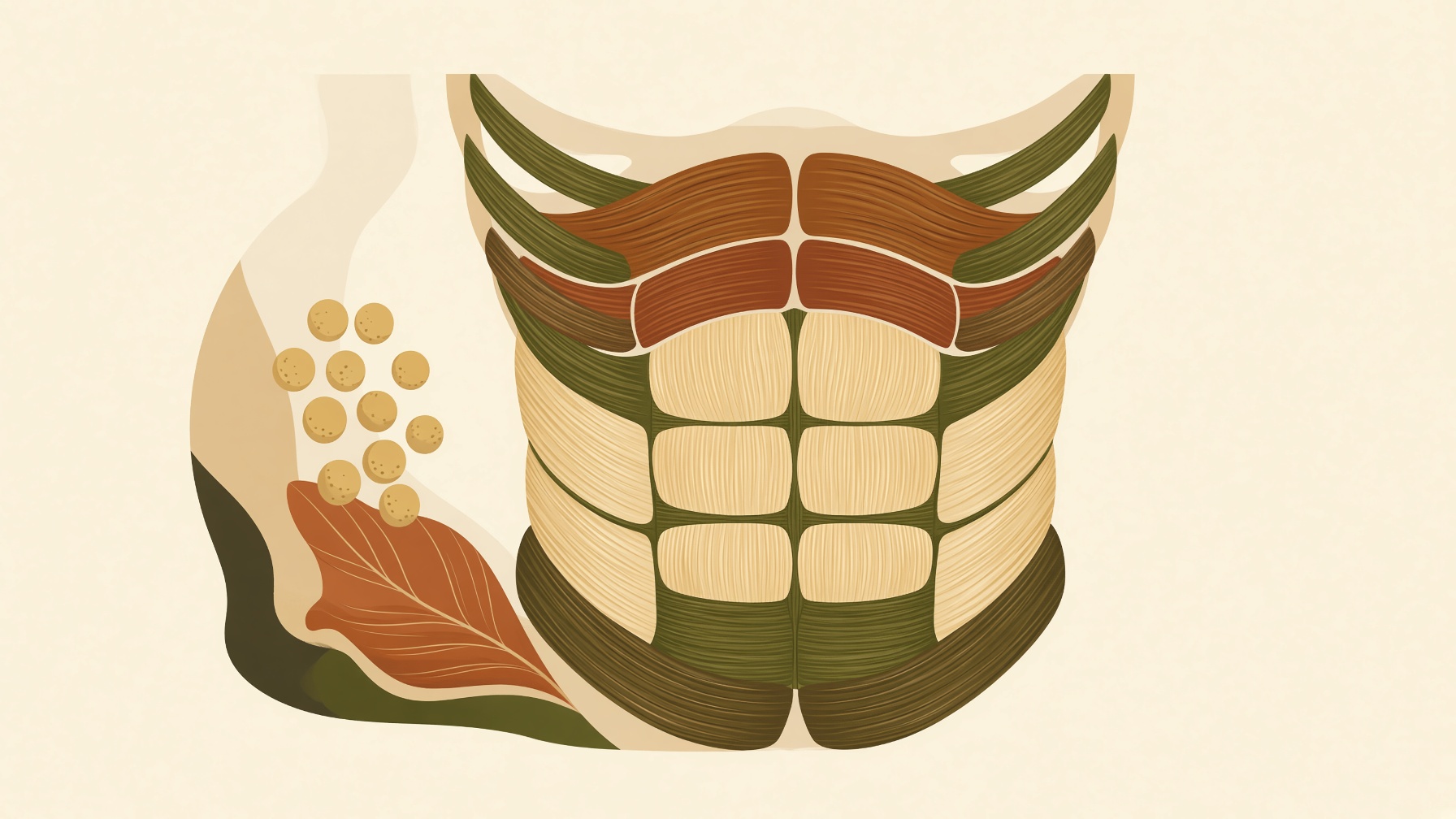
Abdominal muscles form layers with different fiber directions, making the visible six-pack only one part of the anatomy that supports the trunk.
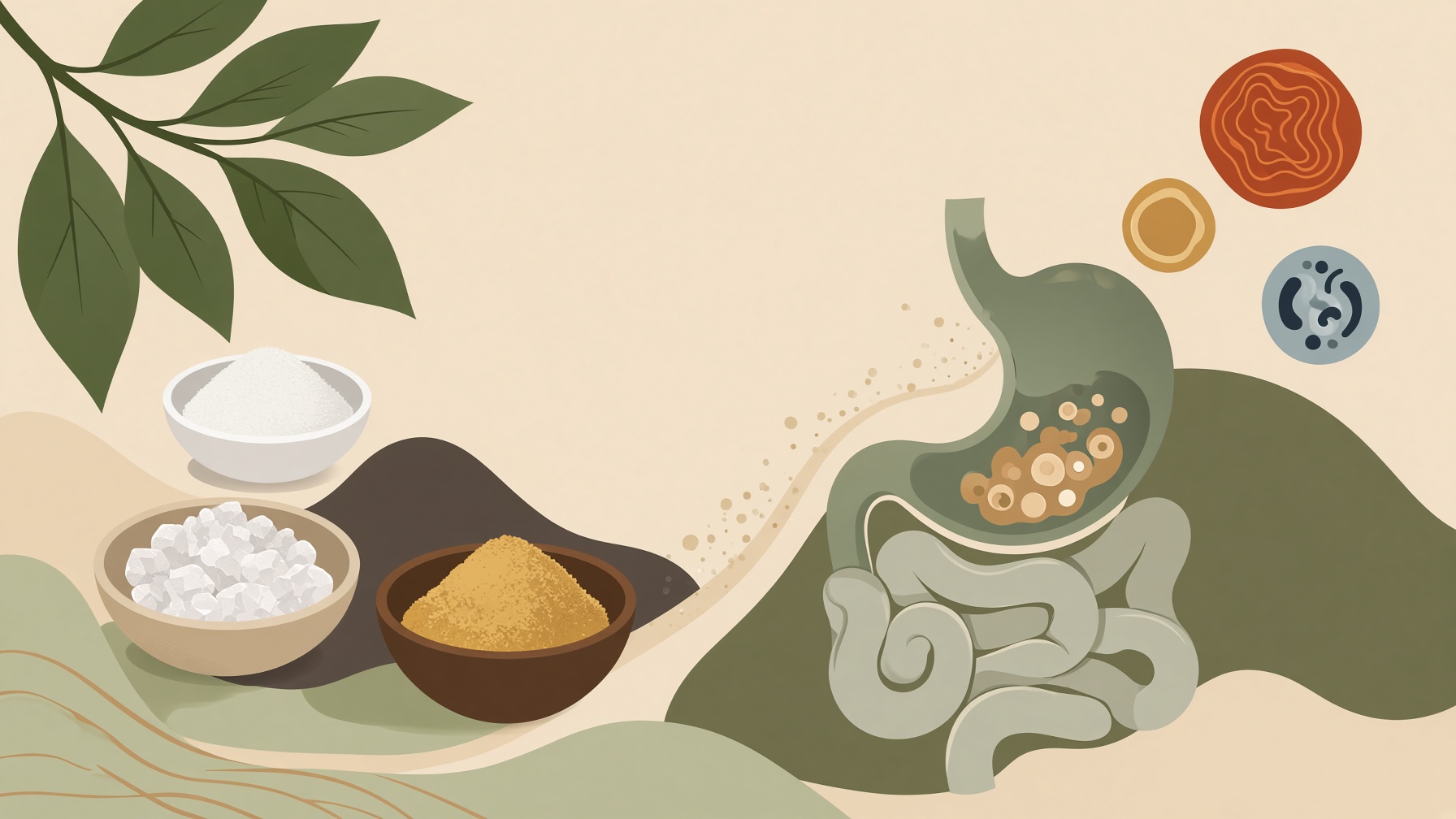
Sugar substitutes share a sweet taste, but individual compounds differ in how the body handles them and in their practical health considerations.

Heart rate can help gauge aerobic exercise intensity, but the meaning of a reading depends on the person and the conditions of the workout.

Older adults may need fewer calories while still needing nutrient-rich foods, making adequate nutrition within a smaller intake more challenging.
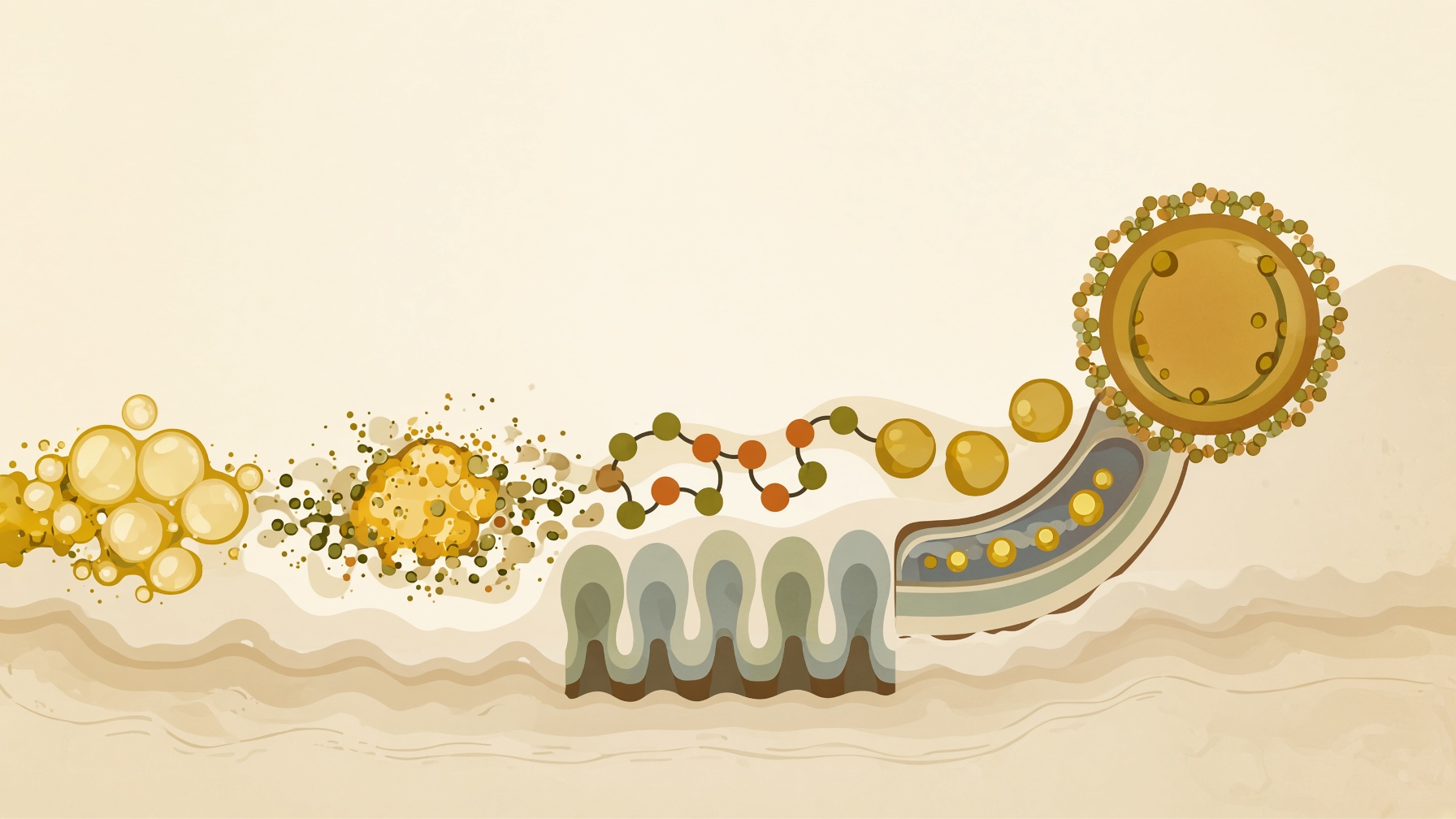
Dietary fat digestion combines physical dispersal by bile salts with enzyme breakdown, producing lipid components that intestinal cells can absorb.

Low-carbohydrate diets can increase fat burning, but losing stored body fat still requires an energy deficit sustained over time.
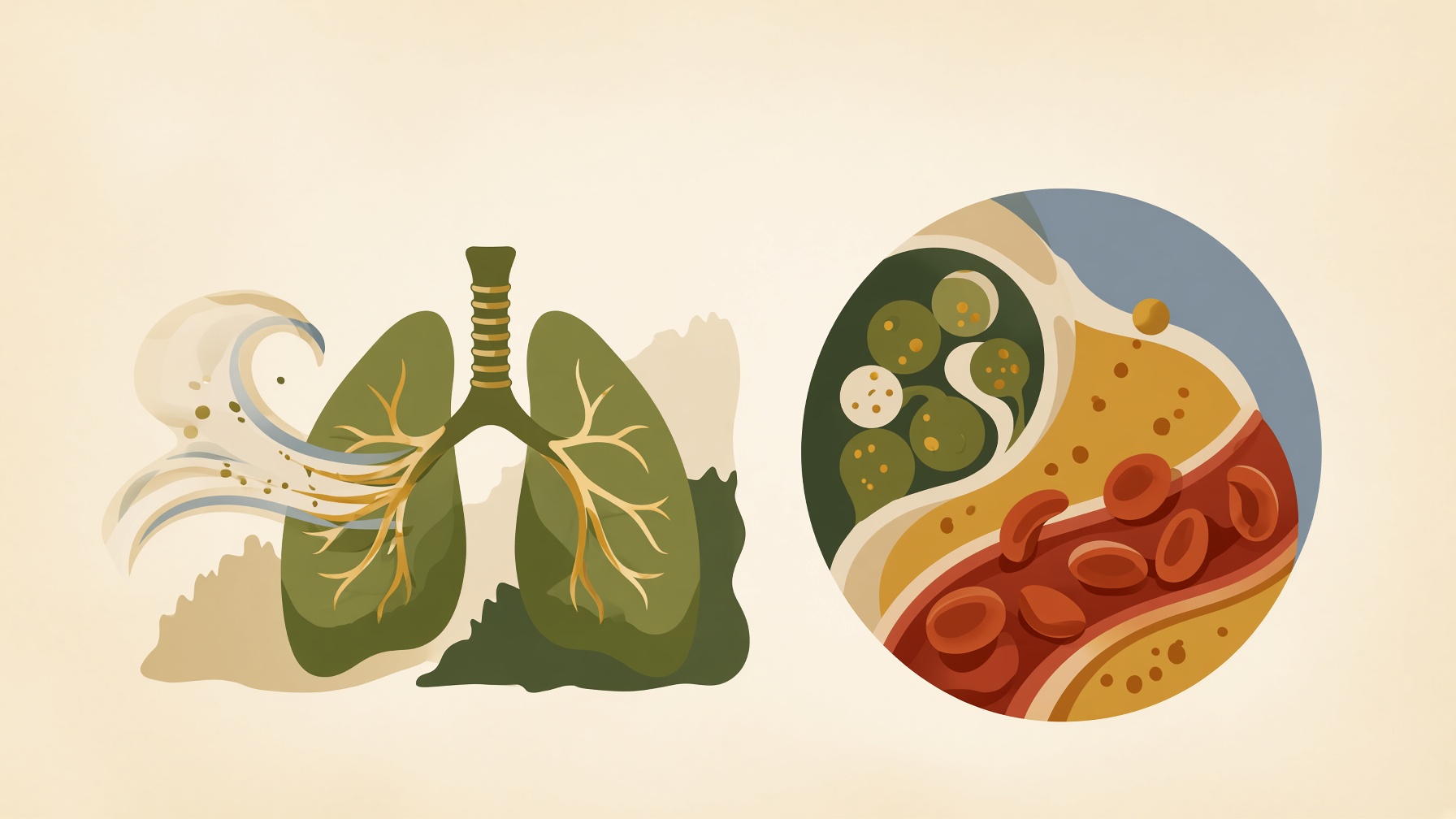
Heavy breathing during exercise can match normal metabolic demand, while hyperventilation exceeds the ventilation needed to remove carbon dioxide.

Macronutrients provide different metabolic options after digestion, so carbohydrate, protein, and fat do not serve interchangeable roles in the body.
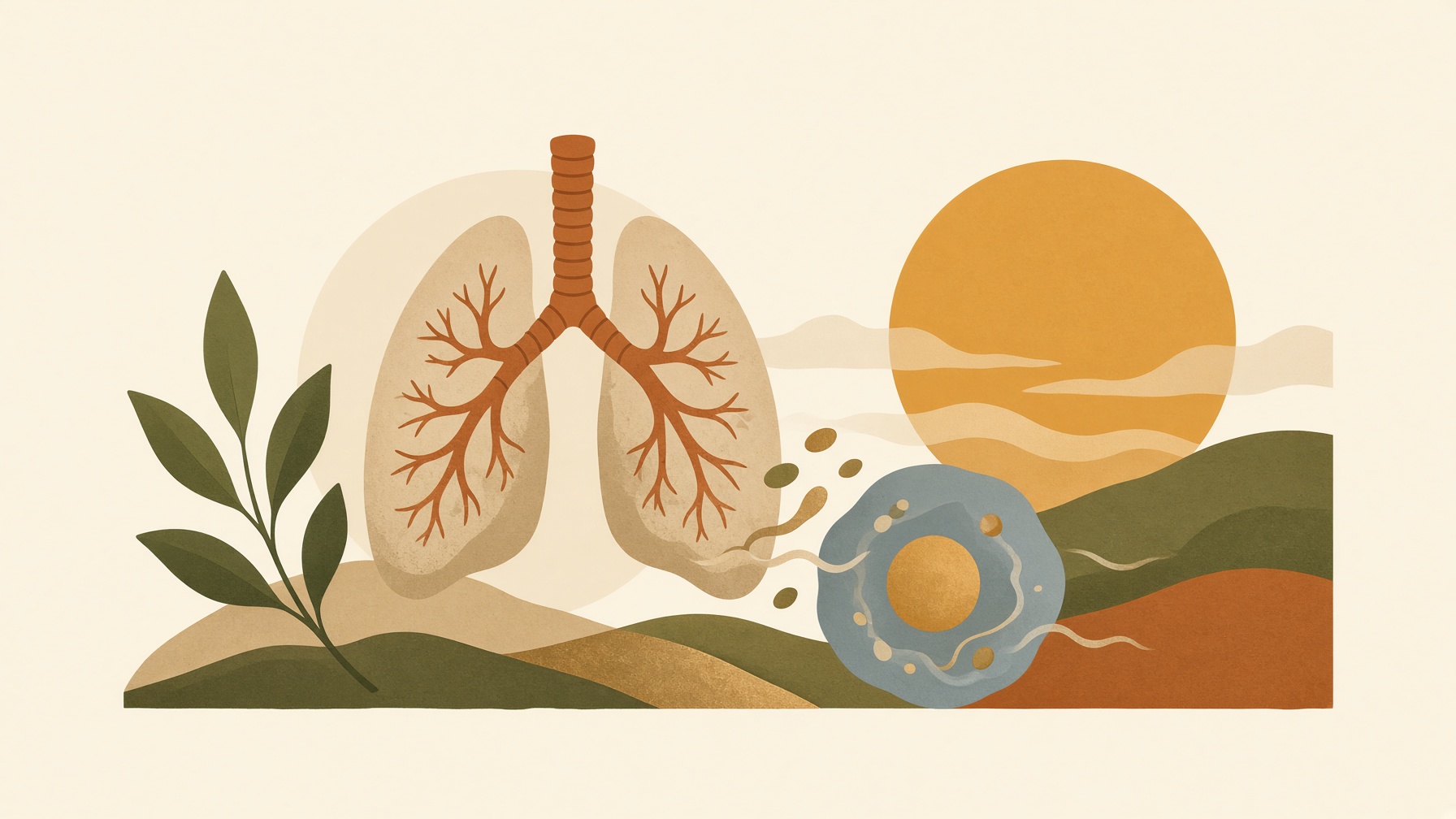
Training specificity links exercise demands to the abilities a person wants to improve, with transfer depending on more than visual similarity.

Supplements can help meet specific nutrient needs when food alone falls short, while a varied diet remains the foundation for most people.
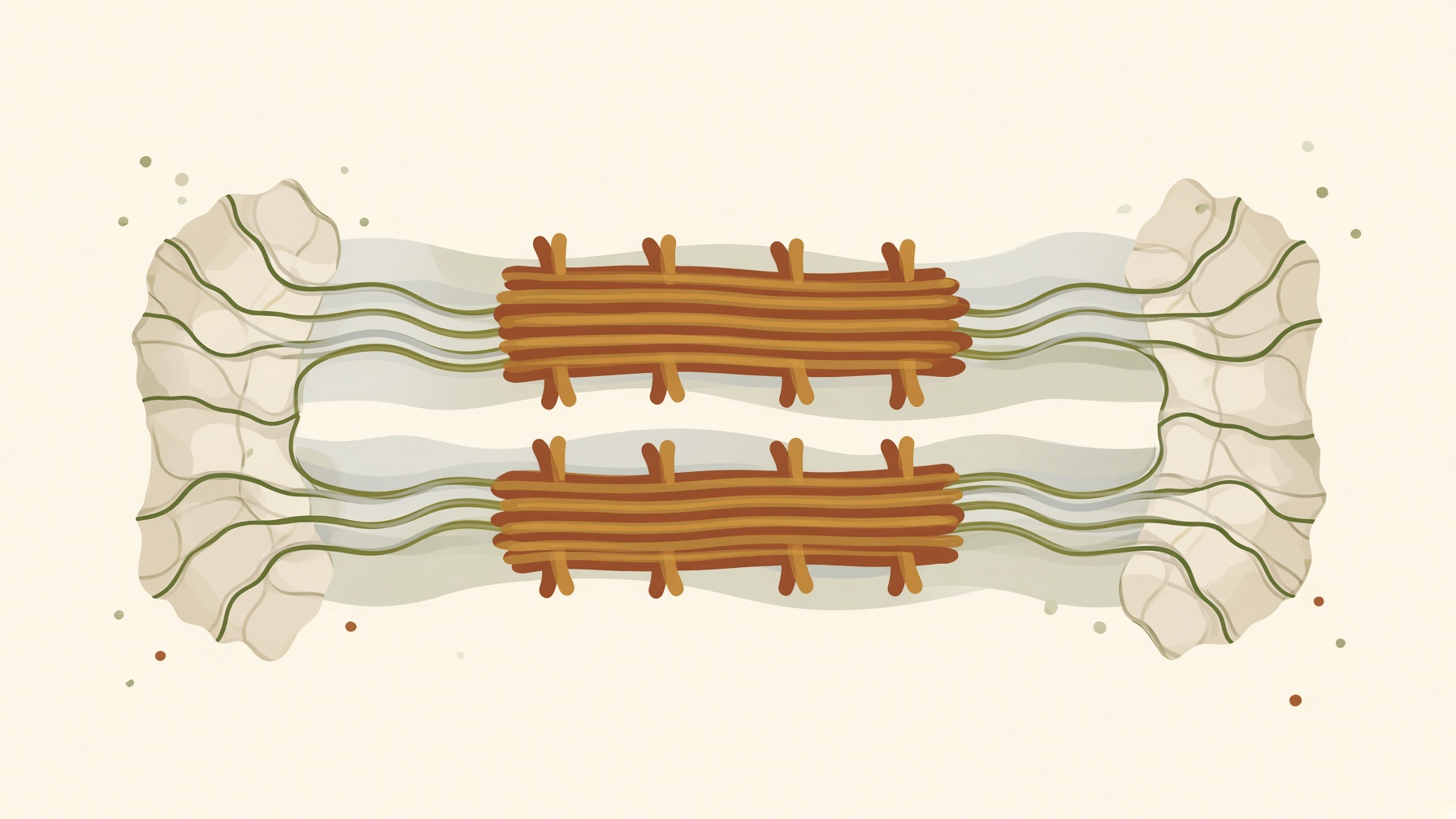
Sarcomeres shorten as thin filaments slide alongside thick filaments, increasing overlap without reducing the length of the filaments themselves.