
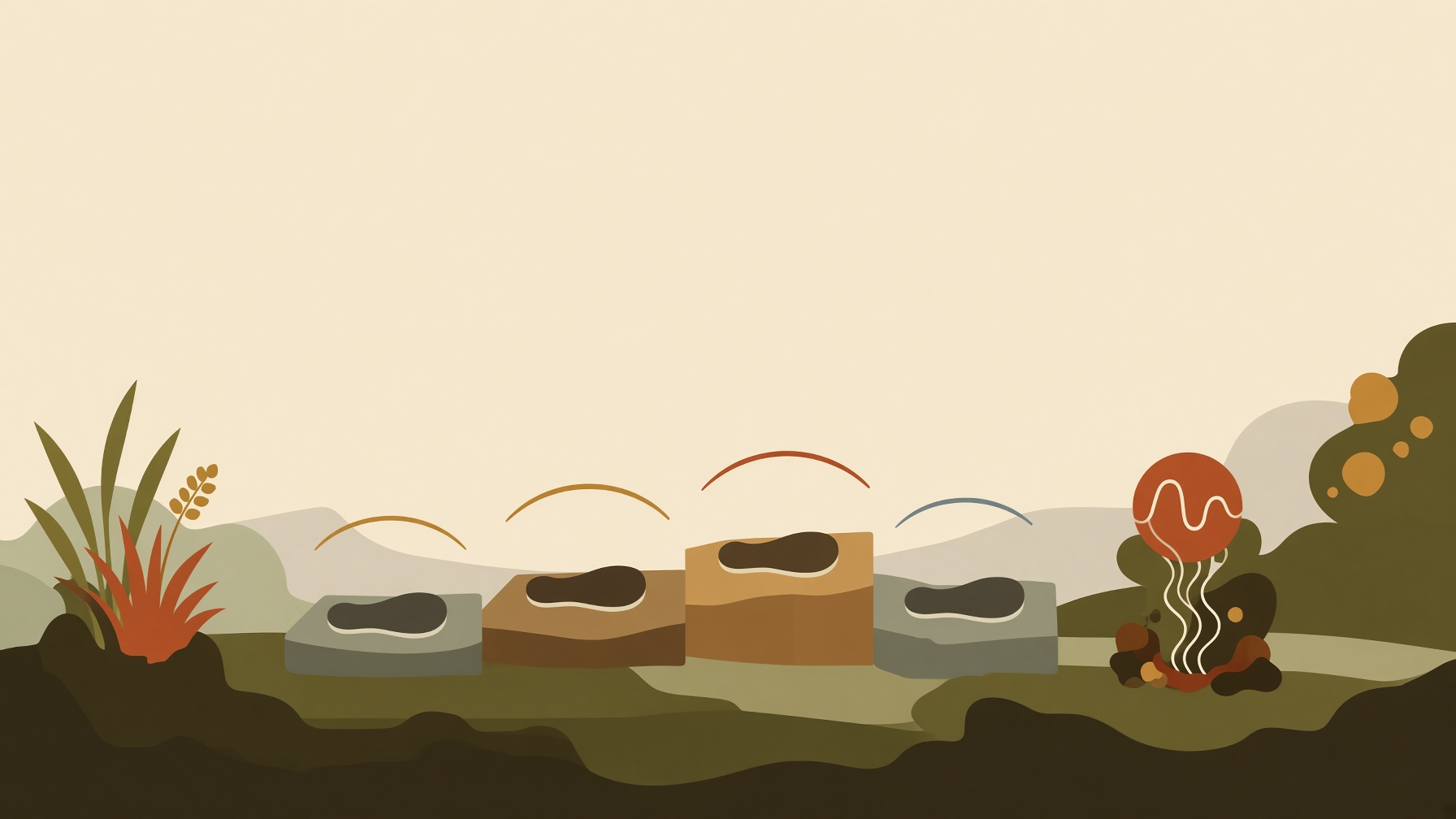
Does Walking on a Bumpy Surface Use More Energy at the Same Pace?
Uneven treadmill surfaces raised walking energy demand at matched speeds in a small study. The findings do not give a personal outdoor calorie estimate.
Article-Types
From this collection
Uneven treadmill surfaces raised walking energy demand at matched speeds in a small study. The findings do not give a personal outdoor calorie estimate.
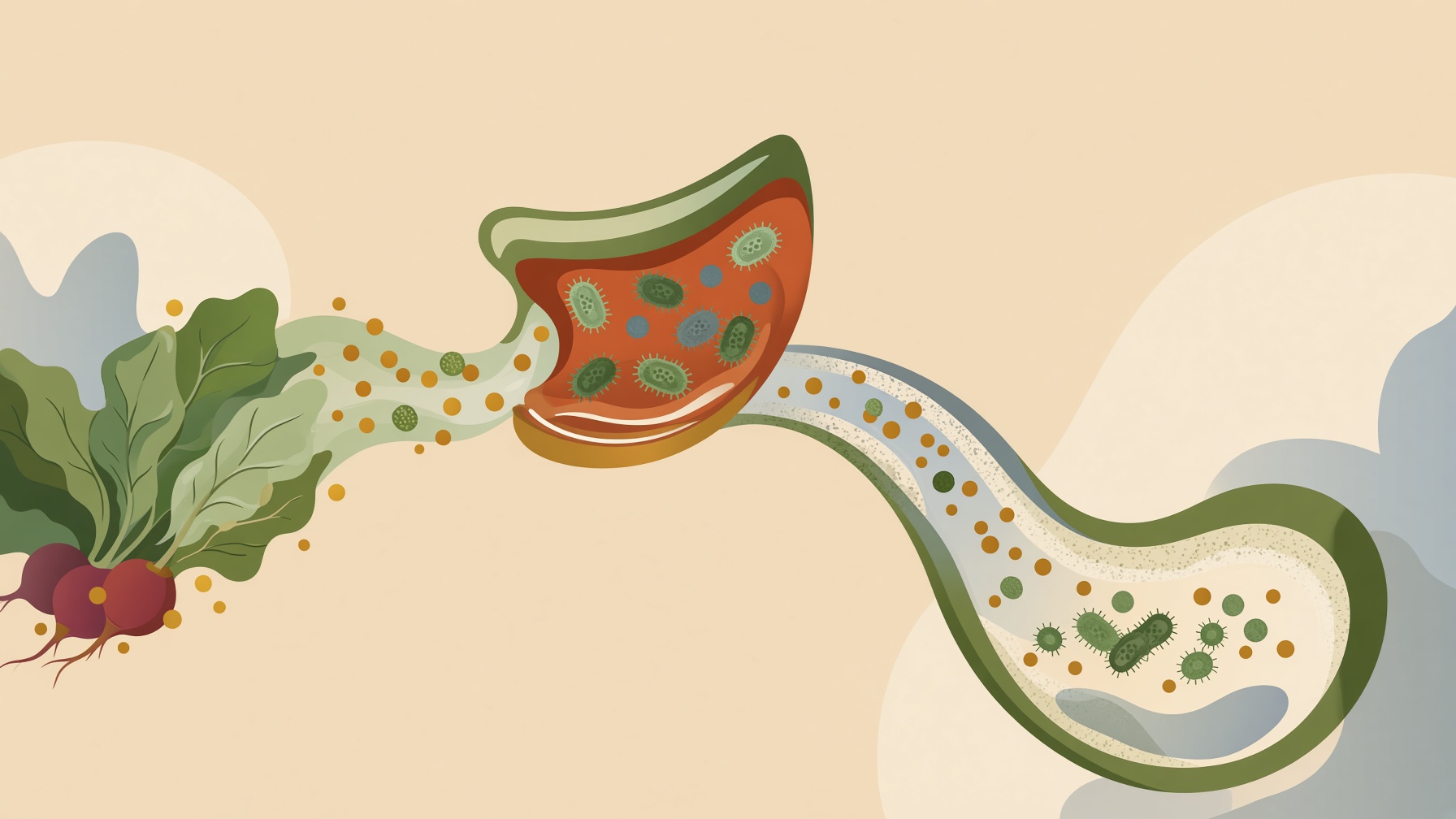
Oral bacteria help convert dietary nitrate into nitrite in saliva, allowing the mouth's role in the process to continue after swallowing.
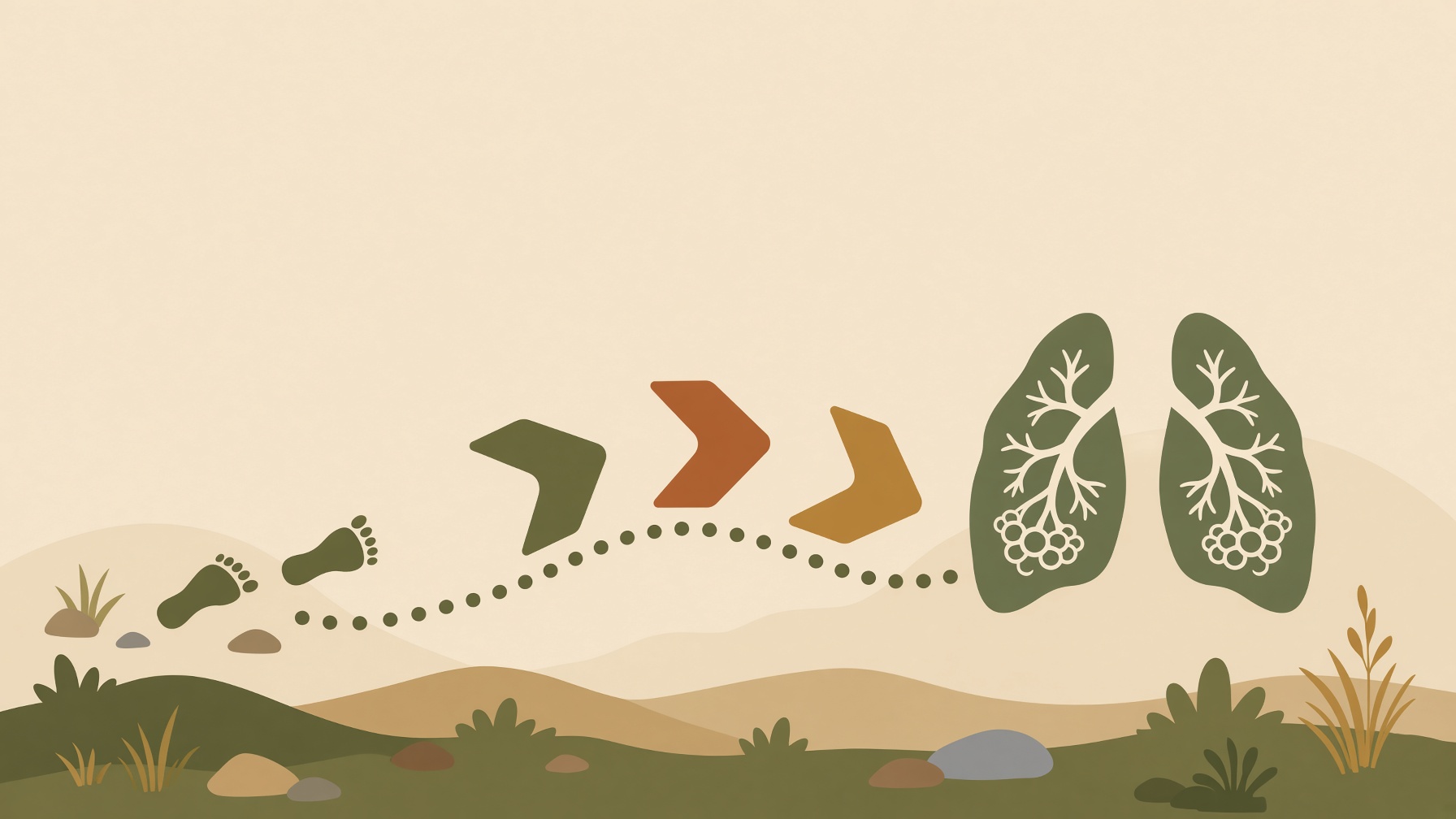
Repeated right-angle turns and reversals raised oxygen demand during faster paced walks in a small study, compared with straight walking at the same pace.
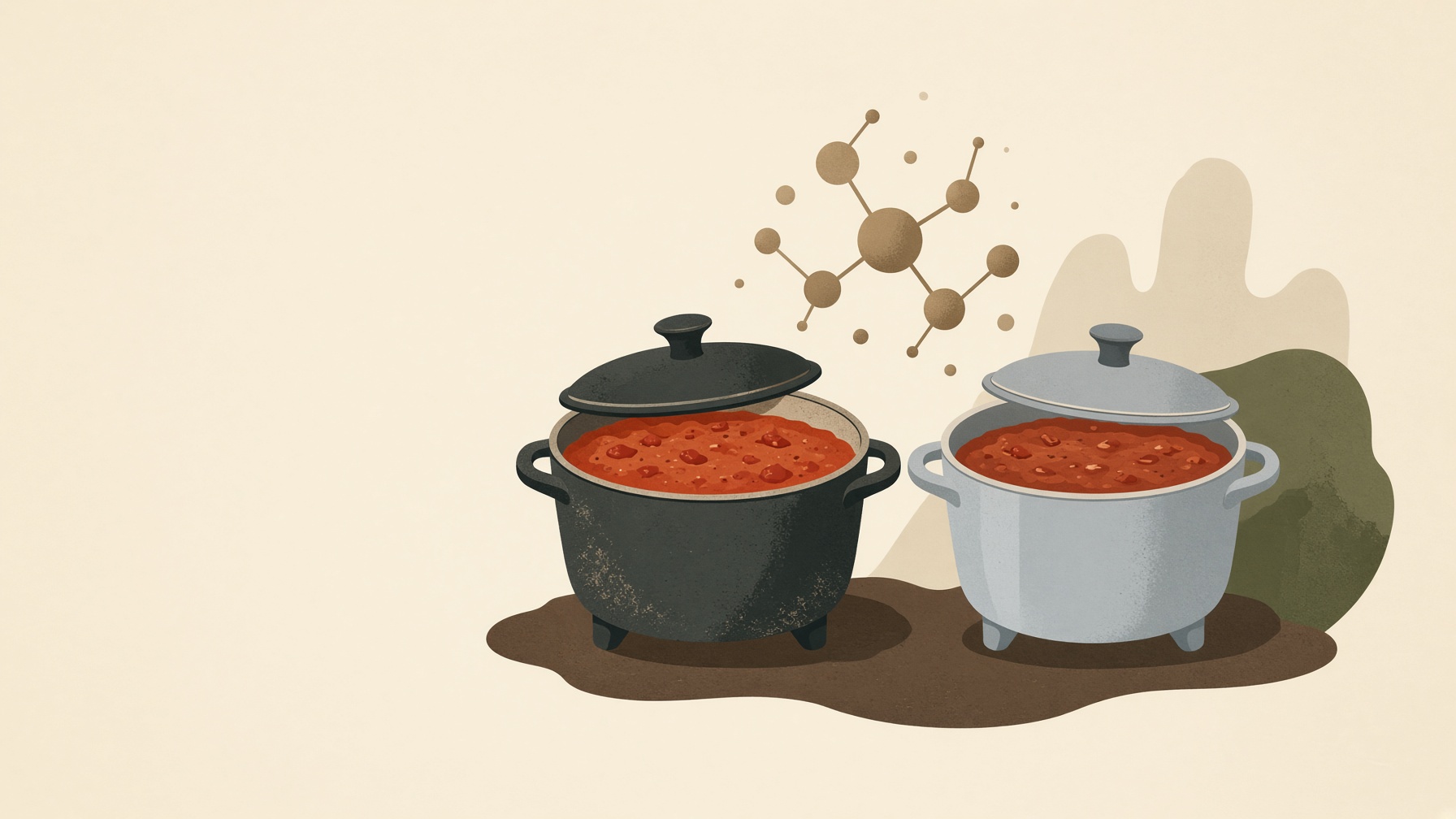
Cast-iron pots yielded tomato sauce with a higher iron concentration than stainless steel in one lab comparison, without proving nutritional benefit.
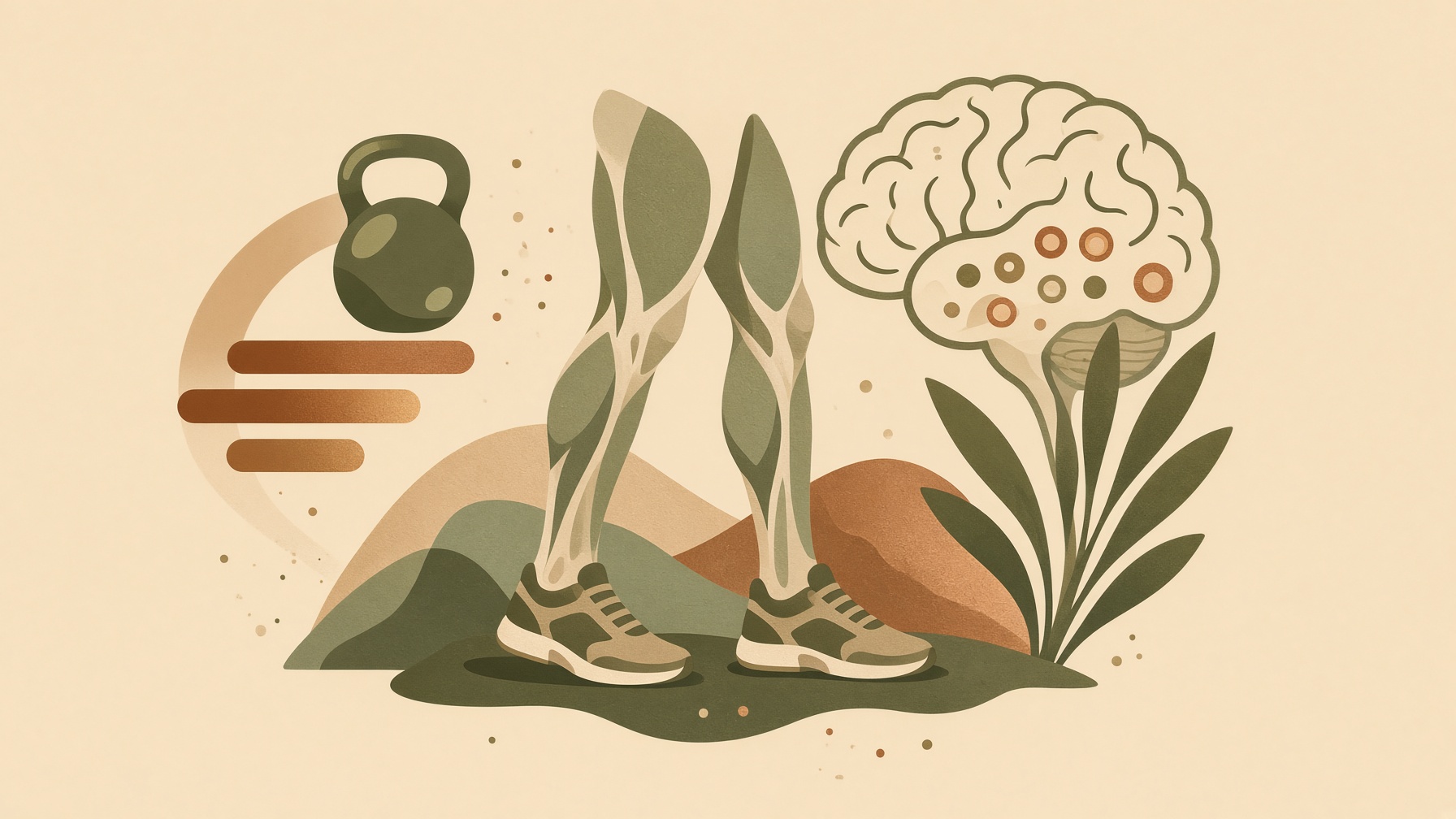
Leg power predicted later cognitive change in one study, but training benefits do not establish that stronger legs cause better thinking.
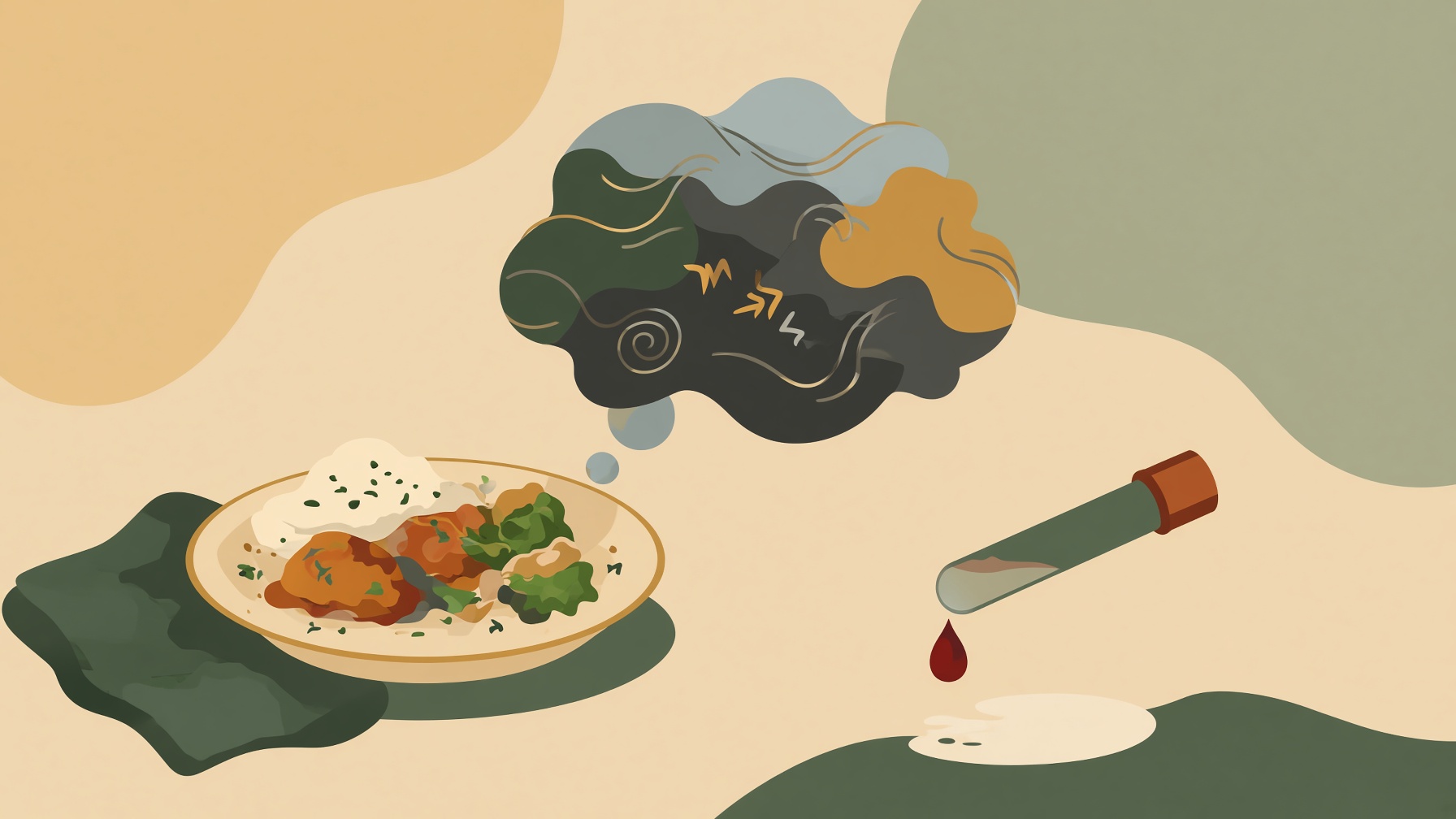
Stress after a fixed meal led to higher measured blood sugar changes than rest in a small experiment, without predicting everyday responses.
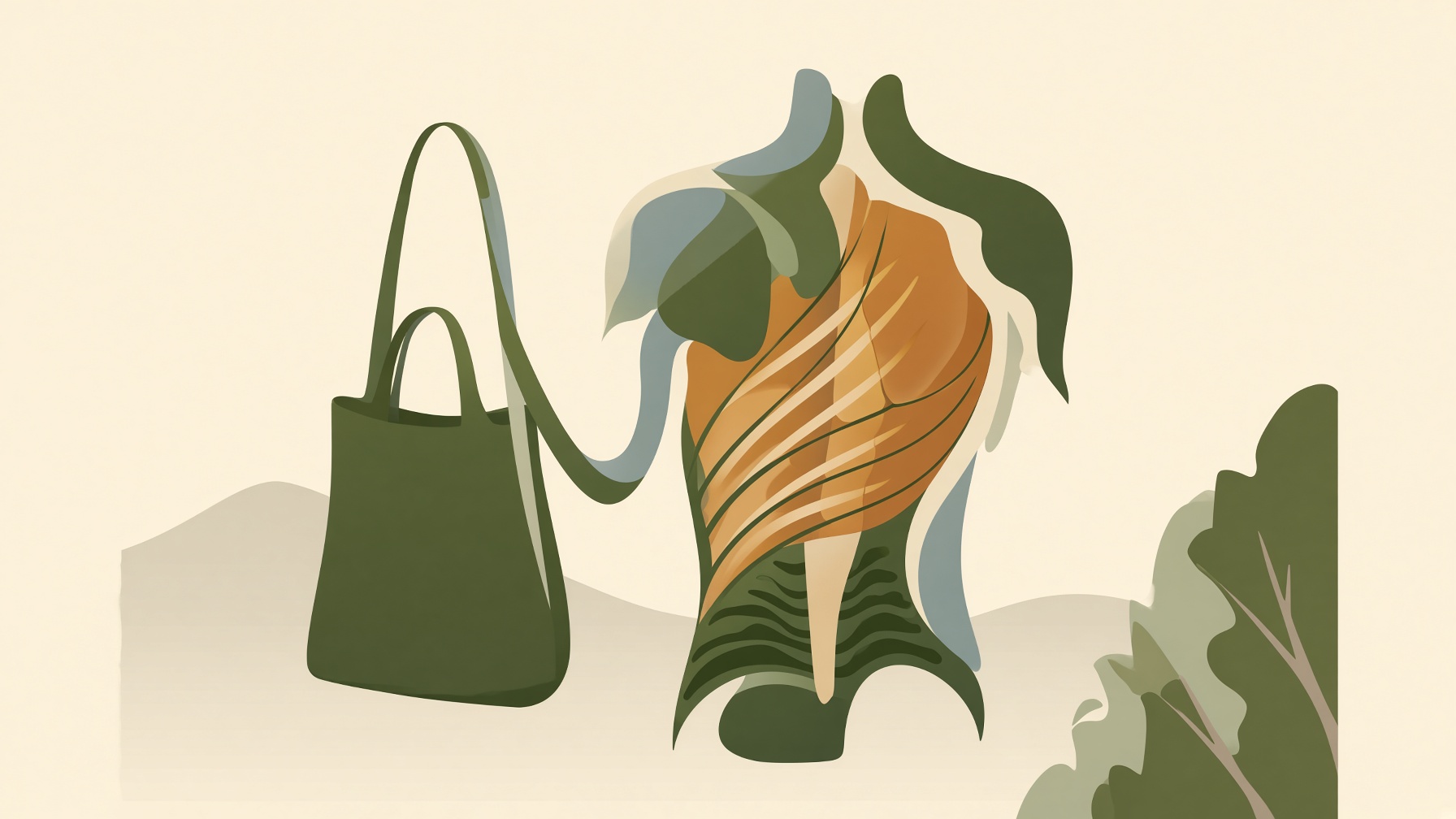
Carrying a bag in one hand can engage opposite-side back muscles, whose electrical activity is consistent with helping counter the load's turning demand.
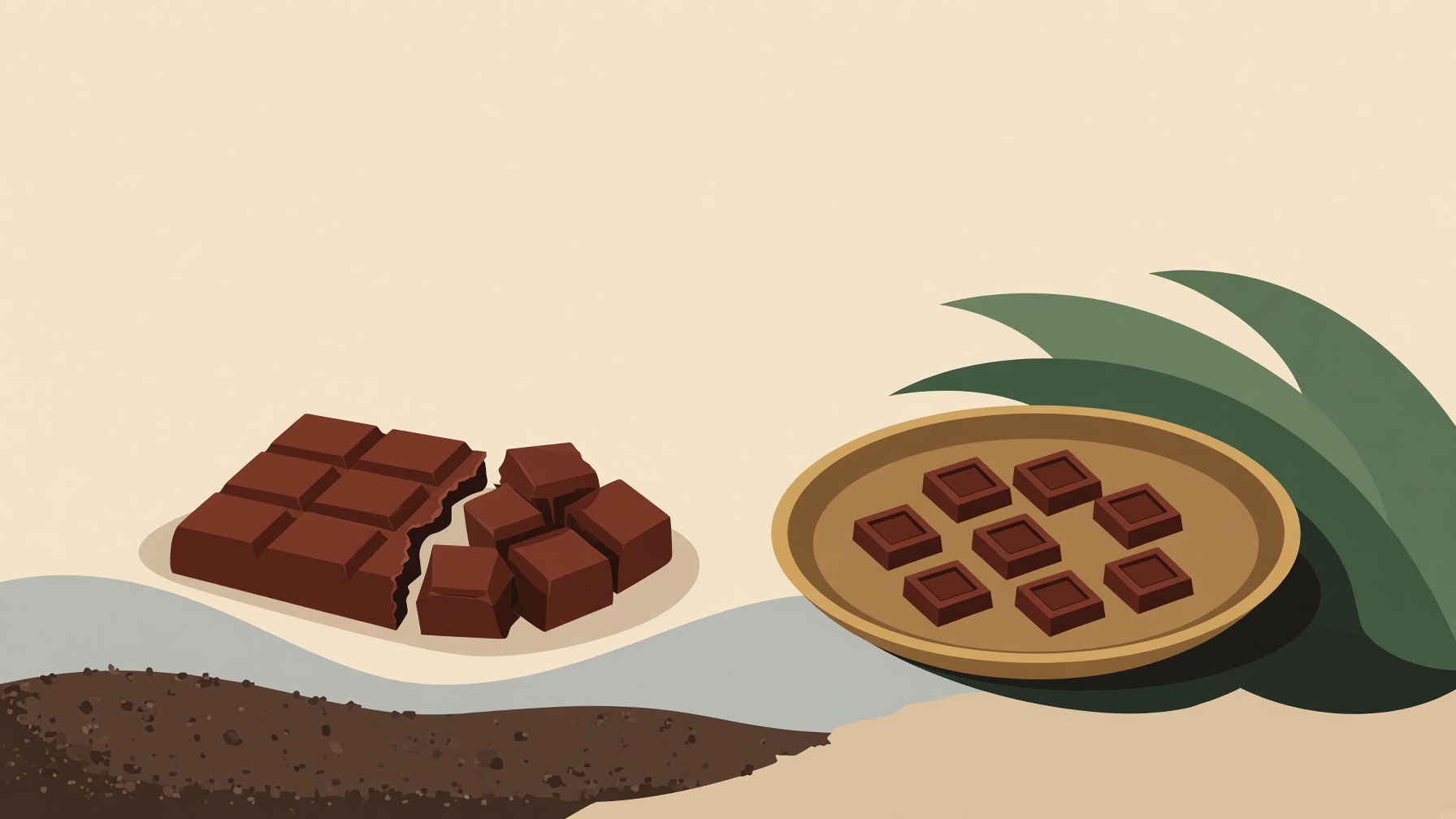
Students ate less on average when offered smaller chocolate bars in one taste test, but it did not test the same chocolate cut into smaller pieces.
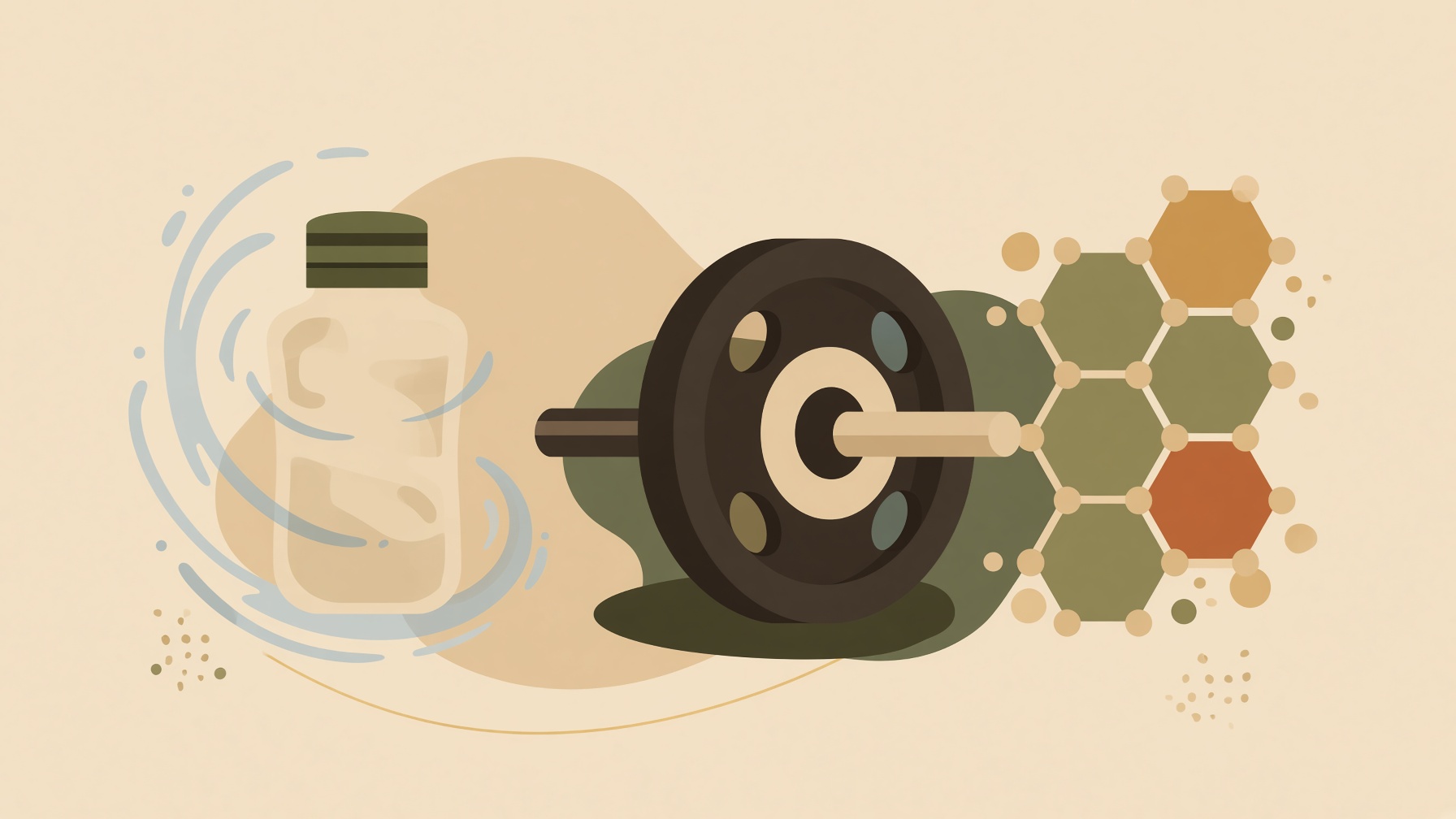
A carbohydrate mouth rinse may influence lifting performance, but the evidence does not establish whether oral sensing explains the change.
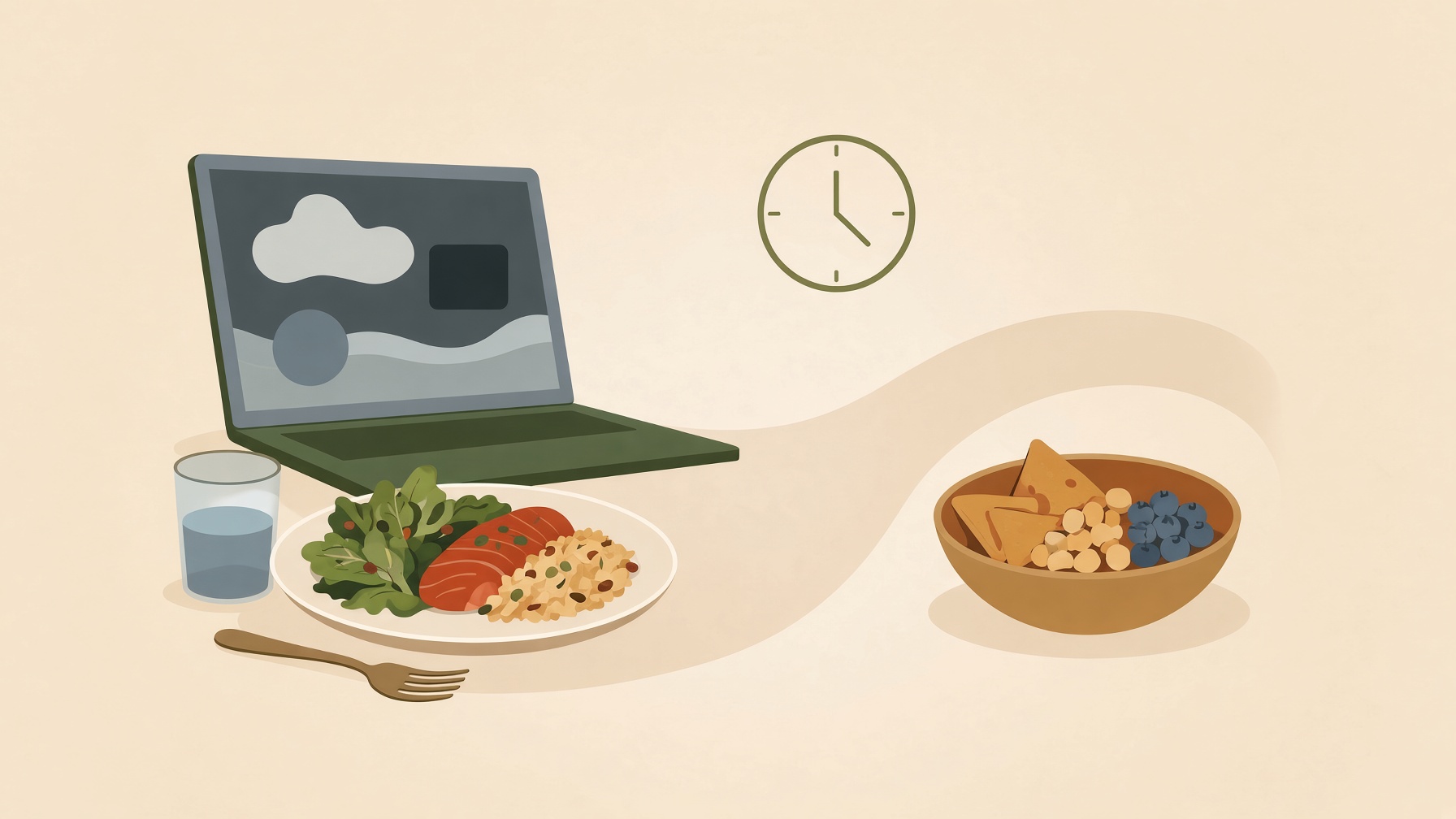
Distraction during a fixed meal can increase food intake at a later eating occasion in laboratory tests, but the size of the effect remains uncertain.
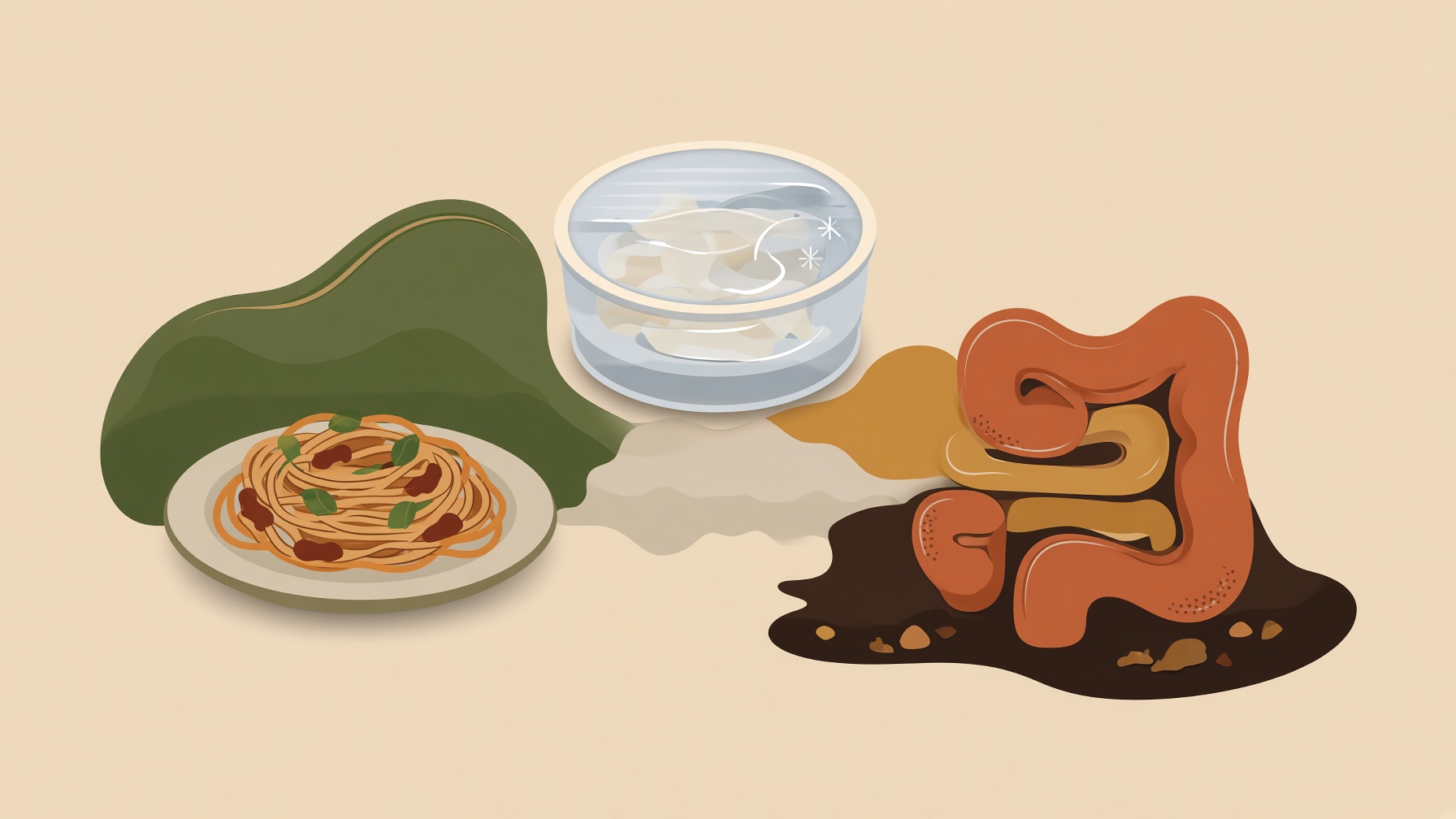
Cooling and reheating pasta can change the blood-glucose response to a meal, but small trials do not establish a reliable reduction.
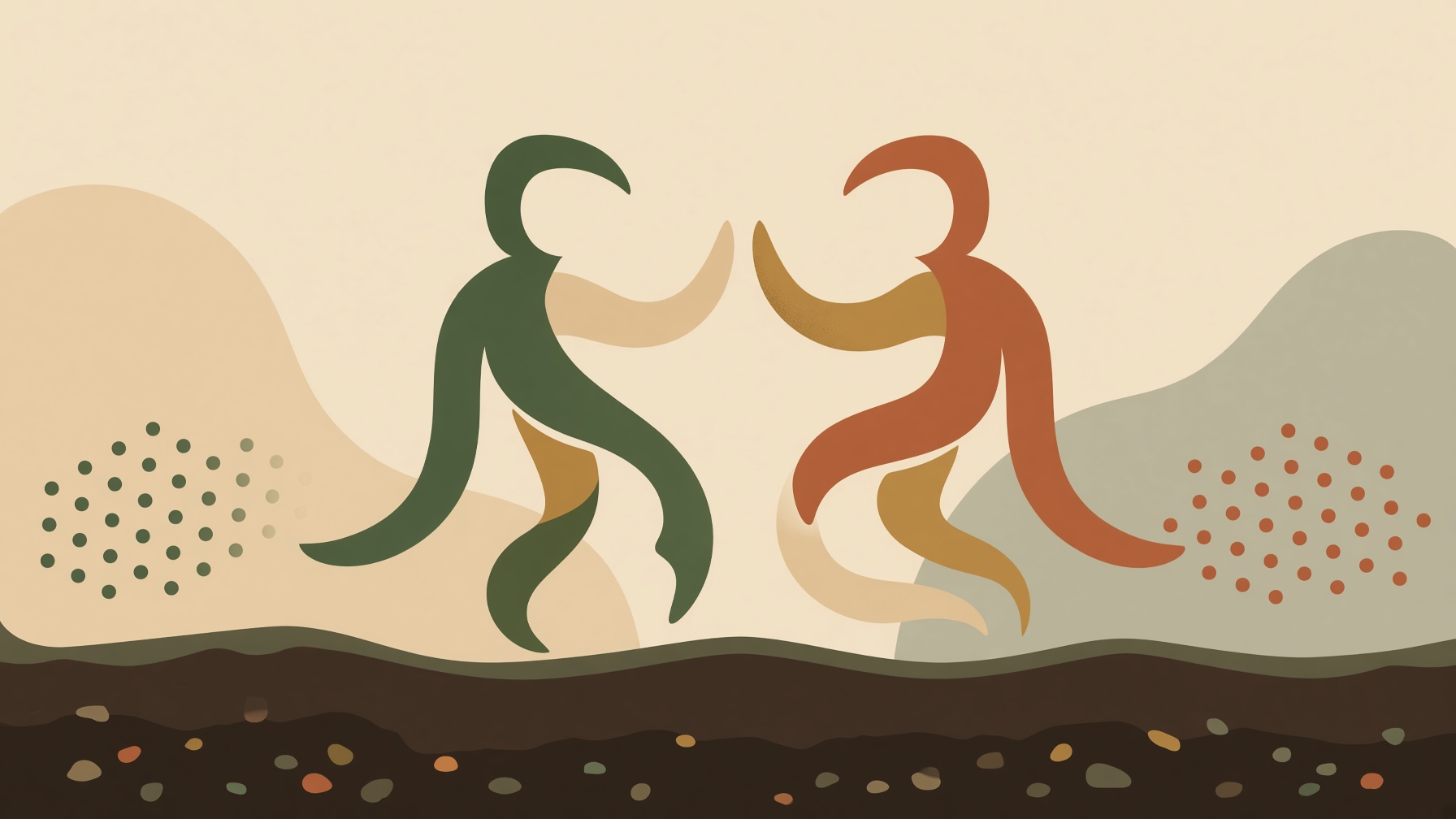
Matching dance movements led strangers to report greater closeness than doing the same moves in different sequences during one short group session.