
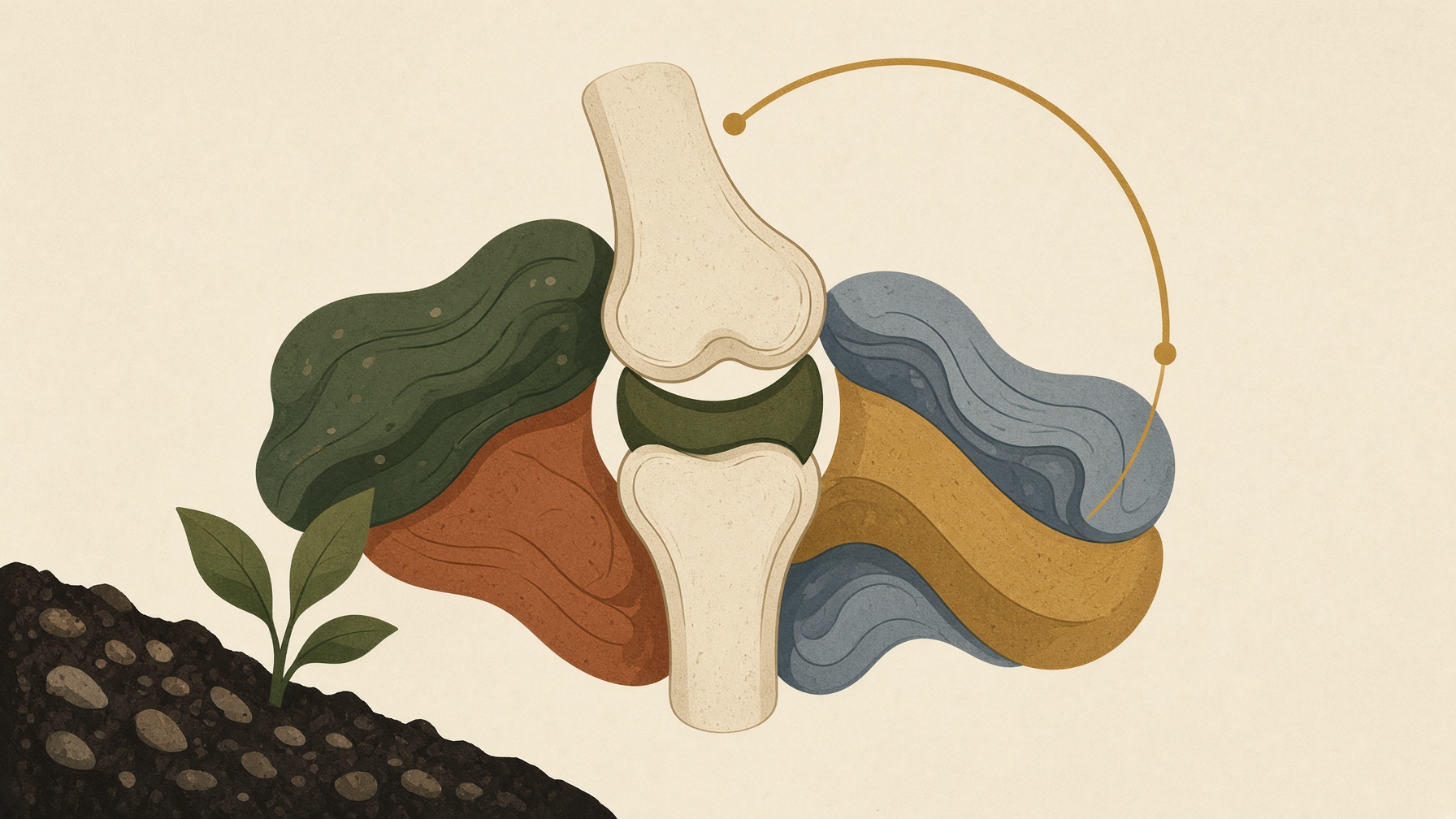
What Can Limit Your Flexibility?
Flexibility reflects joint structure and surrounding tissues as well as stretch tolerance, so similar limits in movement can have different causes.
Newest first
The newest work from the Alpekin Journal, in publication order.
Flexibility reflects joint structure and surrounding tissues as well as stretch tolerance, so similar limits in movement can have different causes.
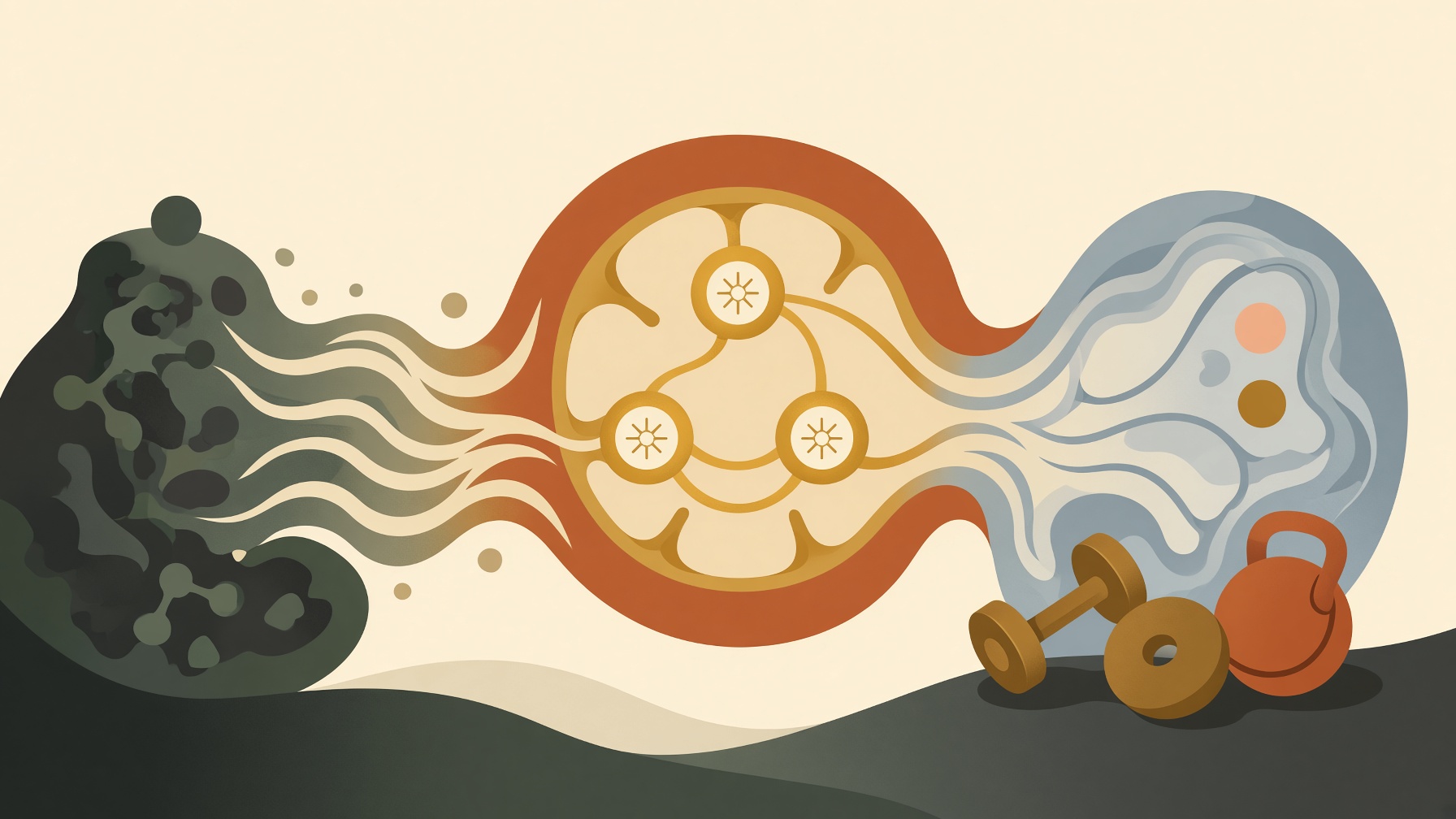
Exercise energy systems work together to replenish ATP, with intensity and duration shifting each pathway’s share rather than switching systems on.
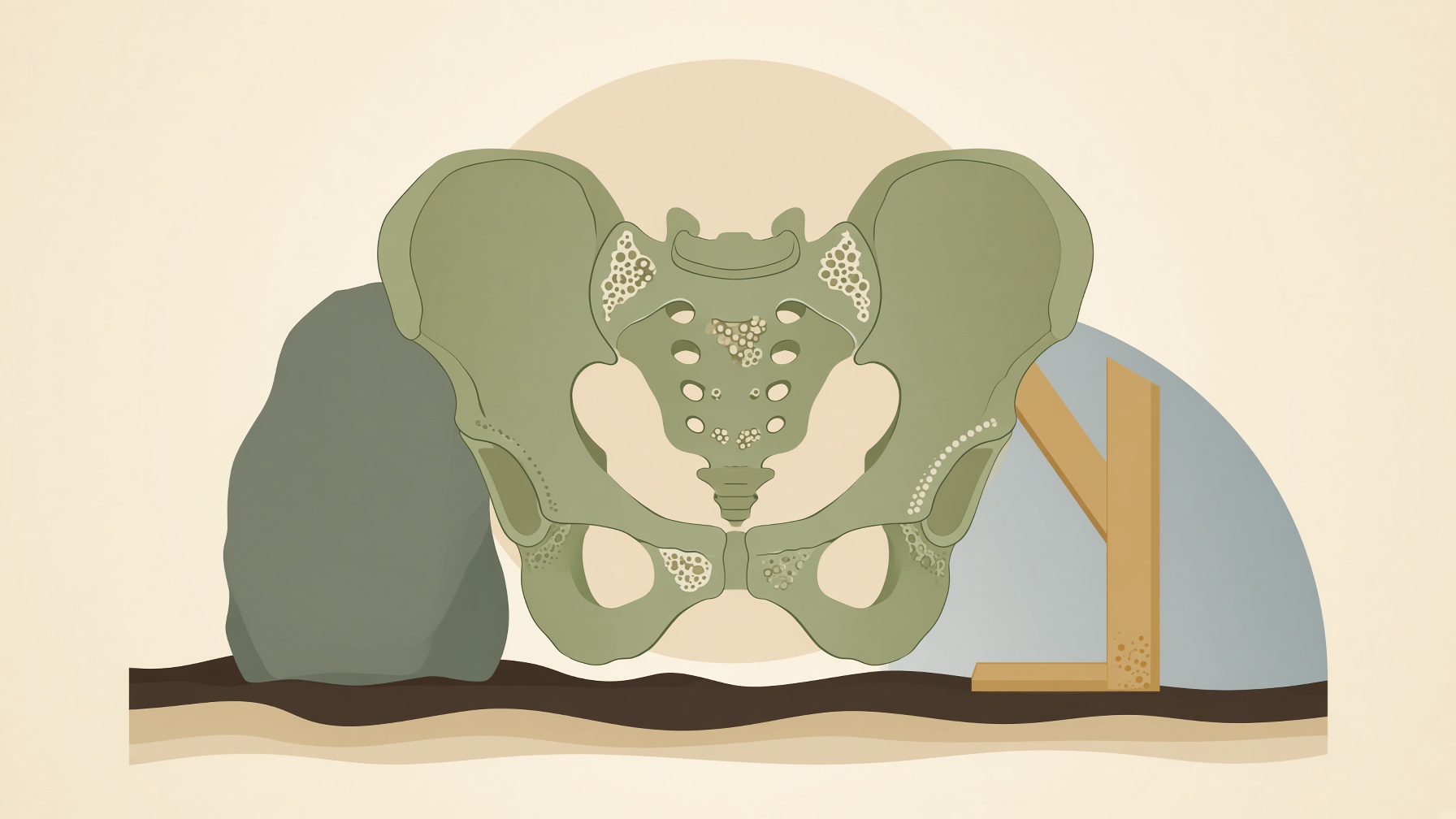
The pelvis limits movement through strong bony connections, providing a stable base that transfers upper-body weight toward the lower limbs.
Nutrition headlines gain meaning when readers weigh a study’s methods and limits alongside the wider evidence behind the claim.
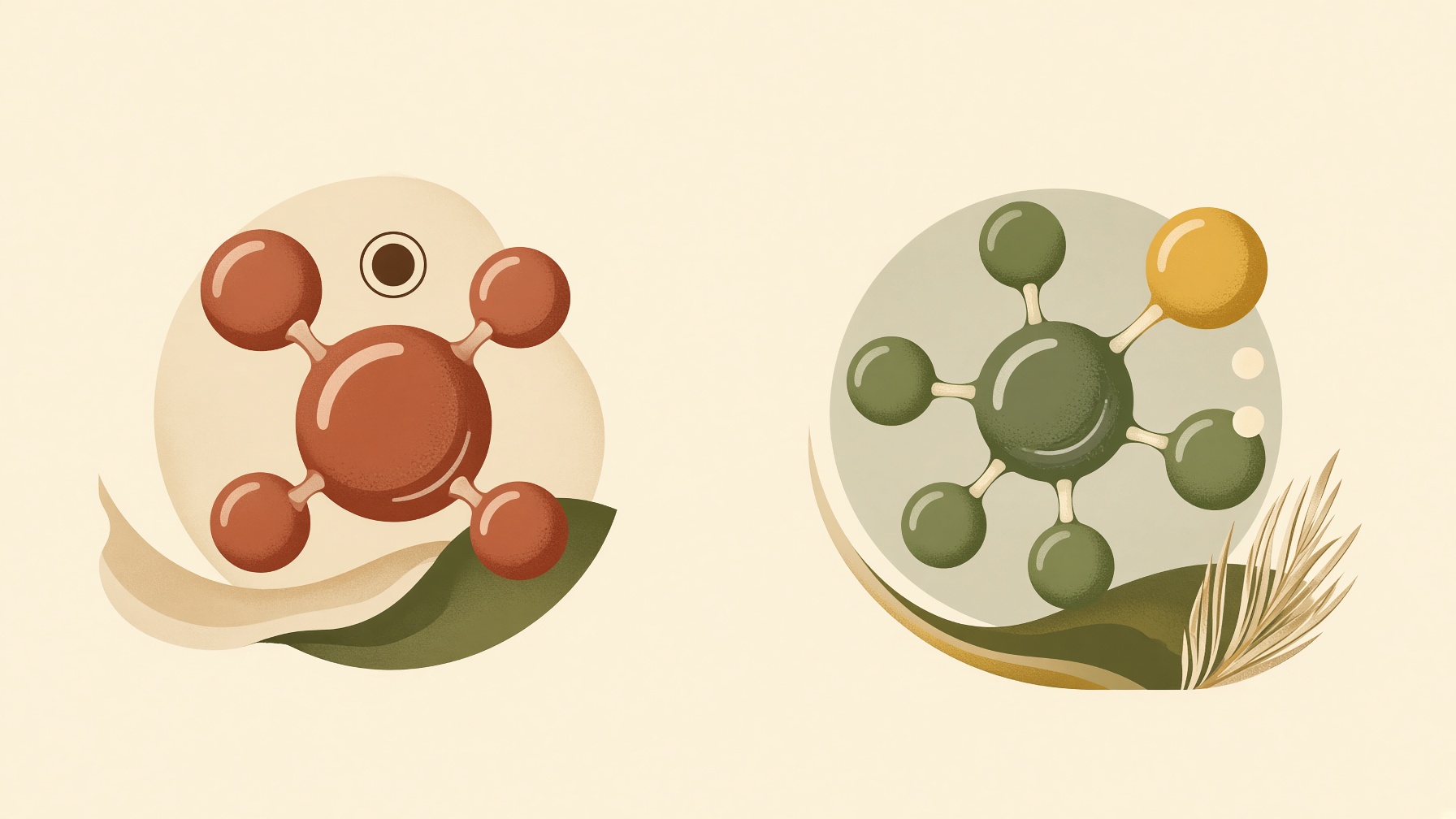
Redox reactions pair electron loss with electron gain, allowing metabolic pathways to transfer reducing power between molecules inside cells.
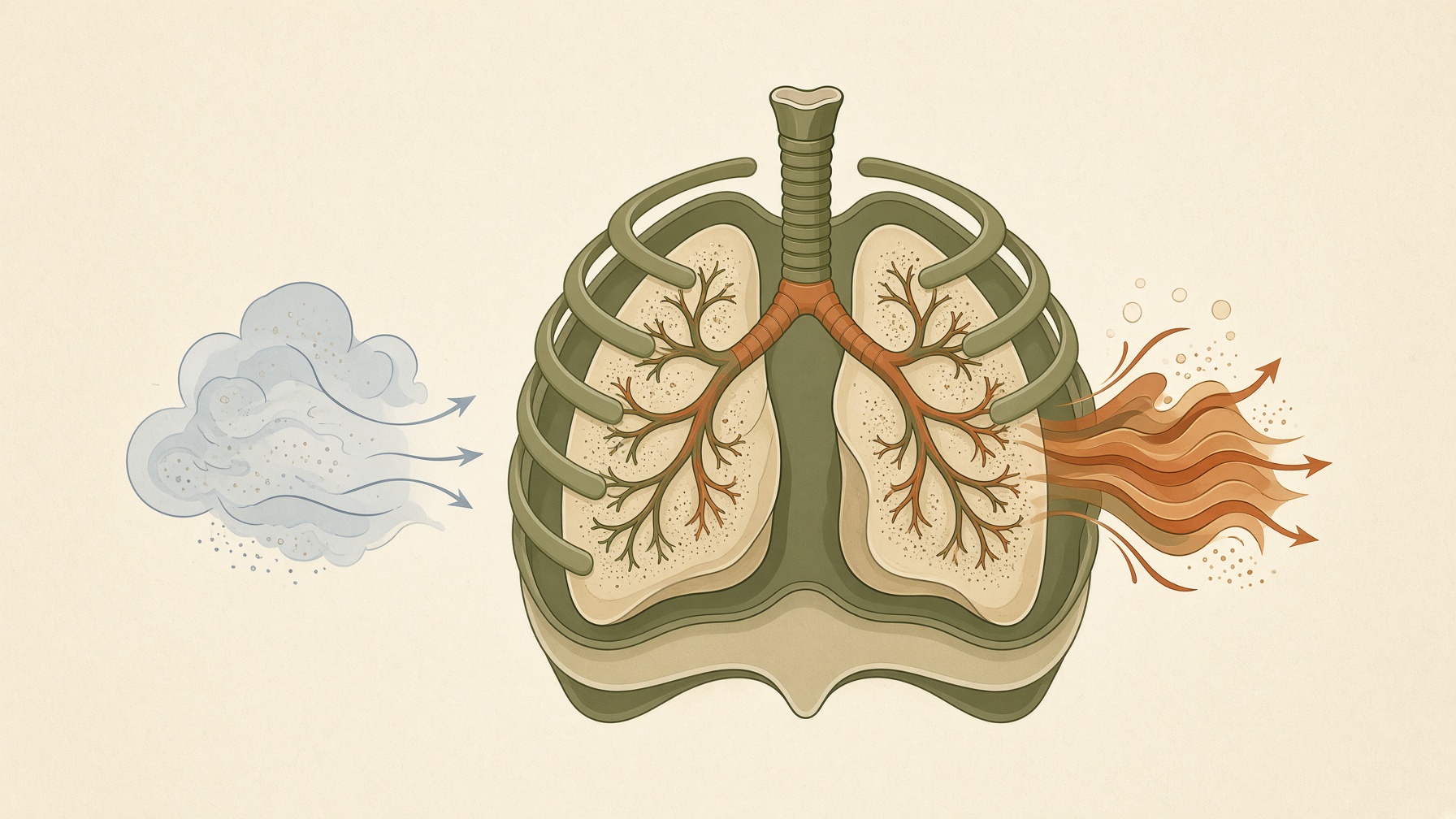
Breathing moves air through pressure differences created as the lungs expand and recoil, with airflow traveling from higher to lower pressure.
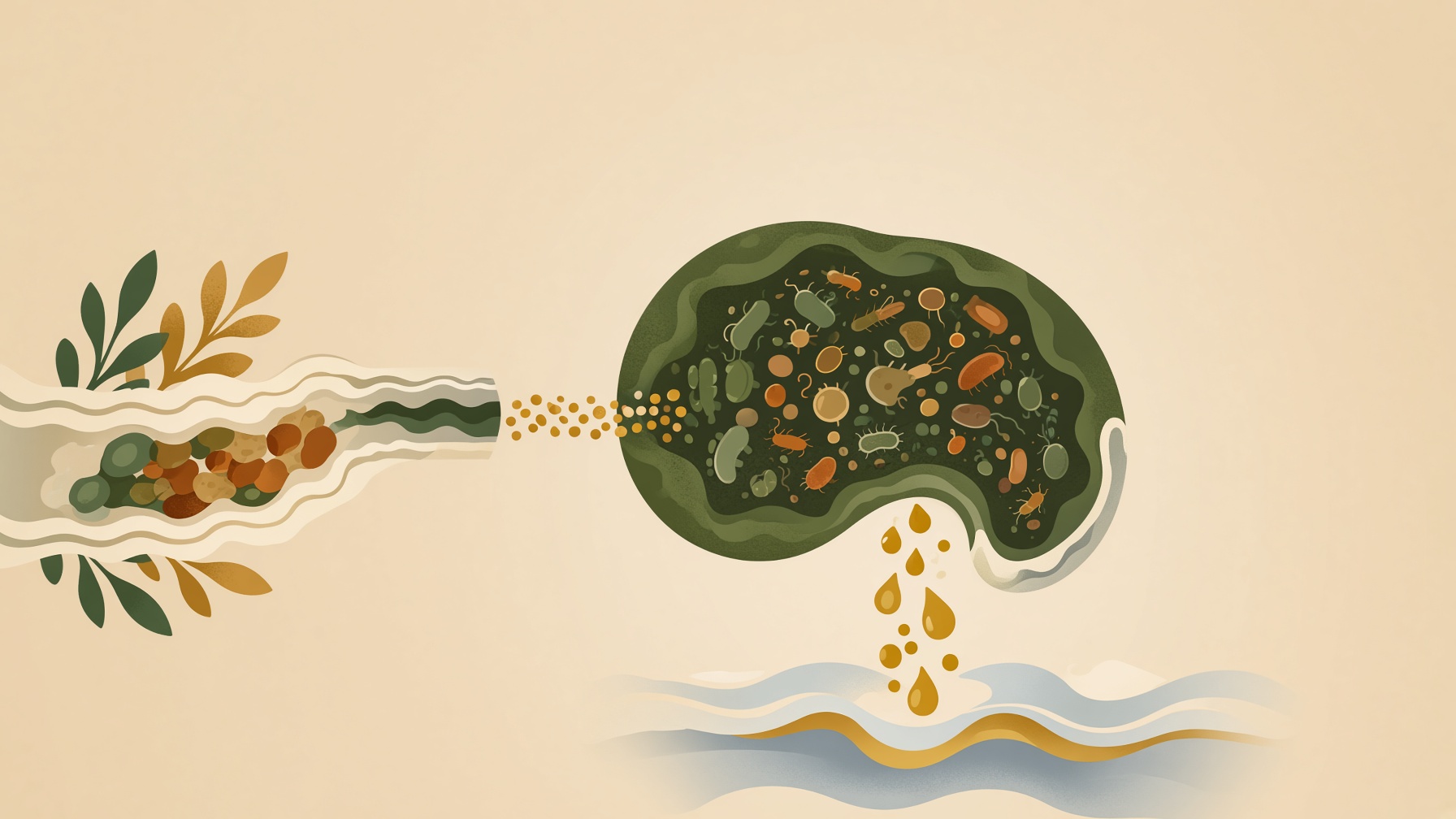
Colon microbes ferment some dietary fiber into short-chain fatty acids that the body can absorb, recovering energy human enzymes cannot release.
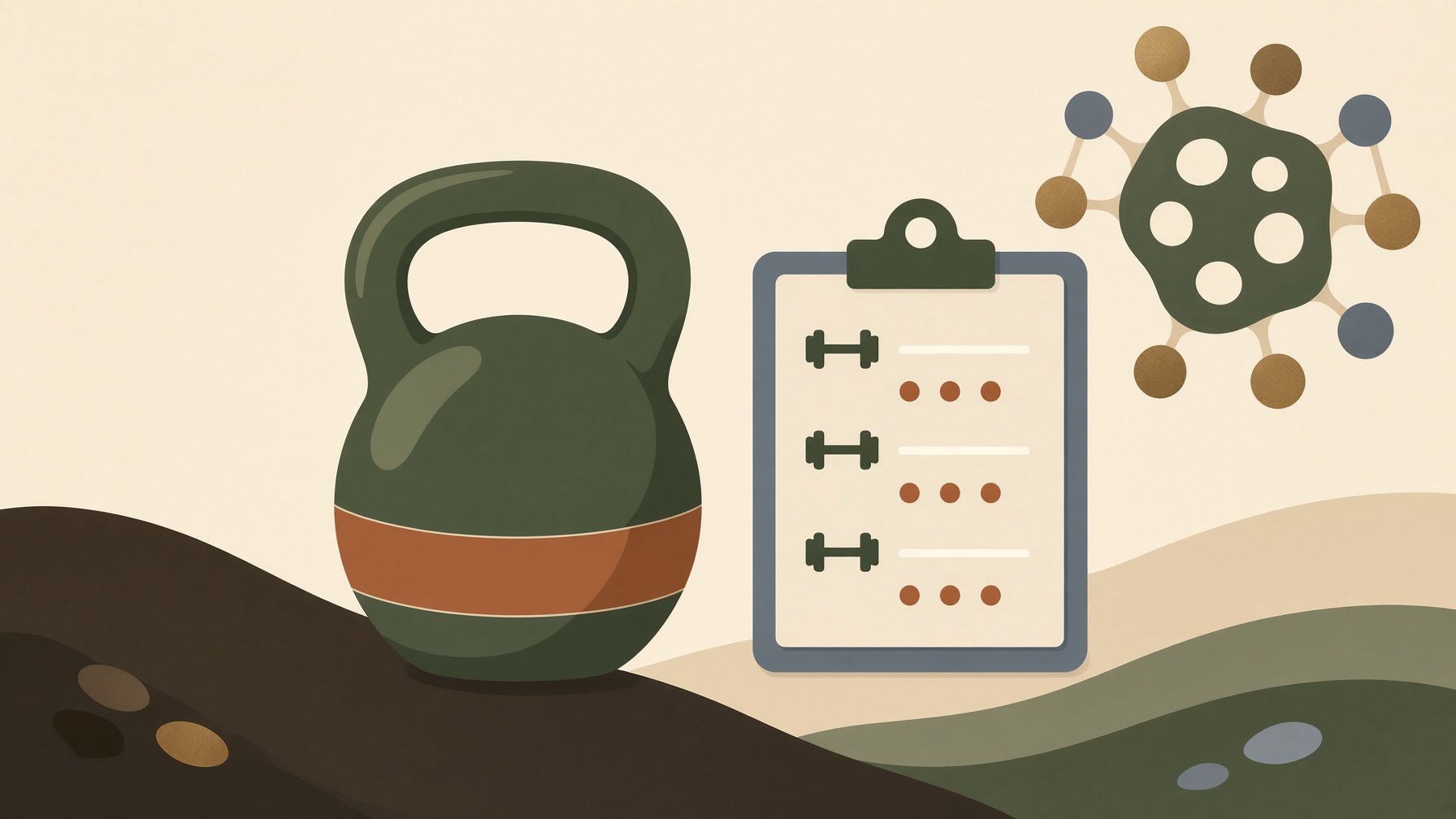
A simple resistance-training program builds a repeatable routine around major muscle groups, with demands that can change as performance improves.
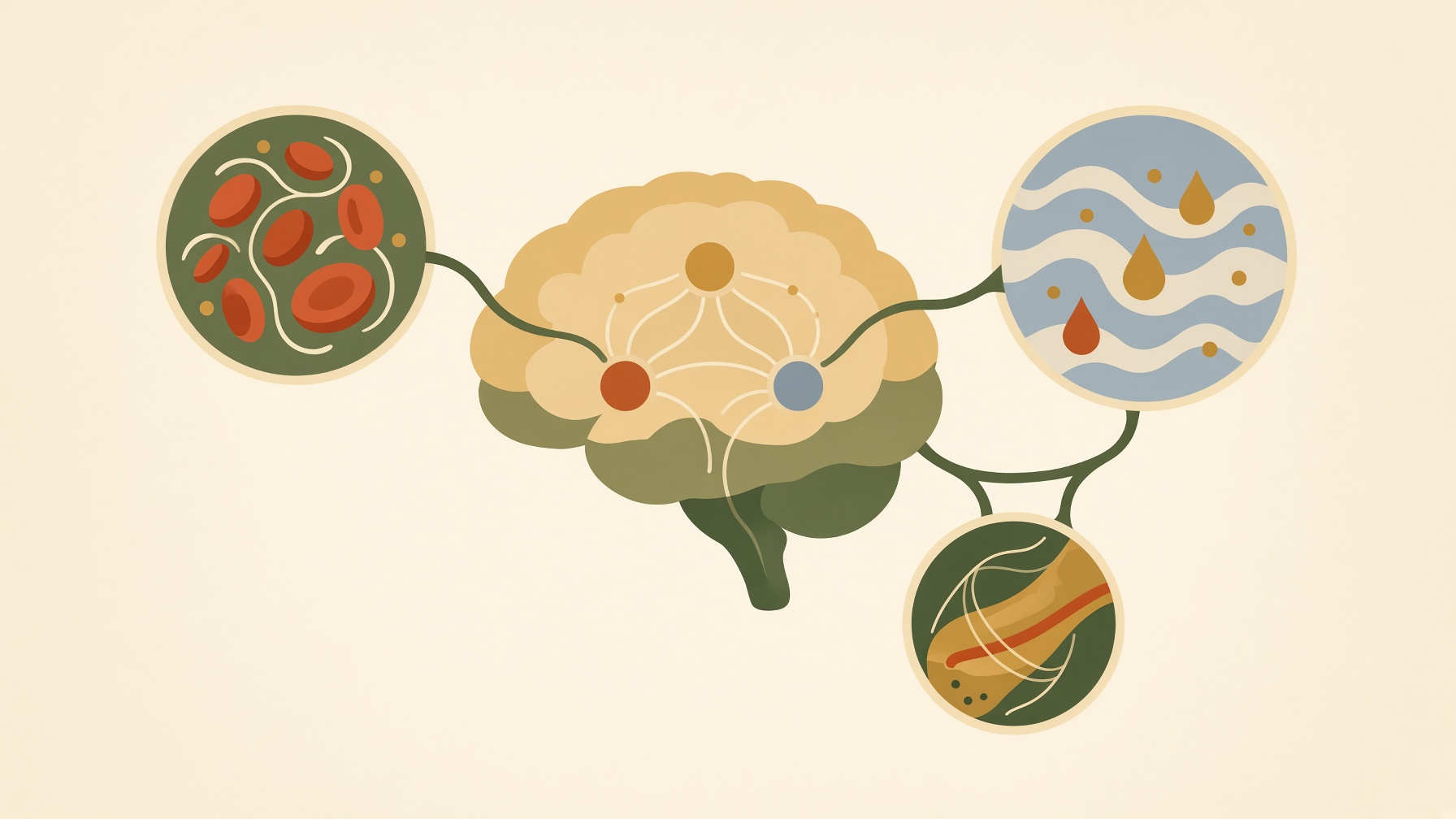
Thirst responds to changes in body-fluid balance, but signals from drinking can reduce the urge before water fully corrects the imbalance.
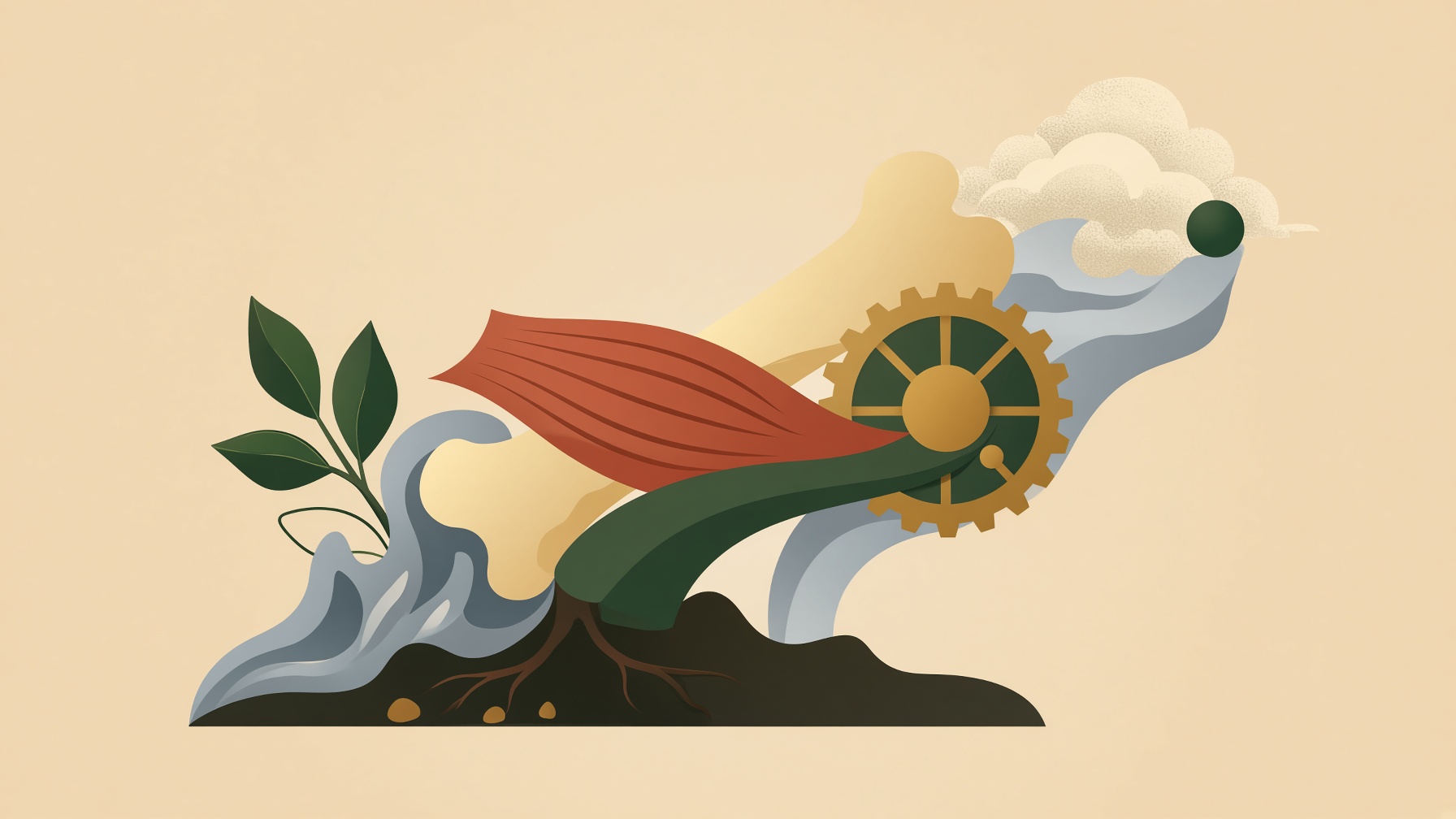
Biomechanics explains human movement through the interaction of body structures and forces, revealing the mechanics behind familiar actions.
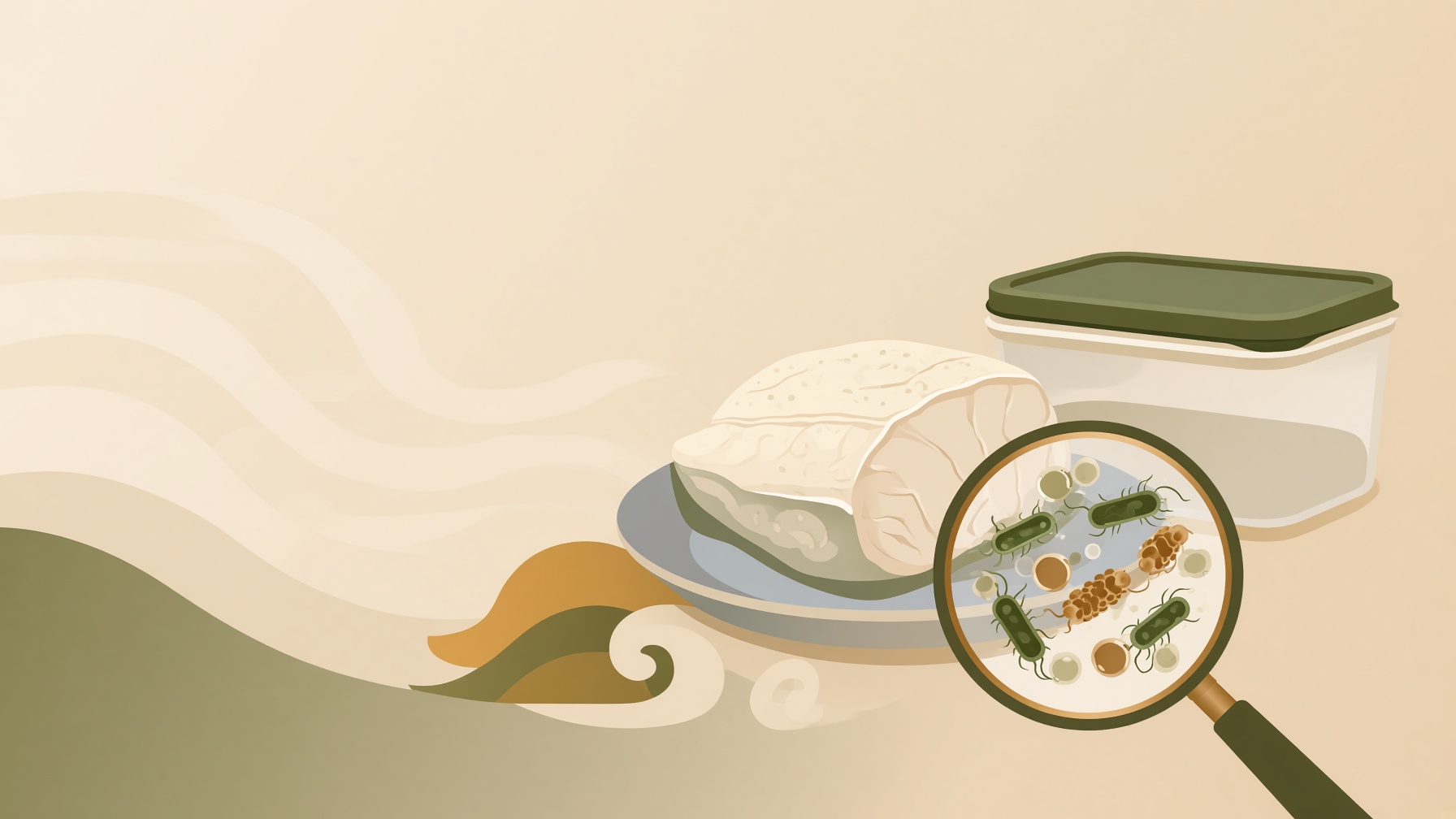
Harmful bacteria can survive or multiply in food without changing its appearance or smell, so normal-looking food is not proof of safety.
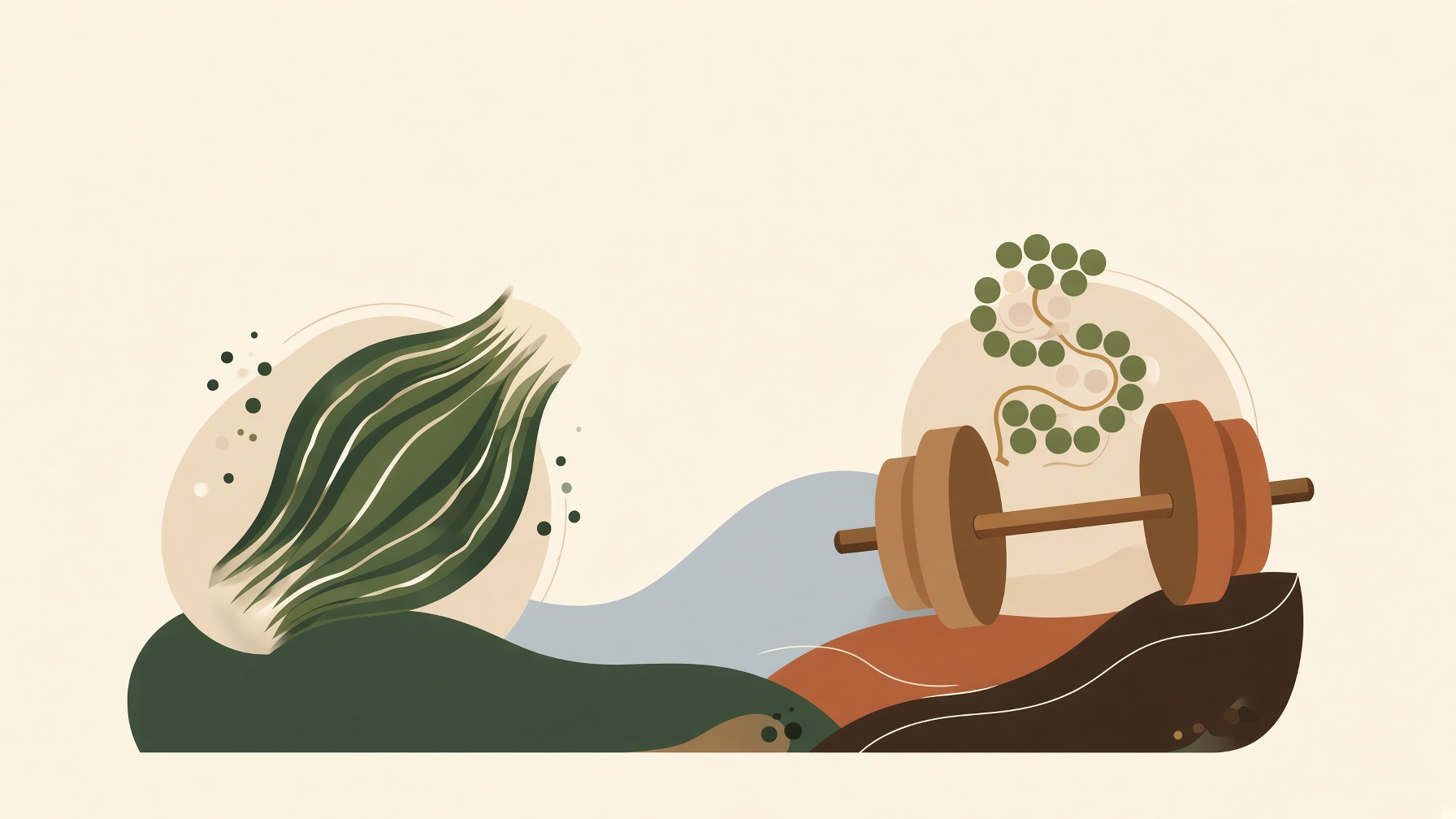
Progressive overload adjusts training as the body adapts, keeping the challenge appropriate rather than making every workout harder by default.
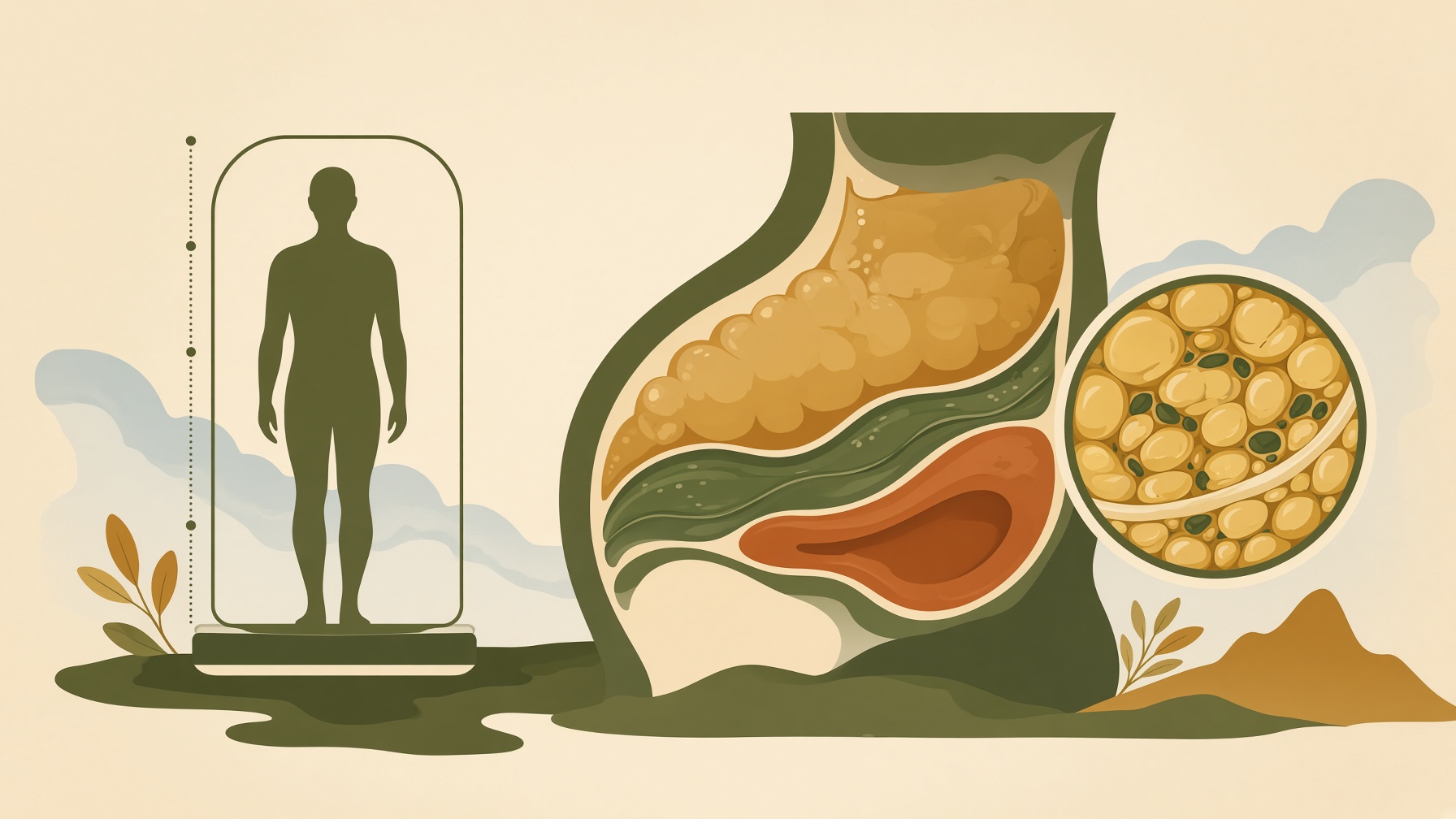
BMI screens weight relative to height, but cannot distinguish muscle from fat or show where body fat sits when assessing individual health.
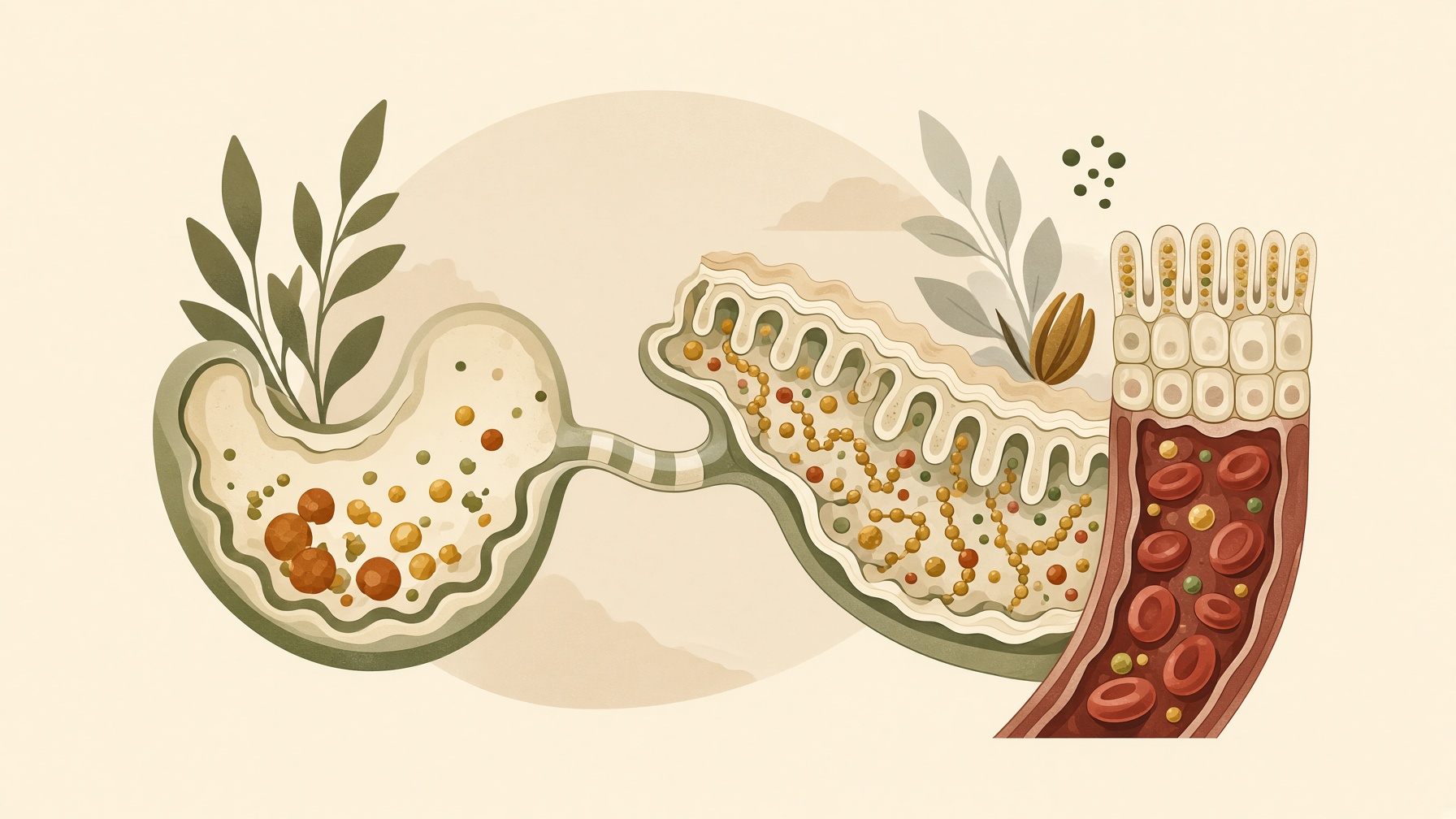
Protein digestion breaks food proteins into amino acids and small peptides that intestinal cells can absorb for the body’s ongoing protein turnover.
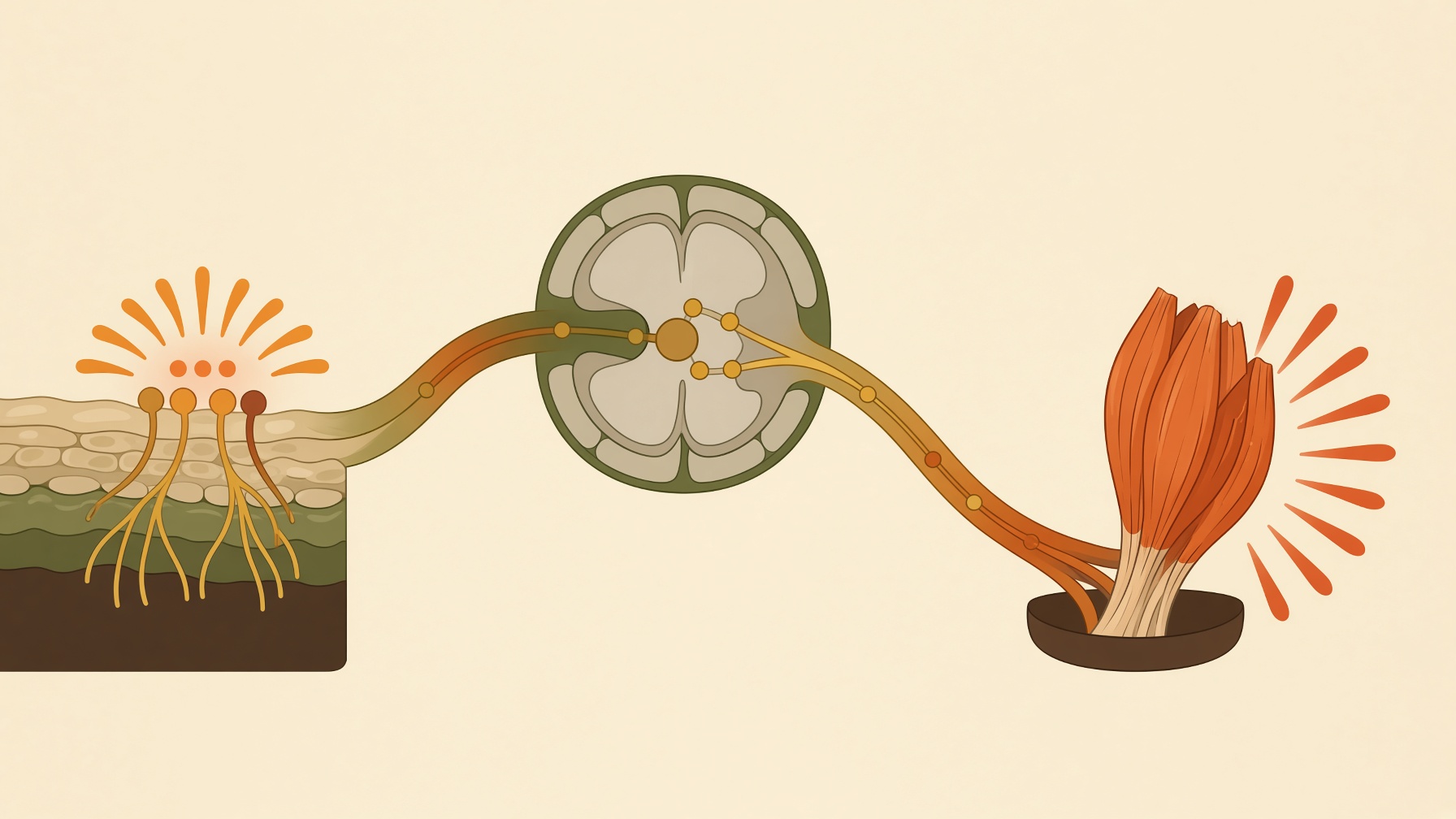
A reflex arc carries sensory information into the central nervous system and sends motor commands outward to produce an automatic response.
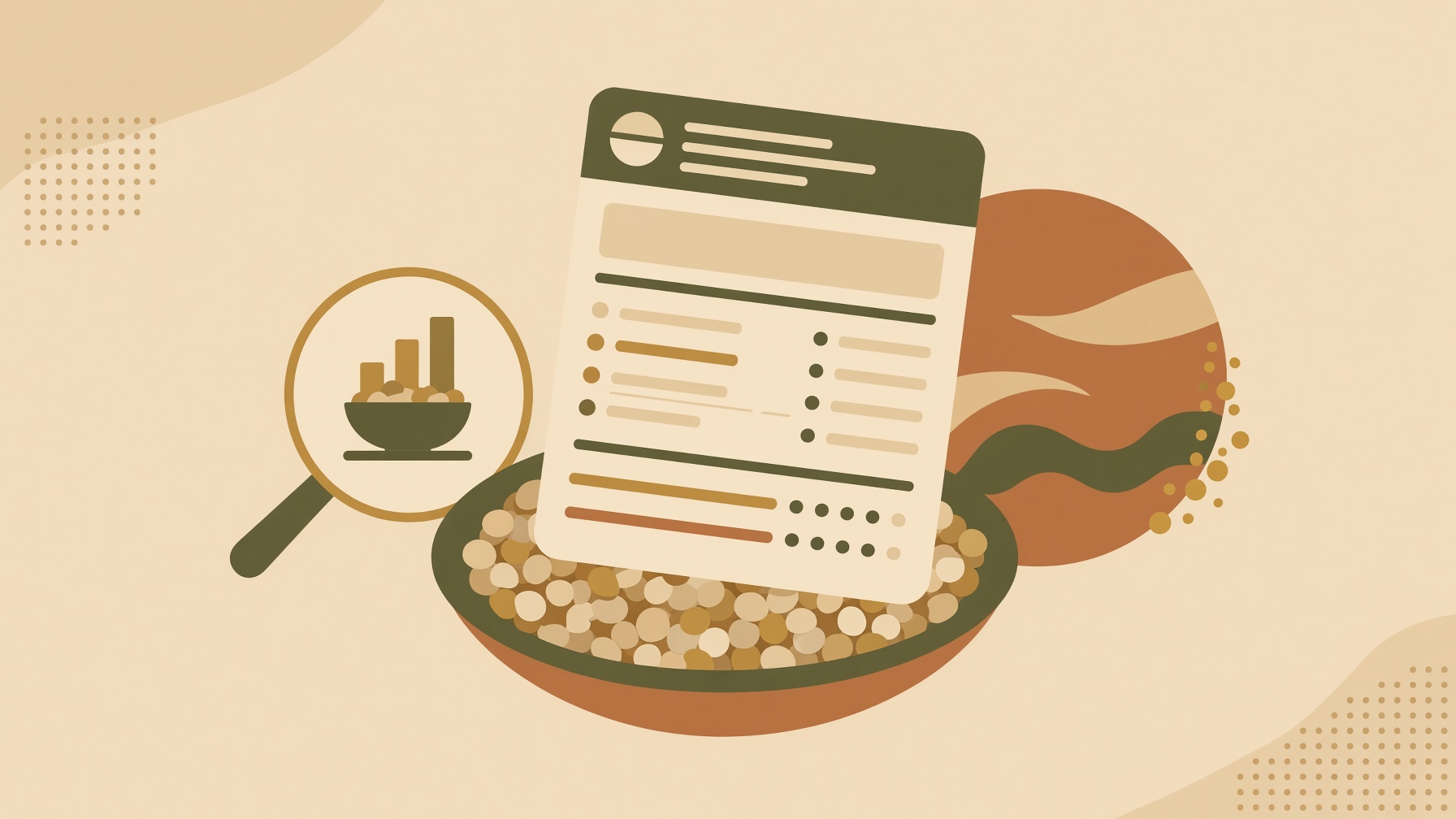
Nutrition Facts labels describe a stated serving, while Percent Daily Value shows how much a nutrient contributes toward a standard reference.
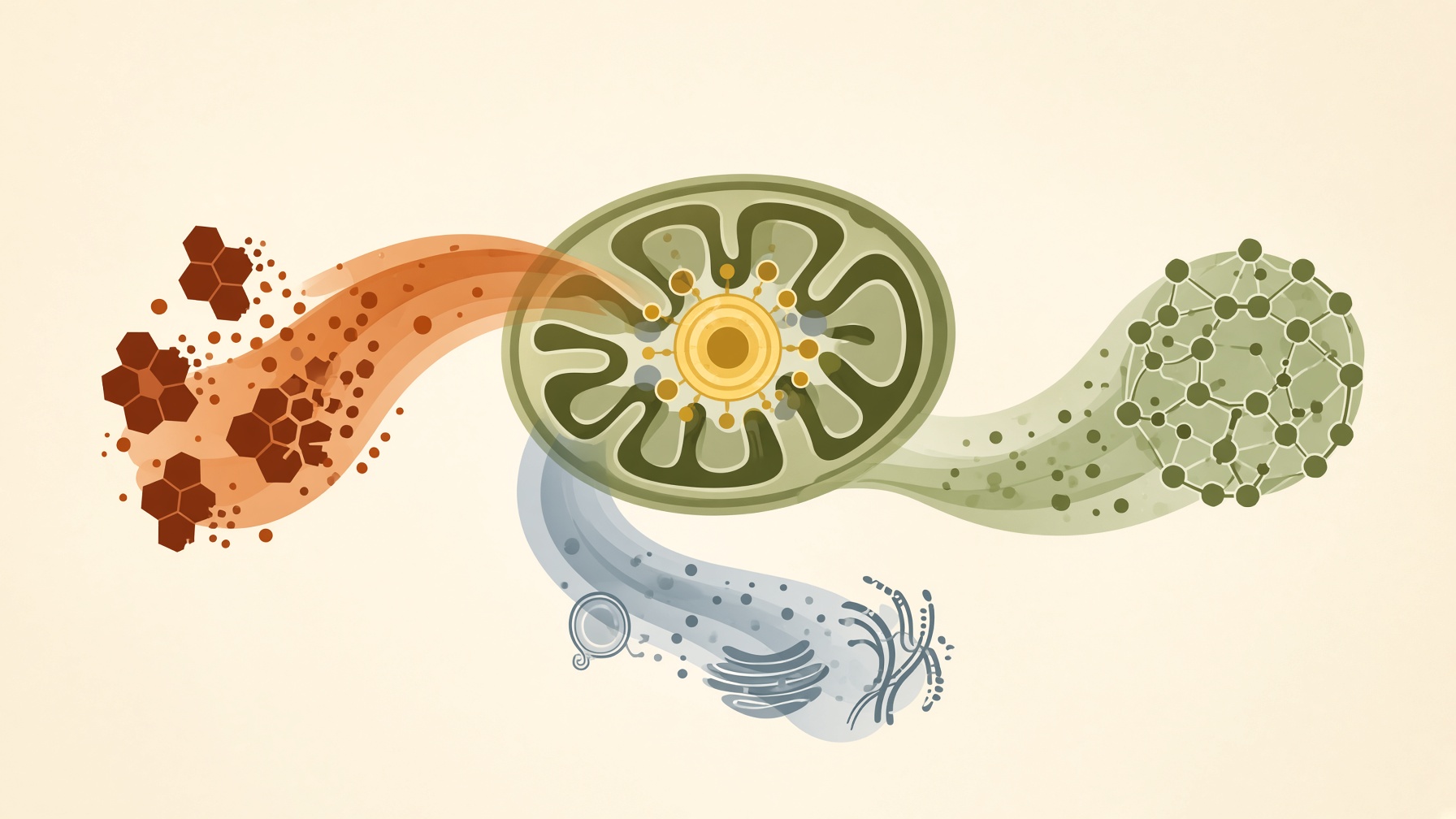
Metabolism links the breakdown and building of molecules through energy transfers, with ATP powering much of the work that cells perform.
Balance training becomes more demanding through changes in support and task demands, with useful progress tied to the control a person needs.
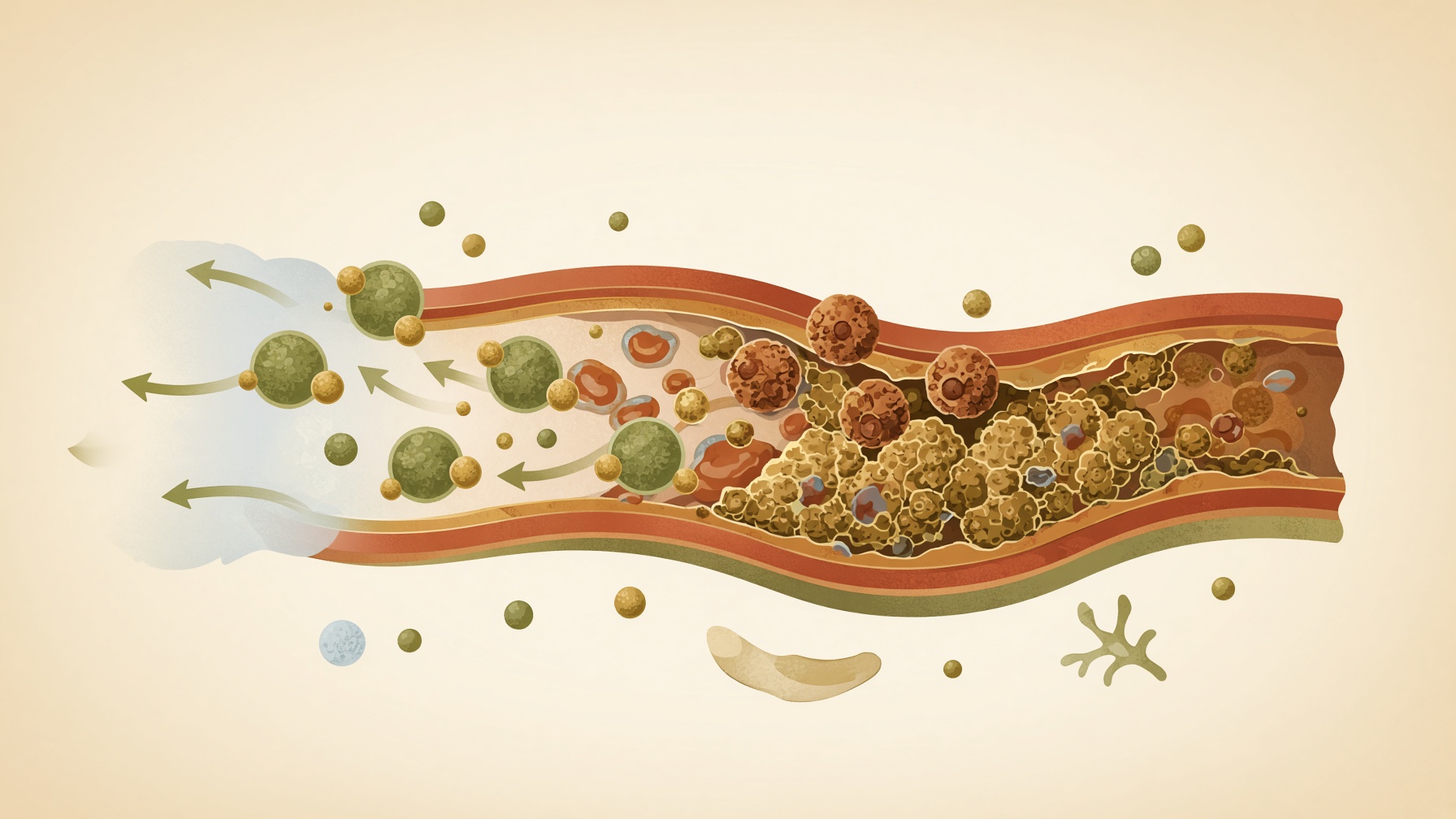
LDL and HDL carry the same cholesterol in different particles, whose behavior matters more for health than the familiar good and bad labels.
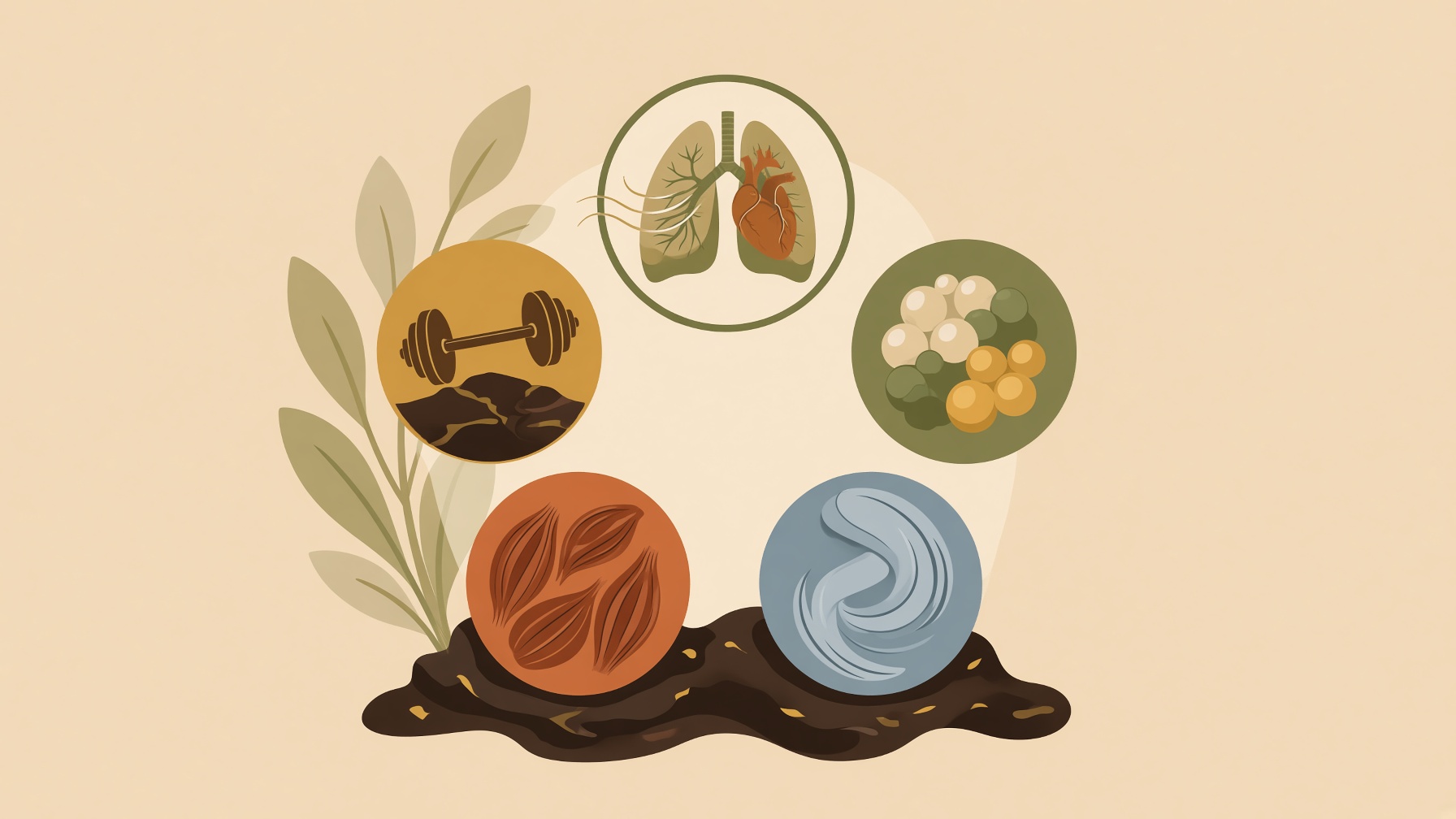
Health-related fitness describes several distinct qualities, so strength in one area does not necessarily mean equal ability across the others.
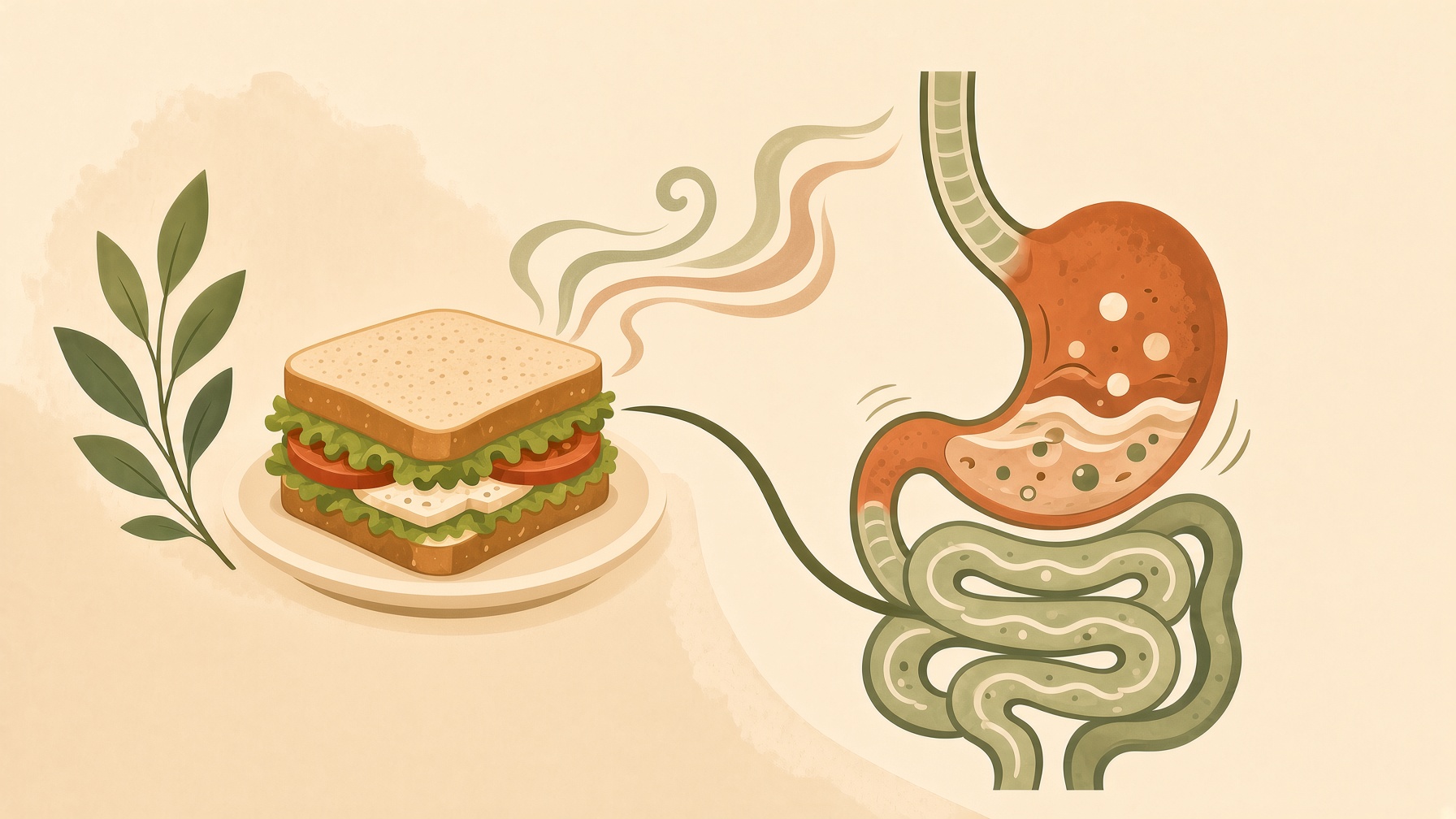
Digestion starts with chewing and starch breakdown in the mouth, while swallowing moves food toward a stomach already preparing for the meal.
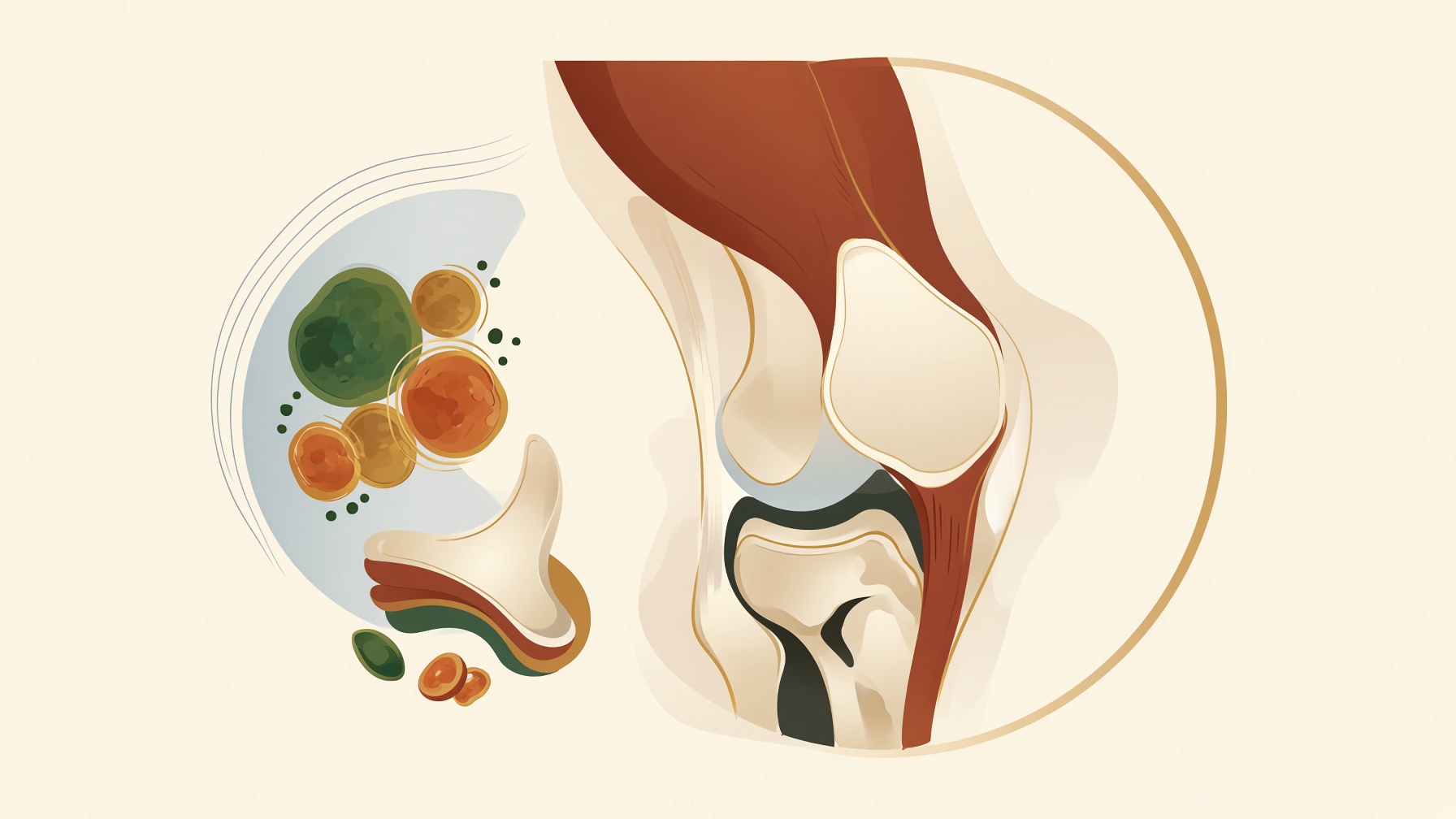
The kneecap improves the quadriceps muscle’s leverage by holding the tendon away from the knee joint, helping the muscle straighten the leg.
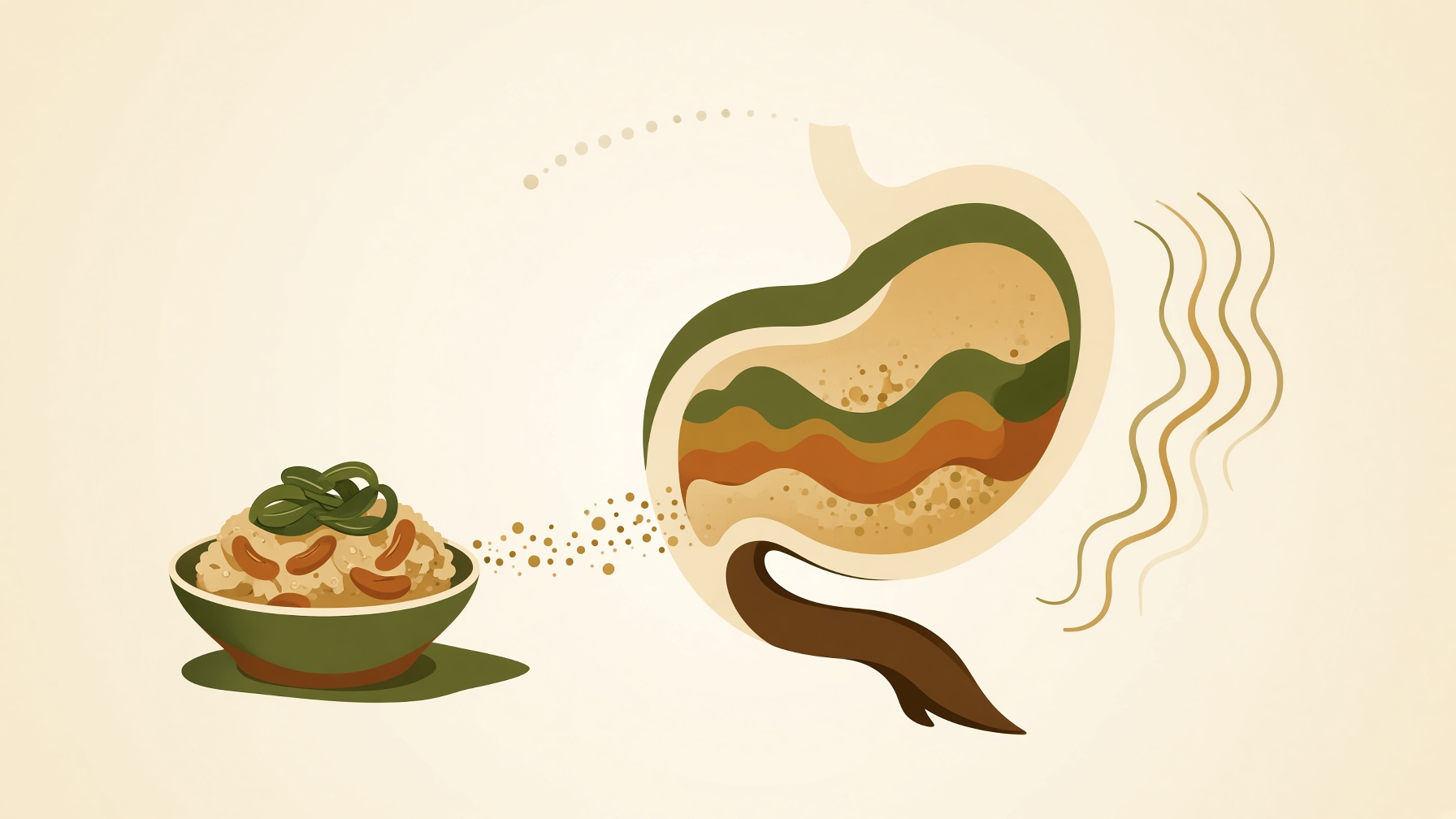
Foods can change hunger and fullness, but appetite responses depend on the meal and the person rather than following a fixed timetable.
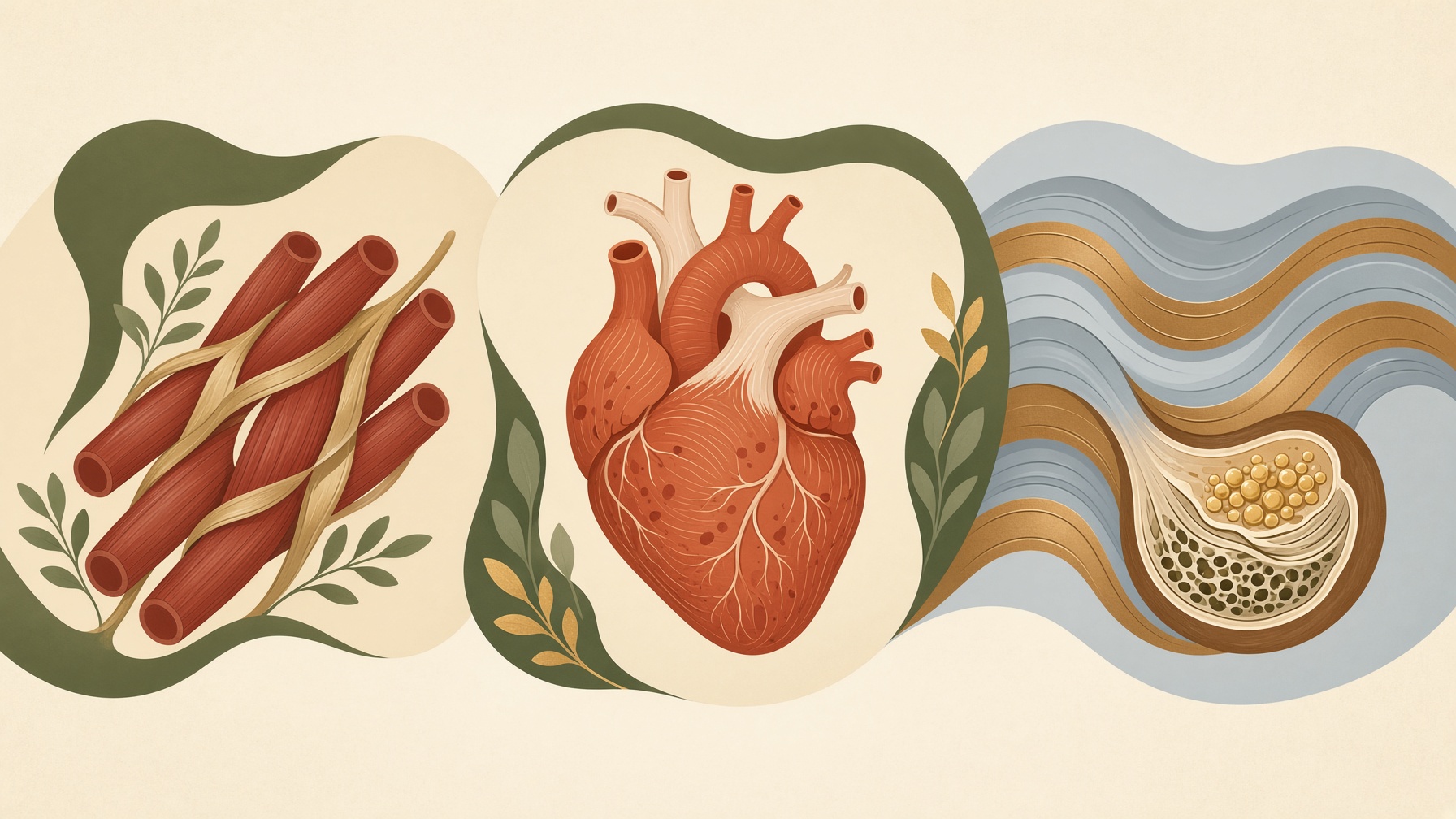
Skeletal, cardiac, and smooth muscle share the ability to contract, but differences in cell structure and control suit each to different tasks.